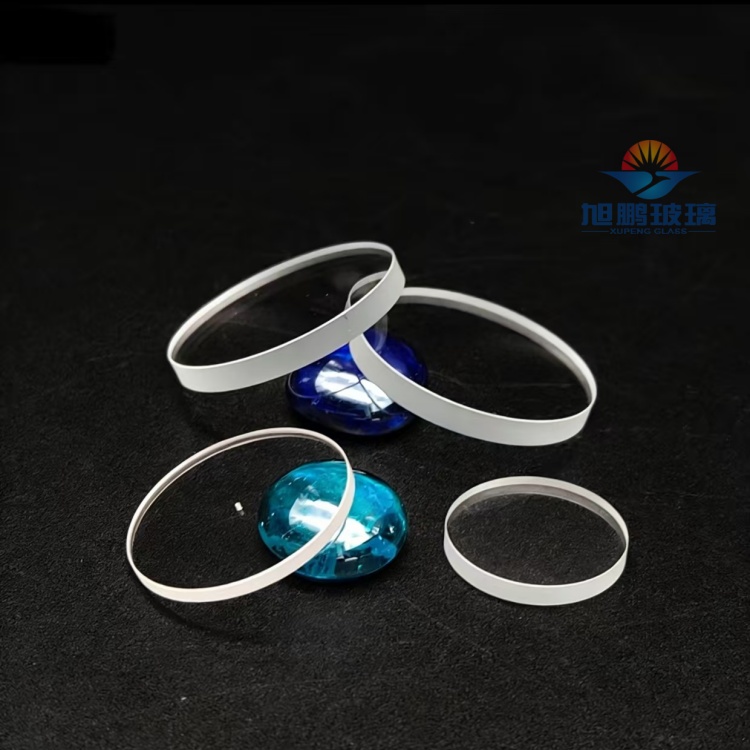
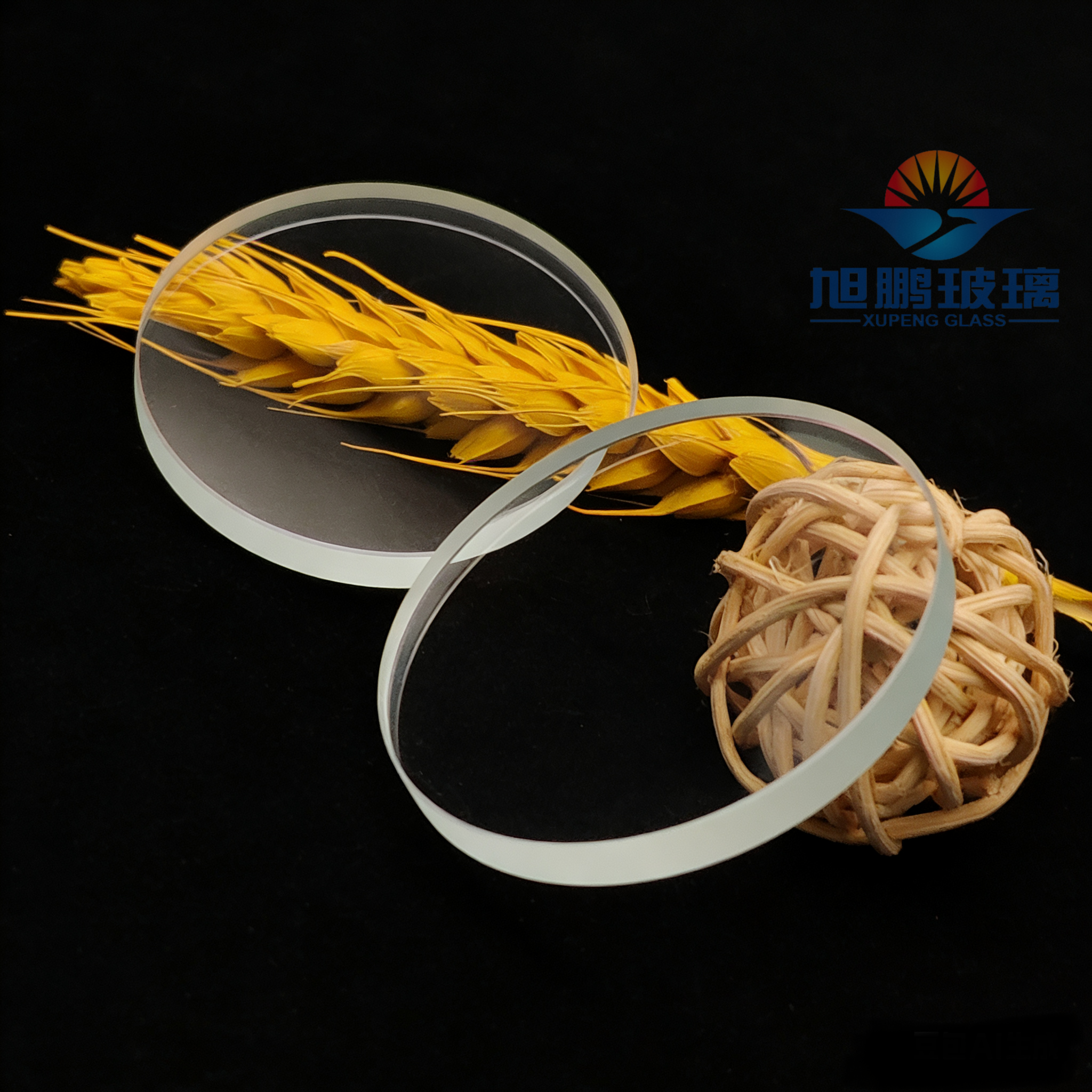
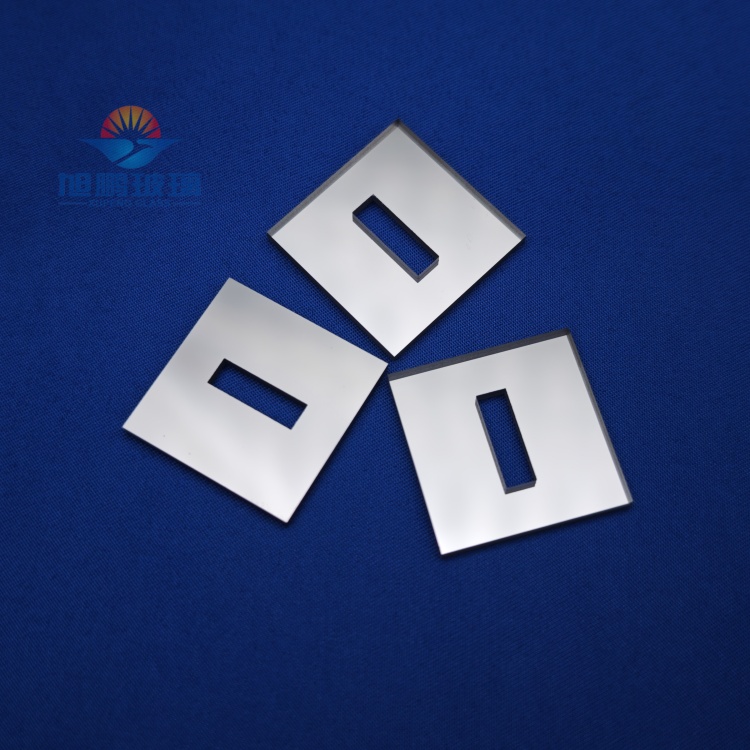
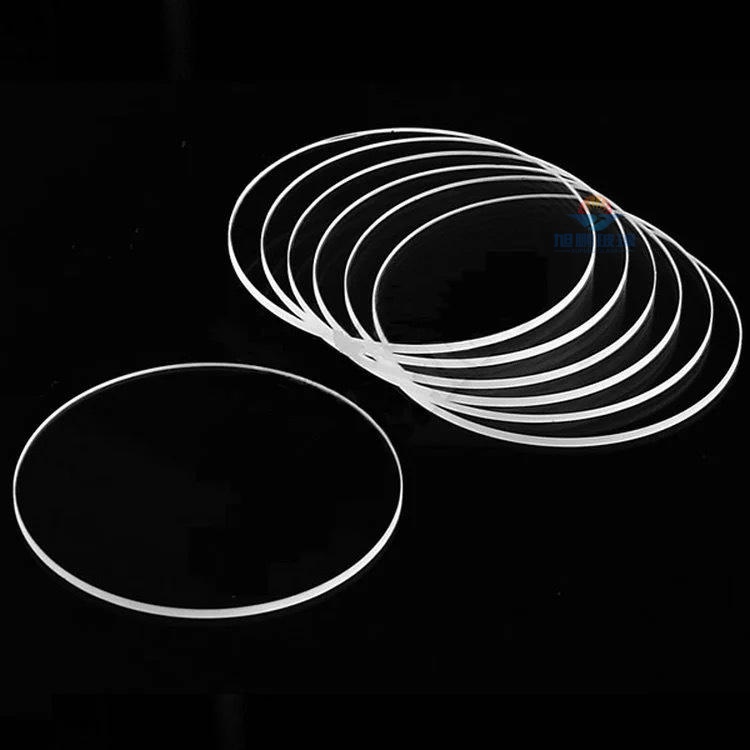
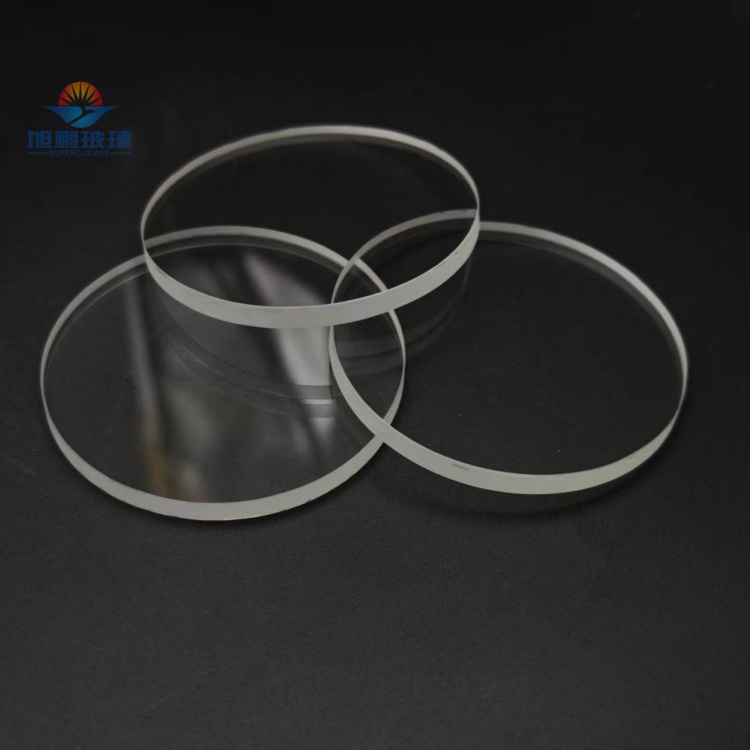
Ultra-thin Optical Glass Sheets Schott B270/D263T Semiconductor Electronic Glass Blank Cutting & Processing
- Ultra-thin
- B270/D263T
- CNC processing
A trusted touch control glass supplier should offer more than a single sheet of tempered glass. The range below covers the materials and finishing routes that appear most often in control panels, touch windows, display covers, optical instruments and harsh-environment equipment. Each item can be reviewed against your CAD, DXF or PDF drawing before sampling.
Touch control glass is not a commodity cover. It is an optical, mechanical and environmental interface between the user, the display stack and the equipment enclosure. A supplier that cannot control substrate quality, edge condition, coating adhesion, print registration and export packing can create hidden costs long after the unit price has been agreed.
In practical sourcing, the most expensive failures are rarely visible at incoming inspection. They appear as field delamination, coating haze, edge chipping during assembly, inconsistent touch-window clarity, print misregistration after tempering, or breakage caused by fragile-glass packing. For that reason, a qualified touch control glass exporter should be evaluated as a process partner, not simply as a cutting service. The buyer should ask how the supplier links drawings, raw material, tempering state, coating batch, printing batch, final inspection and shipment records.
A useful RFQ compares three specification stacks. First, the optical stack: visible transmission, reflectance per side, reflection colour, haze, gloss and surface finish. Second, the mechanical and environmental stack: glass chemistry, thickness tolerance, edge profile, holes, tempering or chemical strengthening, thermal resistance and coating durability. Third, the commercial and documentation stack: drawing revision control, inspection method, sample approval, packaging validation and Incoterms. Suppliers that can discuss all three stacks during the enquiry stage usually reduce engineering iteration and assembly-line surprises.
Do not specify “AR coated” as a single phrase. Define reflectance, colour shift, haze, gloss and the measurement surface. This prevents a low-reflection sample from looking different from mass production.
Edge quality, hole spacing, tempering condition and surface compression determine assembly yield. A drawing review should happen before cutting, not after finished parts arrive at your line.
Checkable trade evidence, documented markets, safe packaging and fast technical response matter when glass parts must cross borders and survive multi-stage handling.
Procurement teams are moving away from price-only comparison. The stronger RFQs we see combine optical performance, process traceability, export resilience and verified supplier evidence in one evaluation.
Onsite verification, credit index, transaction level, trade history and ratings are increasingly reviewed before samples are requested. Buyers want fewer unknowns.
Cutting, CNC edging, drilling, tempering, printing and AR/AG coating are being consolidated with one qualified supplier to reduce interface risk.
Reflection colour, haze, gloss and anti-fingerprint behaviour are becoming part of the specification instead of a generic finish request.
Packaging validation, alternative Incoterms and contingency planning are being reviewed earlier, especially for fragile and high-value glass parts.
Illustrative emphasis index based on typical RFQ discussions and engineering review priorities; it is not a third-party market forecast. Use it as a checklist when comparing quotations, not as a substitute for drawing-based validation.
Product development is converging around thinner low-iron substrates, tougher edges, integrated optical coatings, printed graphics and specialised materials for harsh environments.
Low-iron glass and controlled thickness tolerances support slimmer industrial design without colour cast or unnecessary weight.
Anti-reflective, anti-glare and anti-fingerprint functions are being combined in one approved optical stack for touch interfaces.
High-temperature ceramic inks, hidden-until-lit graphics and precise registration are enabling more integrated panel aesthetics.
K9, fused quartz, sapphire and Corning EXG substrates are increasingly evaluated for UV, semiconductor, sensor and high-temperature windows.
Use this matrix to shortlist the right substrate before requesting a quotation. Final specifications should always be confirmed against your drawing, application environment and agreed inspection standard.
| Glass Type | Best-Fit Applications | What to Specify | Procurement Advantage |
|---|---|---|---|
| Ultra-Clear Low-Iron Tempered | Touch control panels, appliance covers, HMI windows, LED fixtures and light boxes | Transmission, thickness, tempering, edge profile, holes, print and AR/AG option | High clarity with impact resistance and broad process compatibility |
| AR Coated Glass | Touch screen modules, AIO PC covers, instrument windows and display windows | Reflectance per side, reflection colour, haze, adhesion and coating area | Improved contrast and reduced ghost reflection in bright environments |
| AG Anti-Glare Glass | Outdoor LCDs, industrial HMIs, kiosks and harsh-light control stations | Gloss, haze, etch quality, surface durability and cleaning method | Better readability with controlled light diffusion |
| Silk-Screen Printed Tempered | Instrument panels, appliance control glass, switch covers and decorative windows | Ink colour, registration, IR/window ink, firing temperature and durability | Durable graphics integrated into the glass part |
| K9 Optical Glass | Lenses, prisms, optical instrument windows and precision viewing components | Refractive index, transmission, inclusions, polish and coating | Borosilicate crown optical performance with precision finishing |
| Fused Quartz | UV curing, UV disinfection, high-temperature viewports and laboratory equipment | UV transmission, OH content, thickness, thermal shock and edge finish | Excellent UV and thermal performance for demanding equipment |
| Sapphire Glass | Sensor covers, scratch-critical windows and high-temperature optical parts | Thickness, orientation, surface finish, chamfer and transmission | Mohs 9 hardness and very high thermal resistance |
| Corning EXG Alkali-Free | Semiconductor wafers, MEMS, display substrates and optical window substrates | Alkali-free chemistry, CTE, thickness, polish and wafer dicing | Low contamination risk and low thermal expansion for advanced processes |
| Ultra-Thin Flexible Glass | Foldable displays, flexible electronics and thin optical stacks | Thickness, bend radius, edge strengthening and handling method | Design freedom for thinner and bendable devices |

Dongguan AUVE Glass Co., Ltd. is a deep-processing glass manufacturer that integrates R&D, design, production and export in Songshan Lake, Dongguan — one of China’s electronics and optoelectronics clusters. The company operates as a manufacturer and trading company with 51–100 skilled employees, a 1,001–2,000 m² facility and an average response time within 7 hours.
The production scope covers flat and curved tempered glass, ultra-clear low-iron glass, laminated and painted glass, AR anti-reflective and AG anti-glare coated glass, silk-screen printed glass, touch screen and LCD cover glass, LED lighting glass, instrument glass, and optical materials including K9, quartz, sapphire, borosilicate and Corning EXG alkali-free glass. The stated philosophy is “focusing on high-end glass, pioneering and innovating.” For buyers, that philosophy is only useful when it is supported by drawing review, process control and export discipline.
For B2B glass sourcing, trust is stronger when it can be checked. These evidence points help procurement teams evaluate AUVE Glass before requesting samples, placing a pilot order or confirming a drawing for mass production.
Premises and legal status confirmed through third-party onsite verification.
Transparent credit profile built on real trading behaviour.
Verified online transaction records with overseas buyers.
Export experience, main markets and production capability.
Unfiltered buyer feedback on quality, delivery and service.
Documented shipment history across global markets.
Every step should be linked to the approved drawing and an agreed inspection method. This is how a touch control glass exporter protects optical clarity, dimensional fit and arrival condition.
Review CAD, DXF or PDF for thickness, tolerance, edge, holes, printing, coating and packaging requirements.
Cut from selected float, low-iron or optical stock with the material route matched to the application.
Edge grinding, beveling, grooving, holes and cut-outs are controlled to protect assembly fit and reduce chipping risk.
Flat and curved thermal tempering improves impact and thermal resistance where the design requires safety glass.
High-temperature ceramic inks, AR/AG coatings, mirror or functional finishes are applied with batch discipline.
Dimensional, visual and optical checks are followed by fragile-goods packing and clear batch labelling.
Reliable glass supply includes commercial flexibility and packaging discipline. AUVE supports buyers with export terms and protective packing designed for fragile, high-value glass parts.
Choose the delivery term that matches your customs setup and freight model.
Products are exported to the United States, Canada, Russia, South Korea, Japan, Australia and other markets.
Protective film, interleaving paper, foam corner protection and wooden crates or reinforced cartons help protect edges, coatings and printed surfaces.
These are the questions engineering and sourcing teams ask most often when evaluating a long-term glass supplier and exporter.
A trusted supplier should demonstrate process depth, drawing-based engineering review, batch traceability, suitable inspection methods, export-grade packing and responsive technical communication. Checkable evidence such as onsite verification, credit index, transaction level, trade capacity, buyer feedback and trade history is also useful. Trust is not a logo or a list of process names; it is the ability to repeat the approved sample consistently.
Yes. Send a CAD, DXF or PDF drawing with thickness, tolerance, edge profile, hole positions, printing artwork, coating requirements and quantity. The engineering team reviews manufacturability before production, covering CNC cutting, edging, drilling, tempering, silk-screen printing and AR/AG coating. Early review helps catch tolerance stack-up and handling risks before materials are cut.
Most touch control windows use ultra-clear low-iron tempered glass with optional AR anti-reflective coating, AG anti-glare treatment and silk-screen printing. For high-temperature or scratch-critical windows, sapphire may be considered. For UV or high-purity applications, fused quartz or Corning EXG can be more suitable. For optical instruments, K9 glass may fit the optical design. The final choice depends on reflection, haze, impact, temperature, chemical exposure and assembly method.
MOQ depends on material and process. Many coated and optical glass parts start from 10 to 50 pieces, while standard ultra-clear tempered parts typically start from 100 to 500 pieces. Sample and pilot quantities can be discussed for new projects. For the fastest review, include the drawing, target quantity, application environment and required inspection standard in the first enquiry.
Export packing is planned around the finished surface. Protective film, interleaving paper, foam corner protection and wooden crates or reinforced cartons can be used according to part size and sensitivity. Batch labelling helps the buyer match cartons to the approved drawing and inspection record. For coated or printed glass, the packing method should be agreed before production because surface protection affects both yield and field performance.
FOB, CFR, CIF, EXW, DDP, DDU, DAF and express delivery are supported. Sea, air and express shipment can be reviewed according to size, value, urgency and destination. Glass parts require appropriate fragile-goods packing and handling instructions, so the freight method should be selected together with the packing plan.
The stated export markets include the United States, Canada, Russia, South Korea, Japan, Australia and other markets. Buyers can also review company profile, supplier assessment, trade capacity and trade history pages for additional commercial context before placing an order.
The average response time is within 7 hours. For an engineering review, email info@auveglass.com with your drawing, quantity, application and finishing requirements. If your enquiry is urgent, use the catalogue request button on this page to connect with the sales team.
Share your size, thickness, tolerance, edge, printing and coating requirements. The team will confirm material route, process feasibility, MOQ and lead time — typically within 7 hours — so your touch control glass project starts with a manufacturable specification.