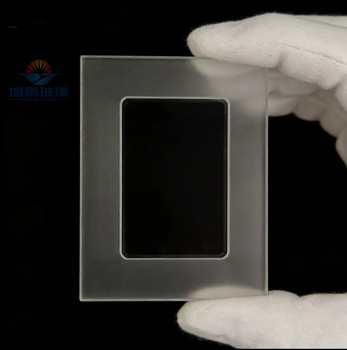
Top pickUltra-White Tempered Glass Riser & Fascia Covers
Clean vertical covers with polished edges, radius corners and optional holes or cut-outs for trim and hardware.
- Low-iron
- Tempered
- Custom size

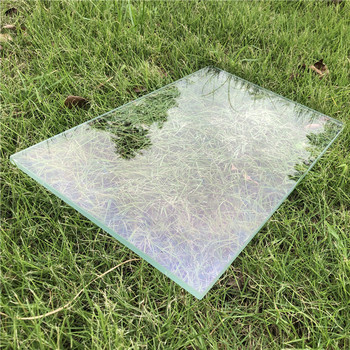
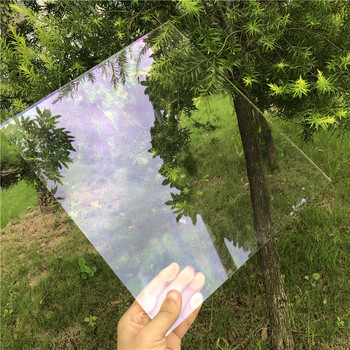
Custom ultra-white tempered glass decorative covers for stairways are made-to-drawing glass panels used to cover, protect or visually upgrade stair risers, fascia edges, stringers, side trims, landings, feature walls and nearby balustrade areas. They are often specified in residential interiors, hospitality projects, retail showrooms, office buildings and premium commercial staircases where architects want a clean, bright and highly transparent finish rather than the green edge tint of ordinary clear glass.
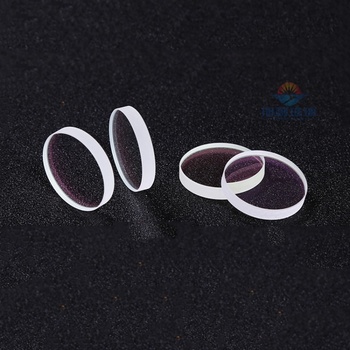
“Ultra-white” refers to low-iron glass with a neutral edge color and high visible-light transmission. When tempered, the glass gains enhanced mechanical and thermal resistance compared with ordinary annealed glass, and if broken it fragments into small particles rather than large sharp shards. For stairway decoration, ultra-white glass can be CNC cut into curved or angular shapes, drilled for hardware, edge-polished, silk-screen printed, laminated, etched or coated with AR/AG functional layers to match the interior design and installation method.
However, decorative covers and safety-critical guarding are not the same application. If a glass panel is used as part of a balustrade, barrier, overhead element or any load-bearing assembly, the final thickness, lamination, fixing and performance must be confirmed by the project engineer and checked against local building codes. Dongguan AUVE Glass Co., Ltd. manufactures the glass parts to your approved specification and reviews manufacturability before production, but project engineering and on-site installation remain the responsibility of the design and construction team.
These formats are a practical starting point for architects, contractors and procurement teams comparing custom ultra-white tempered glass decorative covers for stairways. Final specifications should be adapted to panel size, fixing method, local code and the installer’s requirements.
Top pickClean vertical covers with polished edges, radius corners and optional holes or cut-outs for trim and hardware.

Non-rectangular shapes, notches, mounting holes and edge profiles cut to a DXF drawing or measured template.
PrintedHigh-temperature ceramic ink for borders, brand marks, patterns, icons and graphic window areas.

Anti-reflective coating can improve clarity where strong daylight, feature lighting or glass-to-glass views cause glare.

Where guarding, impact or retention performance is required, laminated or laminated tempered build-ups can be reviewed to the project specification.
Good RFQs reduce rework, protect installation schedules and make supplier comparison more accurate. Use this guide to define the variables that affect price, lead time and performance.
| Specification Area | Buyer Guideline | What to Put in the RFQ |
|---|---|---|
| Glass Color | Ultra-white low-iron glass is selected for a neutral edge and high clarity. Ask for an edge-color sample or previous batch reference if color consistency is critical. | Material name, color reference, sample status, visible-light requirement if applicable. |
| Tempering & Safety | All holes, notches and cut-outs must be completed before tempering. For guarding or overhead applications, laminated safety glass or engineer-approved build-ups may be necessary. | Application location, load/impact requirements, code reference, required glass build-up. |
| Thickness | Many decorative vertical riser and fascia covers are specified around 6–10 mm, but panel size, fixing type and local code can change the requirement. | Nominal thickness, tolerance, panel dimensions and fixing details. |
| Edgework & Corners | Polished flat edges, bevels, radius corners and arris edges affect both appearance and breakage risk during handling. | Edge drawing, polish type, corner radius, bevel width, acceptance criteria. |
| Holes & Notches | CNC drilling and cut-outs must respect minimum edge distances and hole spacing for tempered glass. Avoid late design changes after tempering. | DXF/PDF drawing, hole diameter, position tolerance, hardware size. |
| Printing & Decoration | High-temperature ceramic ink is fired into the glass for durable graphics. Specify the print side and whether the design is viewed from the front or back. | Color references, artwork file, print side, transparency, window areas. |
| Coating Options | AR anti-reflective, AG anti-glare, etched, frosted or other functional finishes can be discussed. Confirm optical targets and sample approval method. | Coating type, single/double side, haze/gloss or reflection target, sample requirements. |
| Walking Surfaces | Do not use polished decorative glass as a walk-on tread without an anti-slip design and engineer approval. Anti-slip etched or textured surfaces and laminated build-ups may be required. | Slip rating, tread usage, cleaning method, load requirement, installation details. |
| Packing & Traceability | Fragile glass parts need interleaving protection, edge/corner protection, batch labels and export-grade crates or reinforced cartons. | Packing method, project labels, pallet/crate limits, shipment marks. |
| Inspection & Documentation | Agree the inspection plan before production: dimensions, visual defects, edge quality, print appearance, coating appearance, flatness and packing checks. | Critical tolerances, AQL or inspection method, photo approval, test report needs. |
Reference values are for procurement planning only. Final material, thickness, lamination, fixing and compliance requirements must be confirmed by the project engineer and the applicable local building code.
For custom ultra-white tempered glass decorative covers for stairways, procurement is moving from simple unit-price comparison toward verified capability, drawing discipline and total delivered risk.
Architects and contractors increasingly ask glass manufacturers to review drawings before tender or final measurement. This helps identify edge distances, hole positions, curvature limits, printing tolerances and packing constraints earlier, reducing costly changes after samples are approved.
International buyers now compare supplier verification, response consistency, production scope and documented inspection. Onsite-checked supplier profiles, credit history, transaction records and buyer feedback help procurement teams shortlist factories before committing to project samples.
Fragile glass shipments can erase the benefit of a low unit price if packing is weak or replacement parts delay installation. Buyers are increasingly evaluating breakage protection, carton or crate efficiency, shipping terms and supplier response speed as part of total landed cost.
For large stairway packages, request a quotation that separates glass processing, coating or printing, packing and freight assumptions so you can compare offers on the same basis.
Stairways are increasingly treated as interior features rather than circulation-only spaces. This is driving demand for glass covers that combine clarity, graphic design, lighting integration and safety coordination.
Ultra-white low-iron glass offers a cleaner edge appearance than standard clear glass, which is important for exposed edges, backlit panels and minimalist stairways. Buyers are specifying samples to confirm color neutrality under project lighting and adjacent materials.
Silk-screen printing, frost, etching, AR and AG finishes allow stairway glass to balance visual impact with functionality. Printed borders can hide adhesive or fixing zones, while AG surfaces can reduce glare and AR coating can improve transparency in bright atriums.
LED backlighting, concealed standoffs and modular cover kits are increasingly requested for hospitality and retail staircases. To make this work, glass drawings should coordinate with light positions, wiring routes, hardware clearances and the installer’s tolerances.

Dongguan AUVE Glass Co., Ltd. is a deep-processing glass enterprise specializing in the integration of glass product research and development, design, manufacture and sales. Our production scope covers flat and curved tempered glass, ultra-white and ultra-clear glass, laminated glass, painted glass, LCD glass, advertising glass, touch screen glass, intelligent control panel glass, LED lamp glass, instrument glass, AR glass, AG glass and a series of high-quality tempered glass products.
AUVE Glass adopts advanced production technology and strictly implements production according to defined standards, supported by a comprehensive quality management system. Our products are positioned around reliable quality, strong safety awareness and flexible service, and are exported to the United States, Russia, Canada, South Korea, Japan, Australia and other markets. For buyers sourcing custom ultra-white tempered glass decorative covers for stairways, this combination of deep-processing capability and export experience helps simplify communication across cutting, edging, drilling, tempering, printing, coating and packing.
We continue to invest in skilled people, advanced equipment and product development. Guided by a market-oriented approach and the philosophy of “focusing on high-end glass, pioneering and innovating,” AUVE Glass works with domestic and foreign customers to provide overall glass solutions for OEM, brand, distribution and project requirements.
Send your drawings and quantity details to info@auveglass.com. Our team can review manufacturability, confirm material and process options, and advise on packing or shipping requirements for your market.
Each stage is coordinated to shorten back-and-forth, protect critical dimensions and reduce risk before glass parts reach your installation team.
Application, dimensions, edgework, holes, printing and fixing method reviewed.
Ultra-white glass, thickness, printing, coating and sample approval confirmed.
Cutting, edging, drilling, notching and shape processing to the approved drawing.
Tempering, silk-screen printing and coating coordinated with the approved route.
Dimensional, visual, edge, print and packing checks against the agreed plan.
Protective film, interleaving, corner protection and export crates or cartons.
These are the questions global procurement teams, architects and distributors most often ask when evaluating custom stairway glass covers.
They are made-to-drawing glass panels used to cover, protect or decorate stair risers, stringers, fascia edges, side trims, landings, feature walls and nearby balustrade areas. Ultra-white low-iron glass is chosen when a neutral edge color and high clarity are important. The glass can be tempered, CNC cut, drilled, edge-polished, printed, laminated or coated depending on the application.
Yes. Send CAD, DXF, PDF or a measured template with thickness, edgework, holes, cut-outs, printing, coating and installation notes. Our engineers review manufacturability before production, including cutting, edging, drilling, tempering, silk-screen printing and AR/AG coating requirements.
Many decorative vertical riser and fascia covers are specified in the 6 mm to 10 mm range, but thickness must be confirmed against panel size, fixing method, building code and application. If the glass is used for guarding, impact safety, overhead glazing or walk-on surfaces, the thickness and glass build-up must be approved by a qualified project engineer and may require laminated or laminated tempered glass.
Tempered glass is heat-treated safety glass that breaks into small particles, but safety is not determined by tempering alone. Correct thickness, edgework, hole placement, fixing method, supporting structure and compliance with local building codes are all critical. For balustrades, barriers or other safety-critical applications, the project team should specify an engineer-approved glass type and installation system.
Yes. We can produce high-temperature silk-screen printed glass with custom graphics, borders, logos, icons and window areas. Frost, etching, AR and AG options can also be discussed for decorative effects, glare control or clarity improvement. Artwork, color references and the print side should be confirmed before sampling.
AR anti-reflective and AG anti-glare coated glass are available as project options. For areas where glare, reflection or surface appearance matters, request a sample and define the acceptance criteria. If a glass surface may be walked on, do not rely on decorative polish; the design must use an engineer-approved anti-slip surface and glass build-up that satisfies local safety requirements.
MOQ depends on material, coating, printing and processing. Many custom coated or printed glass parts start from 10 to 50 pieces, while standard ultra-clear tempered parts typically start from 100 to 500 pieces. Sample and pilot quantities can be discussed for new stairway projects. Sampling usually requires a drawing, target quantity and confirmation of the inspection criteria.
Production follows a documented quality management system with dimensional, visual, edge, print and coating checks as agreed for the order. Finished glass parts are protected with interleaving film or paper, foam corner protection and export-grade wooden crates or reinforced cartons. Batch labels, project labels and packing photos can be discussed during order confirmation.
Include the application and installation location, panel drawings, dimensions, quantity, glass color, thickness, tempering or lamination requirement, edge and corner details, hole positions, printing or coating requirements, fixing method, inspection standard, delivery country and required Incoterm. If your project has a building-code requirement, state it clearly so the technical review can be aligned with your engineer’s specification.
Our glass products are exported to the United States, Canada, Russia, South Korea, Japan, Australia and other markets. For project inquiries, email info@auveglass.com with your drawings, quantity and delivery requirements. Our average response time is within 7 hours.
Share your size, thickness, edgework, holes, printing, coating and installation requirements. Dongguan AUVE Glass Co., Ltd. will review material and processing options and respond as quickly as possible — usually within 7 hours. Email info@auveglass.com or use the catalog button to start your inquiry.
info@auveglass.com