8 Production-Ready Glass Products for Anti-Glare, AR and Optical Assemblies
For German buyers comparing anti-glare coating factories and suppliers, these eight items show the practical product range behind display readability, tempered protection and precision optical performance. Every part can be reviewed against your drawing, coating target and packaging requirement.

Schott Ultra-thin Optical Glass Sheets, 0.1mm, 0.5mm, 0.7mm, 1.1mm, Raw Semiconductor Electronic Glass Substrates
Ultra-thin glass for semiconductor, electronic and optical projects where thickness control and surface quality are critical.
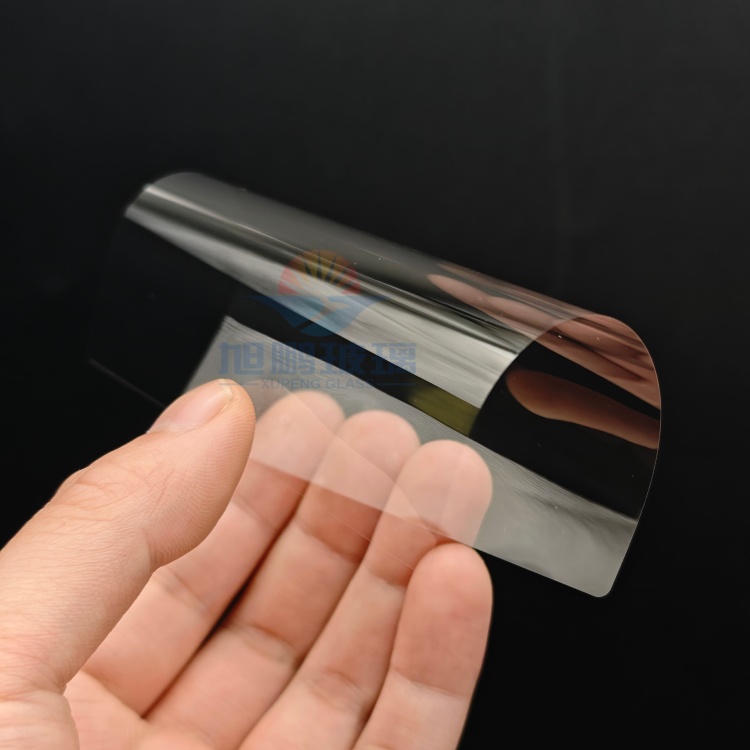
0.03 mm Ultra-thin Flexible Bendable Glass
A bendable ultra-thin glass option for foldable displays, flexible sensors and next-generation human-machine interfaces.
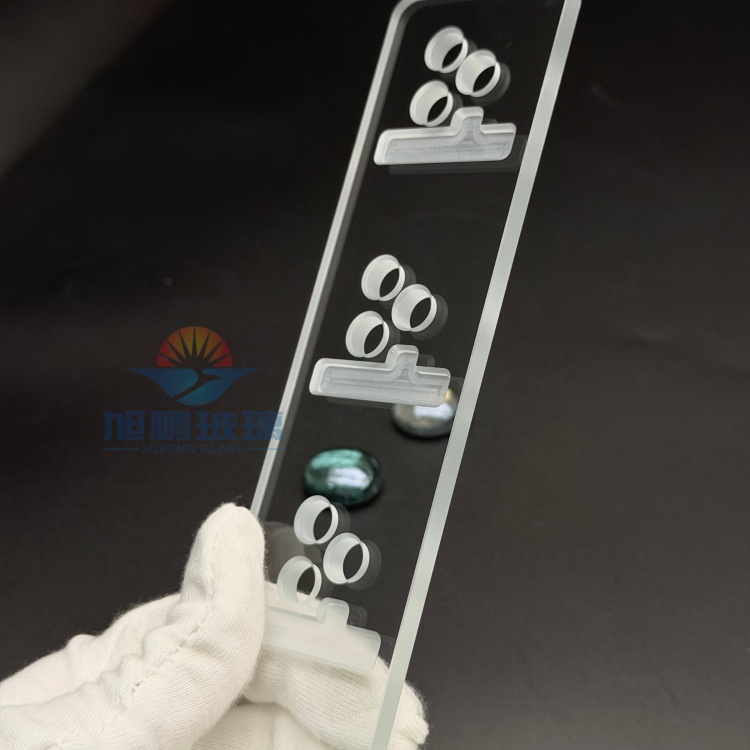
Ultra Clear High Light Transmission Tempered Glass Panel, CNC Arc Polishing, Drilling & Grooving
Ultra-clear tempered glass with CNC shaping and finishing; a strong base material for AG or AR display covers.

Corning Ultra-Thin Glass Sheet, Optical Grade Glass Wafer Substrate with Chamfered Edge
Corning ultra-thin optical glass with chamfered edge for precision optical and electronic assembly projects.
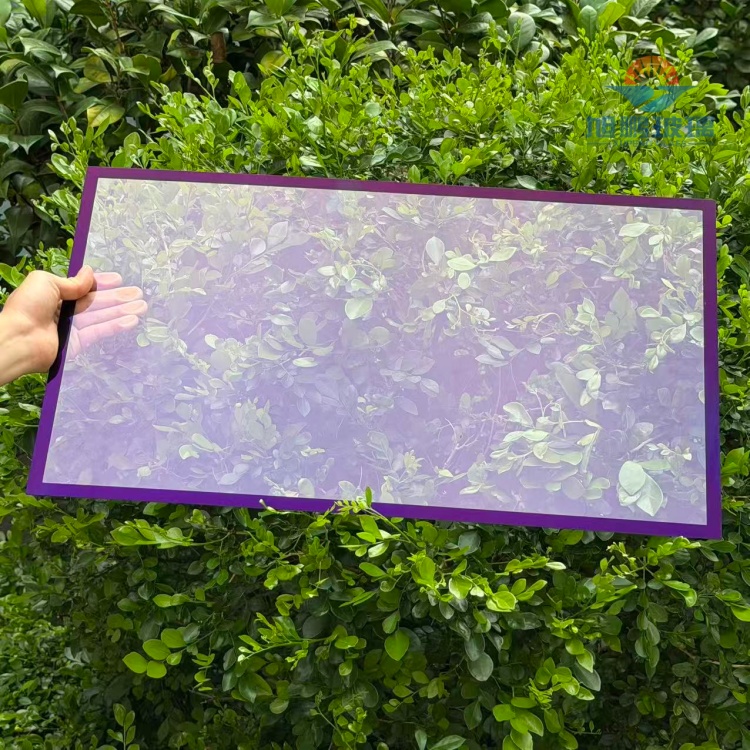
27-inch All-in-One PC AR Coated Glass
Large-format AR coated glass for all-in-one PCs, control rooms and premium display assemblies.

Ultra-white Tempered Glass, AR Anti-Reflection Coatable, High Light Transmittance & Anti-reflective
Ultra-white tempered glass with high light transmittance and an AR-coatable surface for low-reflection interfaces.

Ultra-thin Optical Glass Sheets Schott B270/D263T Semiconductor Electronic Glass Blank Cutting & Processing
Schott B270/D263T glass blank cutting and processing for optical, electronic and diagnostic applications.

High-transmittance Anti-Reflection Coated Glass
High-transmittance AR coated glass for display windows, instruments and low-reflection optical interfaces.
Manufacturer Facts That Matter During German Vendor Onboarding
German procurement teams need evidence, not only a price. These verified company facts from AUVE Glass help shorten the first technical and commercial review.
What German Buyers Really Mean by “Anti Glare Coating”
Search demand around anti-glare coating factories & suppliers in Germany is highly technical. A buyer in Stuttgart may need an etched AG surface for an automotive HMI, while a medical device team in Bavaria may require an AR coating with defined reflectance and cleanability. The intended result is glare reduction without sacrificing contrast, color neutrality, scratch resistance or documentation.
AG Anti-Glare Surfaces
AG is a surface function, not a color. Etched or sprayed micro-texture scatters incoming light to reduce harsh reflections. German RFQs should define haze, gloss, roughness, cleaning method and the exact lighting condition used for approval.
AR Anti-Reflective Coatings
AR uses thin-film interference to lower surface reflectance and raise display contrast. Ask for the reflectance curve, color coordinates, coating side, abrasion test and whether the coating survives cleaning agents used in your assembly.
AG + AR Hybrid Performance
A hybrid stack combines diffusion with low reflection for premium displays, rail information systems and architectural showcases. It is usually specified when one treatment alone cannot meet both glare control and contrast targets.
Where AG and AR Coated Glass Wins in German OEM Projects
A German OEM rarely purchases AG glass as a generic material; it purchases an outcome inside a specific assembly. The same coating can perform well in a kiosk but fail in a medical monitor if the cleaning agent, display brightness or color requirement is different.
Automotive & EV Interfaces
Cockpit displays, charging stations and HMI panels must stay legible under changing daylight. AG reduces reflections, AR improves contrast, and tempered or strengthened glass protects the display stack.
Medical & Diagnostics
Laboratory instruments, diagnostic monitors and surgical displays need color neutrality, low haze and documented cleanability. Review disinfectant compatibility and coating durability before approval.
Industrial Automation & HMI
Machine control panels, robot teach pendants and production terminals face oil, coolant, dust and strong factory lighting. Hard-coated AG or AG+AR glass can improve readability and reduce operator fatigue.
Public Kiosks, Rail & Transport
Ticket machines, wayfinding terminals and train information systems need anti-glare performance plus fingerprint and scratch resistance. Consider laminated or tempered constructions for public use.
Architecture, Museums & Retail
Museum vitrines, façade glazing and high-end retail displays need low reflection without color shift. Always approve a mock-up sample under the actual lighting conditions used in the building.
Outdoor Signage & EV Charging
Digital signage and charging stations require UV stability, weather resistance and easy cleaning. Validate the AG treatment with humidity, thermal cycling and field-cleaning data, not only a bench sample.
Germany’s 2025 Sourcing Trends for Anti-Glare Coated Glass
Germany’s sourcing strategy is shaped by engineering risk, compliance and supply-chain resilience, not only unit price. Buyers increasingly compare a local German supplier, an EU finisher and a qualified overseas factory on the same measurable scorecard.
Supply-Chain Diversification
German buyers keep local engineering support for critical prototypes while qualifying overseas factories for scalability. A dual-source strategy helps balance speed, landed cost and capacity.
Compliance-First Purchasing
REACH SVHC declarations, RoHS statements, material traceability, packaging declarations and change-control notices are increasingly requested before first article approval.
Display-Rich Mobility
EV cockpits, smart buildings, rail and medical devices are adding more screens. This raises demand for AG, AR and hybrid coatings that preserve contrast and color fidelity.
Sustainability & Thinner Glass
Thinner ultra-clear and optical glass reduces weight and material use. Buyers also ask about recyclable packaging, coating energy use and transport consolidation.
AG, AR and Tempered Glass: How German Buyers Should Compare Bids
Use the same questions for a German coating factory, an EU glass finisher and an overseas manufacturer. The goal is to compare measurable performance and total landed risk, not only a headline price per square meter.
| Option | Optical Effect | Best-Fit German Application | Procurement Checkpoint |
|---|---|---|---|
| Etched AG Glass | Diffuses reflections; haze and gloss can be controlled within a specified range. | Outdoor kiosks, industrial HMIs, digital signage, public terminals. | Haze, gloss, roughness, pencil hardness, cleaning-agent compatibility. |
| AR Coated Glass | Lowers surface reflectance and improves contrast, especially under bright display light. | Medical monitors, automotive displays, all-in-one PCs, optical windows. | Reflectance curve, color coordinates, coating sides, abrasion and humidity test. |
| AG + AR Hybrid | Reduces both glare and specular reflection while preserving image clarity. | Rail information systems, premium architecture, transport and museum showcases. | Combined haze/reflectance target, color neutrality, sample approval under real lighting. |
| Ultra-Clear Tempered + AG | Adds impact resistance and thermal durability to a low-iron, high-transmission substrate. | EV charging, public terminals, appliance control panels, smart-building interfaces. | EN 12150 or agreed tempering standard, flatness, edge quality, batch traceability. |
Values are project-specific and must be confirmed against your drawing, lighting condition, cleaning process and agreed test standard before mass production.
The RFQ Package That Gets Comparable Quotes
German buyers usually receive faster and more accurate quotations when the RFQ includes a drawing plus a measurable optical target. Send these six items to any anti-glare coating factory or supplier before asking for a final price.
Why AUVE Glass Is a Practical Manufacturing Partner for German Buyers
Dongguan AUVE Glass Co., Ltd. is a deep-processing glass manufacturer integrating R&D, design, production and export in Songshan Lake, Dongguan. Founded in 2018, the company operates with 51–100 employees in a 1,001–2,000 m² facility. For German sourcing teams, the advantage is not a catalogue of standard parts; it is a drawing-to-production route for tempered, ultra-clear, AR/AG coated, printed and optical glass.
Drawing-Led Engineering
Send CAD, DXF or PDF drawings with thickness, tolerance, edge, hole, printing and coating requirements. Engineers review manufacturability before production rather than discovering process limits after the PO.
In-House Process Chain
CNC cutting, edging, drilling, tempering, silk-screen printing and AR/AG coating are controlled under one roof. This shortens lead times and keeps process responsibility clear between finishing steps.
Quality & Traceability
Production follows defined process standards and a documented quality management system. Batch traceability runs from raw sheet to packed carton, which supports German first-article and incoming-inspection workflows.
Verified Supplier Profile
AUVE’s supplier profile includes onsite verification, credit index, transaction level, trade capacity, ratings and trade history. These are practical evidence points for German vendor onboarding and risk review.
Export Experience
Listed export markets include the United States, Canada, Russia, South Korea, Japan and Australia. German projects can be quoted with FOB, CFR, CIF, EXW, DDP, DDU, DAF or express delivery.
Responsive Communication
Average response time is within 7 hours for technical inquiries. Many coated and optical parts start from 10–50 pieces, while standard ultra-clear tempered parts often start from 100–500 pieces; samples and pilots can be discussed.
Precision Cutting
Automatic and CNC cutting from float, low-iron, tempered and optical glass stock.
CNC Edging & Drilling
Edge grinding, beveling, grooving, holes and laser processing according to drawing.
Tempering
Flat and curved thermal tempering for impact resistance and thermal durability.
Silk-Screen Printing
High-temperature ceramic inks for logos, windows, icons and functional graphics.
AR / AG Coating
Anti-reflective, anti-glare, mirror and other functional finishing routes.
QC & Export Packing
Dimensional, visual and optical checks, followed by protective export packing.
A 4-Stage Approval Plan Before You Release Mass Production
For German buyers, a sample is not just a visual check. Approve the part against the assembly, the cleaning process and the lighting environment where it will actually be used.
1. Dimensional & Cosmetic Audit
Measure length, width, thickness, holes, edge quality, chamfer, flatness and printing alignment. Record cosmetic acceptance under the same light level used in incoming inspection.
2. Optical Verification
Confirm haze, gloss, reflectance, color coordinates and transmission with a measurement report. If AG is specified, ask how the supplier verifies diffusion under real display brightness.
3. Durability & Cleanability
Test the approved cleaning agent, abrasion resistance, humidity exposure and thermal cycling. Coating performance can change after repeated cleaning in medical, automotive or public-terminal use.
4. Assembly Trial & Packaging
Run a small assembly trial with the display, adhesive, gasket or housing. Then verify export packing with interleaving film, foam protection and wooden crates or reinforced cartons for German delivery.
Frequently Asked Questions from German Glass Buyers
These are the practical questions procurement and engineering teams ask when comparing anti-glare coating factories and suppliers in Germany, the EU and overseas.
Are there anti-glare coating factories in Germany, and is local sourcing always better?
Germany has specialist coaters and glass finishers, and local sourcing can be valuable for rapid engineering iteration, German-language support and short domestic logistics. However, “local” does not automatically mean lower total cost or wider capability. Many German buyers qualify an EU partner for critical prototypes while retaining an overseas factory for scale. Compare total landed cost, measurement reports, change control and packaging, not only country of origin.
How do we compare a German AG supplier with an overseas anti-glare glass factory?
Use the same RFQ package for all bidders: drawing, substrate, thickness, haze/gloss target, reflectance target, edge and hole tolerances, cleaning agents, annual volume and packaging requirement. Ask for first-article inspection data, coating durability tests, samples under your lighting conditions, and a named engineer who will own the project. A factory that asks detailed questions early is usually a lower-risk partner than one that quotes immediately.
What documentation should accompany an AG coated glass order for Germany?
Typical requests include material certificate or glass grade, dimensional inspection report, optical measurement data such as haze, gloss and reflectance where relevant, RoHS and REACH SVHC declarations, packaging specification and batch labeling. For automotive, medical or rail projects, also discuss PPAP-style documentation, change notification and traceability expectations during the RFQ stage.
Can AUVE produce AG/AR coated glass to German drawings and tolerances?
Yes. AUVE works from CAD, DXF or PDF drawings and reviews manufacturability before production. Capabilities include CNC cutting, edging, drilling, tempering, silk-screen printing, AR/AG coating and optical glass processing. Tight tolerances should be confirmed against a first article sample, because coating, tempering and edge finishing can affect final geometry and optics.
What are the MOQ, sample lead time and mass-production lead time?
MOQ depends on material and process. Many coated and optical glass parts start from 10 to 50 pieces, while standard ultra-clear tempered parts often start from 100 to 500 pieces. Sample and pilot quantities can be discussed for new projects. Lead time is confirmed after drawing review and usually depends on coating, printing, tempering and packaging requirements. Ask for a written schedule before releasing the PO.
Which Incoterms and shipping methods are suitable for German buyers?
AUVE supports FOB, CFR, CIF, EXW, DDP, DDU, DAF and express delivery. For German buyers, DDP can simplify customs and door delivery, while FOB or EXW may suit buyers with a preferred freight forwarder. Glass requires interleaving film or paper, foam corner protection and fumigation-free wooden crates or reinforced cartons. Always agree on loading, unloading and final-mile responsibilities before shipment.
Send Your German AG/AR Glass Drawing for a Manufacturability Review
Share substrate, thickness, size, haze or reflectance target, edge and hole requirements, printing details, annual volume and preferred Incoterm. The AUVE team will confirm material, process route, sample plan and lead time — with an average response time within 7 hours.