Factory-direct exporter since 2018 Ottawa sourcing & specification guide Average response ≤7 hours

Automotive Display Glass Factories & Exporters for Ottawa

Factory-direct tempered, AR/AG coated, printed and optical display glass for Ottawa OEMs, Tier suppliers, EV HMI teams and fleet-technology integrators — engineered to drawing, checked for cold-climate risk, and packed for export.

Product portfolio

8 Display Glass Products for Ottawa Automotive and HMI Programs

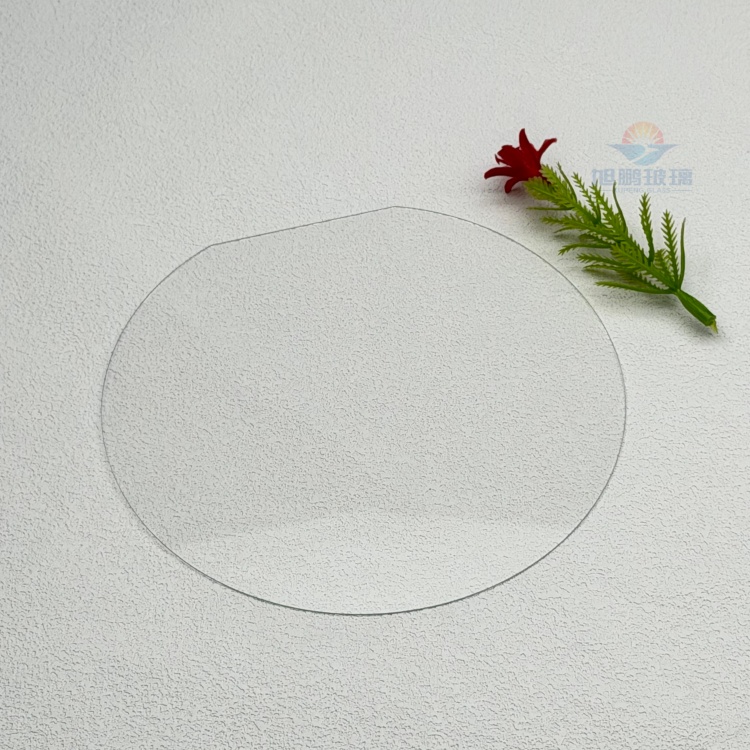
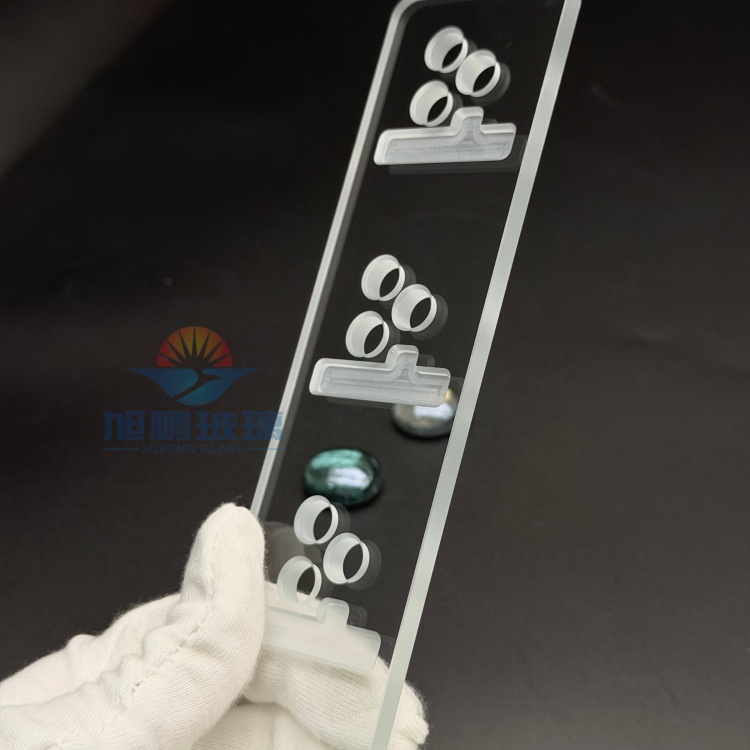
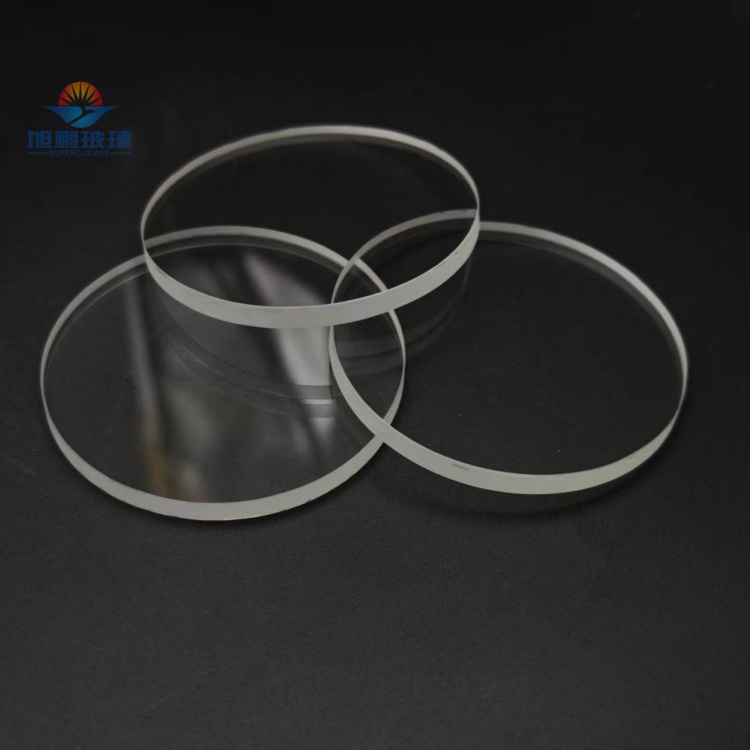
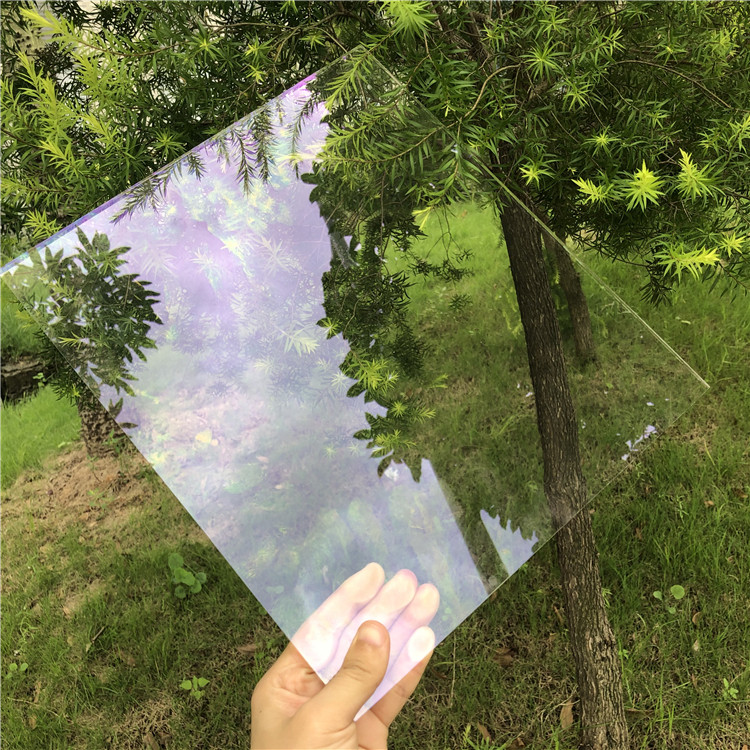
The eight production families below cover the glass substrates most often requested by Ottawa display integrators: tempered cover glass, AR-coated optical glass, AG-ready ultra-clear glass, printed HMI windows, K9 optics, filter glass and high-temperature ceramic glass. Each card links to the original product page; where a drawing differs, our engineers review thickness, tolerance, edge work, printing and coating before quoting.

Ottawa market intelligence

Why Ottawa Buyers Need an Automotive-Grade Display Glass Supply Chain, Not a Generic Glass Catalog

Ottawa is not a traditional vehicle-assembly city. Its automotive influence is concentrated in connected-vehicle software, EV charging, fleet telematics, test engineering, sensors, HMI development and Tier suppliers that serve the wider Ontario and Quebec automotive corridor. That means a local buyer may specify glass in Ottawa, validate it in Kanata or Gatineau, and integrate it into a display module assembled elsewhere in Canada or North America.

For that reason, the phrase “automotive display glass factories & exporters for Ottawa” should lead to a supplier that can do more than ship a clear sheet. Ottawa teams need drawing-based engineering, optical coating control, printable cover glass, flatness discipline, export packing and responsive documentation. A display that looks acceptable on a desk can fail in a vehicle because of sun glare, low-angle winter light, condensation, road salt, thermal cycling, touch wear or adhesive compatibility.

AUVE Glass is a Dongguan-based deep-processing manufacturer and exporter, not an Ottawa storefront. We support Ottawa-based OEMs, industrial designers, procurement teams and display integrators with factory-direct glass parts made to CAD, DXF, PDF or STEP drawings. Our role is to convert a display requirement into a manufacturable glass stack and a repeatable export supply plan.

Information-gain focus: Ottawa programmes should specify the glass by location, optical target, climate exposure, cleaning chemical, bonding method and packing route — not by “clear glass” alone.
2018

Established and export-focused

51–100

Skilled employees

1,001–2,000

m² facility footprint

≤7h

Average technical response

6+

Key export markets

10–500

Typical MOQ range, pcs

Product recommendation

Recommended Glass Builds for Six Ottawa Automotive Display Locations

Start with the display location, then select glass, coating, printing and edge work. Every recommendation is a starting point for engineering review, not a substitute for your OEM test specification.

Instrument cluster cover glass

Suggested build: ultra-clear low-iron tempered glass with optional AR, black border printing and anti-fingerprint treatment. Ottawa winter drivers often view clusters through polarized eyewear or at low sun angles, so reflection control should be validated in the final stack.

Ultra-clear temperedAR optional

Center-stack and infotainment cover glass

Suggested build: ultra-clear AR or AG+AR coated glass with CNC holes, grooves and printed borders. Ottawa’s low winter sun and snow glare make reflection targets worth testing in the bonded module, not only on the bare glass.

AR/AG hybridCNC features

Head-up display optical glass

Suggested build: K9, quartz or ultra-clear optical glass with polishing and AR coating for optical windows and substrates. Complex combiner geometry or wedge requirements should be reviewed against the optical design before quotation.

K9 opticalAR coated

Rear-seat and passenger display glass

Suggested build: ultra-white tempered glass with AG treatment, anti-fingerprint surface and printed black borders. Easy-clean performance matters in shared vehicles, ride-hailing and family transport where sanitizers and touch wear are part of daily use.

Ultra-whiteAnti-fingerprint

Exterior camera and sensor windows

Suggested build: sapphire, quartz, K9 or high-transmittance AR glass depending on scratch, thermal and optical targets. Ottawa road salt, freeze-thaw and pressure washing make coating durability and edge quality more important than a headline transmission number alone.

Sapphire / quartzAR window

EV charging and fleet HMI glass

Suggested build: AG-coated tempered glass or AR/AG hybrid covers for outdoor readability, cleaning and touch durability. Curbside chargers, commercial fleets and transit depots need display glass that tolerates sunlight, cold, vandal risk and frequent cleaning.

AG outdoor HMITempered
Localized application scenarios

Localized Application Scenarios in Ottawa and the National Capital Region

Ottawa’s buying environment mixes public-sector procurement discipline, private mobility technology, bilingual communication and a harsh winter climate. These scenarios show where display glass specification decisions become commercially important.

Kanata North connected-vehicle labs

Engineering teams need rapid samples, clear optical data and a factory contact who understands AR/AG, sensor windows and HUD optics. Short prototype loops matter more than a generic catalog when a display stack is still being validated.

Fast samplesAR/AG

Winter fleet and shuttle operations

Freeze-thaw cycles, condensation, road salt and low-angle sunlight affect both optics and durability. Fleets should define thermal cycling, cleaning chemicals, heater integration and mounting stress before approving a display glass source.

Cold-climate validationCondensation

EV charging and curbside payment screens

Outdoor HMIs must resist sunlight, snow glare, cleaning sprays and public use. AG tempered glass or AR/AG hybrids can improve readability, while edge quality and coating durability protect long-term appearance.

Outdoor HMIAG finish

Transit, emergency and security vehicles

Specialty vehicles often need glare suppression, unusual outlines, filter glass or robust printed windows. Long irregular filter glass and beveled edges can be reviewed alongside the display brightness and mechanical bezel.

Filter glassCustom outline

Bilingual Ottawa–Gatineau interfaces

English and French interface text, icons, warning symbols and documentation require disciplined print registration and clear contrast. Anti-glare surfaces can help when screens are viewed from different angles in public or commercial settings.

Bilingual printClear contrast

Tier suppliers and display integrators

Integrators need glass that fits the bonded stack, the optical inspection plan and the incoming-inspection process. Drawing review, flatness discussion, coating cleanliness and batch labeling reduce surprises during Ottawa assembly and test.

Drawing reviewBatch labels
Ottawa-area trends

Localized Trends Shaping Automotive Display Glass Demand in Ottawa and Canada

These are the procurement and design trends we expect Ottawa-based display teams, fleet operators and mobility suppliers to keep discussing through 2025–2028.

AR becomes mainstream

Anti-reflection is moving from premium vehicles into mid-market displays, cameras and HUD windows as users expect stronger contrast in bright conditions.

AG+AR hybrids for outdoor HMIs

EV chargers, curbside kiosks and commercial fleet screens need glare diffusion and low reflection together, driving interest in hybrid coated glass.

Larger, wider and curved covers

Edge-to-edge center stacks and passenger displays increase demand for CNC shaping, uniform printing, coating control and export packing that protects large parts.

Cold-climate validation moves earlier

Ottawa winters push thermal shock, condensation, salt exposure and low-temperature impact questions into the RFQ stage, not the end of validation.

Easy-clean and anti-fingerprint surfaces

Shared vehicles and public HMIs make smudge visibility, cleaning chemical resistance and surface durability part of the user experience.

Bonding compatibility and flatness

Display modules are sensitive to glass flatness, coating cleanliness, print step heights and adhesive compatibility. Suppliers must discuss the full stack.

Printed borders and functional inks

Black borders, hidden windows, icons and IR-transparent zones require high-temperature inks and stable registration across production batches.

Dual sourcing and export-ready documentation

Ottawa buyers are reducing supply risk with alternate suppliers, clear drawings, sample approvals and documentation suitable for Canadian import review.

Engineering guide

Material and Coating Selection Matrix for Ottawa Automotive Displays

Use this matrix to shortlist a material before sending your drawing. It is not a datasheet and does not replace OEM validation; final acceptance must be agreed against your drawing, test standard and display stack.

Ottawa display glass target snapshot

Ultra-clear visible light transmission≈91%
AR reflection per side, typical target0.5–1%
AG haze range, application-specific5–20%

Reference values are for early material comparison only. Final optics, tolerances, coating durability and climate performance must be confirmed by sample and test plan.

Glass / material Best-fit Ottawa display use Optical and mechanical notes Processing to specify Validation focus
Ultra-clear low-iron tempered Cluster, center stack, rear-seat and touch covers Typical visible light transmission around 91%; tempered strength commonly about 4–5× annealed glass, subject to thickness and process CNC cutting, edge grinding, drilling, silk-screen printing, AR/AG optional Sun glare, cold thermal shock, edge quality and print registration
AR-coated ultra-clear Display covers, camera windows and HUD substrates Surface reflection can be reduced to roughly 0.5–1% per side depending on coating design; improves contrast Single- or double-side AR, cleaning control, tempering, printing Coating abrasion, cleaning chemicals, reflection and color shift
AG etched glass / AG+AR EV chargers, outdoor kiosks and fleet HMI Micro-textured surface diffuses glare; haze is application-specific and should be balanced against sharpness Etched AG, AR top layer, tempered substrate, printed borders Gloss, haze, touch feel, cleaning durability and outdoor readability
Silk-screen printed tempered Instrument clusters, appliance-style HMI and switch/socket windows Fired ceramic ink creates durable graphics; black borders, icons and IR-transparent windows are possible Multi-color printing, high-temperature ink, holes, grooves and edge finishing Ink adhesion, registration, condensation visibility and cleaning resistance
K9 optical glass HUD optics, lenses, prisms and instrument windows Borosilicate-crown optical behavior; refractive index nd ≈ 1.5168; low inclusion targets for polished optics Precision polishing, chamfering, AR coating and CNC edging Flatness, transmitted wavefront, inclusion level and coating performance
Fused quartz UV sensor windows, UV curing equipment and high-temperature viewports High UV transmission and strong thermal-shock resistance; usually selected where ordinary glass is unsuitable Thick-gauge cutting, polishing, drilling and edge finishing UV transmission, bubble/ Inclusion class, thermal cycling and sealing
Sapphire glass Exterior sensor covers and scratch-critical windows Mohs hardness around 9; high cost and smaller practical sizes compared with glass covers Cutting, polishing, chamfering and coating Scratch, impact, optical axis, size/cost trade-off and edge chips
White ceramic glass-ceramic High-temperature interface windows and EV power/charger zones 4 mm and 6 mm options; thermal stability and opacity can be useful where transparency is not required CNC shaping, drilling, printing and edge grinding Thermal cycling, opacity, flatness and compatibility with housing materials
Aluminosilicate and filter glass Rotary HMI, sensor apertures and specialty-vehicle glare shields Custom outlines, metal coating and beveled edges can solve mechanical or light-control problems CNC cutting, chamfering, beveling, metal coating and printing Edge-chip risk, coating adhesion, transmission target and fit

Engineering note for Ottawa buyers: always state the display location, cleaning chemical, expected service temperature, bonding method, glass thickness, tolerance, edge finish and packing route. These details influence the material route more than a generic “automotive grade” request.

Manufacturing control

From Ottawa Drawing to Export Carton: AUVE’s 8-Stage Control Plan

Custom glass is a process business. The quality of the final display window depends on how the drawing is reviewed, how the edges are finished, how the coating is applied and how the fragile part is packed for Canada.

01

Drawing and DFM review

CAD, DXF, PDF or STEP files are checked for thickness, tolerance, edge, holes, printing, coating, quantity and destination before quotation.

02

Material selection and traceability

Low-iron, K9, quartz, sapphire, ceramic and filter materials are matched to the optical, thermal and mechanical requirement.

03

CNC cutting and shaping

Outlines, corner radii, windows and arc polishing are programmed for repeatability across prototype and production quantities.

04

Edge, hole and groove control

Grinding, beveling, drilling, grooving and chamfering reduce stress risers and improve fit in the display housing.

05

Tempering or heat treatment

Flat and curved tempered glass can be produced where the material and geometry allow; not every optical glass can be thermally tempered.

06

Silk-screen printing

High-temperature ceramic inks create black borders, icons, hidden windows and IR-transparent zones with controlled registration.

07

AR / AG and functional coating

Single- or double-side AR, AG, metal coating and other functional layers are scheduled according to the drawing and tempering route.

08

Final QC and export packing

Dimensional, visual and optical checks are paired with protective film, foam, reinforced cartons or wooden crates and batch labels.

Company advantage

Why AUVE Glass Is a Practical Export Partner for Ottawa Display Programmes

Dongguan AUVE Glass Co., Ltd. is a deep-processing glass manufacturer integrating R&D, design, production and export in Songshan Lake, Dongguan. We process flat and curved tempered glass, ultra-white glass, laminated and painted glass, LCD and touch screen glass, smart control panel glass, LED lamp glass, instrument glass, AR high-transmittance glass, AG anti-glare glass, and optical materials such as K9, quartz, sapphire and Corning EXG. Our philosophy is “focusing on high-end glass, pioneering and innovating.”

Factory-direct since 2018

Established in 2018 with 51–100 skilled employees and a 1,001–2,000 m² facility. The company integrates R&D, design, production and export rather than acting only as a trading intermediary.

Company profile

One-stop deep processing

CNC cutting, edging, drilling, grooving, tempering, silk-screen printing and AR/AG coating are coordinated under one quality plan, shortening problem-solving loops for custom display glass.

Product capabilities

Custom-to-drawing engineering

Send CAD, DXF, PDF or STEP drawings with thickness, tolerance, edge, print and coating requirements. Engineering review covers manufacturability before production.

Start an engineering review

Canada-compatible export logistics

Accepted terms include FOB, CFR, CIF, EXW, DDP, DDU, DAF and express. Export packing is designed for fragile glass, with batch labels and protective film. Ottawa buyers should confirm customs and tax with their broker.

Trade capacity

Verifiable supplier profile

Buyers can check onsite assessment, credit index, transaction level, trade capacity, trade history and ratings before placing a sample or bulk order.

Supplier assessment

Responsive support and sample planning

Average response time is within 7 hours. Sample and pilot quantities can be discussed for new Ottawa projects, especially when the drawing and validation plan are clear.

Ratings and reviews
Dongguan AUVE Glass production workshop for tempered and coated glass
Production workshop: tempered, coated, printed and optical glass workflows under one quality plan.
Glass deep-processing equipment used for custom automotive display glass
Deep-processing equipment supports CNC shaping, edge work and repeatable custom production.
Quality inspection of finished tempered glass parts before export packing
Final inspection and export packing help protect optical surfaces and printed features.
Ottawa procurement FAQ

Frequently Asked Questions from Ottawa Automotive Display Glass Buyers

These answers reflect real sourcing questions from display integrators, Tier suppliers, fleet technology teams and procurement groups comparing factory-direct exporters.

Are there automotive display glass factories in Ottawa?

Ottawa is better understood as a mobility-technology, engineering and systems-integration market than a traditional glass-manufacturing centre. Most factory-direct display glass production for Ottawa programmes is sourced from specialized manufacturers in Asia, Europe or other parts of North America. AUVE Glass is a China-based deep-processing factory and exporter; we support Ottawa buyers with drawing review, samples, production and DDP or other Incoterms to Canada.

Can you ship automotive display glass to Ottawa, Canada?

Yes. We export to Canada and other markets and support FOB, CFR, CIF, EXW, DDP, DDU, DAF and express delivery. For Ottawa, air/express is common for samples and small coated lots, while sea freight is usually more economical for larger tempered orders. Canadian duty, tax and origin documentation should be confirmed with your customs broker; we provide commercial invoice, packing list and project documents.

What is the MOQ for a first Ottawa prototype or pilot order?

MOQ depends on material and process. Many coated and optical glass parts start from 10–50 pieces; standard ultra-clear tempered parts often start from 100–500 pieces. Sample and pilot quantities can be discussed for new programmes, especially when the drawing is clear and the coating or print route is repeatable.

How should we specify cold-weather performance for Ottawa winters?

Specify the validation protocol rather than a vague “winter” claim. Typical discussions include thermal cycling, thermal shock, condensation, road-salt exposure, low-temperature impact, UV and cleaning-chemical resistance. Final limits should follow your OEM or Tier test standard and the actual mounting method, because adhesive, frame and glass thickness all affect stress.

Should we choose AR coating or AG anti-glare glass?

AR coating reduces surface reflection and improves contrast, which is useful for display covers, HUD windows and camera apertures. AG etching diffuses glare and is often preferred for outdoor HMIs, EV chargers and fleet displays. Some programmes use AG+AR hybrids. The right choice depends on sunlight, display brightness, touch, cleaning and optical bonding.

Can you make curved or wide-format center-stack glass?

We process flat and curved tempered glass, CNC-cut shapes, holes, grooves and printed borders. Wide-format and curved projects require a drawing review for bend geometry, coating uniformity, print registration and packing. Send the CAD, DXF or STEP file with the intended display stack so we can confirm a practical process route.

How is glass packed for export to Ottawa?

Fragile glass is packed with protective film, interleaving material, foam edge protection and reinforced cartons or fumigation-free wooden crates. Batch labels help with incoming inspection. For coated or printed parts, we also discuss fingerprint protection, cleaning instructions and moisture control based on the route.

What files and tolerances should be included with an RFQ?

Provide CAD, DXF, PDF or STEP files plus thickness, overall tolerance, edge profile, hole and groove positions, printing artwork, coating target, glass type, quantity, destination city and required delivery date. Include the test standard or critical-to-quality points; this reduces back-and-forth and improves quote accuracy.

Do you supply optical bonding or only the glass?

Our core scope is glass deep processing: cutting, edging, drilling, tempering, printing, AR/AG coating, polishing and QC. We can discuss bonding-compatible surfaces and flatness requirements, but the optical bonding service itself must be confirmed project by project with the module integrator. This keeps responsibilities clear.

How fast can we get a technical response?

Our average response time is within 7 hours. For faster engineering review, email info@auveglass.com with drawings, quantity and the Ottawa delivery address. Complex coating stacks or curved and wide parts may require more time, but the first technical reply is usually quick.

Next step

Send Your Ottawa Display Glass Drawing for a Factory Review

Share glass size, thickness, tolerance, edge, hole, printing, AR/AG target, expected quantity and delivery city. Our team will review manufacturability and reply with a practical process route — usually within 7 hours.

Email: info@auveglass.com · Manufacturer: Dongguan AUVE Glass Co., Ltd., Songshan Lake, Dongguan, Guangdong, China

Contact Us