Black Painted Glass Manufacturers & Exporters for New York
Back-painted, tempered, printed and precision glass for New York architecture, luxury retail, hospitality, multifamily interiors and electronic enclosures — engineered to your drawing and packed for export.
Black Painted Glass Is Easy to Specify — and Hard to Source Well
Black painted glass, also called back-painted glass, lacquered glass or black glass cladding, is chosen for a clean monolithic appearance in kitchens, elevators, retail fixtures, wall systems, reception desks, signage and display enclosures. The finish looks simple, but the outcome depends on the substrate, tempering, edgework, paint adhesion, color consistency and export packing working together.
For New York buyers, the challenge begins before the color chip is approved. Manhattan, Brooklyn and Queens projects often combine tight site access, high design expectations, adaptive-reuse approvals, mixed-use building requirements and interior lighting that reveals every variation in sheen and reflection. A supplier must do more than paint glass black. It must control the entire visual and mechanical stack from raw sheet to protective export crate.
This guide is written for architects, fabricators, owners’ representatives, hospitality purchasing teams and OEM sourcing managers comparing black painted glass manufacturers and exporters for New York delivery. It explains local applications, specification choices, procurement questions and verifiable supplier advantages — with a direct route to request the latest catalog.
AUVE Glass approaches black painted glass as a process-controlled architectural component. The base can be ultra-clear low-iron float, standard float or another specified substrate; it can be cut, CNC-machined, drilled, edged, tempered, then back-painted or ceramic-printed according to the approved sample. Where the design includes a display window, touch interface or instrument opening, we can pair the decorative glass with AR anti-reflective, AG anti-glare, silk-screen printing or precision optical glass production.
What to Lock Before You Issue a PO
- Substrate clarity: ultra-clear low-iron, standard float or specified optical material.
- Paint reference: RAL, Pantone, physical sample, sheen level and painted side.
- Safety build-up: tempered, laminated or annealed only where the application allows.
- Edge, hole and cut-out tolerances — especially for elevator, cabinet and wall-panel assemblies.
- Sample approval under the project’s actual lighting, not only a screen image.
- Export packing, freight terms and delivery sequence for New York receiving windows.
8 Production-Ready Glass Products for New York Buyers
Black painted glass projects often require adjacent precision components: display cover glass, optical wafers, printed panels, ceramic glass and low-iron tempered parts. The eight products below are direct catalog items with original product links preserved.
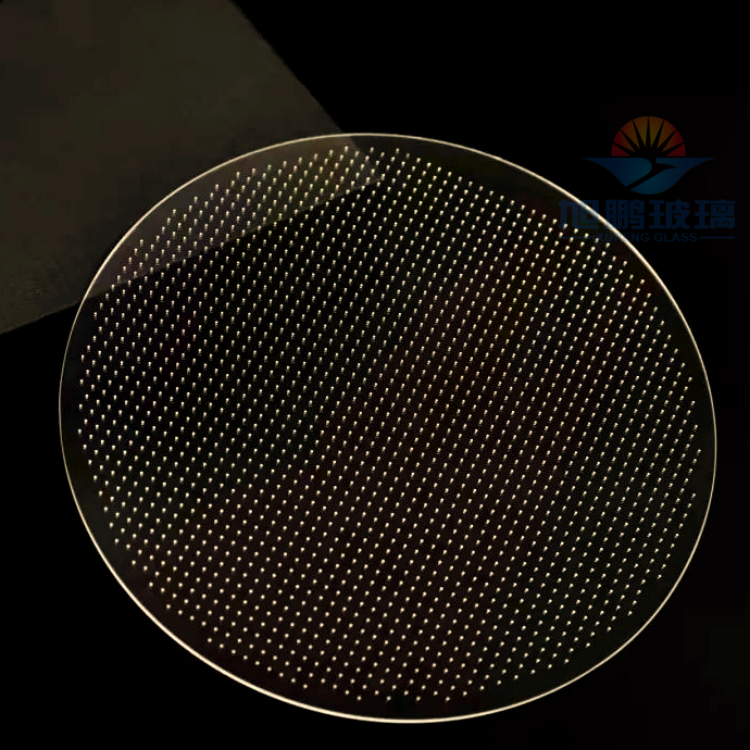
Schott BF33 TGV Microvia Glass Wafer, Packaging Substrate for Sensors & Chips
For sensor and chip packaging teams that need TGV microvia glass wafers with a qualified supply route and inspection-driven quality control.
View product
White Ceramic Glass-Ceramic, 4mm & 6mm, High Temperature Resistant Glass-Ceramic
A high-temperature white glass-ceramic for appliance, lighting or thermal separation components where black painted glass may sit alongside bright contrast panels.
View product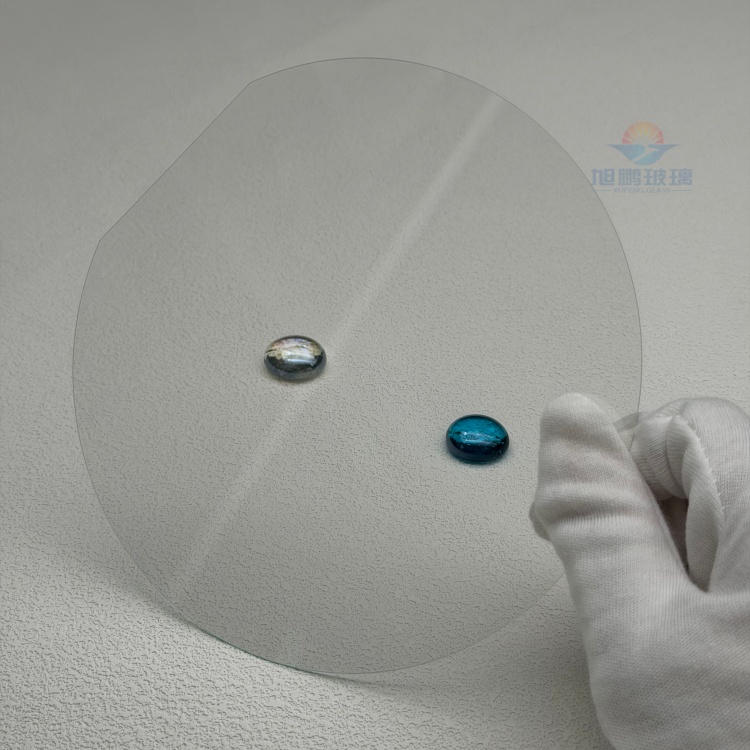
Ultra-thin Optical Glass Sheets Schott B270/D263T Semiconductor Electronic Glass Blank Cutting & Processing
Ultra-thin SCHOTT B270/D263T semiconductor glass blanks for cutting and processing — useful for display windows and precision components paired with black decorated glass housings.
View product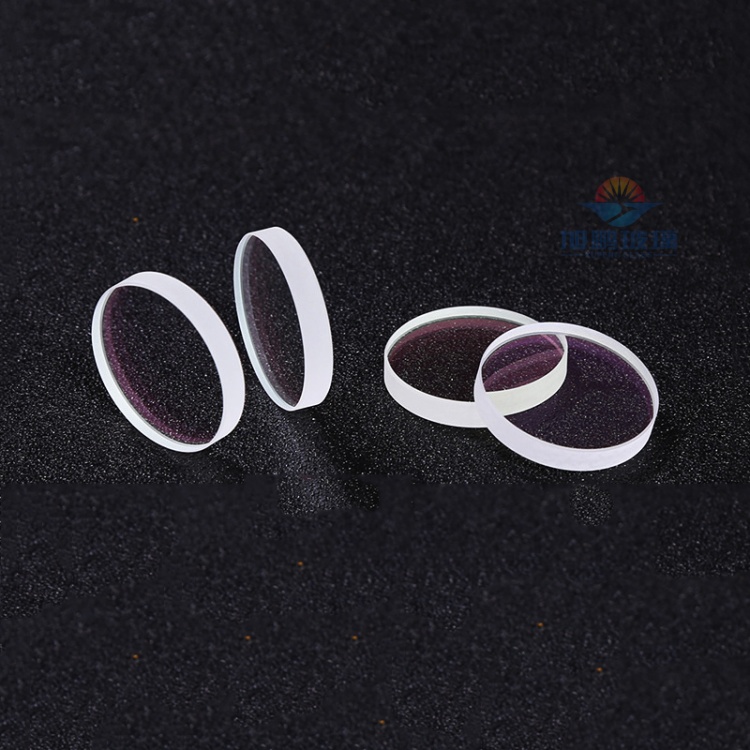
Ultra-clear Tempered Glass, Custom Processing Available: Drilling, Etching, AG Coating Silk Printing, AR Coating
Our custom tempered glass platform supports black back-painting, drilling, etching, AG/AR coating and silk printing — ideal for retail fixtures and durable interior panels.
View product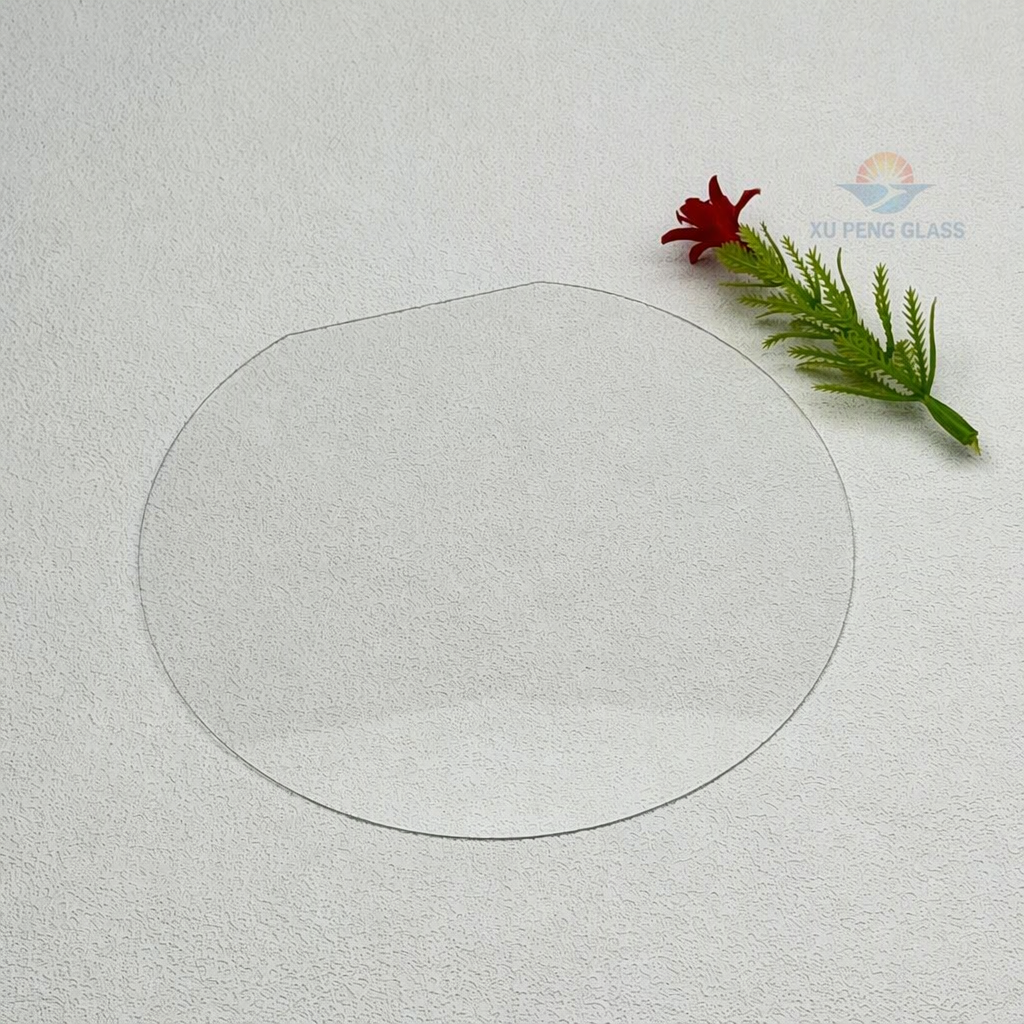
Ultra-thin High-precision Optical Glass Wafer, Corning / SCHOTT / Fused Silica
High-precision optical wafers in Corning, SCHOTT or fused silica for sensors and instruments; a natural fit where black cosmetic glass needs an invisible functional window.
View product
CNC Carved Low Iron Glass Sheet, High-temperature Screen Printed Tempered Glass, Drilled Glass Panel
CNC carved low-iron glass with high-temperature printing for panels, view windows, appliance fronts and decorative black-glass assemblies.
View product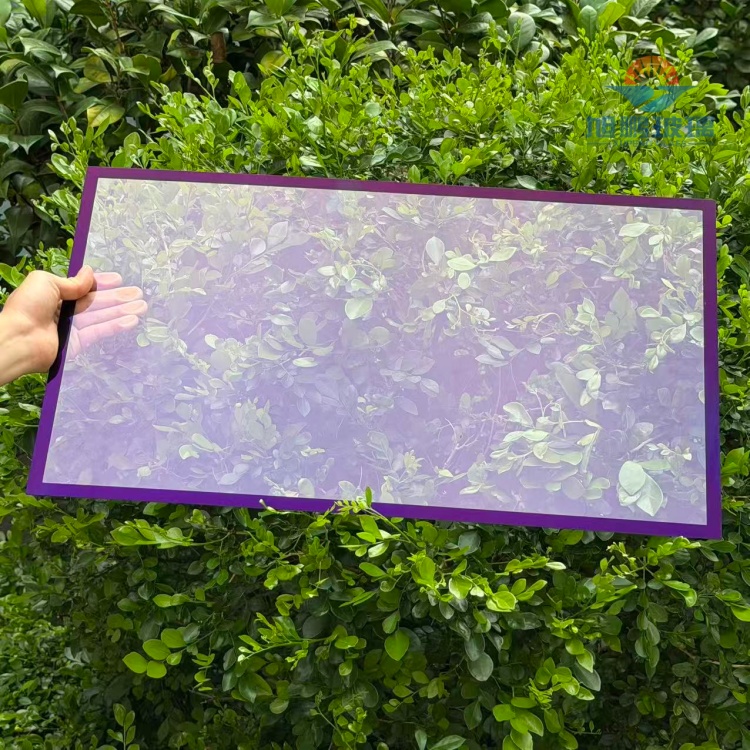
27-inch All-in-One PC AR Coated Glass
27-inch AR-coated glass for all-in-one PCs and interactive displays, reducing reflections when black enclosures and deep-black UI backgrounds are specified.
View product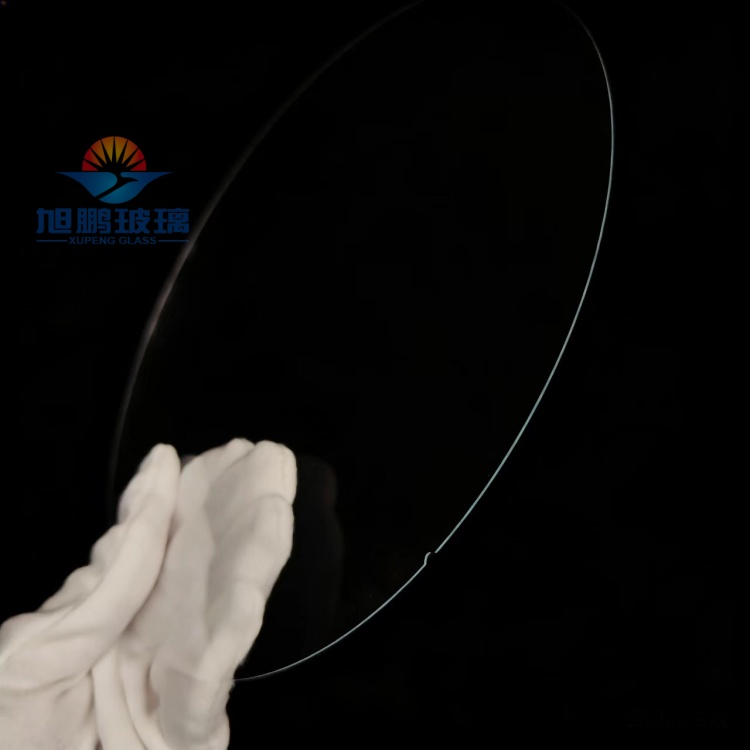
Corning EXG Glass Wafer, Double-Sided Polished Custom Fabrication for Semiconductor Glass Wafers
Corning EXG double-side polished wafers for semiconductor applications where dimensional stability and surface quality are critical.
View productWhere Black Painted Glass Performs in New York
New York projects reward suppliers who understand the gap between a beautiful sample and a repeatable installation. These four application zones drive most black painted glass inquiries from the New York market.
Luxury Retail, Showrooms & Flagships
From Fifth Avenue and SoHo to Hudson Yards, retail teams use black back-painted glass for display plinths, cash wraps, wall systems, signage and cabinet fronts. The finish creates a controlled background for jewelry, cosmetics, apparel and premium electronics. For digital displays and interactive tables, AR-coated cover glass can reduce reflections so the black environment does not wash out the screen.
Multifamily Kitchens, Baths & Millwork
Manhattan condos, Brooklyn townhouses and Queens conversions create steady demand for dark kitchen backsplashes, cabinet doors, bathroom wall panels and custom millwork inserts. Co-op and condo boards often request physical samples, edge details and replacement strategies before approval. Black glass hides visual complexity, but it also reveals poor flatness, inconsistent sheen and chipped edges, so specification discipline matters.
Hospitality, Elevators & Commercial Interiors
Hotel lobbies, bars, elevator cabs, conference rooms and reception areas use black painted glass to create depth without heavy stone. High-touch areas need cleanable surfaces, durable edges and batch-to-batch color control. Design teams frequently pair black glass with metal reveals, wood veneer and warm lighting; the supplier must protect the glass on every edge and face before it reaches the job site.
Display, Appliance & Electronic Enclosures
Black cosmetic glass surrounds AR-coated display windows, touch modules, instrument panels, appliance fronts and electronic enclosures. A single assembly may combine printed borders, anti-glare etching, anti-reflective coating, precise holes and optical wafers. This is where a manufacturer with deep-processing breadth provides more value than a trader who only sources finished panels.
New York Market Trends Shaping Black Painted Glass Specifications
Design intent and procurement behavior in New York are moving together: darker interiors, higher performance expectations and more pressure on suppliers to prove process control before the first order.
Matte and Satin Black Over Mirror Black
Interiors are moving toward softer black finishes that feel warm rather than corporate. Sheen must be specified and sampled because satin black can show fingerprints differently from gloss black, and lighting in a Manhattan showroom is rarely identical to the factory inspection room.
Adaptive Reuse and Faster Approvals
Office-to-residential conversions and hospitality renovations reward suppliers who can supply sample boards, edge mock-ups and clear packing plans quickly. Building managers and design teams want fewer unknowns before demolition and installation schedules begin.
Glare Control Is Part of the Aesthetic Brief
Black surfaces can amplify reflections. For digital signage, cash wraps, menu boards and touch interfaces, buyers increasingly ask for AR anti-reflective or AG anti-glare glass as part of the same visual package rather than as an afterthought.
Supply-Chain Consolidation
New York buyers are reducing the number of vendors they manage. A single exporter that can handle tempered glass, black painting, silk-screen printing, AR/AG coating, optical wafers and export packing lowers coordination risk and shortens the path from drawing to installed assembly.
Choosing a Black Glass Build-Up for a New York Interior
| Build-Up | Visual & Performance Character | Best-Fit New York Applications | What to Specify |
|---|---|---|---|
| Back-painted ultra-clear tempered | Deep black, high clarity, low green edge tint; paint sits behind the glass. | Cabinet fronts, wall panels, elevator interiors, reception desks. | Low-iron substrate, paint reference, sheen, edge profile, tempering, film protection. |
| Black ceramic-frit printed tempered | Fired ceramic ink bonded to glass; strong durability and design flexibility. | Appliance panels, signage, printed borders, high-use interior panels. | Frit color, print coverage, registration tolerance, light transmission, tempering. |
| Black painted + AR / AG coating | Controlled reflection or glare diffusion for screens and illuminated displays. | Retail displays, touch tables, digital signage, electronic enclosures. | Coated side, reflection or haze target, cleaning method, coating durability, visual sample. |
| Laminated black build-up | Safety glass with interlayer options for impact or acoustic requirements. | Partitions, door panels, guard rails and other safety-sensitive assemblies. | Interlayer type, impact requirement, edge finish, delamination control, project approval. |
| Black decorated + precision optical window | Decorative glass integrated with an optical wafer, sensor window or display cover. | Instruments, sensors, AIO PCs, industrial HMIs, premium electronics. | Wavelength requirements, flatness, surface quality, coating, alignment, assembly tolerances. |
Build-ups are illustrative for specification discussion. Final material, safety, coating and test requirements are confirmed against the approved drawing and project requirements before mass production.
What New York Buyers Can Verify About AUVE Glass
Dongguan AUVE Glass Co., Ltd. is a deep-processing glass manufacturer integrating R&D, design, production and export in Songshan Lake, Dongguan — one of China’s electronics and optoelectronics clusters. Founded in 2018, the company operates with 51–100 skilled employees in a 1,001–2,000 m² facility and exports to the United States, Canada, Russia, South Korea, Japan, Australia and other markets.
For black painted glass and adjacent display assemblies, the relevant advantage is not a single machine. It is the ability to connect specification review, substrate selection, CNC processing, tempering, printing, coating, inspection and export packing without losing accountability between steps. Our average response time is within 7 hours, which matters when a New York design team needs a sample decision or a purchasing team is comparing bid packages.
Buyer-assurance information is available through our supplier profile: onsite-checked supplier status, credit index, transaction level, trade capacity, trade history and ratings and reviews. These records help procurement teams conduct due diligence before placing a sample or production order.

Factory-Direct Since 2018
R&D, design, production and export under one roof, with a facility profile that buyers can check before requesting samples.
Deep-Processing Breadth
Cutting, CNC edging, drilling, tempering, silk-screen printing, AR/AG coating, optical polishing and inspection are reviewed as one process route.
New York Export Packing Discipline
Protective film, interleaving, foam corner protection and export crates or reinforced cartons reduce the risk of edge chips and breakage in transit.
Fast Technical Response
Average response within 7 hours helps keep sample approvals, color questions and drawing reviews from stalling the project schedule.
Verified Buyer-Assurance Profile
Onsite supplier assessment, credit index, transaction level, trade capacity, trade history and buyer ratings are available for due diligence.
Materials for Adjacent Assemblies
SCHOTT BF33, B270/D263T, Corning EXG, low-iron tempered glass, ceramic glass-ceramic, K9, quartz and sapphire options support complex assemblies.
Drawing & Specification Review
CAD, DXF or PDF drawings are checked for thickness, tolerance, edge, hole, printing, coating and safety requirements before quotation.
Substrate & Safety Build-Up
Material is matched to the visual target and application — ultra-clear low-iron, standard float, optical glass or a multi-layer safety build-up.
CNC Cutting, Edging & Drilling
Shaping, beveling, drilling, grooving and cut-outs are completed to the approved drawing before thermal or coating processes begin.
Tempering, Printing & Painting
Black back-painting, ceramic-frit printing, silk-screen graphics or functional coatings are applied according to the approved sample and process route.
Inspection & Sample Match
Dimensional, visual, edge and coating checks are performed against the drawing and approved reference before packing.
Export Packing & Shipping
Fragile-glass packing, batch labeling and Incoterm planning support delivery to New York warehouses, fabricators or project sites.
Black Painted Glass FAQ for New York Buyers
These are the questions architects, fabricators, purchasing managers and OEM sourcing teams ask most often when comparing black painted glass manufacturers and exporters for New York delivery.
Do you supply black painted glass to New York City and New York State?
Yes. We support export orders for New York buyers and have experience serving the United States among other markets. Delivery can be quoted against your required Incoterm, receiving address type, project schedule and packing preference. For New York City sites, please share loading-dock limits, elevator dimensions and any building delivery rules as early as possible.
Can you match a specific black paint color and sheen?
Yes. Supply a RAL or Pantone reference, a physical chip or a previously approved panel. The quotation process should define the painted side, sheen level, substrate, lighting condition for approval and whether the glass will be tempered before or after processing. A physical sample is strongly recommended because black finishes can shift under warm hotel lighting, cool retail lighting and daylight.
What substrate and safety build-up should I choose?
Ultra-clear low-iron glass is common when the design calls for a deep black with minimal green edge tint. Standard float may be acceptable when edge color is hidden. Tempered glass is typically specified where safety glazing, thermal resistance or impact performance is required; laminated build-ups may be considered for other safety or acoustic needs. Final selection must follow the applicable code, application and project specification.
What is the minimum order quantity for custom black glass?
MOQ depends on material and process. Many coated and optical glass parts start from 10 to 50 pieces, while standard ultra-clear tempered parts often start from 100 to 500 pieces. Project-specific black painting, printing or lamination may require a different minimum because of setup, color approval and packing. Sample and pilot quantities can be discussed for new projects.
How quickly can you respond to a drawing or sample request?
Our average response time is within 7 hours. Send the drawing, target quantity, color reference, sheen, edge and hole details, coating requirement and required delivery term. Complex assemblies may require an engineering review before a firm production schedule can be confirmed, but the first technical response should not be delayed by unclear sourcing questions.
How do you reduce scratches and breakage during export packing?
Fragile glass requires more than a standard carton. Typical measures include protective film, interleaving paper or film, foam corner protection, edge protection, batch labeling and fumigation-free wooden crates or reinforced cartons. The packing method is matched to glass size, thickness, coating, quantity and shipping mode. Buyers should confirm unpacking instructions and storage conditions on arrival.
Which Incoterms and shipping methods do you support?
We support FOB, CFR, CIF, EXW, DDP, DDU, DAF and express delivery, subject to the order and destination. For New York shipments, sea freight, air freight and express can be evaluated against glass size, breakage risk and project urgency. DDP may be useful for buyers who want a delivered price, while FOB may suit buyers with an established freight forwarder.
Can you help with samples, mock-ups and submittal information?
We can review sample boards, color references, edge mock-ups and packing drawings for design and procurement teams. Product data, process descriptions and available supplier-assurance records can be provided for review. For New York projects with board approvals or client presentations, it is best to request physical samples early and confirm how the approved reference will be retained for batch comparison.
Request a Black Painted Glass Quotation for Your New York Project
Send your drawing, quantity, black color reference, sheen, edge and hole requirements, safety build-up and preferred delivery terms. Our engineering team will review manufacturability and recommend a practical production route — with an average response within 7 hours.
Email: info@auveglass.com