Black Welding Filter Glass for Welding Masks and Goggles: Factories & Suppliers in the Monterrey Market
A sourcing white paper for welding mask brands, safety distributors, PPE importers, and industrial buyers in Monterrey, Apodaca, Santa Catarina, Guadalupe, and across Nuevo León. Learn how to specify shade performance, compare suppliers, control landed cost, and secure export-ready filter glass.
8 Glass Products Monterrey Buyers Can Consolidate with Welding Filter Glass Orders
Monterrey buyers rarely purchase one glass item in isolation. A welding-mask assembler may also need optical wafers, tempered display covers, quartz windows, or precision substrates for adjacent product lines. The eight products below are existing AUVE catalog items with their original product URLs. Use them to evaluate whether a single deep-processing glass supplier can support both your black welding filter glass program and other glass components. For a custom welding filter quotation, use the Get a Quote button at any point.

High-transmittance AR Coated Optical Glass, Ultra-clear Tempered Glass
High-clarity tempered glass with anti-reflective coating for optical windows and display-facing components.
View product →
Ultra-thin Flexible UTG Glass, bendable and foldable, suitable for commercial aerospace and new energy industries
Bendable ultra-thin glass for advanced applications where thinness, weight, and flexibility matter.
View product →
Custom Ultra-White Clear Tempered Glass Socket Decorative Cover for Stairways
Ultra-white tempered cover glass with custom cut-outs for decorative and electrical applications.
View product →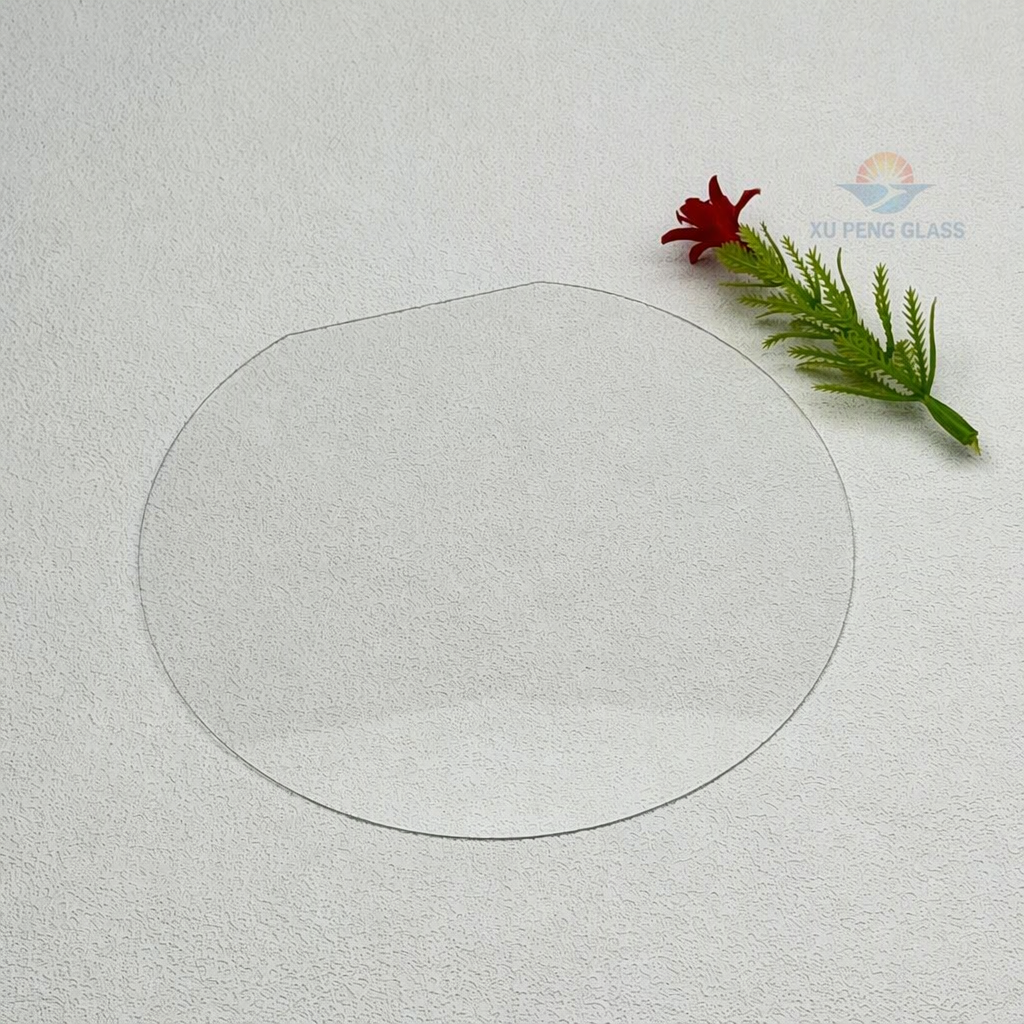
Ultra-thin High-precision Optical Glass Wafer, Corning / SCHOTT / Fused Silica
High-precision optical glass wafers for instruments, sensors, and specialized electronics.
View product →
Schott Ultra-thin Optical Glass Sheets, 0.1mm, 0.5mm, 0.7mm, 1.1mm, Raw Semiconductor Electronic Glass Substrates
Ultra-thin optical glass sheets for semiconductor and electronic glass substrate projects.
View product →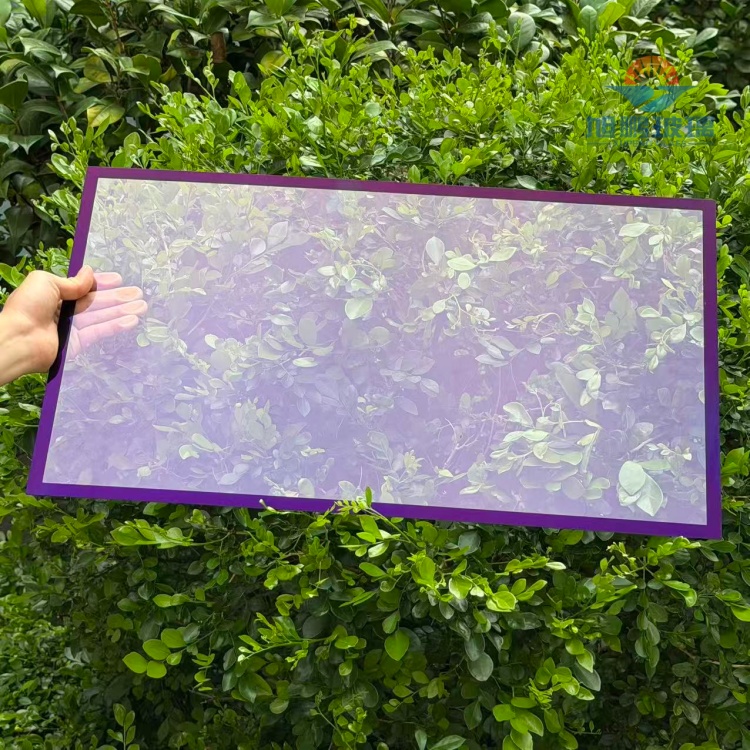
27-inch All-in-One PC AR Coated Glass
Large-format AR coated cover glass for all-in-one PCs, kiosks, and display modules.
View product →
Corning EXG Glass Wafer, Double-Sided Polished Custom Fabrication for Semiconductor Glass Wafers
Alkali-free Corning EXG wafer fabrication with double-sided polishing for demanding substrates.
View product →
High UV Transmission Thick Gauge Thick Quartz Glass Plate
Thick-gauge fused quartz plate with high UV transmission for UV equipment and industrial windows.
View product →Why Black Welding Filter Glass Is a Specification-Critical Purchase in Monterrey
Monterrey is one of Mexico’s most concentrated industrial markets for automotive manufacturing, steel fabrication, appliances, construction, maintenance, mining, and advanced logistics. Every welding operation in this ecosystem depends on eye protection that performs consistently under intense visible, ultraviolet, and infrared radiation.
Black welding filter glass is not simply dark glass. For welding masks and welding goggles, the filter is a safety-critical optical component. Its shade number, visible-light transmittance, UV and IR absorption behavior, thickness, flatness, edge condition, and surface quality all influence whether the final mask or goggle assembly meets the buyer’s specification and the welder’s real-world needs.
In the Monterrey market, purchase teams often deal with three technical realities. First, welding processes differ across plants: robotic welding, manual arc welding, maintenance welding, structural steel work, and training environments may call for different shade ranges. Second, PPE brands and mask assemblers need repeatable batches because a filter that changes noticeably from lot to lot creates warranty risk and user complaints. Third, industrial distributors need documentation and packaging that survive cross-border logistics, warehouse handling, and local resale.
A reliable supplier conversation should therefore move beyond a simple price per piece. Buyers should ask for engineering review, dimensional tolerances, batch traceability, edge-finish samples, and export packing details. This is especially important when sourcing factories & suppliers in the Monterrey market, because the actual manufacturing source may be local, national, or overseas while the risk remains at the point of use.
Safety-driven sourcing
Filter glass for welding masks and goggles should be evaluated as PPE-related optical material, not as generic dark glass. Request documentation that matches the intended standard and final product assembly.
Cost is not landed cost
A low factory unit price can be erased by breakage, rework, customs delays, or excess inventory. Monterrey buyers should compare quotations using a landed-cost and risk-adjusted model.
How the Monterrey Supplier Landscape Is Structured
The phrase “factories and suppliers in the Monterrey market” covers several very different channels. Each has a legitimate role, but they solve different problems for welding mask and goggle buyers.
Safety distributors and PPE stockists
Local safety supply houses offer convenience, fast replenishment, and standard replacement filters. They are often the fastest route for urgent maintenance demand, small lots, and well-known mask brands. Their limitation is customization: special dimensions, private-label markings, mixed shade kits, or factory-level batch documentation may require escalation.
Welding mask and goggle assemblers
Mexican mask brands, private-label PPE suppliers, and contract manufacturers need repeatable black welding filter glass in production quantities. They compare drawings, shade ranges, optical quality, edge durability, packaging, and supplier response speed. For these buyers, a factory that can review manufacturability before quoting is more valuable than a catalog-only seller.
Importers and industrial glass converters
Importers consolidate container loads, manage customs brokers, and hold buffer inventory for Monterrey-area industrial customers. They need factory partners that can produce to drawing, label cartons correctly, provide packing lists, and avoid avoidable breakage. This channel is often strongest for mixed glass programs that include filter glass plus other precision glass parts.
The right channel depends on annual volume, customization, and risk tolerance. Many buyers use local distributors for urgent standard demand and a qualified factory-direct partner for custom black welding filter glass, private-label production, and cost-controlled repeat orders.
Product Recommendation: Black Welding Filter Glass for Welding Masks and Goggles
For welding mask and goggle applications, specify filter glass by shade number, thickness, visible-light transmittance, UV/IR performance, dimensions, edge finish, and final assembly requirements. The recommendation below is a sourcing framework, not a substitute for the mask manufacturer’s certified PPE design and testing.
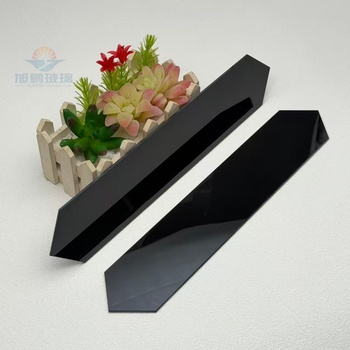
Custom-processed black filter glass with beveled edge grinding
AUVE can support welding filter glass projects that require controlled dimensions, clean edges, and consistent appearance. A typical RFQ should define the shade number, target dimensions, thickness, corner radius, edge profile, marking requirements, packing method, and any documentation the buyer needs for incoming inspection or final assembly.
- Shade range planned around the mask maker’s approved product family and welding process matrix.
- Custom rectangular, round, or shaped outlines with beveled, ground, or polished edges.
- Thickness and tolerance confirmed against the mask frame, gasket, and cover-lens stack.
- Logo, shade marking, batch code, or private-label print reviewed before production.
- Protective interleaving and export carton design for fragile glass parts.
- Engineering review of drawings before quotation and sampling.
You can review the existing product page here: black welding filter glass for welding masks and goggles. For a project-specific quotation, send your drawing, target quantity, and destination details through the quote channel.
Localized Application Scenarios Across Monterrey and Nuevo León
Black welding filter glass demand in the Monterrey metro area is shaped by the region’s industrial mix. The same basic product can require different shade planning, packaging, and documentation depending on where the mask or goggle will be used.
Automotive stamping and body-in-white
Automotive plants and Tier suppliers around Apodaca, Santa Catarina, and Pesquería use robotic and manual welding cells where mask fit and filter consistency matter. Buyers often standardize shade ranges across shifts and require repeatable filter glass batches for replacement programs.
Steel fabrication and heavy machinery
High-amperage welding and thick-section fabrication place a premium on correct shade selection and stable optical quality. Fabricators and equipment builders need filter glass that resists handling damage and maintains a clear, undistorted view during long welding cycles.
Maintenance and field repair
Maintenance contractors and mobile repair teams often use welding goggles or compact masks where replacement filters must fit precisely. Mixed-shade kits, small inner packs, and durable packaging help distributors support this fragmented but recurring demand.
Construction and infrastructure
Structural steel, rebar, rail, and infrastructure projects create field welding demand under dusty and high-handling conditions. Local buyers value cover-lens compatibility, edge quality, and predictable replacement supply more than decorative appearance.
Mining, cement, and aggregates
Heavy-industry maintenance welding in and around Nuevo León demands robust PPE and dependable replacement parts. For filter glass, buyers should discuss scratch resistance, cleaning practice, and packaging that prevents edge chipping before the part reaches the job site.
Welding schools and safety training
Training centers need standardized filter glass and clear identification so students learn with appropriate shade protection. Batch consistency, visible markings, and reliable local inventory simplify purchasing and replacement planning.
Monterrey Market Trends Reshaping Black Welding Filter Glass Demand
Procurement behavior in Monterrey is changing as nearshoring, compliance pressure, customization, and cross-border logistics reshape how PPE and welding products are sourced.
Nearshoring and industrial expansion
New investment in manufacturing and logistics increases welding activity and local PPE assembly. Buyers want suppliers that can quote clearly, maintain repeatable quality, and support both standard and custom filter glass as volumes grow.
Stronger compliance and traceability
EHS teams and PPE brands increasingly ask for batch identification, dimensional records, and test documentation. In Mexico, buyers may align their programs with NOM-017-STPS requirements while also referencing international eye-protection standards for exported or premium product lines.
Custom shades, shapes, and labels
Welding mask brands are differentiating through fit, branding, and product families. Custom filter sizes, private-label markings, mixed shade kits, and packaging format choices create value beyond commodity replacement glass.
Supply-chain resilience
Factories and suppliers serving Monterrey must plan around border crossings, customs broker schedules, and buffer inventory. First orders often emphasize samples and documentation; repeat orders emphasize consistent lead time and packaging that reduces breakage.
Factory-Direct vs. Local Distributor: What Monterrey Buyers Should Compare
There is no universally “best” channel. The right decision depends on annual volume, customization, urgency, working capital, and the documentation required by your customers.
| Comparison point | Monterrey distributor | Factory-direct import | Best practice |
|---|---|---|---|
| Availability | Fast for stocked standard items and urgent replacements. | Production lead time applies, but custom specifications are possible. | Keep local stock for urgent lines; plan factory-direct orders for repeat custom demand. |
| Custom size and shade | Limited to the distributor’s catalog and available inventory. | Manufacturer can review drawings, edge profiles, labeling, and shade planning. | Use factory-direct when the mask or goggle frame requires a non-standard fit. |
| Minimum order | Low minimums, convenient for small buyers. | MOQ depends on material and process; samples and pilot lots can be discussed. | Request a sample plan before committing to mass production. |
| Unit price vs. landed cost | Higher unit price may be offset by local availability and lower freight complexity. | Lower factory price may absorb freight, customs, insurance, and breakage allowance. | Compare landed cost and risk-adjusted cost, not FOB price alone. |
| Documentation | Depends on the distributor and brand. | Factory can provide dimensional records, batch identification, and requested inspection reports. | Define the document package before the order is placed. |
| Supply continuity | Subject to local stock levels and brand allocation. | Requires forecasting and buffer planning, but can offer dedicated production runs. | Use safety stock and a written replenishment schedule for critical shades. |



Why AUVE Glass Is a Reliable Manufacturing Partner for Monterrey Importers
Dongguan AUVE Glass Co., Ltd. is a deep-processing glass manufacturer integrating R&D, design, production, and export in Songshan Lake, Dongguan, China. The company was founded in 2018, operates with 51–100 employees, and works from a 1,001–2,000 m² facility. Its existing export markets include the United States, Canada, Russia, South Korea, Japan, Australia, and other buyer regions.
The production platform covers flat and curved tempered glass, ultra-clear low-iron glass, laminated and painted glass, AR anti-reflective and AG anti-glare coated glass, silk-screen printed glass, touch screen and LCD cover glass, LED lighting glass, instrument glass, and optical materials such as K9, quartz, sapphire, borosilicate, Corning EXG, and ultra-thin flexible glass. For welding filter glass programs, the relevant capabilities are careful drawing review, precision cutting, CNC shaping, edge grinding, drilling where required, cleaning, inspection, and export packing.
For a Monterrey importer or welding mask brand, this means a supplier that can discuss manufacturability before quoting, identify risks in the drawing, and propose a practical inspection and packing plan. It also means commercial flexibility: common delivery terms include FOB, CFR, CIF, EXW, DDP, DDU, DAF, and express delivery, with export packing designed for fragile glass parts.
Drawing-to-production engineering
Send CAD, DXF, PDF, or a dimensioned sample photo. The team reviews thickness, tolerance, edge, hole, printing, coating, and packing requirements before production.
Responsive technical communication
Fast replies matter when a Monterrey buyer is comparing samples, confirming a shade range, or preparing a quotation for an industrial customer. The average response time is within 7 hours.
Export-oriented quality and packing
Fragile glass parts need more than a carton. Interleaving protection, corner protection, batch labeling, and export packing help reduce breakage and simplify incoming inspection.
From Drawing to Export Carton: Process Control for Filter Glass
Clear process ownership is a competitive advantage for buyers sourcing black welding filter glass for welding masks and goggles. Each stage should have a defined acceptance point.
Application and drawing review
Confirm the intended mask or goggle model, shade requirements, dimensions, thickness, tolerance, edge profile, and documentation expectations before quoting.
Material and shade planning
Select a suitable black filter glass grade and define inspection criteria for visible-light transmission, surface quality, and final appearance.
Cutting and CNC shaping
Cut and shape flat, round, or custom outlines with controlled dimensions so the filter fits the mask frame and cover-lens stack correctly.
Edge grinding and finishing
Beveled, ground, or polished edges reduce chipping risk and improve handling safety during assembly and replacement.
Cleaning and visual inspection
Inspect for scratches, edge chips, visible inclusions, dimensional deviation, and other defects before packing.
Batch packing and export labeling
Use protective interleaving, inner packs, and export cartons with labels that support receiving, traceability, and inventory control.
A Buyer’s Specification Checklist for Black Welding Filter Glass
Use this checklist to make supplier quotations comparable. Vague RFQs produce vague prices, and vague prices create hidden risk when welding masks and goggles reach the user.
| Specification item | What to specify | Why it matters | Evidence to request |
|---|---|---|---|
| Shade number | Target shade range, intended welding process envelope, and the standard or internal specification your mask brand uses. | Shade choice affects visibility and protection. The final mask assembly, not the filter glass alone, must be validated by the responsible PPE brand. | Product specification, shade marking plan, and test documentation appropriate to the program. |
| Visible-light and UV/IR performance | Required transmittance limits or reference standard; whether the buyer needs third-party reports. | Welding filters protect against ultraviolet and infrared radiation as well as intense visible light. | Batch-related test reports or supplier declaration where applicable; confirm scope with your quality team. |
| Dimensions and tolerance | Length, width or diameter, thickness, corner radius, and critical fit dimensions. | A small dimensional error can cause light leakage, poor gasket fit, or assembly-line rejection. | First-article inspection plan and sample approval record. |
| Edge condition | Bevel width, edge finish, allowable chip size, and whether polishing is required. | Edges are a common source of breakage and handling complaints. | Close-up edge photos or physical golden sample. |
| Surface quality | Allowed scratches, bubbles, inclusions, striae, and inspection lighting. | Optical distractions reduce user comfort and can lead to complaints in professional welding environments. | Visual acceptance criteria and sample comparison. |
| Marking and traceability | Shade marking, customer logo, batch code, carton label, and inner-pack labeling. | Traceability supports quality investigations, warranty handling, and warehouse control. | Artwork proof, label template, and batch identification method. |
| Packaging | Interleaving material, quantity per inner pack, export carton strength, and palletization if needed. | Glass parts can arrive intact in one shipment and fail in the next if packing is not controlled. | Packing drawing, photo confirmation before shipment, and carton drop-test plan if required. |
| Commercial terms | Incoterm, destination, annual volume, delivery schedule, and payment terms. | Total landed cost and inventory planning depend on terms that are often left out of initial RFQs. | Written quotation with clear assumptions and validity dates. |
Standards and certification requirements vary by product, market, and final assembly. Buyers should confirm the applicable standard, required test evidence, and legal responsibilities with their own compliance team and accredited testing provider. A filter glass supplier should support the documentation process, not replace the PPE manufacturer’s certification responsibility.
Monterrey Import and Landed-Cost Considerations
For buyers comparing factories and suppliers in the Monterrey market, the cheapest FOB quotation is not automatically the best purchase. Landed cost, time risk, and breakage risk must be compared together.
A practical landed-cost model includes the factory unit price, export packing, inland transport to the port or airport, freight, insurance, customs brokerage, applicable duties and taxes, border handling, local delivery, and a breakage allowance. For fragile black welding filter glass, the breakage allowance should not be treated as a rounding error; it should be based on packing quality, handling route, and the criticality of the part.
Incoterms also shape control. EXW gives the buyer maximum control but more logistics work. FOB is common for ocean freight. CIF and CFR shift more freight coordination to the supplier. DDP can be convenient for trial orders because it presents a delivered price, but buyers should confirm exactly what is included, especially customs clearance, taxes, and final delivery. The supplier’s quoted terms should be written clearly rather than left to a one-line message.
For customers shipping through Laredo, Colombia, or another border gateway, the document package matters. Commercial invoice, packing list, bill of lading or airway bill, certificates if applicable, and product inspection records should be prepared before shipment. Requirements can change by broker, product classification, and destination; always confirm with your customs broker rather than relying on general advice.
Four numbers to ask for in every quote
- Unit price at the stated Incoterm and destination.
- Packaging cost and recommended inner-pack quantity.
- Production lead time after sample approval.
- Quotation validity and volume price breaks.
Risk-reduction tactic
Approve a golden sample, then request production photos and a final random-inspection record before shipment. For first orders, consider a small pilot shipment before committing to full carton volumes.
Frequently Asked Questions from Monterrey Buyers
These are the practical questions procurement, engineering, and import teams ask when sourcing black welding filter glass for welding masks and goggles.
Where can Monterrey buyers find factories and suppliers for black welding filter glass?
Buyers typically evaluate local safety distributors, welding mask assemblers, industrial glass importers, and factory-direct manufacturers. Local distributors are useful for standard stock and urgent replacements. For custom sizes, repeat production, private label, or better unit economics, a factory-direct relationship with a deep-processing glass manufacturer is often more suitable. The key is to compare not only price but also documentation, sample quality, lead time, and export packing.
Which shade numbers are most common for welding masks and goggles?
Shade requirements depend on the welding process, amperage, operator exposure, and the standards or risk assessment used by the mask brand or employer. Passive welding filter glass is commonly discussed across a broad shade range, with arc welding often using mid-to-dark shades. A responsible supplier should not prescribe a final shade without the mask manufacturer’s validated product design. Instead, confirm the target shade range, intended process envelope, and required test evidence with your compliance team.
Can you produce custom dimensions for a specific welding mask or goggle frame?
Yes, custom dimensions are possible. Send a CAD, DXF, PDF drawing, or a dimensioned photo with the thickness, corner radius, edge profile, shade number, marking requirement, and target quantity. The engineering team can review manufacturability and recommend a practical production and inspection plan before quoting.
What is the minimum order quantity for black welding filter glass?
MOQ depends on material, size, edge processing, marking, and packing. Many coated and optical glass parts start from 10 to 50 pieces, while standard tempered parts typically start from 100 to 500 pieces. Sample and pilot quantities can be discussed for new welding mask or goggle projects. The best approach is to request a quotation with both sample and mass-production pricing.
How do I compare a factory-direct quote with a Monterrey distributor quote?
Compare landed cost, not just unit price. Add freight, insurance, customs brokerage, duties and taxes, local delivery, breakage allowance, inspection effort, and inventory carrying cost. Then compare lead time, customization, batch traceability, after-sales support, and documentation. A distributor may be better for urgent small orders; a factory may be better for custom and repeat orders.
What documents should a buyer request before shipment?
At a minimum, request a commercial invoice, packing list, shipment booking details, and the agreed inspection record. Depending on the product program and destination requirements, buyers may also request a certificate of conformity, batch identification, material declarations, or relevant test reports. Confirm the exact import document package with your customs broker and quality team before placing the order.
How should black welding filter glass be packed for export?
Fragile filter glass should be protected with interleaving film or paper, edge or corner protection, controlled inner-pack quantities, and strong export cartons or wooden crates where appropriate. Labels should identify the part number, shade, batch, quantity, and carton number. Buyers should request packing photos before shipment and consider a pilot order to validate the packing design.
How quickly can AUVE respond to a technical inquiry?
The average response time is within 7 hours. For a faster review, include the drawing, target shade, thickness, dimensions, edge requirement, estimated annual volume, destination, and preferred Incoterm. You can also use the Get a Quote button on this page to start the conversation without adding any extra steps.
Need a Monterrey-Ready Quote for Black Welding Filter Glass?
Send your drawing, shade requirement, thickness, target volume, packaging preference, and destination. The engineering team can review manufacturability, recommend a practical specification, and respond with a quotation direction—typically within 7 hours.