CE Certified Custom Ultra-White Tempered Glass Decorative Covers for Stairways — Factories & Supplier for San Jose
Ultra-white tempered glass covers for stair treads, risers, landing accents, guard infills, branded stairwells, and architectural feature walls — engineered to your drawing and shipped to San Jose contractors, architects, fabricators, and developers.
8 Factory-Direct Glass Products for Custom Stairway & Decorative Cover Programs
These are genuine production references from Dongguan AUVE Glass. For a San Jose stairway decorative cover, start with ultra-white low-iron tempered glass, then select AR anti-reflection, AG anti-glare, ceramic silk-screen, etching, or lamination. The additional optical and wafer references show the depth of the same factory’s cutting, polishing, coating, and inspection capability.

Ultra-white Tempered Glass, AR Anti-Reflection Coatable, High Light Transmittance & Anti-reflective
A direct material reference for bright San Jose stairwells where clear ultra-white glass and reduced surface reflection are important.
View product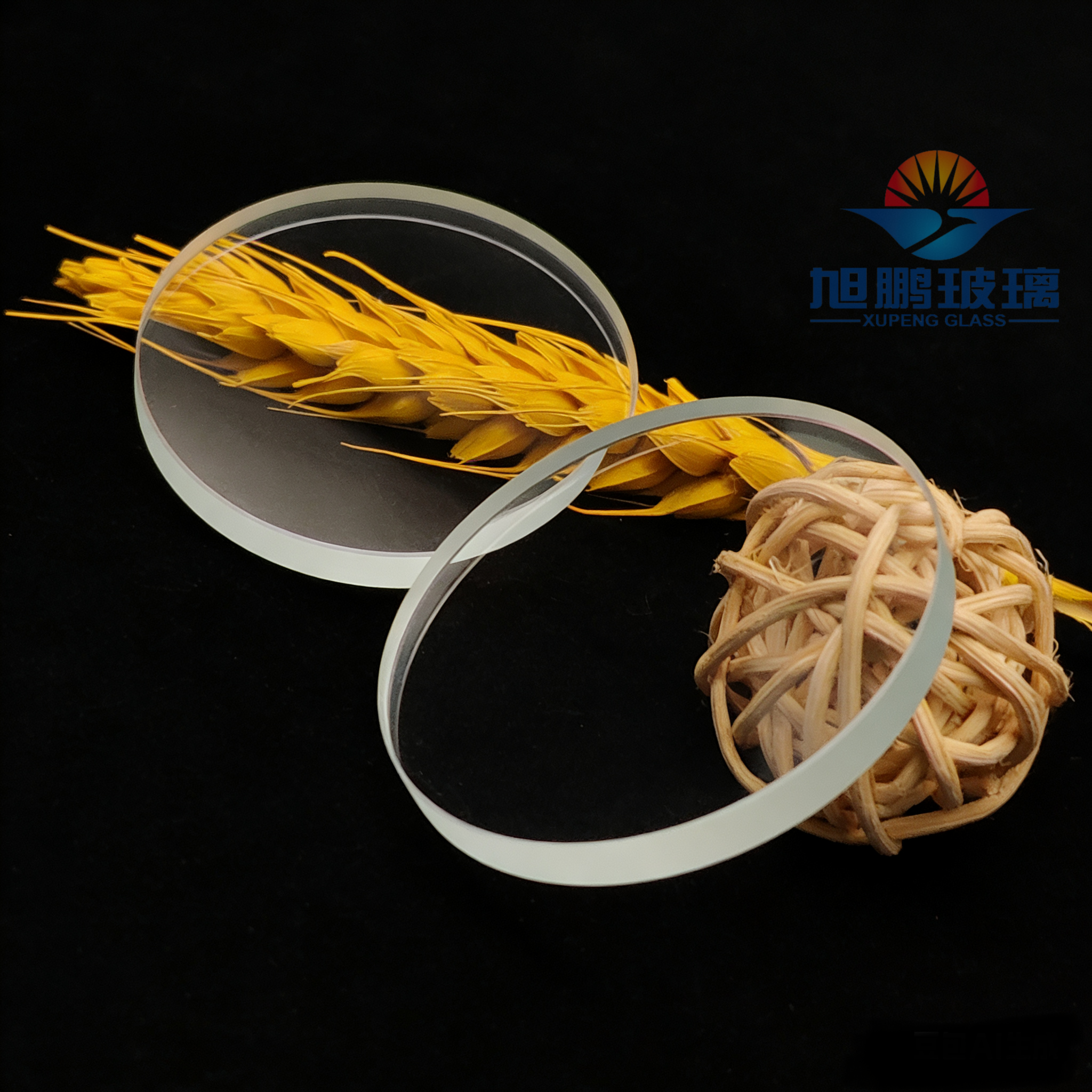
Low Iron Round High Transmittance Tempered Glass Panel with Precision Polished Edges, Flat Clear Glass
Suitable for decorative landing accents, circular stair details, and exposed-edge covers requiring clean optical clarity.
View product
Wafer Glass Thickness Circuit Board Chip Solar Silicon Ingot Substrate
A specialty substrate reference demonstrating thin-glass handling and dimensional control for advanced fabrication programs.
View product
Round Aluminosilicate Glass with Chamfered Ground Edges and Metal Coating
A reference for decorative metal-coated glass details, chamfered edges, and high-end circular stair accents.
View product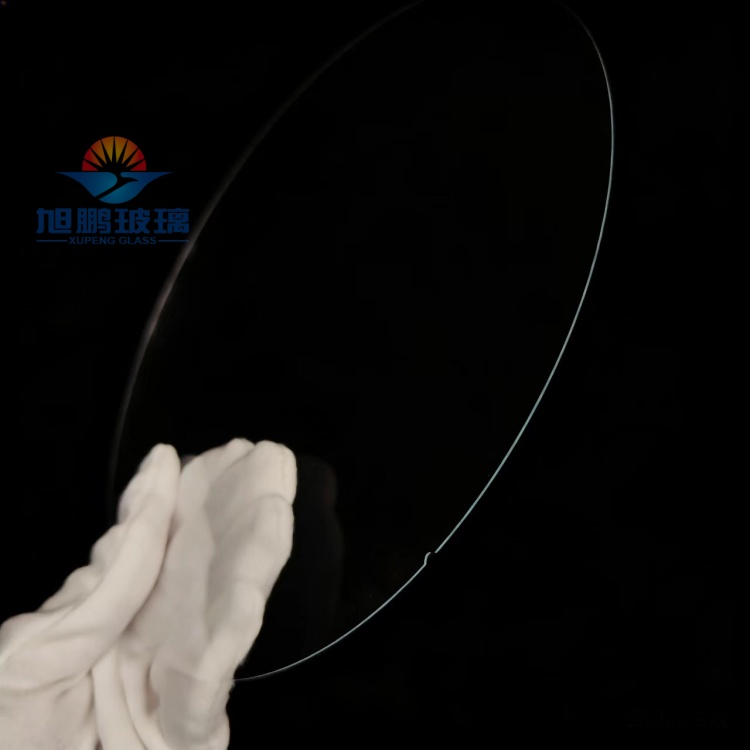
Corning EXG Glass Wafer, Double-Sided Polished Custom Fabrication for Semiconductor Glass Wafers
Precision wafer fabrication showing the factory’s polishing, cleaning, and inspection controls for demanding substrates.
View product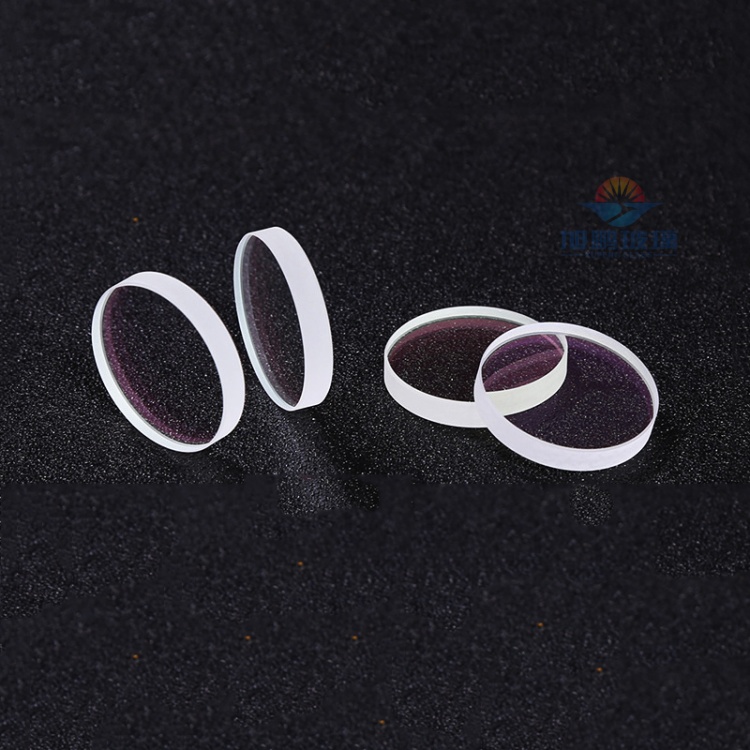
Ultra-clear Tempered Glass, Custom Processing Available: Drilling, Etching, AG Coating Silk Printing, AR Coating
The strongest all-round reference for custom stairway covers: holes, etched privacy zones, printed borders, AG glare control, and AR coating.
View product
High-transmittance AR Coated Optical Glass, Ultra-clear Tempered Glass
Useful for glare-sensitive display windows, lit stair features, and decorative panels where reflection control improves visibility.
View product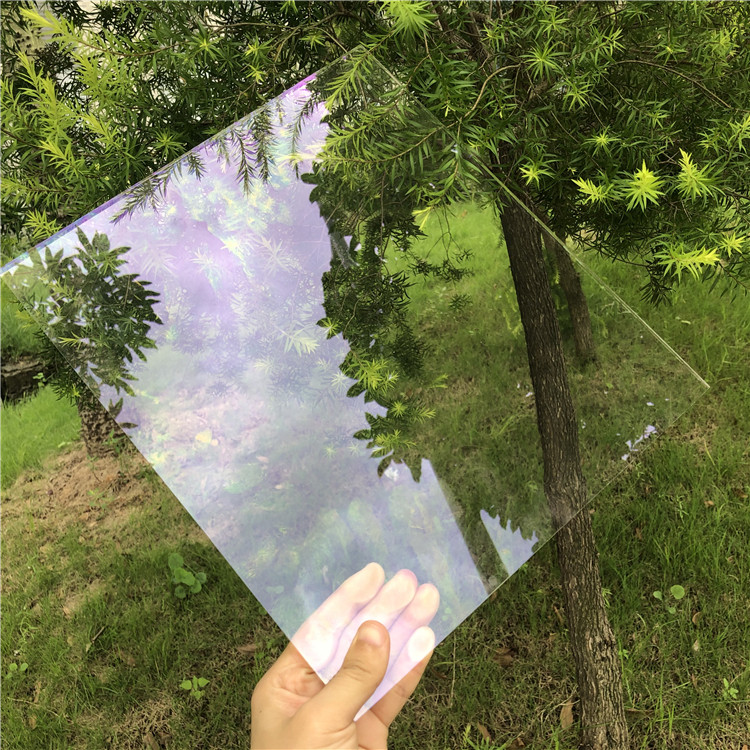
High-transmittance Anti-Reflection (AR) Coated Optical Glass
An optical-grade reference for controlled reflection in high-end stairwell glazing, lighting coves, and display panels.
View productA stairway decorative cover is not simply a flat panel. In San Jose homes and commercial interiors, it is a visual finish, a wear surface, a privacy element, and sometimes part of a safety assembly. The best specification balances ultra-white clarity, edge quality, glare control, fixing details, and local code review before the first sheet is cut.
Define the duty: decorative cover or guard?
A glass panel used as a stair riser cover, tread accent, or feature wall is different from a guardrail infill. If the glass resists people, wind, or impact, require a licensed project engineer to confirm thickness, anchorage, interlayer, and local permit compliance.
Choose the optical finish: clear, AR, AG, or printed
Bright California daylight can turn a transparent stair panel into a mirror. AR coating lowers surface reflection; AG etching diffuses glare; ceramic frit can add privacy, brand graphics, and visual safety cues without blocking all light.
Lock down edges, holes, and tolerances
Exposed edges should be polished, chamfered, or flat-ground according to the design. Confirm hole diameter, edge clearance, cut-out positions, print registration, and allowable bow before tempering. These details control fit, safety, and visual quality on site.
Recommended Stairway Glass Builds for San Jose Homes, Offices & Mixed-Use Projects
Use these starting points to brief your architect, fabricator, or contractor. Final thickness and anchorage must be confirmed against the stair geometry, structural movement, applicable building codes, and the project engineer’s review.
Residential showpiece stair
Typical build: 6–8 mm ultra-white low-iron tempered glass cover with flat-polished edges, optional AR coating, and a ceramic-printed border or subtle dot frit. Use laminated glass when broken-glass retention or acoustic comfort is important.
San Jose fit: Ideal for Willow Glen, Almaden Valley, Evergreen, and Downtown San Jose renovations where a bright, minimal staircase is part of the interior design.
Commercial stairwell or office lobby
Typical build: 8–10 mm low-iron tempered glass with AG anti-glare treatment, selective silk-screen branding, or a laminated build for post-break integrity. Consider anti-fingerprint coatings for high-touch locations.
San Jose fit: Suitable for North San Jose tech campuses, Santa Clara County professional offices, hotel mezzanines, and retail flagships that need brand graphics with daylight visibility.
Engineered guard infill
Typical build: 10–12 mm tempered laminated glass with PVB or SGP interlayer, engineered base shoe, and controlled edge clearance. This is a safety assembly, not a decorative cover; require California PE review and permit coordination.
San Jose fit: Important for seismic movement, public occupancy, schools, restaurants, and multifamily projects where guard height, load resistance, and glass retention are reviewed.
San Jose Design & Procurement Trends Shaping Stairway Glass Covers
San Jose buyers are not purchasing a generic “glass panel.” They are solving a local design problem that combines Silicon Valley expectations, bright daylight, infill housing, seismic awareness, and tight project schedules.
1. Daylight-filled stairwells need glare control
Large windows and skylights are common in Bay Area renovations. Ultra-white glass keeps colors neutral, while AR coating reduces reflections and AG etching controls glare in open stair atriums and double-height entries.
2. ADUs and infill housing reward small-batch customization
San Jose ADUs, duplexes, and redeveloped lots often need compact stair covers with precise cut-outs. Factory-direct cutting and CNC processing help match narrow tolerances without forcing a large standard SKU.
3. “Quiet luxury” favors low-iron clarity and edge quality
Designers are moving away from green-tinted edges. Ultra-white low-iron glass with polished or chamfered edges gives a more refined look for visible stair treads, landing details, and frameless feature walls.
4. Seismic and safety review remain non-negotiable
For glass near guards, landings, and public circulation, San Jose projects should document tempered or laminated safety glass, anchorage, movement joints, and compliance with applicable safety glazing requirements.
5. Branded stairwells are becoming digital-adjacent
Tech offices and retail environments use printed glass to carry logos, wayfinding, and focused privacy patterns. Selectively etched AG zones can make stair circulation feel lighter while adding visual cues for visitors.
6. Title 24 daylighting and heat gain require finish trade-offs
Decorative glass can support daylighting, but low-iron glass also transmits more solar energy. Where stairs face west-facing glazing, combine frit patterns, laminated interlayers, or shading strategies with your energy consultant.
Material Selection Matrix for Stairway Decorative Glass Covers
This matrix does not replace project-specific calculations. It helps procurement teams ask better questions and compare supplier responses more consistently.
| Project Condition | Recommended Glass Build | Finish Option | Procurement Note |
|---|---|---|---|
| Interior stair riser or decorative cover | 6–8 mm ultra-white low-iron tempered glass | AR or clear; polished flat edge; ceramic frit | Confirm visible edge quality, hole locations, and print registration before tempering. |
| Stairwell feature wall or landing accent | 8–10 mm low-iron tempered glass, optional laminate | AG, AR, silk-screen, digital print, etched privacy band | Large panels should be checked for bow, wind load if exterior-facing, and installation clearances. |
| Guardrail or balustrade infill | 10–12 mm tempered laminated glass with PVB/SGP | Clear, low-iron, AG or printed | Require engineered design, California PE review, permit documentation, and safety glazing test reports. |
| Privacy screen beside stairs | 6–8 mm tempered glass or laminated build-up | Acid-etched, AG, gradient frit, translucent interlayer | Mock up the privacy level under actual stair lighting before mass production. |
| Backlit branded stairwell | 6–8 mm ultra-white glass with light-diffusing print | High-transmission print, AR, selective frit | Control ink density and light uniformity; low-iron glass improves color neutrality. |
| Bright atrium or daylit shaft | 8–10 mm low-iron tempered, laminated where required | AR + AG hybrid, anti-fingerprint, custom frit | Review solar heat gain, glare, and cleaning access with the architect and energy consultant. |
Why San Jose Buyers Work with Dongguan AUVE Glass
For custom stairway covers, the supplier’s real advantage is not a catalog image. It is the ability to interpret a drawing, control edge and coating quality, protect the glass in export packing, and communicate clearly across time zones.
In-house deep processing
Cutting, CNC edging, drilling, tempering, silk-screen printing, AR/AG coating, and inspection are coordinated under one factory system. This reduces hand-offs that often cause tolerance drift or schedule slippage.
Engineering review before production
Send CAD, DXF, PDF, or a dimensioned sketch. The team reviews manufacturability, edge clearance, hole placement, print layout, coating requirements, and packaging risk before confirming the order.
Quality control and batch traceability
Production follows defined process standards and a documented quality management system. Dimensional, visual, and optical checks help keep each batch traceable from raw sheet to packed carton.
Export packing for fragile glass
Protective film, interleaving, foam corners, and fumigation-free wooden crates or reinforced cartons are selected according to panel size, edge exposure, and shipping method to San Jose or the Port of Oakland.
Proven export markets
Products are exported to the United States, Canada, Russia, South Korea, Japan, Australia, and other markets. Flexible terms include FOB, CFR, CIF, EXW, DDP, DDU, DAF, and express delivery.
Verified supplier profile
Buyers can review onsite verification, credit index, transaction level, trade capacity, trade history, and feedback through the company’s public supplier profile — useful due diligence before a San Jose pilot order.
Drawing review
Confirm size, thickness, edge, holes, coating, print, and installation sequence.
Precision cutting
Automatic and CNC cutting from float, low-iron, and selected optical stock.
Edging & drilling
Flat polish, bevel, chamfer, groove, hole, and cut-out work before tempering.
Tempering
Thermal tempering to improve impact and thermal resistance for approved designs.
Printing & coating
High-temperature ceramic inks, AR, AG, mirror, and functional surface finishes.
QC & export packing
Dimensional and visual checks, protective packing, labeling, and shipment release.
MOQ, Lead Time & RFQ Guidance for San Jose Projects
MOQ depends on material and process. Many coated and optical glass parts start from 10–50 pieces, while standard ultra-clear tempered parts often start from 100–500 pieces depending on the specification. Sample and pilot quantities can be discussed for new projects, ADU renovations, and architect-led prototypes.
Delivery can be arranged by sea, air, or express. San Jose buyers commonly use Oakland or Long Beach port entry, SFO/OAK air freight, or DDP delivery for smaller commercial orders. Lead time depends on drawing approval, coating/printing complexity, and packing requirements; confirm the exact schedule at RFQ.
- DDP, DDU, CIF, CFR, FOB, EXW, and express terms available.
- Average technical response within 7 hours.
- Export packing designed for fragile glass parts.
What to send for a fast stairway cover quote
- Dimensioned drawing in CAD, DXF, PDF, or sketch with tolerance notes.
- Glass thickness preference, edge treatment, holes, and cut-outs.
- Required optical finish: clear, low-iron, AR, AG, etched, frit, or laminated.
- Project location in San Jose, target quantity, sample need, and delivery method.
- Applicable safety glazing or permit requirements so the quotation reflects the right documentation.
Frequently Asked Questions from San Jose Architects, Contractors & Procurement Teams
These answers address the questions local buyers ask most often when sourcing custom ultra-white tempered glass decorative covers for stairways.
Are these glass covers CE certified, and is CE enough for a San Jose project?
CE conformity documentation can be provided for applicable product configurations. However, CE marking is not a substitute for San Jose or California code compliance. For US projects, specify the required safety glazing standard, such as ANSI Z97.1 or CPSC 16 CFR 1201 where applicable, and require project engineering for guardrails, anchors, and seismic movement. A qualified local architect or engineer should confirm the final compliance path.
What glass thickness should I use for a stairway decorative cover?
Many non-guard decorative covers begin around 6–8 mm tempered ultra-white glass, while larger commercial feature panels often use 8–10 mm or laminated build-ups. If the glass acts as a guard, balustrade infill, or impact-resistant assembly, 10–12 mm tempered laminated glass may be reviewed by the project engineer. Thickness must follow span, fixing method, edge clearance, occupancy, and code requirements — not a catalog rule.
Can you fabricate to my architect’s drawing and match a custom finish?
Yes. Send CAD, DXF, PDF, or a scaled drawing with thickness, edge work, holes, cut-outs, printing, and coating requirements. Available processes include CNC cutting, edging, drilling, tempering, silk-screen printing, etching, AR coating, AG coating, and laminated glass sourcing. The factory reviews manufacturability before production so tolerance and breakage risks are addressed early.
What is the minimum order quantity for a San Jose stair project?
MOQ depends on material and process. Coated and optical glass parts may start from 10–50 pieces, while standard ultra-clear tempered parts often start from 100–500 pieces depending on size and finishing. Pilot quantities and samples can be discussed for new construction, ADU renovations, and design prototypes. Share the target quantity with your drawing for a practical quotation.
How long does production and delivery to San Jose take?
Timing depends on drawing approval, glass availability, tempering, printing or coating cycles, and packing. Simple clear tempered covers are generally faster than multi-color silk-screen or AR/AG coated panels. Shipping to San Jose can be arranged by sea to Oakland or Long Beach, air to SFO/OAK, or express for samples. Confirm the production schedule and transit estimate at RFQ.
Can I get a sample before placing a production order?
Sample and pilot quantities can be discussed. For optical finishes, a physical sample is strongly recommended because AR, AG, etched, and printed glass can look different under San Jose daylight and interior lighting. Provide the intended lighting condition and viewing angle so the sample review is meaningful.
How is glass packed for shipment to California?
Export packing typically includes protective film or interleaving paper, foam corner protection, edge protection, and fumigation-free wooden crates or reinforced cartons. Packing is selected according to panel size, edge exposure, quantity, and shipping mode. Buyers should confirm unloading equipment and site storage conditions because glass should not be stored flat on an uneven surface.
Do you offer DDP to San Jose, and who handles customs?
Delivery terms can include FOB, CFR, CIF, EXW, DDP, DDU, DAF, and express. Under DDP, the agreed seller-side arrangement handles delivery to the named destination, but the exact scope, duties, taxes, unloading, and appointment requirements must be written into the quotation. For larger construction packages, many San Jose buyers prefer a freight forwarder with glass-handling experience.
How do I start an RFQ for custom ultra-white tempered glass stairway covers?
Send your drawing, target quantity, thickness, finish, edge treatment, hole and cut-out details, project location, and required delivery date. Include any safety glazing, permit, or documentation requirements. The engineering and export team will review the file and respond with material recommendations, packing notes, and a quotation path — usually within 7 hours for initial technical inquiries.
Get a San Jose Stairway Glass Cover Review — Usually Within 7 Hours
Send your stair drawing, panel sizes, edge details, coating preference, and target quantity. Dongguan AUVE Glass will review manufacturability, recommend an ultra-white tempered glass build, and confirm CE documentation, US safety-glazing requirements, packing, and delivery options for San Jose.
Inquire Now