China Best AR-Coated Optical Glass for Touch Screen Display Modules: Factory & Wholesalers Serving Medan
Factory-direct AR/AG cover glass, tempered optical glass and custom display windows engineered for Medan’s humidity, bright ambient light and fast-moving electronics supply chain.
8 AR-Coated and Optical Glass Products for Touch Screen Display Modules
These production-ready product families help Medan importers, display module assemblers, kiosk builders and industrial HMI suppliers shortlist the right substrate before requesting a sample or drawing-based quotation.

Ultra-white Tempered Glass, AR Anti-Reflection Coatable, High Light Transmittance & Anti-reflective
Low-iron tempered substrate for display windows, touch covers and control panels where clarity and reflection control matter.
View specifications →
Schott Ultra-thin Optical Glass Sheets, 0.1mm, 0.5mm, 0.7mm, 1.1mm, Raw Semiconductor Electronic Glass Substrates
Thin optical substrates for compact electronic modules, sensors and precision display-adjacent components.
View specifications →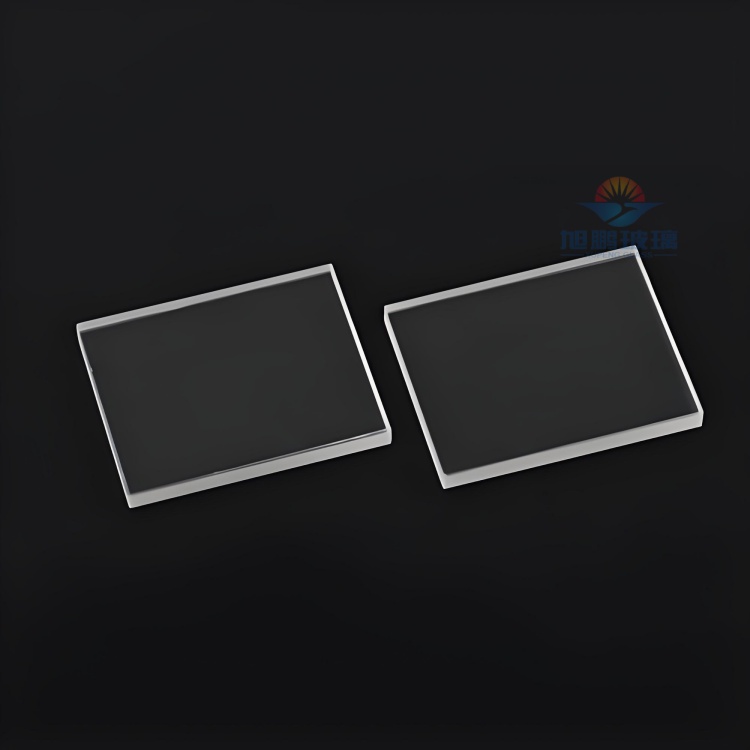
Tempered Glass Customized High Temperature Resistant, High Transparency and High Borosilicate Mirror Window Glass
Heat-resistant, high-clarity window glass for industrial HMI enclosures, equipment doors and high-temperature viewports.
View specifications →
Wafer Glass Thickness Circuit Board Chip Solar Silicon Ingot Substrate
Thickness-controlled glass for wafer-adjacent tooling, circuit board support, chip processing and solar-related fixtures.
View specifications →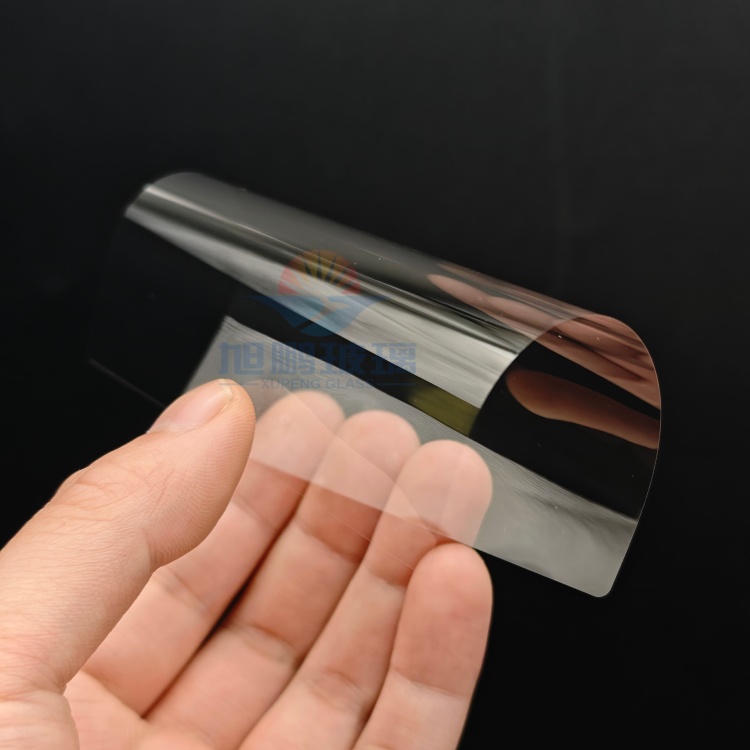
0.03 mm Ultra-thin Flexible Bendable Glass
Ultra-thin bendable glass for flexible display R&D, foldable device prototypes and lightweight electronic stacks.
View specifications →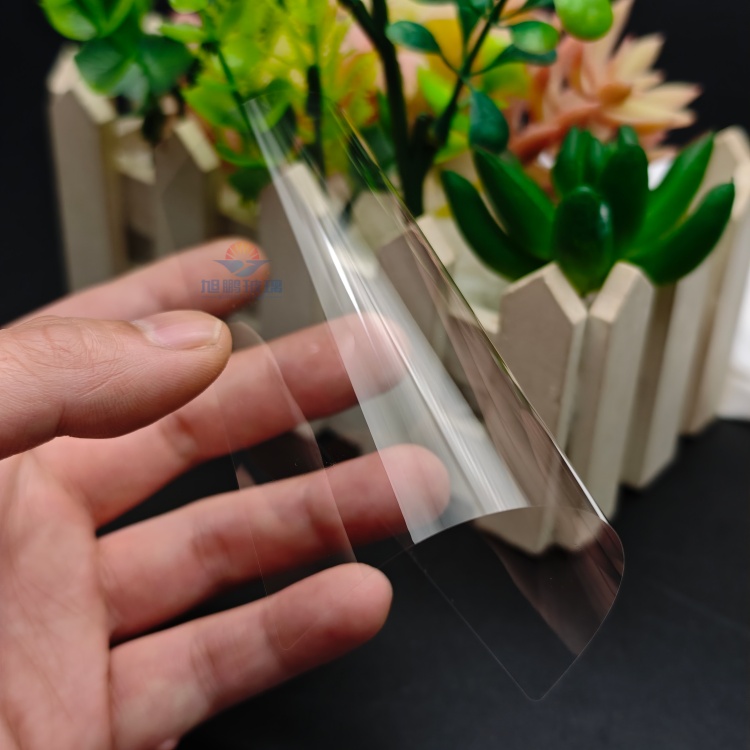
Ultra-thin Flexible UTG Glass, Bendable and Foldable, Suitable for Commercial Aerospace and New Energy Industries
Bendable UTG glass for advanced display architectures, rugged flexible electronics and emerging energy equipment designs.
View specifications →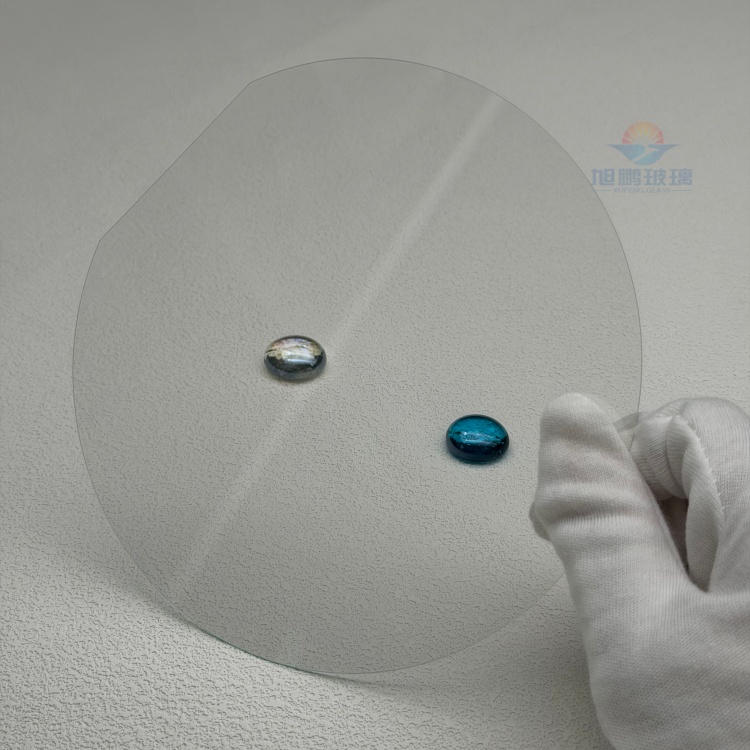
Ultra-thin Optical Glass Sheets Schott B270/D263T Semiconductor Electronic Glass Blank Cutting & Processing
SCHOTT B270 and D263T blank cutting and processing for semiconductor, optical and electronic glass components.
View specifications →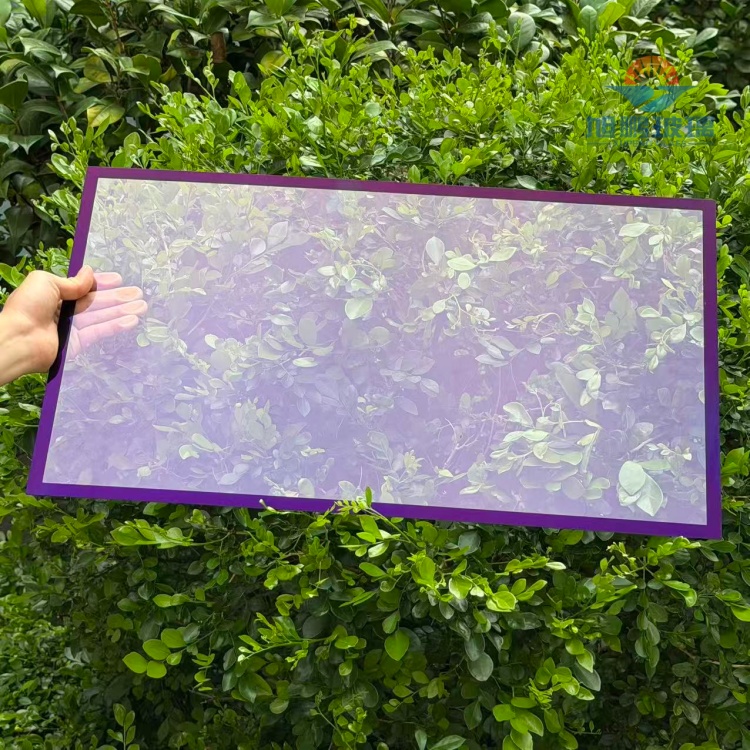
27-inch All-in-One PC AR Coated Glass
Large-format AR cover glass for AIO PCs, interactive kiosks, conference panels and Medan retail display enclosures.
View specifications →Why AR-Coated Optical Glass Is a Performance Material for Touch Screen Modules
For Medan buyers, AR glass is not simply a cover pane. It is an optical interface that changes contrast, readability, fingerprint visibility, coating durability and the total cost of ownership.
AR-coated optical glass for touch screen display modules is a multi-layer optical interface engineered to reduce surface reflection, improve display contrast and preserve colour accuracy under strong ambient light. In a touch module, the glass sits above the LCD or OLED panel, often bonded or air-gapped, and must survive handling, cleaning, chemical exposure, thermal cycling and transport. That is why a qualified AR cover glass specification should define substrate, thickness, flatness, edge quality, coating reflectance, visible light transmittance, haze, colour neutrality, adhesion and environmental reliability.
In Medan and wider North Sumatra, the performance case is especially strong. Tropical daylight can wash out indoor displays near glass facades, shopping mall lighting creates multiple reflections, and equipment used in humid or coastal environments needs coating systems that resist delamination. A display module that looks acceptable in a showroom can become difficult to read in a Medan retail lobby, hospital corridor, hotel reception area, factory control room or outdoor ticketing kiosk. AR coating suppresses front-surface reflection while AG anti-glare treatment can diffuse harsh light; for some projects, an AR + AG combination offers the most balanced result.
Buyers should also look beyond the word “AR”. The real difference lies in the manufacturing route: substrate selection, cleaning, coating deposition, curing, tempering sequence, silk-screen printing, CNC edge work and final inspection. A supplier that controls cutting, edging, drilling, tempering, printing and AR/AG coating under one roof can reduce interface risk between processes. This is the practical advantage of sourcing from a deep-processing glass factory rather than assembling a supply chain from multiple anonymous traders.
Substrate clarity
Choose low-iron or ultra-white glass when colour neutrality and transmission matter, especially for large touch covers.
AR reflectance target
Define single-side or double-side AR, wavelength range, reflectance limit and colour shift tolerance.
Haze and clarity
For AG or AR+AG surfaces, specify gloss, haze and image sharpness so the display remains crisp.
Reliability checks
Confirm adhesion, abrasion, damp heat, thermal cycling and salt-fog requirements where coastal humidity is a concern.
Where AR-Coated Optical Glass Creates Value in Medan
Medan is a commercial gateway for North Sumatra, with demand across retail, healthcare, hospitality, education, logistics and industrial control. These are the practical display environments where AR glass and optical glass specifications should be discussed early.
Retail POS and payment terminals
AR cover glass improves readability in mall lighting and reduces distracting reflections on countertop payment screens, self-order terminals and cashier displays.
Self-service kiosks and ticketing
Kiosks near entrances, transport hubs and tourism counters need AR+AG glass that controls reflection while maintaining touch sensitivity and edge strength.
Hospitals and diagnostic monitors
Medical display covers benefit from low reflection, colour neutrality and easy-clean surfaces for diagnostic review, patient registration and laboratory equipment.
Hotel and hospitality signage
AIO PCs, lobby digital boards and conference room panels look clearer with AR-coated glass, especially near windows and decorative lighting.
Industrial HMI and process control
Plantations, rubber processing, food production and manufacturing lines use HMI panels that may require tempered glass, AG treatment and robust edges.
Education smart boards and meeting displays
Classroom and boardroom displays need anti-glare and low-reflection glass to reduce eye strain and maintain readability from wide viewing positions.
Local Development Trends Shaping AR Glass Demand in Medan
Procurement teams should plan for these signals now, because they influence thickness, size, coating, packing and logistics decisions for the next buying cycle.
Digital retail and food-service self-ordering
Medan’s retail and F&B sector is adopting more countertop screens, self-order kiosks and digital menus. Buyers increasingly ask for AR glass with anti-fingerprint handling and custom cut-outs.
Healthcare and private hospital expansion
Display covers for diagnostic equipment, registration counters and laboratory instruments require repeatable optical quality and stable coating performance.
Smart public service kiosks
Public information, queueing and payment terminals place glass in bright, high-traffic spaces where reflection management and scratch resistance are critical.
Hospitality and tourism display upgrades
Hotels, travel counters and meeting venues are upgrading to larger interactive panels, driving demand for 27-inch AIO AR glass and custom large-format covers.
Industrial automation in North Sumatra
Processing and manufacturing operations require robust HMI glass that tolerates cleaning agents, humidity and temperature changes without losing optical clarity.
Import logistics through Belawan and Kualanamu
Medan buyers often route sea freight through Port of Belawan and air freight through Kualanamu. Clear Incoterms, protective glass packing and export documentation reduce arrival risk.
AR, AG, Tempered or Optical Glass: Match the Material to the Module
Use this table as an early specification reference. Final tolerances, coating targets and test standards should be confirmed against your drawing and assembly process.
| Application in Medan | Recommended Glass | Why It Fits | What to Confirm |
|---|---|---|---|
| Indoor touch screen display module | Ultra-white tempered glass with AR coating | Improves contrast, reduces front reflection and keeps touch cover durability | Thickness, AR reflectance, edge profile, hole positions and printing |
| Outdoor kiosk or bright lobby signage | AG or AR + AG coated glass | Controls glare and reflection under tropical daylight and strong architectural lighting | Haze, gloss, transmission, colour shift, coating durability and UV exposure |
| 27-inch AIO PC or conference panel | Large-format AR coated glass | Maintains image clarity across a wide display area and reduces ghost reflections | Flatness, coating uniformity, size tolerance, packing method and transport protection |
| Medical or laboratory display | AR optical glass or low-reflection cover glass | Supports colour-neutral viewing and easy-clean surfaces | Cleaning chemical compatibility, edge quality, colour neutrality and surface hardness |
| Industrial HMI in humid production areas | Tempered glass with optional AG or AR treatment | Resists impact and cleaning while managing reflection from machine lighting | Damp heat test, thermal cycling, seal design and gasket compatibility |
| Flexible or ultra-thin device concept | 0.03 mm UTG or ultra-thin flexible glass | Enables bending and lightweight optical stacks for next-generation designs | Bend radius, edge treatment, handling method and lamination process |
| Semiconductor, wafer or instrument component | SCHOTT B270, D263T, K9, quartz, sapphire or alkali-free glass | Provides stable optical and mechanical properties for precision applications | Material grade, thickness, flatness, polishing, dicing and cleanliness |
Typical reference only. Production specifications are confirmed after engineering review of your CAD, DXF or PDF drawing.
Dongguan AUVE Glass: A Factory-Direct Partner for Medan Buyers
Founded in 2018, Dongguan AUVE Glass Co., Ltd. integrates R&D, design, production and export of tempered, ultra-clear, AR/AG coated, silk-screen printed and optical glass in Songshan Lake, Dongguan, China.



The company processes flat and curved tempered glass, ultra-white, laminated and painted glass, LCD and touch screen glass, smart control panel glass, LED lamp glass, instrument glass, AR high-transmittance glass and AG anti-glare glass. Production follows defined process standards and a documented quality management system, so every batch can be traceable from raw sheet to packed carton. Guided by the philosophy of “focusing on high-end glass, pioneering and innovating,” the team continues to invest in skilled engineers, coating capability and precision glass processing for OEMs, brand owners and distributors.
Deep processing under one roof
Cutting, CNC shaping, edging, drilling, tempering, silk-screen printing, AR/AG coating and inspection can be coordinated in one production flow.
Drawing-to-production engineering
Send CAD, DXF or PDF drawings with thickness, tolerance, edge, hole, printing and coating requirements for manufacturability review.
Flexible MOQ discussion
Many coated and optical glass parts can start from 10–50 pieces, while standard ultra-clear tempered parts often start from 100–500 pieces.
Quality and export packing
Dimensional, visual and optical checks are paired with protective film, corner protection and export-grade packing for fragile glass.
Verifiable supplier credentials
Buyers can review the supplier assessment, credit index, transaction level, trade capacity and buyer feedback before ordering.
Medan-ready trade terms
FOB, CIF, DDP, DDU and express shipment options can be discussed around Port of Belawan, Kualanamu or door delivery.
Frequently Asked Questions from Medan Glass Buyers
These are the questions importers, display integrators and local wholesalers commonly ask when comparing Chinese AR-coated optical glass suppliers.
Are you a factory or a wholesaler for Medan buyers?
We are a deep-processing glass manufacturer and trading company based in Dongguan, China. Medan importers, distributors and module assemblers can work with us directly; we support factory-direct engineering review and export documentation rather than acting as an unverified local marketplace seller.
What is the MOQ for AR-coated optical glass?
MOQ depends on material and process. Many coated and optical glass parts start from 10–50 pieces, while standard ultra-clear tempered parts typically start from 100–500 pieces. Sample and pilot quantities can be discussed for new Medan projects.
Can you send samples to Medan before mass production?
Yes. Sample and pilot orders can be discussed, especially for custom AR cover glass, tempered touch glass, optical wafers and printed glass. Share your drawing and target specification so the sample can represent the intended production route.
How do you ship fragile glass to Medan?
We support FOB, CFR, CIF, EXW, DDP, DDU, DAF and express delivery. For Medan, sea freight often moves through Port of Belawan while urgent samples may use air freight through Kualanamu or international express, subject to the agreed shipping plan.
What AR coating specifications should I provide?
Please specify substrate, thickness, size, single-side or double-side AR, target reflectance, visible light transmittance, haze, colour tolerance, edge profile, holes, printing and environmental test requirements. Our engineers review manufacturability before production.
Can you produce glass to my own drawing and packaging requirement?
Yes. Send a CAD, DXF or PDF drawing with thickness, tolerance, edge, hole, printing and coating requirements. Packaging can be discussed for fragile glass, including protective film, interleaving material, foam protection and export cartons or wooden cases.
How fast can I receive a technical response?
Our average response time is within 7 hours. For a faster engineering review, include your drawing, target quantity, application environment, coating requirement and preferred Incoterm in the first message.
Which documents are available for import clearance?
Export documentation is discussed and confirmed with each order. Typical documents can include commercial invoice, packing list, bill of lading or air waybill and agreed test or inspection reports. Please confirm destination-specific requirements with your customs broker.
Do you support larger-format displays and custom sizes?
Yes. The product range includes 27-inch AIO PC AR coated glass and custom glass processed to drawing. For larger touch modules, discuss flatness, coating uniformity, packing method and transport protection early so the glass arrives ready for assembly.
Have a Drawing for an AR-Coated Touch Display Glass Project?
Send your size, thickness, AR or AG requirement, edge and hole details, printing needs and target order quantity. Our team can review the material and process route for Medan delivery, usually within 7 hours.