China Best Glass Edge Polishing Suppliers & Wholesaler Serving the Portland Market
Custom tempered, low-iron, AR/AG-coated, silk-screen and optical glass with CNC-polished edges—reviewed to your drawing and shipped to Portland and the wider Pacific Northwest.
Wholesale Glass Edge Polishing & Custom Glass Parts for Portland Buyers
These eight glass products are practical starting points for Portland display, equipment, architectural, optical and semiconductor-adjacent projects. Use the product links for specifications, then send a CAD, DXF or PDF drawing for an edge and coating review.

CNC Carved Low Iron Glass Sheet, High-temperature Screen Printed Tempered Glass, Drilled Glass Panel
CNC-carved low-iron tempered panel with printed graphics and drilled openings; specify polished hole edges, print registration and chip limits.
View product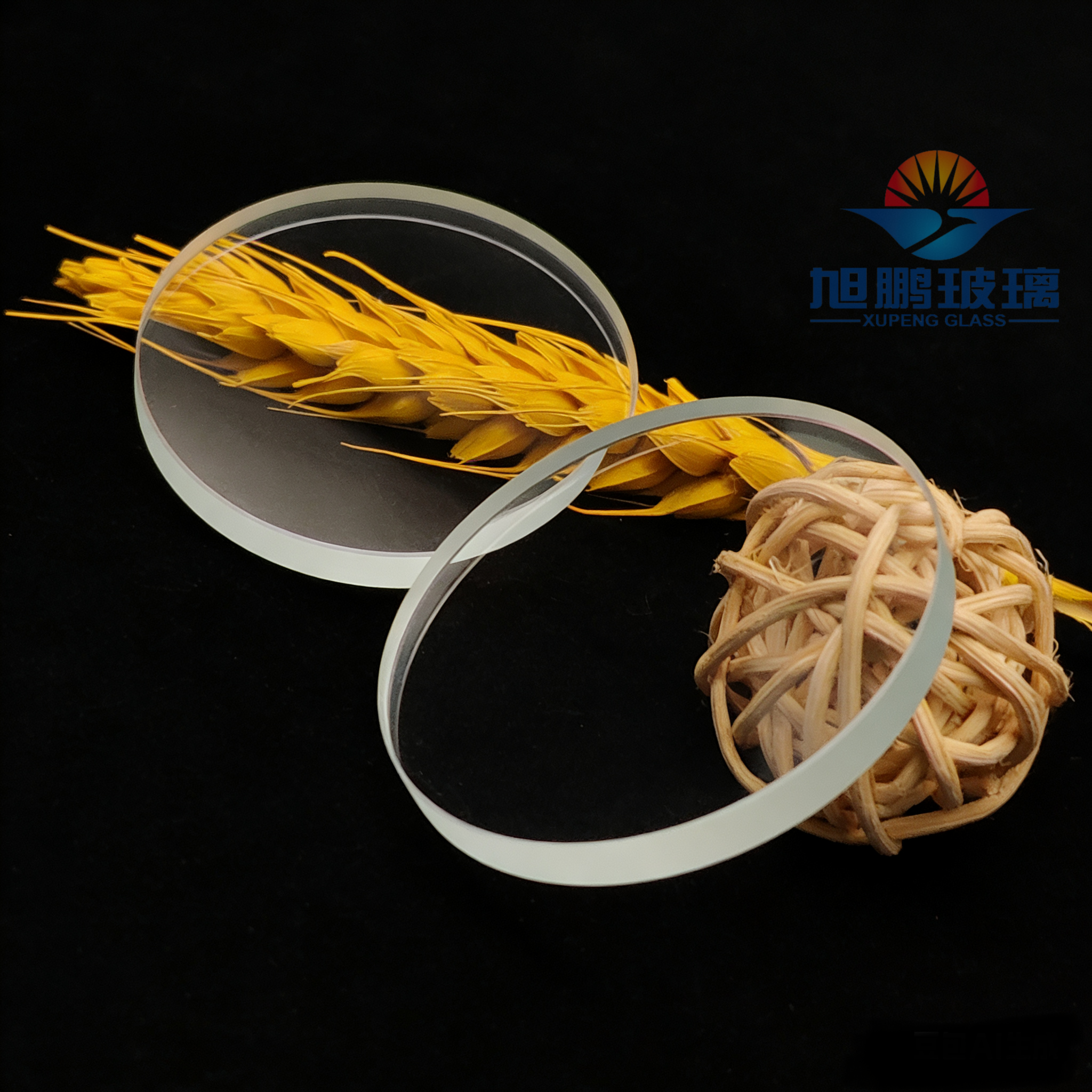
Low Iron Round High Transmittance Tempered Glass Panel with Precision Polished Edges, Flat Clear Glass
Round low-iron tempered glass with precision polished edges for display, lighting and instrument covers; confirm diameter, edge profile and transmission.
View product
Precision CNC Cut & Holed, High-temperature Silk Screen Tempered Glass, Drilled Ultra-clear Small Round Glass Discs
Small CNC-cut and drilled tempered discs with high-temperature silk-screen graphics for compact device windows and instrument apertures.
View product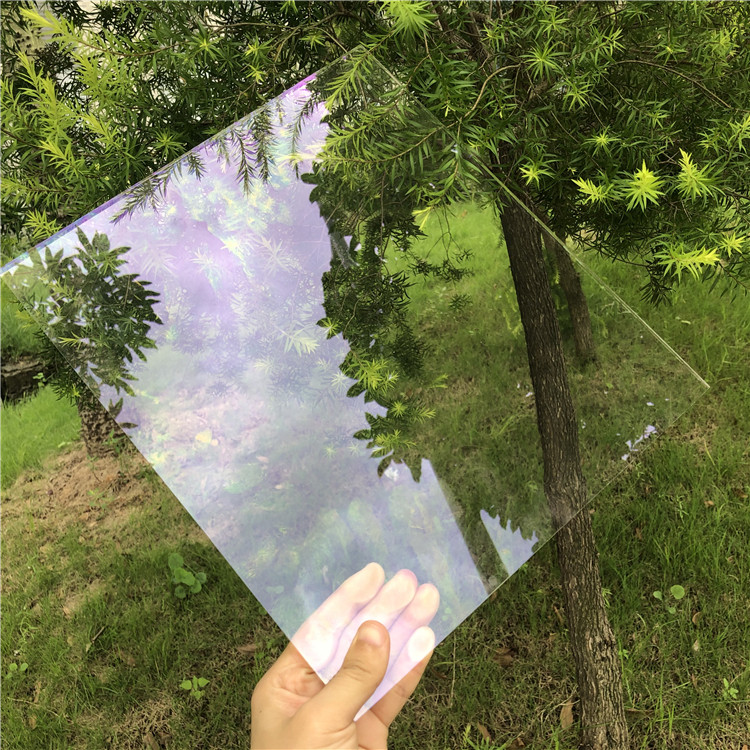
High-transmittance Anti-Reflection (AR) Coated Optical Glass
AR-coated optical glass for display windows and sensor assemblies where reflection control, clarity and edge quality must be reviewed together.
View product
Corning Ultra-Thin Glass Sheet, Optical Grade Glass Wafer Substrate with Chamfered Edge
Ultra-thin Corning glass wafer substrate with chamfered edge; specify thickness, warp, flatness and edge-chip acceptance criteria.
View product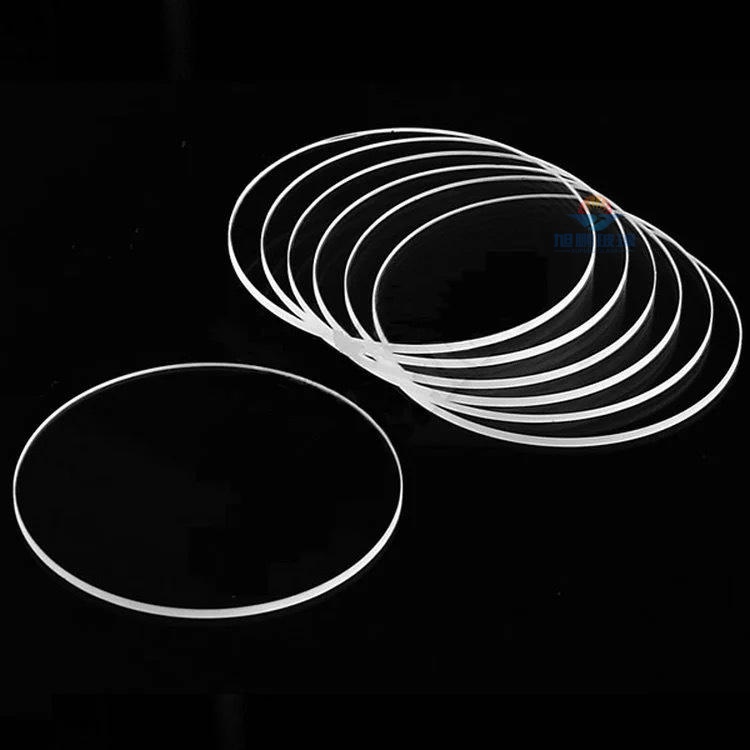
Corning EXG Alkali-Free Glass, UV High-Transmittance Optical Window Substrate
Alkali-free Corning EXG glass for UV-transmitting windows and wafer substrates; review transmission, flatness and edge finish together.
View product
Ultra-white Tempered Glass, AR Anti-Reflection Coatable, High Light Transmittance & Anti-reflective
Ultra-white tempered glass that can receive AR coating for high-clarity covers where neutral color and low reflection are both important.
View product
High-transmittance Anti-Reflection Coated Glass
AR-coated glass for display windows and optical assemblies; confirm coating sides, reflection target, cleaning method and edge callout.
View productWhat “China Best” Should Mean in a Portland Edge-Polishing RFQ
A buying guide for engineers, sourcing managers and wholesale distributors who need repeatable glass parts—not vague claims.
When a Portland buyer searches for China best glass edge polishing suppliers, the intent is usually practical: find a wholesaler that can make a defined part, hold the edge quality, protect the coating and deliver it to Oregon without turning the drawing into a cycle of samples and exceptions. “Best” is therefore not a slogan. It is a documented match between your application, the material, the edge geometry and the factory’s process control.
Dongguan AUVE Glass Co., Ltd. is a China-based deep-processing manufacturer serving OEMs, brand owners and distributors. Established in 2018 in Songshan Lake, Dongguan, the company integrates R&D, design, production and export, and works with tempered, ultra-clear, AR/AG-coated, silk-screen printed and optical glass. This guide explains how Portland-area buyers can specify edge quality, shortlist the right product family and compare suppliers with less risk.
Where Edge Quality Becomes a Functional Specification
Portland’s product mix is not one market. A display cover, a machine window and a semiconductor substrate can all use polished glass, but each fails differently when the edge is wrong.
Touch displays and all-in-one PC covers
Portland design and electronics teams often need flush, touch-friendly glass with low reflection. Specify flat-polished or chamfered edges, AR coating on the viewing side, clean hole edges for cameras or sensors, and chip limits that match the visible bezel.
Industrial HMI and equipment windows
Machine builders in the Portland metro use glass where oils, cleaning agents and operator contact are routine. A low-iron tempered panel with a pencil or flat-polished edge may fit, but the drawing should define edge-zone chip limits and thermal processing rules.
Architectural interiors and lighting
Exposed glass edges are visible in partitions, light boxes and fixture covers. Flat polish or bevel improves the reveal, while ultra-white low-iron glass supports neutral color. Confirm print alignment, edge gloss and safety requirements before release.
Optical, lab and semiconductor assemblies
For the metro’s instrumentation and technology supply chain, edge quality affects mounting, cleaning and stray-light control. Corning EXG, K9, quartz and sapphire parts should pair tight dimensional tolerances with chamfered or polished edge specifications.
What Is Changing in Portland Glass Sourcing
Portland buyers are not only comparing unit price; they are comparing how much engineering feedback, packaging protection and supply continuity comes with the glass.
Low-iron clarity plus AR/AG control
Design-led product teams increasingly want neutral glass color and controlled reflection in one cover. Ask for visible-light transmission, reflection and haze targets, then confirm which side receives the coating and how the edge will be inspected.
Edge geometry as a safety and brand detail
For exposed edges and touch points, a seamed edge is not always enough. Portland OEMs are asking for flat polish, chamfer, pencil round or bevel callouts with inspection zones, because the edge influences both perceived quality and handling safety.
Prototype-to-production flexibility
Smaller engineering teams need a path from samples to repeat orders. Many coated and optical parts can start at 10–50 pieces, while standard ultra-clear tempered runs often start at 100–500 pieces; final MOQ depends on material and process.
Landed-cost and fragile-packaging planning
Portland buyers compare DDP or DDU landed cost with FOB alternatives. Protective film, foam corners, reinforced cartons or fumigation-free wooden crates are part of quality—not an afterthought—especially when glass crosses a long export route.
Which Glass Family Should a Portland Buyer Shortlist?
Use this table to narrow the RFQ before engineering review. Final material, coating and edge callout must be confirmed against your drawing and test plan.
| Portland use case | Product families to shortlist | Edge and finish note | What to verify |
|---|---|---|---|
| Outdoor kiosk or industrial display | High-transmittance AR coated glass; ultra-white tempered glass, AR coatable | AG/AR plus flat polish or chamfer; define a clean touch edge | Glare target, coating cleaning method, edge-chip limits |
| All-in-one PC or touch module cover | High-transmittance AR optical glass; CNC carved low iron glass sheet | Flat-polished perimeter and polished holes | Reflection target, flatness, camera-hole edge quality |
| Small round view windows | Low iron round tempered panel; precision CNC cut and holed discs | Pencil round or flat polish; controlled print registration | Diameter, edge concentricity, silk-screen alignment |
| UV window or wafer substrate | Corning EXG UV high-transmittance; Corning ultra-thin wafer substrate | Chamfered edge with defined micro-chip acceptance | Transmission, thickness, warp, flatness, edge inspection |
| Architectural or lighting cover | Ultra-white tempered; CNC carved low iron glass sheet | Bevel or flat polish for exposed edges | Color consistency, print alignment, tempering mark location |
| Optical instrument window | High-transmittance AR coated optical glass; Corning EXG substrate | Chamfer plus polish to avoid handling chips | Parallelism, surface quality, coating side and edge finish |
Reference values and process choices are illustrative for RFQ planning. Production specifications must be confirmed against your drawing, sample approval and agreed inspection criteria.
How to Compare China Best Glass Edge Polishing Suppliers Without Guesswork
The strongest supplier for the Portland market is the one that can show a controlled engineering path from your drawing to a packed, labeled carton.
Drawing review before quotation
Send CAD, DXF or PDF with thickness, tolerance, edge zones, holes, printing and coating requirements. A useful supplier returns manufacturability notes—not only a price and lead time.
In-house process sequence
Check whether cutting, CNC edging, drilling, tempering, silk-screen printing and AR/AG coating are controlled as a sequence. For tempered glass, all cutting, drilling and edge grinding must be completed before tempering.
Measurable edge quality
Define chip limits by edge zone: visible edge, sealed edge, cutout edge and hole edge. Ask for dimensional reports, visual inspection criteria, batch traceability and first-article approval before volume production.
Portland logistics and response
Confirm export packing, Incoterms, labeling and customs documents. AUVE supports FOB, CFR, CIF, EXW, DDP, DDU, DAF and express delivery, with an average response time within 7 hours.
Example RFQ scoring model for a Portland OEM project
Use a weighted scorecard before placing a sample order. The values below are an illustrative evaluation model, not a market statistic.
Edge Profile Selection Matrix for Drawings and RFQs
Do not write “polished edge” without a profile and inspection zone. The edge callout should match how the part is handled, mounted, cleaned and viewed.
| Edge callout | Best-fit use | What to specify | What to inspect |
|---|---|---|---|
| Seamed edge | Hidden edges, low-cost handling protection | Seam width, chip limit, sharp-edge removal | No visible sharp edge; consistent seam |
| Flat polished edge | Exposed display borders, control panels, lighting covers | Polish quality, edge squareness, visible-edge zone | Edge chips, scratch marks, haze, gloss consistency |
| Chamfered edge | Optical windows, wafers, laminated or mounted glass | Chamfer angle, width, corner blend | Chamfer uniformity, micro-chip limits, corner condition |
| Pencil round edge | Touch points, appliance covers, equipment windows | Radius range, polish level, edge-zone acceptance | Profile consistency, safe touch, edge waviness |
| Beveled edge | Architectural glass, mirrors, decorative exposed edges | Bevel width, angle, polish on bevel and flat | Bevel symmetry, glare lines, corner alignment |
| CNC-profiled holes and cutouts | Sensor windows, camera holes, small glass discs | Hole diameter, position, edge polish, chip limits | Hole-to-edge distance, micro-cracks, print registration |
For tempered parts, all cutting, drilling and edge grinding must be completed before tempering. Post-temper grinding is not a substitute for a controlled pre-temper edge process.
Factory-Direct Advantages for a Wholesale Program Serving Portland
AUVE combines deep-processing capability with export experience, so Portland buyers can consolidate custom edge, coating, printing and optical glass sourcing with one qualified manufacturer.

Dongguan AUVE Glass Co., Ltd. is a deep-processing glass manufacturer integrating R&D, design, production and export. The factory is located in Songshan Lake, Dongguan, Guangdong—one of China’s electronics and optoelectronics clusters—and serves OEMs, brand owners and distributors at home and abroad.
The company processes flat and curved tempered glass, ultra-white and low-iron glass, laminated and painted glass, LCD and touch-screen glass, smart control panel glass, LED lighting glass, instrument glass, AR high-transmittance glass and AG anti-glare glass. Production follows defined process standards and documented quality controls so orders can be traced from raw sheet to packed carton.
Before placing a sample or wholesale order, Portland buyers can review independently verified supplier data such as the onsite-checked profile, credit index, transaction level, trade history and buyer feedback.
One-stop edge-to-coating control
CNC cutting, edging, drilling, tempering, silk-screen printing and AR/AG coating can be planned as one production route, reducing handoff risk between suppliers.
Drawing-led engineering
CAD, DXF and PDF files are reviewed for thickness, tolerance, edge zone, hole-to-edge distance, printing and coating requirements before quotation and production.
Material breadth
Options include low-iron tempered glass, AR/AG-coated glass, K9 optical glass, quartz, sapphire, borosilicate and Corning EXG alkali-free glass.
Volume flexibility
Coated and optical parts often start from 10–50 pieces, while standard ultra-clear tempered parts typically start from 100–500 pieces. Sample and pilot quantities can be discussed.
Export packing and trade terms
Fragile-goods packing is designed for export, with FOB, CFR, CIF, EXW, DDP, DDU, DAF and express delivery options available for Portland buyers.
Checkable supplier credentials
Onsite verification, credit index, transaction level, trade history and buyer reviews help sourcing teams complete due diligence before a sample order.
From Your Drawing to a Portland-Ready Shipment
Each step should produce a decision or inspection record, not just a handoff.
Drawing and DFM intake
Review CAD, DXF or PDF for size, thickness, tolerances, edge profile, holes, printing, coating and quantity.
Material and process route
Select low-iron, optical, tempered or coated glass and confirm the correct sequence for edge work, tempering and coating.
CNC cutting, edging and drilling
Shape the part, grind the edge, drill holes and polish critical cutouts before any tempering or coating operation.
Tempering, printing and coating
Apply the agreed thermal, silk-screen or AR/AG process only after the pre-temper geometry and edge finish are released.
Inspection and documentation
Check dimensions, appearance, edge quality and agreed optical or coating requirements against the approved sample or drawing.
Export packing and shipping
Protect faces and edges, label batches and prepare export packing for sea, air, express or the agreed Incoterm.
Common Local Procurement Questions About Glass Edge Polishing
Direct answers for Portland purchasing teams comparing a China factory, a wholesaler and a custom glass edge finishing program.
What types of glass can AUVE process for Portland buyers?
AUVE processes flat and curved tempered glass, ultra-clear low-iron glass, laminated and painted glass, AR anti-reflective and AG anti-glare coated glass, silk-screen printed glass, touch-screen and LCD cover glass, LED lighting glass, instrument glass, and optical materials such as K9, quartz, sapphire, borosilicate and Corning EXG alkali-free glass.
Are you a local Portland glass supplier or a China-based factory?
AUVE is a China-based deep-processing manufacturer in Dongguan, Guangdong, serving Portland buyers through direct export. We do not claim a Portland storefront or local stock. If your project needs local inventory, ask for a landed-cost and lead-time plan rather than assuming local availability.
Can you ship edge-polished glass to Portland, Oregon, with DDP?
We support FOB, CFR, CIF, EXW, DDP, DDU, DAF and express delivery. DDP or DDU can be discussed for Portland shipments, with export packing designed for fragile glass parts. The final term depends on your customs setup, order size and delivery address.
What edge finish should I specify for an exposed glass edge?
Use a flat polish where the edge is visible and requires a clean reveal, a chamfer where handling or mounting protection matters, a pencil round for touch points, and a bevel for decorative architectural edges. Define the visible edge zone, chip limits, corner condition and whether holes and cutouts need polished edges.
How do I control chips and stress at drilled holes?
Specify hole diameter, position, hole-to-edge distance, edge polish and acceptance limits on the drawing. For tempered glass, drilling and hole-edge grinding must happen before tempering. Ask for a first-article inspection and agree how the hole edge will be inspected, including lighting and magnification if relevant.
What is the minimum order quantity for custom edge-polished glass?
MOQ depends on material and process. Many coated and optical glass parts start from 10 to 50 pieces, while standard ultra-clear tempered parts typically start from 100 to 500 pieces. Sample and pilot quantities can be discussed for new Portland projects, but final MOQ must be confirmed after drawing review.
Can AR/AG coating and silk-screen printing be combined with polished edges?
Yes, but the process order and inspection criteria must be agreed. Printing, coating side, edge profile, hole locations and visible-edge zones all interact. The drawing should state which surfaces are functional, which edges are visible, and what cleaning or handling exposure the coated surface will see.
How are glass parts packed, and how quickly will I receive a reply?
Export packing can include protective film, interleaving material, foam corner protection and fumigation-free wooden crates or reinforced cartons, depending on size and route. Our average response time is within 7 hours. Email info@auveglass.com with your drawing, quantity and delivery target for an engineering review.
Need a Catalog or a Portland-Specific Edge Review?
Send your CAD, DXF or PDF drawing with thickness, tolerance, edge callouts, coating, printing, quantity and target delivery date. Our team can confirm the material route, MOQ and shipping options to Portland, Oregon.
Get Catalog