China Best Glass Screen Printing Manufacturers & Factories for Denpasar
Factory-direct tempered, silk-screen printed, AR/AG coated and optical glass for Denpasar resorts, smart control panels, digital signage, renewable energy and high-end architectural projects.
8 Product Platforms for Denpasar Buyers
These eight glass product families cover the main sourcing routes for Bali projects: screen-printed tempered glass, display glass, optical substrates, high-temperature glass-ceramic and advanced semiconductor packaging glass.
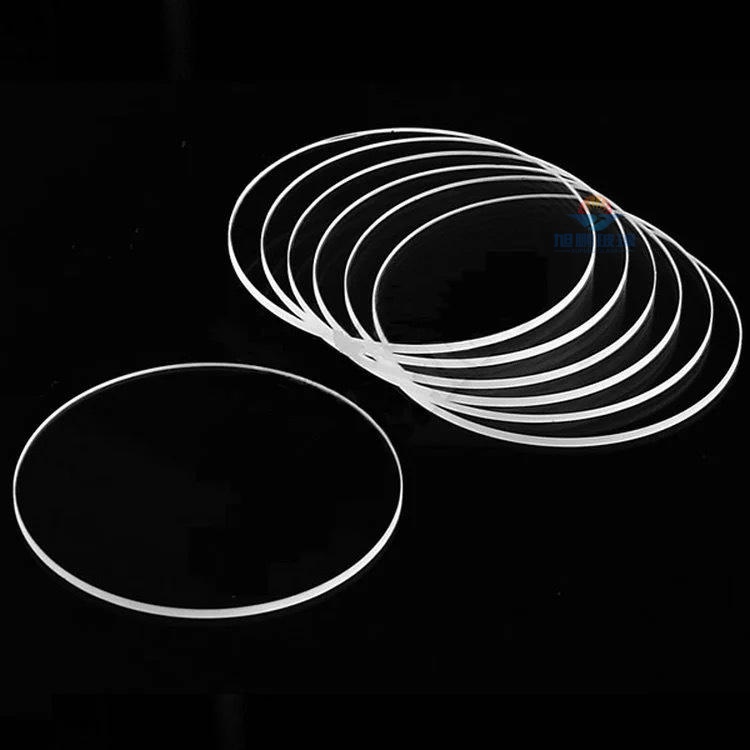
Corning EXG Alkali-Free Glass, UV High-Transmittance Optical Window Substrate
Low-CTE alkali-free glass for UV windows, optical inspection and semiconductor-adjacent assemblies where dimensional stability matters.
View product →
White Ceramic Glass-Ceramic, 4mm & 6mm, High Temperature Resistant Glass-Ceramic
For appliance panels, luxury kitchen surfaces, heat shields and decorative glass elements that need thermal resistance and uniform white finish.
View product →
Corning EXG Glass Wafer Double-Sided Polished for Custom Semiconductor Glass Wafers & Solar Panels
Double-side polished alkali-free wafer for custom semiconductor glass wafers, solar panel research and high-precision display development.
View product →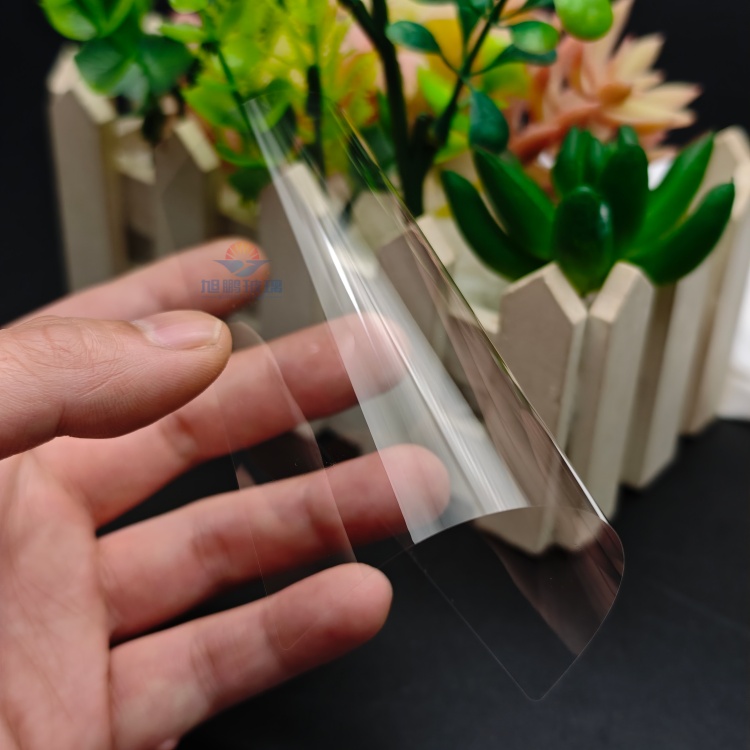
Ultra-thin Flexible UTG Glass, Bendable and Foldable, Suitable for Commercial Aerospace and New Energy Industries
Thin flexible glass for foldable electronics, lightweight composite structures and advanced energy-device prototyping.
View product →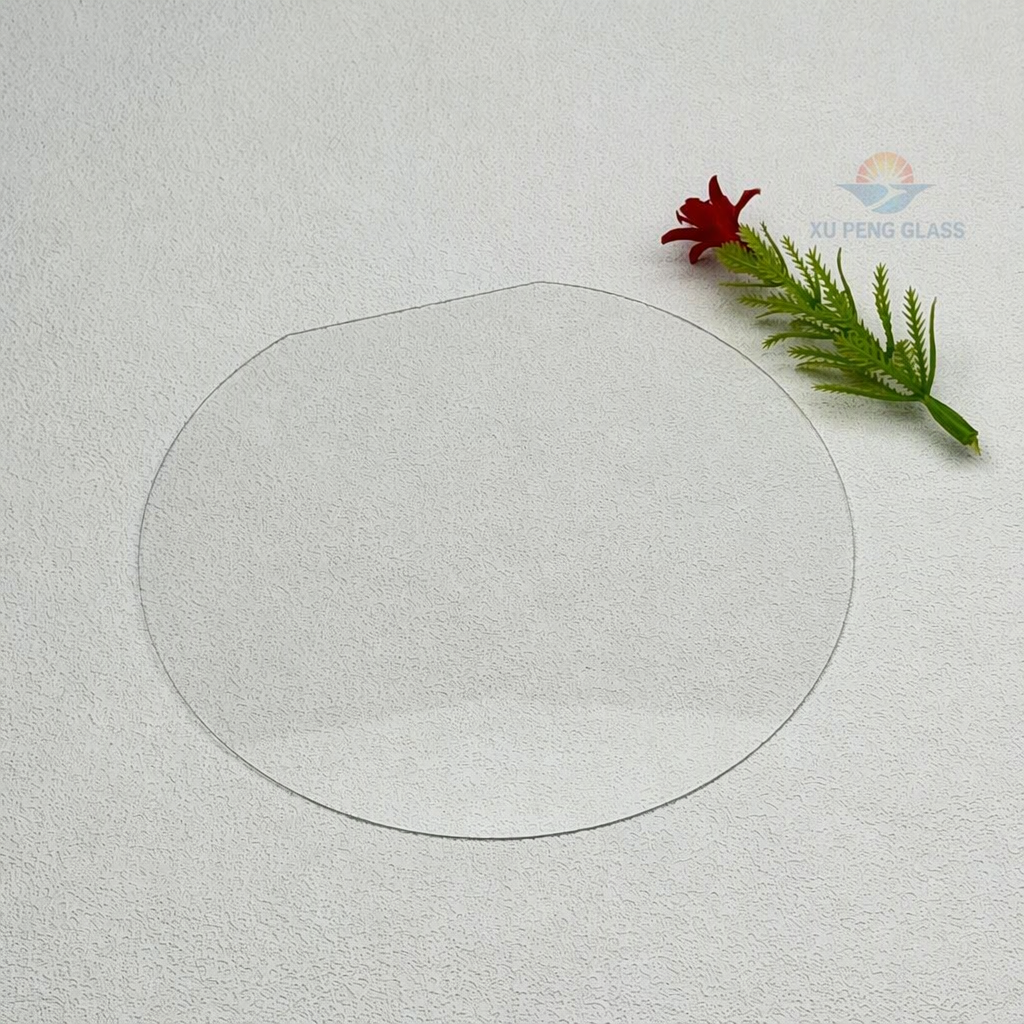
Ultra-thin High-precision Optical Glass Wafer, Corning / SCHOTT / Fused Silica
Precision thinned optical wafers for sensors, optical instruments, UV systems and compact display modules.
View product →
Precision CNC Cut & Holed, High-temperature Silk Screen Tempered Glass, Drilled Ultra-clear Small Round Glass Discs
Custom round and shaped glass with CNC holes, high-temperature ceramic ink and tempered strength for control panels and appliance windows.
View product →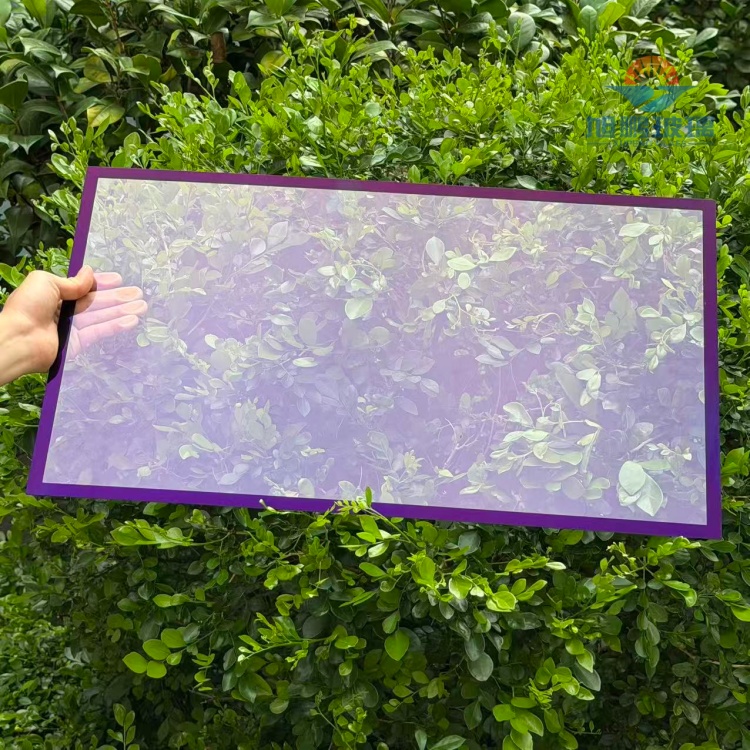
27-inch All-in-One PC AR Coated Glass
Large-format anti-reflective cover glass for all-in-one PCs, interactive kiosks, hotel check-in terminals and high-clarity digital displays.
View product →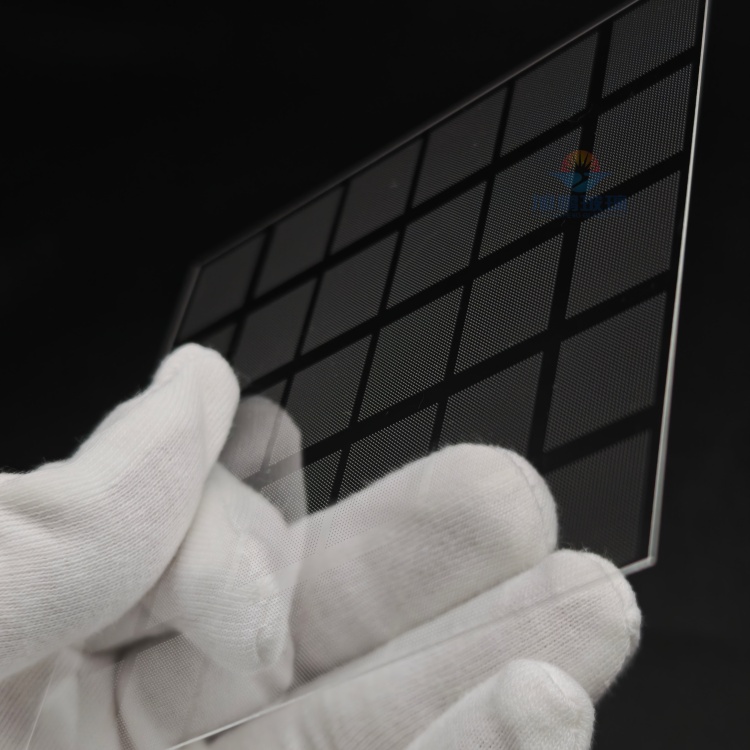
TGV Drilled Packaging Glass Substrate, Precision Laser Microvia Glass
Laser-drilled glass substrates for advanced packaging, microvia research and high-density electronic device development.
View product →Why Denpasar Buyers Need a Different Glass Supplier Checklist
Denpasar is not a generic export destination. It is the commercial gateway to Bali’s hospitality, villa, digital signage, smart-home and renewable-energy economy.
For architects, interior contractors, display integrators and procurement teams in Denpasar, the search for China best glass screen printing manufacturers & factories for Denpasar usually begins with a simple question: who can deliver custom printed glass that survives a tropical coastal environment and still matches an international design standard? The answer is not found by comparing unit price alone. It depends on substrate selection, printing durability, tempering quality, edge and hole precision, coating performance, export packing and the manufacturer’s ability to translate a CAD drawing into a repeatable production route.
Bali’s climate adds another layer of specification. High humidity, intense UV exposure, salt-laden air in coastal areas and frequent temperature changes around illuminated signage can expose weak print adhesion, poor edge finishing or inadequate packaging. A factory that serves European display brands but has never considered Denpasar’s sea-freight route, high-rise resort installation windows or outdoor wayfinding conditions may still produce fragile or inconsistent results. That is why this guide combines product recommendation, local application scenarios, market trends and a practical supplier evaluation framework for Denpasar importers.
Dongguan AUVE Glass Co., Ltd. is a deep-processing glass manufacturer integrating research, design, production and export. Its production scope includes flat and curved tempered glass, ultra-clear low-iron glass, laminated and painted glass, AR anti-reflective glass, AG anti-glare glass, silk-screen printed glass, touch-screen and LCD cover glass, LED lighting glass, instrument glass, K9 optical glass, quartz, sapphire, borosilicate and Corning EXG alkali-free glass. For Denpasar buyers, the real value is not simply that these products exist; it is that cutting, CNC edging, drilling, tempering, printing, coating, quality inspection and export packing can be coordinated under one factory-direct workflow.
Glass Screen Printing Applications in Denpasar and Bali
Screen-printed glass works best when it is specified as part of the user experience, not as a last-minute finish. These four application clusters are especially relevant to Denpasar projects.
Resort & Villa Interiors
Printed glass partitions, shower screens, wardrobe doors, minibar panels, villa signage and decorative wall cladding need precise graphics, safe tempered edges and repeatable color for multi-room rollouts in Seminyak, Canggu, Ubud and Nusa Dua.
Wayfinding & Brand Signage
Hotel directories, lift lobby panels, pool safety signs, retail wayfinding and branded wall graphics benefit from fired ceramic ink that resists cleaning chemicals and UV fading better than ordinary surface stickers.
Smart-Home & Control Panels
Touch switches, room controls, appliance covers and smart villa panels use ultra-clear tempered glass with printed icons, IR windows, anti-glare etching or AR coating to deliver a premium tactile finish.
Outdoor Displays & Kiosks
AR-coated or AG-treated cover glass improves readability for hotel check-in kiosks, restaurant menu boards, airport-adjacent digital signage and outdoor retail displays exposed to tropical glare.
Denpasar Market Trends Reshaping Glass Specifications
Denpasar procurement teams are increasingly buying for lifecycle performance, brand consistency and installation speed rather than accepting the lowest quotation.
Tropical Durability
Coastal humidity and salt air push buyers toward better edge quality, proper tempering, premium ceramic inks and export packing that prevents edge chipping before installation.
Low-Reflection Displays
Hospitality, retail and transport projects in Bali increasingly specify AR-coated or AG-etched glass to reduce glare in bright lobbies and open-air pavilions.
Design-Led Customization
Boutique hotels and villa brands ask for customized patterns, logos, hidden icons and color-matched printing, turning screen-printed glass into a branded architectural material.
Energy & Technical Glass
Solar, UV treatment and smart-building projects are creating demand for quartz, sapphire, Corning EXG and high-transmittance optical substrates beyond conventional architectural glass.
How to Specify Screen-Printed Glass for Denpasar’s Climate
A supplier in China can only control what is clearly specified. For Denpasar-bound projects, convert vague terms such as “high quality printing” or “strong glass” into measurable requirements. This is where information gain becomes commercial value: a more precise drawing and testing brief reduces rework, site breakage and delayed handover.
The following reference table is not a universal guarantee. It is a practical starting point for architects and sourcing managers to discuss with the factory before sampling.
Denpasar-specific risk controls
Specify salt-spray resistance for coastal hardware contact points, UV-stable ceramic ink for outdoor signage, thermal-shock resistance for illuminated panels, edge polishing for handling safety and multilayer packing for sea freight via Benoa or air freight via Ngurah Rai.
| Requirement | Recommended Specification | Why It Matters in Denpasar |
|---|---|---|
| Print durability | High-temperature fired ceramic ink, not solvent-based surface printing | Resists UV exposure, cleaning chemicals and tropical humidity in resort and outdoor signage applications. |
| Glass strength | Fully tempered glass with controlled edge grinding and chamfering | Reduces breakage during shipping, site handling and installation in high-traffic hospitality areas. |
| Coastal exposure | Edge protection, moisture-barrier packing and optional salt-spray validation | Helps protect exposed edges and printed surfaces during storage before installation in coastal Bali. |
| Display readability | AR anti-reflective coating or AG anti-glare etching with agreed haze and gloss targets | Improves legibility in bright hotel lobbies, glass-walled restaurants and outdoor kiosk environments. |
| Shipping protection | Interleaving film or paper, foam corners, crated or reinforced carton packing, batch labels | Long multimodal routes to Denpasar demand stronger protection than domestic delivery. |
Supplier Evaluation Framework: China Best Glass Screen Printing Factories for Denpasar
Use this six-part framework to separate genuine glass deep-processing factories from traders who only resell finished panels.
1. Drawing-to-Production Engineering
Can the supplier review CAD, DXF or PDF drawings for thickness, tolerance, edge profile, holes, printing, coating and tempering risk before quoting? AUVE’s process supports engineering review before mass production, which is essential for complex Bali hospitality and display projects.
2. In-House Process Control
Cutting, CNC edging, drilling, tempering, silk-screen printing, AR/AG coating and quality inspection should be traceable. A factory-direct workflow shortens lead times and reduces finger-pointing when a printed window, hole position or coating specification fails inspection.
3. Color & Print Durability
Ask for ink type, firing temperature, multi-color registration capability, IR/window ink options and surface durability expectations. For Denpasar outdoor signage or poolside panels, UV resistance and cleaning resistance must be discussed at the sampling stage.
4. Quality Documentation
A professional supplier should define dimensional, visual and optical checks before packing. For architectural glass, request batch identification, inspection photos and agreed tolerance reports. For optical glass, confirm flatness, scratch/dig and coating targets.
5. Export Packing & Incoterms
Confirm whether the factory supports FOB, CFR, CIF, EXW, DDP, DDU, DAF or express delivery. Fragile glass shipping to Denpasar needs protective film, corner protection, reinforced crates or cartons and export labeling that allows easy site distribution.
6. Communication & Lead Time
Fast technical response matters when a Denpasar project is waiting on a sample approval. AUVE’s stated average response time is within 7 hours. Ask for a production schedule that separates sample approval, material preparation, processing, inspection and packing.



About Dongguan AUVE Glass Co., Ltd.
Dongguan AUVE Glass Co., Ltd. is a deep-processing glass manufacturer integrating R&D, design, production and export in Songshan Lake, Dongguan, Guangdong. The company was founded in 2018, employs 51–100 skilled staff and operates within a 1,001–2,000 m² facility. Its philosophy, “focusing on high-end glass, pioneering and innovating,” is backed by investment in engineers, equipment and process control.
For Denpasar buyers, the advantage is consolidation. Instead of coordinating separate suppliers for tempered glass, printed glass, AR/AG coating, optical glass and export logistics, buyers can route multiple product families through one factory-direct partner with documented capabilities.
AUVE’s supplier profiles include third-party onsite verification, credit index, transaction level, trade capacity, trade history and buyer feedback pages. For procurement teams in Denpasar, these checks are useful because they move the conversation beyond catalogue images and toward verifiable trading behavior, communication responsiveness and production capability.
From Raw Sheet to Finished Part: In-House Process Control
Each process step can be reviewed against the drawing before shipment, so Denpasar buyers receive glass that is ready for installation rather than glass that requires rework on site.
Precision Cutting
Automatic and CNC cutting from float glass, low-iron glass, optical glass and technical stock.
CNC Edging & Drilling
Edge grinding, beveling, grooving, hole drilling and laser processing for clean installation interfaces.
Tempering
Flat and curved thermal tempering for impact resistance and safer use in hospitality and public spaces.
Silk-Screen Printing
High-temperature ceramic inks for logos, icons, graphic windows, IR windows and multi-color panel designs.
AR / AG Coating
Anti-reflective, anti-glare, mirror and functional coatings for display clarity and glare control.
QC & Export Packing
Dimensional, visual and optical checks followed by protective packing for fragile export cargo.
Procurement Terms for Denpasar Importers
Commercial terms should be confirmed before sampling, especially for mixed orders that combine tempered printed glass, optical wafers and coated display glass.
Flexible Delivery Terms
AUVE supports FOB, CFR, CIF, EXW, DDP, DDU, DAF and express delivery. Denpasar buyers can choose the Incoterm that matches their freight forwarder, customs setup and project delivery responsibilities.
Safe Glass Packing
Export packing for fragile glass parts should include interleaving film or paper, foam corner protection and fumigation-free wooden crates or reinforced cartons. Batch labeling helps contractors distribute panels to different villa or hotel zones.
Global Export Experience
The company’s glass products are exported to the United States, Canada, Russia, South Korea, Japan, Australia and other markets. This export experience is relevant when Denpasar buyers require English documentation, drawings review and international packing standards.
FAQ from Denpasar Glass Buyers
These answers address the technical, commercial and logistical questions that commonly appear in Denpasar sourcing enquiries.
What makes a China glass screen printing manufacturer suitable for Denpasar projects?
A suitable manufacturer should combine custom glass processing with export packing and B2B communication. For Denpasar, look for tempered glass capability, CNC holes and edges, high-temperature ceramic ink printing, AR/AG coating options, drawing-based engineering review and experience packing fragile glass for international freight. The supplier should also understand that Denpasar’s coastal climate and hospitality installation deadlines require consistency, not just low pricing.
Can you produce glass to my own drawing for a Denpasar hotel or villa project?
Yes. Send a CAD, DXF or PDF drawing with thickness, tolerance, edge, hole, printing and coating requirements. The engineering team reviews manufacturability before production, covering CNC cutting, edging, drilling, tempering, silk-screen printing and AR/AG coating. This review is particularly important for multi-room hotel projects where every panel must match and install without site modification.
What is the minimum order quantity for screen-printed or tempered glass?
MOQ depends on material and process. Many coated and optical glass parts start from 10 to 50 pieces, while standard ultra-clear tempered parts typically start from 100 to 500 pieces. Sample and pilot quantities can be discussed for new Denpasar projects, especially when a design team needs to approve color, transmission or touch-panel appearance before a larger order.
How should glass be packed for sea freight to Benoa or air freight to Ngurah Rai?
Use protective film or interleaving paper, foam corner protection, reinforced cartons or fumigation-free wooden crates, and clear batch labels. Sea freight to Benoa requires stronger moisture and impact protection because the cargo may pass through multiple handling points. Air freight to Ngurah Rai may be faster but requires compact, well-protected packages. The packing method should be agreed with the supplier and freight forwarder before shipment.
Which Incoterms and shipping methods are supported?
FOB, CFR, CIF, EXW, DDP, DDU, DAF and express delivery are supported, with export packing designed for fragile glass parts. For Denpasar buyers, the choice often depends on whether the project contractor has a customs broker in Indonesia, whether the order is a small sample shipment or a full villa rollout, and whether the site can receive a crated delivery.
How does humidity and UV exposure affect screen-printed glass?
Humidity affects packing, storage and exposed edges more than the fired ceramic ink itself. UV exposure can fade low-quality surface graphics, which is why high-temperature fired ceramic ink is preferable for outdoor or sunlit applications. For coastal installations, specify polished edges, protective packing and suitable hardware isolation. For outdoor display glass, consider AR or AG treatment to manage glare and heat-related readability issues.
Can you supply AR/AG coated glass and optical glass in the same project enquiry?
Yes. AUVE processes AR anti-reflective glass, AG anti-glare glass, ultra-clear tempered glass, silk-screen printed glass, K9 optical glass, quartz, sapphire, borosilicate and Corning EXG glass. Denpasar buyers working on mixed-use hospitality, display and technical projects can consolidate several product families into one technical discussion, although production schedules may differ by process.
Which markets does Dongguan AUVE Glass currently export to?
Its glass products are exported to the United States, Canada, Russia, South Korea, Japan, Australia and other markets. For Denpasar-bound enquiries, the exact export route, Incoterm and documentation should be confirmed during the quotation and engineering review stage so that freight and packing expectations are clear before production.
How quickly do you reply to technical inquiries?
The average response time is within 7 hours. For faster review, include your drawing, quantity, glass thickness, target application, printing colors, coating requirement, destination Denpasar address or port preference and required delivery date. A complete enquiry reduces back-and-forth and allows the factory to recommend the correct material and process route.
Have a Denpasar Project Drawing? Get a Factory Review.
Share your size, thickness, tolerance, printing, coating and packing requirements. The team can confirm material, process route, MOQ and lead time — usually within 7 hours.