China Best Tinted Tempered Glass Factory & Exporters in the Osaka Market
Factory-direct custom tinted, tempered, AR/AG-coated and optical glass for Osaka’s electronics, display, semiconductor, hospitality and commercial interior projects. Drawings reviewed by Dongguan AUVE Glass Co., Ltd. with an average response time within 7 hours.
8 Osaka-Ready Glass Products from a China Factory Portfolio
These eight products give Osaka buyers a practical starting point for tinted tempered glass, coated display glass, high-temperature windows and precision optical parts. Each product URL below is preserved; for a specification not listed, use the inquiry button to send your drawing, target tint, tolerance and annual volume.
 AR / Display
High-transmittance AR Coated Optical Glass, Ultra-clear Tempered Glass
Recommended for Osaka touch modules, HMI windows, museum-grade display covers and retail interfaces where reflection control and edge clarity affect perceived quality.
 High-temp
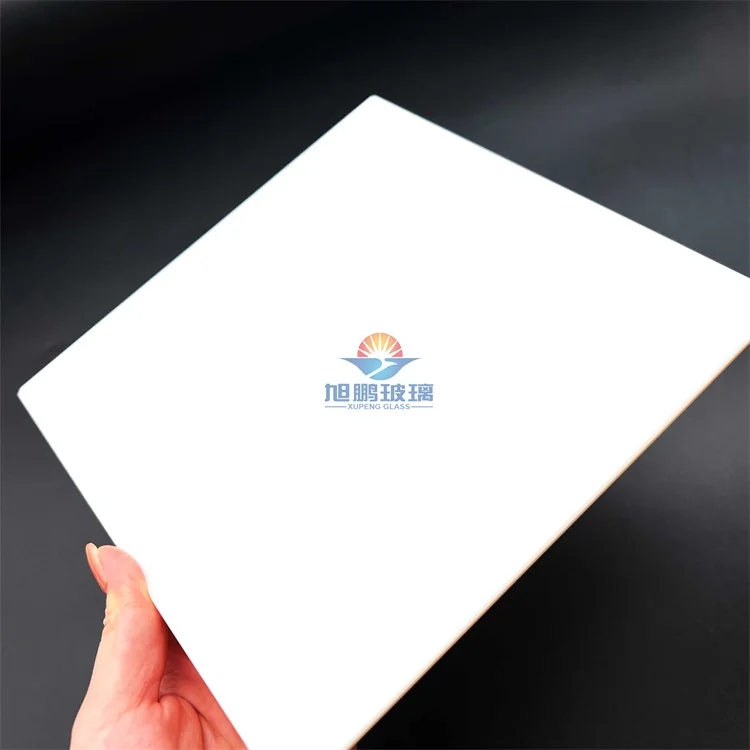
White Ceramic Glass-Ceramic, 4mm & 6mm, High Temperature Resistant Glass-Ceramic
Suits Osaka appliance, induction cooker, commercial kitchen and hospitality equipment panels that require a stable white finish and heat resistance.
 Semiconductor
Corning EXG Glass Wafer Double-Sided Polished for Custom Semiconductor Glass Wafers & Solar Panels
For Kansai semiconductor, MEMS and inspection-equipment supply chains, specify flatness, surface roughness, particle control and wafer-level packaging.
 Thin glass
Ultra-thin Optical Glass Sheets Schott B270/D263T Semiconductor Electronic Glass Blank Cutting & Processing
Ideal for Osaka precision instrument builders, sensor windows, electronic glass blanks and thin-glass projects that need controlled cutting, edge finishing and cleaning.
 Anti-reflection
High-transmittance Anti-Reflection Coated Glass
For Osaka showroom signage, medical interfaces, kiosk glass and optical windows, anti-reflection coating improves contrast under bright retail and office lighting.
 Sapphire
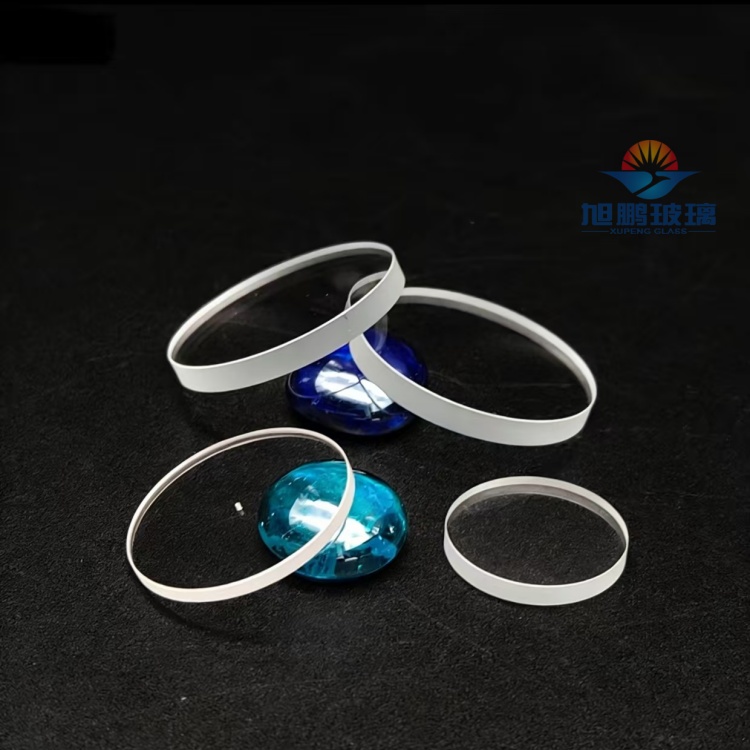
 Glass Step Window Wafers, High Temperature Resistant & High Light Transmittance Optical Sapphire Lenses
Scratch-resistant and heat-resistant windows for sensor covers, optical instruments and harsh inspection points; the step geometry can simplify precise assembly.
 Mirror
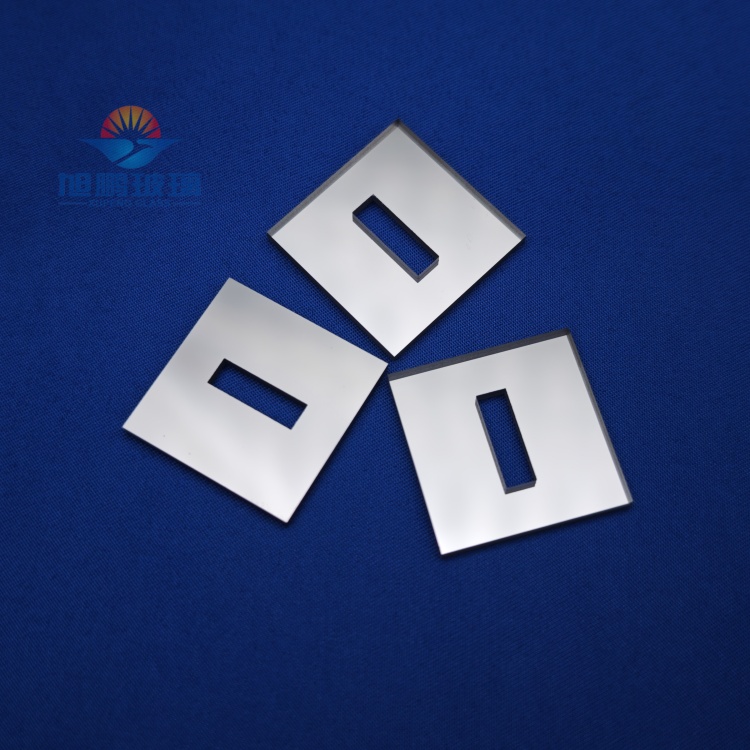
Silver-coated Mirror, Grooved at the Center of Glass
Decorative and functional mirror glass for Osaka hospitality interiors, lift lobbies, display fixtures and optical assemblies where a center groove supports alignment or design.
 Borosilicate
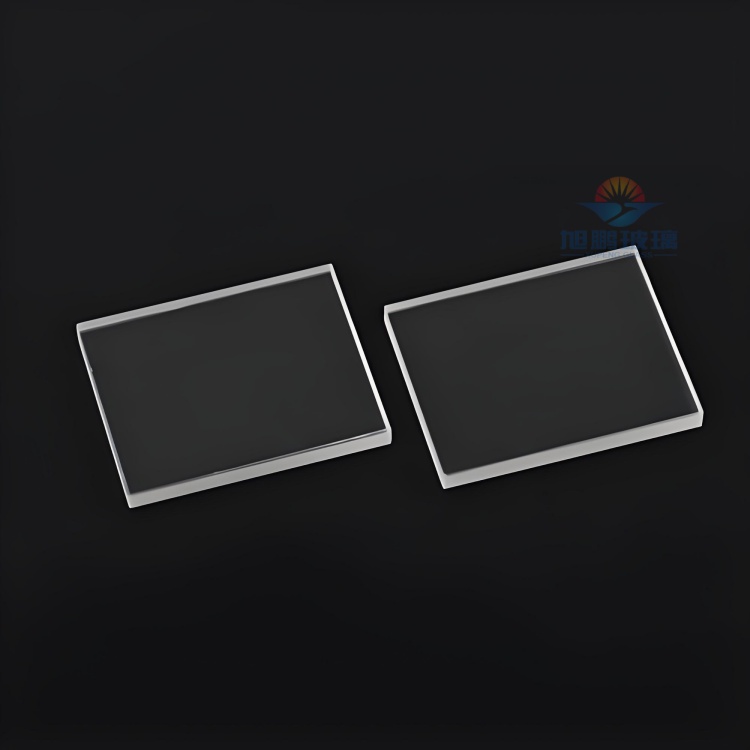
Tempered Glass Customized High Temperature Resistant, High Transparency and High Borosilicate Mirror Window Glass
High borosilicate tempered windows for appliances, lighting, industrial viewports and heat-facing equipment, with custom size, edge profile, holes and coating options.
Factory Signals That Matter to Osaka Buyers
Osaka procurement teams rarely buy glass on price alone. They check whether a China factory can control tint consistency, tempering quality, coating metrology, export packing and technical response speed.
Dongguan AUVE Glass Co., Ltd. is an onsite-verified manufacturer established in 2018.
A focused production and engineering team for custom glass processing and export orders.
Deep-processing capacity for cutting, CNC, tempering, printing, coating and quality inspection.
Technical inquiry response is typically within 7 hours, based on AUVE’s published service data.
The USA, Canada, Russia, South Korea, Japan, Australia and other overseas markets.
Many coated and optical parts can start from 10–50 pieces; standard tempered parts often start higher.
Why “China Best Tinted Tempered Glass Factory & Exporters” Is an Osaka Sourcing Decision, Not a Price Search
For Osaka buyers, tinted tempered glass usually sits behind a customer-facing interface or inside a high-value assembly. A slight color variation, edge chip, coating haze or delayed replacement batch can cost more than the unit-price gap between two suppliers.
What “tinted tempered glass” really includes
The term covers several manufacturing routes. Body-tinted glass places color in the glass mass; ceramic frit printing fires mineral ink into the surface; coated glass uses AR, AG, mirror or other thin films; laminated or painted glass may combine color with safety, privacy or decoration. Each route behaves differently under heat, UV, cleaning chemicals and touch wear.
That is why a qualified exporter should ask which route your drawing requires before quoting. If the RFQ only says “tinted tempered glass 6 mm,” the supplier may choose the lowest-cost route, while your Osaka project may actually require low-iron glass, ceramic frit, anti-glare etching or a specific reflection curve.
Information-gain checklist for the first RFQ
Send a CAD, DXF or PDF drawing plus the details that control function, not only appearance:
- Substrate: ultra-clear low-iron, borosilicate, B270/D263T, sapphire or EXG.
- Color route: body tint, ceramic frit, painted backing, mirror or coating.
- Optical metrics: visible transmission, haze, gloss, reflection and color coordinates.
- Mechanical limits: edge chip allowance, hole-to-edge distance, flatness and warpage.
- Acceptance evidence: sample approval, batch ID and inspection record.
| Specification decision | Recommended factory route | Osaka use case | What to verify in the RFQ |
|---|---|---|---|
| Neutral tint with low green edge | Ultra-clear low-iron glass plus ceramic frit or controlled body tint | Showroom glass, appliance panels, hotel interiors and display covers | Color sample under D65 lighting; batch-to-batch color tolerance; edge polish |
| Maximum display readability | Double-side AR coating on ultra-clear or B270 substrate | Touch panels, medical HMIs, kiosks and retail signage | Reflectance curve, transmission, coating adhesion, haze and cleaning durability |
| Privacy or anti-glare | AG etched glass, AG + AR coating or gradient ceramic frit | Office partitions, elevator displays, outdoor kiosks and hotel bathrooms | Gloss and haze values; fingerprint visibility; cleaning method compatibility |
| High heat exposure | Borosilicate, ceramic glass-ceramic or sapphire | Appliance windows, lighting covers, industrial viewports | Thermal shock test, tempering mark, edge quality and maximum service temperature |
| Semiconductor or optical flatness | Corning EXG, B270/D263T, sapphire or quartz processing | Kansai semiconductor equipment, MEMS, sensors and optical instruments | Flatness, roughness, thickness tolerance, particle packaging and lot traceability |
| Decorative mirror with alignment feature | Silver-coated mirror glass with center groove or shaped cut-outs | Hospitality interiors, lift lobbies, display fixtures and optical assemblies | Reflective coating quality, groove position, edge protection and corrosion resistance |
Localized Application Scenarios for Tinted and Coated Tempered Glass
Osaka is a compact, commercially intense market where electronics, precision equipment, hospitality, retail and urban redevelopment overlap. The right glass specification changes with the installation environment.
Electronics & display interfaces
Osaka’s consumer-electronics, retail-display and commercial-interface ecosystem needs glass that looks clean under bright lighting. AR-coated ultra-clear tempered glass reduces reflection, improves touch-panel contrast and protects the display stack. For outdoor kiosks and station signage, AG anti-glare treatment can be more useful than a darker tint because it diffuses glare without killing transmission.
Semiconductor & precision optics
Kansai’s engineering supply chain often requires more than visual glass. Corning EXG wafers, B270/D263T thin sheets, sapphire windows and optical glass must be quoted with flatness, thickness tolerance, surface quality and packaging controls. For semiconductor-adjacent projects, ask for particle-conscious packing and lot traceability before comparing piece price.
Hospitality, retail & commercial interiors
Hotels, restaurants, showrooms and lift lobbies in Osaka use tinted or mirrored glass for privacy, branding and atmosphere. Here, the factory route is often ceramic frit or silver coating rather than optical coating. Check edge polish, color consistency between panels, fingerprint visibility and whether the design needs tempered safety glass with a specific fragmentation standard.
Appliances, lighting & heat-facing equipment
White ceramic glass-ceramic, high borosilicate windows and sapphire parts are relevant to appliance panels, commercial cooking equipment, lighting covers and industrial viewports. Heat resistance is not only a material property: edge quality, hole placement and thermal shock during service all affect failure risk. Specify the actual operating temperature and cleaning cycle.
Localized Development Trends Reshaping Demand
Buyers in Osaka are not only comparing Chinese suppliers; they are comparing supply-chain models. The strongest exporters adapt to high-mix production, optical documentation and Japan-bound logistics.
High-mix, lower-volume customization
Osaka brand owners and equipment makers increasingly request smaller batches with more variations: different tint batches, printed icons, edge profiles, holes and coatings. This favors factories that can combine CNC cutting and tempering with flexible silk-screen and coating workflows, rather than suppliers that only sell standard sheets.
Optical performance plus privacy
Commercial interiors and public-facing displays need both clarity and privacy. AR coating improves readability; AG etching reduces glare; tinted or mirrored glass controls visibility. The trend is toward specification by measurable performance—transmission, haze, gloss and reflection—rather than simply “clear,” “grey” or “dark.”
Export discipline for Japan-bound orders
For Osaka deliveries, buyers ask about Incoterms, moisture-resistant packing, corner protection, batch labels and replacement-batch consistency. Sea freight through Osaka/Kobe and air freight through KIX both require packaging that protects edges and surfaces during multiple handling steps and humid summer conditions.
Engineering priority map for custom tinted tempered glass RFQs
Indicative review weights for Osaka-style custom glass projects; not a statistical market forecast. Use this map to align your drawing review with the factors that usually cause rework.
Information gain for procurement: a low unit price is meaningless if a replacement batch cannot match the original tint, coating gloss or edge finish after installation.
Factory Advantages Backed by Verifiable Company Information
Dongguan AUVE Glass Co., Ltd. is a deep-processing glass manufacturer integrating R&D, design, production and export in Songshan Lake, Dongguan. The company is not a trading-only storefront: process control, quality inspection and export packing are handled as one factory-direct workflow.
Factory-direct deep processing since 2018
Flat and curved tempered glass, ultra-white glass, laminated and painted glass, LCD/touch cover glass, smart control panel glass, LED lamp glass, instrument glass, AR high-transmittance glass and AG anti-glare glass are processed under one roof.
Verified credentials you can inspect
Review the onsite-checked supplier assessment, credit index, transaction level, trade history and buyer reviews before placing a sample or bulk order.
In-house process chain
Cutting, CNC edging, drilling, tempering, high-temperature silk-screen printing, AR/AG coating, dimensional inspection and export packing are coordinated in one production flow, which shortens lead times and protects tolerances.
Japan-relevant export experience
Glass products are exported to the USA, Canada, Russia, South Korea, Japan, Australia and other markets. Accepted delivery terms include FOB, CFR, CIF, EXW, DDP, DDU, DAF and express delivery, with fragile-goods packing designed for export.
Drawing-first engineering review
AUVE reviews CAD, DXF or PDF drawings with thickness, tolerance, edge, hole, printing and coating requirements before production. MOQ depends on material and process: many coated and optical parts start from 10–50 pieces, while standard ultra-clear tempered parts often start from 100–500 pieces.
Fast technical response
The average response time is within 7 hours. For Osaka projects, include target application, annual volume, sample deadline, shipping term and whether the order must be DDP or CIF Osaka so the quotation can reflect the real cost structure.
In-house process control: six checkpoints before export packing
Precision cutting
Automatic and CNC cutting from float, low-iron, borosilicate, optical and specialty glass stock.
CNC edging & drilling
Edge grinding, beveling, grooving, holes, cut-outs and controlled geometry for assembly.
Tempering
Flat and curved thermal tempering for impact resistance, thermal stability and safety glazing.
Silk-screen printing
High-temperature ceramic inks for tinted graphics, logos, windows, icons and instrument panels.
AR / AG coating
Anti-reflective, anti-glare, mirror and functional coatings with optical verification.
QC & export packing
Dimensional, visual and optical checks, followed by protective packing for fragile glass parts.
Frequently Asked Questions from Osaka Buyers
These are the practical questions sourcing, engineering and logistics teams in Japan ask before sending a drawing to a China tinted tempered glass factory.
Can you supply tinted tempered glass to Osaka with CIF or DDP terms?
Yes. AUVE supports FOB, CFR, CIF, EXW, DDP, DDU, DAF and express delivery. For Osaka deliveries, confirm whether your company or the supplier is the importer of record, which Incoterm your accounting team requires, and whether the quotation should include destination charges. DDP can simplify delivery but may affect customs and tax handling, so clarify responsibilities before ordering.
How do Osaka buyers approve tint and color consistency?
Approve the color route first: body tint, ceramic frit, painted backing, mirror coating or optical coating. Then approve a physical sample under agreed lighting, commonly D65 for neutral comparison. For repeat orders, ask for batch IDs and retain a signed color standard. This is especially important for hospitality interiors, appliance panels and retail displays where adjacent glass panels must match.
What is the minimum order quantity for custom tinted tempered glass?
MOQ depends on material and process. Many coated and optical glass parts start from 10–50 pieces, while standard ultra-clear tempered parts typically start from 100–500 pieces. Silk-screen printing, special coatings, unusual thickness, tight tolerances and custom packing can change the economic batch size. Sample and pilot quantities can be discussed for new Osaka projects.
How do you reduce breakage during sea freight to Osaka or Kobe?
Export packing should combine interleaving film or paper, foam corner protection and fumigation-free wooden crates or reinforced cartons. Batch labels and orientation marks help the receiver inspect quickly. Because Osaka summers are humid and typhoon season can increase handling risk, moisture-barrier protection and strong edge protection should be specified for long sea shipments.
What should be included in an RFQ drawing?
Send a CAD, DXF or PDF drawing with dimensions, thickness, tolerance, edge profile, hole positions, coating requirement, printing artwork, substrate preference and packing instructions. State the application, expected annual volume, target sample date, destination port or address and required Incoterm. Clear inputs reduce quotation cycles and prevent process changes after production starts.
Can you support optical glass, sapphire and semiconductor wafers alongside tinted tempered glass?
Yes. The product portfolio includes K9 optical glass, quartz, sapphire, borosilicate, Corning EXG alkali-free glass and Schott B270/D263T processing, in addition to tempered, ultra-clear, silk-screen and AR/AG coated glass. This lets Osaka buyers consolidate adjacent glass categories with one supplier while keeping drawings and quality records in one workflow.
How quickly do you reply to technical inquiries?
The average response time is within 7 hours. For a faster engineering review, email info@auveglass.com with the drawing, target application, quantity and any reference sample photos. If the project is urgent, state the required sample date and whether air freight through KIX or sea freight through Osaka/Kobe is preferred.
What quality documents and traceability can be provided?
The factory follows defined process standards and a documented quality management system, with traceability from raw sheet to packed carton. For project-specific orders, discuss the required inspection record, dimensional report, visual acceptance criteria, coating measurements, batch label format and packing check sheet before mass production. Final specifications should be confirmed against your drawing and agreed test standard.
Request an Osaka-Ready Tinted Tempered Glass Quotation
Send a CAD, DXF or PDF drawing with thickness, tint method, tolerance, edge, hole, printing, coating, packing and target delivery term. Our engineers will review manufacturability and confirm the process route before production.
Email: info@auveglass.com · Average response: within 7 hours · Export terms: FOB, CIF, DDP, DDU and express options.