8 Optical Glass Products for Touch Screen, AIO PC and Precision Display Programs
These eight product directions are directly linked to our production portfolio. Every image and product URL is preserved. Each part can be customized by size, thickness, edge profile, holes, silk-screen printing and AR/AG coating to your drawing before quotation.

Ultra-thin Optical Glass Sheets Schott B270/D263T Semiconductor Electronic Glass Blank Cutting & Processing
Ultra-thin Schott B270/D263T glass blanks for electronic cover windows, sensor filters and semiconductor-adjacent processing. Suitable when a Louisville display module needs a thin, stable substrate with CNC cutting and edge finishing.
- B270/D263T
- CNC cutting
- Thin glass

Schott Ultra-thin Optical Glass Sheets, 0.1mm, 0.5mm, 0.7mm, 1.1mm, Raw Semiconductor Electronic Glass Substrates
Raw Schott ultra-thin substrates in 0.1, 0.5, 0.7 and 1.1 mm options support prototype-to-production touch stacks, optical spacers and sensor windows. DFM review can cover edge quality, flatness and AR coating compatibility.
- 0.1–1.1 mm
- Raw substrate
- Prototype friendly
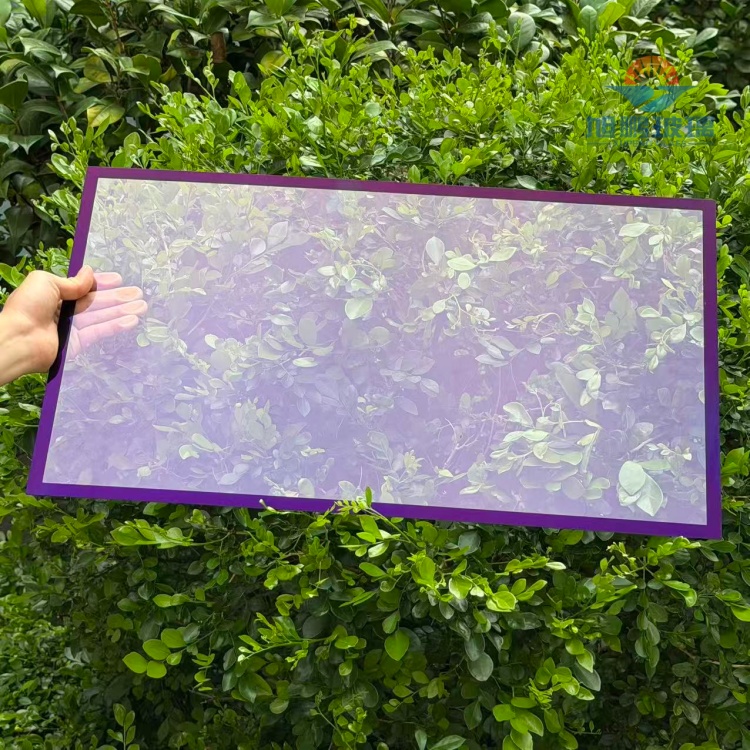
27-inch All-in-One PC AR Coated Glass
Large 27-inch AR coated cover glass for all-in-one PCs, interactive kiosks and digital signage. The coating is specified to reduce surface reflection while preserving clarity, color neutrality and touch-module integration.
- 27 inch
- AR coating
- AIO PC
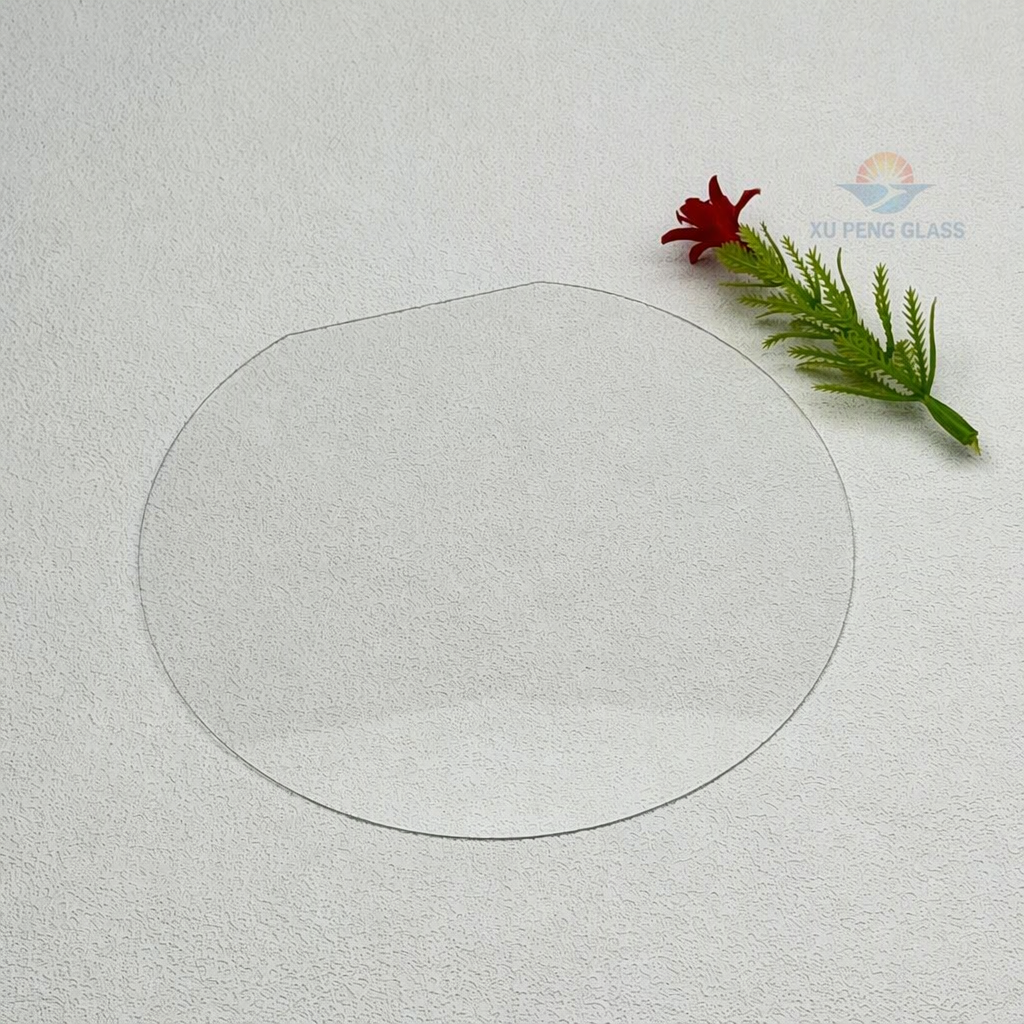
Ultra-thin High-precision Optical Glass Wafer, Corning / SCHOTT / Fused Silica
High-precision optical wafers using Corning, SCHOTT or fused silica for instruments, sensors and display-adjacent optics. Thickness, flatness, edge condition and coating requirements are reviewed against the drawing.
- Corning/SCHOTT
- Fused silica
- Precision wafer

Corning Ultra-Thin Glass Sheet, Optical Grade Glass Wafer Substrate with Chamfered Edge
Corning ultra-thin glass sheet with chamfered edge as an optical-grade wafer substrate. The chamfer supports safer handling and edge quality for touch, sensor and micro-optics programs.
- Corning UTG
- Chamfered edge
- Optical grade
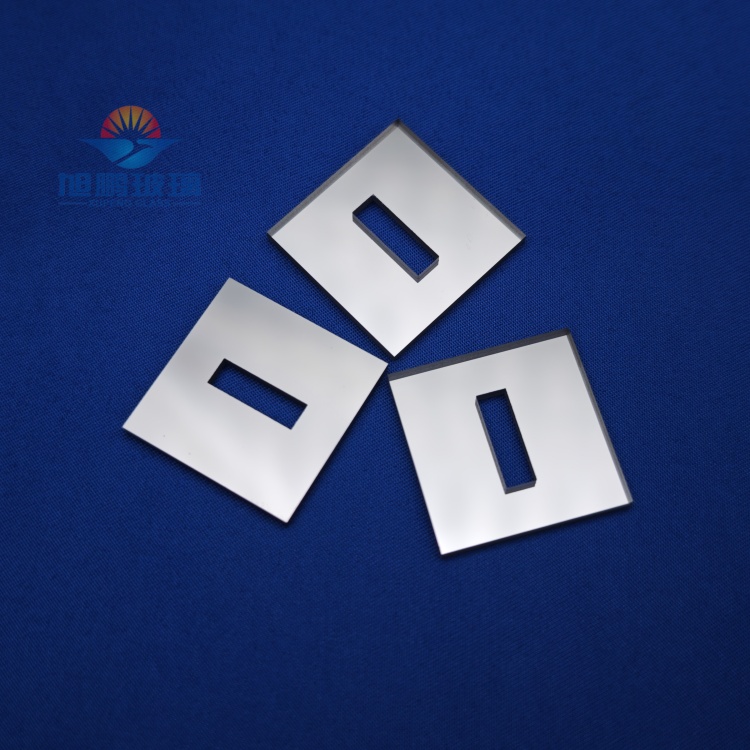
Silver-coated Mirror, Grooved at the Center of Glass
Silver-coated center-grooved mirror glass for light-path control, optical sensing and specialty display assemblies. Groove geometry, coating and edge finish are confirmed from the buyer drawing.
- Silver mirror
- Center groove
- Custom finish

Corning EXG Glass Wafer Double-Sided Polished for Custom Semiconductor Glass Wafers & Solar Panels
Corning EXG double-sided polished glass wafer for semiconductor glass wafers, solar panels and demanding display substrates. Alkali-free composition and low CTE make it a reference material for high-stability processes.
- Corning EXG
- Double polished
- Low CTE

Ultra-thin Flexible UTG Glass, bendable and foldable, suitable for commercial aerospace and new energy industries
Ultra-thin flexible UTG that bends and folds for commercial aerospace, new-energy and next-generation display concepts. Edge strengthening and handling requirements are reviewed with the buyer before production.
- Bendable
- UTG
- Aerospace/new energy
Why Louisville Display Integrators Source AR-Coated Glass for Touch Modules
Louisville is not only a logistics city. It is a working base for appliance, automotive supplier, healthcare, distillery automation, warehouse technology and retail display teams. In these environments, a touch screen display module is judged by what the user sees under real light: bright skylights, dock doors, clinical lamps, factory windows and outdoor signage. That is why the search intent behind AR-coated optical glass for touch screen display modules in Louisville is highly practical. Buyers want a cover glass that reduces ghost reflections, improves contrast, survives cleaning, fits the enclosure and arrives without damage.
Localized applications that drive AR glass demand in Louisville, KY
For a warehouse or distribution center near the Ohio River logistics corridor, a touchscreen terminal may face overhead LED lighting at harsh angles. A standard glass cover can mirror the light directly into the operator’s eyes. An AR-coated cover reduces surface reflection and helps the underlying display remain readable during scanning, receiving, conveyor control and dock scheduling. This is a materials decision with a direct effect on speed and error reduction.
In healthcare and dental facilities, touch displays are cleaned frequently and must preserve image neutrality for charts, imaging review and patient information. AR glass can support contrast and color fidelity, while the mechanical design must still address gasket compatibility, edge strength and cleaning agents. For automotive suppliers and EV-related operations, reflective control is equally important in charging stations, diagnostic panels and cabin-control prototypes where the screen sits near bright showroom or workshop lighting.
Louisville also has a strong visitor, hospitality and retail display economy. Interactive kiosks, wayfinding screens and all-in-one PCs need a professional finish that does not look like a mirror. Our factory-direct approach lets buyers combine AR coating, AG anti-glare etching, tempered glass, silk-screen printing, CNC holes and custom edge profiles in one production route instead of sourcing separate suppliers for each step.
Typical display-glass performance targets
Logistics & Warehouse HMI
Scanner, conveyor, forklift and dock-control terminals need low-glare cover glass where overhead lighting is strong and uptime matters.
Healthcare & Clinical Displays
Imaging, dental, laboratory and patient-monitor screens benefit from AR glass with color-neutral transmission and cleanable surfaces.
Automotive & EV Suppliers
Kentucky’s automotive supply chain uses touch panels for charging, diagnostics and cabin controls. AR glass helps contrast in bright environments.
Outdoor Kiosks & Wayfinding
Museum, campus, park and transit kiosks face sun and rain. AR+AG combinations and sealed edge design should be discussed early.
Industrial Automation
Food processing and factory HMI displays need durable glass that resists cleaning chemicals within the agreed specification limits.
AIO PC, POS & Meeting Displays
27-inch and custom-format AR cover glass suits retail POS, conference displays and all-in-one PC integration with low visual distraction.
What Louisville Buyers Are Looking for in 2025 and Beyond
Display projects are becoming brighter, thinner and more integrated. At the same time, sourcing teams need documentation and predictable logistics. The most successful RFQs are specific about optical goals, enclosure design, cleaning method, touch stack and delivery terms.
Sun-readable & High-Brightness Displays
AR reduces mirror-like reflection; AG diffuses glare. Many outdoor and bright-indoor projects now specify an AR+AG combination with a defined haze and gloss target.
Thin and Large Format
27-inch AIO PC covers, 0.5–1.1 mm display glass and UTG concepts are moving from sample rooms into real product roadmaps for premium touch experiences.
Supply Chain Resilience
Louisville buyers increasingly ask for DDP or DDU options, protective packing, sample approval and a clear route to SDF airport or US ports before releasing volume.
Documentation & Traceability
Approved samples, lot traceability, visual inspection criteria and dimensional reports matter as much as the coating itself for regulated OEM programs.
Inside Dongguan AUVE Glass: Factory-direct Advantages for Louisville Projects
From a buyer’s perspective, a supplier should be verifiable, not just quotable. Dongguan AUVE Glass Co., Ltd. combines deep-processing production, engineering review and export experience so that Louisville sourcing teams can compare material, process and logistics in one technical conversation.


Factory-direct glass deep processing in Songshan Lake, Dongguan
Dongguan AUVE Glass Co., Ltd. is a manufacturer and trading company integrating R&D, design, production and export in Songshan Lake, Dongguan — one of China’s electronics and optoelectronics clusters. The company was founded in 2018, operates with 51–100 employees and works from a facility in the 1,001–2,000 m² range as described in its verified supplier profile.
Our production scope covers flat and curved tempered glass, ultra-clear low-iron glass, laminated and painted glass, AR anti-reflective and AG anti-glare coated glass, silk-screen printed glass, touch screen and LCD cover glass, smart control panel glass, LED lighting glass, instrument glass, and optical materials such as K9, quartz, sapphire, borosilicate and Corning EXG alkali-free glass.
Guided by the philosophy of “focusing on high-end glass, pioneering and innovating”, we support OEMs, brand owners and distributors with drawing-based production. Buyers can review our onsite-checked supplier assessment, credit index, transaction level, trade capacity, trade history and buyer feedback through the company profile pages before placing a sample or volume order.
Drawing-based customization
Send CAD, DXF or PDF drawings with thickness, tolerance, edge, holes, printing and coating requirements. Our engineers review manufacturability before production.
In-house process chain
CNC cutting, edging, drilling, tempering, silk-screen printing, AR/AG coating, inspection and protective export packing can be coordinated under one quality system.
AR and AG coating know-how
Single-side or double-side AR, etched AG, AR+AG and functional mirror coatings can be discussed against your display brightness, gloss and haze targets.
Quality management & traceability
Dimensional, visual and optical checks are defined around the approved drawing and sample. Batch labeling helps keep production traceable from raw sheet to carton.
Verified supplier profile
Onsite-checked supplier status, credit index, transaction level, trade capacity, trade history and reviews are available for independent buyer due diligence.
Export packing & global service
Fumigation-free wooden crates, reinforced cartons, interleaving film and foam corner protection are selected for fragile glass shipments to US markets.
Glass Selection Guide for AR-Coated Touch Screen Display Modules
Choosing the wrong substrate or coating stack is one of the most common causes of field failures and re-sourcing costs. Use this reference to shortlist the right material before you send your drawing. Values are typical reference data for engineering discussion; final specifications are confirmed against your drawing and agreed test method.
| Glass Direction | Key Property for Display Modules | Best-fit Louisville Applications | Available Processing |
|---|---|---|---|
| AR Coated Optical Glass | Surface reflection can be reduced to roughly 0.5–1% per side depending on design; higher contrast and lower ghost images | Touch modules, AIO PCs, kiosks, medical review displays, instrument windows | Single/double-side AR, tempering, printing, CNC shaping |
| AG Anti-Glare Glass | Micro-textured surface diffuses glare; gloss and haze selectable | Outdoor kiosks, industrial HMI, warehouse terminals, bright retail signage | Etched AG, AG+AR, tempering, holes |
| Ultra-Clear Low-Iron Tempered | About 91% visible light transmission with reduced green edge tint; tempered strength typically 4–5× annealed glass | Smart control panels, appliance covers, LED fixtures, light boxes | CNC shaping, drilling, silk-screen, AR/AG |
| Schott B270 / D263T Ultra-thin | Thin technical glass for stable, lightweight stacks; grades selected by application | Sensor windows, thin display covers, electronic glass blanks | Cutting, edge finishing, coating compatibility review |
| Corning EXG Alkali-Free | Alkali-free aluminoborosilicate with low CTE around 3.2 ppm/°C typical | Semiconductor glass wafers, MEMS, display substrates, solar panels | Double-side polishing, wafer dicing |
| K9 Optical Glass | Borosilicate crown glass, refractive index nd ≈ 1.5168, low inclusions | Lenses, prisms, optical instrument windows | Precision polishing, coating, CNC edging |
| Fused Quartz | High UV transmission and strong thermal shock resistance | UV curing, disinfection, high-temperature viewports | Thick-gauge cutting, polishing, drilling |
| Sapphire Glass | Mohs hardness 9 and melting point around 2,040 °C | Sensor covers, high-temperature windows, scratch-critical displays | Cutting, polishing, chamfering |
| Ultra-Thin Flexible UTG | Thickness down to about 0.03 mm with bendability for advanced designs | Foldable displays, flexible electronics, aerospace and new-energy concepts | Precision cutting, edge strengthening review |
AR performance depends on substrate, coating stack, wavelength, measurement geometry and environmental test conditions. Please share the display brightness, cover-glass size, touch sensor type and enclosure constraints for a more accurate recommendation.
What Engineering Controls Keep AR-Coated Display Glass Consistent?
A good sample is not enough. Volume production for Louisville OEMs requires a controlled route from drawing review to packed carton. These are the practical checkpoints we use when customizing display glass.
Drawing & DFM Review
Review CAD, DXF or PDF for thickness, tolerance, edge, holes, coating window, printing and assembly clearance before quotation.
Precision Cutting
Automatic and CNC cutting from float, low-iron, optical and ultra-thin glass stock according to the approved size list.
CNC Edging & Drilling
Edge grinding, beveling, grooving, holes and laser punching are planned to reduce stress points and support clean installation.
Thermal Tempering
Flat and curved thermal tempering where applicable improves impact and thermal resistance for display cover and HMI panels.
Printing & AR/AG Coating
High-temperature ceramic inks, logos, windows and icons can be combined with AR, AG, mirror or other agreed functional coatings.
QC & Export Packing
Dimensional, visual and optical checks are performed against the approved sample, followed by protective packing for fragile glass.
Purchasing and Delivery Support for Louisville, Kentucky
AR-coated glass is a custom engineered component, so the best quotation includes both optical requirements and logistics details. Send the drawing, target quantity, destination ZIP code and preferred Incoterm to shorten the review cycle.
Trade terms and shipping routes
We support FOB, CFR, CIF, EXW, DDP, DDU, DAF and express delivery, with export packing designed for fragile glass parts. For Louisville buyers, common discussions include air freight via Louisville Muhammad Ali International Airport (SDF), express courier for samples, and sea freight to a US port followed by rail or truck. The final route depends on size, quantity, value, customs profile and required delivery date.
RFQ information that speeds up engineering review
Please include material preference, glass size, thickness, tolerance, edge profile, hole positions, silk-screen artwork, AR/AG target, surface quality, cleaning method, touch sensor type, annual volume and destination. Many coated and optical glass parts start from 10–50 pieces, while standard ultra-clear tempered parts typically start from 100–500 pieces. Sample and pilot quantities can be discussed for new Louisville projects.
Common Questions About AR-Coated Optical Glass for Touch Screen Display Modules
These answers address the procurement, engineering and logistics questions most often raised by US display integrators and OEM sourcing teams.
Are you a factory or trading company for Louisville buyers?
Dongguan AUVE Glass Co., Ltd. is a manufacturer and trading company focused on deep-processing glass. Our base is in Songshan Lake, Dongguan, Guangdong, China. We process tempered glass, ultra-clear glass, AR/AG coated glass, silk-screen printed glass and optical glass, and we support export to the United States, Canada, Russia, South Korea, Japan, Australia and other markets.
How do I specify AR-coated glass for a touch screen display module?
Send a drawing with cover-glass dimensions, thickness, corner radius, edge type, hole and cut-out positions, printing requirements, touch sensor type and enclosure clearance. Also define the optical target: display brightness, ambient light, whether you need AR only or AR plus AG, acceptable haze/gloss range and any cleaning-chemical exposure. Our engineers will review manufacturability and recommend a practical glass, coating and edge route.
Can you ship to Louisville and support DDP or express delivery?
Yes. We support FOB, CFR, CIF, EXW, DDP, DDU, DAF and express delivery. Louisville projects can be quoted for air freight via SDF airport, express courier for samples, or sea freight to a US port followed by inland transport. Provide your destination ZIP code and preferred customs terms so the quotation reflects the correct packing and delivery route.
What is the minimum order quantity and sample policy?
MOQ depends on material and process. Many coated and optical glass parts start from 10–50 pieces, while standard ultra-clear tempered parts typically start from 100–500 pieces. For new display-module programs, sample and pilot quantities can be discussed after engineering review of the drawing, coating target and inspection requirements.
Should Louisville buyers choose AR or AG for high-brightness displays?
AR coating is usually selected to reduce mirror-like surface reflection and improve contrast and color neutrality. AG etching is used to diffuse glare across the surface, which can be helpful outdoors or under strong directional lighting. Some projects combine AR and AG to balance reflection control, haze and image sharpness. The best option depends on the display, viewing distance, ambient light and cosmetic requirements.
How fast can I receive a technical response?
Our average response time is within 7 hours. Email info@auveglass.com with your drawing, quantity and Louisville delivery details, or use the inquiry button on this page. For faster review, include the material preference, glass size, thickness, AR/AG target, edge and hole requirements, annual volume and required delivery date.
Send Your Louisville Touch Display Drawing for an Engineering Review
Share your size, thickness, tolerance, AR or AG target, printing, edge and hole requirements. Our team will confirm material, process route, packing and lead time for your touch screen display module project — usually within 7 hours.
Send an Inquiry