China Wholesale Glass Beveling Factories & Factory serving Vancouver
A Vancouver-focused sourcing guide for OEMs, architecture teams, marine fabricators, display integrators and optical buyers who need beveled, tempered, coated and precision glass made to drawing — with export packing built for the Pacific route.
Eight Factory-Direct Glass Products for Custom Beveling & Vancouver Projects
These production items reflect the material range behind a China wholesale glass beveling factory serving Vancouver: sapphire, quartz, TGV substrates, AR optical glass, SCHOTT ultra-thin glass, flexible glass, BF33 wafers and ultra-clear tempered glass. Product URLs and original images are preserved for direct technical review.

High Transmittance Sapphire Glass, Scratch Resistant & High Temperature Resistant Sapphire Glass Sheets
For sensor windows, marine instruments and high-temperature sight glass, with polished or beveled edge details reviewed against the drawing.
View product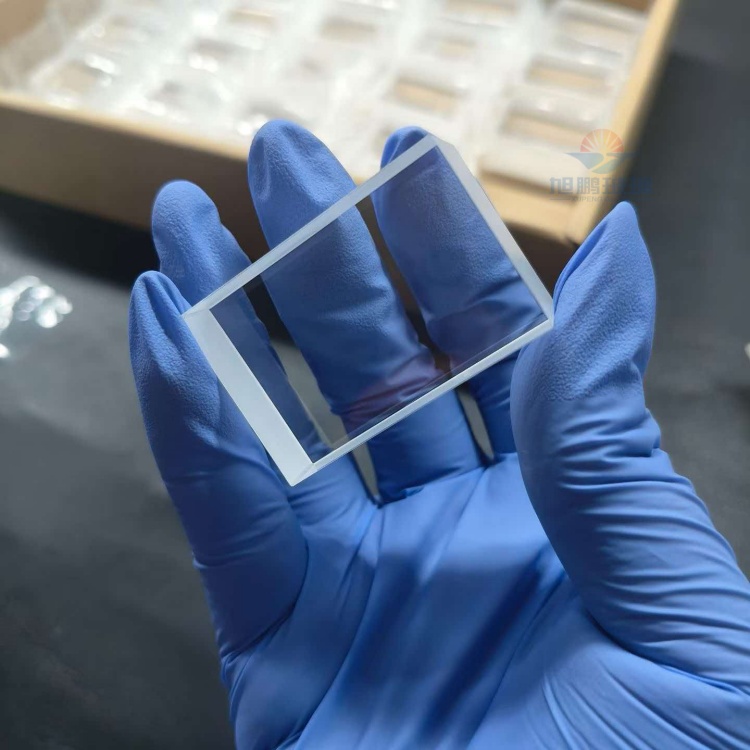
High UV Transmission Thick Gauge Thick Quartz Glass Plate
High-UV fused quartz plate for UV curing, disinfection and analytical equipment; edge grinding and bevel options are quoted with optical requirements.
View product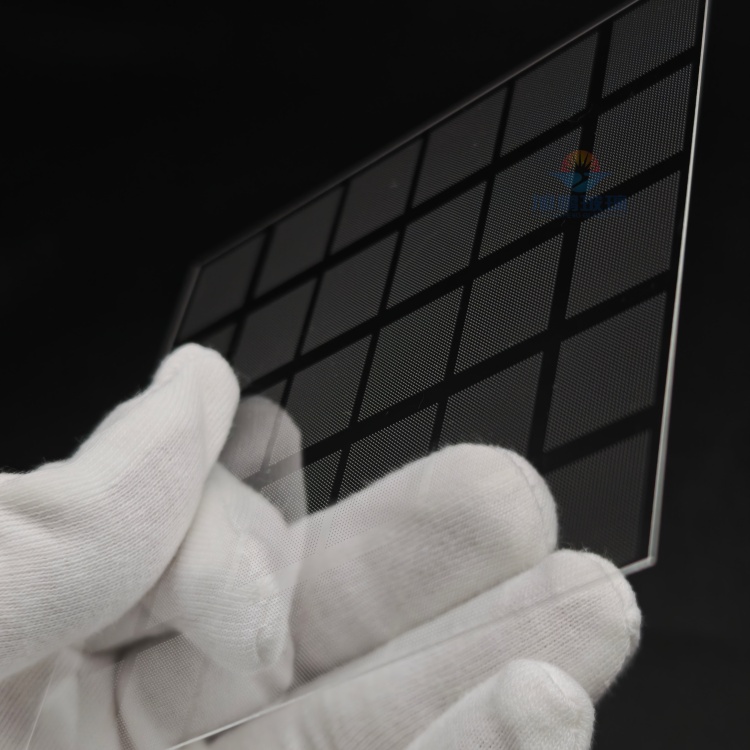
TGV Drilled Packaging Glass Substrate, Precision Laser Microvia Glass
Laser-drilled TGV glass for sensors and chip packaging; thin-glass handling and edge inspection can be specified for Vancouver R&D and semiconductor teams.
View product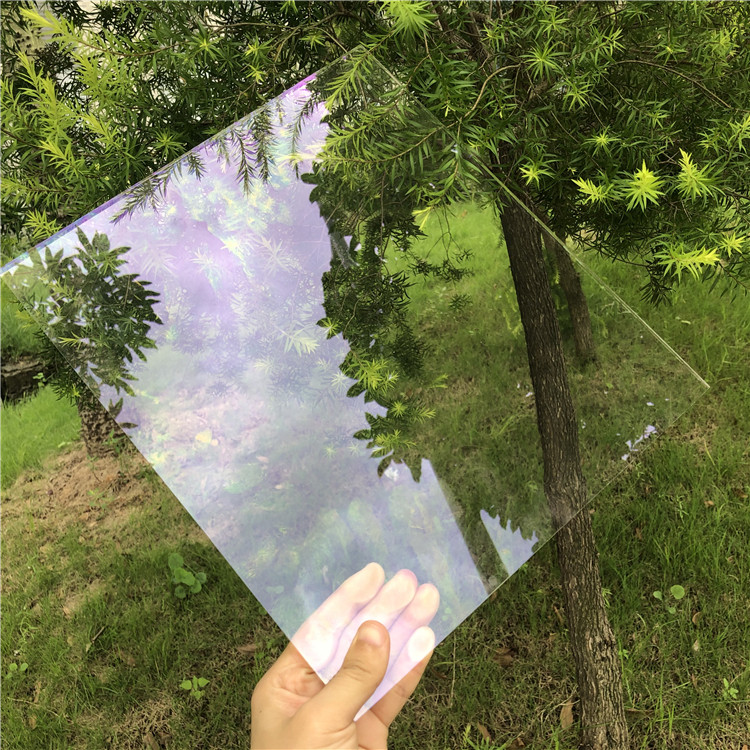
High-transmittance Anti-Reflection (AR) Coated Optical Glass
AR-coated optical glass for touch modules, AIO displays and instrument windows; combine low reflection with a controlled bevel and print.
View product
Schott Ultra-thin Optical Glass Sheets, 0.1mm, 0.5mm, 0.7mm, 1.1mm, Raw Semiconductor Electronic Glass Substrates
Ultra-thin SCHOTT optical glass sheets for semiconductor and electronic substrates; packing, edge quality and flatness are agreed before shipment.
View product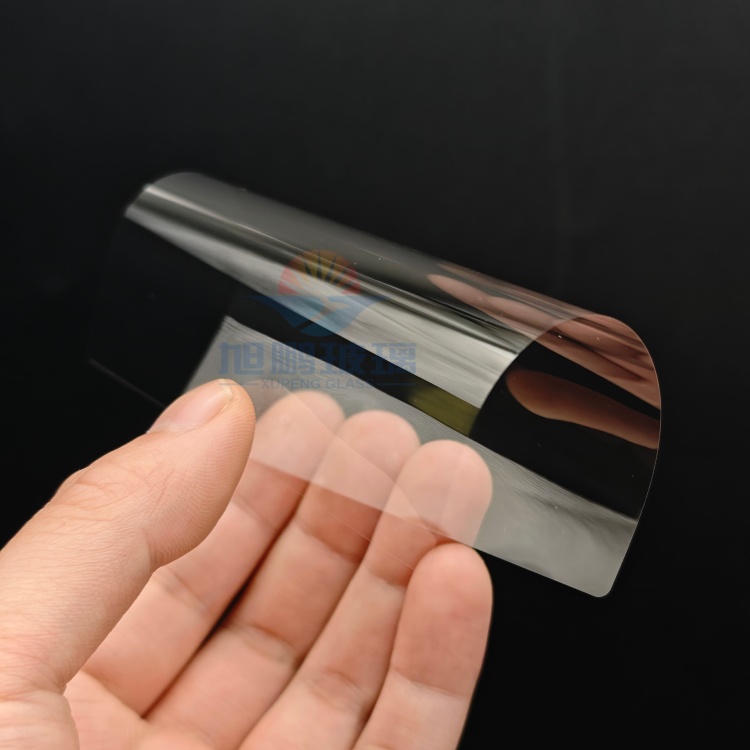
0.03 mm Ultra-thin Flexible Bendable Glass
Foldable-display UTG at 0.03 mm; precision cutting and edge treatment are reviewed for flexible-electronics prototypes and pilot builds.
View product
Schott BF33 TGV Microvia Glass Wafer, Packaging Substrate for Sensors & Chips
BF33 TGV wafer substrates for sensors and chips; microvia, thickness and surface inspection requirements are matched to your process.
View product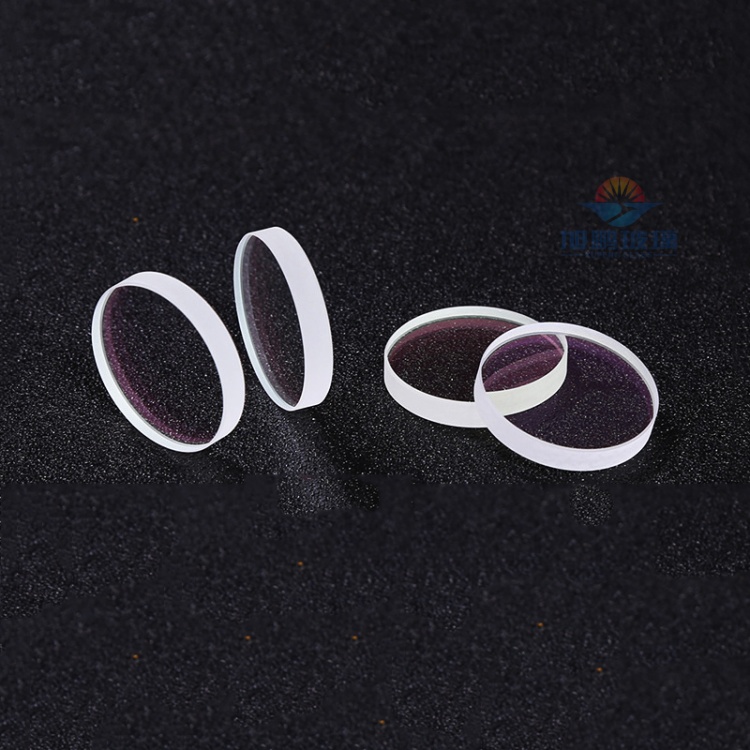
Ultra-clear Tempered Glass, Custom Processing Available: Drilling, Etching, AG Coating Silk Printing, AR Coating
Ultra-clear tempered glass with drilling, etching, AG/AR coating and silk printing — a practical base for custom beveled edge and panel projects.
View productProduct images are shown with contain-fit so the full original view remains visible. Final bevel width, edge gloss, tolerance, coating side, printing and tempering sequence are confirmed from your drawing and agreed inspection standard.
Why Vancouver Sourcing Teams Search for China Wholesale Glass Beveling Factories
Vancouver’s Lower Mainland combines high-value architecture, port logistics, marine exposure, display electronics, film production and research activity. Buyers do not simply need a low price; they need a factory that can interpret drawings, protect polished edges through export, and support repeatable production.
The phrase “China wholesale glass beveling factories” usually signals a procurement team comparing factory-direct capabilities rather than buying a commodity sheet. The phrase “factory serving Vancouver” adds a local filter: Can the supplier pack for ocean freight, quote the right Incoterm, communicate engineering changes across time zones, and provide the edge quality expected by Vancouver fabricators, architects and electronics integrators?
For SEO and real purchasing value, the intent behind this query must be mapped to three buying journeys: engineering validation, procurement risk control and application fit. A supplier that only lists machines is not enough. A credible partner shows process sequence, tolerance logic, packing method, export record and the discipline to confirm a beveled edge before tempering or coating.
Engineering intent
Vancouver engineers want a factory that understands bevel width, edge chip limits, hole positions, tempering sequence and coating masks.
- Bevel and polish before tempering
- Drawing review before quotation
- Inspection criteria agreed in writing
Procurement intent
Buyers compare MOQ, sample policy, Incoterms, lead time, packing, traceability and response speed before placing a pilot order.
- FOB, CIF, DDP or express options
- Fragile-glass export packing
- Batch labels and shipping documents
Application intent
Local use cases range from architectural mirrors and retail displays to marine instruments, AIO screens, film sets and optical labs.
- Coastal humidity and salt air
- Glare control for displays
- Small pilot runs for prototypes
Verified Factory Capabilities at a Glance
Dongguan AUVE Glass Co., Ltd. is a deep-processing glass manufacturer integrating R&D, design, production and export in Songshan Lake, Dongguan. The figures below reflect the supplier information and factory profile available for buyer review.
Founded & onsite verified
Factory-direct since 2018 with third-party onsite supplier checks available for review.
Skilled employees
A production team sized for custom glass processing, inspection and export handling.
m² facility area
Deep-processing space for cutting, edging, drilling, tempering, printing and coating.
Average response time
Technical inquiries can be reviewed with drawings, quantities and finishing requirements.
Key export markets
Products serve buyers in the USA, Canada, Russia, South Korea, Japan and Australia.
Core in-house processes
Cutting, CNC edging and drilling, tempering, silk-screen printing, AR/AG coating and QC packing.
Where Beveled, Coated & Precision Glass Performs in Vancouver
Vancouver buyers often source one material family for multiple teams: architectural fabricators, marine suppliers, display integrators, production studios and research groups. The right factory must be able to shift between visual edge quality, optical performance and thin-glass handling.
Architecture & interiors
Beveled mirrors, glass tabletops, partitions, elevator interiors and hospitality signage benefit from clean edge profiles and batch-to-batch consistency. Project teams should confirm safety glazing, edge finish and hardware compatibility against the applicable BC Building Code, Vancouver Building By-law and project specification.
Retail, showroom & display
Downtown Vancouver, Richmond and Burnaby retail teams use AR/AG glass and beveled display glass to improve contrast and premium feel. A small pilot run can validate reflection targets, coating side, ink alignment and edge gloss before larger orders.
Marine & waterfront projects
North Vancouver, West Vancouver, False Creek and Vancouver Island installations face salt air and condensation. Use corrosion-resistant hardware, protected bevels and clear cleaning instructions; glass performance depends on the full assembly, not the pane alone.
Digital displays & HMI
AIO PCs, kiosks, control panels and touch modules use AR coating to reduce reflection and AG etching to diffuse glare. The beveled edge needs a defined masking and coating sequence so the optical area, printed border and polished edge all remain acceptable.
Film, studio & prototype
Vancouver production and creative studios need custom filter glass, quartz, sapphire, printed glass or coated glass for prototypes and set elements. Edge finishing must look clean on camera and survive repeated handling.
Optical labs & semiconductor
Research, photonics and electronics teams in the Lower Mainland source K9, quartz, sapphire, SCHOTT BF33, TGV substrates and ultra-thin glass. Beveling and polishing specifications should be linked to metrology, cleanliness and packaging requirements.
Vancouver-Area Procurement Trends Reshaping Beveled Glass Sourcing
Local buyers are moving from “buy a sheet” to “buy a controlled process.” This is especially visible in projects that combine high-end interior finishes, coastal durability, glare control and traceable export documentation.
Performance-based specifications
Specifiers increasingly define transmission, reflection, haze, edge gloss, chip limits and flatness instead of accepting a generic “clear glass” description.
Prefabrication & off-site assembly
Fabricators prefer parts that arrive ready to install: drilled, printed, edge-polished and labelled by batch to reduce site rework.
Coastal durability planning
Salt air and rain make edge protection, hardware compatibility, packing and cleaning guidance part of the purchasing decision, not an afterthought.
Glare control & touch integration
AR and AG demand is growing with display-rich interiors, medical devices, kiosks and industrial control panels. Coating must be planned with edge and print.
Smaller pilot runs
Startups, design studios and R&D teams ask for samples and low-volume trials before committing to production. Clear MOQ logic keeps innovation moving.
Traceable sourcing
Procurement teams want visible supplier credentials, inspection records and consistent packing labels so a shipment can be traced from raw sheet to carton.
From Drawing to Beveled, Tempered & Coated Glass
Beveling is not a standalone cosmetic step. It interacts with cutting, drilling, tempering, printing and coating. A factory with in-house process control can prevent the common failure mode: a beautiful sample that cannot survive thermal tempering or export handling.
Drawing & intent review
Send CAD, DXF or PDF with dimensions, edge profile, bevel width, holes, cutouts, coating side and printing. Engineers check manufacturability before quoting.
Material selection
Choose ultra-clear, K9, quartz, sapphire, SCHOTT BF33, Corning EXG-type glass or ultra-thin flexible glass based on transmission, strength and environment.
CNC cutting & beveling
Precision cutting, CNC edging, beveling, flat polish and drilling are completed before tempering so the edge geometry remains stable.
Printing & hole formation
High-temperature ceramic inks, IR/window inks, logos and icons can be aligned to the beveled border and optical window.
Tempering & coating
Flat and curved tempering, then AR anti-reflection, AG anti-glare or mirror coating as required. Coating masks protect the agreed edge appearance.
QC & export packing
Dimensional, visual and optical checks follow the agreed standard. Use protective film, foam corners and fumigation-free wooden crates or reinforced cartons.
Material & Edge-Finish Selection Guide for Vancouver Buyers
Use this matrix to shortlist a process route before requesting a quotation. The values below are practical selection prompts, not a substitute for your drawing, engineering approval or agreed inspection standard.
| Requirement | Recommended route | Vancouver-fit use | Point to confirm |
|---|---|---|---|
| Clear tempered panel with visible bevel | Ultra-clear/low-iron glass + CNC bevel + polish before tempering | Retail displays, partitions, appliance covers, premium interiors | Tempering sequence, chip limit, gloss level, safety marking |
| Low-reflection display cover | AR-coated optical or ultra-clear glass | Touch modules, AIO PCs, kiosks, instrument windows | Reflection target, coating side, edge mask, color target |
| Outdoor or bright-room glare control | AG etched or AG-coated glass | Outdoor LCDs, industrial HMI, public terminals | Haze/gloss, cleanability, fingerprint performance |
| Printed control panel | Silk-screen printed tempered glass | Instrument panels, appliances, switch and socket covers | Ink color, window alignment, firing durability |
| High-temperature or UV window | Quartz or sapphire glass | UV curing, disinfection, sensors, marine instruments | Thickness, transmission, edge finish, sealing method |
| Semiconductor or sensor substrate | SCHOTT BF33, TGV glass, ultra-thin optical sheets | Packaging, microvias, sensors, chips, photonics | Flatness, microvia, cleanliness, packing method |
| Flexible display prototype | 0.03 mm ultra-thin flexible glass | Foldable displays, flexible electronics, creative prototypes | Handling, edge quality, lamination, test protocol |
| Decorative mirror with bevel | Silver-coated mirror glass + bevel/polish | Hospitality, retail interiors, feature walls, furniture | Edge profile, backing protection, corrosion resistance |
- Define bevel width, edge angle, gloss level and acceptable chip size on the drawing.
- Confirm whether the part will be tempered; grinding and drilling must happen before tempering.
- State the coating side, masked areas and whether the beveled edge is visible after assembly.
- Approve a sample or first-article inspection for optical, printed and high-end architectural parts.
- Agree how the beveled edge will be cleaned and protected during installation.
- Request packing drawings for crates, interleaving and corner protection before shipment.
- Confirm destination delivery terms and whether duties/taxes are included in a DDP quote.
- Keep batch labels, inspection records and material references for project traceability.
Why AUVE Glass Is a Credible Partner for Vancouver Projects
Dongguan AUVE Glass Co., Ltd. combines a deep-processing factory, engineering review and export experience. The company philosophy — “focusing on high-end glass, pioneering and innovating” — is supported by practical process controls rather than generic claims.
One-roof deep processing
Cutting, CNC edging, drilling, tempering, silk-screen printing, AR/AG coating and QC packing are coordinated in-house for tighter process control.
Engineering review before production
Our team reviews CAD, DXF or PDF drawings for thickness, tolerance, edge, hole, printing and coating requirements before mass production.
Documented quality discipline
Production follows defined process standards and a documented quality management system, supporting traceability from raw sheet to packed carton.
Credentials you can check
Review the onsite supplier assessment, credit index, transaction level, trade capacity, ratings and reviews and trade history.
Export experience & packing
Glass products are exported to the United States, Canada, Russia, South Korea, Japan, Australia and other markets, with protective packing for fragile parts.
Responsive technical communication
Average response time is within 7 hours. Send a drawing, quantity and destination for a practical engineering and logistics review.
Trade, Packing & Delivery to Vancouver
For Vancouver buyers, the supplier’s shipping discipline matters as much as the glass itself. A polished bevel can be damaged by poor interleaving, edge contact, corner impact or moisture during a long Pacific route.
Accepted delivery terms
Choose the Incoterm that fits your supply chain, customs setup and risk plan. Confirm what is included before the order is released.
Safe glass packing
Interleaving film or paper, foam corner protection and fumigation-free wooden crates or reinforced cartons can be specified for fragile glass parts.
Documentation & risk control
Commercial invoice, packing list, bill of lading or airway bill and agreed inspection records support customs and receiving checks. For DDP, confirm whether duties and taxes are included in the quotation.
Ocean freight via the Port of Vancouver is often suitable for bulk architectural, tempered and coated glass. Air freight or express is more practical for samples, optical wafers and urgent prototype runs. Always confirm handling, insurance and destination delivery terms before production.
Frequently Asked Questions from Vancouver Buyers
These are the practical questions procurement and engineering teams ask when comparing China wholesale glass beveling factories for Vancouver delivery.
Can you produce a beveled edge on tempered glass?
Yes. The bevel, polish, drilling and cutouts must be completed before tempering. After tempering, the glass should not be ground or drilled. Final bevel width, gloss and acceptable edge condition are confirmed from the drawing and sample approval.
What is the minimum order quantity?
MOQ depends on material and process. Many coated and optical glass parts start from 10 to 50 pieces, while standard ultra-clear tempered parts typically start from 100 to 500 pieces. Sample and pilot quantities can be discussed for new Vancouver projects.
How do you ship beveled glass to Vancouver?
We support FOB, CFR, CIF, EXW, DDP, DDU, DAF and express delivery. Bulk orders often use ocean freight to the Port of Vancouver, while samples and urgent parts can move by air or express with protective packing.
What tolerances can you hold?
Tolerances are drawing-specific and depend on size, thickness, material and process route. Cut dimensions, hole positions, edge profile, flatness and optical requirements should be stated clearly so the factory can confirm capability before quotation.
How do you prevent beveled edges from chipping?
Correct grinding and polishing sequence, controlled handling, protective film, interleaving paper or film, foam corner protection and strong crates all matter. The agreed inspection standard should define acceptable chip limits for visible edges.
Can you combine beveling, printing and AR/AG coating?
Yes, but the sequence must be planned. Print alignment, coating mask, visible bevel area and handling requirements should be shown on the drawing. A first article helps verify the combined appearance before bulk production.
Which documents can you provide?
Commercial invoice, packing list, bill of lading or airway bill, and agreed inspection records can be provided. For regulated or safety-critical projects, confirm the exact certification, test report or declaration required before ordering.
How quickly can I receive an engineering review?
Average response time is within 7 hours. Send your CAD, DXF or PDF drawing, quantity, destination, required Incoterm and any coating or printing requirements to info@auveglass.com for review.
Have a Vancouver Project Requiring Beveled, Tempered, Printed or Optical Glass?
Share your size, thickness, bevel profile, tolerance, edge finish, hole positions, coating side, printing requirements and destination. Our team will review the manufacturability, material route, packing and delivery option — usually within 7 hours.
Email: info@auveglass.com · Factory-direct glass deep processing in Dongguan, China · Serving buyers in Canada, the USA, Japan, Korea, Australia and other markets.