China wholesale supplier · optical instrument programs for Yokohama

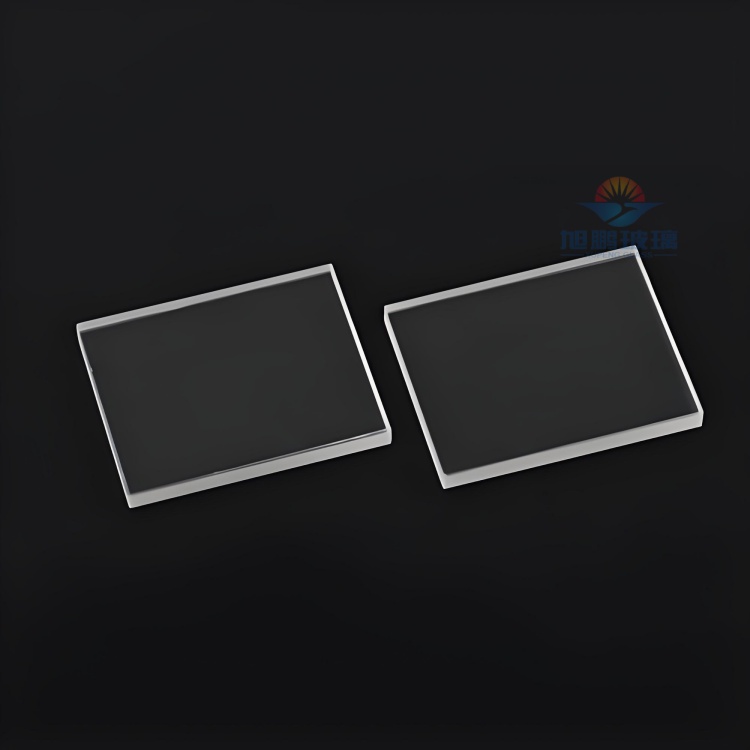
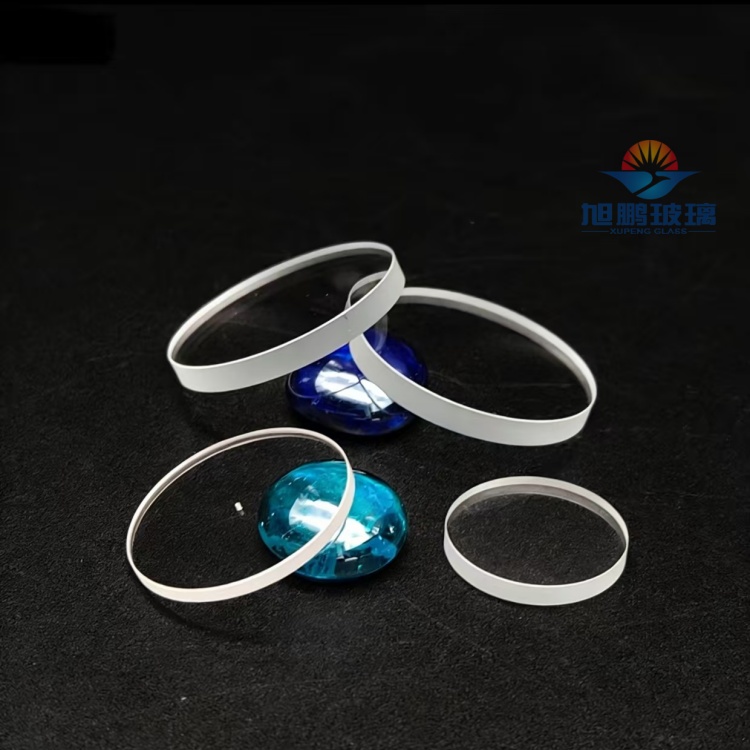
China Wholesale High-Transmittance Optical Glass Wafers for Optical Instruments — Factories & Supplier for Yokohama

Factory-direct optical glass wafers, AR-coated windows, K9, fused silica, sapphire, borosilicate and Corning EXG substrates — engineered to drawings and export-packed for Yokohama, Kanagawa and wider Japan manufacturing teams.

8 product paths for optical instruments

Eight Precision Glass Products for Yokohama Optical Instrument Builders

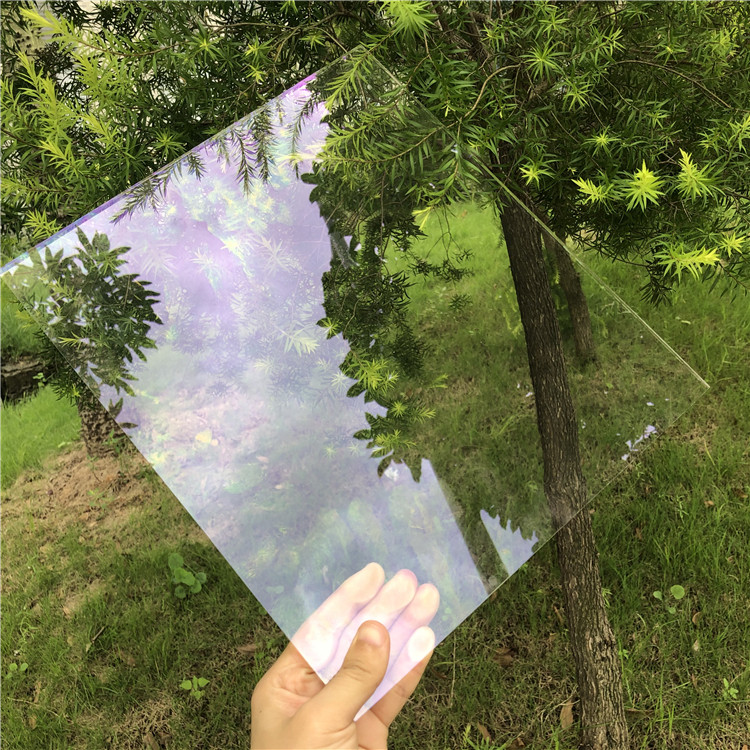
For Yokohama engineering and procurement teams, the fastest route is not a generic catalog search — it is a drawing-based comparison. These eight production-ready glass families cover high-transmittance wafers, tempered low-iron windows, AR-coated optics, sapphire, flexible ultra-thin glass and heat-resistant instrument glass.

Established2018Onsite-checked manufacturer profile data
Team51–100Skilled employees in deep-processing glass
Facility1,001–2,000 m²Production and inspection footprint
Response≤7 hAverage technical inquiry response time
Information gain for optical engineers

Why Yokohama Optical Instrument Makers Buy High-Transmittance Wafers from China

Yokohama is not only a port city; it is a compact engineering ecosystem linking Minato Mirai research teams, Kannai trading houses, Shin-Yokohama precision clusters, Tsurumi logistics and Kanagawa mobility and medical device suppliers. That combination creates a very specific sourcing standard.

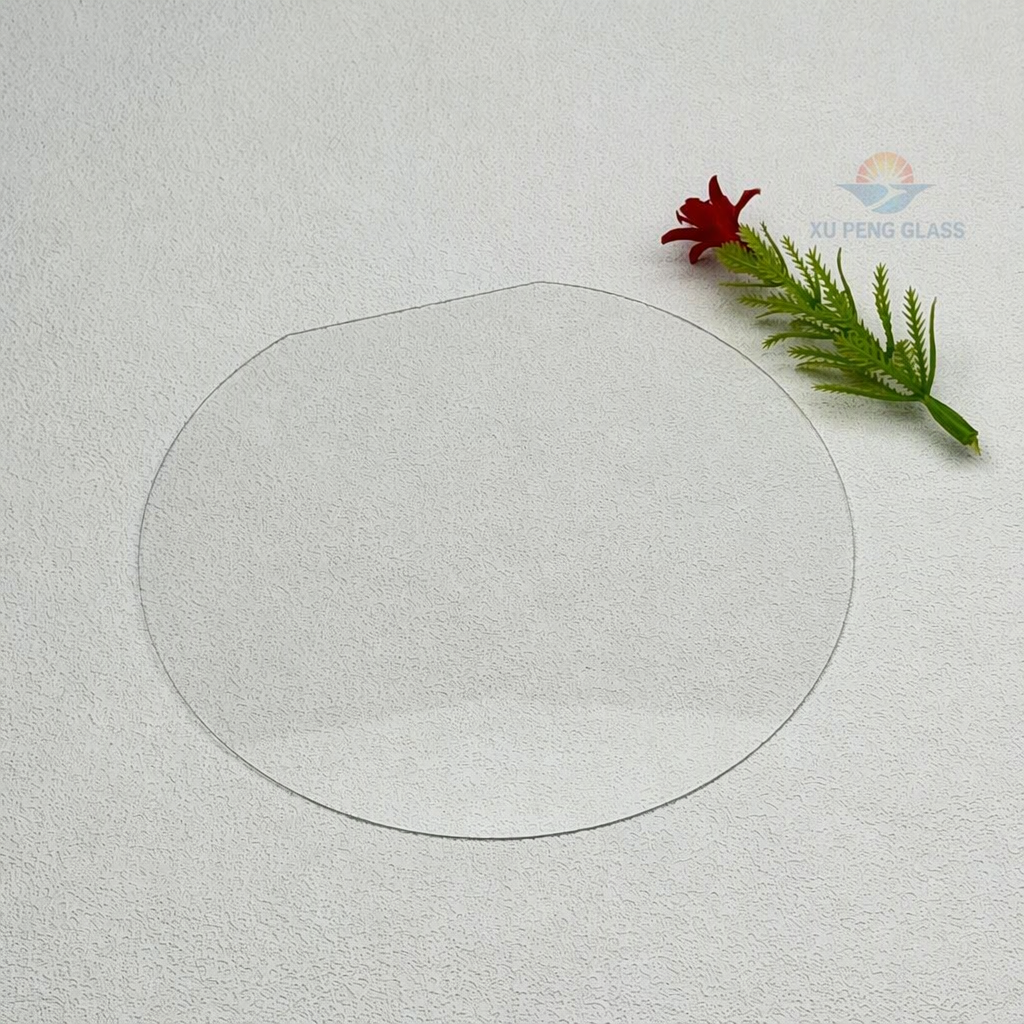
For optical instruments, a high-transmittance optical glass wafer is not a commodity sheet. It is a functional optical element whose value depends on substrate purity, internal bubbles, striae, surface parallelism, edge quality, coating adhesion and final inspection criteria. A Yokohama instrument maker may use the same nominal material as a competitor, but achieve different signal-to-noise performance because the wafer specification was interpreted differently at the drawing review stage.

China wholesale factories are attractive to Yokohama buyers when they can combine factory-direct deep processing with drawing-based engineering review. Sourcing teams in Japan rarely want to negotiate with several unrelated processors for cutting, edging, drilling, tempering, AR coating, silk-screen printing and packing. They want one qualified route with documented process steps, batch traceability and an export packing standard suitable for fragile optical parts. This is exactly the gap that AUVE Glass is structured to close: a deep-processing glass manufacturer integrating R&D, design, production and export from Songshan Lake, Dongguan.

The purchasing logic is also changing. Yokohama companies increasingly compare total landed cost and technical risk, not only unit price. A lower-cost wafer that creates alignment problems, coating haze, chipping or customs documentation delays is not a saving. The stronger supplier is the one that can explain which material should be selected, which tolerances are realistic, which inspection method will be used and how the parts will survive sea freight, air freight or express delivery to Japan.

Measured, not guessed

Transmission, reflection and surface quality should be tied to an agreed test method before quotation, not left as vague catalog claims.

Drawing-driven review

CAD, DXF or PDF drawings help our engineers review thickness, tolerance, edge, hole, printing and coating requirements before production.

Supply chain resilience

Japan-focused buyers often dual-source: domestic for urgent engineering lots, qualified China factory for repeat production and cost control.

Checkable credentials

Onsite-checked supplier status, credit index, transaction level, trade capacity, trade history and buyer reviews can be reviewed before ordering.

Localized application scenarios

Where High-Transmittance Glass Wafers Fit in Yokohama and Kanagawa

Yokohama buyers rarely purchase “glass” in the abstract. The wafer usually enters a larger system: an inspection head, a medical imaging module, a mobility sensor window, a marine photonics enclosure or a laboratory instrument. The application decides the coating, thickness, edge and inspection plan.

Semiconductor inspection & metrology

Inspection modules around Shin-Yokohama and Kanagawa science parks need wafers with stable transmission, low scatter and clean surfaces. AR-coated optical glass and fused silica are common candidates when the optical path must remain stable under continuous illumination.

Medical, life science & analytical instruments

Yokohama and wider Kanagawa instrument manufacturers value repeatable optical quality for imaging, spectroscopy and laboratory automation. Quartz, sapphire and high-transmittance glass windows can be reviewed for chemical exposure, cleaning cycles and thermal load.

Mobility, robotics & ADAS sensor windows

Kanagawa’s mobility and automation supply chain uses sensor windows that must resist scratches, humidity and thermal cycling. Sapphire, AR-coated glass and tempered low-iron glass can be compared according to the real exposure environment.

Marine photonics & port-side R&D

Yokohama’s port environment creates humidity, salt-air and temperature-variation concerns. Optical windows used near marine test rigs or outdoor observation systems need robust edge sealing, coating durability and careful packaging before assembly.

Yokohama procurement trends 2025–2026

The direction is clear: smaller engineering lots, stronger traceability, bilingual technical communication and a more careful balance between domestic speed and China factory economics.

Small-lot engineering first

Yokohama R&D groups often need sample or pilot quantities before mass production. Optical and coated parts can start from 10 to 50 pieces in many cases, while standard ultra-clear tempered parts usually start from 100 to 500 pieces.

Documentation before price

Japanese procurement teams often request drawings, inspection criteria, packing plans and compliance discussions before locking a supplier. A responsive factory engineering review can shorten this qualification cycle.

Dual-source resilience

Yokohama importers increasingly maintain a domestic or regional backup while using a verified China factory for repeat production. The goal is not only lower cost; it is supply continuity for critical instrument programs.

Higher optical efficiency

Compact instruments need more light through a smaller path. High-transmittance wafers, AR coating and low-iron glass help improve contrast and reduce unwanted reflections, but each must be validated against the actual light source and sensor.

Engineering selection reference

High-Transmittance Optical Glass Wafers & Instrument Glass: Material Comparison

Use this table to shortlist a substrate before sending an RFQ. The values are typical reference data for engineering discussion, not a substitute for drawing-level confirmation and agreed inspection standards.

Material / product pathTypical property referenceBest-fit Yokohama instrument useProcessing route
Low-iron tempered glassApprox. 91% visible light transmission; reduced green edge tint; tempered strength many times annealed glassControl panels, machine covers, observation windows, LED and display-related assembliesCNC cutting, drilling, edging, tempering, silk-screen, AR/AG discussion
AR-coated optical glassSurface reflection reduced to roughly 0.5–1% per side, depending on coating designInspection windows, touch modules, camera windows, instrument viewportsSingle- or double-side AR, tempering, printing, laser/CNC shaping
K9 optical glassBorosilicate crown-type glass, refractive index nd ≈ 1.5168, low inclusions when specifiedLenses, prisms, optical instrument windows and laboratory optical partsPrecision polishing, CNC edging, coating, dimensional inspection
Fused quartz / silicaHigh UV transmission and strong thermal shock resistanceUV curing, disinfection, spectroscopy, high-temperature viewportsThick-gauge cutting, polishing, drilling, edge finishing
Sapphire glassMohs hardness 9, melting point approx. 2,040 °C, excellent scratch resistanceSensor covers, harsh-environment windows, high-temperature optical partsCutting, polishing, chamfering, step-window machining
Borosilicate tempered glassGood thermal stability and high transparency; customized heat-resistant windowsChambers, analytical equipment, heated instrument windowsTempering, CNC shaping, hole drilling, edge grinding
Corning EXG / alkali-free glassAlkali-free aluminoborosilicate; low CTE around 3.2 ppm/°CSemiconductor wafers, MEMS, display substrates and precision carriersDouble-side polishing, wafer dicing, cleaning and packing
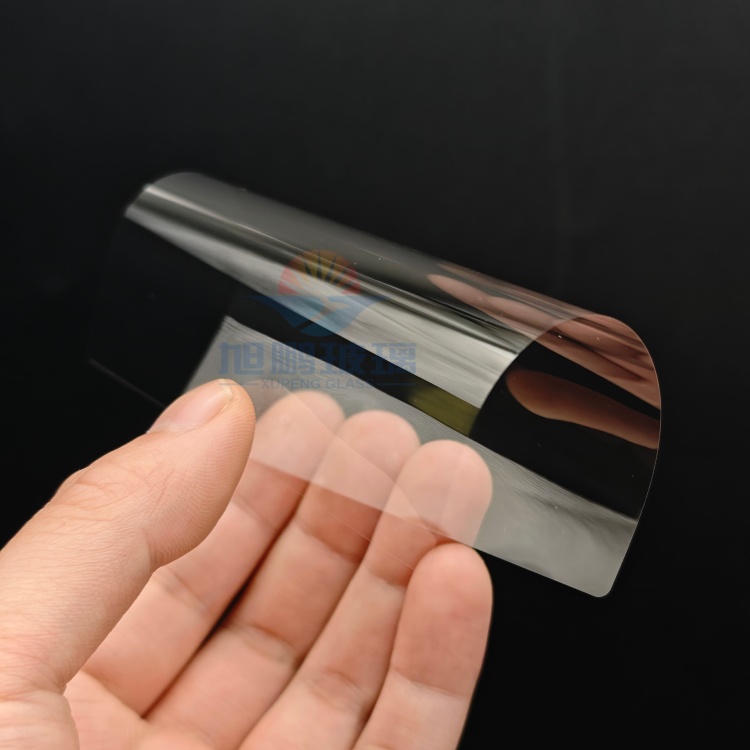
Ultra-thin flexible glassThickness down to 0.03 mm with bendabilityFoldable displays, flexible sensors, thin optical stacksPrecision cutting, edge strengthening, protective film packing
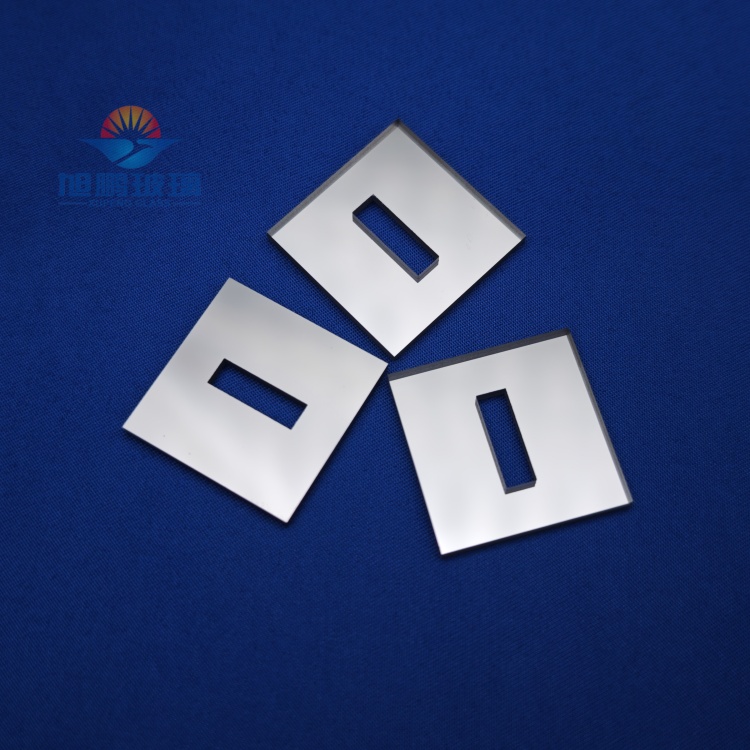
Silver-coated mirror glassReflective coating with centre groove and customized outlineOptical path folding, reference targets, compact instrument modulesMirror coating, CNC groove, edging, protective packing

Information gain note: for a Yokohama RFQ, specify the light source, wavelength range, acceptable transmission or reflection target, surface quality requirement, edge condition, cleaning method and packing environment. These inputs often change the recommended material more than the nominal thickness alone.

Factory advantages from the original company profile

Why AUVE Glass Can Support Yokohama Optical Instrument Programs

Dongguan AUVE Glass Co., Ltd. is a deep-processing glass manufacturer integrating R&D, design, production and export. The company is located in Songshan Lake, Dongguan, Guangdong — an electronics and optoelectronics cluster that supports fast access to materials, equipment and export services.

AUVE Glass factory capabilities for tempered AR coated and optical glass
Deep-processing capability overview: cutting, CNC edging and drilling, tempering, silk-screen printing, AR/AG coating, inspection and export packing.

For Yokohama buyers, the relevant advantage is not simply “China wholesale pricing”. It is the ability to keep a complex glass part under one process route. AUVE processes flat and curved tempered glass, ultra-white, laminated and painted glass, LCD and touch screen glass, smart control panel glass, LED lamp glass, instrument glass, AR high-transmittance glass and AG anti-glare glass. The production route follows defined process standards and a documented quality management system, so batches can be traced from raw sheet to packed carton.

Deep processing in-house

CNC cutting, edging, drilling, tempering, silk-screen printing and AR/AG coating are reviewed as a combined process, not isolated operations.

Broad optical material range

K9, quartz, sapphire, borosilicate, Corning EXG alkali-free glass and ultra-thin flexible glass can be compared against the drawing.

Engineering review before production

Send CAD, DXF or PDF files with thickness, tolerance, edge, hole, printing and coating requirements; manufacturability is reviewed before production.

Checkable supplier data

Onsite-checked supplier profile, credit index, transaction level, trade capacity, trade history and ratings/reviews are available for buyer due diligence.

Export experience

Products are exported to the United States, Canada, Russia, South Korea, Japan, Australia and other markets, with fragile-glass packing designed for export.

Fast technical response

Average response time is within 7 hours. For Yokohama projects, clear drawings and quantity information help accelerate the first engineering reply.

Quality, documentation and RFQ clarity

How to Reduce Risk When Qualifying a China Optical Glass Wafer Factory for Yokohama

The most expensive mistake is a drawing that can be interpreted in two ways. Japanese instrument teams often benefit from a short, structured engineering review before samples are made.

For high-transmittance optical glass wafers, the RFQ should state the actual optical function. Is the wafer a protective window, a display cover, a sensor window, a spacer, a light guide or a substrate for coating? That answer determines whether the critical parameter is transmitted wavefront, surface flatness, scratch/dig, edge chip tolerance, parallelism, coating adhesion or simply visual clarity. A supplier that asks these questions early is usually safer than one that quotes a price immediately without reviewing the drawing.

AUVE’s process route for optical and instrument glass can include precision cutting, CNC edging and drilling, tempering, silk-screen printing with high-temperature ink, AR/AG coating, cleaning, dimensional and visual inspection, and protective export packing. For Yokohama buyers, it is helpful to align three documents before mass production: the approved drawing, the first-article inspection record and the packing specification. This creates a practical information trail for incoming inspection and future repeat orders.

Useful RFQ checklist

  • Material grade and acceptable equivalents
  • Thickness, outer dimensions and tolerance
  • Transmission or reflection target and wavelength range
  • Surface quality, flatness and parallelism requirements
  • Edge profile, chamfer, holes, grooves and step features
  • AR, AG, mirror or other coating requirements
  • Silk-screen printing, ink colour and firing requirement
  • Sample quantity, production quantity and destination port

Documentation discussion points

  • Drawing revision and approval status
  • First-article inspection plan
  • Batch labelling and traceability
  • Protective film and interleaving requirements
  • Fumigation-free wooden crates or reinforced cartons
  • Incoterms: FOB, CFR, CIF, EXW, DDP, DDU, DAF or express
  • Compliance declarations required by your Yokohama customs broker
  • Return or replacement discussion for transit damage
Expert note: Yokohama buyers often ask for “JIS-equivalent” inspection language. The practical approach is to translate your internal inspection criteria into drawing notes and agreed measurement methods, then confirm them with the factory before tooling or coating setup.
Export logistics to Yokohama

Shipping, Incoterms and Protective Packing for Yokohama Deliveries

Glass wafers can travel safely when the packing specification matches the part geometry, coating and handling risk. The commercial terms should also be clear before shipment.

Flexible Incoterms

AUVE supports FOB, CFR, CIF, EXW, DDP, DDU, DAF and express delivery. Yokohama buyers can align the term with their forwarder, customs broker and internal risk policy.

Japan-ready export experience

Export markets already include Japan, the United States, Canada, Russia, South Korea and Australia. English technical communication and export packing support the quotation process.

Fragile-glass packing

Protective film or paper interleaving, foam corner protection, batch labelling and fumigation-free wooden crates or reinforced cartons can be specified for wafers, mirrors and coated windows.

Yokohama buyer FAQ

Common Procurement and Technical Questions from Yokohama Optical Instrument Buyers

These are the questions engineering, purchasing and trading-house teams usually ask when comparing a China wholesale optical glass wafer supplier.

What is a high-transmittance optical glass wafer, and how is it used in Yokohama optical instruments?

It is a thin, flat glass substrate selected for high light transmission, controlled surface quality and dimensional precision. In Yokohama instrument programs, it may be used as a protective window, sensor cover, display window, optical spacer, substrate for AR coating or a component in a compact optical module. The correct specification depends on wavelength, light source, mounting method and inspection criteria.

Can AUVE make optical glass wafers to my drawing with AR coating and custom edges?

Yes. Send a CAD, DXF or PDF drawing with thickness, tolerance, edge, hole, printing and coating requirements. Our engineers review manufacturability before production, covering CNC cutting, edging, drilling, tempering, silk-screen printing and AR/AG coating. If the drawing does not yet exist, describe the function and assembly constraints so the quotation can be built around the actual application.

What MOQ applies to optical wafers and tempered glass for Yokohama buyers?

MOQ depends on material and process. Many coated and optical glass parts start from 10 to 50 pieces, while standard ultra-clear tempered parts typically start from 100 to 500 pieces. Sample and pilot quantities can be discussed for new projects, especially when the part will move into repeat production later.

Which materials are available for high-transmittance, high-temperature or scratch-resistant applications?

Material options include low-iron tempered glass, AR-coated optical glass, K9 optical glass, fused quartz/silica, sapphire, borosilicate tempered glass, Corning EXG alkali-free glass and ultra-thin flexible glass. For high-temperature or scratch-critical use, sapphire and quartz are frequently reviewed; for general high-clarity instrument windows, low-iron or AR-coated glass may be more practical.

How do you pack and ship fragile glass wafers to Yokohama?

Export packing is designed for fragile glass parts. Depending on the part, the plan may include protective film or paper interleaving, foam corner protection, batch labelling and fumigation-free wooden crates or reinforced cartons. Shipping can be arranged under FOB, CFR, CIF, EXW, DDP, DDU, DAF or express delivery, depending on the agreed quotation.

What documents can support Yokohama customs and engineering qualification?

Commercial invoice, packing list, drawing revision, agreed inspection record and shipping documents are typical discussion points. Compliance declarations and any additional documentation required by your customs broker should be confirmed at quotation, because requirements vary by material, coating and end use. Supplier due-diligence pages such as onsite check, credit index, trade capacity and trade history can also be reviewed before ordering.

How do you control scratches, bubbles, edge chips and dimensional tolerance?

Control starts with the drawing and agreed inspection criteria. Production planning then defines cutting, edging, drilling, coating and cleaning steps, followed by dimensional and visual checks. For optical parts, the RFQ should state surface quality, allowable edge chip size, flatness or parallelism needs, coating appearance limits and packing protection. First-article approval helps lock the standard before repeat orders.

How quickly can I receive a technical response and quotation?

Average response time is within 7 hours. To speed up the review, include your drawing, target quantity, material preference if any, coating requirement, destination in Yokohama or wider Japan, and whether you need samples before production. The first reply can then focus on manufacturability, material route, MOQ and commercial terms instead of basic clarification.

Request a Drawing-Based Quotation for Yokohama

Share your optical glass wafer drawing, target transmittance, coating requirement, quantity and delivery expectation. AUVE Glass will review the material route, deep-processing steps, export packing and quotation path for your Yokohama optical instrument project.

Get a Quote