CNC Glass Machining for Kawasaki’s Precision Manufacturing Ecosystem
Kawasaki is not only a port city; it is part of the Keihin industrial belt, where electronics, precision machinery, semiconductor equipment, mobility, medical devices and analytical instruments are developed and assembled. Buyers in and around Kawasaki need glass parts that arrive ready for clean assembly, not merely “cut to size.”
Dongguan AUVE Glass Co., Ltd. is a deep-processing glass manufacturer based in Songshan Lake, Dongguan, China. We serve Kawasaki-bound projects as a factory-direct partner for CNC glass machining that combines drawing review, precision cutting, CNC edging, drilling, grooving, chamfering, polishing, thermal tempering, silk-screen printing, AR/AG coating, inspection and export packing. For Kawasaki engineering teams, the value is not a single machine or material; it is the ability to translate a 2D drawing or 3D model into a repeatable production route with clear measurement criteria.
The most common Kawasaki market requirements we see are high-mix, low-volume production, tight visual acceptance for display and optical parts, dependable dimensional reports, and packaging that survives ocean, air and express channels. A project may begin with a 20-piece engineering sample for an industrial display, then scale to a 500-piece tempered panel run for a control unit, or move from a wafer carrier prototype to a polished Corning EXG or Schott BF33 glass wafer lot. A practical supplier must be comfortable in both low-volume engineering and repeatable batch production.
Our recommended approach for Kawasaki buyers is to share the application environment first: operating temperature, optical transmission target, touch or display integration, chemical exposure, mounting method, cleaning process and packaging tolerance. Our engineers then review the glass grade, thickness, edge profile, hole spacing, tempering feasibility, printing registration, coating reflectance/haze, and inspection method before quoting. This drawing-first engineering review reduces late-stage changes and helps procurement teams compare suppliers on the same technical basis.
Why Kawasaki Sourcing Teams Choose AUVE Glass
Kawasaki buyers often compare a China factory not only on price, but on engineering response, process integration, material traceability and the discipline of export packing. Our factory is organized around those buying criteria.
Drawing-first DFM review
Send a CAD, DXF, STEP or PDF drawing with thickness, tolerance, edge, hole, coating and printing requirements. We check manufacturability before production and flag risks that could affect assembly, strength or optical performance.
Integrated CNC and finishing
Cutting, CNC edging, drilling, countersinking, grooving, chamfering, polishing, tempering, silk-screen printing and AR/AG coating can be routed under one quality plan, reducing coordination loss between multiple vendors.
Optical material depth
We process low-iron tempered glass, K9 optical glass, fused quartz, sapphire, borosilicate, Schott B270/D263T, Schott BF33 TGV wafers and Corning EXG alkali-free glass for demanding industrial and semiconductor-adjacent applications.
Quality evidence buyers can use
Projects are checked against agreed drawings and inspection criteria. Dimensional, visual, edge, hole, print and coating checks can be discussed before mass production, with batch identification and protected packing for fragile parts.
Kawasaki-ready export logistics
We support FOB, CFR, CIF, EXW, DDP, DDU, DAF and express delivery. Export packing can include interleaving film, foam corners, moisture protection, reinforced cartons and fumigation-free wooden crates for sea, air or courier shipment.
Fast technical response
Our average response time is within 7 hours. For Kawasaki buyers working across time zones, a clear RFQ reply with material suggestion, process route, MOQ guidance and packing notes is often more valuable than a generic price list.
Recommended CNC Glass Products for Kawasaki OEM Projects
The following eight product families cover the most common requests from industrial display, semiconductor equipment, optical instrument, sensor and high-temperature window projects. Each product URL is preserved so your engineering and purchasing teams can review specifications directly.
For Kawasaki buyers, product selection should begin with the interface, not only the glass material. A display cover may require AR coating to improve contrast, AG etching to reduce reflection, or both; a semiconductor-related wafer may require alkali-free composition, double-side polishing and controlled edge quality; a UV equipment window may require high UV transmission and thermal shock resistance. The right CNC route depends on how the part is mounted, cleaned, inspected and shipped.
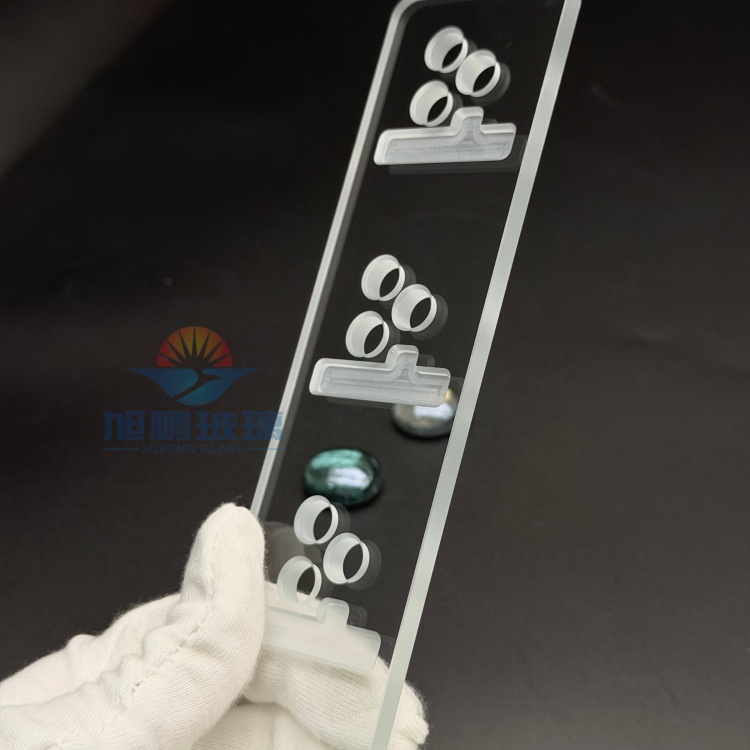
Ultra Clear High Light Transmission Tempered Glass Panel, CNC Arc Polishing, Drilling & Grooving
A strong choice for Kawasaki industrial displays and control panels that need high clarity, smooth edges and a durable surface.
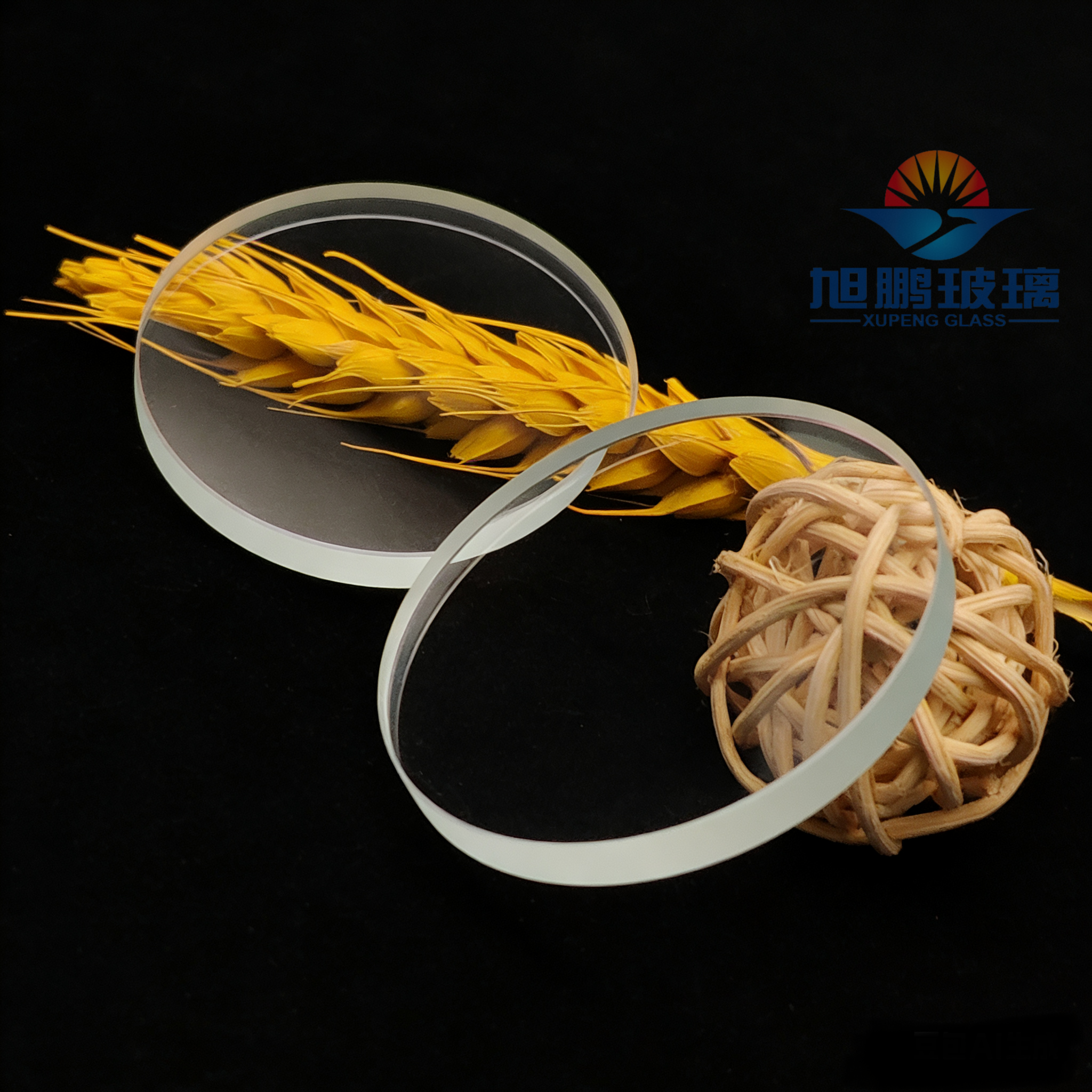
Low Iron Round High Transmittance Tempered Glass Panel with Precision Polished Edges, Flat Clear Glass
Suited to circular view windows, sensor covers and HMI front glass where green tint and edge hazing are undesirable.

Wafer Glass Thickness Circuit Board Chip Solar Silicon Ingot Substrate
For Kawasaki equipment makers exploring glass substrates, carriers and measurement fixtures in wafer-adjacent processes.
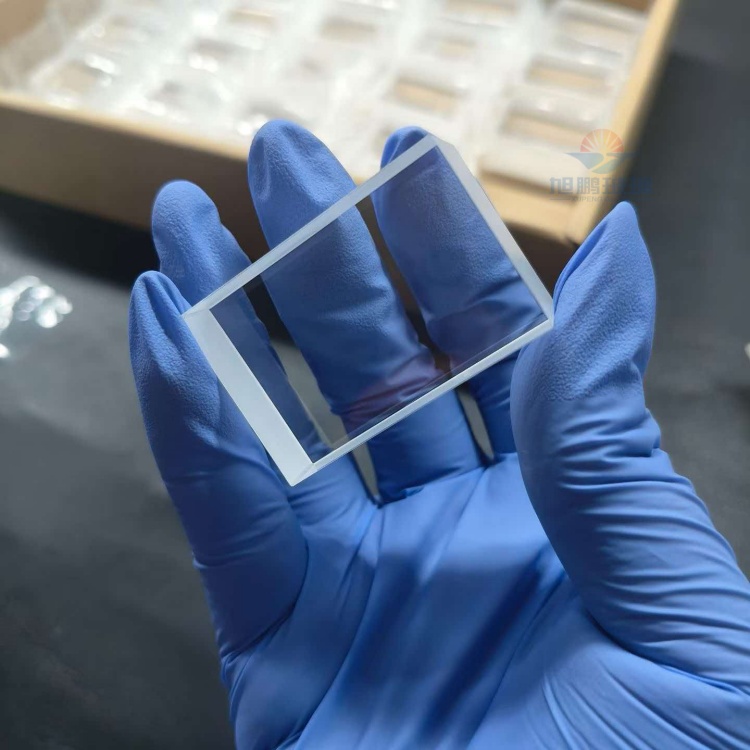
High UV Transmission Thick Gauge Thick Quartz Glass Plate
Appropriate for UV curing, disinfection, analytical instruments and high-temperature viewports used in Kawasaki laboratories and production lines.
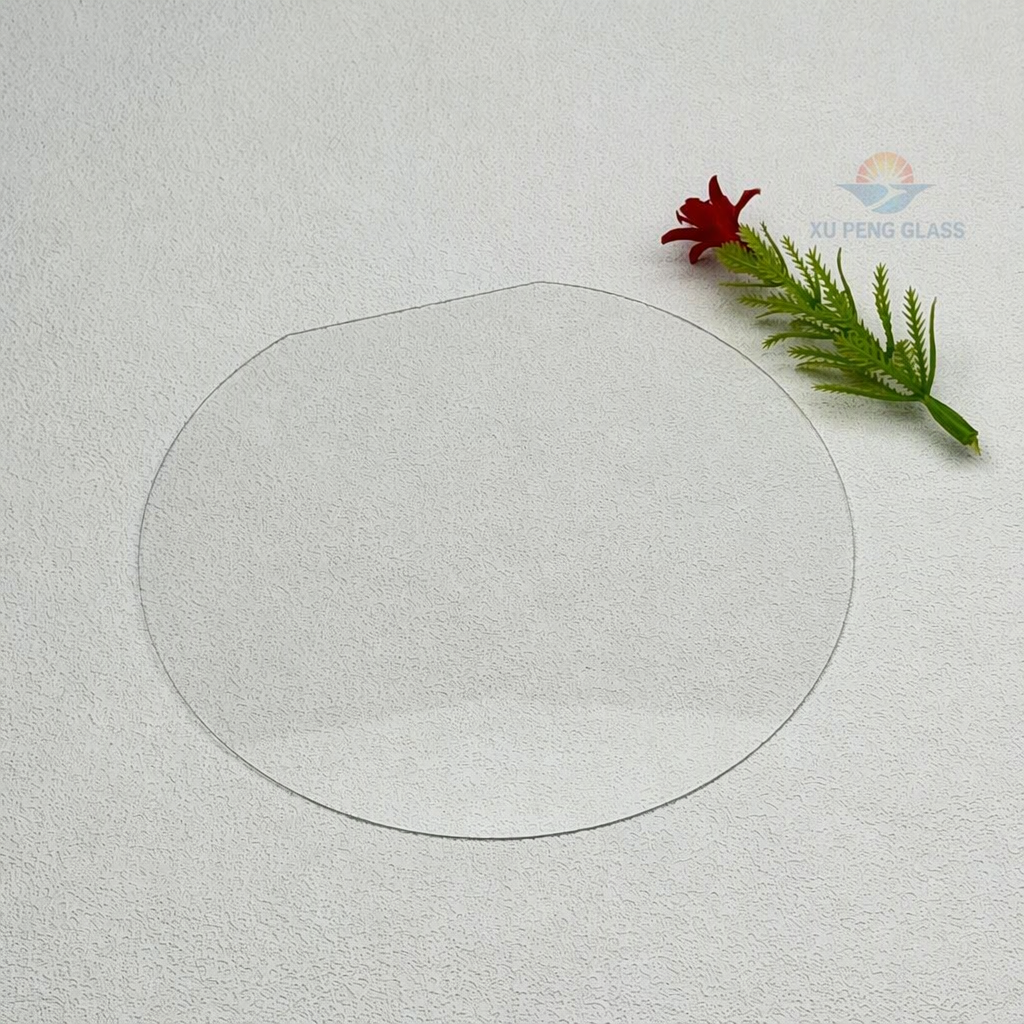
Ultra-thin High-precision Optical Glass Wafer, Corning / SCHOTT / Fused Silica
For compact optical modules, sensors and thin-glass R&D projects where flatness and consistent polishing matter.

Corning EXG Glass Wafer Double-Sided Polished for Custom Semiconductor Glass Wafers & Solar Panels
An alkali-free glass wafer option for semiconductor-adjacent research, MEMS packaging studies and display substrate development.

Schott BF33 TGV Microvia Glass Wafer, Packaging Substrate for Sensors & Chips
Relevant to sensor packaging and chip-scale glass substrate teams evaluating TGV microvia glass wafers for next-generation devices.

Ultra-thin Optical Glass Sheets Schott B270/D263T Semiconductor Electronic Glass Blank Cutting & Processing
For Kawasaki R&D groups and electronics manufacturers that need thin glass blanks with controlled cutting and edge quality.
Where CNC Glass Machining Creates Value in Kawasaki
Kawasaki’s industrial ecosystem combines advanced machinery, electronics, transportation equipment, medical technology and research. Glass parts are often small in value but critical to the function, appearance and reliability of the final system.
Industrial HMIs and displays
AR-coated tempered cover glass improves contrast for machine control panels, inspection monitors and cleanroom displays. CNC holes, step edges and printed icons support flush mounting and gasket integration.
Semiconductor-adjacent equipment
Wafer handling, sensor packaging evaluation and inspection fixtures may require Corning EXG, Schott BF33 TGV, fused silica or B270/D263T thin glass with double-side polishing and controlled edge quality.
Optical instruments and analyzers
K9 optical glass, quartz windows, sapphire windows and precision polished glass wafers are used in lenses, viewports, optical measurement equipment and analytical instruments.
Mobility and EV infrastructure
Charging stations, vehicle displays, sensor covers and roadside equipment benefit from tempered low-iron glass, AR/AG coating and screen-printed graphics that remain readable under strong ambient light.
Medical, laboratory and cleanroom
Inspection windows, instrument covers and UV-transparent quartz plates support laboratory workflows and cleanroom equipment where cleaning resistance and optical clarity are more important than decorative appearance.
UV equipment and specialty lighting
High-UV quartz plates, tempered light-diffusion glass and silk-screen printed glass support UV curing, disinfection systems, LED fixtures and optical inspection lighting used in production environments.
Localized Trends Shaping CNC Glass Procurement in Kawasaki
Advanced manufacturing clusters around Kawasaki tend to reward suppliers that can document capability, handle engineering changes and protect fragile parts through international transit. Price remains important, but total landed risk is often the deciding factor.
More variants, smaller batches, faster engineering loops
Kawasaki OEMs and their suppliers often support customized equipment, specialized instruments and short product lifecycles. A glass manufacturer must be able to quote low-volume coated or optical parts, adjust CNC programs, and keep material and process records consistent when a design revision arrives.
Inspection criteria matter as much as the drawing
For display and optical parts, “clear glass” is not a specification. Buyers need agreed limits for edge chips, scratch visibility, flatness, hole position, print registration, reflectance, haze and color. A supplier that asks these questions early is easier to audit and less likely to create line-stop surprises.
Export packing and JIT planning for Kawasaki deliveries
Glass parts may travel by ocean to the Port of Kawasaki, by air into Haneda or Narita, or by express for urgent engineering samples. Interleaving film, foam protection, moisture control, reinforced cartons and pallet labeling should be planned before the order ships, not after damage occurs.
Parts must arrive ready for cleanroom or precision assembly
Kawasaki-area medical, analytical and semiconductor-adjacent teams often require controlled particle residue, protective film choices and packaging that can be brought close to assembly without introducing dust. We discuss cleaning, film, handling and repacking needs during RFQ review.

About Dongguan AUVE Glass Co., Ltd.
Dongguan AUVE Glass Co., Ltd. is a deep-processing glass manufacturer integrating R&D, design, production and export. Our facility is located in Songshan Lake, Dongguan, Guangdong, China — an electronics and optoelectronics cluster that supports fast access to glass materials, precision equipment and skilled production staff.
We process flat and curved tempered glass, ultra-clear low-iron glass, laminated and painted glass, touch screen and LCD cover glass, LED lighting glass, instrument glass, AR anti-reflective glass and AG anti-glare glass. Our optical material range includes K9, quartz, sapphire, borosilicate, Schott B270/D263T, Schott BF33 TGV and Corning EXG alkali-free glass. Our operating philosophy is “focusing on high-end glass, pioneering and innovating”, supported by documented process standards and a quality management system designed for traceability from raw sheet to packed carton.
- Factory-direct engineering review before quotation, not after tooling starts
- In-house CNC, tempering, printing and coating routes for fewer handoffs
- Export packing designed for fragile glass parts and Kawasaki-bound logistics
- Supplier assessment, credit index, transaction level and buyer feedback available for review
Inside the Factory: CNC Glass Machining for Kawasaki-Bound Parts
Each process step is controlled within the same production flow, which shortens engineering loops and reduces the risk of tolerance loss between cutting, finishing, coating and packing.
Drawing review and DFM
We review thickness, tolerance, edge profile, hole positions, tempering feasibility, print design and coating targets before selecting the material and process route.
CNC cutting, edging and drilling
Automatic cutting and CNC machining shape the glass, grind edges, drill holes, create grooves and countersinks, and prepare polished edges for coating or tempering.
Thermal tempering
Flat and curved thermal tempering increases mechanical strength and thermal resistance for covers, control panels, lighting glass and appliance applications.
Silk-screen printing
High-temperature ceramic inks can produce durable borders, logos, windows, icons, light-blocking areas and functional graphics that survive cleaning and handling.
AR/AG and functional coating
Anti-reflective and anti-glare coatings improve display readability, contrast and glare control. Mirror, filter and other functional finishes can be discussed per project.
QC and export packing
Dimensional, visual and optical checks are performed against agreed criteria, followed by protective film, interleaving, foam protection and cartons or crates for export.

Material and Process Selection Guide for CNC Glass Machining
Choosing the wrong substrate or finishing route is one of the most common causes of re-sourcing. Use this quick reference to shortlist materials before sending a Kawasaki project drawing.
| Project requirement | Recommended glass / material | CNC and finishing route | Typical Kawasaki use case |
|---|---|---|---|
| High clarity for displays and HMIs | Ultra-clear low-iron tempered glass; AR-coated glass; AG anti-glare glass | CNC cutting, edge polishing, drilling, tempering, AR/AG coating, silk-screen printing | Machine control panels, inspection monitors, kiosks, industrial displays |
| Semiconductor-adjacent wafers and carriers | Corning EXG alkali-free glass; Schott BF33 TGV; Schott B270/D263T; fused silica | Precision cutting, double-side polishing, wafer dicing, microvia-related processing review | Sensor packaging studies, wafer carriers, measurement substrates, thin-glass R&D |
| UV curing, disinfection and analytical windows | High-UV fused quartz | Thick-gauge cutting, polishing, drilling, edge finishing | UV equipment, laboratory analyzers, optical inspection systems |
| Scratch resistance or high-temperature viewing | Sapphire glass | Cutting, chamfering, polishing, thickness control | Sensor windows, high-temperature viewports, precision instrument windows |
| Optical instruments and measurement modules | K9 optical glass; fused silica; quartz | CNC edging, precision polishing, coating, dimensional inspection | Lenses, prisms, instrument windows, optical spacers |
| Safety, impact resistance and printed graphics | Thermally tempered low-iron glass; printed tempered glass | CNC shaping, holes, edge grinding, silk-screen printing, tempering | Control covers, appliance panels, lighting fixtures, switch and socket covers |
Material and process values are reference points for selection. Final specifications are confirmed against your drawing, application conditions and agreed inspection standard before mass production.
FAQ from Kawasaki Buyers Sourcing CNC Glass Parts
These are the questions engineering, procurement and quality teams usually ask when comparing a factory-direct glass machining partner for Kawasaki-bound projects.
Do you serve Kawasaki-based buyers and ship glass parts to Japan?
Yes. We serve export customers in Japan, including buyers in Kawasaki and the wider Kanagawa region, through ocean freight, air freight and express channels. We can quote FOB, CFR, CIF, EXW, DDP, DDU, DAF or express delivery depending on your logistics and customs setup.
Can you machine glass to Japanese drawings and specified tolerances?
Yes, we work from CAD, DXF, STEP or PDF drawings. For Kawasaki projects, we confirm thickness, flatness, edge condition, hole position, print registration, coating targets and inspection method before production. If a JIS-related standard or internal Japanese company specification is referenced, we agree the measurement method and acceptance criteria before quoting.
What is the minimum order quantity for a Kawasaki pilot or sample project?
MOQ depends on material and process. Many coated and optical glass parts start from 10 to 50 pieces, while standard ultra-clear tempered parts often start from 100 to 500 pieces. For new Kawasaki engineering projects, sample and pilot quantities can be discussed before mass production.
How do you protect glass parts during export to Kawasaki?
We plan packing around the part geometry and transit route. Typical protection includes protective film, interleaving film or paper, foam corners, moisture protection, reinforced cartons and fumigation-free wooden crates. Batch labels, packing lists and handling marks can be included to support receiving inspection.
Which processes can be combined in one production route?
Depending on the drawing, we can combine CNC cutting, edge grinding, drilling, countersinking, grooving, chamfering, polishing, thermal tempering, silk-screen printing, AR coating, AG etching and functional coating. Combining processes under one quality plan helps reduce tolerance drift and handoff delays.
Can you support first-article review and inspection documentation?
Yes. We recommend agreeing on a first-article inspection plan before mass production. Dimensional reports, visual inspection criteria, material identification and packing checks can be discussed with your quality team. The final documentation package is confirmed during RFQ so it matches your internal receiving process.
What should we include in an RFQ for a Kawasaki CNC glass project?
Please include the drawing or 3D model, glass material preference, thickness, tolerance, surface finish, edge profile, hole and groove details, tempering requirement, printing artwork, coating targets, annual or pilot quantity, inspection standard and delivery destination. If the application involves high temperature, UV, cleanroom or optical transmission, describe the environment as well.
How quickly can we receive a technical response?
Our average response time is within 7 hours. For complex drawings, we may ask targeted questions about mounting, cleaning, optical targets or inspection methods so the quotation is technically meaningful rather than a generic price estimate. You can also use the inquiry button below to start the conversation.
Send Your CNC Glass Drawing for a Kawasaki-Ready Quote
Share your size, thickness, tolerance, edge profile, hole pattern, printing, coating and estimated quantity. Our team will review the material and process route and respond with practical engineering feedback — usually within 7 hours.
FOB · CFR · CIF · EXW · DDP · DDU · DAF · Express delivery options available. Export packing for fragile glass parts included in project review.