Eight Custom Glass Products Supporting Hamburg Cooktop & Appliance Projects
These production items represent the material and finishing breadth behind AUVE Glass. For a Hamburg cooktop program, use them as starting points for control-panel glass, display windows, decorative trim, heat-resistant viewing glass and other adjacent components.
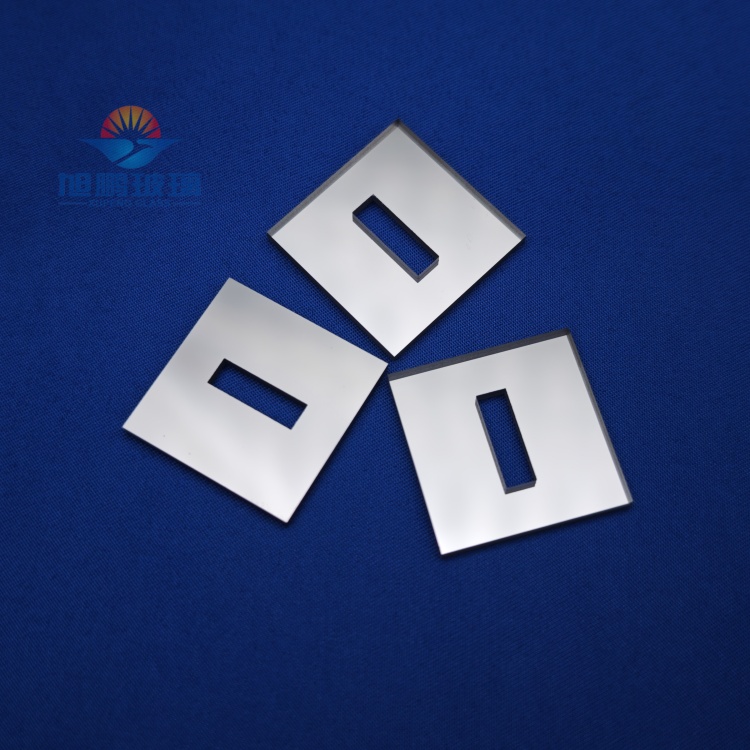
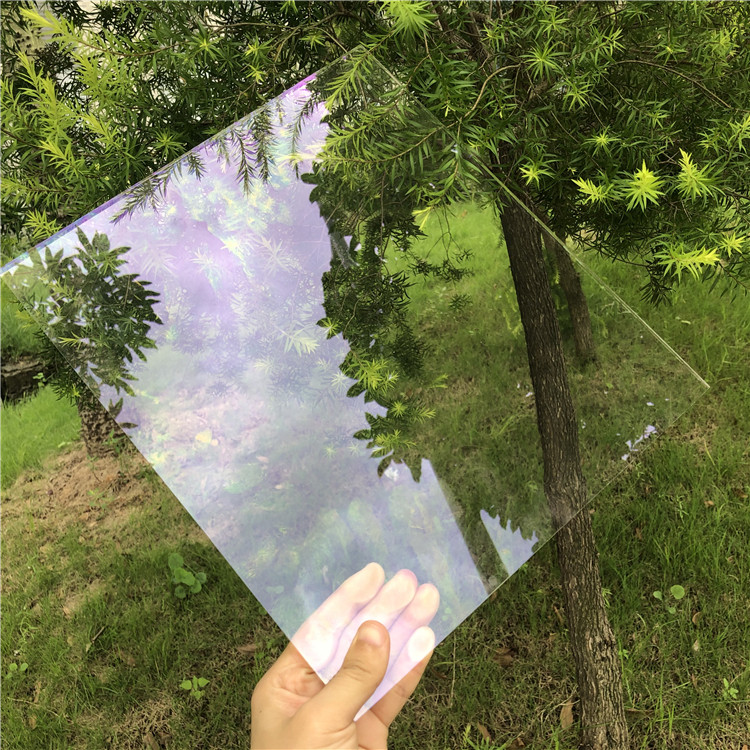

Corning EXG Glass Wafer Double-Sided Polished for Custom Semiconductor Glass Wafers & Solar Panels
View product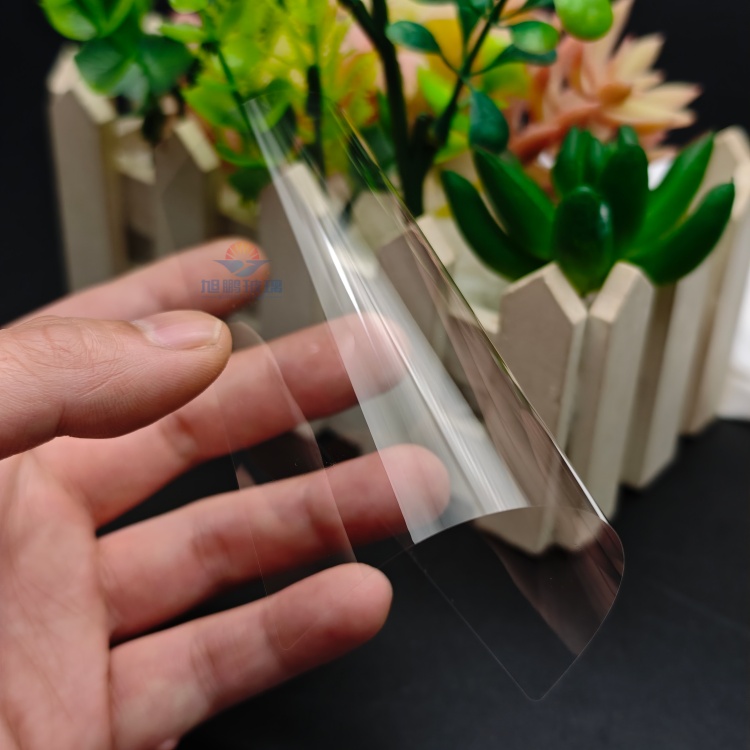
Ultra-thin Flexible UTG Glass, Bendable and Foldable, Suitable for Commercial Aerospace and New Energy Industries
View product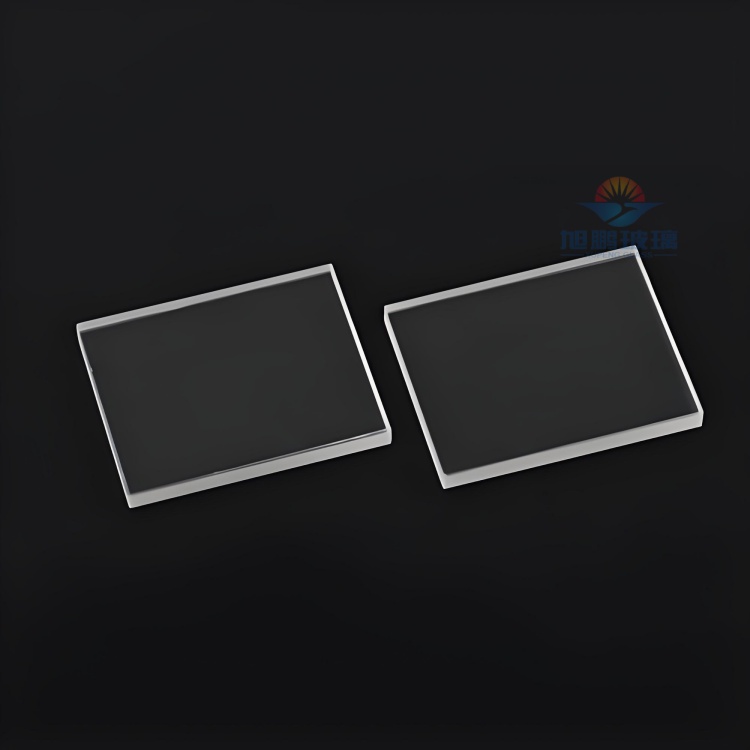
Tempered Glass Customized High Temperature Resistant, High Transparency and High Borosilicate Mirror Window Glass
View product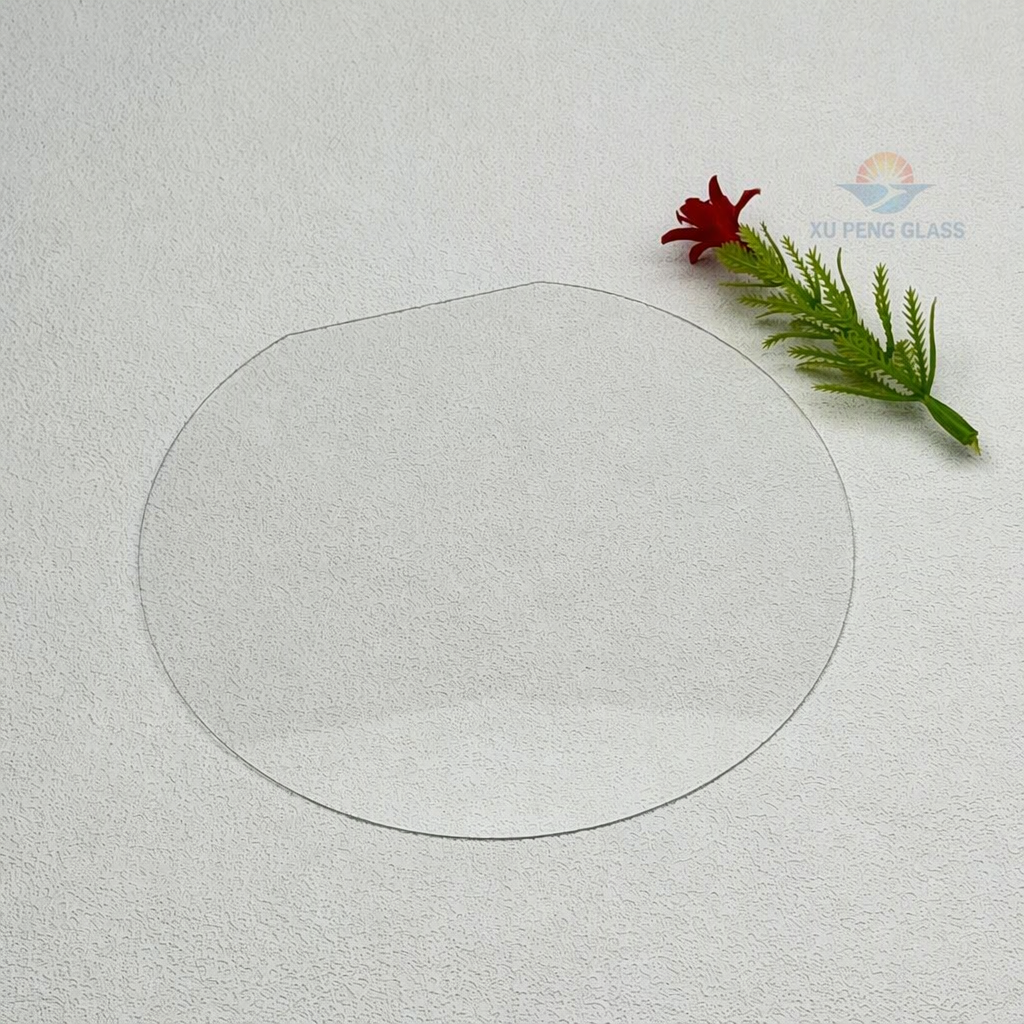
Ultra-thin High-precision Optical Glass Wafer, Corning / SCHOTT / Fused Silica
View product
Welding Black Filter Glass, Beveled Edge Grinding, Long Irregular-shaped Welding Filter Glass
View product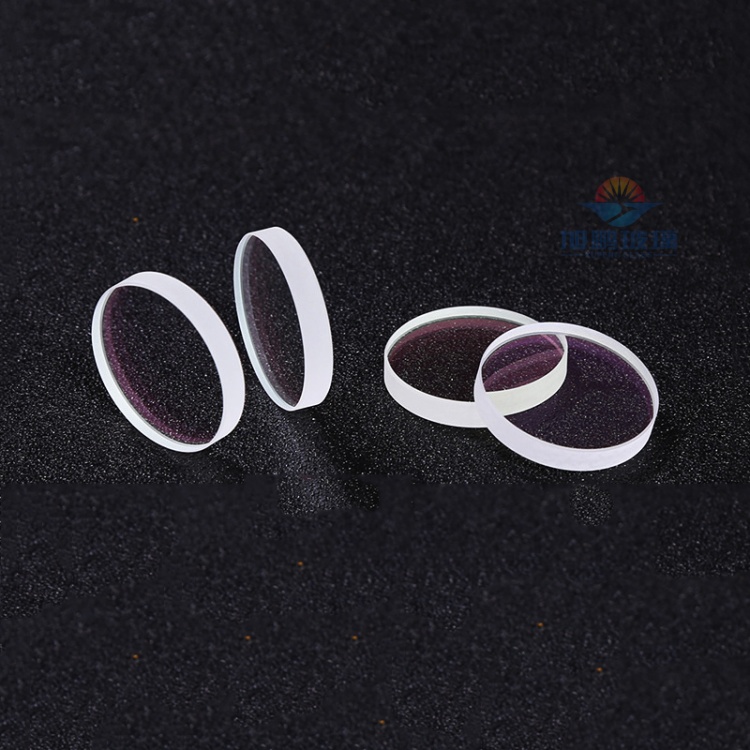
Ultra-clear Tempered Glass, Custom Processing Available: Drilling, Etching, AG Coating, Silk Printing, AR Coating
View productCooktop Glass in Hamburg: A Specification-Led Sourcing Decision
Hamburg is not a generic glass market. It combines a dense stock of pre-war and post-war apartments, the fast-growing HafenCity waterfront, premium kitchen studios, a strong hotel and food-service sector, and one of Europe’s busiest ports. That means one cooktop glass program may need to satisfy appliance OEMs, kitchen retailers, renovation contractors and distributors at the same time.
Maritime climate, steam and cleaning
Hamburg’s humid maritime air, kitchen steam and frequent cleaning routines put printed glass and coated surfaces under real-world pressure. For cooktop control overlays and display windows, specify inks, coatings and edge quality that can survive everyday kitchen chemistry — not only a showroom sample.
Compact premium kitchens
From HafenCity apartments to renovated flats in Altona, Eimsbüttel and Winterhude, edge-to-edge black glass, slim bezels and integrated displays are common. Tight tolerances for holes, cut-outs and silk-screen registration prevent visible gaps or misaligned symbols during installation.
Port-led EU distribution
Hamburg’s port and logistics network reward suppliers who understand export packing, labeling, Incoterms and damage prevention. A glass panel that arrives intact and matches the approved drawing is more valuable than a lower unit price with unresolved packaging risk.
Information gain for buyers: “cooktop glass” can mean the heated glass-ceramic cooking surface, the control-panel overlay, the display window, decorative trim or a splashback. AUVE Glass specializes in custom deep-processed glass components around the cooktop. For the heated cooking surface itself, the material is typically glass-ceramic and should be specified separately. Clarifying the material route before quoting prevents over-specification and avoids field failures.
Where Hamburg Buyers Use Custom Cooktop Glass Components
Hamburg’s mix of waterfront new-build, historic renovation, hospitality and design-led retail creates distinct glass requirements. The right specification for a HafenCity smart kitchen is not automatically right for a hotel kitchen or a replacement panel in a pre-war apartment.
HafenCity & modern apartments
Induction hobs, integrated touch controls and smart appliance displays favor low-iron tempered glass, AR-coated windows and precise ceramic printing. Buyers should validate reflection, black-level consistency and symbol alignment before approving a batch.
Altona & Eimsbüttel renovation
Replacement panels and retrofit projects often need small batches, matched dimensions and fast samples. A practical supplier should review the original panel, edge profile, hole positions and print layout before recommending a production route.
Hotels & food-service kitchens
Commercial kitchens in Hamburg demand easy-clean surfaces, robust edges and repeatable quality across replacement cycles. Where heat exposure is part of the assembly, high-borosilicate or heat-resistant tempered windows can be evaluated with the drawing and test standard.
Kitchen studios & distributors
Hamburg kitchen showrooms and distributors need sample sets, private-label printing, German-language symbols and packaging that protects fragile panels. AUVE can discuss pilot quantities and production scale for new appliance collections.
Local Trends Shaping Cooktop Glass Demand in Hamburg
Procurement teams should read design trends through the lens of manufacturability. A finish that looks premium in a Hamburg showroom still has to survive installation, cleaning and daily use.
Induction and smart controls
Electrification and smart appliance interfaces increase the need for display-grade glass, AR coating and precise capacitive touch zones. Buyers should confirm the optical stack and print sequence before tooling.
Matte and anti-glare finishes
Bright Hamburg apartments and open-plan kitchens make reflections more visible. AG etching, AR coating or a carefully chosen surface finish can improve perceived quality, but haze, gloss and cleanability must be approved together.
Hygiene and easy-clean surfaces
Fingerprint visibility, grease removal and cleaning-agent resistance matter in premium kitchens. Surface treatment, ink selection and edge sealing should be reviewed against the cleaning chemicals your customers actually use.
Documentation and circularity
European buyers increasingly ask for material declarations, packaging reduction and batch traceability. For EU-bound projects, define the required documentation during RFQ rather than after production.
Recommended Cooktop Glass Builds for Hamburg OEMs & Distributors
Use these starting configurations to shortlist materials before an engineering review. Final thickness, tolerance, coating and printing must be confirmed against your drawing, assembly stack-up and test standard.
Low-iron tempered control panel
For black or white cooktop overlays, low-iron tempered glass with high-temperature ceramic printing is a practical route. Specify ink opacity, symbol gloss, cut-outs, holes and touch-zone alignment. Review ultra-clear tempered processing.
AR-coated display window
Smart cooktops need readable displays with controlled reflection. Double-side AR coating can reduce surface reflection while preserving transmission. For Hamburg kitchens with large windows, approve AR performance under real lighting, not only catalog data. See AR-coated optical glass.
High-borosilicate heat-resistant window
For oven, range or appliance viewing windows where heat exposure is part of the assembly, high-borosilicate or heat-resistant tempered glass can be evaluated. The thermal cycle, gasket and mounting method matter as much as the glass. Explore heat-resistant glass.
AG/etched anti-glare cover glass
For bright showrooms and open-plan living, anti-glare glass can improve readability and reduce mirror-like reflections. Haze, gloss and cleaning performance must be balanced. Pair AG with AR when both glare and reflection control are required.
How to Match a Glass Build to a Cooktop Application
The same custom glass factory can process very different parts — but the material and finishing route should follow the application, not a single catalog page.
| Application | Recommended Build | Key Specification | Hamburg Consideration |
|---|---|---|---|
| Cooktop control overlay | Low-iron tempered glass + ceramic print; optional AR | Black-level consistency, symbol registration, cut-outs and touch zones | Premium kitchen studios expect seamless edges and German-language symbols |
| Smart display window | AR-coated tempered or optical glass | Reflection control, transmission, coating durability | Large windows and open-plan kitchens increase glare visibility |
| Oven / range viewing window | High-borosilicate or heat-resistant tempered glass | Thermal shock, mounting method, gasket compatibility | Hospitality kitchens and high-use households need robust heat performance |
| Decorative trim or splashback | Silver-coated mirror, painted or laminated glass | Edge grinding, safety film, color consistency | Historic apartments and design-led renovations need matched aesthetics |
| Sensor / filter window | Black filter glass or specialty optical glass | Optical density, beveled edges, dimensional accuracy | Appliance sensors and indicator windows require repeatable optical behavior |
| Replacement panel | Matched tempered glass + print + edge profile | Reverse-engineer dimensions, holes, radius and print layout | Small-batch renovation demand in Altona, Eimsbüttel and surrounding districts |
Typical builds are for technical discussion. Final material, thickness, tolerance and test criteria are confirmed against your drawing and approved sample.
Why AUVE Glass Is a Practical Cooktop Glass Partner for Hamburg
Dongguan AUVE Glass Co., Ltd. is a deep-processing glass manufacturer integrating R&D, design, production and export in Songshan Lake, Dongguan. For Hamburg buyers, the value is not simply a product list — it is engineering review, process control and export discipline.
Factory-direct deep processing
Cutting, CNC shaping, edging, drilling, tempering, silk-screen printing, coating and inspection are coordinated under one production system. This reduces hand-off risk between multiple suppliers.
Drawing-led engineering review
Send CAD, DXF, PDF or a physical sample with thickness, tolerance, edge, hole, printing and coating requirements. AUVE reviews manufacturability before production rather than discovering issues after tooling.
Material breadth
Experience with ultra-clear, tempered, AR/AG coated, printed, K9, quartz, sapphire, borosilicate and Corning EXG glass supports both cooktop components and adjacent specialty glass projects.
Export-ready packing and terms
FOB, CFR, CIF, EXW, DDP, DDU, DAF and express delivery can be discussed. Protective film, foam corner protection, reinforced cartons or wooden crates and batch labeling help reduce transit risk.
Traceability and QC
A documented quality management approach supports dimensional, visual and functional checks. For EU-bound orders, define the required inspection report, material declaration and batch traceability at RFQ stage.
Responsive technical communication
Average response time is within 7 hours. That matters when Hamburg kitchen studios need samples, distributors need lead-time confirmation or engineers need a manufacturability opinion before a design freeze.
Company facts for procurement files: Founded 2018; manufacturer and trading company; 51–100 employees; facility footprint in the 1,001–2,000 m² range; located in Songshan Lake, Dongguan, Guangdong, China; philosophy of “focusing on high-end glass, pioneering and innovating”; export experience includes the United States, Canada, Russia, South Korea, Japan, Australia and other markets. You can review the company profile and supplier assessment for further verification.

From Drawing to Export Carton: The AUVE Glass Process
A controlled process is especially important for cooktop glass because one small deviation in print registration, edge quality or flatness can stop an assembly line.
Drawing and RFQ review
Review size, thickness, tolerance, holes, cut-outs, edge profile, printing, coating, quantity and delivery terms.
Material and finish selection
Match low-iron, tempered, high-borosilicate, optical or specialty glass to the application and cost target.
CNC cutting, edging and drilling
Form the part and control edge quality, hole position and dimensional consistency before tempering or coating.
Tempering and silk-screen printing
Apply thermal tempering where required and fuse ceramic ink for durable symbols, windows and graphic layers.
AR / AG / functional coating
Add anti-reflective, anti-glare, mirror or other functional finishes according to the approved optical requirement.
QC, packing and export
Complete dimensional and visual checks, protect surfaces and edges, label batches and prepare export-ready packing.
What Hamburg Buyers Should Verify Before Placing a Cooktop Glass Order
For European appliance projects, commercial terms and technical documentation are part of product quality. A clear RFQ reduces surprises at customs, on the assembly line and in after-sales replacement.
Technical file
- Approved drawing and sample record
- Material and thickness confirmation
- Print layout and color target
- Coating performance requirement
Inspection criteria
- Dimensions, holes and edge quality
- Visual defects and surface protection
- Print registration and symbol accuracy
- Batch labeling and traceability
Delivery and Incoterms
- FOB, CFR, CIF, EXW, DDP, DDU, DAF or express
- Export packing for fragile glass
- Hamburg port or door delivery planning
- Batch labels and carton identification
EU documentation note: if your Hamburg project requires RoHS, REACH, material declarations or other EU-market documentation, specify this during the RFQ. AUVE Glass can review the applicable requirements with you before production so the correct documents are included in the commercial agreement.
Frequently Asked Questions from Hamburg Cooktop Glass Buyers
Questions from appliance OEMs, kitchen studios, distributors and renovation specialists sourcing custom glass for Hamburg and the wider EU market.
Can AUVE Glass supply complete cooktop glass panels for Hamburg OEMs?
AUVE Glass is a custom deep-processing glass manufacturer. We process tempered, ultra-clear, printed, AR/AG coated and heat-resistant glass components for cooktop control panels, display windows, decorative trim and adjacent appliance parts. If your “cooktop glass” refers to the heated glass-ceramic cooking surface, share your drawing and requirements so the correct material route can be confirmed before quotation.
What is the minimum order quantity for a Hamburg sample or pilot project?
MOQ depends on material and process. Many coated and optical glass parts start from 10 to 50 pieces, while standard ultra-clear tempered glass parts typically start from 100 to 500 pieces. Sample and pilot quantities can be discussed for new projects, replacement panels and kitchen-studio programs.
Can you match black glass color and print German-language symbols?
Yes, color and print layout should be defined during the RFQ. Provide the target color, ink finish, symbol artwork, tolerances and approved sample. Silk-screen printing with ceramic ink is suitable for durable appliance graphics. Print registration, opacity and symbol edge quality should be approved before mass production.
What documentation can be prepared for EU-bound orders?
For EU-bound projects, define the required documentation at the quotation stage. Depending on the application and buyer requirements, this may include drawings, material declarations, RoHS/REACH-related documents, dimensional inspection records and batch traceability. Final documentation is confirmed in the order agreement.
How do you ship glass to Hamburg?
We can discuss FOB, CFR, CIF, EXW, DDP, DDU, DAF and express delivery. Hamburg can be served via port logistics, air freight or door-delivery arrangements depending on quantity, value and urgency. Export packing is designed for fragile glass parts, with surface protection, corner protection and batch labeling.
What lead time should a Hamburg buyer expect?
Lead time depends on material availability, tooling, printing, coating, tempering, quantity and approval cycle. After the drawing and sample are approved, a production schedule can be confirmed. Complex AR/AG coating, specialty optical materials or multi-color printing may require additional time.
Can you support replacement panels and small renovation batches?
Small-batch and replacement projects can be reviewed, especially when the original panel dimensions, holes, edge profile and print layout are available. MOQ depends on the glass type and process. Sending a sample or a dimensioned drawing is the fastest way to confirm feasibility.
How do I start an engineering review?
Send your drawing or sample details with quantity, thickness, tolerance, edge, hole, printing, coating, delivery terms and destination. Email info@auveglass.com or use the inquiry button on this page. Average response time is within 7 hours.
Request a Cooktop Glass Engineering Review for Your Hamburg Project
Share your drawing, target quantity, surface finish and delivery requirements. AUVE Glass will review the material route, printing, coating, tempering and export packing — and respond with practical next steps for your Hamburg or EU appliance program.
Tip: include a CAD, DXF or PDF drawing with thickness, tolerance, holes, edge profile, printing layout and coating requirement for the fastest engineering review.