8 Custom Glass Product Platforms for Quezon City Buyers
These eight platforms cover the material and process questions we receive most often from Quezon City architects, BPO facility managers, display integrators, medical equipment builders and industrial buyers. Each image links to the original product page so your engineering team can verify specifications before requesting a quote.
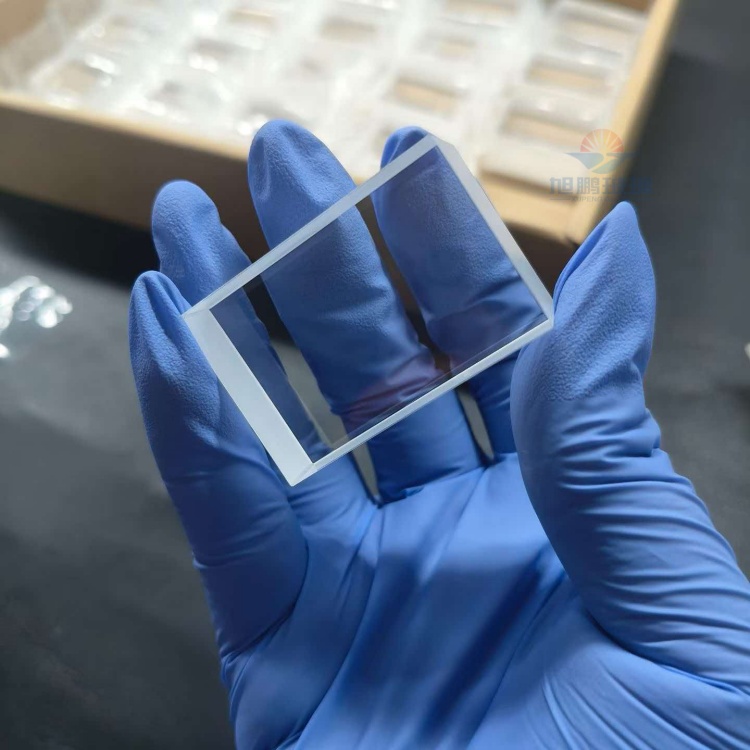
High UV Transmission Thick Gauge Thick Quartz Glass Plate
- UV curing
- Disinfection
- High thermal stability
Recommended for laboratory, healthcare and UV equipment windows where deep UV transmission and thermal stability matter more than ordinary soda-lime glass.
Check specifications
High Transmittance Sapphire Glass, Scratch Resistant & High Temperature Resistant Sapphire Glass Sheets
- Mohs 9
- Sensor windows
- High heat
Suited to scratch-critical display windows, sensor covers and high-temperature viewports where polymer or ordinary glass fails under cleaning and heat cycles.
Check specifications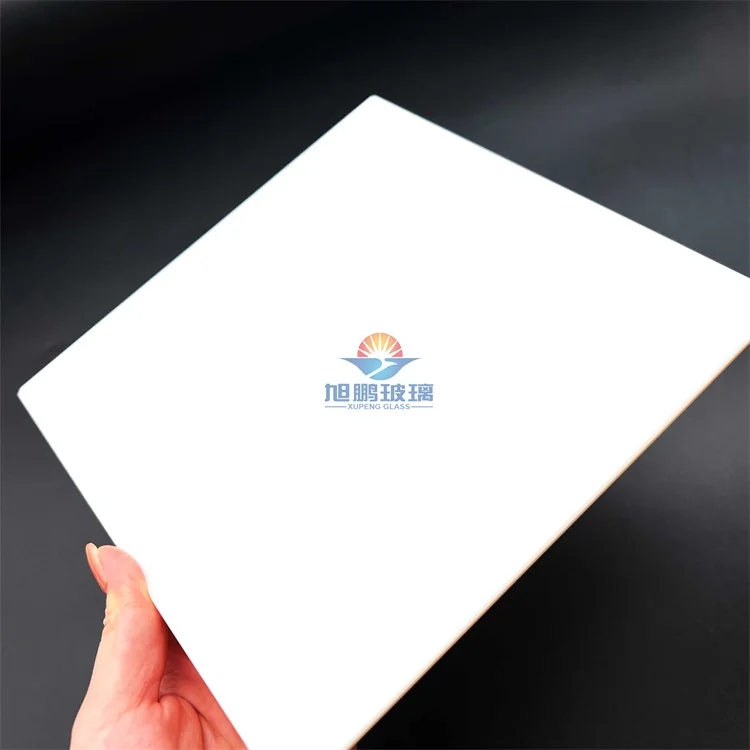
White Ceramic Glass-Ceramic, 4mm & 6mm, High Temperature Resistant Glass-Ceramic
- 4mm / 6mm
- Appliance panels
- Heat resistance
Useful for compact appliance panels, heater windows and equipment covers requiring stable appearance and thermal shock resistance in humid service environments.
Check specifications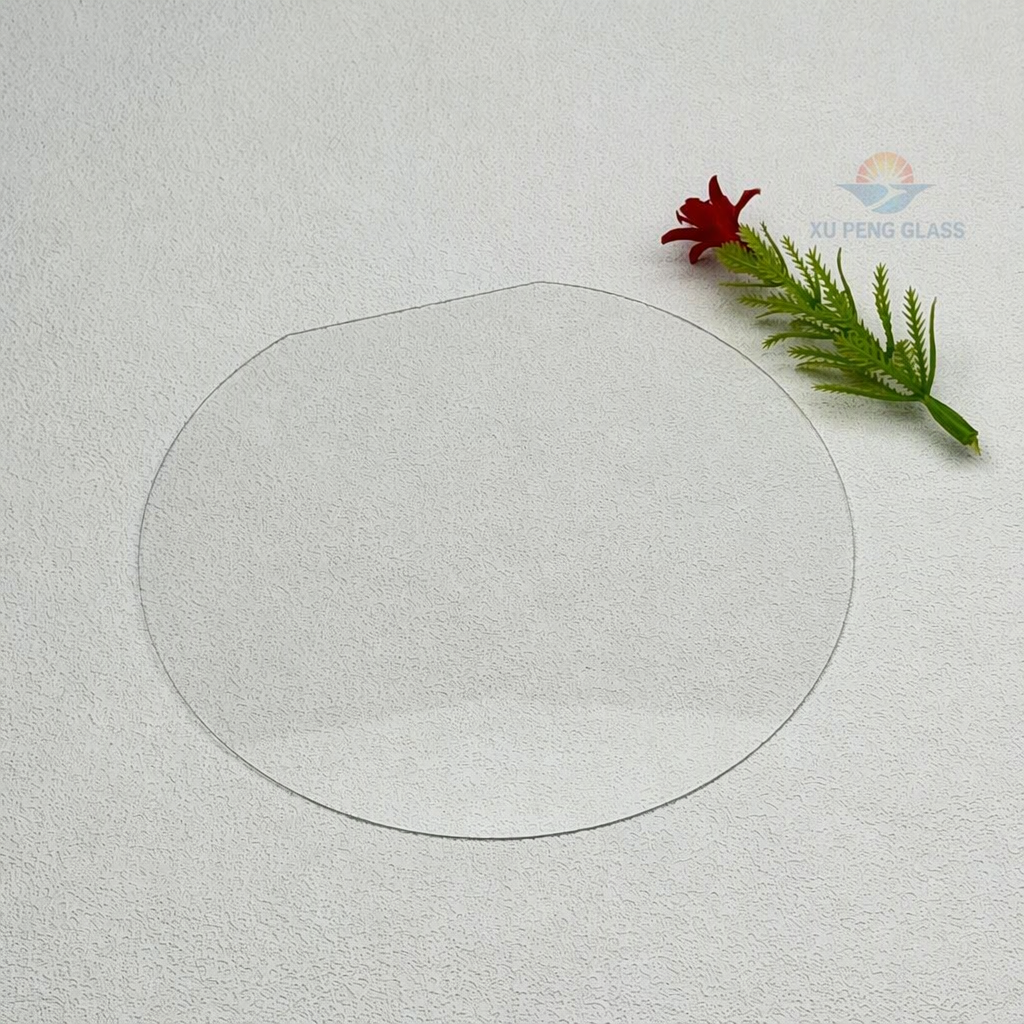
Ultra-thin High-precision Optical Glass Wafer, Corning / SCHOTT / Fused Silica
- Ultra-thin
- Optical grade
- Precision polishing
A fit for optical instruments, sensors and display modules where thickness control, surface quality and material consistency influence the final optical path.
Check specifications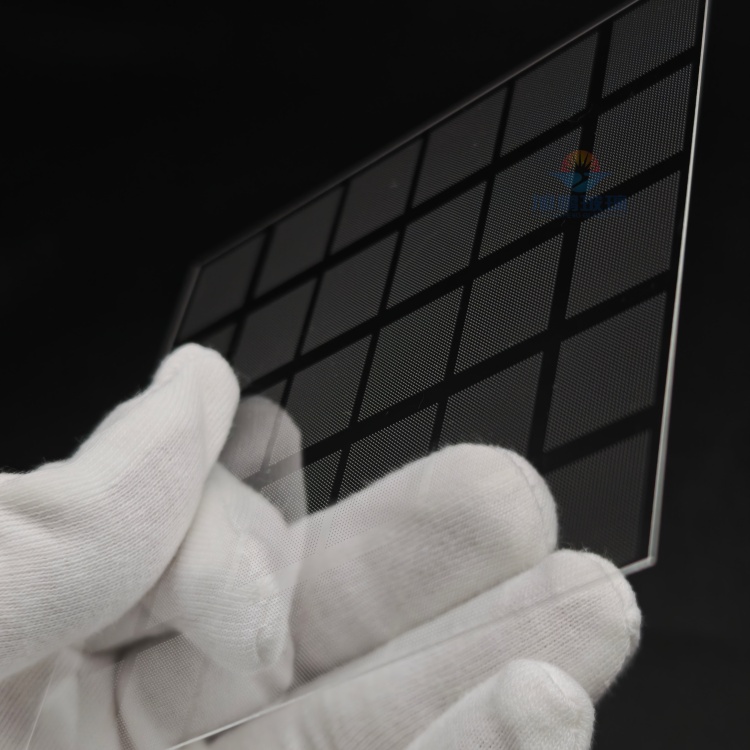
TGV Drilled Packaging Glass Substrate, Precision Laser Microvia Glass
- Laser microvia
- Glass substrate
- Clean packing
For advanced packaging and semiconductor support projects that need precision laser-drilled glass substrates with controlled via quality and handling discipline.
Check specifications
Corning Ultra-Thin Glass Sheet, Optical Grade Glass Wafer Substrate with Chamfered Edge
- Chamfered edge
- Optical grade
- Thin substrate
Chosen when a thin, low-distortion substrate is needed for optical, display or sensor assemblies and edge quality must support safe downstream handling.
Check specifications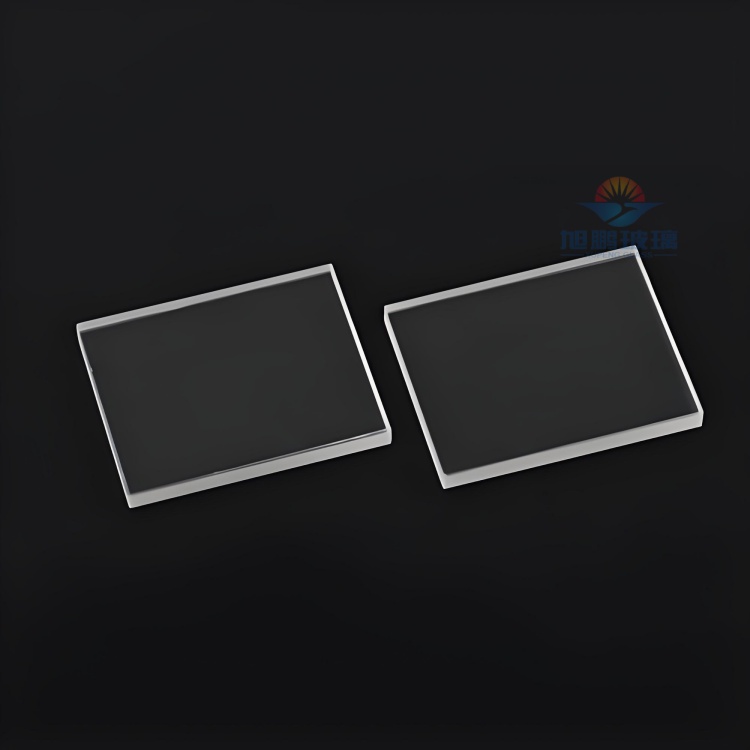
Tempered Glass Customized High Temperature Resistant, High Transparency and High Borosilicate Mirror Window Glass
- Borosilicate
- High clarity
- Custom shape
Recommended for heat-resistant view windows, equipment doors and high-transparency covers that need custom dimensions and a clean visual finish.
Check specifications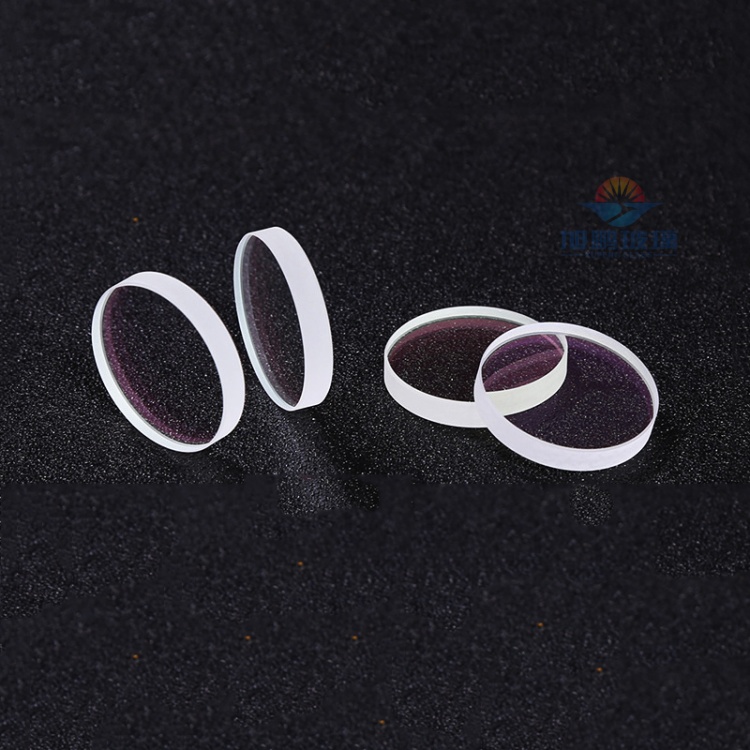
Ultra-clear Tempered Glass, Custom Processing Available: Drilling, Etching, AG Coating, Silk Printing, AR Coating
- AR / AG
- Silk print
- Drilling / etching
A broad platform for Quezon City fit-outs and display projects: low-iron clarity, tempered strength, printed graphics and reflection-control coatings in one supply route.
Check specificationsWhy Quezon City Buyers Work With a Factory-Direct Glass Specialist
Quezon City is a dense business, education, healthcare, retail and creative hub in Metro Manila. Projects here often need small-to-medium custom batches, fast sample iteration and documentation that satisfies procurement and building-management teams. AUVE’s role is not to replace a local glazier or installer; it is to manufacture the custom glass components that local fabricators, contractors and OEMs cannot economically produce in-house.
Drawing-Led Customization
Send CAD, DXF or PDF drawings with thickness, tolerance, edge, hole, printing and coating requirements. Our engineers review manufacturability before production, covering CNC cutting, edging, drilling, tempering, silk-screen printing and AR/AG coating. Information gain begins with DFM feedback, not a price list.
In-House Material Breadth
Flat and curved tempered glass, ultra-clear low-iron glass, laminated and painted glass, AR anti-reflective and AG anti-glare coated glass, printed glass, touch/LCD cover glass, LED lighting glass, instrument glass, K9, quartz, sapphire, borosilicate and Corning EXG substrates.
Process Control and Traceability
Production follows defined process standards and a documented quality management system, so every batch is traceable from raw sheet to packed carton. Dimensional, visual and optical checks can be aligned with your drawing revision and agreed inspection criteria.
Export-Ready Commercial Support
FOB, CFR, CIF, EXW, DDP, DDU, DAF and express delivery are supported, with fragile-goods export packing. Main markets include the United States, Canada, Russia, South Korea, Japan and Australia, giving Quezon City buyers a familiar export workflow.
Quezon City Application Scenarios: Where Custom Glass Changes Project Outcomes
Custom glass is rarely just a surface finish. In Quezon City’s mixed-use, office, retail, healthcare and education environments, it controls glare, protects displays, supports cleaning routines, carries brand graphics and defines the perceived quality of a fit-out. The right specification should be selected against the actual environment—not copied from a catalogue.
BPO and Corporate Fit-Outs in Cubao, Eastwood and North Avenue
Glass-walled meeting rooms, reception displays, door vision panels and collaborative partitions need glare control and easy maintenance. AR-coated or AG glass can improve screen legibility, while ultra-clear tempered glass keeps interior daylight neutral instead of green-tinted. For high-traffic offices, specify edge quality and printing durability before comparing unit price.
Recommended: AR/AG coated glass, ultra-clear tempered glassRetail, Mall and Brand Experience Areas
Quezon City retail environments compete for visual attention. Printed tempered glass, ultra-white glass and light-box covers help maintain brand color consistency across multiple branches. When a project includes backlit graphics or display plinths, control ink opacity, light diffusion and edge finish together—otherwise the same artwork can look different after installation.
Recommended: silk-screen printed tempered glass, ultra-clear glassDigital Signage and Interactive Kiosks
Metro Manila daylight is intense, and many kiosks sit near glazing or open concourses. AG anti-glare glass diffuses reflections, while AR coating raises contrast for LCD and touch modules. Scratch resistance and cleaning compatibility matter in public areas, so the coating stack, hardness target and cleaning instructions should be agreed with the display integrator.
Recommended: AR coated glass, AG anti-glare glass, touch cover glassHealthcare, University and Laboratory Equipment
Hospitals, clinics, university research rooms and diagnostic equipment may use quartz, sapphire or borosilicate windows for UV disinfection, high-temperature processes or chemical exposure. Procurement teams should request material grade, transmission targets and inspection records. For Quezon City buyers, document control often matters as much as the glass itself.
Recommended: quartz glass, sapphire glass, borosilicate glassElectronics, Semiconductor Support and Optical Instruments
Quezon City’s electronics and instrumentation ecosystem includes integrators, service labs and equipment builders that need thin optical wafers, TGV substrates or Corning EXG glass. These materials should be quoted with cleanliness, flatness, edge condition and packing protection in view. A low price per piece can be misleading if handling loss or incoming inspection failures rise.
Recommended: optical glass wafers, TGV glass, Corning EXGHospitality, Residential and Appliance Details
Custom glass touches elevator lobbies, reception counters, appliance panels and premium residential details. Ceramic glass-ceramic, high-borosilicate windows and tempered mirror glass can combine visual clarity with heat resistance. In tropical interiors, humidity, cleaning agents and abrupt temperature changes deserve early discussion, especially for printed or coated surfaces.
Recommended: ceramic glass-ceramic, borosilicate tempered glass, mirror glassLocalized Trends Reshaping Quezon City Glass Demand
Demand in Quezon City is shaped by office refurbishment cycles, mixed-use development, digital service expansion, healthcare upgrades and a growing culture of evidence-based procurement. These trends influence specification more than generic “custom glass” marketing claims.
Glare Control in Tropical Workspaces
More glass partitions and daylight-facing screens are being specified in BPO and corporate interiors. AG and AR coatings are moving from premium options to practical tools for comfort, screen readability and perceived workplace quality.
Faster Fit-Out Cycles in Mixed-Use Districts
Projects around Cubao, North Avenue, Eastwood and Diliman often run on tight handover schedules. Buyers increasingly ask for sample-first approval, batch traceability, pre-agreed packing and delivery documents to reduce site delays.
Digital Interfaces in Public and Healthcare Spaces
Self-service kiosks, check-in screens, wayfinding displays and touch panels require cover glass that balances optical clarity, anti-glare performance, scratch resistance and cleaning discipline in high-use areas.
Supply-Chain De-Risking for Imported Components
Quezon City buyers are comparing total landed cost, not only FOB price. DDP or CIF coordination, fragile packing, spare-piece strategy and documented inspection are now part of the sourcing brief for custom glass.
Material Selection Matrix for Quezon City Projects
Use this matrix to shortlist materials before requesting a quote. Values are typical reference guidance for material selection; final acceptance criteria should be confirmed on your drawing, sample and agreed test plan.
| Requirement / Risk | Recommended Glass | Why It Matters in Quezon City | Process Control to Confirm |
|---|---|---|---|
| High daylight glare in offices | AR coated glass | Reduces surface reflection and improves screen, signage and display contrast in bright meeting rooms and lobbies. | Single- or double-side AR, tempering compatibility, cleaning guidance, transmission target. |
| Outdoor or concourse digital signage | AG or AR+AG glass | Diffuses strong reflections from tropical daylight and public lighting while keeping content readable. | Haze/gloss target, etched AG uniformity, coating durability, edge finishing. |
| High-temperature appliance or equipment window | Borosilicate tempered or ceramic glass-ceramic | Supports thermal shock resistance and stable appearance in compact equipment and heat-exposed covers. | Thermal tempering route, flatness, cut-out quality, visual inspection standard. |
| UV curing, disinfection or inspection | High-UV fused quartz | Preserves UV transmission and thermal stability where ordinary glass would absorb or degrade. | Thick-gauge cutting, polishing, transmission verification, batch traceability. |
| Scratch-critical sensor or instrument window | Sapphire glass | Provides high hardness and heat resistance for demanding sensor covers and high-temperature viewports. | Surface polish, chamfer, orientation, scratch/dig criteria, protective packing. |
| Semiconductor, MEMS or advanced display substrate | Corning EXG or TGV glass | Low CTE and precision features support demanding packaging and substrate requirements. | Double-side polishing, laser drilling, flatness, cleanliness and clean-room packing. |
| Office partitions, doors and safety glazing | Ultra-clear tempered glass | Delivers clarity and safety while reducing the green edge tint that can spoil premium interiors. | Low-iron material, CNC holes, edge work, tempering, logo or window printing. |
| Brand graphics in high-traffic spaces | Silk-screen printed tempered glass | Ceramic ink creates durable graphics for lobbies, appliance panels and public-facing glass parts. | Multi-color registration, high-temperature ink, IR/window ink, color sample approval. |
For coated or optical parts, always approve a physical sample or verified sample report before mass production. A drawing alone cannot fully communicate gloss, haze, color or edge appearance.

Factory image: deep-processing workshop for tempered, printed and coated glass parts.
From Drawing to Delivery: Process Control That Supports Quezon City Procurement
A custom glass program is only as reliable as its weakest process step. AUVE controls cutting, CNC shaping, tempering, printing, coating, inspection and export packing in one deep-processing workflow. For Quezon City buyers, this means fewer handoffs between material supplier, coater, printer and packer—normally the points where tolerances, color and lead times drift.
Before production, our engineers review the drawing for manufacturability: whether a hole is too close to an edge, whether a print can survive tempering, whether a coating target is compatible with the substrate, and whether the packing method protects the finished surface. This DFM review is the practical difference between a low quotation and a usable shipment.

Drawing Review & DFM Feedback
CAD, DXF or PDF review for thickness, tolerance, holes, edge, print, coating and packing feasibility before tooling.
CNC Cutting, Edging & Drilling
Automatic and CNC cutting, edge grinding, beveling, grooving, holes and laser processing from agreed stock.
Tempering
Flat and curved thermal tempering for impact and thermal resistance, with process route matched to material and thickness.
Silk-Screen Printing
High-temperature ceramic inks for logos, windows, icons and functional graphics with agreed color and registration.
AR / AG Coating
Anti-reflective, anti-glare, mirror and functional coatings selected against transmission, gloss, haze and durability targets.
QC & Export Packing
Dimensional, visual and optical checks, batch labeling, protective film or paper, foam corners and export-grade packing.
E-E-A-T in Practice: What Quezon City Buyers Can Verify
High-value glass decisions should be supported by evidence, not only catalogue images. AUVE maintains a third-party supplier assessment profile, credit index, transaction level, trade capacity record, ratings and trade history. Before approving a sample, ask for the drawing revision, material grade, coating target, packing method and inspection criteria in writing.
Onsite-Checked Supplier
Premises and legal status confirmed through third-party onsite verification. This gives remote Quezon City buyers a baseline for supplier identity and factory presence.
View supplier assessmentCredit & Transaction Records
Credit index and transaction level are available for review, helping procurement teams compare trading behaviour rather than relying only on a price sheet.
Check credit profileExport Trade Capacity
Main markets, export experience and trade history provide context for logistics planning to Metro Manila and other international destinations.
Review trade capacityBuyer Feedback & History
Ratings, reviews and documented shipment history give a more complete picture of production consistency, communication and delivery performance.
Read buyer feedbackProduct Pathways by Quezon City Buyer Type
Instead of starting with a material name, start with the performance requirement. The following pathways help narrow the quotation request before an engineer confirms the final stack-up.
Fit-Out Contractors & Specifiers
For partitions, door vision panels, reception features, printed glass and light boxes, begin with ultra-clear tempered glass, silk-screen printing and AG/AR coating where glare or display contrast is critical. Confirm edge appearance, hole positions and site handling before release.
Display Integrators & OEMs
For digital signage, kiosks, all-in-one displays and touch modules, compare AR, AG, AR+AG and anti-scratch options against the actual lighting environment. Include the display brightness, viewing distance, cleaning method and cover-glass size in the inquiry.
Industrial, Medical & Lab Equipment Builders
For UV, high-temperature, scratch-critical or semiconductor-adjacent applications, shortlist quartz, sapphire, borosilicate, ceramic glass-ceramic, TGV or Corning EXG. Request material grade, inspection method and packing standard together with the quotation.
Frequently Asked Questions from Quezon City Glass Buyers
These are the practical questions procurement teams, contractors and engineers ask when sourcing custom glass from a China-based deep-processing manufacturer for Quezon City projects.
Are you a custom glass manufacturer based in Quezon City?
AUVE is a deep-processing glass manufacturer based in Dongguan, China, serving Quezon City buyers through factory-direct production. Local site measurement, installation, glazing and final code compliance are normally handled by the buyer’s appointed contractor or coordinated local partners. This structure is common for custom glass because manufacturing and site installation require different capabilities and accountability.
How do you ship custom glass to Quezon City?
We quote FOB, CFR, CIF, EXW, DDP, DDU, DAF and express delivery. For Quezon City, DDP or CIF with broker coordination is often discussed for small and medium batches. The quotation should clearly state who handles freight, insurance, import clearance, duties, local delivery and unloading. We provide commercial documents, packing list and packing photos according to the agreed scope.
What is the MOQ for a Quezon City fit-out or OEM project?
MOQ depends on material and process. Many coated and optical glass parts start from 10 to 50 pieces, while standard ultra-clear tempered parts typically start from 100 to 500 pieces. Sample and pilot quantities can be discussed for new projects. For expensive materials, material utilization and yield can change the economic batch size, so share the drawing and annual demand early.
How do you reduce breakage and coating damage during shipping to Metro Manila?
Export packing can include protective film or interleaving paper, foam corner protection, reinforced cartons or fumigation-free wooden crates, batch labels and packing photos. The packing standard should match the glass size, thickness, coating and shipping mode. For large projects, discuss transshipment, port handling and unloading arrangements before shipment to reduce avoidable risk.
Can you support architectural specifications and submittal documents?
We can review drawings, schedules, thickness, edgework, holes, printing, coating and tolerance requirements, then issue manufacturability feedback and samples for approval. We do not replace the local architect of record or licensed professional. Final building-code compliance, structural design and site safety remain with the Quezon City project team, while our product documentation supports material and process verification.
When is local supply better than importing custom glass?
Local supply may be better for last-minute site measurement, same-day replacement, single-piece complex curved geometry or urgent repair work. Factory-direct import is often stronger for repeatable parts, multi-step coatings, printed graphics, optical materials and engineered batches where consistency and landed cost matter. The right decision compares total landed cost, schedule risk, spare-piece strategy and inspection responsibility—not the unit price alone.
Send Your Drawing for an Engineering Review
Share size, thickness, material, surface finish, coating, printing, quantity, target delivery date and destination in Quezon City. Our team typically responds within 7 hours with material advice, process route and quotation guidance.
info@auveglass.com