8 Custom OEM Glass Products for Houston Buyers
These eight production-ready glass families cover the most common AR, tempered, optical, semiconductor and high-temperature requests from Houston sourcing teams. Every item can be adapted in size, thickness, edge profile, holes, printing and coating. Product URLs are preserved below.

High-transmittance AR Coated Optical Glass, Ultra-clear Tempered Glass
Low-iron tempered glass with AR coating for touch modules, control panels and high-contrast display windows.
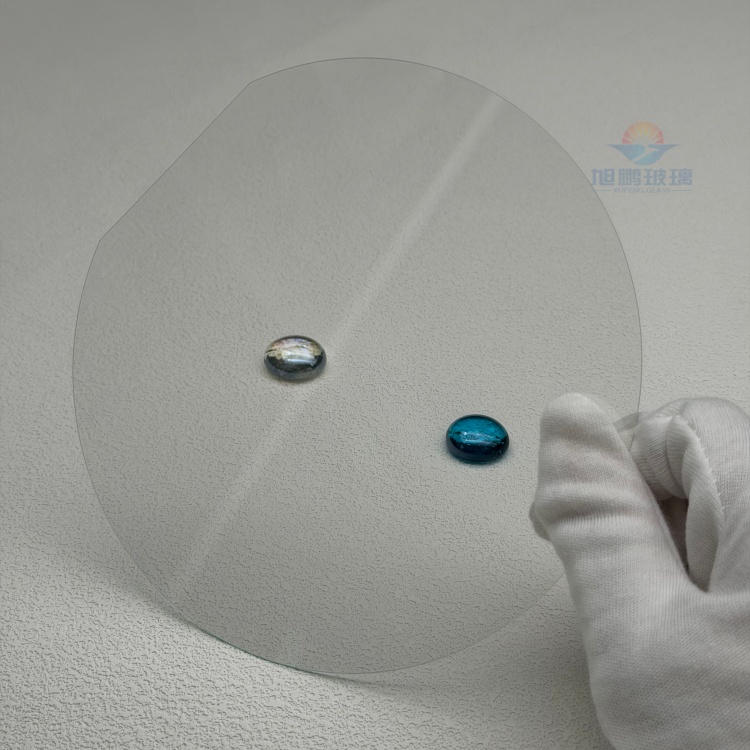
Ultra-thin Optical Glass Sheets Schott B270/D263T Semiconductor Electronic Glass Blank Cutting & Processing
Thin glass blank cutting and processing for sensor covers, electronic substrates and precision optical assemblies.
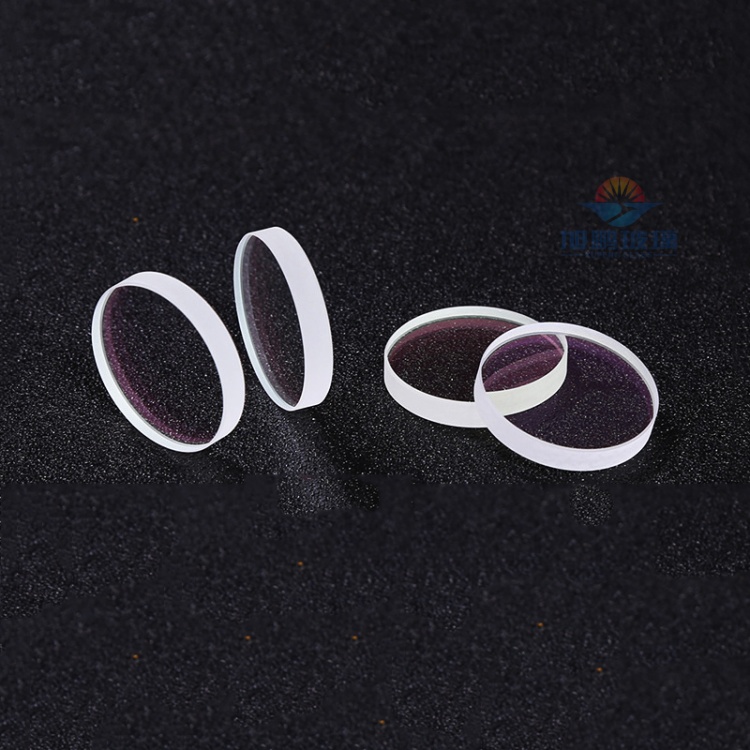
Ultra-clear Tempered Glass, Custom Processing Available: Drilling, Etching, AG Coating Silk Printing, AR Coating
A flexible cover-glass platform for HMI panels, outdoor kiosks and appliance control surfaces.

High Transmittance Sapphire Glass, Scratch Resistant & High Temperature Resistant Sapphire Glass Sheets
Sapphire windows for sensor protection, high-temperature viewports and scratch-critical instrument faces.
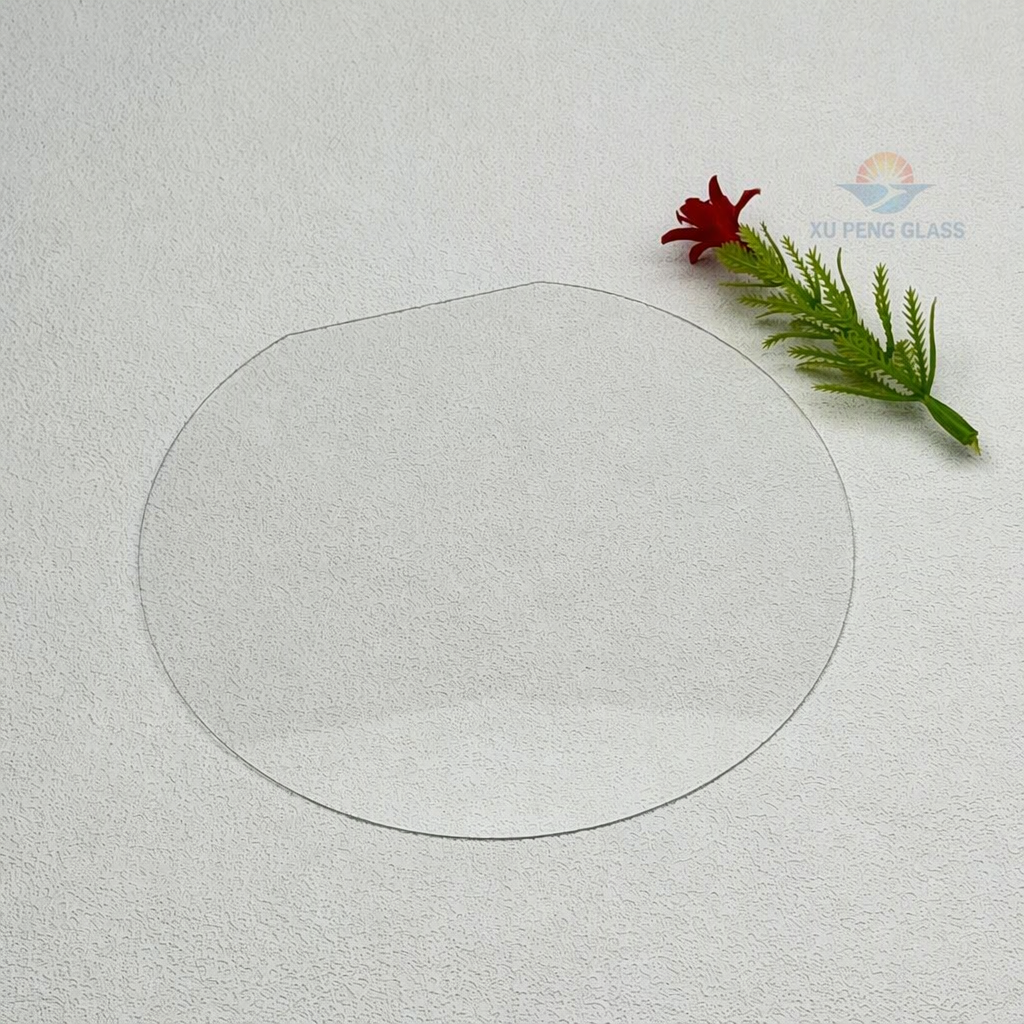
Ultra-thin High-precision Optical Glass Wafer, Corning / SCHOTT / Fused Silica
High-flatness optical wafer options for sensor packaging, optical instruments and thin-film process carriers.

CNC Carved Low Iron Glass Sheet, High-temperature Screen Printed Tempered Glass, Drilled Glass Panel
Tempered low-iron panels with CNC cut-outs, high-temperature printing and drilled mounting features.

Schott Ultra-thin Optical Glass Sheets, 0.1mm, 0.5mm, 0.7mm, 1.1mm, Raw Semiconductor Electronic Glass Substrates
Raw thin-glass substrates for electronics, optical filters and precision component development.

White Ceramic Glass-Ceramic, 4mm & 6mm, High Temperature Resistant Glass-Ceramic
White glass-ceramic panels for heat-resistant appliance covers, lighting and industrial view windows.
Houston Buyers Need More Than a Glass Reseller
Houston combines energy, advanced manufacturing, medical technology, aerospace supply chains, digital signage and high-value architecture. That mix produces fragmented glass requirements: an AR-coated display window for a control-room HMI, a tempered low-iron cover for an outdoor kiosk, a thin optical wafer for a sensor package, and a high-temperature ceramic glass-ceramic panel may all be sourced by the same procurement team.
The risk is not only unit price. Reflection, haze, transmission, flatness, edge quality, print durability, coating adhesion and export packing all affect installation yield and total cost. A supplier that cannot discuss these variables usually shifts engineering risk back to the buyer. Dongguan AUVE Glass Co., Ltd. fills that gap as a factory-direct deep-processing glass manufacturer integrating R&D, design, production and export in Songshan Lake, Dongguan.
Founded in 2018, AUVE processes flat and curved tempered glass, ultra-clear low-iron glass, laminated and painted glass, LCD and touch-screen cover glass, smart control panel glass, LED lighting glass, instrument glass, AR high-transmittance glass and AG anti-glare glass. The product portfolio also includes K9 optical glass, fused quartz, sapphire, borosilicate and Corning / SCHOTT substrates. For Houston OEM and wholesale buyers, the practical advantage is a single process route that covers cutting, CNC edging, drilling, tempering, silk-screen printing, AR/AG coating, inspection and export packing.
Houston Application Scenarios for AR, AG, Tempered and Optical Glass
The right glass specification depends on the viewing environment, mounting method, cleaning routine and failure risk. These six application windows are a practical starting point for Houston engineering and procurement teams.
Energy, SCADA & Control Rooms
Reflection on HMI covers can wash out alarms, trends and video walls. AR-coated low-iron glass improves contrast in control rooms; where sunlight or harsh lighting is present, an AG+AR combination can be evaluated. Specify transmission, reflected color, haze, gloss and edge treatment for the enclosure.
Aerospace & Advanced Manufacturing
Inspection windows, sensor covers and instrument viewports may require sapphire, quartz, Schott B270/D263T or Corning EXG substrates. Flatness, surface quality and edge condition are reviewed against drawing; packing must protect polished faces from contact damage.
Medical, Lab & UV Equipment
Diagnostic displays and laboratory instruments benefit from AR glass that reduces ghost reflections. Fused quartz supports high UV transmission for curing or disinfection equipment, while smooth surfaces simplify cleaning and inspection under controlled conditions.
Outdoor Signage, Kiosks & EV Charging
Houston sun, humidity and public exposure make glare and impact control important. Tempered AG+AR glass can diffuse reflections while maintaining readability; edge quality and edge sealing options should match the mounting design and cleaning chemicals used in service.
Electronics & Touch-Panel Assembly
Cover glass may combine low-iron glass, AR/AG coating, silk-screen windows, CNC holes and strengthening. Buyers can consolidate the glass cover, printed graphic and coating process into one drawing-driven supply route, reducing vendor mismatch and incoming inspection load.
Architectural, Retail & Museum Displays
AR low-iron glass reduces reflected haze in vitrines, showrooms and high-end retail displays. Tempered processing adds safety; custom edgework and holes align with hardware and framing, while anti-reflective surfaces preserve artifact and product visibility.
Why OEM Buyers Compare AUVE Glass for Houston Projects
Houston sourcing teams need evidence of process control, material range and export discipline — not just a product list. These are the capabilities buyers usually verify before a sample order and before scaling a repeat order.
Factory-Direct Since 2018
AUVE is a manufacturer and trading company in Dongguan, China. The supplier profile is supported by verifiable data such as onsite-checked status, credit index, transaction level, trade capacity, buyer ratings and trade history.
Integrated Process Control
Cutting, CNC shaping, drilling, tempering, silk-screen printing, AR/AG coating and quality inspection are coordinated under one production system. Fewer hand-offs reduce tolerance drift and lead-time uncertainty.
Material Breadth for OEM RFQs
Low-iron, tempered, K9, quartz, sapphire, borosilicate, ceramic glass-ceramic and SCHOTT / Corning optical substrates. This helps Houston buyers consolidate multiple glass SKUs with one qualified supplier.
Drawing-Driven Engineering
CAD, DXF or PDF drawings are reviewed for manufacturability, including thickness, tolerance, edge profile, holes, printing, coating and packing. Engineering feedback before tooling reduces expensive revisions.
Export Experience
Products are exported to the United States, Canada, Russia, South Korea, Japan and Australia. AUVE supports FOB, CFR, CIF, EXW, DDP, DDU, DAF and express delivery with fragile-goods packing.
Responsive Communication
Average response time is within 7 hours. For Houston projects, include target quantity, coating requirement and delivery date so the reply can cover material, process route, MOQ and logistics in one cycle.
Houston AR Glass Sourcing Trends Shaping RFQs
AR glass is moving from a simple “clear cover” purchase to a performance component with measurable optical, mechanical and logistics requirements. Houston buyers are adjusting RFQs accordingly.
Performance Specs Replace “Clear Glass”
Buyers now specify transmission, reflection, haze, gloss, flatness, coating side and environmental test requirements. This is especially important for energy and medical displays where reflection affects operator response.
Combined Functions in One Part
A single drawing may call for tempering, anti-reflective coating, anti-glare etching, silk-screen printing and CNC cut-outs. Integrated processing cuts vendor count and mismatch risk across assembly steps.
Thinner, Traceable Substrates
Schott B270/D263T, Corning EXG, fused silica and sapphire requests increasingly include thickness, flatness and lot traceability. Wafer-level handling and clean packing matter for thin-glass yields.
Logistics as a Quality Function
Glass can pass inspection yet fail because of poor packing. Houston buyers are asking for coating-side protection, interleaving, foam corners, wooden crates, batch labels and Incoterms that reduce port-to-door risk.
What to Put in a Houston AR Glass RFQ
A precise inquiry shortens engineering review and reduces quotation ambiguity. Include the following where available:
- Substrate and thickness: low-iron, tempered, Schott B270/D263T, Corning EXG, fused silica, sapphire, K9 or ceramic glass-ceramic.
- Optical target: AR, AG, AR+AG, transmission range, reflected color, haze and gloss expectation.
- Mechanical drawing: outline, holes, cut-outs, edge profile, bevel, groove, tolerance and flatness.
- Surface graphics: silk-screen color, window opening, IR ink, logo position and durability requirement.
- Commercial data: annual quantity, pilot quantity, target delivery date and preferred Incoterm.
- Packing and inspection requirements: coating-side protection, batch labels, AQL or visual criteria.
Illustrative Application Fit
Qualitative fit scores for prioritizing glass and coating options before a technical review. Final selection must be confirmed against exposure, cleaning chemicals and mounting design.
These scores are illustrative for RFQ prioritization and are not a material specification or warranty. AUVE reviews the final drawing, coating and packing requirements before quotation.
RFQ Specification Guide for Houston Projects
Use this short reference to align glass material, coating and processing choices with the Houston end-use environment. It is designed for sourcing and engineering conversations before samples are ordered.
| Requirement | Recommended Glass / Process | Why It Matters in Houston |
|---|---|---|
| High-contrast display window | Ultra-clear low-iron tempered glass + double-side AR | Reduces reflections in brightly lit control rooms, showrooms and medical imaging environments. |
| Sunlit kiosk / outdoor display | AG etched + AR coated + tempered glass | Balances glare diffusion, readability and impact resistance for public-facing terminals and EV charging screens. |
| High-temperature or chemical exposure | Sapphire, fused quartz or ceramic glass-ceramic | Material stability and cleanability are critical in industrial, laboratory and high-temperature view windows. |
| Thin sensor or semiconductor substrate | Schott B270/D263T, Corning EXG, fused silica wafer | Supports flatness, thickness control and polished surface requirements for precision assemblies. |
| Printed instrument panel | Silk-screen tempered low-iron glass | Durable graphics, windows and icons stay aligned with display, touch and enclosure features. |
| Urgent pilot or repair order | Express / DDP evaluation with protective packing | Protects schedule when a Houston line-down or pilot-build situation requires small-lot movement. |
Export-Ready Quality, Packing and Incoterms
AR coatings are functional surfaces. A supplier should control cleaning, handling, stacking and documentation before the glass leaves the factory. This is where factory-direct communication becomes a risk-management advantage.
AUVE’s factory profile reports 51–100 employees, a 1,001–2,000m² facility and an average response time within 7 hours. Production follows defined process standards and a documented quality management system, with batch traceability intended to connect raw sheet, processing and packed carton. For export, packaging is designed for fragile glass: interleaving film or paper, foam corner protection and fumigation-free wooden crates or reinforced cartons, with batch labels for incoming inspection.
Incoterms include FOB, CFR, CIF, EXW, DDP, DDU, DAF and express delivery. The company exports to the United States, Canada, Russia, South Korea, Japan, Australia and other markets. Houston buyers can request DDP or express evaluation for urgent pilots, while larger production orders can be quoted FOB or CIF with consolidated packing. Before repeat orders, review the supplier’s onsite-checked report, credit index, transaction level, trade capacity, buyer ratings and trade history.
Houston Buyer FAQ: Custom OEM AR Glass Exporter & Wholesaler
Direct answers to common questions from Houston procurement, engineering and product-development teams evaluating an overseas glass manufacturing partner.
Are you an AR glass exporter or wholesaler serving Houston?
Yes. Dongguan AUVE Glass Co., Ltd. is a factory-direct deep-processing glass manufacturer supplying OEM AR glass and wholesale quantities to Houston and other U.S. markets. We support sample, pilot and production orders; final MOQ depends on material, size, coating and process route.
Can you produce AR glass to Houston OEM drawings?
Yes. Send a CAD, DXF or PDF drawing with size, thickness, tolerance, edge profile, holes, printing, coating and target quantity. Our engineers review manufacturability before production, covering cutting, CNC edging, drilling, tempering, silk-screen printing and AR/AG coating.
What is the typical minimum order quantity for AR glass?
MOQ depends on material and process. Many coated and optical glass parts start from 10 to 50 pieces, while standard ultra-clear tempered parts often start from 100 to 500 pieces. Pilot quantities for new Houston projects can be discussed before mass production.
What coatings and processes can be combined on one glass part?
Depending on the drawing, AUVE can combine AR coating, AG etching, tempering, low-iron glass, CNC cutting, edging, drilling, silk-screen printing and material selection such as K9, quartz, sapphire, Schott B270/D263T, Corning EXG or ceramic glass-ceramic.
Can you recommend glass for Houston sun, humidity and cleaning exposure?
For outdoor or bright environments, we evaluate AR, AG, tempered glass and edge/coating protection together. Final selection depends on direct sun, mounting design, cleaning chemicals and expected service life. Share the end-use conditions in your RFQ so the process route can be reviewed accurately.
How do you ship to Houston and protect the glass during export?
We support FOB, CFR, CIF, EXW, DDP, DDU, DAF and express delivery. Export packing is designed for fragile glass with interleaving film or paper, foam corner protection and fumigation-free wooden crates or reinforced cartons. Coating-side protection and batch labeling can be reviewed as part of the quotation.
Send Your Drawing, Get a Factory-Direct Engineering Review
Share glass type, size, thickness, tolerance, coating, printing, quantity and target delivery date. The team reviews material and process route and usually replies within 7 hours. Email info@auveglass.com or contact us via the button.