8 OEM Crystal Glass Panel Lines Ready for Caloocan Buyers
These production-ready glass families cover the specifications Caloocan importers and OEM buyers ask for most often: heat-resistant window glass, anti-reflective display glass, low-iron tempered panels, ceramic glass, CNC-machined glass, sapphire windows, semiconductor substrates and ultra-thin optical glass. Every item can be adapted for size, thickness, tolerance, edge profile, holes, printing and coating.
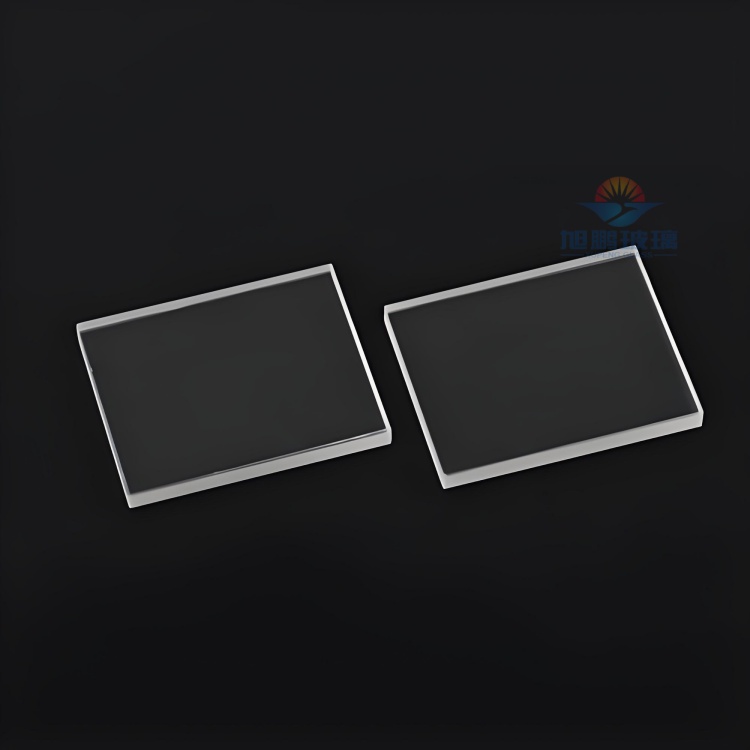
Tempered Glass Customized High Temperature Resistant, High Transparency and High Borosilicate Mirror Window Glass
A strong shortlist item for Caloocan appliance assemblers, food-equipment fabricators and industrial repair shops that need clear view windows with thermal shock resistance and a premium finish.
View technical detail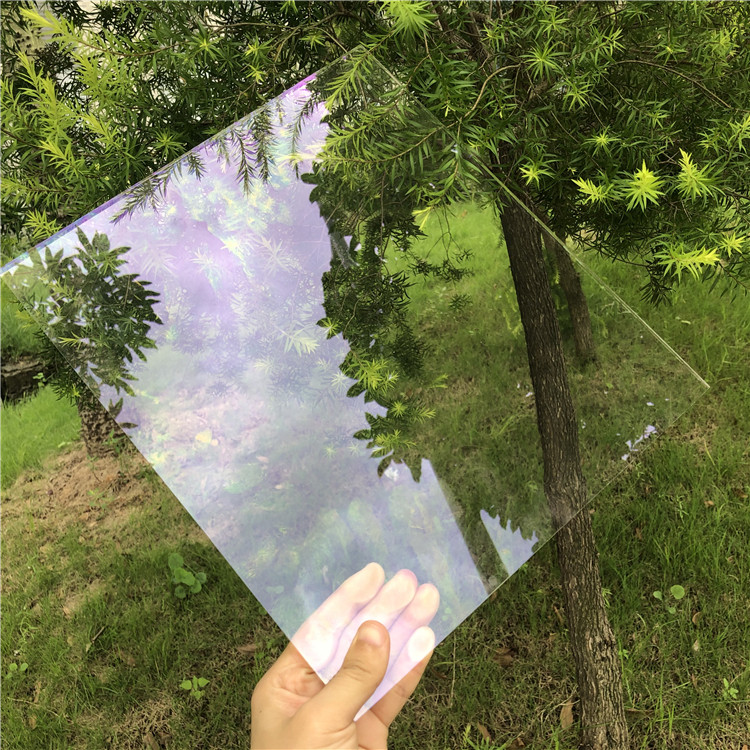
High-transmittance Anti-Reflection (AR) Coated Optical Glass
Recommended for display windows, touch modules, kiosk glass, cameras and instrument covers where reflections reduce contrast in bright retail, BPO or outdoor service environments.
View technical detail
Wafer Glass Thickness Circuit Board Chip Solar Silicon Ingot Substrate
Used by prototyping labs, electronics repair groups and solar R&D teams that need controlled thickness, flatness and edge quality for carrier or test substrates.
View technical detail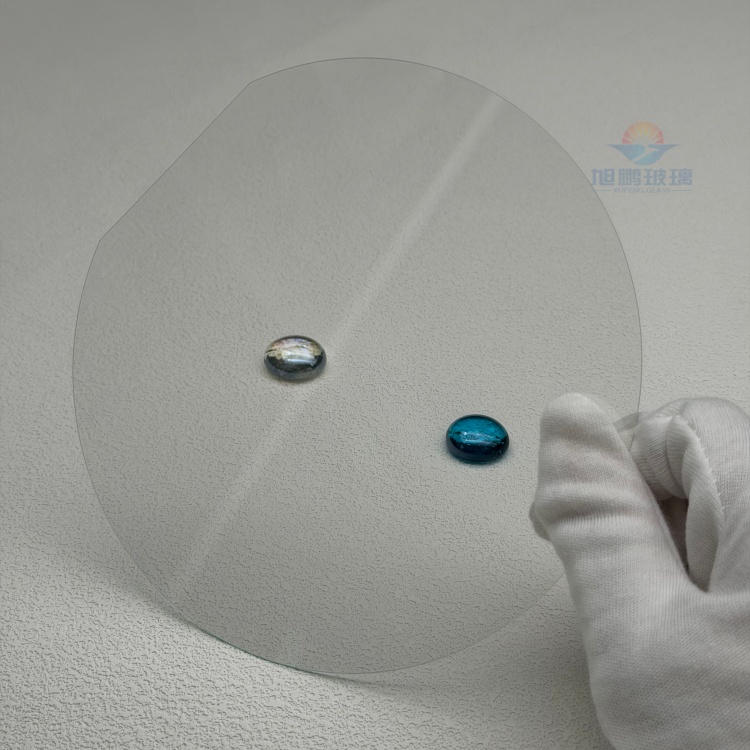
Ultra-thin Optical Glass Sheets Schott B270/D263T Semiconductor Electronic Glass Blank Cutting & Processing
A precise option for thin optical blanks, display substrates and semiconductor-adjacent processing where thickness control, surface quality and clean cutting are critical.
View technical detail
White Ceramic Glass-Ceramic, 4mm & 6mm, High Temperature Resistant Glass-Ceramic
Well suited to induction cookers, high-temperature control panels, industrial lighting and appliance faces that require an opaque, heat-resistant surface.
View technical detail
CNC Carved Low Iron Glass Sheet, High-temperature Screen Printed Tempered Glass, Drilled Glass Panel
A practical choice for Caloocan signage, HMI covers, smart control panels and decorative fit-out projects where low green tint, precise holes and durable printing matter.
View technical detail
High Transmittance Sapphire Glass, Scratch Resistant & High Temperature Resistant Sapphire Glass Sheets
For sensor windows, premium wear parts, high-temperature sight glass and applications where scratch resistance and optical transmission justify a higher material grade.
View technical detail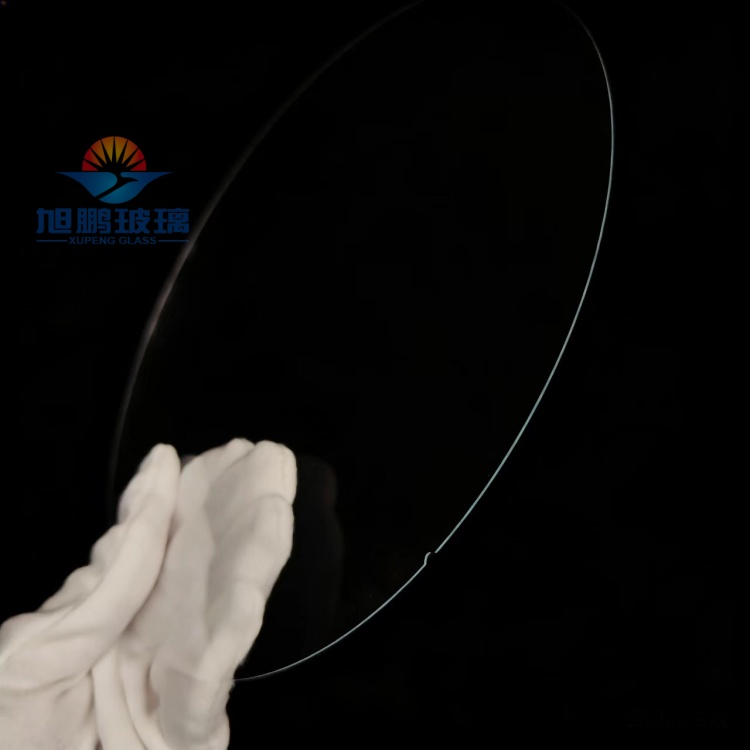
Corning EXG Glass Wafer, Double-Sided Polished Custom Fabrication for Semiconductor Glass Wafers
An alkali-free glass wafer option for semiconductor, MEMS and display-substrate projects requiring low thermal expansion and double-sided polishing.
View technical detailAn Export-Oriented Glass Panel Supplier Matches Caloocan’s B2B Buying Reality
Caloocan buyers rarely purchase a single generic sheet. They assemble mixed orders for electronics service centers, appliance brands, signage fabricators, lighting installers, food-equipment builders and industrial maintenance teams. The supplier that wins repeat business is the one that can review a drawing, protect fragile glass in transit and keep specifications repeatable from sample to mass production.
Drawing Review Before PO
Send a CAD, DXF, PDF or dimensioned sketch. The manufacturing route is reviewed for cutting, CNC edging, drilling, tempering, silk-screen printing and AR/AG coating before production begins.
Flexible MOQ Planning
Many coated and optical parts can start from 10 to 50 pieces, while standard ultra-clear tempered parts often begin around 100 to 500 pieces. Pilot quantities can be discussed for new Caloocan projects.
Fragile-Goods Export Packing
Protective film, interleaving paper, foam corner protection and strong crates or reinforced cartons are planned around sea, air, express or consolidated shipment to Metro Manila.
Checkable Supplier Data
Review onsite verification, credit index, transaction level, trade capacity, trade history and buyer feedback. These are practical trust signals before a first sample order or a repeat wholesale order.
Crystal Glass Panel Selection Matrix for Caloocan OEM and Wholesale Buyers
A “crystal glass panel” is not a single material. In procurement, the term usually points to a low-iron, ultra-clear or optical-grade glass component that must match an assembly, a display, a heat source or a public-facing surface. Use the matrix below to align the glass family with the real application before requesting a quotation.
| Glass panel family | Useful property | Caloocan-local application fit | Procurement note |
|---|---|---|---|
| High-borosilicate tempered glass | Thermal shock resistance, high transparency, mirror-window finishing | Appliance view windows, food-equipment doors, industrial heat shields, specialty display covers | Confirm operating temperature, edge finish and whether a mirror coating or safety film is required. |
| AR-coated optical glass | Low surface reflection and higher display contrast | Touch modules, kiosk covers, BPO display windows, cameras, instrument windows | Specify single-side or double-side AR, transmission target and cleaning method. |
| Silicon wafer glass substrate | Controlled thickness and flatness for carrier or test use | Electronics prototyping, sensor carriers, solar R&D, circuit-board development | Provide thickness tolerance, flatness expectation and edge profile before sampling. |
| Schott B270 / D263T ultra-thin glass | Thin, homogeneous optical blank with clean cutting | Precision optical assemblies, thin display covers, semiconductor-adjacent blanks | Review handling, packing and minimum sheet size because thin glass is sensitive to edge damage. |
| White ceramic glass-ceramic | Opaque, high-temperature resistance, stable appearance | Induction cookers, appliance control faces, industrial lighting and heat-zone covers | Check 4mm versus 6mm requirement, thermal load, printing and cut-outs. |
| CNC-carved low-iron tempered glass | Low green tint, drilling, carving, screen printing, tempering | Signage, smart control panels, HMI covers, drilled decorative glass, retail fixtures | Share the full cut-out and printing artwork so the tooling and tolerance route can be reviewed. |
| Sapphire glass | High hardness, scratch resistance, high-temperature capability | Sensor windows, premium device covers, high-wear windows, high-temperature sight glass | Expect a higher material cost. Use sapphire only where scratch or heat performance justifies it. |
| Corning EXG alkali-free glass wafer | Low CTE and double-sided polishing for semiconductor work | MEMS, semiconductor test wafers, display substrates, precision electronics R&D | Define wafer size, thickness, polishing, flatness and clean-pack requirements. |
Typical properties are a starting point for technical shortlisting, not a final specification. Mass production should be confirmed against your drawing, assembly method and agreed inspection standard.
Where Custom Crystal Glass Panels Fit in Caloocan and Metro Manila Supply Chains
Caloocan sits inside the CAMANAVA industrial and logistics belt, with practical access to Valenzuela, Navotas, Malabon, Quezon City and the Port of Manila. That location creates demand for glass components that can move from a container or air shipment into a warehouse, fabrication shop, service center or retail fit-out without excessive handling risk.
Display, Kiosk and BPO Covers
AR-coated and AG-ready glass panels improve readability for self-service kiosks, reception displays, BPO training rooms, retail counters and public information screens exposed to high ambient light.
Appliance and Control Panels
Low-iron tempered and silk-screen printed glass are used for appliance faces, switch covers, smart controls and indicator windows where the brand needs a clean, durable surface.
Signage, Light Boxes and Fit-outs
CNC-carved low-iron glass, ultra-white glass and printed tempered panels support advertising light boxes, shop fronts, architectural accents and premium interior fabrication.
Food and Beverage Equipment
Borosilicate tempered glass and ceramic glass-ceramic are appropriate for oven windows, warmer displays, food-service equipment and heat-zone covers that must withstand cleaning cycles.
Electronics Repair and Optical Instruments
Repair groups, calibration services and instrumentation suppliers can source AR optical glass, sapphire windows, K9-type optical materials and precision glass blanks for small replenishment orders.
Semiconductor and Electronic Prototyping
Corning EXG wafers, silicon wafer glass substrates and Schott B270/D263T blanks support prototyping teams, MEMS development and electronic testing in Metro Manila’s growing engineering ecosystem.
How Caloocan Glass Panel Procurement Is Changing
Price remains important, but experienced Caloocan buyers are now asking for more than a low quotation. They want documentation, repeatable quality, mixed-order flexibility and a supplier who understands how fragile glass behaves between the factory and a local warehouse.
Mixed SKU Consolidation
Instead of importing one size at a time, buyers combine display glass, control panels, signage pieces and spare parts into a single shipment. Clear labeling and carton-level identification reduce receiving errors.
Specification-Led Sourcing
Purchase orders increasingly include drawings, tolerance tables and inspection expectations. This reduces disputes and helps local engineers compare suppliers on the same technical basis.
Anti-Reflection Demand
AR-coated glass is moving from premium kiosks into ordinary display fixtures and instrument covers because clearer readability is a competitive advantage in bright service and retail environments.
Heat-Resistant Materials
Food equipment, small appliance assembly and industrial maintenance teams are specifying borosilicate and ceramic glass-ceramic more often to reduce failures caused by thermal shock.
Smaller Pilot Batches
New product teams prefer a small first article or pilot batch before committing to a large order. A supplier that can discuss sample quantities and process changes early is easier to integrate into development.
Export Packing and Traceability
Buyers in Caloocan now ask for batch labels, packing lists and protective packaging that can survive transfer between Manila ports, CAMANAVA warehouses and local fabrication sites.



Dongguan AUVE Glass Co., Ltd. — Factory-Direct OEM Glass Panel Experience
Dongguan AUVE Glass Co., Ltd. is a deep-processing glass manufacturer integrating R&D, design, production and export in Songshan Lake, Dongguan, China. Established in 2018, the company serves OEMs, brand owners, distributors and engineering teams that need glass parts made to drawing rather than generic stock sizes.
The production scope covers flat and curved tempered glass, ultra-clear low-iron glass, laminated and painted glass, LCD and touch-screen cover glass, smart control panel glass, LED lighting glass, instrument glass, AR high-transmittance glass, AG anti-glare glass, K9 optical glass, quartz glass, sapphire glass, borosilicate glass and Corning EXG alkali-free glass. Guided by the philosophy of “focusing on high-end glass, pioneering and innovating,” the team keeps investing in skilled engineers and advanced processing equipment to support complete glass solutions for overseas buyers.
For Caloocan buyers, the practical advantage is not simply a product list. It is the ability to consolidate multiple glass technologies under one supplier, review manufacturability before the PO, protect fragile parts during export, and maintain traceability from raw sheet to finished carton. The company reports 51–100 skilled employees, a 1,001–2,000 m² facility range, an average technical response target within 7 hours, and export experience across the United States, Canada, Russia, South Korea, Japan, Australia and other markets.
- Business type
- Manufacturer & trading
- Location
- Dongguan, Guangdong, China
- Primary export strength
- OEM glass made to drawing
- Typical buyer fit
- OEMs, fabricators, wholesalers
Send the Drawing
Share CAD, DXF, PDF or a dimensioned sketch with thickness, tolerance, edge, hole, printing and coating requirements.
Engineering Review
The process route is checked against manufacturability, handling risk and the inspection method needed for your application.
Sample or First Article
Sample and pilot quantities can be discussed so Caloocan buyers can validate fit, finish and packaging before mass production.
Production and Export Packing
Batch production, final checks and fragile-goods packing are planned for sea, air, express or consolidated delivery.
Frequently Asked Questions from Caloocan Glass Buyers
These are the questions OEM buyers, fabricators, importers and wholesale distributors commonly ask before placing a first order for custom crystal glass panels.
What is the usual MOQ for custom crystal glass panels shipped to Caloocan?
MOQ depends on material and process. Many coated and optical glass parts can start from 10 to 50 pieces, while standard ultra-clear tempered parts often begin around 100 to 500 pieces. Sample and pilot quantities can be discussed for new projects, especially when the buyer needs to validate a display module, control panel or heat-resistant window before committing to a full production run.
Can you manufacture from my CAD, DXF or PDF drawing?
Yes. Send a CAD, DXF or PDF drawing with thickness, tolerance, edge, hole, printing and coating requirements. The engineering team reviews manufacturability before production, covering CNC cutting, edging, drilling, tempering, silk-screen printing and AR/AG coating. If a feature risks breakage or handling issues, a practical alternative can be discussed before the tooling or production stage begins.
Which glass type should I choose for an electronics or signage project in Caloocan?
For display readability, start with AR-coated optical glass. For signage, control panels and decorative covers, low-iron tempered glass with CNC cutting and silk-screen printing is often suitable. For heat, consider borosilicate tempered glass or ceramic glass-ceramic. For scratch-critical sensor windows, evaluate sapphire glass. For semiconductor or low-CTE substrate work, evaluate Corning EXG or ultra-thin optical glass blanks.
How do you control quality and traceability for fragile glass orders?
Production follows defined process standards and a documented quality management system so each batch can be traced from raw sheet to packed carton. Inspection can cover dimensions, appearance, holes, printing, coating and packing. Batch labels, packing lists and protective packaging help Caloocan buyers receive, store and release glass parts without mixing specifications between SKUs.
Which Incoterms and shipping methods are supported for the Philippines?
The supplier supports FOB, CFR, CIF, EXW, DDP, DDU, DAF and express delivery, with export packing designed for fragile glass parts. Caloocan buyers can ship via sea freight to Manila or Navotas, air freight, or express for small samples. Buyers may also use their own forwarder and consolidate the glass with other purchases from China before trucking to a CAMANAVA warehouse.
How quickly can I receive a quotation or catalog for Caloocan delivery?
The average technical response target is within 7 hours. For a faster review, include your drawing, glass type, thickness, quantity, edge and hole requirements, printing or coating details, destination port and preferred Incoterm. If you are still at an early specification stage, request the catalog and share the application so the team can recommend a practical material and process route.
Request a Caloocan-Ready Quotation and Product Catalog
Send your dimensions, target material, thickness, tolerance, finishing and expected order quantity. The engineering team can review the drawing, confirm a practical process route and recommend the most suitable glass panel family for your Caloocan assembly, wholesale or fit-out project. For faster quotation, include your preferred Incoterm, destination port or warehouse area, and whether a sample or first article is required before production.
Typical response target ≤ 7 hours · OEM drawing review · AR/AG coating · tempered and low-iron glass · optical and semiconductor glass materials · export packing for fragile goods.