Eight OEM Glass Products for Edmonton Sourcing Teams
These are production-ready product families from Dongguan AUVE Glass Co., Ltd. Each part can be adapted in size, thickness, edge profile, holes, etching depth, printing, tempering and AR/AG coating to fit your drawing and assembly.
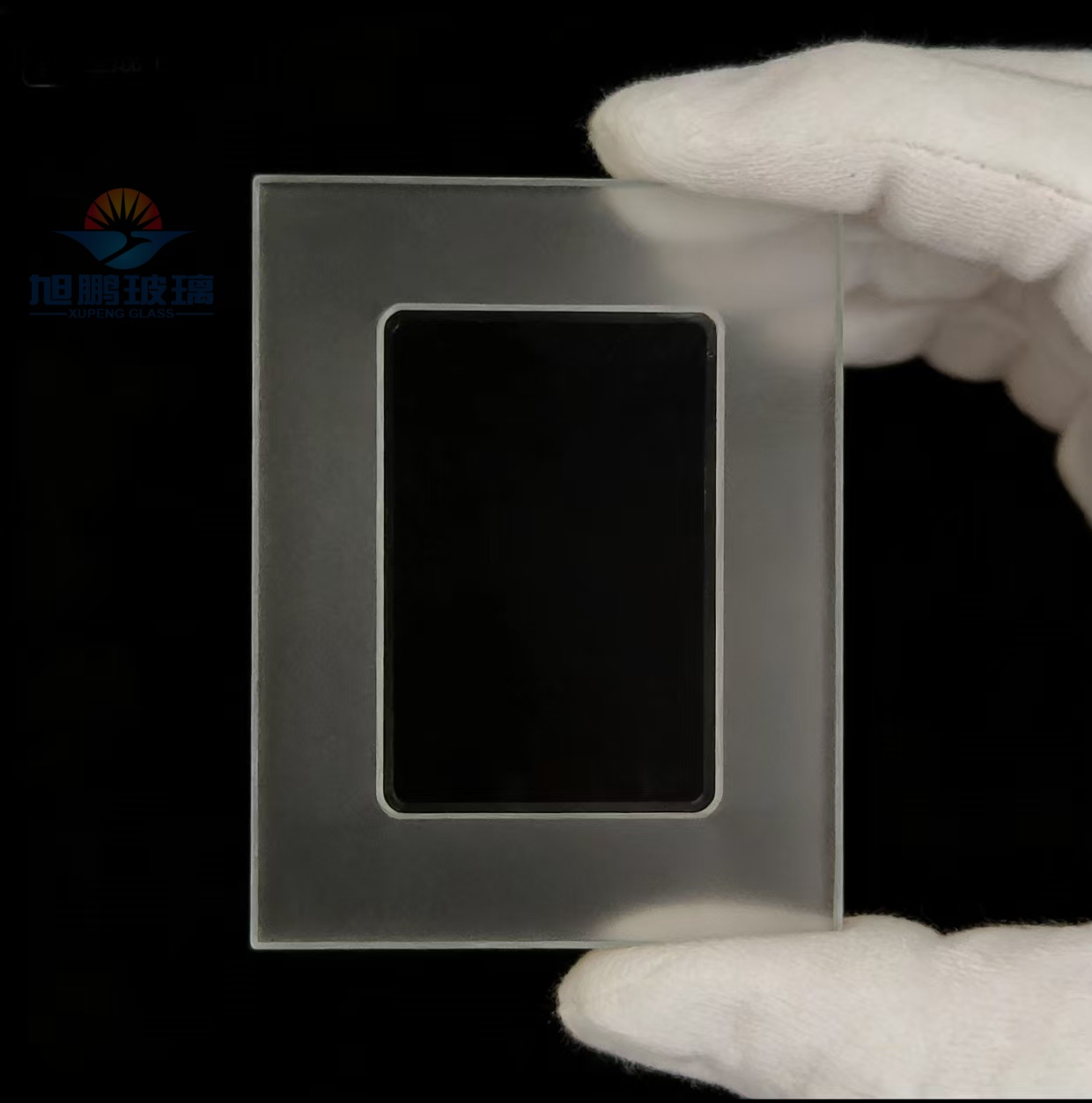
Custom Ultra-White Clear Tempered Glass Socket Decorative Cover for Stairways
For stairway lighting, switch plates and interior architectural details. Etching can add icon windows, matte zones, brand marks and anti-fingerprint surfaces.
- Tempered
- Ultra-white
- Etched icons
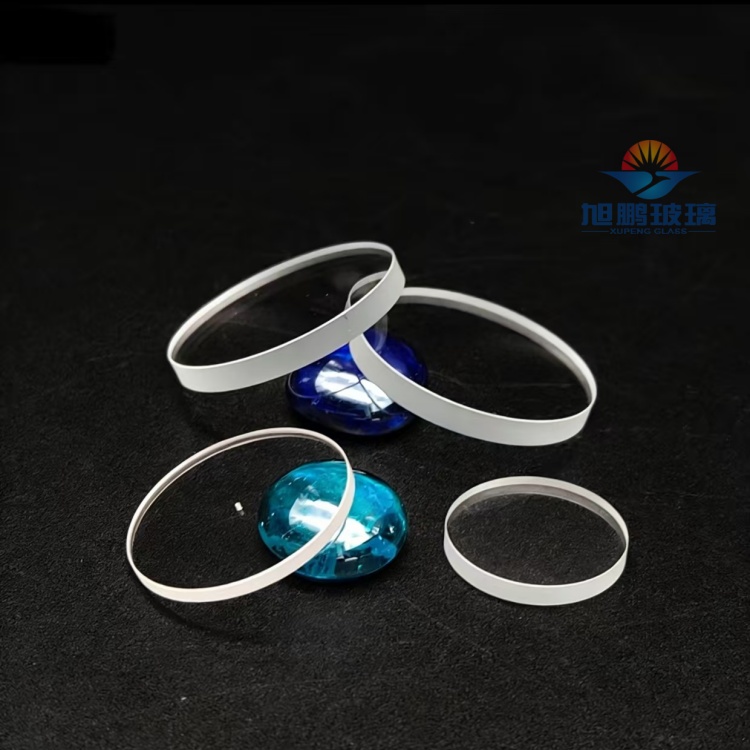
Sapphire Glass Step Window Wafers, High Temperature Resistant & High Light Transmittance Optical Sapphire Lenses
For sensors, viewports and rugged instrumentation where scratch resistance, high temperature stability and optical clarity matter.
- Sapphire
- High temp
- Optical

White Ceramic Glass-Ceramic, 4mm & 6mm, High Temperature Resistant Glass-Ceramic
For appliance panels, heat-exposed industrial windows and control surfaces. Etching creates matte graphics, alignment windows and durable visual zones.
- 4mm/6mm
- Glass-ceramic
- High temp

High Transmittance Sapphire Glass, Scratch Resistant & High Temperature Resistant Sapphire Glass Sheets
Ideal for sensor covers, wear-critical view windows and premium display protection. Mohs hardness 9 supports long service in abrasive environments.
- Hardness 9
- AR-ready
- Sapphire

CNC Carved Low Iron Glass Sheet, High-temperature Screen Printed Tempered Glass, Drilled Glass Panel
One production route for CNC carving, etching, drilling, silk-screen printing and tempering — useful for HMIs, appliance panels and architectural signage.
- CNC
- Low iron
- Silk-screen
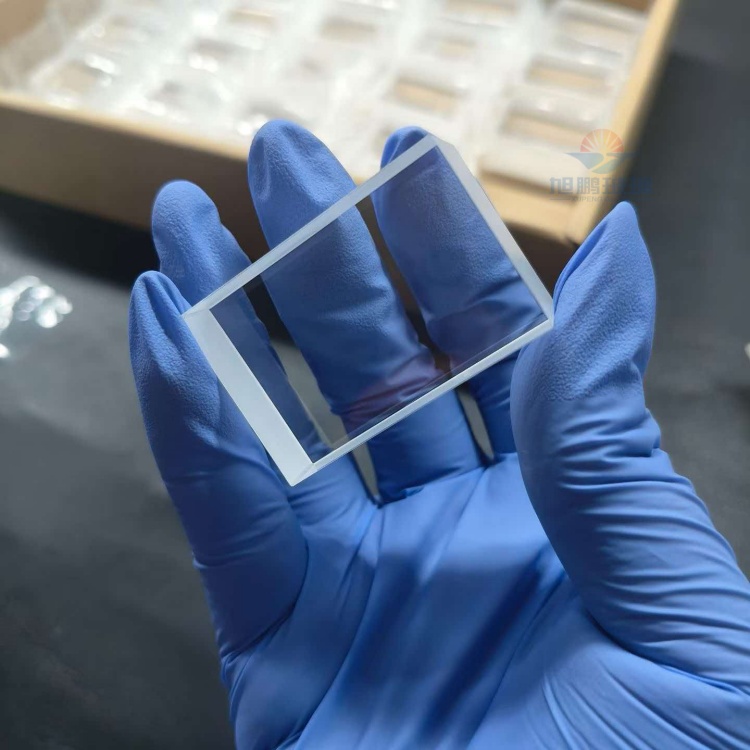
High UV Transmission Thick Gauge Thick Quartz Glass Plate
For UV curing, disinfection, analytical equipment and high-temperature viewports. Custom cutting, polishing, drilling and edge finishing are available.
- UV
- Quartz
- Thick gauge

High-transmittance Anti-Reflection Coated Glass
AR-coated glass for HMI displays, instruments and kiosks. Combine with etching for anti-glare zones, icon windows, logos and low-reflection display stacks.
- AR coating
- Low reflection
- Display

Corning EXG Glass Wafer Double-Sided Polished for Custom Semiconductor Glass Wafers & Solar Panels
Alkali-free EXG wafers for semiconductor, MEMS, solar and research projects. Double-side polishing and wafer dicing support tight downstream processes.
- EXG
- Wafer
- Double-side polish
Why Edmonton Buyers Shortlist AUVE Glass
Edmonton engineering and procurement teams need more than a low unit price. They need drawing review, stable process control, export-safe packing and verified supplier data they can check before a pilot order.
Factory-direct deep processing
R&D, design, production and export are integrated under one roof in Dongguan. CNC cutting, edging, drilling, tempering, silk-screen printing and AR/AG coating are controlled in-house, which shortens communication loops for Edmonton OEMs.
Drawing-led engineering review
Send CAD, DXF or PDF drawings with thickness, tolerance, edge, hole, printing and coating requirements. Engineers review manufacturability before production, helping Edmonton buyers avoid late-stage etching depth, edge-chip or coating-adhesion surprises.
Multiple etching and finishing routes
Chemical etching, CNC carving, sandblasting, laser etching, silk-screen printing, AR coating and AG surface treatment can be combined. This gives designers freedom to create frosted zones, icon windows, anti-glare areas and premium tactile surfaces.
Broad material portfolio
Ultra-clear low-iron tempered glass, glass-ceramic, K9 optical glass, fused quartz, sapphire, Corning EXG wafers and functional coated glass are available. That breadth supports industrial, architectural, electronic and optical projects from one qualified supplier.
Traceable quality and verified credentials
Production follows defined process standards and a documented quality management system. Buyers can review onsite-checked supplier status, credit index, transaction level, trade capacity, ratings and trade history before placing a bulk order.
Export-ready logistics to Canada
Fragile-goods packing, batch labeling and export documentation support FOB, CFR, CIF, EXW, DDP, DDU, DAF and express delivery. AUVE already exports to Canada, the USA, Russia, South Korea, Japan, Australia and other markets.
Localized Applications for Etched OEM Glass in Edmonton
Edmonton’s energy, engineering, advanced manufacturing, architecture, research and logistics clusters create practical demand for durable glass components. The right etching route depends on the installation environment, not only the drawing.
Oil, gas and energy instrumentation
Instrument windows, HMI covers, sensor viewports and control-panel glass around Edmonton’s energy corridor must tolerate temperature swings, cleaning agents and field vibration. Etched matte zones can reduce glare while preserving display legibility.
Architecture, signage and interior detail
For projects in downtown Edmonton, Whyte Avenue, the ICE District and surrounding commercial developments, frosted glass, etched logos and partition graphics combine privacy with a premium finish. Custom etching supports wayfinding, stairway panels and decorative socket covers.
Smart control panels and electronics
Edmonton electronics and industrial-control teams source etched and screen-printed glass for appliance controls, kiosks, access panels and display covers. Low-iron glass, AR coating and fine silk-screen printing improve clarity and brand presentation.
LED lighting and cold-climate fixtures
High-clarity tempered glass and etched diffuser zones suit LED lamp glass, light boxes and architectural lighting. For Edmonton’s long winter and low-angle sunlight, anti-glare etching can improve visual comfort and product consistency.
Research, healthcare and education
University, laboratory and healthcare projects in Edmonton may require quartz, sapphire, K9 or EXG substrates with precise edges and optical clarity. Etching can mark alignment zones without adhesive labels that peel in cleaning cycles.
Agriculture, transport and industrial equipment
Controls, sensor covers and inspection windows used across Western Canada can combine tempered glass with etched anti-glare areas. Robust edge finishing and safe packing matter when parts move through Edmonton warehouses and distribution centres.
Edmonton Glass Sourcing Trends Shaping OEM Decisions
This is a directional planning view based on typical North American OEM inquiries, not a statistically sampled Edmonton market forecast. It helps buyers prepare better RFQs and compare suppliers on the right criteria.
What is changing for Edmonton buyers
Edmonton’s supply chains are increasingly connected to energy transition projects, advanced manufacturing, agri-food technology, research instrumentation and cold-climate infrastructure. That shifts glass requirements away from generic flat glass toward engineered parts with controlled surface texture, optical performance and documented process routes.
Buyers are also consolidating vendors. A single supplier that can offer tempered glass, silk-screen printing, AR coating, etching and optical materials reduces inspection workload and improves batch consistency. For installation teams working in Alberta, edge quality, thermal tempering and coating durability can matter as much as visible appearance.
For outdoor or unheated spaces, specify whether the etched surface faces inward or outward, how the part will be cleaned and whether expansion gaps are included in the assembly. These details reduce field failures caused by point loads, incompatible sealants or thermal stress.
Material and Etching Selection Matrix
Use this matrix to prepare a more precise inquiry. Final specifications are confirmed against your drawing, installation method and agreed inspection standard before mass production.
| Material / finish | Best-fit OEM etching use | Edmonton application note | Next step |
|---|---|---|---|
| Ultra-clear low-iron tempered glass | Etched icons, frosted zones, logos, control-panel windows | High clarity for architectural and appliance panels; specify tempering and edge quality for cold-climate handling | Send thickness, size, etching pattern and quantity |
| AR-coated glass | Low-reflection display windows, HMI covers, instrument glass | Combine AR with anti-glare etching only where the optical stack allows; confirm coating side and cleaning method | Share reflectance target and display module details |
| AG etched glass | Anti-glare surfaces for outdoor LCDs, kiosks and industrial controls | Useful for Edmonton sites with low winter sun and bright reflective interiors; specify haze and gloss | Provide gloss/haze target and viewing angle |
| Glass-ceramic | Heat-resistant appliance panels and industrial windows | Use where thermal exposure is higher than ordinary tempered glass; etching can create matte graphics | Confirm temperature profile and panel size |
| Sapphire glass | Scratch-resistant windows, sensor covers, high-temperature viewports | Suits abrasive or high-value industrial use; polishing and edge finish matter for sealing | Provide orientation, thickness and tolerance |
| Fused quartz | UV-transmission windows, analytical equipment, high-temp viewports | Review UV wavelength and thermal shock conditions before selecting thickness | Share UV transmission requirement |
| Corning EXG alkali-free wafer | Semiconductor, MEMS, solar and research substrates | Specify flatness, polishing side and dicing method for downstream Edmonton research or manufacturing | Send wafer diameter, thickness and flatness |
Typical technology data are for material selection only. Production drawings, tolerances and inspection criteria control final acceptance.
From Edmonton Drawing to Factory-Direct Glass Part
A structured process reduces back-and-forth and makes quotation comparison easier. The same workflow supports prototypes, pilot builds and repeat production orders.
Drawing and feasibility
Submit CAD, DXF, PDF or a marked photo with dimensions. The engineering team checks cut-outs, hole spacing, etching zones, coating side and handling risks.
Material and process route
Confirm substrate, thickness, tempering, etching method, printing, coating and edge profile. The quotation should state MOQ, lead time and inspection points.
Production and quality control
CNC cutting, edging, drilling, tempering, silk-screen, etching and coating are sequenced under process control, followed by dimensional, visual and optical checks.
Export packing and delivery
Protective film, interleaving material, foam corners and reinforced crates or cartons support fragile export. Shipping can be arranged by sea, air or express to Edmonton.
Factory-Direct Glass Expertise Behind the Edmonton Supply Offer
Dongguan AUVE Glass Co., Ltd. is a deep-processing glass manufacturer integrating R&D, design, production and export. The company is not a local Edmonton storefront; it serves Edmonton buyers through factory-direct export, engineering support and coordinated logistics.



Deep processing under one roof
The company processes flat and curved tempered glass, ultra-white glass, laminated and painted glass, LCD and touch-screen glass, smart control panel glass, LED lamp glass, instrument glass, AR high-transmittance glass and AG anti-glare glass. For Edmonton OEMs, this means fewer hand-offs between material suppliers and finishers.
Guided by its philosophy of “focusing on high-end glass, pioneering and innovating,” AUVE keeps investing in engineers and equipment to support OEMs, brand owners and distributors. Production follows defined process standards and a documented quality management system for traceability from raw sheet to packed carton.
Edmonton buyers can verify supplier data before ordering, including onsite-checked status, credit index, transaction level, trade capacity, ratings and reviews, and trade history. For technical questions, the average response time is within 7 hours. Email info@auveglass.com with drawings and target quantities.
Common Questions from Edmonton Glass Buyers
These answers reflect the practical questions procurement, engineering and installation teams ask when sourcing custom etched glass from an overseas factory-direct supplier.
Do you have a glass etching factory or office in Edmonton?
We do not operate a local storefront or factory in Edmonton. Dongguan AUVE Glass Co., Ltd. is a factory-direct manufacturer in Dongguan, China, serving Edmonton and Western Canada through export. This model can still be practical for OEM buyers because engineering, tooling, production and export packing are handled by one supplier, with shipping coordinated to Edmonton by air, sea or express.
How long does production and shipping take for Edmonton orders?
Technical inquiry response is typically within 7 hours. Sample lead time is commonly 7–15 days after drawing confirmation, depending on material and coating. Mass production is often 18–35 days, and transit time to Edmonton depends on air, express or sea freight. The quotation should confirm Incoterm, packing method and estimated delivery window.
Can you etch glass to my own drawing?
Yes. Send a CAD, DXF or PDF drawing with outer dimensions, thickness, tolerance, edge profile, holes, cut-outs, etching pattern, printing colors, coating side and quantity. If you only have a sketch or sample photo, provide key dimensions and installation constraints so the engineering team can review manufacturability before quotation.
Will etched glass survive Edmonton winter conditions?
The right specification can be suitable for cold-climate use, but installation design matters. Tempered or laminated glass, good edge quality, correct sealant compatibility and expansion clearance help reduce thermal stress. For exterior or unheated applications, tell the supplier the expected temperature range, mounting method and cleaning chemicals so the material and coating route can be reviewed.
What is the minimum order quantity for custom glass etching?
MOQ depends on material and process. Many coated and optical glass parts start from 10–50 pieces, while standard ultra-clear tempered parts often start from 100–500 pieces. Sample and pilot quantities can be discussed for new Edmonton projects, especially when a drawing requires process validation before mass production.
Which Incoterms and shipping methods do you support to Edmonton?
AUVE supports FOB, CFR, CIF, EXW, DDP, DDU, DAF and express delivery. Packaging is designed for fragile glass parts, with protective film, interleaving material, foam protection and reinforced cartons or wooden crates where appropriate. DDP can simplify landed-cost planning for some buyers, while FOB or EXW may suit teams with an existing freight forwarder.
Start Your Edmonton OEM Glass Etching RFQ
Send your drawing, target quantity and installation environment. Include etch depth or haze, coating side, edge profile, hole tolerance and cleaning method so the engineering team can recommend a material and process route instead of quoting from appearance alone.
Factory-direct support from Dongguan AUVE Glass Co., Ltd. — serving Edmonton, Alberta and Western Canada with tempered, ultra-clear, AR/AG coated, printed and optical glass.