Custom Tempered Glass Factories & Factory Serving the Philippines Market
Engineering-led supply of ultra-clear tempered, AR/AG coated, silk-screen printed, filter and precision optical glass — manufactured to drawings for Philippine electronics, display, lighting, appliance, semiconductor and industrial buyers.
8 Custom Glass Products Recommended for Philippine OEM & Industrial Programs
Start with a proven substrate, then adapt it to your drawing. These eight production references are not fixed catalogue parts: for the Philippines market, the material, tempering route, printing, coating, edge profile, packaging and documentation are confirmed against the end-use environment, assembly tolerance and destination port before quotation.
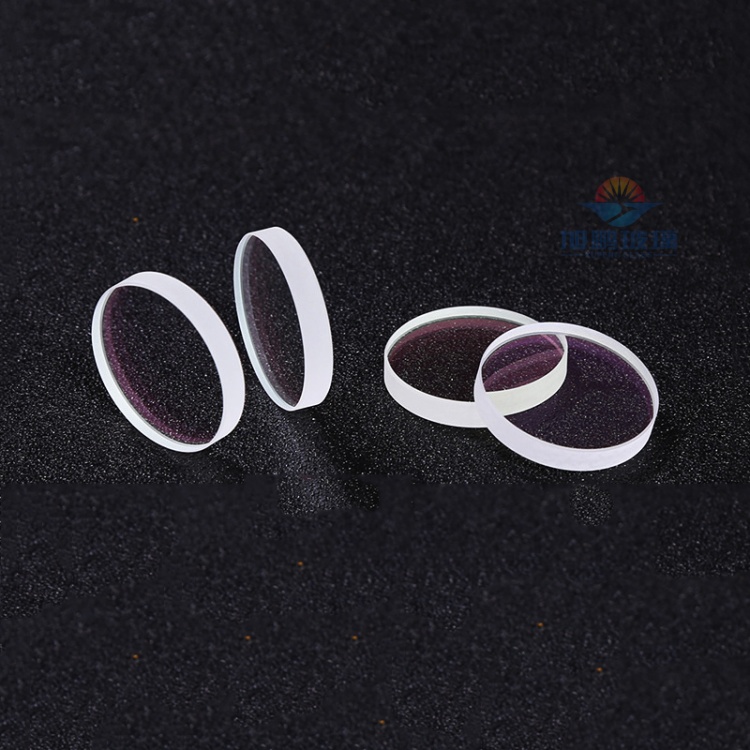
Ultra-clear Tempered Glass, Custom Processing Available: Drilling, Etching, AG Coating, Silk Printing, AR Coating
A low-iron cover glass for control panels, appliance fascia, display windows and LED fixtures. For Philippine retail, BPO and smart-building equipment, define the printed black border, IR window and anti-glare level early to avoid tooling rework.
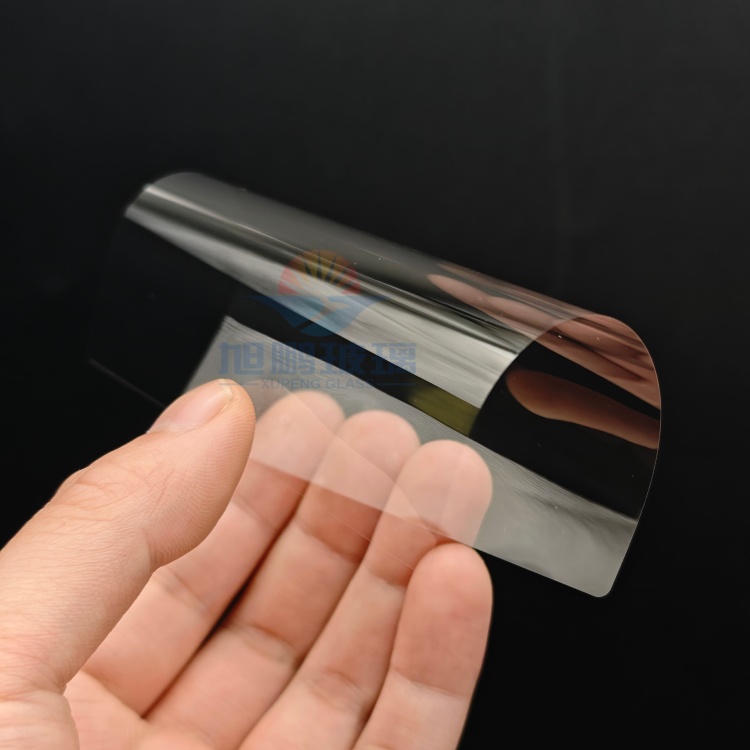
0.03 mm Ultra-thin Flexible Bendable Glass
A thin bendable glass option for foldable displays, flexible sensors and thin optical stacks. Handling, edge quality, lamination compatibility and protective packaging must be reviewed together, especially when sea freight precedes local assembly.

Welding Black Filter Glass, Beveled Edge Grinding, Long Irregular-shaped Welding Filter Glass
Black filter glass for welding helmets, goggles and industrial view windows. Optical density, shape, bevel and housing fit should be fixed on the drawing; the beveled edge reduces handling risk and supports cleaner assembly into protective equipment.

Schott Ultra-thin Optical Glass Sheets, 0.1mm, 0.5mm, 0.7mm, 1.1mm, Raw Semiconductor Electronic Glass Substrates
Thin optical glass sheets for inspection, sensors, micro-optics and thin-film processes. Philippine electronics and semiconductor supply chains should specify cleanliness, flatness, scratch acceptance and interleaving because these factors influence yield more than nominal thickness alone.

High-transmittance Anti-Reflection Coated Glass
AR glass for touch modules, instrument windows, kiosks and all-in-one displays. In bright Philippine retail, transport and outdoor environments, lower surface reflection can improve perceived contrast and readability, but the reflection target must be agreed by application.

High Transmittance Sapphire Glass, Scratch Resistant & High Temperature Resistant Sapphire Glass Sheets
Sapphire sheets for sensor covers, high-temperature viewports and wear-critical windows. Orientation, thickness, polish, chamfer and inspection criteria should be confirmed before quotation; sapphire is selected for hardness and thermal capability, not simply for visual clarity.
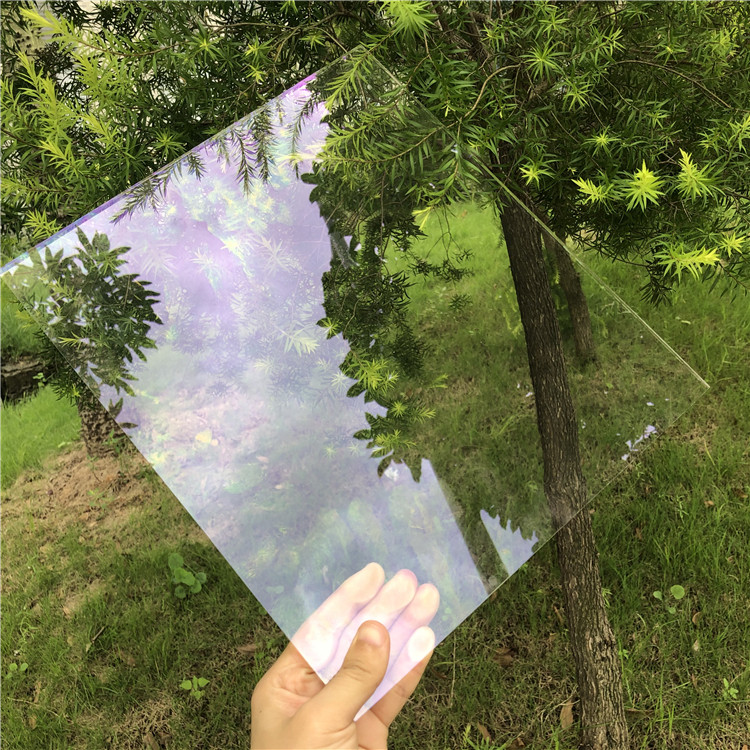
High-transmittance Anti-Reflection (AR) Coated Optical Glass
A second AR option for optical assemblies and display windows where both high transmittance and a defined coating stack are required. Coating durability, cleaning method, edge condition and mounting stress should be reviewed with the end product team.
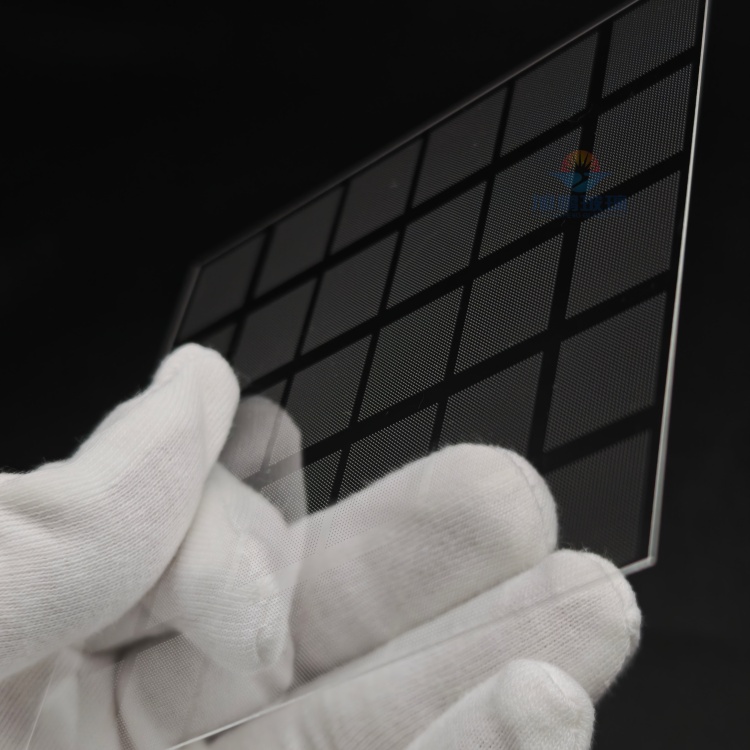
TGV Drilled Packaging Glass Substrate, Precision Laser Microvia Glass
Precision laser-drilled TGV glass packaging substrates for advanced packaging, sensors and semiconductor research. Via size, pitch, taper, surface condition and handling dominate yield, so a drawing-based manufacturability review is essential before sampling.
Why the Philippines Deserves a Dedicated Custom Glass Supply Plan
The Philippines is not a one-port, one-climate market. Buyers may operate inside PEZA economic zones in Cavite, Laguna, Batangas or Clark, manage retail and BPO fit-outs in Metro Manila, support marine and offshore facilities around Subic or Cebu, or supply semiconductor and electronics factories across CALABARZON. Each setting changes the priority: outdoor signage needs anti-glare and weather-aware hardware; appliance panels need low-iron clarity and print registration; optical and semiconductor teams need flatness, cleanliness and traceability. A custom tempered glass factory serving the Philippines market must therefore work from drawings and end-use conditions, not from a single stock list.
Where Custom Tempered and Coated Glass Fits Philippine Projects
The same glass grade can fail in one environment and perform well in another. These application notes help engineering and procurement teams align the drawing with real Philippine operating conditions, installation practice and maintenance routines.
Outdoor kiosks, QSR menu boards and digital signage
Metro Manila and Cebu retail environments combine bright ambient light, heat, dust and frequent cleaning. Use tempered glass for public safety, define an AG anti-glare level for sunlight, and consider AR coating where display contrast is critical. Printed borders, sensor windows and camera cut-outs should be designed together with the housing gasket to reduce moisture ingress.
- AG glass
- AR glass
- Silk print
- Tempered safety
Appliance, HMI and smart control panels
Ultra-clear low-iron tempered glass keeps white and grey appliance surfaces colour-neutral. Silk-screen printing with high-temperature ink is suitable for fascia graphics, touch icons and IR windows. For local assembly, agree on print registration, hole-to-edge tolerance, flatness and the cleaning chemical list before approving first article samples.
- Low-iron
- CNC holes
- IR window
- Multi-colour print
Solar, EV charging, inverters and energy storage displays
Renewable energy, EV charging and power-electronics projects need windows that tolerate outdoor exposure and thermal cycling. High-transmittance AR or ultra-clear tempered glass can be specified for charger interfaces, inverter screens and monitoring panels. Verify UV exposure, coating durability, frame design and condensation control with the system owner rather than assuming a display glass alone solves the environment.
- High transmission
- AR
- Thermal cycling
- Outdoor HMI
LED lighting, architectural fixtures and light boxes
Ultra-white and low-iron tempered glass support high visible-light transmission for LED fixtures, advertising light boxes and architectural glazing. Complex shapes, holes and printed graphics are possible, but the thermal expansion of the fixture, mounting clips, edge quality and safe handling during installation should be coordinated by the luminaire designer.
- Ultra-clear
- Custom shape
- Drilling
- Light diffusion
Semiconductor, electronics and optical inspection
Philippine electronics clusters often need thin glass substrates, sapphire windows, TGV substrates and AR-coated optical glass for inspection equipment. Cleanliness, packaging, flatness and batch traceability matter as much as the material grade. Share the process flow, cleaning method and incoming inspection criteria so the factory can propose a realistic route.
- Sapphire
- Thin glass
- TGV
- Clean packing
Welding, marine and heavy industrial view windows
Welding filter glass, beveled edges and scratch-resistant sapphire windows serve fabrication, marine and heavy-equipment applications. Coastal air affects frames, seals and fasteners more than the glass itself, so specify compatible hardware and a cleaning schedule. For welding masks and goggles, confirm optical density, shape and housing fit before production.
- Welding filter
- Beveled edge
- Sapphire
- Industrial window
Philippine Market Trends Shaping Custom Glass Demand
Procurement teams are not simply buying glass; they are buying schedule certainty, drawing conformity, consistent optics, safe packing and documentation that supports customs and incoming inspection. These four trends explain why a factory-direct, drawing-led supplier is increasingly useful in the Philippines.
Dual sourcing and PEZA localization
Electronics, appliance and display locators increasingly want a second qualified source without duplicating engineering effort. A factory that can quote from CAD, DXF or PDF and provide batch labels, packing lists and inspection records reduces the friction of adding a new glass source.
- Drawing-led RFQ
- Batch traceability
- Export documents
Energy, EV and power-electronics growth
Solar, EV charging, inverters and energy-storage products bring more outdoor and semi-outdoor display windows. Buyers should define UV exposure, thermal cycling, glare level, gasket compression and cleaning chemicals before choosing AR, AG or ultra-clear tempered glass.
- AR for contrast
- AG for glare
- Thermal review
Retail, BPO and smart-building displays
Digital signage, self-service kiosks, conference-room displays and smart-building control panels require consistent cover glass aesthetics. Anti-glare treatment, anti-reflection coating and printed black borders should be specified as a system, not selected independently after the enclosure is designed.
- Kiosk glass
- Anti-glare
- Printed borders
Miniaturization and advanced packaging
Thin optical glass, sapphire and TGV substrates support inspection, sensors and advanced packaging development. Early supplier involvement is valuable because via pitch, flatness, edge quality, cleaning and protective packaging can change the feasible process route and sample plan.
- Thin glass
- Sapphire
- TGV
Designing Custom Glass for Philippine Heat, Humidity, Salt Air and Freight
Material selection should be documented before tooling or mass production. The table below is a practical starting point for engineering and sourcing teams; final acceptance criteria must be agreed against your drawing, housing design, test standard and installation method.
| Design Factor | Typical Philippine Condition | Recommended Glass / Process | What the Buyer Should Verify |
|---|---|---|---|
| Heat & thermal cycling | Outdoor displays, chargers, lighting fixtures and industrial equipment can see strong daytime heat and repeated temperature change. | Tempered low-iron glass, borosilicate where appropriate, sapphire for high-temperature windows, heat-resistant silk-screen ink. | Maximum surface temperature, frame expansion allowance, gasket compression, coating durability and test method. |
| Humidity & condensation | Humid air and air-conditioned indoor spaces can create condensation on poorly sealed enclosures. | Edge quality control, compatible gasket, AR/AG coating review, protective interleaving and moisture-barrier export packing. | Housing sealing design, cleaning chemicals, coating adhesion test, storage conditions before assembly. |
| Coastal salt air | Subic, Cebu and other coastal sites may expose frames and fasteners to salt-laden air. | Glass itself is generally corrosion-resistant; focus on compatible metal hardware, edge protection and coating stack. | Frame material, fastener grade, drainage, maintenance schedule and warranty terms for the complete assembly. |
| Glare & display readability | Bright retail, transport and outdoor environments reduce display contrast. | AG anti-glare etching, AR anti-reflection coating, low-iron ultra-clear glass, printed black border to control stray light. | Gloss or haze target, reflection target, colour neutrality, cleaning method and visibility test under site lighting. |
| Safety & public touch | Kiosks, elevator panels, appliance covers and public interfaces require safe, durable surfaces. | Flat or curved tempered glass, CNC edge grinding, chamfer, drilled holes and silk-screen printing before tempering where required. | Required safety standard, edge quality, hole-to-edge distance, impact test and installation torque. |
| Tolerance & fit | Multiple suppliers and local assembly partners may handle the same enclosure. | CNC cutting, edging, drilling, flatness control, first-article sample and batch labeling. | Critical dimensions, datum points, hole position, bow allowance, print registration and inspection report format. |
| Freight & handling | Sea freight to Manila, Subic or Cebu may involve multiple handling points before the factory line. | Protective film or paper interleaving, foam corners, reinforced cartons or fumigation-free wooden crates, clear batch labels. | Packing drawing, drop/impact expectations, unpacking procedure, claim evidence requirements and insurance terms. |
Values and recommendations are engineering reference points, not a substitute for project-specific validation. Confirm final specifications, tests and responsibilities in the approved drawing and purchase contract.
Factory-Direct vs Local Distributor vs Trading Company: A Practical View
There is no single best sourcing route for every Philippine buyer. The right choice depends on customization, order size, urgency, technical support and the risk your team can manage. Use this comparison as a discussion framework, then verify the actual supplier profile, sample approval process and shipment terms.
| Sourcing Route | Where It Wins | Watch-Outs to Confirm | Best Fit |
|---|---|---|---|
| Factory-direct deep processor | Drawing-based customization, integrated cutting/CNC/tempering/printing/coating, direct engineering feedback and factory-level batch traceability. | MOQ varies by material and process; the buyer should provide complete drawings, target quantity, destination and acceptance criteria. | OEM covers, appliance panels, AR/AG display glass, optical substrates, custom industrial windows and repeat production. |
| Local distributor or stockist | Fast access to standard items, local communication and smaller emergency quantities. | Custom sizes, coatings and printing may be limited; confirm whether the stock truly matches the required grade and traceability. | Urgent replacement of standard glass, repair and maintenance or early prototyping with readily available stock. |
| Trading company | Broad product access and commercial coordination across multiple factories. | Process control and technical root-cause analysis may sit several steps away from the production line; request the actual factory route and evidence. | Multi-category sourcing where the buyer has internal engineering support and can qualify the underlying manufacturer. |
Why Dongguan AUVE Glass Is a Practical Partner for Philippine Buyers
Dongguan AUVE Glass Co., Ltd. is a deep-processing glass manufacturer integrating R&D, design, production and export in Songshan Lake, Dongguan — one of China’s electronics and optoelectronics clusters. The company processes flat and curved tempered glass, ultra-white, laminated and painted glass, LCD and touch-screen glass, smart control panel glass, LED lamp glass, instrument glass, AR high-transmittance glass and AG anti-glare glass. Guided by the philosophy of “focusing on high-end glass, pioneering and innovating,” AUVE supports OEMs, brand owners and distributors with drawing-based glass solutions.
Deep processing under one roof
Cutting, CNC edging, drilling, tempering, silk-screen printing, AR/AG coating, inspection and export packing can be coordinated as one process route. That reduces the risk of sending semi-finished glass between unrelated subcontractors and makes technical communication clearer.
- CNC
- Tempering
- AR/AG
- Silk print
Drawing-led engineering review
Send a CAD, DXF or PDF drawing with thickness, tolerance, edge, hole, printing and coating requirements. The engineering team reviews manufacturability before production, covering CNC shaping, drilling, tempering, silk-screen printing and AR/AG coating.
- CAD/DXF/PDF
- DFM review
- Tolerance check
Transparent supplier evidence
Buyers can review the onsite-checked supplier profile, credit index, transaction level, trade capacity, trade history and buyer ratings and reviews rather than relying only on a sales brochure.
- Onsite check
- Credit index
- Reviews
Quality management and batch traceability
Production follows defined process standards and a documented quality management system, so every batch can be traced from raw sheet to packed carton. Dimensional, visual and optical checks can be aligned with the buyer’s incoming inspection format.
- Batch labels
- Visual check
- Optical check
Export packing and flexible Incoterms
Fragile glass parts require packaging designed for the route, not just a carton. AUVE supports FOB, CFR, CIF, EXW, DDP, DDU, DAF and express delivery options, with export packing adapted to the agreed shipment mode and destination.
- Wooden crates
- Protective film
- DDP/FOB
Responsive technical communication
Average response time is within 7 hours. For a faster review, send the drawing, target quantity, destination city, required Incoterm, end-use environment and any inspection standard. Clear inputs shorten the path from enquiry to a workable quotation.
- ≤7 h response
- English support
- Quote review

Production workshop: coordinated cutting, processing and assembly flow.

Deep-processing equipment supports drawing-based glass fabrication.

Inspection before packing helps catch dimensional and visual issues early.

Factory capabilities cover tempered, ultra-clear, coated, printed and optical glass.
From Drawing to Export Carton: A Clearer Route for Custom Glass
A reliable custom glass order is built on decisions made before tempering and coating. This six-stage route gives Philippine buyers a practical structure for sample approval, production release and incoming inspection.
1. Drawing and application review
Confirm material grade, thickness, dimensions, tolerance, edge, holes, printing, coating, packing and destination. The end-use environment should be written down so the process route is not chosen from thickness alone.
2. Material and process confirmation
Lock the substrate, coating stack, print colour, tempering route and first-article approval criteria. For new projects, discuss sample and pilot quantities separately from mass-production quantities.
3. Cutting, CNC edging and drilling
Glass is cut from the agreed stock, then shaped, edged, beveled, grooved or drilled according to the drawing. Hole-to-edge distance, edge quality and datum points are reviewed before tempering.
4. Tempering, printing and coating
Thermal tempering, high-temperature silk-screen printing and AR/AG coating are sequenced according to the product design. The approved sample becomes the reference for colour, gloss, reflection and visual acceptance.
5. Inspection and documentation
Dimensional, visual and optical checks are performed against the agreed criteria. Batch labels and packing information help the Philippine receiving team trace the carton back to the production lot.
6. Export packing and shipment
Protective film or paper, foam corners, reinforced cartons or wooden crates and batch labels are selected for the route. Shipping terms and documentation are confirmed before dispatch to Manila, Subic, Cebu or another destination.
Eight Decisions That Prevent Rework on Philippine Glass Orders
Before requesting a quotation, align the technical and commercial inputs below. Complete information reduces back-and-forth and gives the factory a fair basis for lead-time and packing decisions.
FAQs from Philippine Glass Buyers and Procurement Teams
These are the questions engineering, sourcing and importing teams commonly ask when evaluating a custom tempered glass factory for the Philippines market.
Can Dongguan AUVE Glass supply custom tempered glass to the Philippines?
Yes. AUVE supports drawing-based custom glass projects for overseas buyers, including tempered, ultra-clear, AR/AG coated, silk-screen printed, filter and optical glass. For a Philippine project, provide the drawing, material requirement, target quantity, destination city and required trade term. The engineering team will review manufacturability and confirm the quotation basis. Glass products can be shipped by sea, air or express depending on size, quantity and urgency.
How do you ship fragile glass to Manila, Subic, Cebu or other Philippine destinations?
Export packing is designed around the route and glass type. Typical protection includes protective film or paper interleaving, foam corner protection, reinforced cartons or fumigation-free wooden crates, batch labels and outer shipping marks. AUVE supports FOB, CFR, CIF, EXW, DDP, DDU, DAF and express delivery. The buyer should confirm whether the destination is a port, PEZA zone, warehouse or project site, because the final delivery scope and customs arrangement affect packing and freight planning.
What documents are usually needed for a glass shipment to the Philippines?
Commercial documents commonly include a commercial invoice, packing list, bill of lading or air waybill, and the information required by the buyer’s customs broker or freight forwarder. The exact requirements depend on the product, value, shipping method and importer status. For PEZA locators or special import arrangements, the buyer should confirm procedures with its broker and internal compliance team. AUVE can coordinate the commercial invoice, packing list and shipment information, but customs classification and import compliance remain the buyer’s responsibility unless otherwise agreed.
What is the minimum order quantity for custom glass?
MOQ depends on material and process. Many coated and optical glass parts can start from small sample or pilot quantities, while standard ultra-clear tempered parts typically require larger runs. Factors such as special glass grade, custom printing, AR/AG coating, laser drilling, TGV microvias and unique packing can change the minimum. Send the drawing and annual or project quantity so the factory can propose a realistic sample and production plan rather than a generic MOQ.
Can you review our drawing and suggest improvements before we order?
Yes. A CAD, DXF or PDF drawing with thickness, tolerance, edge, hole, printing and coating requirements is the best starting point. The engineering review covers manufacturability, process sequence and potential risk points such as hole-to-edge distance, edge profile, print registration, coating area, flatness and packing. Early review is especially valuable for AR/AG glass, silk-screen printed tempered glass, thin optical substrates, sapphire windows and TGV substrates.
How should we specify AR or AG glass for a humid Philippine environment?
Specify the application, installation orientation, cleaning chemicals, target gloss or reflection, and the acceptance test for the coating. AR reduces reflection for display contrast, while AG diffuses glare for outdoor readability. In humid conditions, the housing gasket and condensation control are as important as the coating itself. Buyers should approve a sample under representative lighting and confirm the cleaning method so the selected coating is not damaged during daily maintenance.
Can you combine tempering, silk-screen printing, drilling and AR/AG coating?
Yes, process combinations are reviewed as one route. The correct sequence depends on the glass, ink, coating and hole requirements. Some printing and coating steps must be planned before or after tempering, and not every combination is suitable for every thickness or shape. Provide the full drawing and end-use requirement so the factory can confirm the feasible sequence, sample plan and inspection criteria.
What is the typical lead time for samples and mass production?
Lead time cannot be responsibly fixed without the drawing, material, quantity, process route and current production schedule. A simple cut-and-temper part and a multi-layer AR-coated printed part will not follow the same timeline. AUVE’s average response time is within 7 hours, and a quotation can be prepared faster when the enquiry includes the drawing, target quantity, destination, required Incoterm and any inspection standard.
How can we verify the factory before placing a bulk order?
Review the supplier profile and transaction evidence, request product samples, and compare the sample against the approved drawing. Buyers can check AUVE’s onsite-checked supplier profile, credit index, transaction level, trade capacity, trade history and ratings and reviews on the company profile pages. A video introduction and direct technical discussion are also useful. For high-value or safety-related projects, agree on a first-article inspection report and a packing standard before mass production.
What should we do if a glass shipment arrives with damage or a quality concern?
Stop unpacking further cartons, photograph the outer packaging, shipping marks, inner packing and affected glass, and record the batch label and quantity. Report the issue to the supplier promptly with photos or video and the receiving report. The applicable remedy depends on the purchase contract, inspection standard, Incoterm and insurance arrangement. Clear packing drawings, batch labels and pre-shipment inspection records make it easier to investigate and resolve a claim efficiently.
Request a Philippines-Specific Glass Quotation
Send your drawing, target quantity, destination city, required trade term and application environment. The engineering team will review material, process route, coating, tempering, packing and documentation — then respond with a practical quotation path.
Technical enquiries: info@auveglass.com · Average response within 7 hours · Dongguan AUVE Glass Co., Ltd., Songshan Lake, Dongguan, Guangdong, China