8 Display Glass Products for Detroit OEMs and Integrators
Begin with these production-ready glass families. Each part can be adapted in size, thickness, edge profile, holes, printing and coating to fit your display stack, enclosure or optical assembly. The product URLs and images below are preserved for direct specification review.

Corning Ultra-Thin Glass Sheet, Optical Grade Glass Wafer Substrate with Chamfered Edge
A chamfered optical-grade wafer substrate for precision sensor windows, photonics and compact Detroit mobility electronics where flatness and edge quality matter.
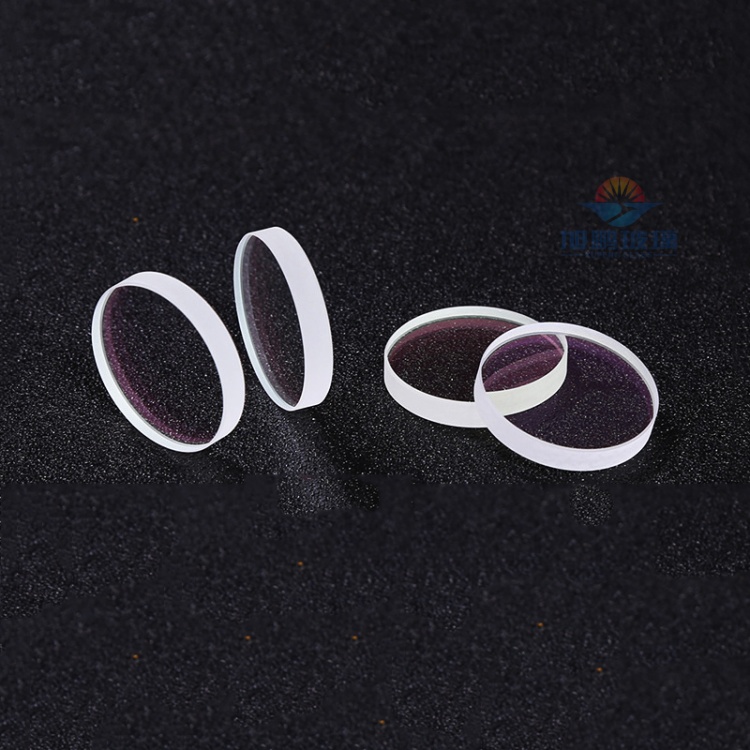
Ultra-clear Tempered Glass, Custom Processing Available: Drilling, Etching, AG Coating Silk Printing, AR Coating
Low-iron tempered cover glass with drilling, etching, AG/AR coating and silk printing — suited to automotive HMI, kiosk and appliance display programs.
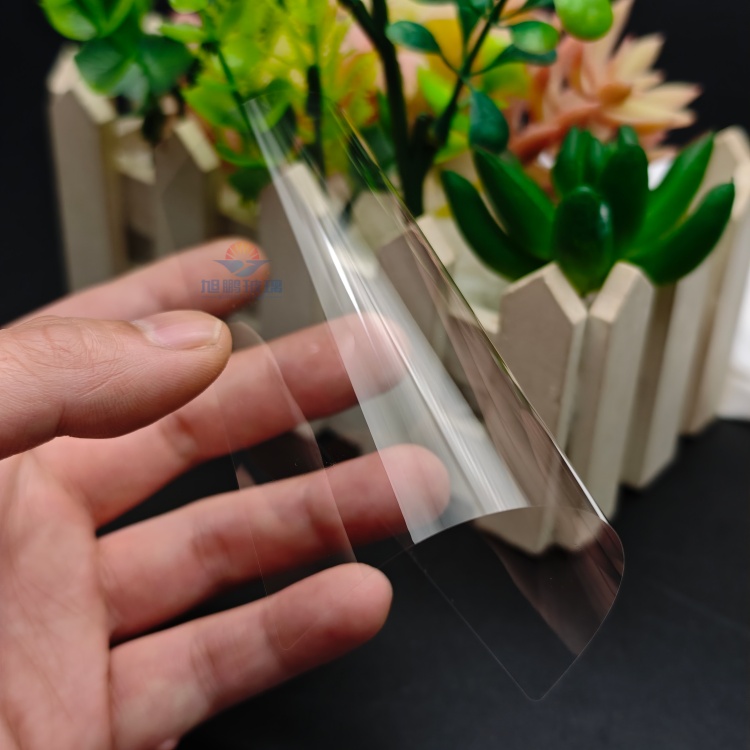
Ultra-thin Flexible UTG Glass, bendable and foldable, suitable for commercial aerospace and new energy industries
Bendable UTG for foldable displays, flexible sensors and new-energy or aerospace projects; a strong fit for advanced R&D teams in Michigan.
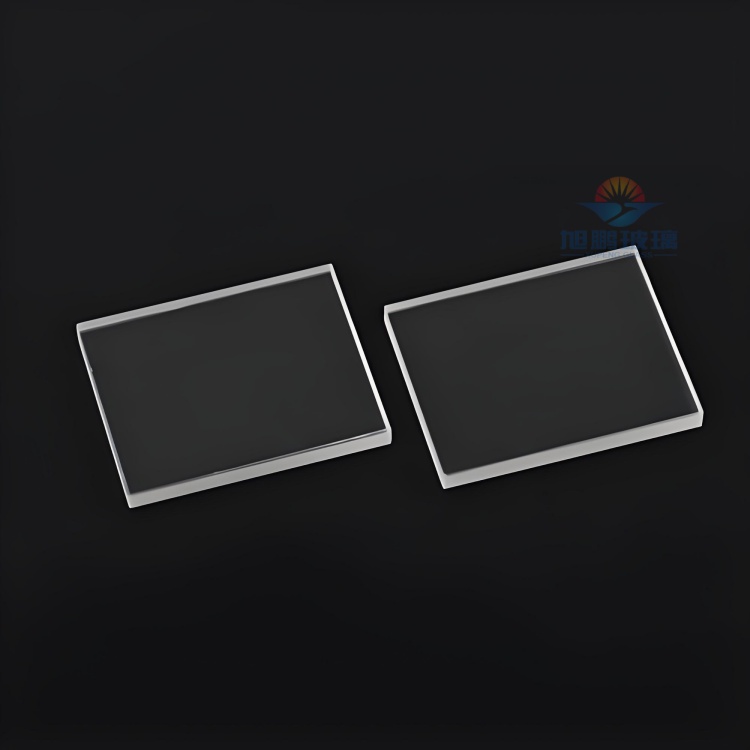
Tempered Glass Customized High Temperature Resistant, High Transparency and High Borosilicate Mirror Window Glass
High-borosilicate mirror-window glass for heat-resistant viewports and instrument enclosures; specify transmission and thermal targets with our engineers.

Schott Ultra-thin Optical Glass Sheets, 0.1mm, 0.5mm, 0.7mm, 1.1mm, Raw Semiconductor Electronic Glass Substrates
0.1/0.5/0.7/1.1 mm raw semiconductor and electronic substrates for OEMs that need stable thin-glass handling and downstream polishing.

CNC Carved Low Iron Glass Sheet, High-temperature Screen Printed Tempered Glass, Drilled Glass Panel
CNC-carved, drilled and high-temperature screen-printed low-iron glass for control panels, EV charging interfaces and architectural displays.
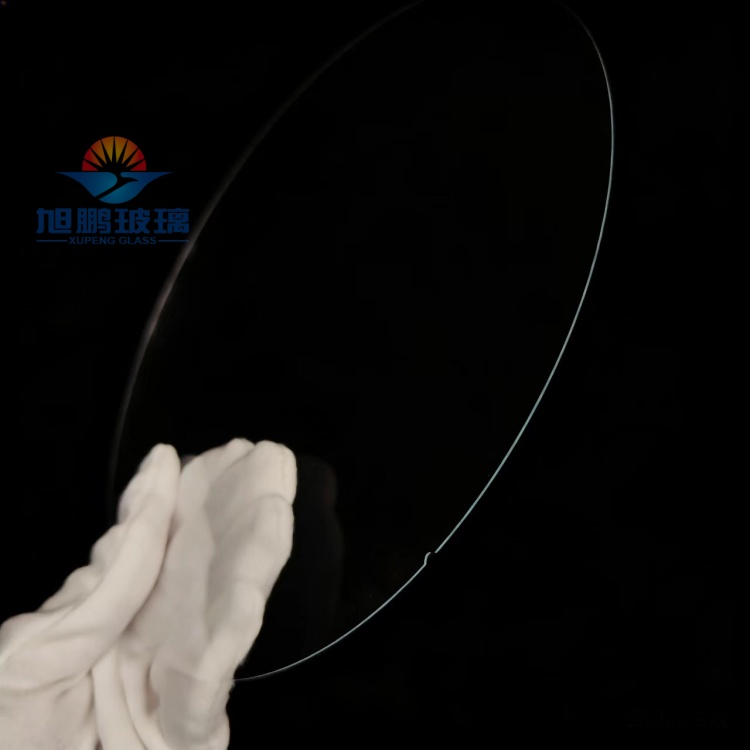
Corning EXG Glass Wafer, Double-Sided Polished Custom Fabrication for Semiconductor Glass Wafers
Double-sided polished alkali-free EXG wafers for semiconductor, MEMS and photonics development, with custom fabrication from drawing to packing.

High-transmittance AR Coated Optical Glass, Ultra-clear Tempered Glass
Ultra-clear tempered glass with AR coating for high-contrast displays, touch modules and optical windows used in industrial and public environments.
A Detroit-Focused Display Glass Supply Chain Backed by Verifiable Factory Data
Detroit sourcing teams rarely buy display glass as a commodity. A cover glass becomes part of an assembly, a warranty obligation and a brand experience. AUVE is a Dongguan-based deep-processing manufacturer established in 2018, with 51–100 skilled employees and a 1,001–2,000 m² facility in the Songshan Lake electronics and optoelectronics cluster. We integrate R&D, design, production and export, so one project team can review material, coating, printing, tempering, tolerances, packing and freight to Detroit.
Onsite-Checked Supplier
Premises and legal status are confirmed through third-party onsite verification, giving Detroit buyers a verifiable starting point before sampling.
Credit Index
A transparent credit profile built on real trading behaviour helps procurement teams assess commercial reliability beyond a quotation sheet.
Transaction Level
Verified online transaction records with overseas buyers support a more evidence-based supplier comparison for Michigan projects.
Trade Capacity
Export experience, main markets and production capability are documented for buyers who need a factory-direct supply partner.
Ratings & Reviews
Unfiltered buyer feedback on quality, delivery and service helps engineering and sourcing teams align expectations before mass production.
Trade History
Documented shipment history across global markets, including the United States, Canada, Japan, South Korea and Australia.
Where Display Glass Is Used in Detroit’s Advanced Manufacturing Economy
Detroit’s identity is tied to mobility, but the region’s display-glass demand is broader than vehicle interiors. The metro area hosts automotive design and engineering teams, Tier 1 and Tier 2 suppliers, automation integrators, medical device developers, photonics researchers and public-facing kiosk operators. Each application changes the specification logic: a low-reflection AR coating helps a high-contrast HMI, while an etched AG surface is often more useful for an outdoor wayfinding screen near glare-heavy glass façades. In sensor and semiconductor work, flatness, alkali content and edge quality can matter more than visible transmission.
Automotive HMI & EV Charging
Ultra-clear tempered cover glass with AR or AG treatment for center-stack displays, instrument clusters, charging-station interfaces and in-vehicle control panels. Detroit-area programs often require print windows, drilled holes and tight color consistency.
Industrial Automation & Robotics
Silk-screen printed tempered glass and AG anti-glare panels for machine controls, robot teaching pendants, vision-system enclosures and factory-floor HMI stations where readability and cleanability matter.
Outdoor Kiosks & Public Displays
AG etched or AG + AR tempered glass for wayfinding, transit, museum, stadium and downtown Detroit digital displays. The surface finish should be selected against sun angle, enclosure design and cleaning practice.
Medical, Laboratory & Instrumentation
High-transmission optical windows, polished substrates and display covers for analytical instruments, diagnostic equipment and laboratory fixtures. Optical clarity and reproducible edge quality are often more important than unit price.
Semiconductor, Photonics & Sensor Windows
Corning EXG wafers, Schott ultra-thin sheets, K9, quartz and sapphire for MEMS, photonics, machine vision and sensor protection. Buyers should specify flatness, polishing method, alkali tolerance and edge inspection criteria.
Aerospace, New Energy & Foldable Devices
Ultra-thin flexible UTG and high-borosilicate glass for flexible electronics, new-energy equipment and commercial aerospace projects. These materials reward early engineering review because handling, support and edge treatment affect yield.
Local Trends Shaping Display Glass Specifications in Detroit
Procurement teams in Detroit are not only asking for a lower unit price. They are asking for fewer field failures, faster engineering feedback, clearer documentation and a supply plan that works with North American production schedules. The following trends are visible in RFQs we receive from mobility, automation and optical-device buyers.
Larger, Lower-Reflection HMI Covers
As vehicle interiors move toward larger information displays, AR-coated ultra-clear glass helps maintain contrast under bright showroom and daylight conditions while keeping the interface visually neutral.
AG and AR Replace “Just Clear Glass”
Outdoor kiosks, EV chargers and industrial panels increasingly specify measured haze, gloss and reflection targets. Buyers are moving away from one-size-fits-all clear glass toward validated optical stacks.
Thin Optical Glass in Sensor Programs
Detroit’s mobility and automation ecosystem is pushing more projects into sensor windows, LiDAR, camera modules and photonics. Schott ultra-thin sheets, Corning EXG and K9 optical glass appear earlier in design reviews.
Heat-Resistant Glass for EV and New Energy
High-borosilicate and heat-resistant tempered windows are being specified for charging equipment, power electronics enclosures and high-temperature viewports where dimensional stability is critical.
Traceability and First-Article Discipline
Michigan buyers want batch labels, inspection records and drawing-to-production traceability. A supplier that can explain its process route is easier to approve than one that only sends a price list.
Dual Sourcing and DDP Quote Discipline
Supply-chain teams are comparing EXW, FOB and DDP more carefully, including packaging, duties and final-mile risk. Clear Incoterms and export packing reduce hidden cost after the PO is issued.
Detroit Display Glass Selection Matrix: Match the Material to the Failure Mode
Use this matrix as an early shortlist, then confirm final thickness, tolerance, coating, printing and test methods against your drawing. Values are typical reference data, not a substitute for a first-article inspection or application-specific validation.
| Detroit Use Case | Recommended AUVE Glass Family | Why It Matters | Specification to Confirm |
|---|---|---|---|
| Automotive HMI / EV charging | Ultra-clear tempered + AR or AG coating | Low-iron glass supports roughly 91% visible light transmission; AR reduces surface reflection for contrast; AG diffuses glare. | Haze/gloss, reflection target, print window, impact and environmental test plan. |
| Outdoor kiosk / wayfinding | AG etched tempered glass or AG + AR | Diffused glare is easier to read than raw reflection in bright public spaces and near glass façades. | Gloss level, haze uniformity, surface cleanability and sealing method. |
| Industrial HMI / control panel | Silk-screen printed low-iron tempered glass | Fired ceramic ink creates durable graphics, windows and icons that integrate with the enclosure. | Ink color, registration, hole tolerance, edge profile and drilling location. |
| Heat-resistant viewport | High-borosilicate tempered glass | Supports thermal-shock resistance and high transparency for heated equipment or process windows. | Temperature cycling, transmission, flatness and mounting stress. |
| Sensor / photonics window | K9, quartz, sapphire or Corning EXG | K9 offers nd ≈ 1.5168; quartz provides high UV transmission; sapphire offers Mohs 9 hardness; EXG is alkali-free with low CTE. | Flatness, polish grade, scratch requirement, UV range and edge chip criteria. |
| Thin / flexible electronics | Ultra-thin flexible UTG or Schott ultra-thin sheet | Thin glass enables bendable or compact designs, but handling and edge quality strongly affect yield. | Bend radius, thickness, edge treatment, support film and assembly method. |
Reference values include low-iron visible transmission around 91%, AR reflection around 0.5–1% per side, K9 nd ≈ 1.5168, sapphire Mohs 9, and EXG CTE near 3.2 ppm/°C. Final requirements must be confirmed against your drawing.
Detroit Display Glass RFQ Checklist
Including these items in the first email usually reduces back-and-forth and shortens engineering review. If a detail is still open, tell us what you know and what needs to be validated.
- CAD, DXF or PDF drawing with critical dimensions and tolerances.
- Substrate preference and thickness; include an allowed alternative if relevant.
- Optical targets: transmission, reflection, haze, gloss or color neutrality.
- Tempering requirement, edge profile and hole-position tolerance.
- Silk-screen artwork, ink color, window registration and print side.
- AR/AG coating requirement and any downstream assembly process.
- Annual volume, sample quantity and target production schedule.
- Incoterm to Detroit or Michigan, packaging preference and documentation needs.

Why AUVE Is a Practical Display Glass Partner for Detroit Buyers
AUVE is not a trading desk that forwards your drawing to an unknown workshop. We are a deep-processing glass manufacturer integrating R&D, design, production and export in Dongguan, China. Our stated focus is “focusing on high-end glass, pioneering and innovating” — which in practice means reviewing the material, coating, printing, tempering and packing route before production begins.
Our process route covers precision cutting, CNC edging and drilling, flat or curved tempering, high-temperature silk-screen printing, AR/AG coating, quality inspection and export packing. This matters for Detroit programs because a display cover is rarely a standalone part: it may need a hole near a tempered edge, an optically matched coating, a print window aligned to a sensor, or protection across a multi-leg shipment.
We process flat and curved tempered glass, ultra-clear low-iron glass, laminated and painted glass, AR anti-reflective and AG anti-glare coated glass, silk-screen printed glass, touch screen and LCD cover glass, LED lighting glass, instrument glass and optical materials such as K9, quartz, sapphire, borosilicate, Corning EXG and ultra-thin flexible glass. Buyers can consolidate several glass parts with one qualified source instead of managing multiple specialized vendors.
From Drawing to Detroit: A Controlled Glass Manufacturing Route
Each step is handled in-house, which shortens communication, protects tolerances and lets engineers solve manufacturability issues before material is cut. The sequence below is the backbone of our custom display-glass workflow.
Drawing and Material Review
We review CAD, DXF or PDF drawings for thickness, tolerance, edge, hole, printing, coating and packing requirements, then recommend a material and process route.
Precision Cutting
Automatic and CNC cutting from float, low-iron, high-borosilicate and optical stock, with attention to grain direction, edge allowance and downstream handling.
Edging, Drilling and Carving
Edge grinding, beveling, grooving, CNC holes and carved features are completed before tempering where required, reducing the risk of downstream breakage.
Tempering and Heat Treatment
Flat or curved thermal tempering improves impact and thermal resistance. Process parameters are matched to glass type, thickness and part geometry.
Printing and Functional Coating
High-temperature ceramic inks create durable graphics, windows and icons. AR, AG, mirror and other functional coatings are applied according to the optical target.
QC and Export Packing
Dimensional, visual and optical checks are followed by protective film, foam protection, batch labeling and export packing designed for fragile glass parts.
Frequently Asked Questions from Detroit Display Glass Buyers
Straight answers to the questions engineering, sourcing and logistics teams ask most often when evaluating a display glass manufacturer for a Detroit or Michigan project.
Can you supply display glass to Detroit and the wider Michigan market?
Yes. Our glass products are exported to the United States, Canada, Russia, South Korea, Japan and Australia, and we quote freight to Detroit, Troy, Dearborn, Warren, Novi, Ann Arbor or your nominated facility. We support FOB, CFR, CIF, EXW, DDP, DDU, DAF and express delivery, with export packing designed for fragile glass parts. We are a factory-direct supplier shipping from Dongguan; project-specific inventory can be discussed, but a standard local warehouse stock program should not be assumed.
What is the minimum order quantity for custom display glass?
MOQ depends on material and process. Many coated and optical glass parts start from 10 to 50 pieces, while standard ultra-clear tempered parts typically start from 100 to 500 pieces. Sample and pilot quantities can be discussed for new projects, especially when a Detroit engineering team needs to validate fit, coating performance or print registration before production.
How should I specify AR or AG glass for an outdoor Detroit display?
Start with the visual problem you need to solve. AR coating reduces surface reflection and can improve contrast; AG etching diffuses glare across the surface. For outdoor kiosks and public displays, specify target haze or gloss, transmission or reflection, glass thickness, tempering, print windows and cleaning method. Validate the chosen finish with a sample under representative lighting rather than relying on a generic “anti-glare” description.
Can you produce glass to my own CAD drawing?
Yes. Send a CAD, DXF or PDF drawing with thickness, tolerance, edge, hole, printing and coating requirements. Our engineers review manufacturability before production, covering CNC cutting, edging, drilling, tempering, silk-screen printing and AR/AG coating. Early review is especially useful for holes near tempered edges, large-format thin glass and multi-layer coating stacks.
How is display glass packed for shipment to Michigan?
Orders can use interleaving film or paper, foam corner protection, reinforced cartons or fumigation-free wooden crates, depending on size, quantity and transport mode. Batch labels and inspection records can be included so receiving teams can match cartons to the approved drawing and PO. Packaging is specified before shipment because glass parts can be damaged by point loading, vibration and repeated handling.
How quickly do you respond to technical inquiries?
Our average response time is within seven hours. Email info@auveglass.com with your drawing, quantity and target application for an engineering review, or use the inquiry button on this page. To speed up the first response, include substrate preference, thickness, optical targets, print artwork, annual volume and the required Incoterm for Detroit or Michigan.
Send a Display Glass Drawing to Our Engineering Team
Share your size, thickness, tolerance, coating, printing and annual volume. We will confirm material, process route, packing and a practical delivery option to Detroit — usually within seven working hours. For projects still in design, ask for a material shortlist rather than a final quotation.