8 Glass Products for Frankfurt Switch, Display and Optical Projects
The eight product entries below preserve the original product URLs and image assets. Use them as starting points for a custom RFQ: thickness, edge profile, holes, printing, coating, tolerance and packing can be reviewed against your drawing instead of forcing a fixed catalogue size.
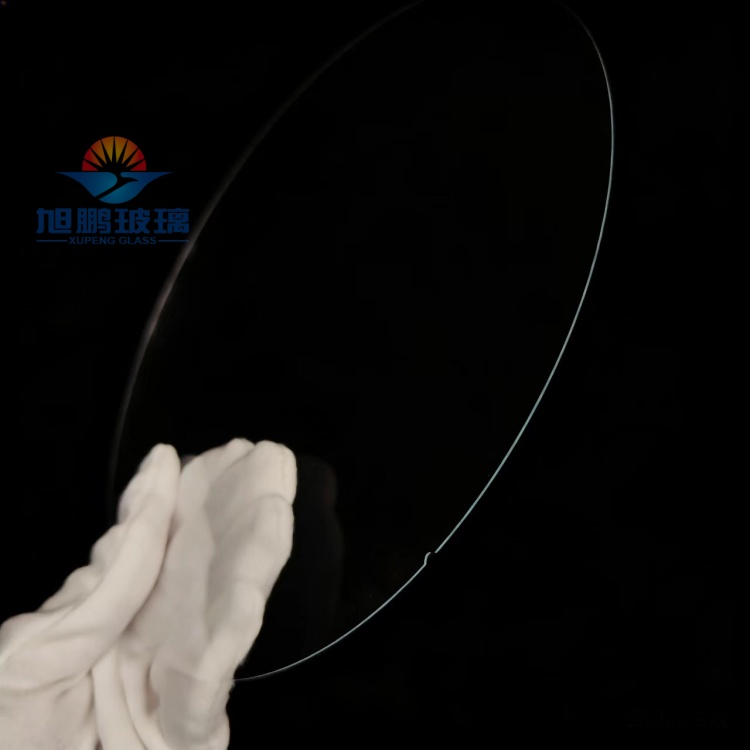
Corning EXG Glass Wafer, Double-Sided Polished Custom Fabrication for Semiconductor Glass Wafers
Frankfurt fit: precision electronic fixtures, photonics research and sensor packaging where alkali-free glass and polished flatness matter.
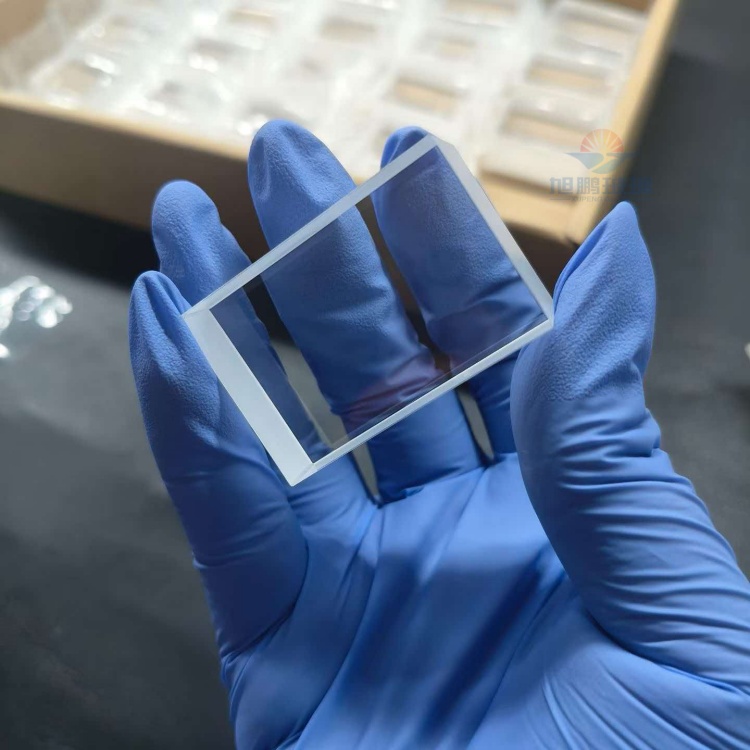
High UV Transmission Thick Gauge Thick Quartz Glass Plate
Frankfurt fit: UV curing, disinfection and inspection windows for laboratory, medical and industrial equipment in the Rhine-Main region.
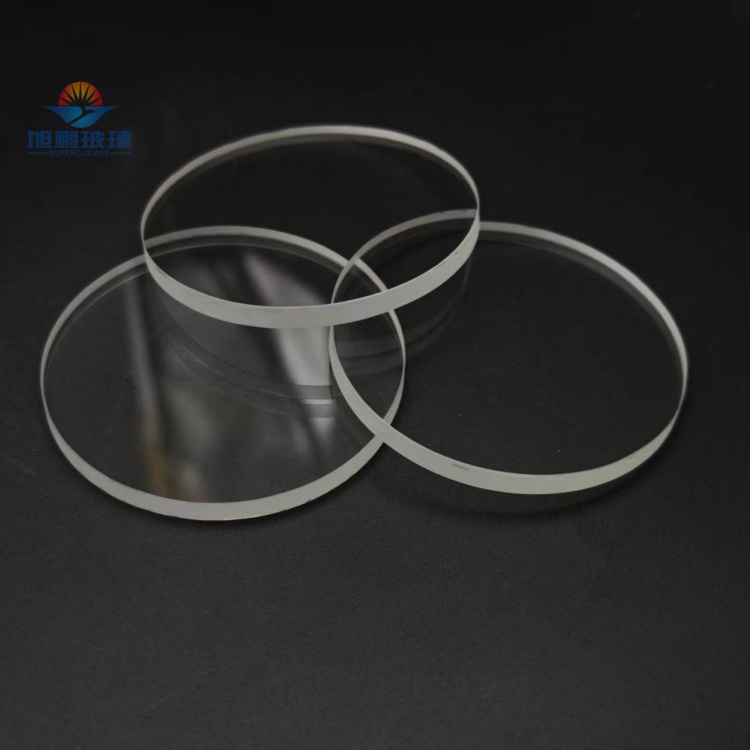
K9 Optical Glass (K9 Crystal Glass) for Optical Instruments
Frankfurt fit: lenses, prisms and instrument windows for optical benches, laser housings and laboratory-grade display hardware.
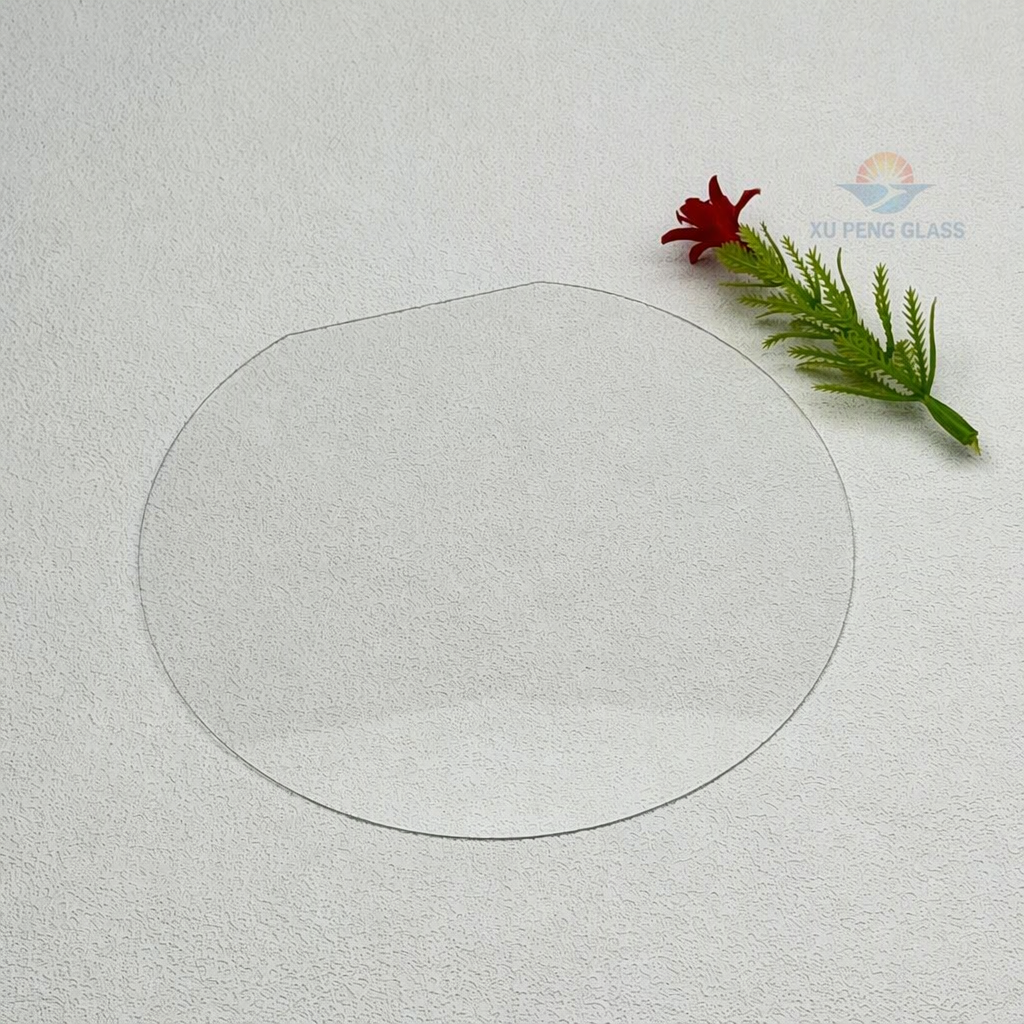
Ultra-thin High-precision Optical Glass Wafer, Corning / SCHOTT / Fused Silica
Frankfurt fit: compact sensor windows, thin optical stacks and miniaturised display assemblies where handling and edge quality must be agreed.

CNC Carved Low Iron Glass Sheet, High-temperature Screen Printed Tempered Glass, Drilled Glass Panel
Frankfurt fit: the closest route to custom electric switch glass, socket surrounds, control panels and building-automation interfaces with drilled holes and printed icons.
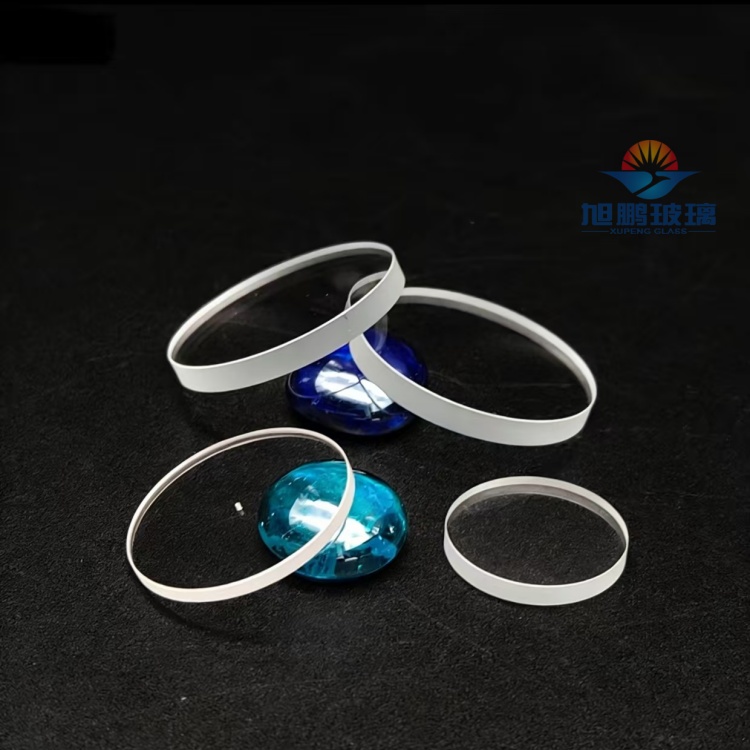
Sapphire Glass Step Window Wafers, High Temperature Resistant & High Light Transmittance Optical Sapphire Lenses
Frankfurt fit: sensor windows, scratch-critical viewports and high-temperature optical lenses for industrial and scientific equipment.

High-transmittance Anti-Reflection Coated Glass
Frankfurt fit: HMI displays, control panels and display windows where reflection control improves readability in offices, showrooms and public spaces.

Custom Ultra-White Clear Tempered Glass Socket Decorative Cover for Stairways
Frankfurt fit: hotel, residential and commercial interior switch or socket decorative covers with custom cut-outs, ultra-white clarity and premium edge finishing.
Factory Facts Frankfurt Buyers Can Verify Before Ordering
For a Frankfurt sourcing team, supplier confidence should come from traceable company data, not sales language. AUVE’s verified profile, trade capacity and process breadth support a practical RFQ review before samples, tooling or volume production.
Founded and developed as a deep-processing glass manufacturer
Skilled employees supporting engineering, production and export
Facility footprint supporting in-house glass processing
Average response time for technical inquiries
Key export markets including USA, Canada, Japan, Korea and Australia
Where Electric Switch Glass and Custom Glass Fit in Frankfurt
Frankfurt’s commercial interiors, building-automation sector, exhibition economy and Rhine-Main research cluster create distinct glass requirements. A single product photo is rarely enough; the purchase specification must connect the visible surface to the electrical frame, display module or instrument housing behind it.
Hotel, office and retail switch covers
Ultra-white tempered glass covers with custom cut-outs, printed icons, matte or gloss surfaces and protective chamfers for premium hospitality and commercial fit-out projects.
Building-automation HMI panels
Low-iron display glass with AR or AG treatment, high-temperature printed graphics and CNC holes for door-entry panels, elevator interfaces and smart-control consoles.
Messe Frankfurt displays and kiosks
AR-coated display windows, printed glass fascias and short-run custom panels for exhibition stands, interactive kiosks and showroom presentation hardware.
Rhine-Main optics and laboratory glass
K9, fused quartz, sapphire and Corning EXG wafers for research groups, photonics suppliers and instrument builders that need drawing-based optical components.
Frankfurt Procurement Trends Shaping Electric Switch Glass Demand
Search intent around “electric switch glass factories” and “exporters for Frankfurt” is rarely limited to price. Buyers are trying to de-risk a custom component: electrical fit, surface durability, EU documentation, repeatability and delivery into the Rhine-Main logistics network.
Premium refurbishment is replacing plain plastic covers
Frankfurt’s hotel, office and retail refurbishment market continues to favour glass surfaces for cleanability, tactile quality and visual contrast. For switch and socket covers, the critical challenge is not the glass face itself but the cut-out tolerance, frame alignment and edge quality around the electrical insert.
Buyers increasingly request pilot batches by room type or floor, with batch labels and protective film so installation teams can match panels to zones without sorting errors on site.
HMI glass must combine design with optical control
Building automation, access control and public information interfaces are moving toward glass-fronted control surfaces. AR coating reduces ghost reflections under office lighting, while AG treatment can diffuse glare in atriums and exhibition halls. The specification should state reflection target, haze level, print colour and icon tolerance rather than asking only for “anti-glare glass”.
Because these panels often combine printing, holes and coating, an in-house process chain reduces the risk of mismatched tolerances between suppliers.
EU buyers want evidence tied to the drawing
Frankfurt purchasing teams commonly ask for material declarations, dimensional reports, batch traceability and packing specifications. For passive glass components, final compliance depends on the finished assembly and the buyer’s application, so a generic certificate claim is not enough. Include the final product use, surface treatment, printing ink and destination in the RFQ.
Reliable suppliers separate what they can document from what the buyer’s compliance team must confirm. That distinction is part of E-E-A-T: expertise includes knowing where the manufacturer’s responsibility ends.
From Decorative Cover to Specification-Critical Component
Electric switch glass is not a commodity sheet. It must fit a socket frame, align with printed icons, tolerate repeated cleaning, survive impact in public areas and match the colour and edge finish expected by the interior designer. In Frankfurt projects, the glass cover is often reviewed together with the electrical insert, wall finish, lighting condition and installation method.
Two production routes are common. Route A is an ultra-clear low-iron tempered glass cover with CNC drilling, high-temperature screen printing and optional matte or AG treatment for visible switch and socket covers. Route B is AR-coated or AG-coated low-iron glass for HMI displays, control panels and display windows where reflection and readability matter more than decorative print.
Both routes need a drawing review before tempering. Holes, cut-outs, edge grinding, ink coverage and coating position can affect flatness, breakage risk and assembly fit. AUVE’s in-house chain covers cutting, CNC shaping, edging, drilling, tempering, silk-screen printing, AR/AG coating and QC, which shortens iteration for Frankfurt buyers who need samples before a fit-out programme or Messe event deadline.
For best results, send a CAD, DXF or PDF drawing with the switch frame details, gasket or adhesive zone, screw-boss clearance and the visible print area. The buyer’s electrical safety engineer should confirm clearance around live parts; the glass supplier’s role is to manufacture the passive glass component to the approved drawing and inspect the agreed dimensional and visual criteria.
RFQ checklist for Frankfurt electric switch glass
- Drawing: PDF, DXF or CAD with critical dimensions and tolerances.
- Frame interface: gasket, adhesive, snap-fit or screw-boss details.
- Electrical clearance: confirmed by the buyer’s safety engineer.
- Surface: gloss or matte, AG haze, AR reflection target, anti-fingerprint option.
- Printing: RAL, Pantone or ink sample, icon tolerance, back-lit window.
- Environment: cleaning chemicals, humidity, UV and public-area impact.
- Packing: interleaving film, corner protection, batch labels and replacement parts.
- Documents: material declarations, dimensional report and agreed test criteria.
Which Glass Route Fits Your Frankfurt Project?
Use this comparison to shortlist the material and process route before requesting a quotation. Final specifications should always be confirmed against the drawing, assembly environment and agreed inspection standard.
| Frankfurt application | Recommended glass route | Why it is specified | What to confirm in RFQ |
|---|---|---|---|
| Visible switch / socket decorative cover | Ultra-clear low-iron tempered glass with CNC cut-outs, edge grinding and high-temperature print | Premium clarity, cleanability, custom icon layout and durable fired ink for interior fit-out | Frame fit, cut-out radius, edge chamfer, print colour, packing by installation zone |
| HMI / control-panel display window | AR-coated or AG-coated low-iron glass | Improved readability under office lighting, showroom glare or public-space reflections | Reflection or haze target, coating side, display module gap, printed dead-front area |
| Optical instrument window | K9 optical glass, fused silica or sapphire | Optical clarity, material stability and options for high-temperature or scratch-critical use | Transmission, flatness, surface quality, coating, edge finish and handling method |
| UV curing or disinfection equipment | High UV transmission thick quartz glass plate | UV transmission and thermal shock resistance for laboratory and industrial equipment | Thickness, UV band of interest, sealing method, thermal cycling and edge condition |
| Semiconductor / photonics substrate | Corning EXG alkali-free glass wafer, double-side polished | Alkali-free composition and polished surfaces for precision electronic and photonics fixtures | Wafer size, thickness tolerance, flatness, surface quality, cleaning and dicing requirements |
| High-temperature sensor or viewport | Sapphire step window or high-transmittance sapphire lens | Scratch resistance and high-temperature capability for demanding optical windows | Step geometry, chamfer, optical polish, transmission target and mounting stress |
Values and route recommendations are for material selection discussion. Mass production requires drawing approval, sample confirmation and inspection criteria.
Why a Frankfurt Buyer Would Review AUVE as a Glass Export Partner
Dongguan AUVE Glass Co., Ltd. is a deep-processing glass manufacturer integrating R&D, design, production and export. The following advantages matter most when a Frankfurt buyer is sourcing a custom glass component rather than a standard sheet.
Factory-direct since 2018
A manufacturer and trading operation based in Dongguan, Guangdong, with a verified company profile, trade capacity and transaction-level data available for buyer review.
Deep processing under one roof
Cutting, CNC shaping, edging, drilling, tempering, silk-screen printing, AR/AG coating and QC are handled within a controlled process chain.
Broad material coverage
Tempered, ultra-clear, printed, AR/AG-coated, K9, quartz, sapphire and Corning EXG glass support both interior switch covers and precision optical projects.
Verified supplier data
Onsite-checked supplier profile, credit index, transaction level, trade capacity, trade history and buyer ratings can be reviewed before ordering.
Engineering response
Average response within 7 hours for technical inquiries, with manufacturability review before production and process recommendations where drawings need clarification.
Export experience
Products have been exported to the United States, Canada, Russia, South Korea, Japan, Australia and other markets, with export packing designed for fragile glass parts.



From Drawing to Export Carton: The Process Behind a Custom Glass Order
Each step should be controlled against the approved drawing. This is especially important for switch glass, where a small dimensional error can stop an installation team on site.
Drawing and DFM review
Review size, thickness, holes, edge, printing, coating and packing before quotation.
Cutting and CNC shaping
Cut from selected glass stock and shape cut-outs, radii and openings to the agreed drawing.
Edging and drilling
Grind, bevel, chamfer and drill holes with the agreed edge quality and tolerance.
Tempering
Thermal tempering for flat or curved glass where impact resistance and safety glass behaviour are required.
Printing and coating
High-temperature ceramic ink, AR anti-reflection, AG anti-glare or functional mirror coatings.
QC and export packing
Dimensional and visual inspection, protective film, corner protection, batch labels and export cartons or crates.
Shipping Custom Glass to Frankfurt with Fewer Surprises
Frankfurt is a major air and logistics gateway for the Rhine-Main region. The purchase terms, packaging and documentation should be agreed before production, not after the goods are ready.
Incoterms and routing
AUVE supports FOB, CFR, CIF, EXW, DDP, DDU, DAF and express delivery. For Frankfurt buyers, confirm the importer of record, EU VAT, EORI details and whether DDP is appropriate before shipment. Air freight through FRA, sea freight to European ports and express courier can all be evaluated against the order size and deadline.
Fragile-goods packing
Custom glass should be protected with interleaving film or paper, foam corner protection and structurally suitable cartons or crates. For Frankfurt fit-out projects, batch labels and room-zone markings can reduce handling mistakes at the installer’s site.
Documentation discipline
Ask for material declarations, dimensional reports, inspection criteria and packing lists appropriate to the project. The buyer’s compliance team should confirm the applicable EU directives and standards for the final assembly; the glass supplier should provide accurate specification data tied to the approved drawing.
Electric Switch Glass FAQ for Frankfurt Buyers
These are the questions most often raised by European buyers sourcing custom glass covers, HMI windows and optical components from an export factory.
What is electric switch glass, and which product should a Frankfurt buyer start with?
In this context, electric switch glass usually means a tempered or ultra-clear glass cover used over a switch, socket, control panel or building-automation interface. Start with the CNC-processed low-iron tempered glass route for custom cut-outs and printing, and review the ultra-white tempered socket cover product for decorative interior covers. Because switch mechanisms vary, send the frame drawing or a physical sample for fit review.
Can you manufacture to a German drawing with cut-outs and printed icons?
Yes. Supply a CAD, DXF or PDF drawing with thickness, outer dimensions, cut-outs, hole positions, edge profile, tolerance, printing colours, coating requirement and packing instructions. The engineering team reviews manufacturability before production, covering CNC cutting, edging, drilling, tempering, silk-screen printing and AR/AG coating.
What EU compliance documents can a Frankfurt buyer request?
Depending on the project, buyers may request material declarations, RoHS/REACH-related information, dimensional reports, inspection records and batch labels. A generic claim should not replace project-specific evidence. The buyer’s compliance team remains responsible for confirming the requirements of the final product and applicable directives; this is especially important when the glass is part of an electrical assembly.
What MOQ applies to switch glass, optical glass and coated glass?
MOQ depends on material and process. Many coated and optical glass parts start from 10 to 50 pieces, while standard ultra-clear tempered parts typically start from 100 to 500 pieces. Sample and pilot quantities can be discussed for new Frankfurt projects, especially before a hotel fit-out, exhibition build or instrument launch.
Which Incoterms and shipping methods support delivery to Frankfurt?
AUVE supports FOB, CFR, CIF, EXW, DDP, DDU, DAF and express delivery. Frankfurt buyers should agree the Incoterm, importer of record and documentation before shipment. Air freight via Frankfurt Airport, sea freight with European port clearance, and express courier are common options depending on order size and urgency.
How fast is the technical response, and how do we request an engineering review?
The average response time is within 7 hours. Send the drawing, target quantity, surface and printing requirements, delivery destination and required date to info@auveglass.com. For the fastest review, include the switch frame or display module details and state whether the glass is a visible decorative cover or a functional display window.
Request a Frankfurt-Specific Glass Review
Share your drawing, switch frame details, quantity and target date. Our team will review material, process route, tolerances, packing and export terms — usually within 7 hours.
Inquire Now