Precision Glass Options for Nagoya Project Packages
Fluted glass is often only one layer of a high-specification interior or equipment package. The eight items below are real AUVE product options that support display clarity, sensor protection, UV transmission, thin-glass integration and CNC-processed low-iron glass on projects where reeded glass may sit beside precision components.

High-transmittance AR Coated Optical Glass, Ultra-clear Tempered Glass
For premium display windows, touch modules, museum vitrines and Nagoya reception screens where reflection control and colour neutrality are visible at close range.

Schott BF33 TGV Microvia Glass Wafer, Packaging Substrate for Sensors & Chips
For sensor, chip-packaging and microvia R&D teams in Aichi’s electronics cluster, where dimensional stability and insulation matter in prototype runs.

High Transmittance Sapphire Glass, Scratch Resistant & High Temperature Resistant Sapphire Glass Sheets
For scratch-critical sensor windows, high-temperature viewports and instrumentation covers used in factory automation, automotive test cells and premium equipment.
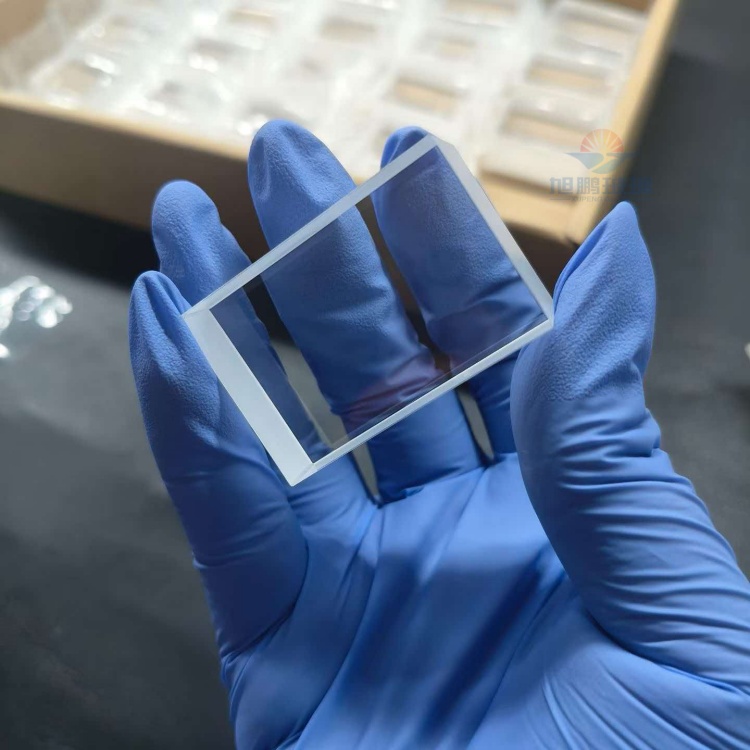
High UV Transmission Thick Gauge Thick Quartz Glass Plate
For UV curing, disinfection, optical inspection and high-temperature view windows where UV transmission and thermal shock resistance drive the specification.

Schott Ultra-thin Optical Glass Sheets, 0.1mm, 0.5mm, 0.7mm, 1.1mm, Raw Semiconductor Electronic Glass Substrates
For compact electronics, semiconductor substrates and display component prototyping. Thin gauges support miniaturised stacks and clean-room handling requirements.

Ultra-thin Flexible UTG Glass, bendable and foldable, suitable for commercial aerospace and new energy industries
For foldable display, commercial aerospace and new-energy R&D programmes requiring bendable glass. Review handling, edge finish and yield targets before pilot production.

Round Aluminosilicate Glass with Chamfered Ground Edges and Metal Coating
For instruments, sensor housings and technical panels needing a circular format, safe chamfered handling edge and functional metal coating.

CNC Carved Low Iron Glass Sheet, High-temperature Screen Printed Tempered Glass, Drilled Glass Panel
For control panels, appliance windows and architectural display parts that combine high-temperature screen printing, drilled holes and low-iron clarity.
Nagoya Fluted Glass Sourcing: From Visual Pattern to Verified Performance
Fluted glass looks simple in a mood board, but its procurement risk sits in the build-up: pattern pitch, flute depth, glass thickness, tempering or lamination, edgework, coating compatibility, moisture exposure and export packing.
Design intent is not a specification
A fluted sample photographed under soft light may look very different beside a Nagoya shop window with strong daylight. We convert the intent into measurable requirements: visible light transmission, obscuration angle, flute orientation, edge condition, surface finish and cleaning method.
Local conditions change the build-up
Nagoya’s humid summers, strong seasonal sunlight and concentrated commercial interiors make condensation control, edge sealing, frame drainage and colour consistency part of the technical brief — not afterthoughts. For exterior screens, wind load and thermal stress must be reviewed with the façade engineer.
Export proof belongs beside the quotation
Glass can meet the drawing and still fail the project if packing, labelling and unloading are weak. AUVE’s export approach uses interleaving protection, edge foam, reinforced crates or cartons, batch labelling and Incoterms matched to the buyer’s customs process.
Technical review note: This guide combines AUVE factory process data with common Nagoya procurement questions. Performance values are typical reference points; final material, safety and compliance requirements must be confirmed against project drawings, test standards and local authority requirements.
Where Fluted Glass and Precision Glass Meet Nagoya Demand
Nagoya buyers rarely ask for “glass” in isolation. They ask for privacy with daylight, safety with clean edges, display clarity with low reflection, and delivery certainty for a fixed installation window.
Meieki, Sakae & Osu retail
Fluted partitions and reeded display screens preserve see-through depth while hiding back-of-house clutter. Pair low-iron tempered fluted glass with AR-coated display glass where merchandise lighting creates distracting reflections.
Office & automotive-adjacent workplaces
In Aichi’s engineering and corporate interiors, fluted glazing balances meeting-room privacy with visual openness. Acoustic performance depends on the whole assembly — glass, interlayer, frame and seals — so request assembly-level evidence rather than a glass-only claim.
Residential & mixed-use interiors
Entry doors, bathroom screens, stair balustrades and balcony partitions benefit from obscured light and easy-clean surfaces. For humid bathrooms, specify tempered safety glass, corrosion-resistant hardware, ventilated channels and a cleaning regime agreed before handover.
Labs, electronics & instrumentation
Showrooms and test labs often combine architectural glass with sensor windows, UV quartz viewports, sapphire covers and thin substrates. AUVE can coordinate the material conversation so the fluted design package and the precision component package do not drift into separate supply chains.
Fluted Glass Specification Matrix for Nagoya Conditions
Use this matrix to frame the first engineering review. It is not a substitute for project calculations, but it helps sourcing teams ask sharper questions before samples are ordered.
Privacy obscuration
Pattern pitch, viewing angle and backlight influence how much detail remains visible.
Relative scale: high for 6–8 mm reeded build-ups
Daylight transmission
Low-iron glass protects the intended brightness; tint and interlayers reduce it.
Relative scale: high with low-iron substrate
Cleaning sensitivity
Deep flutes, textured surfaces and channel details can trap dust if not detailed well.
Relative scale: medium — maintenance plan required
Nagoya & Central Japan Trends Shaping Fluted Glass Demand
These observations are qualitative and based on project inquiries, specification questions and export patterns. They are intended to help buying teams test assumptions, not to replace local market research.
Adaptive reuse and compact interiors
Renovation projects in established Nagoya districts need materials that update a space without heavy structural change. Fluted glass partitions can divide rooms, carry light and add texture while keeping installation tolerances manageable.
Biophilic daylight with privacy
Designers continue to favour daylight, natural texture and visual softness. Fluted glass supports this direction because it diffuses views without blocking light — provided the pattern, tint and lighting design are sampled together.
Mobility and electronics convergence
Aichi’s industrial base keeps pushing showrooms, testing labs and electronics packaging toward higher-spec glass. A fluted design can sit beside AR-coated display windows, sapphire sensor covers and thin substrates in the same project ecosystem.
Long-life materials and documentation
Procurement teams are asking for clearer material routes, batch traceability and packing evidence. Buyers increasingly compare suppliers on documentation quality, response speed and replacement risk — not only on a low unit price.
Why AUVE Glass Supports Nagoya Buyers Who Need Evidence, Not Just Photos
Dongguan AUVE Glass Co., Ltd. is a deep-processing glass manufacturer integrating R&D, design, production and export in Songshan Lake, Dongguan — one of China’s electronics and optoelectronics clusters. Our operating philosophy is “focusing on high-end glass, pioneering and innovating”.
Factory-direct from 2018
Manufacturing and export are handled under one company structure, reducing the gap between a sample promise and the production batch.
- Songshan Lake location
- 51–100 employees
- 1,001–2,000 m² facility
Engineering review before production
Send CAD, DXF or PDF drawings with thickness, tolerance, edge, hole, printing and coating requirements. Our team reviews manufacturability before quoting.
- CNC cutting and edging
- Drilling and tempering
- Silk-screen and AR/AG coating
Six-stage process control
Precision cutting, CNC edging and drilling, tempering, high-temperature printing, functional coating, then QC and export packing.
- Traceable batch flow
- Dimensional and visual checks
- Protective export packing
Broad material capability
Beyond architectural fluted glass, AUVE processes ultra-clear and low-iron glass, tempered glass, AR/AG coatings, silk-screen printed glass, K9, quartz, sapphire, borosilicate and Corning EXG substrates.
- Flat and curved glass
- Display and instrument glass
- Optical and wafer materials
Export packing and trade terms
We support FOB, CFR, CIF, EXW, DDP, DDU, DAF and express delivery, with fragile-goods packing designed for sea, air and courier routes.
- Interleaving film or paper
- Foam corner protection
- Wooden crates or reinforced cartons
Verified trading credentials
Public supplier information supports due diligence: onsite verification, credit index, transaction level, trade capacity, feedback and trade history can be reviewed before a sample order.
- Response time ≤7 h average
- Key markets include Japan, Korea, USA, Canada, Russia and Australia
- Email: info@auveglass.com
A Practical Fluted Glass RFQ Checklist for Nagoya Buyers
The fastest way to get a useful quotation is to send enough information for an engineer to challenge the specification before production.
What to send with your inquiry
- CAD, DXF or PDF drawing with metric dimensions and tolerance
- Fluted pattern reference, flute orientation, visible width and flat edge condition
- Glass make-up: thickness, low-iron or tinted, tempered or laminated
- Hole, cut-out, edge, printing and coating requirements
- Project location, installation environment, target quantity, sample need and delivery schedule
What AUVE returns for review
- Manufacturability feedback on the drawing and pattern
- Recommended material and process route
- MOQ, sample plan and production lead-time assumptions
- Export packing proposal and Incoterm options
- Quotation assumptions that must be confirmed before mass production
Fluted Glass Manufacturer & Exporter for Nagoya: Common Buyer Questions
Direct answers for architects, contractors, distributors and OEM sourcing teams comparing a local supplier with a factory-direct export partner.
Can AUVE supply fluted glass to Nagoya if the project also needs tempered, laminated or coated build-ups?
Yes. We can review the fluted glass build-up together with tempering, lamination, edgework, drilling, silk-screen printing and functional coating requirements. Send the drawing and performance target so our engineers can confirm the process route. Where a project combines fluted architectural glass with AR-coated display glass, sapphire windows or thin substrates, we can also review those items under one technical conversation.
What is the typical minimum order quantity for fluted glass or precision glass parts?
MOQ depends on material, size, coating and process complexity. Many coated and optical glass parts start from 10 to 50 pieces, while standard ultra-clear tempered parts typically start from 100 to 500 pieces. Fluted glass programmes should be quoted after reviewing pattern, thickness and safety requirements. Sample and pilot quantities can be discussed for new projects.
How do you protect fluted glass and precision glass during export packing to Japan?
We use interleaving film or paper, foam corner protection, edge protection, batch labelling and fumigation-free wooden crates or reinforced cartons depending on size and route. For coated or optical parts, the packing plan must also consider surface protection, moisture control and handling instructions. Final packing is matched to the agreed Incoterm and transport mode.
Which shipping terms and routes work for Nagoya buyers?
We support FOB, CFR, CIF, EXW, DDP, DDU, DAF and express delivery. Nagoya Port and Chubu Centrair International Airport are common destinations for central Japan buyers. The correct route depends on glass size, weight, fragility, customs arrangement and required delivery date. DDP can be discussed when the buyer wants a delivered-cost comparison.
Can you review Japanese drawings, metric dimensions or a physical sample?
We work from CAD, DXF or PDF drawings with metric dimensions and clear tolerance notes. If only a physical sample exists, provide photographs, dimensions, edge details and quantity context so engineering can assess feasibility. Any translation or local compliance interpretation should be confirmed by the buyer’s architect or Japanese representative.
Do you provide compliance documentation and third-party testing?
We can provide material and process data relevant to the quotation, such as dimensional inspection records, coating information and packing details. Third-party testing can be arranged against the agreed standard when required. Final compliance with Japanese building regulations, JIS-related project requirements or safety obligations must be confirmed by the project’s architect, contractor or local authority.
How quickly can I receive a technical response?
Our average response time is within 7 hours. For the fastest review, email info@auveglass.com with the drawing, material, thickness, finish, quantity, target schedule and delivery terms. If the inquiry is for fluted glass, include the pattern reference, flute direction, edge finish, installation environment and whether tempered or laminated safety glass is required.
Send a Drawing, Pattern Reference & Target Schedule
Tell us whether the project needs fluted glass, AR-coated display glass, tempered low-iron glass, quartz, sapphire or a mixed precision glass package. Our team will review material, process route, packing and lead time before you commit to a sample order.
Fluted Glass Manufacturer & Exporter for Nagoya · Factory-direct review · Export packing · Drawing-led quotation