8 Glass Cover Panel Product Paths for Indianapolis Buyers
The eight routes below match frequent central Indiana inquiries—from medical HMI and laboratory enclosures to EV charging, kiosk, specialty-vehicle, and semiconductor-adjacent optical windows. Each item can be adapted in size, thickness, edge profile, holes, printing and coating after a drawing review.

Precision CNC Cut & Holed, High-Temperature Silk Screen Tempered Glass Discs
- CNC drilling
- High-temp ceramic ink
- Ultra-clear round glass
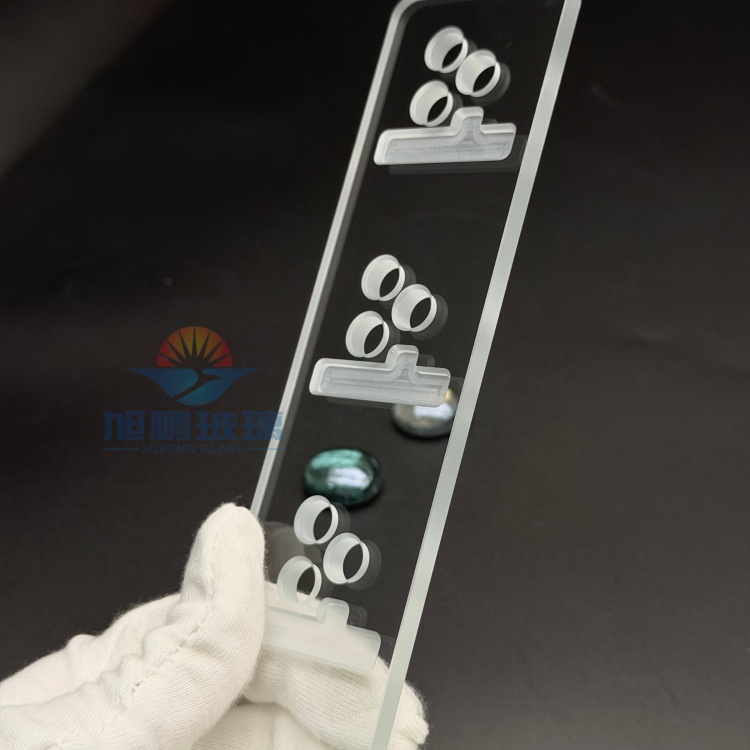
Ultra Clear High Light Transmission Tempered Glass Panel, CNC Arc Polishing, Drilling & Grooving
- High transmission
- Arc polishing
- CNC grooving

Corning EXG Glass Wafer, Double-Sided Polished Custom Fabrication for Semiconductor Glass Wafers
- Corning EXG
- Double-side polish
- Custom wafer
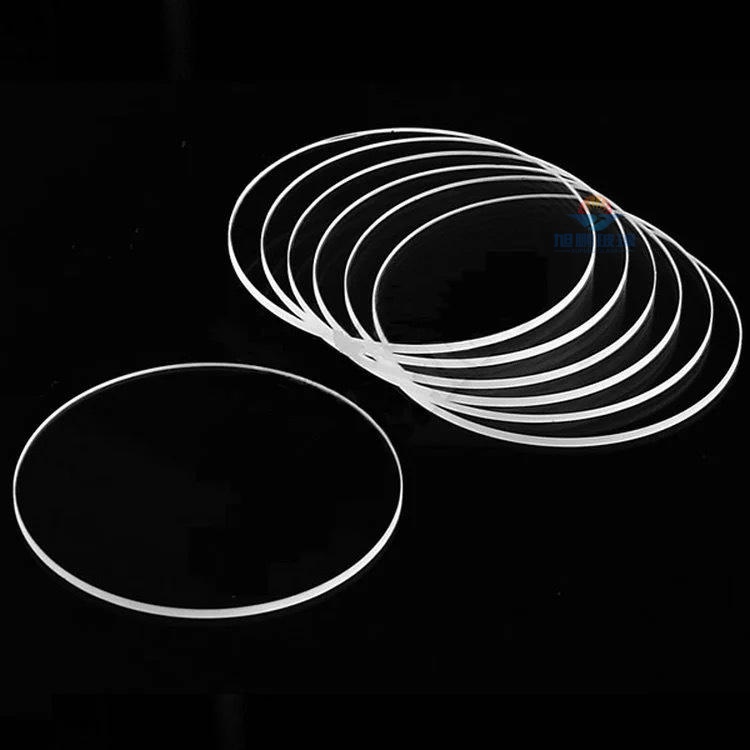
Corning EXG Alkali-Free Glass, UV High-Transmittance Optical Window Substrate
- UV transmission
- Alkali-free
- Optical substrate

Corning EXG Glass Wafer Double-Sided Polished for Custom Semiconductor Glass Wafers & Solar Panels
- Low CTE
- Double-side polish
- Custom dicing

CNC Carved Low Iron Glass Sheet, High-Temperature Screen Printed Tempered Glass, Drilled Glass Panel
- CNC carved
- Screen printed
- Drilled panel
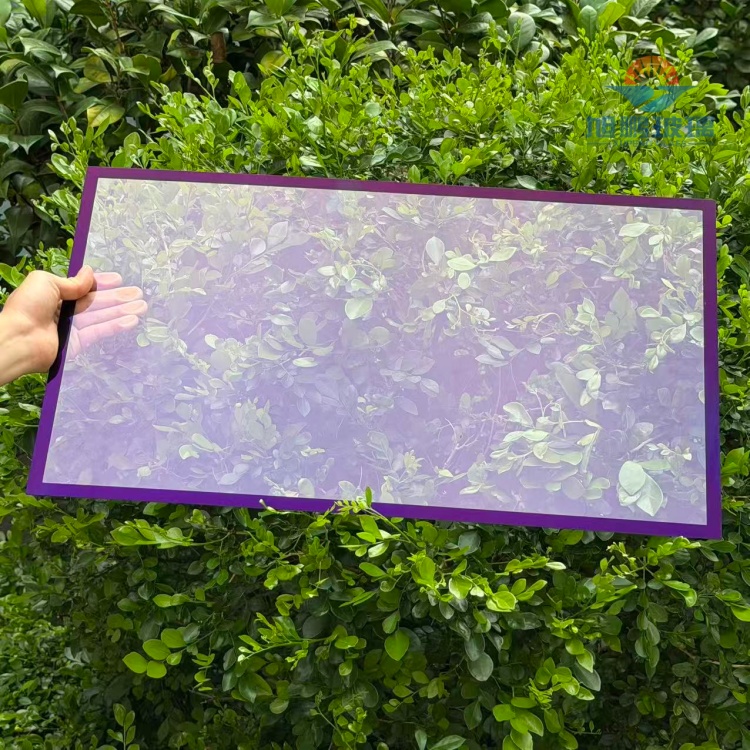
27-inch All-in-One PC AR Coated Glass
- 27-inch format
- AR coated
- AIO display fit

Round Aluminosilicate Glass with Chamfered Ground Edges and Metal Coating
- Chamfered edge
- Metal coating
- Round format
Need a cover panel outside this shortlist? Send your CAD, DXF or PDF drawing for a manufacturability review. Inquire Now
Why Indianapolis Buyers Treat Cover Glass as an Engineered Component
Indianapolis is not a single buying center. The metro combines life-science instruments, advanced manufacturing, warehouse automation, motorsports and specialty vehicles, retail technology, and a growing electronics contract-manufacturing base.
For a buyer in Indianapolis, Indiana, a glass cover panel is rarely just a protective rectangle. It may be the first surface a clinician touches on a diagnostic instrument, the optical window that determines sunlight readability at an EV charging site, the printed fascia that aligns with an industrial HMI enclosure, or the alkali-free substrate that protects a sensor stack. That is why semantic search for “glass cover panel suppliers and exporter for Indianapolis” often comes from engineers and sourcing managers who need a manufacturing partner—not a catalog page.
The local supply chain rewards suppliers who can connect drawing intent to process capability. A central Indiana product team may design in Carmel or Fishers, prototype near Purdue University in Lafayette, assemble in Plainfield or Whitestown, and distribute through the I-65, I-70 and I-74 corridors. Each step creates different requirements: tight edge quality for automated assembly, batch traceability for quality audits, export-safe packing for fragile glass, and documentation that helps the Indianapolis receiving team clear the shipment without surprises.
Dongguan AUVE Glass Co., Ltd. serves this need as a deep-processing glass manufacturer integrating R&D, design, production and export in Songshan Lake, Dongguan. We process flat and curved tempered glass, ultra-white glass, laminated and painted glass, LCD and touch screen glass, smart control panel glass, LED lamp glass, instrument glass, AR high-transmittance glass and AG anti-glare glass. The commercial value is not simply a lower piece price; it is fewer handoffs between cutting, edging, drilling, tempering, printing, coating and packing—the steps that most often create tolerance drift and schedule risk.
Cover Glass Applications Across Indianapolis & Central Indiana
These application modules help sourcing teams translate a local product program into a practical glass specification before requesting a quote.
Medical & Life-Science Instruments
Cover glass for diagnostic displays, laboratory equipment, cleanable control surfaces and instrument windows. Common routes include ultra-clear tempered glass, AR-coated glass and silk-screen printed glass with edge grinding for safe handling.
Industrial Automation & HMI
Machine control panels, robotics teach pendants, warehouse-automation screens and factory-floor displays. AG anti-glare glass and AR anti-reflective glass improve readability under mixed lighting; CNC holes and cut-outs support connectors and gaskets.
EV, Mobility & Specialty Vehicles
Charging-station interfaces, motorsports dashboards, fleet telematics and outdoor kiosk covers. Tempered low-iron glass adds impact resistance and clarity; AG surfaces reduce reflection from street lighting and sunlight.
Retail Kiosks, POS & Signage
Self-checkout, interactive kiosk, menu-board and point-of-sale cover panels. Silk-screen printed borders, AR coating, AG etching and custom edge profiles help align glass with bezels and touch modules.
Smart Building & Appliance Panels
HVAC touch interfaces, appliance covers, switch and socket covers, smart-home control glass and decorative printed panels. Ultra-white low-iron glass protects brand color fidelity; high-temperature ceramic ink supports durable graphics.
Optical Instruments & Sensor Windows
Corning EXG wafers, K9 optical glass, quartz, sapphire and aluminosilicate windows for laboratory, sensing, UV and semiconductor-support programs. Material selection is driven by transmission, CTE, hardness and thermal load.
Three Sourcing Trends Shaping Indianapolis Cover Panel Programs
These trends are visible in the way central Indiana OEMs, contract manufacturers and brand owners are reviewing glass cover panel suppliers today.
High-Mix, Resilient Production
Midwest buyers increasingly combine domestic assembly with specialized imported components. They want a supplier who can support pilot quantities, drawing revisions and mixed finishes without treating every change as a new program. A factory-direct partner with in-house CNC cutting, edging, drilling, tempering, printing and coating can shorten the loop between engineering and production.
Engineered Light Control
Display readability has moved from simple gloss or matte choices to engineered AR/AG stacks. Indianapolis teams specify reflection, transmission, haze and color neutrality for touch modules, medical displays and outdoor kiosks. The supplier must be able to discuss coating options alongside tempering, printing and edge quality—not as isolated line items.
Supply-Chain Proof, Not Promises
Procurement teams now evaluate packing method, Incoterms, response time, inspection records and public supplier data before releasing a purchase order. For fragile glass shipping to Indiana, export packing and batch labeling matter as much as unit price. That is why the inquiry process should start with a drawing, quantity, target date and delivery term.
How to Specify a Cover Panel That Fits an Indianapolis Assembly
Use this selection matrix to align material, coating and finishing choices with the real use case before requesting samples or pilot production.
| Cover Panel Requirement | Why It Matters in Central Indiana Programs | Recommended Glass Route |
|---|---|---|
| Glare control for indoor HMI | Factory-floor lighting, inspection stations and warehouse screens can wash out glossy interfaces. Engineers often need glare reduction without losing touch sensitivity or printed-icon clarity. | AG anti-glare glass; AG + AR coating; ultra-clear tempered base with printed borders. |
| Sunlight readability for outdoor kiosks | EV charging, parking, logistics and retail signage require stable readability across seasons. Reflection management and surface durability both affect perceived quality. | AR coated glass; AG etched glass; tempered low-iron glass; optional printed black border. |
| Impact and thermal resistance | Public-facing devices, appliance panels and specialty-vehicle interfaces must survive handling, cleaning and temperature cycles. Annealed glass may not meet field expectations. | Flat or curved tempered glass; ultra-clear low-iron tempered; heat-resistant borosilicate where appropriate. |
| Printed graphics and windows | Brand colors, icon windows, sensor openings and gasket alignment depend on printing accuracy. High-temperature ceramic ink is fired into the glass for durability. | Silk-screen printed tempered glass; multi-color printing; IR/window ink; CNC holes and cut-outs. |
| Optical, UV or semiconductor-adjacent performance | Laboratory instruments and sensor windows may require alkali-free substrates, high UV transmission, low CTE or scratch resistance. Material properties must be matched to the measurement method. | Corning EXG alkali-free glass; K9 optical glass; fused quartz; sapphire; double-side polished wafers. |
| Assembly tolerance and edge safety | Automated assembly and manual handling both place demands on edge quality, hole position and flatness. Poor edges create chips, delays and rejected lots. | CNC cutting, edge grinding, chamfering, drilling, grooving, arc polishing and dimensional QC. |
Typical reference data only. Final thickness, tolerance, optical values and test standards should be confirmed on your drawing and approved sample before mass production.
Capability Fit for Typical Indianapolis Cover Panel Programs
The bars below summarize the process areas most often requested by OEM and contract-manufacturing buyers. They are not a substitute for drawing review; they show where a factory-direct deep-processing partner can reduce handoffs.
A Factory-Direct Glass Partner—Not a Catalog Reseller
Dongguan AUVE Glass Co., Ltd. is a deep-processing glass manufacturer integrating R&D, design, production and export. The company is based in Songshan Lake, Dongguan—one of China’s leading electronics and optoelectronics clusters.


Guided by the philosophy of “focusing on high-end glass, pioneering and innovating,” AUVE Glass keeps investing in skilled engineers and advanced equipment to deliver complete glass solutions for OEMs, brand owners and distributors. The product scope includes flat and curved tempered glass, ultra-white glass, laminated and painted glass, LCD and touch screen glass, smart control panel glass, LED lamp glass, instrument glass, AR high-transmittance glass and AG anti-glare glass.
For Indianapolis buyers, the practical advantage is a controlled process chain: cutting, CNC edging, drilling, grooving, tempering, silk-screen printing, AR/AG coating, inspection and export packing. Production follows defined process standards and a documented quality management system so every batch can be traced from raw sheet to packed carton. Public supplier data—onsite-checked status, credit index, transaction level, trade capacity, trade history and buyer reviews—helps procurement teams complete initial screening before a technical conversation begins.
Factory-Direct Deep Processing
One partner for cutting, edging, CNC drilling, tempering, printing, coating, QC and packing—reducing coordination loss between multiple vendors.
Drawing-First Engineering Review
Send CAD, DXF or PDF drawings with thickness, tolerance, edge, hole, printing and coating requirements. Engineers review manufacturability before production.
Verified Supplier Credentials
Onsite-checked supplier status, credit index, transaction level, trade capacity, trade history and genuine buyer feedback support buyer due diligence.
Fragile-Glass Export Packing
Protective film or paper, foam corner protection, batch labeling and fumigation-free wooden crates or reinforced cartons for Indianapolis deliveries.
Proven Export Experience
Glass products are already exported to the United States, Canada, Russia, South Korea, Japan, Australia and other markets, with flexible commercial terms.
Responsive Technical Communication
Average response within 7 hours. Share the drawing, quantity, application and target delivery date to receive a clearer material and process recommendation.
Frequently Asked Questions from Indianapolis Glass Cover Panel Buyers
Straight answers to common questions from procurement, engineering and quality teams sourcing custom cover glass for Indiana programs.
Are you a manufacturer or a trading company?
Dongguan AUVE Glass Co., Ltd. is a deep-processing glass manufacturer integrating R&D, design, production and export. We process flat and curved tempered glass, ultra-clear glass, AR/AG coated glass, silk-screen printed glass and optical materials such as K9, quartz, sapphire, borosilicate and Corning EXG.
Can you produce cover panels to our drawing and support pilot runs?
Yes. Send a CAD, DXF or PDF drawing with thickness, tolerance, edge, hole, printing and coating requirements. Our engineers review manufacturability before production. MOQ depends on material and process; many coated and optical parts start from 10 to 50 pieces, while standard ultra-clear tempered parts often start from 100 to 500 pieces. Sample and pilot quantities can be discussed for new Indianapolis programs.
How do you ship glass cover panels to Indianapolis and protect them?
We support FOB, CFR, CIF, EXW, DDP, DDU, DAF and express delivery. Export packing is designed for fragile glass parts and can include protective film, interleaving paper, foam corner protection, batch labeling and fumigation-free wooden crates or reinforced cartons. The best shipping method depends on size, quantity, delivery term and how quickly your Indianapolis team needs the parts.
Can you match AR, AG, transmission or printed-graphics requirements?
AR anti-reflective and AG anti-glare coatings are core process areas, together with high-temperature silk-screen printing and tempering. We confirm the drawing, target optical values, test method, surface finish and appearance standard before mass production. Typical reference values such as transmission, haze or reflection should always be validated against your approved sample.
Which file formats and details should we include in an inquiry?
Include a 2D drawing (CAD, DXF or PDF), 3D model if available, glass thickness, overall dimensions, tolerance, edge profile, hole and cut-out positions, printing artwork, coating requirement, quantity, application, target delivery date and preferred Incoterm. If you are unsure about the material, describe the environment, cleaning method and optical target so our team can recommend a route.
How long should we plan for samples and production?
Sampling and production schedules depend on material, coating, printing, tempering, tooling and order quantity. The fastest way to get a reliable schedule is to send the drawing and target date for engineering review. Our average technical response is within 7 hours, and we will confirm the material route, sample plan and production sequence before quoting.
What documentation can support our supplier qualification process?
Buyers can review onsite-checked supplier status, credit index, transaction level, trade capacity, trade history and ratings/reviews. Batch traceability, inspection records and project-specific compliance documents can be discussed during the quotation stage so your Indianapolis quality team knows what will be supplied with the shipment.
Should we choose a local Indianapolis distributor or a factory-direct exporter?
It depends on total cost and technical fit. A local distributor may hold inventory for standard sizes, while a factory-direct deep-processing exporter is often better for custom cut-outs, printed graphics, AR/AG coatings, tempered glass, optical materials and consolidated multi-process orders. For custom cover panels, compare drawing support, sample quality, packing, delivery terms and communication speed—not only unit price.
Send Your Cover Panel Drawing for an Indianapolis Project Review
Share your size, thickness, tolerance, edge, hole, printing, coating and quantity requirements. Our team will confirm material, process route, packing and lead time—usually within 7 hours. Email info@auveglass.com or start a live inquiry now.