Glass Drilling Factory & Wholesaler for the Kyoto Market
Custom drilled tempered glass, sapphire windows, quartz plates, TGV glass substrates, optical wafers and AR/AG-coated glass for Kyoto OEMs, instrument makers, laboratories and wholesale buyers.
Drilled, Coated and Optical Glass Products for Kyoto Buyers
These eight product families cover the most common technical sourcing paths for Kyoto: precision optics, semiconductor and microfluidic R&D, high-temperature windows, UV equipment, premium control panels and design-led glass components. Every part can be quoted from your drawing with drilling, edging, tempering, silk-screen printing and AR/AG coating reviewed together.

High Transmittance Sapphire Glass, Scratch Resistant & High Temperature Resistant Sapphire Glass Sheets
For sensor covers, high-temperature viewports and scratch-critical inspection windows where optical clarity and surface durability both matter.
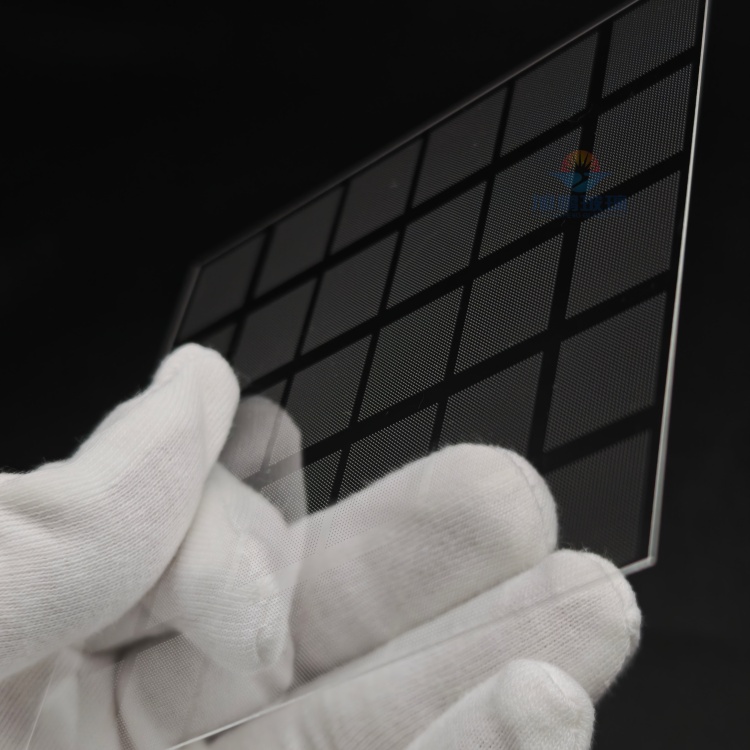
TGV Drilled Packaging Glass Substrate, Precision Laser Microvia Glass
Laser microvia substrates for advanced packaging, microfluidics and 2.5D/3D R&D, well matched to Kyoto and Kansai electronics laboratories.
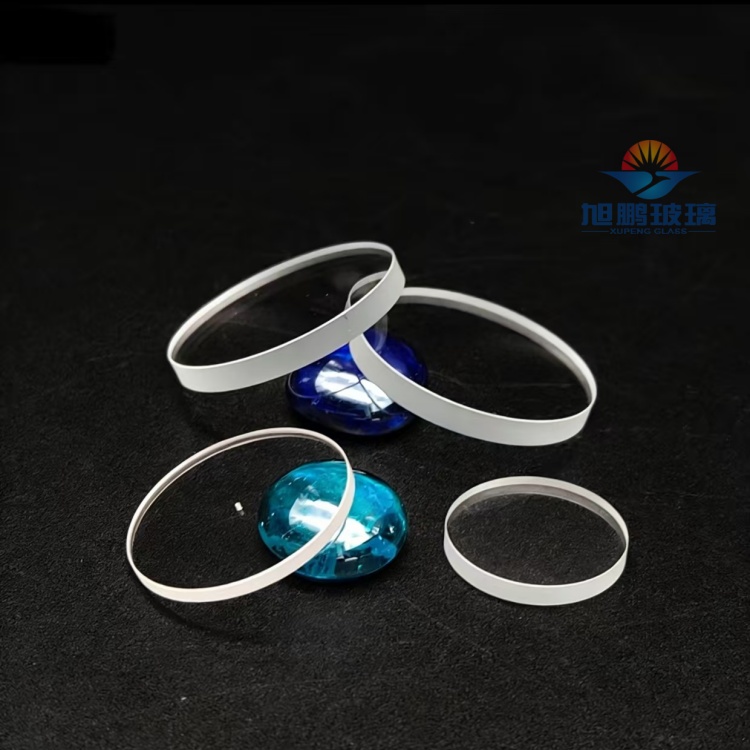
Sapphire Glass Step Window Wafers, High Temperature Resistant & High Light Transmittance Optical Sapphire Lenses
Step-machined sapphire windows for optical assemblies, laser modules and high-temperature chambers requiring a locating shoulder.

Precision CNC Cut & Holed, High-temperature Silk Screen Tempered Glass, Drilled Ultra-clear Small Round Glass Discs
Round tempered glass discs with clean holes and high-temperature printed graphics for sensor windows, HMI panels and premium appliances.
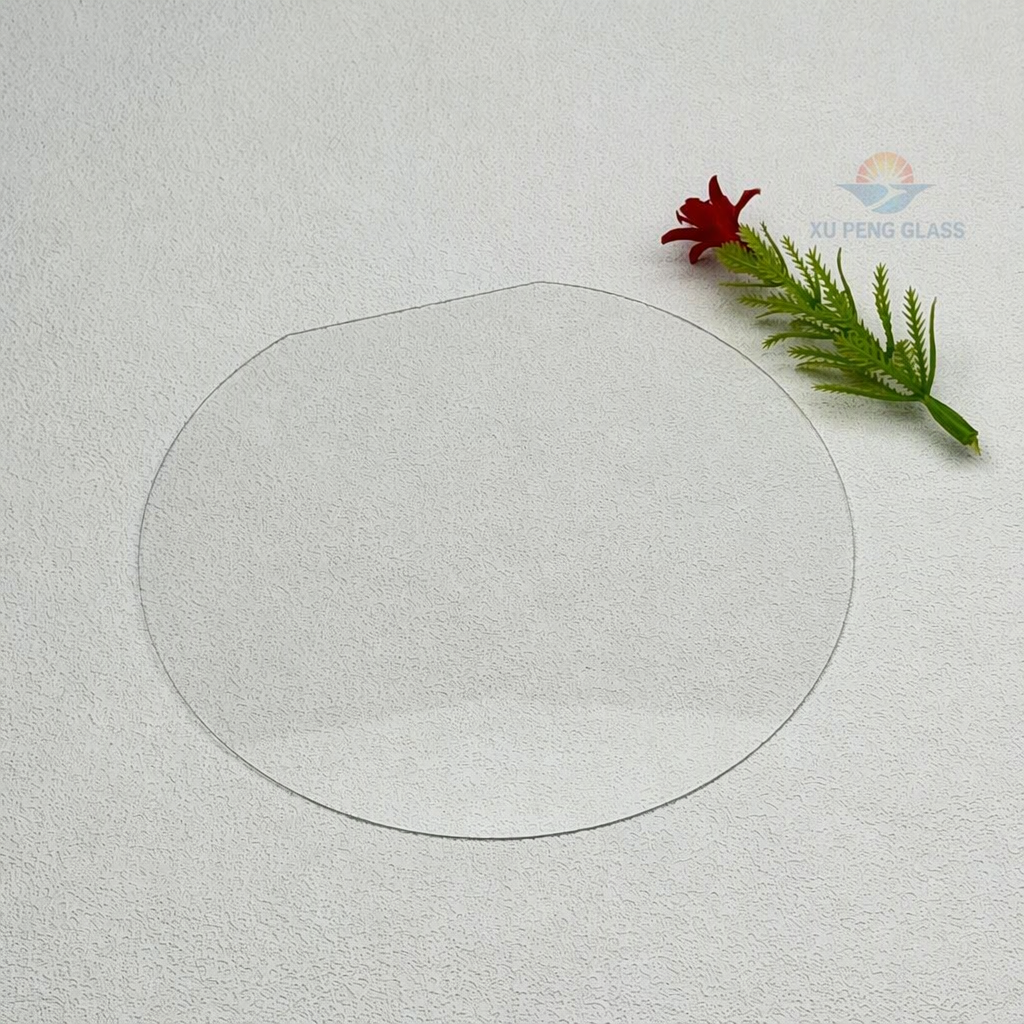
Ultra-thin High-precision Optical Glass Wafer, Corning / SCHOTT / Fused Silica
Thin wafers for optical instruments, display research and precision devices where thickness control and surface quality are critical.

CNC Carved Low Iron Glass Sheet, High-temperature Screen Printed Tempered Glass, Drilled Glass Panel
Low-iron tempered panels combining carving, holes, edgework and high-temperature printing for lighting, displays and equipment covers.
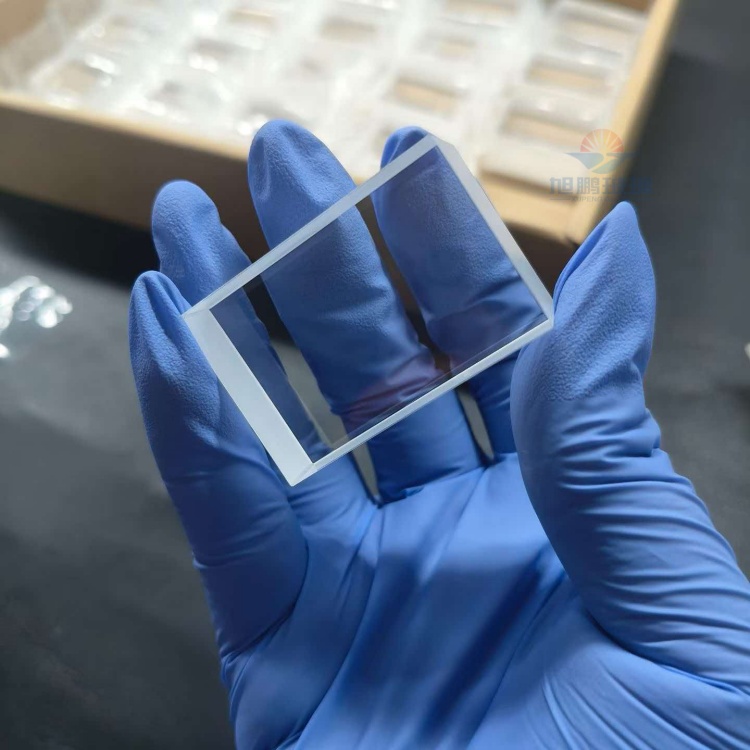
High UV Transmission Thick Gauge Thick Quartz Glass Plate
Thick fused quartz for UV curing, disinfection, analytical instruments and high-temperature viewports, with drilling and polishing reviewed together.

White Ceramic Glass-Ceramic, 4mm & 6mm, High Temperature Resistant Glass-Ceramic
White glass-ceramic panels for high-temperature appliances, design-led product enclosures and interfaces where thermal stability is essential.
Where Drilled Glass Creates Value in Kyoto’s Advanced Manufacturing Ecosystem
Kyoto is not a generic glass market. It combines precision instrument manufacturing, electronics and semiconductor-related R&D, medical and analytical equipment, premium appliance design, architecture and a deeply rooted craft culture. Buyers therefore tend to evaluate glass not only by price, but by edge quality, dimensional reliability, optical consistency and communication discipline.
Precision optical instruments and measurement systems
Kyoto’s instrument and measurement ecosystem demands windows with controlled transmission, low haze, clean edges and repeatable geometry. Drilled sapphire step windows, quartz plates, K9 optical glass and AR-coated substrates can be combined with chamfers and stepped profiles for sensor housings, laser modules and analytical benches.
Semiconductor, MEMS and display innovation
R&D and pilot-line teams in Kyoto and the wider Kansai area need TGV substrates, ultra-thin wafers and alkali-free glass with clean microvias, low warp and reliable dicing. The sourcing conversation often starts at prototype quantity and later moves to a controlled repeat order.
Medical, analytical and environmental equipment
Quartz and sapphire windows are frequently used in UV analysis, flow cells, sensor protection and high-temperature viewports. Drilling must avoid micro-cracks and contamination, while cleaning, packing and batch identification must be clear enough for engineering teams to trace parts after receipt.
Premium HMI and smart control panels
CNC drilled low-iron tempered glass with silk-screen graphics and AR/AG coating is a strong fit for appliances, laboratory devices, kiosks and architectural controls. Kyoto buyers often care about subtle surface feel, ink color consistency and the disappearance of visible reflection under angled lighting.
Lighting, interiors and display fixtures
Drilled ultra-clear glass can be used for LED fixtures, light boxes, showcases and architectural details where edge quality, clarity and installation accuracy matter. A factory review of hole spacing, edge stress and packing method can prevent costly breakage after installation.
High-mix, low-volume prototype programs
Kyoto teams often validate several variants before mass production. That creates demand for a wholesaler-style supply relationship that can handle sample quantities, drawing revisions and production-scale MOQs without changing the technical contact or losing the process history.
Five Trends Shaping Glass Procurement for the Kyoto Market
Sales conversations with export buyers increasingly focus on information quality rather than a single price line. The most useful supplier is one that can read a drawing, identify risk early and explain the manufacturing sequence in plain technical English.
Qualified dual sourcing
Kyoto manufacturers are strengthening supply continuity by qualifying an overseas deep-processing partner alongside domestic sources. The decision is usually based on process visibility, packaging reliability and consistent engineering replies, not merely lowest unit cost.
More information-rich RFQs
Buyers now include application conditions, cleaning requirements, coating targets, edge criteria, packing preferences and delivery terms in the first enquiry. A factory that can respond with a structured DFM note saves several email rounds before sampling.
Miniaturization and tighter edge quality
Microvias, thin wafers, step windows and small drilled discs demand careful tool selection, stress control and inspection. For Kyoto optical and electronics projects, “drilled” is no longer enough; the hole edge, taper, contamination level and dimensional repeatability must be defined.
Sustainability and packing efficiency
Durable glass parts reduce replacement frequency, but fragile-goods packing still matters. Buyers increasingly ask how interleaving film, foam protection and wooden crates can protect parts while avoiding unnecessary packing waste.
Recommended Glass Routing by Kyoto Application
Use this reference to shortlist a material and process route before sending a drawing. Final specifications should always be confirmed against your drawing, test method, assembly stack and target order quantity.
| Kyoto application | Recommended product route | Drilling and finishing focus | Buyer note |
|---|---|---|---|
| Optical sensor or laser module window | Sapphire step window wafers or high-transmittance sapphire sheets | CNC contour, step machining, chamfering, polishing and edge inspection | Define transmission band, surface scratch criteria and locating shoulder tolerance. |
| Advanced packaging or microfluidic R&D | TGV drilled glass substrate or ultra-thin optical wafer | Laser microvia, wafer thinning, dicing, cleaning and visual inspection | Discuss via diameter, pitch, taper, warp and handling method before sampling. |
| Premium HMI or control panel | CNC drilled low-iron tempered glass or drilled silk-screen tempered discs | Hole layout, edge grinding, high-temperature printing, AR/AG coating | Confirm ink color, touch-module stack, hole function and reflection target. |
| UV analysis, curing or disinfection equipment | High UV transmission thick quartz plate | Thick-gauge cutting, drilling, polishing and thermal-stress-conscious handling | Specify UV wavelength range, thickness, surface quality and thermal load. |
| High-temperature appliance interface | White ceramic glass-ceramic | Drilling, edge finishing, printing and dimension checks | Match thickness, sealing method, expansion behavior and decoration requirements. |
Why Kyoto OEMs and Wholesalers Work with a Factory-Direct Deep-Processing Partner
Drilled glass is rarely a standalone purchase. It is part of an assembly, an instrument, a control panel or a sealed chamber. The supplier must connect material, hole geometry, edge condition, coating, printing, tempering and export packing into one controlled production route.
Deep-processing under one roof
Cutting, CNC shaping, drilling, edging, tempering, silk-screen printing, AR/AG coating and final inspection are reviewed as one production flow. This reduces coordination risk and makes it easier to protect hole quality and edge strength.
DFM review before quotation
Our engineers review thickness, tolerance stack, hole edge distance, coating sequence and packing method before mass production. This is especially useful for Kyoto teams that need a clean quotation package for internal approval.
Broad substrate portfolio
Ultra-clear low-iron glass, tempered glass, K9 optical glass, quartz, sapphire, borosilicate, Corning EXG alkali-free glass and ultra-thin flexible glass can be sourced through one technical contact.
Traceable quality control
Incoming material, in-process dimensions, visual condition and final optical checks are documented against the agreed drawing and inspection criteria. Batch labeling supports traceability from raw sheet to packed carton.
Responsive English communication
Average response time is within 7 hours. CAD, DXF and PDF drawings are accepted, and our team can return clarifying questions in technical English before preparing a factory-direct quotation.
Export experience for Japan
Our products are exported to Japan, South Korea, the United States, Canada, Russia, Australia and other markets. Fragile-glass packing, delivery terms and export documents can be coordinated before shipment.
Established, factory-direct deep-processing focus
Skilled employees supporting production and QC
Production and inspection facility footprint
Average technical inquiry response time
Key export markets including Japan
Featured product routes for Kyoto sourcing
Dongguan AUVE Glass: A Deep-Processing Manufacturer Built for Custom Technical Glass
Dongguan AUVE Glass Co., Ltd. is a deep-processing glass manufacturer integrating R&D, design, production and export from Songshan Lake, Dongguan, one of China’s electronics and optoelectronics clusters. Since 2018, the company has focused on applied glass engineering rather than commodity-only supply.
Our production covers flat and curved tempered glass, ultra-clear low-iron glass, laminated and painted glass, AR anti-reflective glass, AG anti-glare glass, silk-screen printed glass, LCD and touch screen cover glass, LED lighting glass, instrument glass, and optical materials such as K9, quartz, sapphire, borosilicate and Corning EXG alkali-free glass.
Guided by the philosophy of “focusing on high-end glass, pioneering and innovating,” we keep investing in engineers, equipment and process control. For a Kyoto buyer, that means a supplier able to discuss manufacturability from the beginning, document quality checks, and prepare fragile glass parts for international delivery.
For Kyoto instrument makers, electronics R&D teams, lighting integrators and wholesale buyers, the practical advantage is access to a single factory-direct technical channel for drilling, edging, tempering, printing, coating, inspection and export packing.



From Drawing to Kyoto Delivery: Six Controlled Steps
A transparent process protects both technical performance and delivery planning. Each step below can be confirmed in the quotation so your engineering and procurement teams know what will happen before production begins.
Drawing and application review
We review your CAD, DXF or PDF drawing, thickness, holes, edge profile, coating, printing and target quantity against the final application.
Material selection and DFM
Our team recommends a glass substrate and flags manufacturability risks such as hole edge distance, step geometry, tempering constraints or coating sequence.
Cutting, CNC shaping and drilling
Parts are cut and shaped, then drilled or laser-processed according to the drawing. Critical dimensions and hole quality receive in-process checks.
Edging, chamfering and polishing
Edge grinding, beveling and polishing are planned around handling safety, assembly fit and the appearance required for visible glass parts.
Tempering, printing and coating
Where required, thermal tempering, high-temperature silk-screen printing and AR/AG coating are sequenced to protect the drilled features and final appearance.
Final QC and export packing
Dimensional, visual and optical checks are completed against the agreed criteria, followed by interleaving protection, foam corners and export-ready packing.
Packaging and Delivery Coordination for Kyoto Buyers
Kyoto is inland, so shipments are usually coordinated through Kansai-area gateways. Clear delivery terms, packing specifications and document preparation matter as much as the glass specification itself.
Flexible delivery terms
FOB, CFR, CIF, EXW, DDP, DDU, DAF and express delivery can be discussed. For Kyoto, sea freight via Kobe or Osaka followed by truck delivery is common; air and express options are available for urgent samples or high-value parts.
Fragile-glass packing
Protective film or interleaving paper, foam corner protection and fumigation-free wooden crates or reinforced cartons can be specified. Batch labels help your receiving team match cartons to the purchase order.
Technical and shipping documents
Commercial invoice, packing list and shipment tracking are prepared for each order. Buyers can coordinate HS code and import documentation with their own customs broker, or discuss DDP arrangements where appropriate.
Frequently Asked Questions from Kyoto Procurement and Engineering Teams
These are the questions we most often receive from overseas buyers evaluating a glass drilling factory and wholesaler for Japan-bound projects.
Can you ship drilled glass parts to Kyoto?
Yes. We support export to Japan and other markets. For Kyoto, shipments are typically routed through Kansai International Airport for air/express or through Kobe/Osaka for sea freight, followed by local truck delivery. DDP, DDU, CIF, CFR, FOB and express delivery can be discussed depending on your import setup.
What drawing format should Kyoto engineers send?
Please send CAD, DXF or PDF drawings with thickness, overall dimensions, hole diameter and position, edge profile, tolerance requirements, printing colors, coating target and target quantity. If the part fits into an assembly, include a short note about the application so our engineers can flag stress or handling risks.
What is the minimum order quantity?
MOQ depends on material and process. Many coated and optical glass parts start from 10 to 50 pieces, while standard ultra-clear tempered parts typically start from 100 to 500 pieces. Sample and pilot quantities can be discussed for new Kyoto projects, especially when the drawing is still under validation.
Can holes be drilled after tempering?
For tempered glass, drilling and edge processing are normally completed before tempering. Post-tempering drilling can damage the tempered stress layer and increase breakage risk. If your design requires post-processing, our engineers will review the sequence and advise whether a different material or process route is safer.
How do you control micro-cracks around drilled holes?
Hole quality depends on tool selection, feed rate, coolant, edge distance, chamfering and inspection. For laser microvia substrates, parameters are validated against the requested diameter, pitch and taper. Final criteria should be agreed on the drawing or inspection standard before mass production.
Can drilling be combined with AR/AG coating or silk-screen printing?
Yes. Many parts combine CNC drilling, edge grinding, tempering, high-temperature printing and AR or AG coating. The exact sequence depends on the ink, coating and glass type. Our team will confirm the process route so the coating and printed graphics are not compromised by later handling.
Which material should I choose for a Kyoto optical instrument window?
For scratch-critical or high-temperature windows, sapphire is often considered. For general optical instruments, K9 may be suitable. For UV transmission or high thermal shock, fused quartz is often selected. For display reflection control, AR-coated glass may be preferred. The final choice should be based on transmission band, hardness, thermal load and assembly method.
What information is needed for a useful quotation?
Send the drawing, glass material if known, thickness, size, hole requirements, edge finish, printing, coating, quantity, packing preference and delivery term. If you are still choosing a material, describe the application and operating environment instead; our engineers can recommend a shortlist.
How fast can I receive a technical reply?
Our average response time is within 7 hours. A complete drawing package usually allows a faster and more accurate reply. For urgent Kyoto projects, use the Get a Quote button and include your target schedule so the team can prioritize the review.
Do you support samples before production?
Sample and pilot quantities can be discussed for new projects. Sampling is especially useful for drilled holes, step windows, printed graphics, AR/AG coating and custom edge profiles. The quotation can separate sample approval from mass production planning so procurement can follow a clear approval path.
Send Your Drawing to Start a Kyoto-Focused Glass Drilling Quote
Share your glass type, thickness, hole layout, edge finish, coating or printing requirement, target quantity and preferred delivery term. Our team will review manufacturability and reply with a factory-direct quotation and practical production notes.
Get a QuotePrefer email? Include your drawing and quantity at info@auveglass.com for an engineering review.