What Makati Buyers Really Mean by “Edge Polishing Factories”
In the Makati market, the search phrase “glass edge polishing manufacturers” is used by several different buyer groups: architects specifying exposed-edge glass for Ayala Avenue offices, contractors repairing or upgrading partition glass, retail display integrators in Greenbelt and BGC, and procurement teams sourcing optical or quartz components for electronics and laboratory equipment. The common requirement is not simply “polished glass” — it is a controlled edge that is chip-free, dimensionally accurate, safe to handle, compatible with tempering or coating, and packed well enough to survive the trip from the factory to a Makati job site.
Makati has local glass fabricators, cutters and installation teams. That local layer is valuable for site measurement, urgent replacement and final fixing. However, precision edge polishing combined with tempering, CNC drilling, silk-screen printing, AR/AG coating, optical-grade inspection or semiconductor wafer polishing is usually a factory process rather than a retail fabrication service. For repeat B2B orders, the most reliable model is often a factory-direct production partner plus a local Makati installer or fabricator for final handling and installation.
This page is written for that real procurement journey. It separates local installation from production, lists factory-direct product options, explains Makati-specific applications and trends, and gives specifiers a practical RFQ checklist. Dongguan AUVE Glass Co., Ltd. serves Makati buyers as a deep-processing glass manufacturer with custom production to CAD, DXF or PDF drawings, documented QC and export packing designed for fragile glass parts.
Search intent decoded for Makati
High-ranking content must answer the intent behind the query, not only repeat the keyword.
- “Near me” / “Makati factory” Usually means site measurement, urgent replacement, installation or a small cut-to-size job. A local fabricator is often the right first call.
- “Manufacturer / factory-direct” Means drawing-based production, repeatable edge quality, material traceability, coating capability and export documentation. This is where a qualified manufacturer reduces total cost.
- “Edge polishing” Means a specific edge profile, chip tolerance, micro-crack control, tempering sequence and inspection method. Vague “polished edge” requests create disputes; profile drawings prevent them.
8 Factory-Direct Glass Products for Makati Projects
Each product below is available for custom fabrication. Product URLs are retained exactly as supplied; sizes, thicknesses, edge profiles, tolerances, coatings, printing and packing can be adapted to your Makati project requirements.

Round Aluminosilicate Glass with Chamfered Ground Edges and Metal Coating
Recommended for premium lighting, sensor windows and exposed-edge decorative assemblies in Makati hospitality and retail fit-outs. The chamfered ground edge improves handling safety and gives a refined profile when the glass edge remains visible.
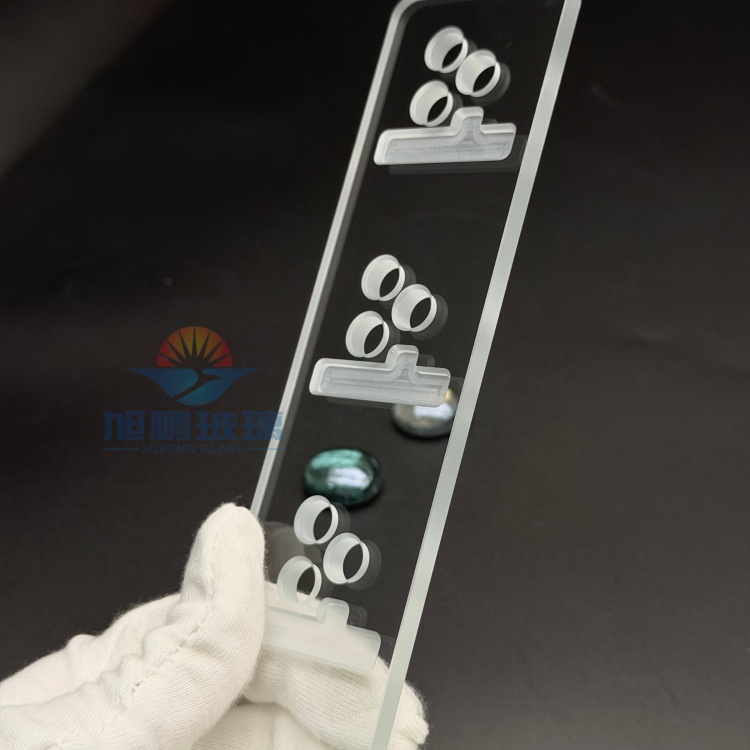
Ultra Clear High Light Transmission Tempered Glass Panel, CNC Arc Polishing, Drilling & Grooving
A strong choice for Makati office partitions, control-panel covers and high-clarity display glass where CNC arc polishing, drilling and grooving must match an assembly drawing. Edge quality is controlled before tempering to reduce handling risk and installation rejects.
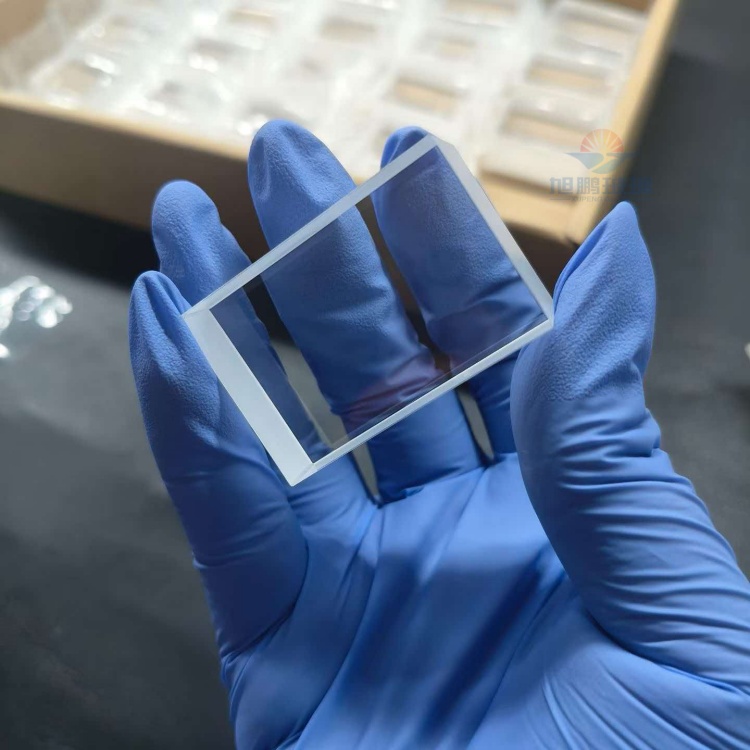
High UV Transmission Thick Gauge Thick Quartz Glass Plate
Used in UV curing, UV disinfection and laboratory equipment. For Makati clinics, food-service groups and electronics service labs, quartz windows require clean polished edges to reduce stress points and improve handling confidence in maintenance cycles.

Ultra-white Tempered Glass, AR Anti-Reflection Coatable, High Light Transmittance & Anti-reflective
For luxury retail showcases, museum-style displays and high-end conference environments in Makati CBD and BGC. Ultra-white glass reduces green tint, while AR coating improves clarity under spotlights and large glass facades.
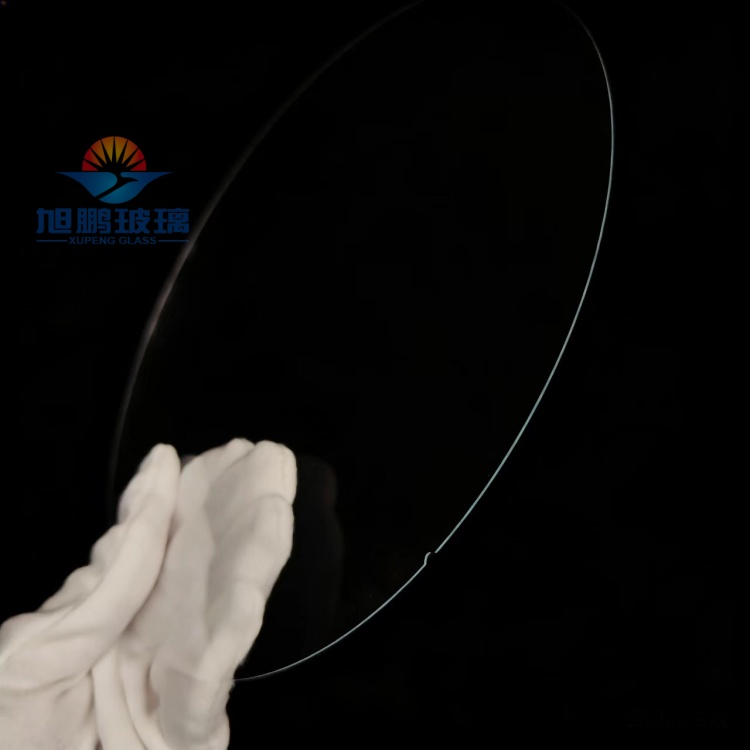
Corning EXG Glass Wafer, Double-Sided Polished Custom Fabrication for Semiconductor Glass Wafers
Designed for semiconductor, MEMS and display substrate programs where alkali-free glass and double-side polishing are specified. Makati-based electronics procurement teams can consolidate wafer sourcing with other custom glass parts.
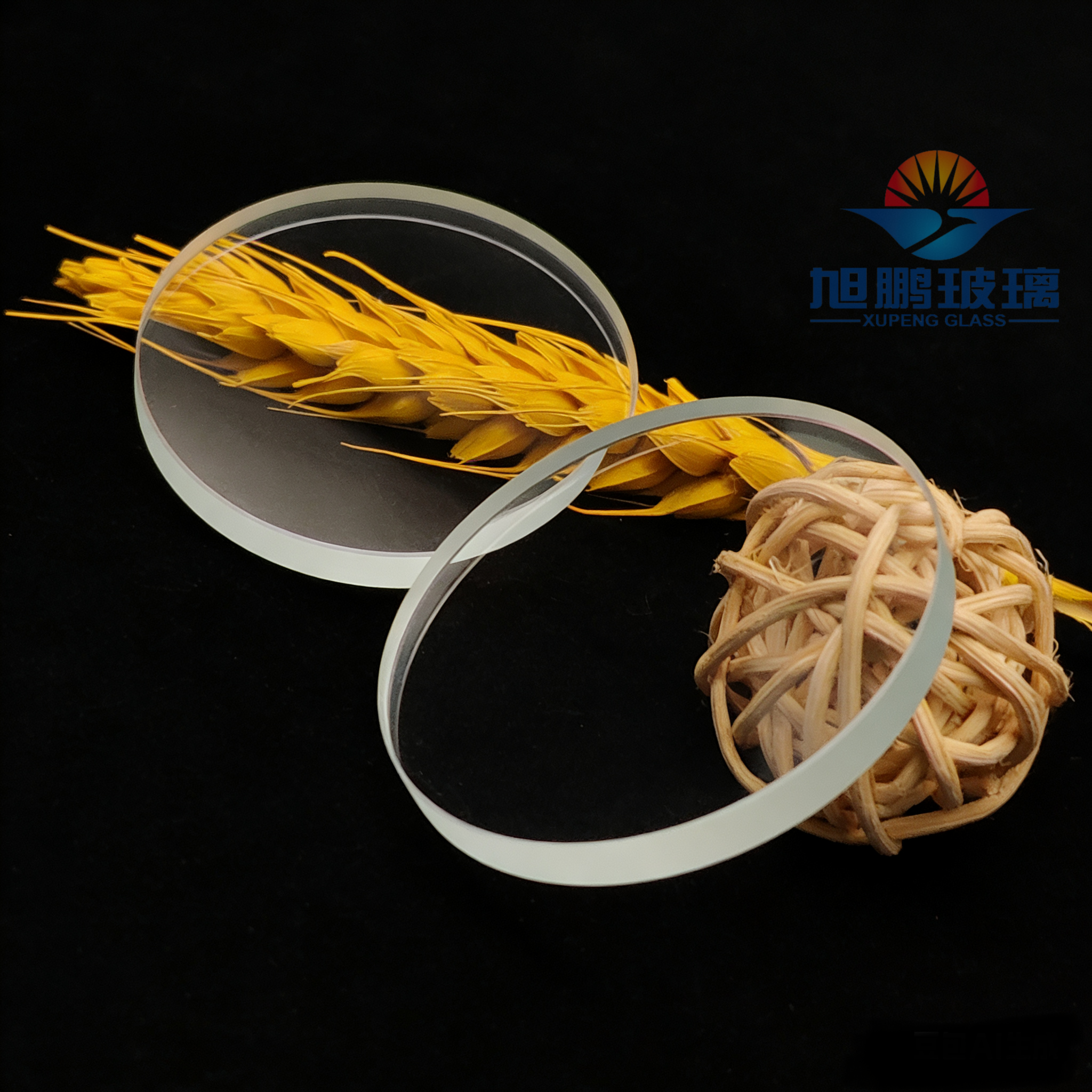
Low Iron Round High Transmittance Tempered Glass Panel with Precision Polished Edges, Flat Clear Glass
Suitable for circular architectural features, lighting covers, appliance windows and precision control panels. Low-iron glass reduces edge tint, and precision polished edges improve clarity, touch safety and final-product appearance.

Schott Ultra-thin Optical Glass Sheets, 0.1mm, 0.5mm, 0.7mm, 1.1mm, Raw Semiconductor Electronic Glass Substrates
For optical, electronic and sensor prototypes that need thin, high-quality glass substrates. Makati design teams should specify edge chip tolerance, cleaning method and packing format at RFQ stage because ultra-thin glass is sensitive to edge damage.

High-transmittance Anti-Reflection Coated Glass
Well suited to display windows, instrument covers and high-end retail fixtures where reflections compete with product visibility. In brightly lit Makati showrooms, AR glass improves contrast and makes the display feel cleaner and more premium.
Where Polished-Edge Glass Performs in the Makati Market
Makati is a compact but demanding market: premium offices, high-rise residences, luxury retail, hospitality and specialized commercial equipment often share the same supplier and installation ecosystem.
Makati CBD Office Fit-Outs
Ayala Avenue, Legazpi Village and Salcedo Village offices use ultra-clear tempered glass for boardrooms, reception screens and control panels. Flat-polished or chamfered edges reduce handling risk and create a clean corporate finish.
Luxury Retail & Showroom Displays
Greenbelt, BGC and Ayala Center retail environments specify ultra-white, low-iron and AR-coated glass for showcases. Beveled or chamfered exposed edges support a premium look while AR coating improves product visibility under accent lighting.
Hotel & Residential Interiors
Poblacion hotels, serviced apartments and Makati high-rise residences use polished-edge glass for lighting trims, table features, decorative panels and appliance windows. Edge clarity and safety handling are key in occupied buildings.
Signage, Wayfinding & Reception Features
Exposed glass signage and reception backdrops need chip-free edges because the edge becomes part of the design. Beveled, flat-polished and CNC-profiled edges help Makati fit-out teams achieve a clean architectural detail.
Medical, Laboratory & UV Equipment
Clinics, testing labs and service centers in Makati source quartz plates, optical windows and sensor covers. Clean polished edges help reduce stress concentration and support safe maintenance of UV curing or disinfection equipment.
Electronics, Optics & Semiconductor Procurement
Makati-based engineering and procurement teams can consolidate Corning EXG wafers, Schott ultra-thin sheets, AR glass and custom tempered covers with one factory. This simplifies documentation, packing standards and repeat-order consistency.
Makati Market Trends Shaping Glass Edge Specifications
Buyers are becoming more specific. “Polished edge” is no longer enough; drawings now reference chip limits, edge profile, tempering sequence, coating compatibility and export packing.
Premium edge quality as a design cue
In Makati offices and retail spaces, exposed glass edges are part of the finished look. Chamfered, beveled and flat-polished edges are being specified for reception counters, shelving and display systems, not only for safety.
Factory-direct consolidation through Manila
Fit-out contractors increasingly combine tempered glass, coated glass and optical parts in one production order. Shipping to Manila and delivering to Makati reduces supplier fragmentation, but requires export-grade packing and clear Incoterms.
AR, AG and low-iron entering mainstream briefs
AR-coated and ultra-white glass are moving from flagship retail into corporate boardrooms, showrooms and appliance interfaces. Specifiers want better contrast and less green tint under Makati’s bright interior lighting.
Drawing-led RFQs and documentation
Makati procurement teams now ask for DFM review, material confirmation, inspection criteria and packaging details before issuing a PO. A supplier that can read CAD, DXF or PDF drawings reduces back-and-forth and rework.
What buyers check before approving a polished-edge supplier
Typical custom-glass RFQ review priorities for urban fit-out, display and electronics projects. The index is illustrative; it is not a statistical survey of Makati buyers.
Edge Polishing Profiles for Makati Specifiers
The right edge profile depends on the glass type, thickness, exposure, handling risk, tempering route and installation method. Use the guide below to align the drawing before requesting a quotation.
Flat Polish / Flat Edge
A clean, straight edge with high clarity. Common for office partitions, shelves, control panels and display covers where a modern finished edge is required.
Beveled Edge
A sloped polished edge that adds visual depth. Frequently used for thicker tempered glass, signage, tabletops and premium retail displays.
Chamfered Edge
A controlled angled corner that reduces sharpness and handling risk. Suitable for exposed-edge lighting parts, metal-coated glass and precision assemblies.
Arris / Pencil Edge
A small rounded edge that maintains a thin, low-profile appearance. Used for lighting, small covers, appliance glass and instrument windows.
Bullnose / Radius Edge
A softer radius profile for touch-friendly edges. Useful for furniture, decorative panels and areas where a stronger rounded finish is desired.
CNC Profile, Holes & Grooves
Edge polishing combined with CNC cutting, drilling, arc polishing and grooving. Best for tempered panels, HMI covers and assemblies with tight fit requirements.
RFQ checklist to send with your Makati drawing
- Drawing format: CAD, DXF or PDF with dimensions and revision number.
- Material: glass type, thickness, tint and any required certificates.
- Edge profile: flat, bevel, chamfer, arris, radius or CNC geometry.
- Tolerances: length, width, diagonal, hole position and edge chip limits.
- Process sequence: polishing before tempering, coating or printing.
- Finish: AR, AG, silk-screen, metal coating, etching or none.
- Commercial: quantity, target ship date, packing and Incoterm.
Inspection points that prevent installation delays
- Edge condition: inspect for chips, micro-cracks, waves and uneven polish.
- Geometry: verify dimensions, radii and hole positions against the drawing.
- Tempering: confirm process route and stress-related quality checks.
- Coating: check reflection, transmission, color consistency and surface defects.
- Printing: verify registration, opacity and window clarity before packing.
- Packing: request interleaving film, corner protection, labels and crate photos.
- Documentation: agree on inspection records and batch traceability at RFQ stage.
Glass Selection Matrix for Makati Projects
Use this matrix to shortlist a material and process route before contacting local installers or requesting a factory review.
Low-iron tempered with flat polish
Provides clarity, safety glass strength and clean edges for reception screens, doors and meeting-room panels.
Ultra-white with AR coating and bevel
Improves product visibility under spotlights and removes the green edge tint that can weaken luxury presentation.
Aluminosilicate or low-iron with chamfer
Creates a refined exposed edge for decorative light fixtures and heat-sensitive lighting assemblies.
High-transmittance AR glass
Reduces surface reflections for displays, optical windows and industrial control interfaces.
High-UV thick quartz plate
Supports UV curing and disinfection equipment with clean polished edges and thermal resistance.
Corning EXG or Schott ultra-thin glass
Use double-side polished wafers or thin substrates when dimensional control and material purity are critical.
Round aluminosilicate with metal coating
Combines a chamfered edge with a reflective or decorative coating for premium fixtures and brand environments.
Precision-polished low-iron tempered disc
Delivers high light transmission and a chip-resistant edge for circular appliances, controls and lighting.
Why Makati Buyers Review AUVE Before Sending a Drawing
E-E-A-T is not a badge; it is the ability to prove process control, response speed, export experience and traceability before production begins.



Dongguan AUVE Glass Co., Ltd.
AUVE is a deep-processing glass manufacturer founded in 2018 in Songshan Lake, Dongguan — one of China’s electronics and optoelectronics clusters. The company integrates R&D, design, production and export, with a 1,001–2,000 m² facility and a team of 51–100 skilled employees. Its stated operating philosophy is “focusing on high-end glass, pioneering and innovating.”
For Makati buyers, the value is factory-direct process coverage: CNC cutting, edging, drilling, grooving, flat and curved tempering, silk-screen printing, AR anti-reflective coating, AG anti-glare coating, mirror and functional coatings, and optical glass processing. We review CAD, DXF or PDF drawings before production and confirm the process route for edge polishing, tempering and coating. Export packing is designed for fragile glass parts, with protective film, corner protection, labeling and reinforced cartons or wooden crates.
Supported trade terms include FOB, CFR, CIF, EXW, DDP, DDU, DAF and express delivery, subject to quotation. Existing export markets include the United States, Canada, Russia, South Korea, Japan and Australia. For a Makati project, we can quote factory-direct production and work with your nominated freight forwarder or local installer. If you need site measurement, final installation or urgent replacement, coordinate with a Makati fabricator; we can support the production and specification side.
Onsite-Checked Supplier
Premises and legal status confirmed through third-party onsite verification.
Credit Index
Transparent credit profile built on real trading behaviour and buyer history.
Transaction Level
Verified online transaction records with overseas buyers.
Trade Capacity
Export experience, main markets and production capability.
Ratings & Reviews
Buyer feedback on quality, delivery and service performance.
Trade History
Documented shipment history across global markets.
Frequently Asked Questions from Makati Procurement Teams
Practical answers for architects, fit-out contractors, electronics buyers and distributors sourcing polished-edge glass for the Makati market.
Are there glass edge polishing factories in Makati?
Makati has local glass fabricators, suppliers and installers, but not every shop offers precision CNC edge polishing, double-side polishing, AR/AG coating, semiconductor wafer polishing or optical-grade inspection. For small urgent work, a Makati fabricator is practical. For repeat B2B orders, specialized edges and coated or optical glass, a factory-direct manufacturer plus a local Makati installer is usually the more controlled supply model.
Should I buy from a Makati fabricator or a factory-direct exporter?
Start with a Makati fabricator if the job requires site measurement, immediate replacement or installation. Choose a factory-direct exporter when the drawing requires controlled edge tolerances, tempering, CNC holes, AR/AG coating, optical materials or repeatable batch quality. Many Makati projects use both: the factory produces to drawing, and the local team measures, receives and installs.
Which edge profile should I specify for a Makati commercial fit-out?
For office partitions and display covers, flat polish is common. For premium exposed edges, specify bevel or chamfer. For lighting and instrument windows, arris or pencil edge often suits a thin profile. For heavy glass or visible architectural details, use bevel or bullnose. Always show the profile in the drawing and state the acceptable chip limit, especially if the glass will be tempered after polishing.
How are polished glass edges protected during shipping to Makati?
Export packing should use interleaving film or paper, foam corner protection, reinforced cartons or fumigation-free wooden crates, batch labels and clear orientation marks. For delivery to Makati via Manila, confirm whether the quotation is EXW, FOB, CIF or DDP. If DDP is not agreed, the local importer normally handles duties and taxes under Philippine rules.
What is the minimum order quantity for custom polished glass?
MOQ depends on material and process. Many coated and optical glass parts can start from 10 to 50 pieces, while standard ultra-clear tempered parts often start from 100 to 500 pieces. Sample and pilot quantities can be discussed for new Makati projects. The final MOQ depends on size, thickness, coating, printing and packing requirements.
How fast can AUVE reply and how is lead time confirmed?
Average technical response time is within approximately 7 hours. Lead time is confirmed after the drawing, material, quantity and process route are reviewed. For Makati buyers, production time plus sea, air or express shipping to Manila should be planned separately. Urgent samples can be discussed under express delivery when the glass size and packing permit.
What should I include in an RFQ for edge-polished glass?
Send a CAD, DXF or PDF drawing with dimensions, thickness, glass type, edge profile, tolerances, hole positions, coating or printing requirements, quantity, target date and delivery term. Add photos of the assembly if available. If the glass will be tempered, state whether the edge must be polished before tempering and whether any secondary operations are allowed after coating.
Can you polish, temper and coat in the correct sequence?
Yes, the process sequence is reviewed at quotation stage. For tempered glass, edge polishing and CNC machining normally occur before tempering so that the finished edge is not damaged by post-tempering grinding. For coated glass, the route depends on whether AR, AG, metal or printed layers are involved. Our engineers review the drawing and confirm the manufacturability and inspection points before mass production.
Send Your Makati Project Drawing for a Factory Review
Share CAD, DXF or PDF with glass type, thickness, edge profile, tolerances, holes, coating and quantity. We will confirm material, process route, packing and commercial terms. Email: info@auveglass.com. Delivery to Makati via Manila can be quoted under FOB, CIF, DDP or express where agreed.