Glass Machining Factories & Factory for the Munich Market
Precision tempered, optical, AR/AG coated, quartz, sapphire and technical glass engineered for Munich OEMs in sensor packaging, photonics, medical equipment, industrial automation, premium display and mobility supply chains.
Eight Glass Components for Munich Engineering & Procurement Teams
The products below are not generic stock sheets. They represent process routes that Munich buyers commonly qualify for sensor packaging, optical instruments, high-temperature windows, AR display covers, UV equipment and precision HMI interfaces.
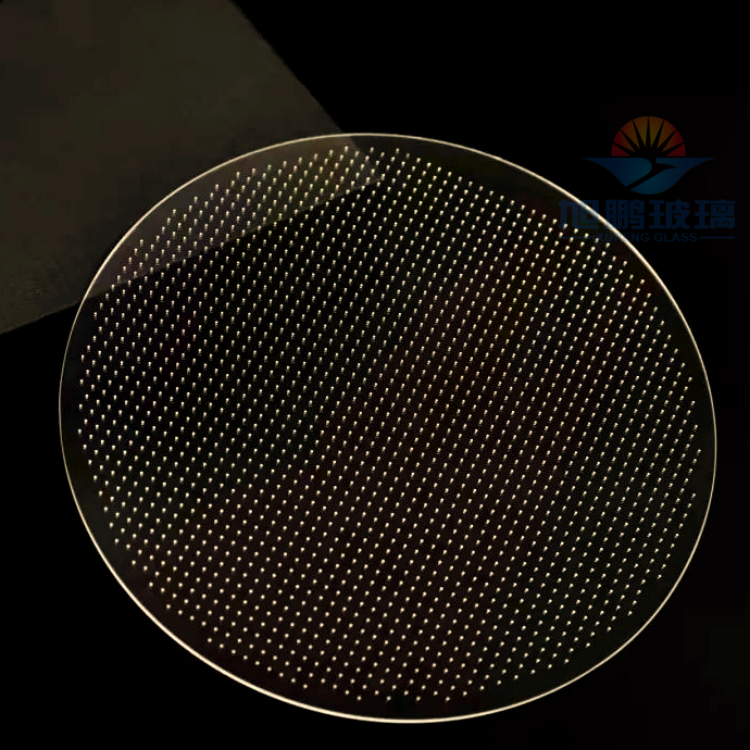
Schott BF33 TGV Microvia Glass Wafer, Packaging Substrate for Sensors & Chips
For Munich photonics, MEMS, RF and sensor packaging where CTE control, via geometry, wafer cleanliness and substrate consistency matter.
View product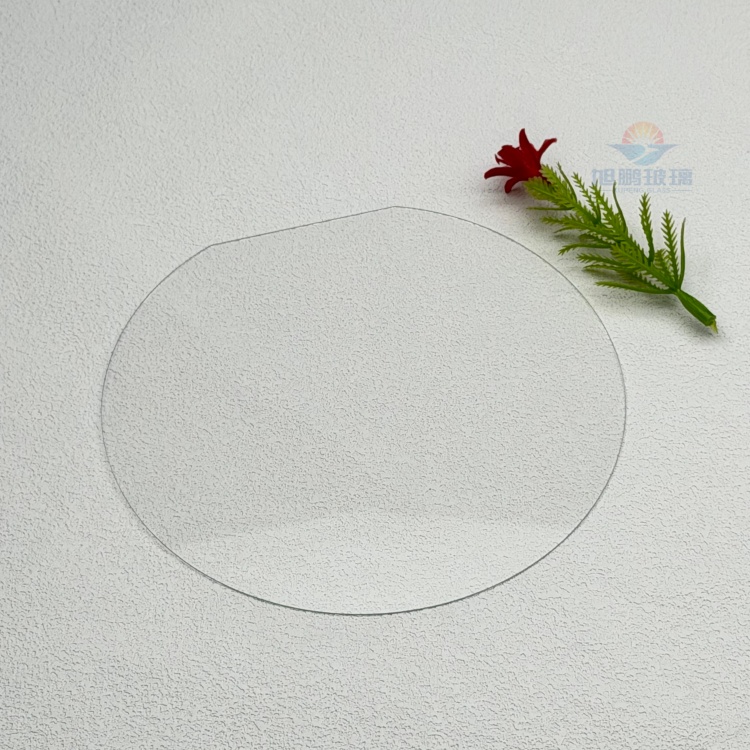
Round Aluminosilicate Glass with Chamfered Ground Edges and Metal Coating
Metal-coated round glass for hermetic windows, laser housings, sensor caps and high-temperature viewports with precise edge finishing.
View product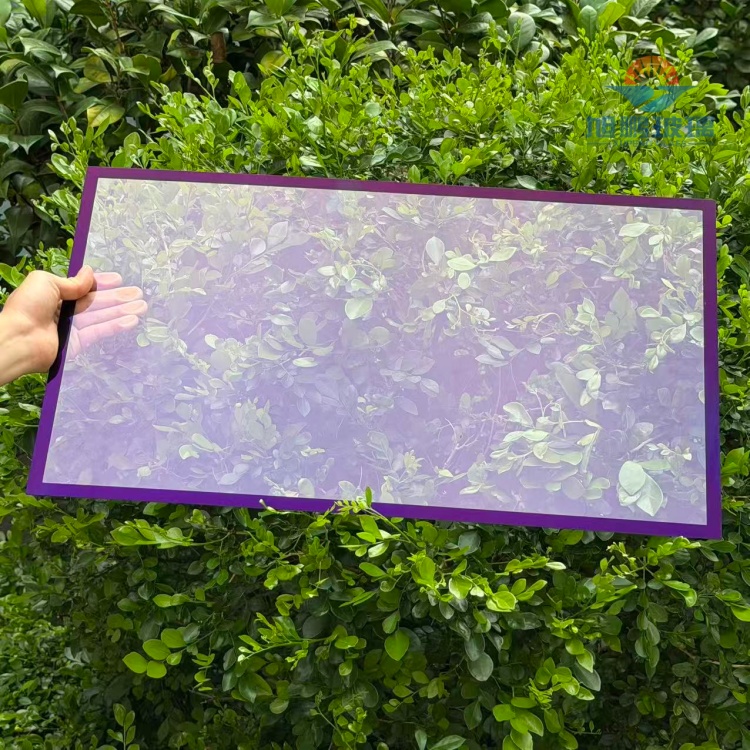
27-inch All-in-One PC AR Coated Glass
Large-format AR cover glass for medical imaging, control rooms, industrial AIO PCs and touch modules where reflection control improves readability.
View product
White Ceramic Glass-Ceramic, 4mm & 6mm, High Temperature Resistant
Thermal-shock-resistant white glass-ceramic for appliance interfaces, medical equipment, industrial heating and high-temperature inspection windows.
View product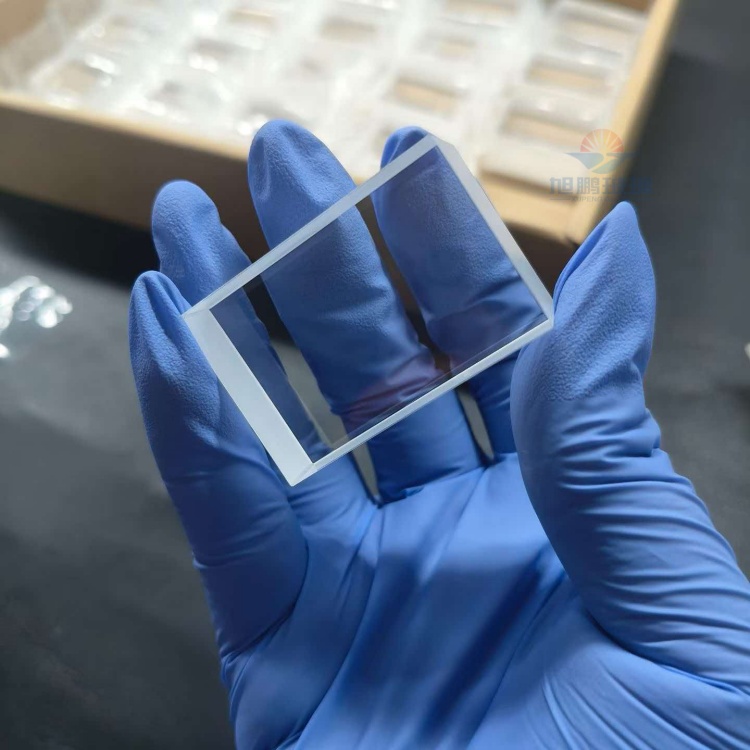
High UV Transmission Thick Gauge Quartz Glass Plate
Deep-UV and high-temperature quartz plate for curing, disinfection, analytical instruments, laser systems and optical benches in Munich laboratories.
View product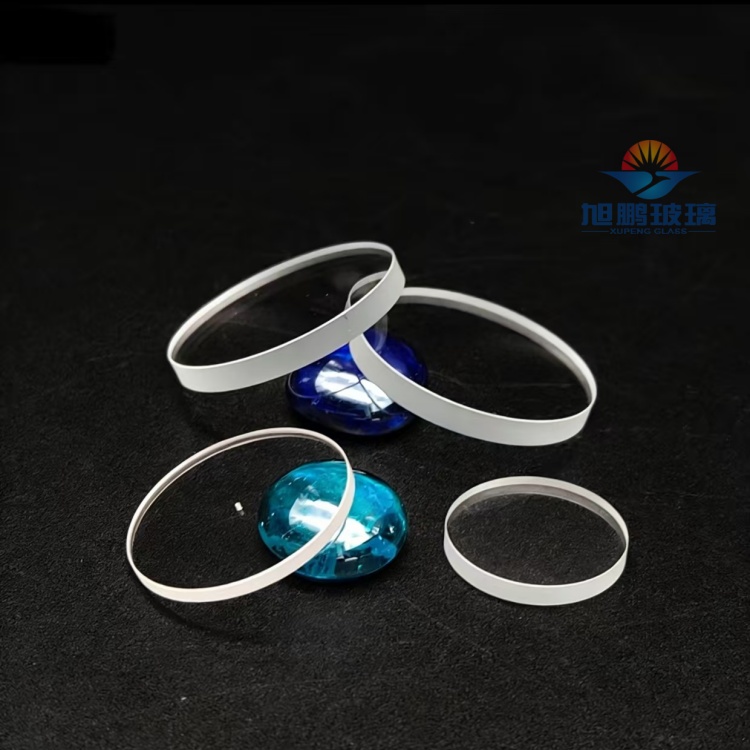
Sapphire Glass Step Window Wafers, High Temperature Resistant & High Light Transmittance
Scratch-resistant sapphire windows and lenses for sensors, aerospace, precision instruments and harsh-environment optical assemblies.
View product
Ultra-white Tempered Glass, AR Anti-Reflection Coatable, High Light Transmittance
Low-iron, high-transmission cover glass for premium displays, light fixtures, control panels and architectural interfaces requiring clean color neutrality.
View product
Precision CNC Cut & Holed, High-temperature Silk Screen Tempered Glass Discs
Ultra-clear small round glass discs with CNC holes, high-temperature printing and edge finishing for device view windows and compact sensor covers.
View productWhy Munich Buyers Evaluate a Glass Machining Factory as a Supply-Chain Partner
Munich and the wider Bavaria region combine automotive technology, medical engineering, industrial automation, photonics, sensor development and premium electronics. That mix creates demand for drawing-led precision glass, not only low-cost flat glass.
Semiconductor, Sensor & Photonics Packaging
Munich’s deep-tech ecosystem needs TGV wafers, sapphire windows, quartz plates and thin substrates with controlled flatness, cleanliness and thermal stability.
Automotive HMI & E-Mobility Validation
Display covers, AR glass, printed discs and sensor windows must survive thermal cycling, glare tests, cleaning chemicals and long product-life requirements.
Medical, Laboratory & Analytical Equipment
Quartz, sapphire and ceramic glass are specified for UV transmission, chemical resistance, autoclave exposure and high-temperature inspection windows.
Industrial Automation & Machine Vision
AG/AR coatings, CNC holes, chamfered edges and anti-glare surfaces improve camera readability and operator comfort in factory-floor HMIs.
Architecture & Premium Appliance Interfaces
Ultra-white tempered glass, ceramic glass-ceramic and printed panels support premium appliance, lighting, switch and architectural design language.
Research, UV Photonics & Laser Systems
Munich research institutes and laser developers require high-UV quartz, sapphire and precision optical windows with documented process traceability.
Munich Procurement Trends That Favor Qualified Factory Partners
These trends are visible across advanced manufacturing projects in Munich, Bavaria and the wider DACH region. They reward suppliers that can handle engineering detail, small-to-mid volumes and documentation.
R&D pilots, specialized machinery and sensor prototypes often need 10–500 pieces. Flexible MOQs and sample loops matter more than container-only pricing.
Munich buyers expect clear material descriptions, inspection records, packing lists and support for RoHS/REACH-related declarations where applicable.
Factories that combine cutting, tempering, printing and coating in-house reduce vendor interfaces and protect schedules when requirements change.
Right-sized export packing, protective interleaving and fewer unnecessary air shipments help Munich buyers reduce waste while protecting fragile glass.
How to Match Glass Types to Munich Applications
Choosing the wrong substrate creates re-engineering cost. This matrix is a practical qualification aid for procurement and mechanical engineers before a drawing is released.
| Munich Application Area | Recommended Material | Why It Fits | Key Processing Route |
|---|---|---|---|
| Sensor & semiconductor packaging | Schott BF33 TGV wafer, sapphire, quartz | Thermal stability, cleanliness, through-glass via capability and optical transmission | CNC cutting, microvia processing, double-side polishing, inspection |
| Automotive HMI & EV displays | 27-inch AR coated glass, ultra-white AR glass, CNC discs | Reflection reduction, scratch resistance, color neutrality and clean edge appearance | Tempering, AR/AG coating, silk-screen printing, CNC shaping |
| Medical & laboratory equipment | High-UV quartz, white ceramic glass-ceramic, sapphire | UV transmission, thermal shock resistance, chemical durability and easy-clean surfaces | Polishing, chamfering, drilling, high-temperature printing |
| Industrial automation & machine vision | AG/AR coated glass, sapphire windows, quartz plates | Glare control, wear resistance, optical clarity and dimensional repeatability | Etching, coating, CNC edging, flatness and optical inspection |
| Premium appliance & architectural interfaces | Ultra-white tempered glass, ceramic glass-ceramic | Premium appearance, safety glazing, heat resistance and design flexibility | Tempering, printing, coating, cut-outs and laser finishing |
| Laser, photonics & research optics | Sapphire, high-UV quartz, K9 optical glass | High transmittance, low inclusion risk, thermal resistance and precision polishing | Optical polishing, AR coating, chamfering, custom packaging |
 Factory-Direct Since 2018
A Factory Model Built for Munich-Style Engineering Requirements
Dongguan AUVE Glass Co., Ltd. is a deep-processing glass manufacturer integrating R&D, design, production and export from Songshan Lake, Dongguan. The factory processes flat and curved tempered glass, ultra-clear low-iron glass, AR anti-reflective and AG anti-glare coated glass, silk-screen printed glass, LCD and touch screen cover glass, LED lighting glass, instrument glass, K9 optical glass, quartz, sapphire, borosilicate and Corning EXG-type alkali-free substrates.
For Munich buyers, the advantage is not a warehouse address in Bavaria. It is a controlled process chain: drawing review before production, CNC cutting, edge grinding, drilling, tempering, printing, AR/AG coating, dimensional inspection and export packing coordinated by one engineering team. This model reduces the hand-offs that often create tolerance drift, coating mismatch and late-stage quality disputes.
One-Stop Deep Processing
Cutting, CNC edging, drilling, tempering, silk-screen printing, AR/AG coating and inspection coordinated under one factory roof.
Drawing-Led Engineering Review
CAD, DXF and PDF drawings are checked for thickness, tolerance, edge, hole, printing and coating feasibility before production begins.
Traceable Batch Control
Documented process standards and quality checks help keep each batch traceable from raw sheet to packed carton.
Fragile-Glass Export Packing
Protective film, interleaving paper, foam corner protection and reinforced cartons or wooden crates for sea, air and express shipments.
Flexible Pilot & Sample Runs
Coated and optical parts can often start from 10–50 pieces; standard tempered projects commonly start from 100–500 pieces, with pilot quantities discussed.
English-Speaking Technical Communication
Munich engineering teams can discuss material choice, process limits, inspection criteria, packing and delivery terms without translation friction.
From Munich Drawing to Finished Glass Part: Six Controlled Stages
Each stage is designed to catch problems before they reach your assembly line. The goal is predictable optical performance, dimensional fit and packaging integrity.
Drawing & DFM Review
Material, dimensions, tolerances, holes, printing, coating and edge requirements are checked against process capability.
Precision Cutting
Float glass, low-iron glass, optical glass, quartz and sapphire are cut according to the approved drawing.
CNC Edging & Drilling
Edge grinding, chamfering, beveling, grooving, holes and laser finishing are controlled for chips and micro-cracks.
Tempering & Heat Treatment
Flat and curved thermal tempering improves impact resistance and thermal stability for safety-related components.
Printing & Coating
High-temperature ceramic inks, AR anti-reflection, AG anti-glare, mirror and functional coatings are applied to specification.
QC & Export Packing
Dimensional, visual and optical checks are followed by protective packing engineered for fragile glass parts.
Frequently Asked Questions from Munich & Bavaria Buyers
Straight answers for engineering, sourcing and procurement teams qualifying a factory-direct glass machining partner.
Do you have a glass machining factory in Munich?
Our manufacturing base is Dongguan AUVE Glass Co., Ltd. in Dongguan, China. We serve Munich and Bavaria through factory-direct export, not as a local Munich stockist. This allows buyers to qualify the actual production site, process chain and quality system before placing mass-production orders.
Can you produce glass to a Munich engineering drawing?
Yes. Send a CAD, DXF, PDF or STEP drawing with material, thickness, tolerance, edge profile, holes, printing, coating and quantity. Our engineers review manufacturability before quotation, covering CNC cutting, edging, drilling, tempering, silk-screen printing and AR/AG coating.
What is the typical MOQ for Munich pilot projects?
MOQ depends on material and process. Many coated and optical glass parts start from 10–50 pieces, while standard ultra-clear tempered parts typically start from 100–500 pieces. Sample and pilot quantities can be discussed for new Munich projects, especially when the process route is being qualified.
Can you support EU documentation and material declarations?
We can provide commercial invoices, packing lists, material descriptions, inspection records and process information appropriate to the ordered glass. Where applicable, we support RoHS/REACH-related declarations for materials and coatings. Final compliance requirements should be confirmed in writing before order release.
Which glass should we choose for sensors, photonics or high-temperature windows?
For sensor and photonics packaging, Schott BF33 TGV wafers, sapphire and high-UV quartz are common starting points. For high-temperature windows, sapphire, quartz, aluminosilicate and ceramic glass-ceramic are often evaluated. Final selection depends on CTE, transmission band, thermal cycling, sealing method and tolerance.
How do you pack and ship fragile glass to Bavaria?
We use protective film, interleaving paper, foam corner protection and reinforced cartons or wooden crates depending on size and quantity. We support FOB, CFR, CIF, EXW, DDP, DDU and DAF terms as well as express delivery. Packing is designed for fragile glass parts and can be reviewed against your Munich receiving requirements.
Send Your Munich Project Drawing for a Factory Review
Share material, thickness, tolerance, edge finish, coating, printing and target quantity. Our engineering team will confirm the process route, MOQ, packing and lead time — typically within 7 hours.
Send an InquiryPrefer email? info@auveglass.com