Glass Polishing Factories & Supplier for Japan
Factory-direct ultra-clear tempered, AR/AG coated and precision optical glass for Japanese OEMs, sourced to drawings, inspected for surface and edge quality, and packed for long-distance export.
8 Product Solutions for Japanese OEM & Sourcing Teams
These product families cover semiconductor glass blanks, optical wafers, ultra-clear tempered cover glass, AR high-transmittance glass, AG anti-glare glass and CNC-drilled printed glass. All image links and product URLs are preserved below.
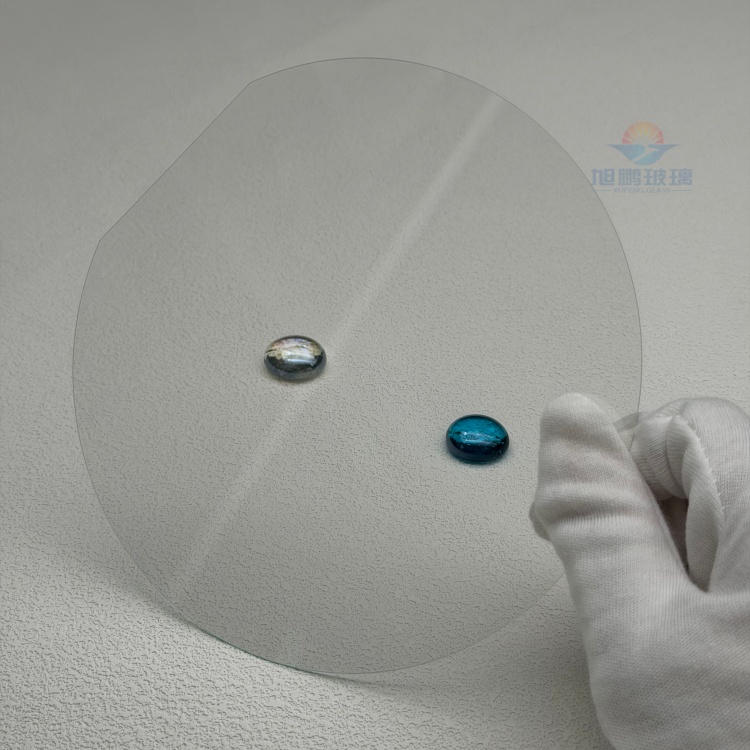
Ultra-thin Optical Glass Sheets Schott B270/D263T Semiconductor Electronic Glass Blank Cutting & Processing
Recommended for Japanese semiconductor equipment, electronic display and precision blank projects that require thin Schott glass with controlled cutting, edge condition and downstream processing.
- B270/D263T
- CNC cutting
- Thin glass

High-transmittance AR Coated Optical Glass, Ultra-clear Tempered Glass
A display-cover solution combining high transmittance, AR coating and ultra-clear tempered glass for Japan’s HMI, touch module, kiosk and optical instrument assemblies.
- AR coating
- Tempered
- High clarity

Schott Ultra-thin Optical Glass Sheets, 0.1mm, 0.5mm, 0.7mm, 1.1mm, Raw Semiconductor Electronic Glass Substrates
Raw ultra-thin semiconductor glass substrates for engineers who need a stable starting material before polishing, coating, dicing or assembly. Thickness options help match Japanese product roadmaps.
- 0.1–1.1 mm
- Optical grade
- Semiconductor

Corning Ultra-Thin Glass Sheet, Optical Grade Glass Wafer Substrate with Chamfered Edge
Corning ultra-thin glass with chamfered edge for optical-grade wafer substrates and thin-glass handling, where edge geometry, cleanliness and dimensional consistency matter.
- Chamfered edge
- Wafer substrate
- Optical grade
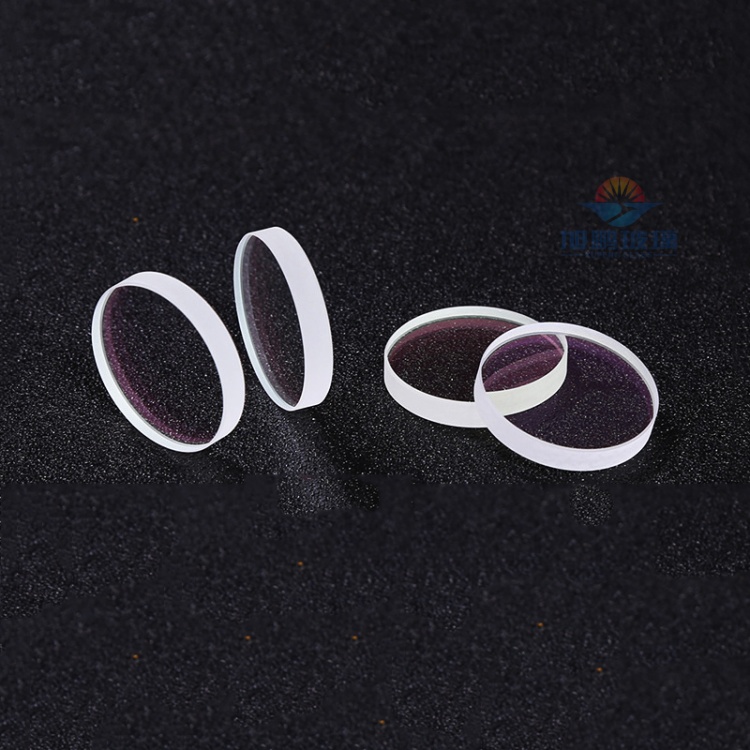
Ultra-clear Tempered Glass, Custom Processing Available: Drilling, Etching, AG Coating Silk Printing, AR Coating
A flexible platform for ultra-clear tempered glass with drilling, etching, AG/AR coating and silk printing. Useful when Japanese buyers consolidate multiple finishing steps with one supplier.
- Drilling
- Etching
- AG/AR + print
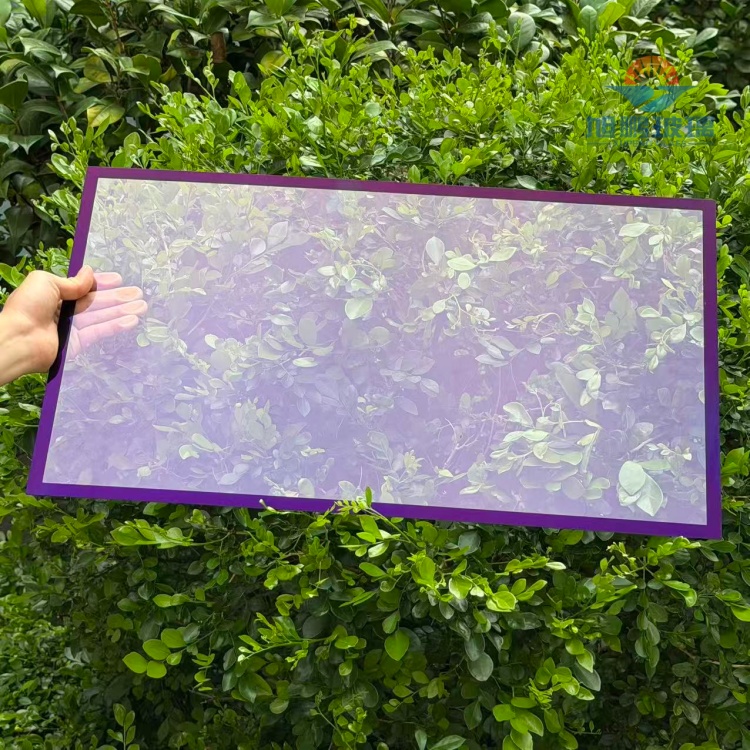
27-inch All-in-One PC AR Coated Glass
Large-format 27-inch AR coated glass for all-in-one PCs and display modules, supporting reflection control and a clean visual appearance in office, retail and industrial environments.
- 27-inch
- AR coated
- AIO PC

High-transmittance Anti-Reflection Coated Glass
High-transmittance anti-reflection coated glass for display windows, sensors and optical modules where reflection loss, image contrast and visual comfort are key purchasing criteria.
- Anti-reflection
- High transmission
- Display window

Precision CNC Cut & Holed, High-temperature Silk Screen Tempered Glass, Drilled Ultra-clear Small Round Glass Discs
Precision CNC cut, drilled and high-temperature silk-screen tempered glass discs for device windows, control panels and small round view ports requiring clean holes and durable printing.
- CNC holes
- Ceramic ink
- Round discs
Why the Search for Glass Polishing Factories & a Supplier for Japan Is a Quality Decision
A Japanese buyer searching for a glass polishing factory is usually not looking for a commodity sheet supplier. The intent is to find a manufacturing partner who can read a Japanese drawing, hold an optical surface, protect edge quality and deliver repeatable results to a production line.



A Japan-Ready Glass Polishing Supplier Built on Process Control
Dongguan AUVE Glass Co., Ltd. is a deep-processing glass manufacturer integrating R&D, design, production and export in Songshan Lake, Dongguan, China. Since 2018, the company has served OEMs, brand owners and distributors with flat and curved tempered glass, ultra-white and low-iron glass, AR high-transmittance glass, AG anti-glare glass, silk-screen printed glass, instrument glass and precision optical materials.
For Japanese sourcing teams, the value is not simply glass cutting. It is the ability to align material selection, CNC shaping, edge finishing, thermal tempering, ceramic ink printing, AR/AG coating and final packing under one process route. In display modules, semiconductor equipment, analytical instruments, touch HMIs and medical devices, the polishing and finishing step can determine gloss, transmittance, flatness, coating adhesion and assembly yield. A low-cost cut sheet that looks acceptable in a photo may fail when the part reaches Japanese incoming inspection.
Semantic search around this topic includes terms such as optical glass polishing, ultra-clear tempered glass, AR coated glass, AG anti-glare glass, Corning EXG wafer, SCHOTT B270/D263T processing, CNC glass cutting, edge chamfering and clean packing. Each phrase represents a different technical intent. This guide connects those intents with practical sourcing choices for Japan.
Where Polished and Coated Glass Creates Value in Japan
Japanese manufacturing clusters have different priorities: semiconductor equipment needs cleanliness and dimensional stability; display and HMI lines need optical clarity and reflection control; optical instrument makers need surface quality and edge geometry. The same supplier should be able to translate those requirements into a controlled process route.
Semiconductor & Electronic Equipment
Ultra-thin Schott B270/D263T, Corning EXG and raw semiconductor glass substrates for equipment windows, carriers, sensor covers and thin-glass handling. Key controls include thickness tolerance, flatness, edge chips, particle cleanliness and protective packing.
Displays, Touch Modules & HMIs
AR coated optical glass, AG anti-glare glass and ultra-clear tempered cover glass for touch panels, all-in-one PCs, industrial HMIs and kiosks. Japanese buyers often evaluate reflectance, transmittance, haze or gloss, coating adhesion and print alignment.
Precision Optics & Sensors
K9 optical glass, quartz, sapphire and thin optical wafers for lenses, prisms, windows and sensor covers. Critical specifications may include surface roughness, scratch/dig limits, parallelism, chamfer quality and high-transmittance coating performance.
Medical & Analytical Instruments
Viewing windows, optical covers and instrument glass where surface clarity, edge quality and consistent packing are essential. For regulated projects, the RFQ should define inspection records, material declarations and any special bagging or labeling needs.
Industrial Controls & Automation
Tempered glass panels, CNC holes, high-temperature silk-screen graphics and small round glass discs for control panels, machine windows and device view ports. Ink durability, hole position, edge strength and flatness are common verification points.
Outdoor Kiosks, POS & Lighting
AG anti-glare glass for readability in bright environments, high-transmittance glass for light fixtures and AR coated glass for display windows. Japanese projects often require a balance between optical performance, cleanability, impact resistance and export-safe packing.
Localized Trends Shaping Glass Procurement in Japan
Japanese buyers increasingly combine high-mix low-volume development with stable mass-production quality. The supplier that wins repeat business is usually the one that can document process control, communicate engineering changes clearly and protect fragile glass through export logistics.
High-Mix, Low-Volume Development
Prototype quantities, engineering samples and pilot builds must transition cleanly into repeat orders. First-article review, drawing revision control and clear sample feedback shorten Japanese development cycles.
Optical Performance Beyond “Clear Glass”
AR anti-reflection, AG anti-glare and high-transmittance solutions are specified earlier in design. Buyers compare reflection, transmittance, haze, gloss and coating durability instead of accepting a generic visual check.
Supply-Chain Resilience & Logistics
Japan’s logistics capacity challenge and rising freight planning expectations make packing quality, batch labeling and consolidated shipments more important. FOB, CFR, CIF, EXW, DDP, DDU, DAF and express delivery can be discussed.
Documentation, Traceability & Compliance
Japanese quality teams often request inspection records, packing photos, batch identification and material declarations. Requirements such as RoHS or REACH documentation should be stated clearly in the RFQ so the final scope is agreed before production.
Match Japanese Applications to the Right Glass and Process Route
Use this reference to shortlist material and finishing before sending a drawing. Final acceptance should always be confirmed against your drawing, tolerance stack, inspection method and agreed sample.
| Japanese Application | Recommended Glass | Critical Purchasing Criteria | Process Control Focus |
|---|---|---|---|
| Semiconductor equipment windows & thin substrates | Schott B270/D263T, Corning EXG, ultra-thin glass | Thickness tolerance, flatness, edge chips, particle cleanliness, packing protection | CNC cutting, chamfering, precision processing, final visual inspection and clean bagging where specified |
| Display modules, touch HMIs & AIO PCs | AR coated ultra-clear glass, tempered cover glass, AG anti-glare glass | Reflectance, transmittance, haze or gloss, coating adhesion, print alignment | AR/AG coating, thermal tempering, silk-screen printing, dimensional inspection |
| Optical instruments, sensors & camera windows | K9 optical glass, quartz, sapphire, polished wafers | Surface roughness, scratch/dig limits, parallelism, chamfer quality, transmittance | Precision polishing, CNC edging, coating and documented optical inspection |
| Industrial control panels & machine windows | Ultra-clear tempered glass, printed tempered glass | Impact strength, ink durability, hole position, flatness, edge strength | CNC drilling, high-temperature ceramic ink printing, tempering and final fit check |
| Medical and analytical instrument covers | Ultra-clear glass, quartz, optical glass | Cleanability, optical clarity, edge quality, batch traceability | Controlled cutting, edge finishing, inspection records and protective export packing |
| Outdoor kiosks, POS and lighting fixtures | AG anti-glare glass, high-transmittance glass, AR glass | Glare reduction, reflection control, cleanability, visual consistency | Etching or coating as agreed, tempering, print options and packing verification |
Typical reference values such as K9 refractive index nd ≈ 1.5168, Corning EXG low CTE around 3.2 ppm/°C, sapphire Mohs hardness 9 and ultra-clear transmission near 91% are for initial material selection only. Production specifications must be confirmed by drawing and agreed test method.
Why AUVE Glass Is a Credible Supplier for Japanese Buyers
E-E-A-T is not a slogan. For glass sourcing, it means real process experience, engineering review before production, verifiable company information and disciplined export packing. Dongguan AUVE Glass Co., Ltd. presents those signals through its public supplier profile and trade records.
Factory-Direct Deep Processing
Established in 2018, AUVE integrates cutting, CNC edging, drilling, tempering, silk-screen printing, AR/AG coating and optical glass processing. One factory route reduces handover risk between multiple finishing suppliers.
Drawing-First Engineering Review
Send CAD, DXF or PDF drawings with thickness, tolerance, edge, hole, printing and coating requirements. Engineers review manufacturability before quoting and before mass production, which is essential for Japanese quality planning.
Fast Technical Response
Average response time is within 7 hours. That speed matters when a Japanese engineering team needs clarification on material, coating, edge geometry, tooling or sample quantities during a development window.
Verifiable Supplier Credentials
The AUVE profile includes onsite-checked supplier information, credit index, transaction level, trade capacity, trade history and buyer feedback. Japanese sourcing teams can review these public signals before requesting samples.
Export Documentation & Communication
English technical communication, drawing review and export documentation support the RFQ process. For Japan-bound orders, clarify inspection records, packing photos, labels and any material declarations required by your quality team.
Fragile-Glass Packing & Incoterms
Protective film, foam corner protection and fumigation-free wooden crates or reinforced cartons are used for fragile glass parts. Delivery terms include FOB, CFR, CIF, EXW, DDP, DDU, DAF and express delivery.
From Drawing to Packed Glass: The Production Route
Every module below is a point where Japanese buyers should confirm requirements with their supplier. Clear inputs at the quotation stage prevent late surprises in tolerance, coating, printing or packing.
RFQ & Drawing Review
Review material, thickness, tolerance, edge, holes, printing, coating, inspection and target quantity.
Material & Sample Plan
Confirm glass grade and agree whether a sample, first article or pilot lot is required before mass production.
CNC Cutting, Edging & Drilling
Control outline, hole position, chamfer, bevel and edge chipping before tempering or coating.
Tempering & Silk Printing
Thermal tempering and high-temperature ceramic ink printing for durable panels and graphics.
AR / AG Coating & Optical Checks
Apply anti-reflective or anti-glare treatment as specified and verify visual and optical requirements.
Final QC & Export Packing
Dimensional and visual inspection, batch labeling, interleaving protection and export-safe packing.
What to Include in a Japan-Bound Glass RFQ
A complete RFQ shortens engineering review and reduces quotation assumptions. Include the following data package so the factory can respond with a realistic process route, not just a price per piece.
1. Drawing & Revision
CAD, DXF, STEP or PDF drawing with the correct revision number and critical dimensions clearly marked.
2. Glass Material
Ultra-clear low-iron, Schott B270/D263T, Corning EXG, K9, quartz, sapphire or an equivalent grade.
3. Thickness & Tolerance
Nominal thickness, dimensional tolerance, flatness requirement and any parallelism or warp limit.
4. Surface Quality
Scratch, dig, polish, roughness, coating and visual acceptance requirements. State the inspection method if defined.
5. Edge & Holes
Edge profile, chamfer, bevel, hole diameter, hole position tolerance and chip-free edge expectations.
6. Printing & Coating
AR, AG, silk-screen color, ink type, window area, logo and coating surface requirements.
7. Packing & Labels
Protective film, interleaving, foam corners, wooden crates, carton strength, labels and bagging needs.
8. Quality Documents
Inspection report, packing photos, material declaration, batch traceability and any compliance document requested by Japan.
Frequently Asked Questions from Japanese Glass Buyers
These are the practical questions engineering and procurement teams ask before placing a sample or production order for glass polishing and coating projects.
Can Dongguan AUVE Glass produce to Japanese drawings and tight tolerances?
Yes. Send a CAD, DXF or PDF drawing with thickness, tolerance, edge, hole, printing and coating requirements. Engineers review manufacturability before production, covering CNC cutting, edging, drilling, tempering, silk-screen printing and AR/AG coating. Tight tolerances should be stated directly in the RFQ with the inspection method your Japanese team will use.
What is the minimum order quantity for AR coated, optical or tempered glass?
MOQ depends on material and process. Many coated and optical glass parts start from 10 to 50 pieces, while standard ultra-clear tempered parts typically start from 100 to 500 pieces. Sample and pilot quantities can be discussed for new projects. For Japan-bound development, clarify whether the first order is a sample, first article or small pilot lot.
How do you control polishing, edge chipping and coating defects?
Control starts with the drawing and agreed acceptance criteria. The production route can include CNC cutting, edge grinding, chamfering, drilling, tempering, silk printing and AR/AG coating, followed by dimensional and visual inspection. For optical or display parts, the RFQ should specify surface quality, transmittance, haze or gloss, scratch/dig limits and the coating surface to be inspected.
Which shipping terms and methods are available to Japan?
AUVE supports FOB, CFR, CIF, EXW, DDP, DDU, DAF and express delivery, with export packing designed for fragile glass parts. The correct Incoterm depends on your forwarder, customs setup and whether you prefer door-to-door delivery or nomination of a Japanese consignee.
Can you provide inspection records, packing photos and material declarations?
Project-specific inspection records, packing photos, batch labels and material declarations can be discussed. Japanese quality teams should list the exact documents required in the RFQ, because the final documentation scope must be agreed before the purchase order. This avoids assumptions about RoHS, REACH or other declarations.
What lead time should Japanese buyers expect?
Lead time is confirmed after drawing review, material selection, coating or printing requirements and final inspection scope are clear. Samples, first articles and repeat production orders follow different schedules. The average technical response time is within 7 hours, so clarification can move quickly during the quotation stage.
Which glass types are suitable for semiconductor, display and optical projects?
Options include ultra-clear low-iron tempered glass, AR anti-reflective glass, AG anti-glare glass, silk-screen printed tempered glass, K9 optical glass, quartz, sapphire, borosilicate, Corning EXG alkali-free glass, Schott B270/D263T and ultra-thin flexible glass. Material choice should follow the optical, thermal, mechanical and cleanliness requirements of the final device.
How should a Japanese buyer start an RFQ?
Prepare a drawing with revision number, target quantity, material preference, thickness, tolerance, surface quality, edge and hole requirements, coating or printing details, packing method and document needs. Then request an engineering review. Include photos or a golden sample reference if the appearance is critical.
Have a Drawing? Get a Japan-Ready Glass Quotation.
Share your size, thickness, tolerance, edge, coating, printing and packing requirements. The AUVE Glass team will review the process route and respond with the next steps for sampling or mass production.
info@auveglass.com