Glass Polishing Manufacturers & Manufacturer in the Surabaya Market
A factory-direct technical guide for Surabaya OEMs, architects, electronics assemblers, display integrators and procurement teams sourcing precision polished glass, tempered glass, AR/AG coated glass, ultra-thin glass and optical glass substrates.
Eight Production-Ready Glass Products for Surabaya Buyers
The products below are not catalogue placeholders. They represent real deep-processing routes that can be adapted by size, thickness, edge profile, hole pattern, printing, tempering and coating. Every product URL is preserved for direct technical review.
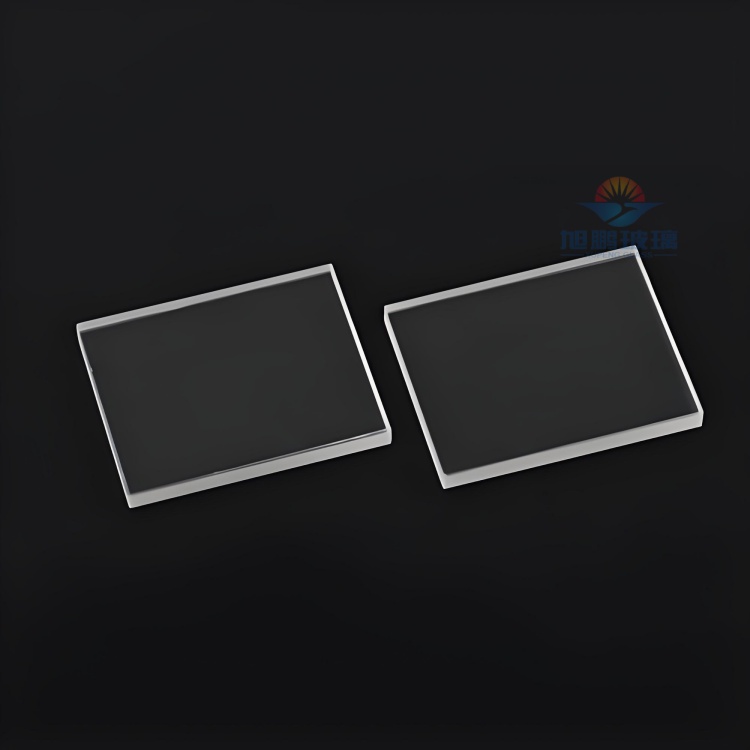
Tempered Glass Customized High Temperature Resistant, High Transparency and High Borosilicate Mirror Window Glass
For high-temperature viewports, appliance windows, heaters and industrial covers where thermal stability and visual clarity must be verified before mass production.
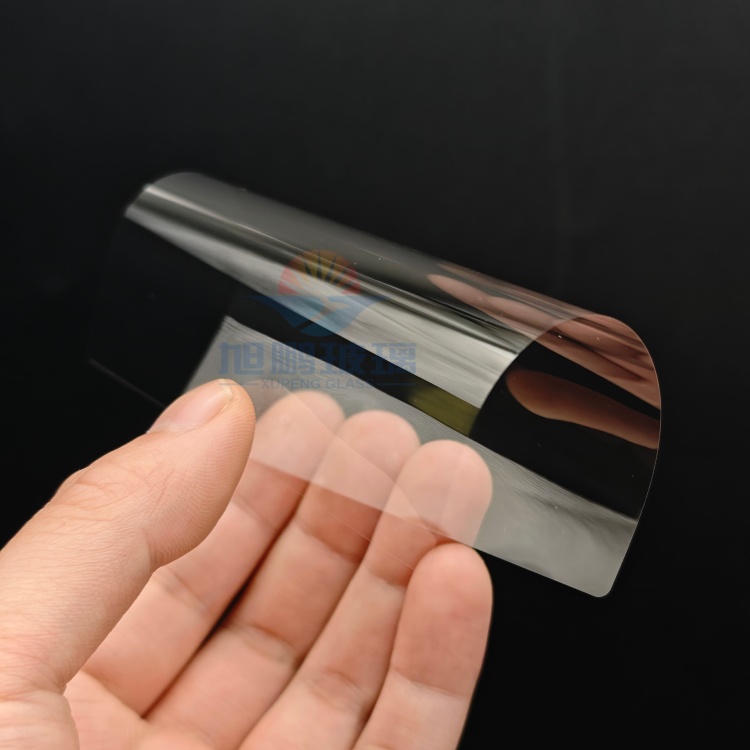
0.03 mm Ultra-thin Flexible Bendable Glass
An advanced thin-glass option for flexible electronics, foldable display evaluation and weight-sensitive devices. Handling, yield and packing must be reviewed together.

Ultra-thin Flexible UTG Glass, bendable and foldable, suitable for commercial aerospace and new energy industries
UTG glass for commercial aerospace and new energy applications where bending cycles, optical quality and edge treatment influence the total design envelope.
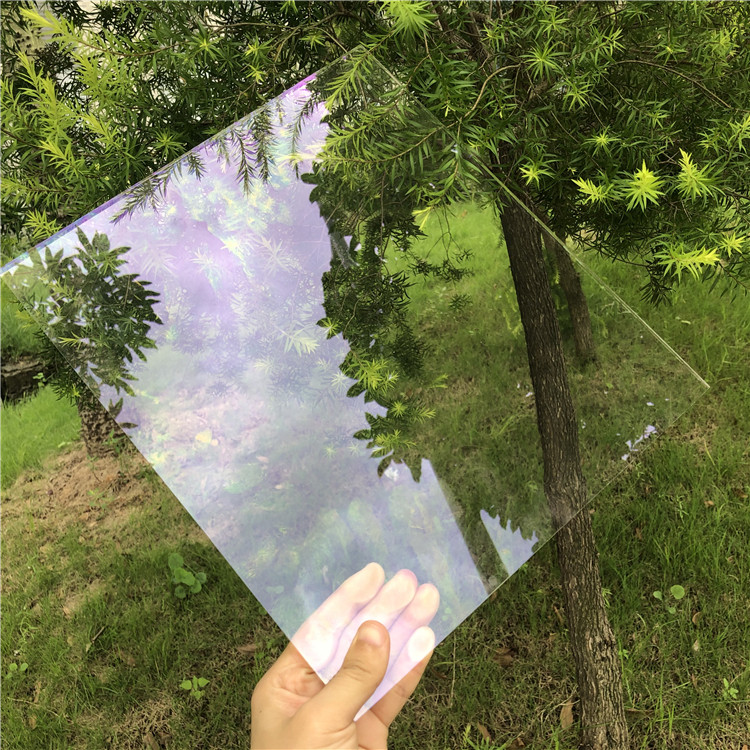
High-transmittance Anti-Reflection (AR) Coated Optical Glass
AR-coated optical glass for display windows, HMI covers and instrument panels where surface reflection reduces contrast and readability.
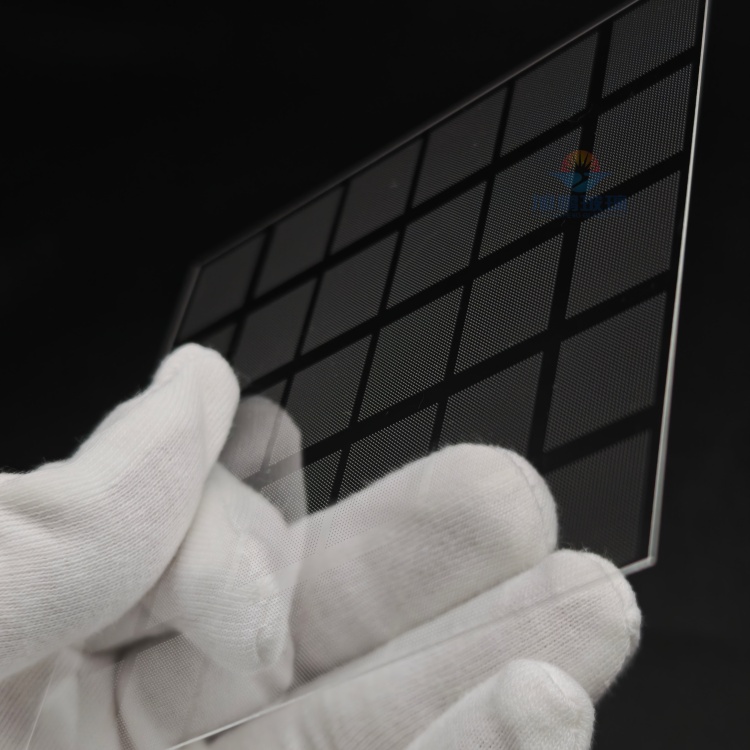
TGV Drilled Packaging Glass Substrate, Precision Laser Microvia Glass
Laser-drilled TGV substrates for advanced electronics packaging evaluation, where microvia quality, positional tolerance and handling discipline are critical.

Ultra-thin Optical Glass Sheets Schott B270/D263T Semiconductor Electronic Glass Blank Cutting & Processing
Thin optical and semiconductor-related glass blanks for sensor covers, optical filters, MEMS and display applications requiring precise cutting and surface quality.

Ultra-white Tempered Glass, AR Anti-Reflection Coatable, High Light Transmittance & Anti-reflective
Ultra-white tempered glass for display covers, light boxes, signage and appliance panels where green tint and reflection are visible quality issues.

Wafer Glass Thickness Circuit Board Chip Solar Silicon Ingot Substrate
Wafer-related glass for circuit board, chip and solar silicon ingot substrate evaluation. Material grade, thickness tolerance and cleanliness must be confirmed.
Why Surabaya Buyers Need an Engineered Glass Polishing Partner
Surabaya combines a working port, a dense East Java manufacturing base, strong automotive and motorcycle aftermarket demand, fast retail development and a construction sector that must reconcile design ambition with coastal humidity. The sourcing question is not whether a supplier can cut glass. The real question is whether that glass polishing manufacturer can repeat the same edge, flatness, coating, print and packing result after the sample has been approved.
Information gain matters in this market. A generic catalogue can list thickness and MOQ. A qualified manufacturer must explain how a drawing becomes a stable process route. At Dongguan AUVE Glass Co., Ltd., our engineers review each part against the intended assembly: Is the edge visible after installation? Does the glass receive an AR or AG coating after tempering? Will the print be fired before or after the tempering cycle? Does the part travel by sea to Tanjung Perak in a mixed container with retail goods, machinery or electronic modules? Each answer changes the polishing method, the inspection fixture and the export packing.
For Surabaya procurement teams, a practical supplier must connect local application risk with process evidence. A display cover for an air-conditioned mall may prioritise AR coating and ultra-white clarity; a coastal viewport may prioritise edge quality, humidity resistance of packing and thermal shock resistance; an industrial panel may prioritise silk-screen registration and dimensional repeatability. Treating all three as “polished glass” is how avoidable re-sourcing costs begin.
This whitepaper covers flat and curved tempered glass, ultra-clear low-iron glass, AR anti-reflective glass, AG anti-glare glass, silk-screen printed glass, borosilicate window glass, ultra-thin flexible glass, TGV glass substrates, B270/D263T optical glass and wafer-related glass. It is written for sourcing managers, mechanical engineers, architects, display integrators and distributors who need a repeatable supply route from China to Surabaya, not a one-off sample that cannot be reproduced.
Surabaya Market Signals
- Port-led import planning through Tanjung Perak, with mixed SKUs and variable inland handling.
- High humidity and salt-laden coastal air make packing and coating durability part of the specification.
- Retail, hotel, electronics and automotive showroom projects demand visually perfect edges and surfaces.
- Buyers increasingly compare landed cost and yield, not only FOB price per square metre.
- Small pilot quantities must transition cleanly into repeat production without changing process assumptions.
Glass Polishing Is Not One Process: A Buyer’s Process Map
In RFQs, the word “polishing” often hides several different operations. For Surabaya buyers, the fastest way to reduce disputes is to define the exact process, acceptance evidence and handling expectation before the first production batch.
| Process Area | What the Buyer Should Define | Acceptance Evidence | Typical Surabaya Application |
|---|---|---|---|
| Precision flat polishing | Thickness, flatness, parallelism, surface roughness target and allowable surface defects. | Dimensional report, surface inspection record and agreed reference sample. | Optical windows, sensor covers and display modules. |
| CNC edge polishing and chamfering | Edge profile, chamfer size, gloss level, chip tolerance and whether the edge is visible after installation. | Edge profile drawing, visual limit sample and batch inspection record. | Architectural partitions, appliance panels and furniture glass. |
| Drilling, countersinking and microvia | Hole diameter, position tolerance, wall quality, taper and chip limit around the exit side. | First-article inspection with measured hole positions and photographed edges. | Control panels, brackets, TGV packaging substrates and electronic modules. |
| Tempering | Glass type, thickness, edge stress preparation, allowable hole and cut-out geometry, and thermal exposure after tempering. | Process parameters, batch traceability and agreed visual/strength verification protocol. | Appliance covers, signage, HMI panels and safety-related interior glass. |
| AR anti-reflective coating | Reflectance target, wavelength range, single- or double-side coating, adhesion requirement and environmental exposure. | Coating specification, color/reflectance sample and adhesion test record where agreed. | Displays, kiosks, instrument windows and high-contrast control interfaces. |
| AG anti-glare etching | Haze, gloss, sparkle level, surface cleanability and interaction with touch or printing. | Haze/gloss reference sample and agreed visual appearance under defined lighting. | Outdoor LCDs, industrial HMIs, kiosks and bright retail environments. |
| Silk-screen printing | Ink type, color reference, print registration, firing temperature compatibility and window/icon openings. | Printed sample under agreed light box, registration measurement and adhesion check where required. | Instrument panels, switch covers, appliance graphics and smart control panels. |
| Export packing | Surface protection film, interleaving material, corner protection, crate specification and moisture-control requirement. | Packing photo set, carton/crate label standard and pre-shipment inspection record. | Sea freight to Tanjung Perak and inland delivery across East Java. |
Final specifications should always be confirmed against your drawing, assembly method and agreed test standard before mass production.
Where Polished Glass Creates Value in the Surabaya Market
Surabaya is not a single industry. It is a market of adjacent applications, each with a different visual standard, environmental exposure and procurement rhythm. The best product recommendation is the one that survives the installation environment, not only the inspection table.
Display and HMI Assembly
Electronic assembly and service businesses in East Java need cover glass that improves readability without creating coating or print conflicts. AR-coated optical glass, ultra-white tempered glass and AG anti-glare panels are strong candidates when reflection control and batch consistency matter.
Architecture and Interior Fit-Out
Hotels, malls, offices and residential projects require clean edges, consistent tint and reliable packing. Low-iron tempered glass and custom polished partitions reduce green-edge effects and visible edge defects in premium fit-outs.
Automotive and Motorcycle Display
Showrooms, aftermarket electronics and component displays benefit from polished glass with scratch resistance, print alignment and stable edge quality. Buyers should specify whether the glass will be bonded, mechanically fixed or exposed at the edge.
Marine, Port and Coastal Projects
Coastal humidity and salt exposure make packaging and surface protection critical. Polished glass for marine windows, control rooms and port facilities should be reviewed for edge protection, coating durability and moisture-resistant packing before shipment.
Food, Pharma and Laboratory Equipment
Borosilicate window glass, high-transparency tempered glass and precision optical blanks support equipment that must be cleaned frequently. The drawing should state thermal exposure, cleaning chemistry and whether the glass is a visible or functional component.
Signage, Light Boxes and Smart Panels
Retail signage and smart control panels depend on light transmission, print registration and color consistency. Ultra-white tempered glass with AR coatability is often more suitable than standard clear glass when the edge or illumination is visible.
What Is Changing in Surabaya’s Glass Purchasing Behaviour
Local buyers are becoming more technical. The shift is visible in RFQs that now ask for coating data, edge photos, packing validation and traceability instead of a simple price per piece.
Port-Led, Mixed-SKU Sourcing
Surabaya importers increasingly combine glass with electronics, hardware and retail fixtures to reduce freight friction. This raises the value of carton-level labelling, strong corner protection and a supplier who can coordinate FOB, CIF or DDP discussions.
From Clear Glass to Low-Iron + AR/AG
Premium displays and architectural interiors are moving away from green-tinted clear glass. Ultra-white tempered glass, AR anti-reflective coating and AG anti-glare etching are now evaluated as performance features, not decorative upgrades.
Precision and Semiconductor-Adjacent Demand
Engineering teams are exploring thinner glass, TGV substrates, B270/D263T blanks and wafer-related materials. These projects require early DFM review because handling, cleanliness and inspection criteria differ sharply from architectural glass.
Yield, Packing and Sustainability Pressure
Buyers compare the true landed cost of good parts, not only FOB price. Reusable or recyclable packing concepts, lower breakage rates and documented process control are becoming part of supplier evaluation in East Java.
A Five-Layer Audit for Glass Polishing Manufacturers in Surabaya
Use this audit to compare suppliers on evidence. It is designed for sourcing teams that cannot visit every factory and need a practical way to separate a true deep-processing manufacturer from a trading intermediary.
The Audit Sequence
- Layer 1 — Drawing and DFM review: confirm thickness, tolerance, edge profile, holes, coating side, print registration and installation constraints before quotation.
- Layer 2 — Process route: verify whether cutting, CNC edging, drilling, tempering, printing, AR/AG coating and inspection are controlled in-house or subcontracted.
- Layer 3 — Inspection evidence: request a first-article report, edge photo set and agreed limit sample. For optical parts, define the surface and dimensional acceptance method.
- Layer 4 — Export packing: ask for packing photos, contact-material specification and carton/crate labelling. Sea freight to Tanjung Perak exposes glass to vibration and humidity.
- Layer 5 — Commercial transparency: compare MOQ, sample cost, lead time, Incoterms and response speed. A supplier that answers technical questions slowly before the order will usually answer production issues slowly after the order.
Landed Cost Formula for Surabaya Buyers
Do not compare FOB quotations without normalising yield. A lower piece price can lose its advantage when breakage, rework and inland handling are included.
- 1Ask for a packing breakage allowance to be stated separately, not hidden in the piece price.
- 2Request a pre-production sample with the same process route as mass production.
- 3Confirm whether the coating is applied before or after tempering and printing; this affects yield and appearance.
| Evaluation Area | Price-First Trader | Local Fabricator (Where Suitable) | Factory-Direct Engineering Manufacturer |
|---|---|---|---|
| Drawing review | Often forwards the drawing without process feedback. | Good for simple local dimensions, limited on advanced coatings. | Reviews manufacturability, process sequence and inspection method. |
| Process coverage | Depends on external workshops. | Strong in local cutting and edging, variable in optics. | Integrates cutting, CNC, drilling, tempering, printing and coating. |
| Coating and optics | Limited traceability for AR/AG or optical glass. | May source coated glass from another supplier. | Can align substrate, coating, tempering and print in one route. |
| Export packing | Standard carton may be assumed. | Local delivery packing may not suit sea freight. | Glass-specific protection, labelling and export packing discipline. |
Why Dongguan AUVE Glass Fits Surabaya Sourcing
Dongguan AUVE Glass Co., Ltd. is a deep-processing glass manufacturer integrating R&D, design, production and export. Founded in 2018 and located in Songshan Lake, Dongguan, the company supports OEMs, brand owners and distributors with drawing-based glass production.
Deep Processing Under One Roof
Cutting, CNC edging, drilling, tempering, silk-screen printing, AR/AG coating and inspection are coordinated as one production chain. This reduces the risk of process assumptions being lost between multiple workshops.
Drawing-Led Engineering Review
Send a CAD, DXF or PDF drawing with thickness, tolerance, edge, hole, printing and coating requirements. Our engineers review manufacturability before production so that quotations reflect the actual process route.
Quality Control and Traceability
Production follows defined process standards and a documented quality management system. Batch traceability from raw sheet to packed carton helps Surabaya buyers investigate dimensional, coating or visual issues with clear evidence.
Glass-Specific Export Packing
Protective film, interleaving paper, foam corner protection and export cartons or wooden crates are selected according to the part, route and handling risk. This is especially important for sea freight and inland distribution in East Java.
Fast Technical Response
Our average response time is within 7 hours. For project teams in Surabaya, that speed matters when a drawing must be clarified before a tender, sample build or production window closes.
Verified Supplier Credentials
Buyers can review onsite verification, credit index, transaction level, trade capacity, trade history and genuine buyer feedback before placing a sample or bulk order. The company exports to markets including the United States, Canada, Russia, South Korea, Japan and Australia.


From Raw Sheet to Finished Part
Each production step is controlled to protect tolerances, shorten lead times and solve issues before they reach the assembly line. The facility covers a 1,001–2,000 m² production area with a team of 51–100 skilled employees. Supported commercial terms include FOB, CFR, CIF, EXW, DDP, DDU, DAF and express delivery, with export packing designed for fragile glass parts.
For Surabaya buyers, the practical advantage is a single technical channel for tempered glass, ultra-clear glass, AR/AG coated glass, silk-screen printed glass, optical glass and advanced thin-glass products. That reduces handoff risk between a material supplier, a coater, a printer and an export trader.
Get CatalogFrequently Asked Questions from Local Buyers
These are the questions our team receives most often from Indonesian buyers comparing glass polishing manufacturers for projects in Surabaya and across East Java.
What should a Surabaya buyer include in an RFQ for polished glass?
Include the drawing, material, thickness, size, tolerance, edge profile, hole positions, coating requirement, print artwork, installation method and target order quantity. Also state whether the glass will be bonded, mechanically fixed or exposed at the edge. For AR or AG glass, define reflectance, haze or gloss expectation. For export to Surabaya, mention the preferred Incoterm and whether the shipment will be mixed with other products.
Can you supply AR/AG coated glass and tempered glass in one project?
Yes, subject to the process sequence and drawing review. Coating, tempering and printing decisions must be aligned because heat treatment, ink firing and surface preparation can affect each other. Our engineers will confirm the correct route before quotation and will flag any conflict between visual requirements and tempering or coating feasibility.
What is the minimum order quantity for glass polishing orders?
MOQ depends on material and process. Many coated and optical glass parts start from 10 to 50 pieces, while standard ultra-clear tempered parts typically start from 100 to 500 pieces. Sample and pilot quantities can be discussed for new Surabaya projects, especially when the part requires custom tooling, printing or a new coating setup.
How do you pack polished glass for sea freight to Tanjung Perak?
Packing is selected according to part size, edge exposure, surface finish and handling route. Protective film or interleaving paper, foam corner protection and export cartons or wooden crates are used where appropriate. Buyers can request packing photos and label specifications before shipment. This is important for mixed containers and inland delivery across Surabaya and East Java.
Which Incoterms and shipping methods do you support?
We support FOB, CFR, CIF, EXW, DDP, DDU, DAF and express delivery. The right term depends on whether your Surabaya team can handle import clearance, port charges and inland haulage. Share your preferred term with the RFQ, and our team will clarify what is included before quotation.
How quickly can I receive an engineering review?
Our average response time is within 7 hours. Email your drawing and quantity to info@auveglass.com. For faster review, include the product application, target annual volume, sample quantity, surface requirements and any known Indonesian import or project documentation constraints.
Have a Drawing for a Surabaya Project?
Share your size, thickness, tolerance, edge, hole, print and coating requirements. Our team will confirm material, process route, packing recommendation and lead time — usually within 7 hours.
Dongguan AUVE Glass Co., Ltd. · Factory-direct tempered, ultra-clear, AR/AG coated, printed and optical glass for global OEM buyers.