Glass products for sandblasting, frosting and specification-led export
Chiang Mai buyers often need a complete glazing solution rather than a generic frosted sheet. The eight items below cover privacy glazing, display windows, heat-resistant panels, optical windows and decorative mirror work. Each product URL is kept for direct technical review.

White Ceramic Glass-Ceramic, 4mm & 6mm, High Temperature Resistant Glass-Ceramic
For high-temperature view windows and appliance panels where a matte sandblasted border or logo area must be evaluated against thermal shock and ink compatibility.
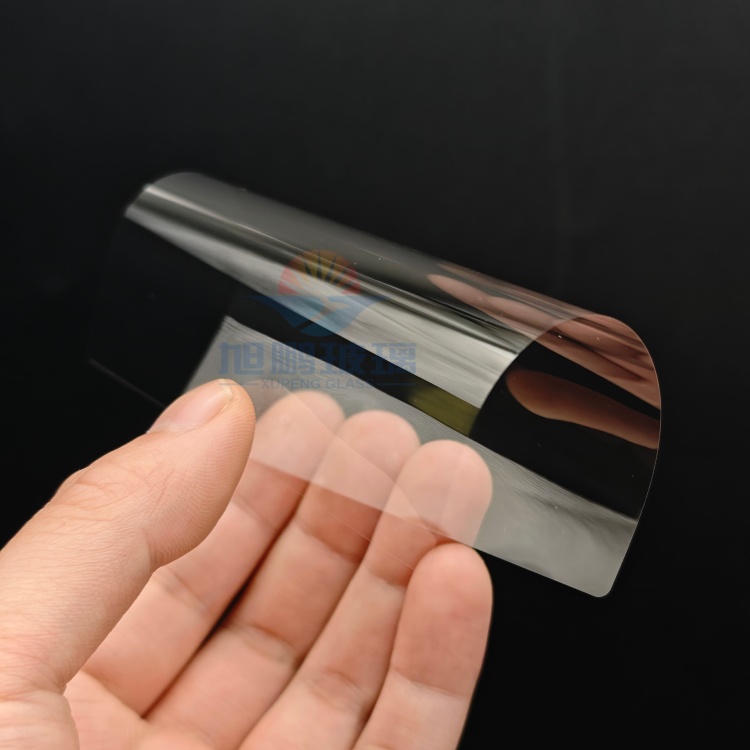
0.03 mm Ultra-thin Flexible Bendable Glass
A specialty substrate for flexible display and thin-film projects. Sandblasting is normally avoided on the functional area; decorative masking is reviewed case by case.
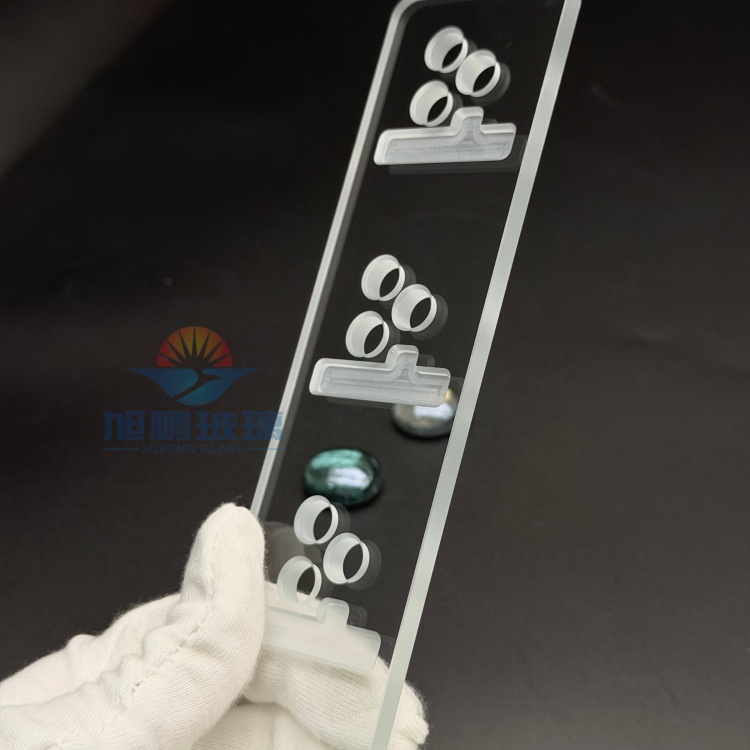
Ultra Clear High Light Transmission Tempered Glass Panel, CNC Arc Polishing, Drilling & Grooving
A practical base for Chiang Mai privacy partitions, shopfronts and spa screens when a bright, low-iron frosted look is required. CNC edges, holes and cut-outs can be coordinated before tempering.

Schott Ultra-thin Optical Glass Sheets, 0.1mm, 0.5mm, 0.7mm, 1.1mm, Raw Semiconductor Electronic Glass Substrates
For semiconductor and optical equipment windows. Use sandblasted light-diffusing zones only after an optical and contamination review; raw substrate performance should not be compromised.

Ultra-white Tempered Glass, AR Anti-Reflection Coatable, High Light Transmittance & Anti-reflective
High-transmission display glass for control panels and instrument windows. Frosted borders may improve glare control, but AR-coated viewing areas must remain clean and fully specified.

Corning Ultra-Thin Glass Sheet, Optical Grade Glass Wafer Substrate with Chamfered Edge
A wafer-level substrate for demanding electronics. It is not a typical architectural sandblasting item; edge chamfer, flatness and particle control are the primary selection criteria.
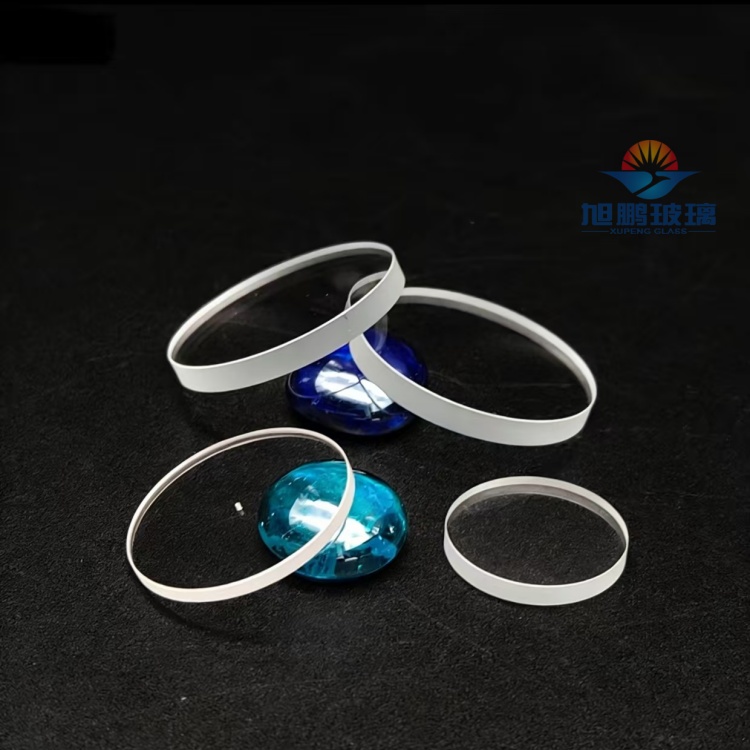
Sapphire Glass Step Window Wafers, High Temperature Resistant & High Light Transmittance Optical Sapphire Lenses
A hard, high-temperature optical window for sensor and instrument protection. Sandblasting is not routine; any light-diffusion or marking requirement should be quoted with polishing and coating steps.
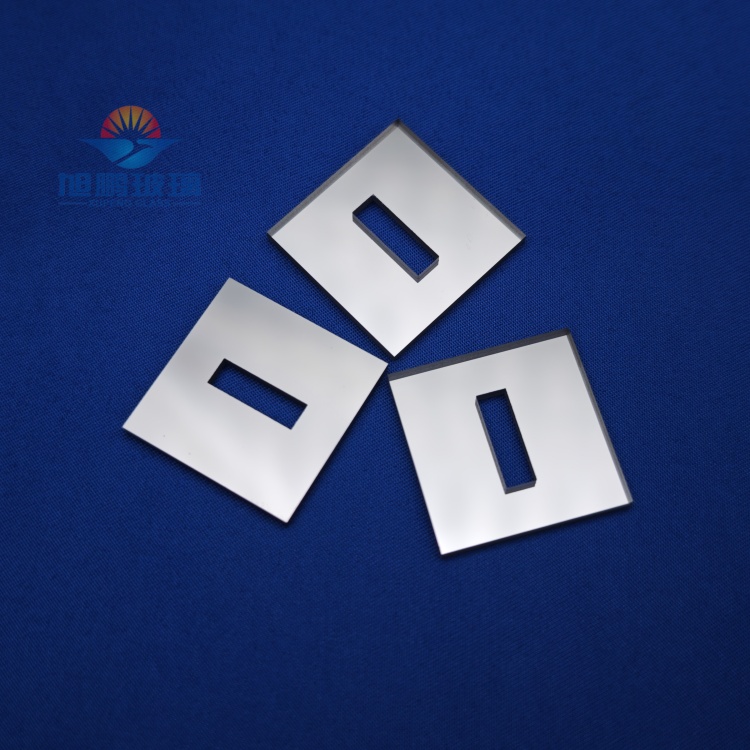
Silver-coated Mirror, Grooved at the Center of Glass
For decorative panels and illuminated mirror features. A frosted strip or sandblasted border can add design contrast, but edge sealing and humidity protection are essential in Chiang Mai bathrooms and hospitality areas.
Where sandblasted glass creates value in Chiang Mai
Chiang Mai’s hospitality, wellness, café and residential markets place a premium on privacy without losing daylight. Sandblasting is most useful when it is specified as part of a system — glass type, tempering, edgework, coating, fixing and cleaning all matter.
Hospitality privacy with daylight
Boutique hotels, guesthouses and resort villas in Nimman, the Old City and Hang Dong can use frosted tempered glass for bathroom screens, corridor doors and balcony dividers while keeping interiors bright.
Spa, wellness and clinic partitions
Soft frosted glass supports calm interiors and hygienic cleaning routines. For clinics and massage studios, specify tempered or laminated safety glass and agree a non-fingerprint surface finish.
Café, retail and shopfront glazing
Chiang Mai cafés and boutique shops use sandblasted logos, privacy bands and display windows to balance street visibility with brand character. Silk-screen printing can be combined with frosting for durable graphics.
Office, co-working and meeting rooms
Frosted glass partitions improve visual privacy in co-working spaces and professional offices. Buyers should confirm door tolerances, hinge cut-outs and edge polishing before production.
Residential condo and villa fit-outs
Wardrobe doors, kitchen backsplashes, stair balustrades and bathroom screens benefit from easy-clean frosted glass. In Chiang Mai’s humid months, edge sealing and quality packing reduce moisture-related failures.
Display, signage and control panels
Appliance panels, instrument windows and illuminated signs may need a selective frosted window rather than full-sheet etching. Our team reviews viewing area, ink, coating and light transmission together.
In Chiang Mai’s monsoon climate, sandblasted surfaces can show water marks, fingerprints and cleaning residue if the finish is not matched to the installation. For high-touch doors and bathroom screens, request a sample and agree on gloss level, texture depth and cleaning guidance before the order is released.
Local trends shaping glass sandblasting demand
Northern Thailand’s project market is becoming more design-led and more technical. Buyers are not only asking for a frosted look; they are asking how the glass will perform in heat, humidity, heavy use and low-maintenance operations.
Hospitality refurbishment
Hotel and resort upgrades favour privacy glazing that preserves daylight and reduces heavy curtains. Frosted tempered glass is a practical fit.
Wellness and clean design
Spa, clinic and wellness interiors prefer calm, easy-clean surfaces. Sandblasted glass pairs well with neutral palettes and soft lighting.
Daylight and privacy balance
Owners want natural light without exposing interiors. Selective frosting, gradient etching and printed bands are increasingly specified.
Digital and technical interiors
Display windows, control panels and signage need optical clarity in one area and a diffused finish in another, often on the same glass part.
How to specify sandblasted glass for Chiang Mai projects
Sandblasting is not a single commodity. Haze level, surface texture, substrate colour, tempering sequence, edge quality and coating compatibility all influence the final result. A clear specification prevents rework after the glass has already travelled to Northern Thailand.
The bars above are an illustrative project-priority profile for planning discussions, not a product test result. Final performance is confirmed against your drawing, glass type and agreed sample.
1. Approve the frost sample first
Agree haze, gloss, texture, colour shift and fingerprint visibility on the actual substrate. Ultra-clear glass and standard clear glass can look different after sandblasting.
2. Confirm the process sequence
For tempered parts, the sandblast/etch step and tempering order must be reviewed carefully. Holes, grooves and polished edges should also be defined before production.
3. Design for local installation
Allow fixing tolerances, drainage, edge clearance and ventilation. In Chiang Mai humidity, trapped moisture around mirror edges or laminated glass can shorten service life.
For a faster engineering review, send a CAD, DXF or PDF drawing with overall size, thickness, tolerance, edge profile, hole positions, printed areas, frosted areas and handling method. If you are matching an existing installation, include a photo under both daylight and indoor lighting. This lets our team identify whether the target finish is likely to be acid-etched, sandblasted, coated or printed — and whether a physical sample should be produced before quotation.

Factory-direct glass expertise for Chiang Mai buyers
Dongguan AUVE Glass Co., Ltd. is a deep-processing glass manufacturer integrating R&D, design, production and export in Songshan Lake, Dongguan — a leading electronics and optoelectronics cluster in China. Since 2018, our team has supported OEMs, brand owners and distributors with tempered, ultra-white, laminated, painted, LCD/touch-screen, smart control panel, LED lighting, instrument, AR high-transmittance and AG anti-glare glass.
For Chiang Mai sandblasting and frosted-glass inquiries, the advantage is not simply a price list. It is the ability to review the substrate, finishing sequence, edgework, coating compatibility and export packing in one technical workflow. Production follows defined process standards and a documented quality management system so that each batch can be traced from raw sheet to packed carton.
In-house deep processing
Cutting, CNC shaping, edging, drilling, tempering, silk-screen printing and AR/AG coating are controlled under one production workflow.
Engineering review before production
Our team checks manufacturability, tolerances and process sequence before material is cut, reducing surprises for overseas buyers.
Tempering and coating compatibility
Frosted zones, printed graphics, AR/AG coatings and tempering are reviewed together so one finish does not compromise another.
Export packing for fragile glass
Protective film, interleaving, foam corner protection and wooden crates or reinforced cartons are planned around the final route.
Verified supplier data
Onsite-checked supplier status, credit index, transaction level, trade capacity and buyer feedback can be reviewed before an order.
Fast technical response
Our average response time is within 7 hours. Send your drawing, quantity, application and target date for an engineering reply.
From Dongguan production to Chiang Mai delivery
Glass for Chiang Mai is usually shipped as a project batch rather than a single retail sheet. The commercial route must therefore match the packing method, customs terms and installation schedule.
Flexible trade terms
We support FOB, CFR, CIF, EXW, DDP, DDU, DAF and express delivery, subject to final order review. Chiang Mai buyers can discuss the Incoterm that best fits their customs broker and installation timeline.
Route planning
Typical sea freight moves through Laem Chabang or Bangkok before trucking to Chiang Mai; samples or urgent parts may use air or express. The best route depends on size, weight, packing and deadline.
Packing and documentation
Fragile glass parts are packed with protective film, interleaving, foam protection and batch labeling. Export documents and packing marks can be prepared to support smooth clearance and site receiving.
For the most accurate quotation, tell us whether the glass will be collected by your forwarder in China, shipped FOB, or delivered DDP to Chiang Mai. Include the installation date and whether the site can receive a wooden crate by truck. These details influence packing design, crate size and the most economical shipping plan.
Common questions from Chiang Mai glass buyers
These are the questions procurement teams, designers and contractors most often ask before requesting a sandblasted glass quotation for Northern Thailand.
Are you a glass sandblasting supplier for Chiang Mai or only a trading company?
Dongguan AUVE Glass Co., Ltd. is a deep-processing glass manufacturer and trading company with production in Dongguan, China. For sandblasted or frosted glass projects, we review the substrate, finish, tempering sequence, edgework and packing as one specification. Chiang Mai buyers can request a sample and drawing-based quotation before committing to a production order.
What is the minimum order quantity for sandblasted glass shipped to Chiang Mai?
MOQ depends on material and process. Many coated and optical glass parts start from 10 to 50 pieces, while standard ultra-clear tempered parts typically start from 100 to 500 pieces. Sample and pilot quantities can be discussed for new hotel, café, clinic or residential projects. Combining several glass items in one shipment often improves the commercial case.
How should I specify frosted glass for Chiang Mai humidity and monsoon conditions?
Provide the application, indoor or outdoor location, glass size, thickness, safety requirement, edge finish, hole positions, frosted area, haze or gloss target, cleaning method and fixing detail. For bathrooms and covered outdoor areas, edge sealing, ventilation and easy-clean surface choices should be discussed. A physical sample is recommended before bulk production.
Can you produce to my drawing and match an existing sandblasted sample?
Yes. Send a CAD, DXF or PDF drawing plus a photo of the existing glass under daylight and indoor lighting. Our engineers review manufacturability, including CNC cutting, edging, drilling, tempering, silk-screen printing and AR/AG coating. If a close visual match is required, we can discuss a sample before production, although final appearance depends on the original substrate and process history.
How is delivery to Chiang Mai handled and which Incoterms are supported?
We support FOB, CFR, CIF, EXW, DDP, DDU, DAF and express delivery, with export packing designed for fragile glass parts. Sea freight commonly arrives through Laem Chabang or Bangkok and then moves by truck to Chiang Mai; air or express can be considered for samples or urgent parts. The final route and terms are confirmed per order.
Do you provide installation in Chiang Mai, and how fast will I receive a reply?
We are a glass manufacturer and exporter rather than a local installation contractor. We can supply shop drawings, packing marks and technical guidance so a Chiang Mai installer can handle site work. Our average response time is within 7 hours; email info@auveglass.com with your drawing, quantity, application and target date for an engineering review.
Send your Chiang Mai sandblasting requirement for review
Share your drawing, glass size, thickness, frosted areas, quantity and delivery target. Our team will check the substrate, finishing sequence, export packing and trade terms, then reply with the next practical step.