Glass Screen Printing Factories & Supplier Serving the San Antonio Market
High-temperature ceramic-printed tempered glass, AR/AG coated display glass, borosilicate windows and precision optical substrates — engineered to drawings, inspected in-house and packed for export to San Antonio OEMs, integrators and distributors.
Eight Printed, Coated and Optical Glass Products for San Antonio Projects
These are production-ready glass families for control panels, display windows, instrument covers, lighting fixtures, sensor windows and semiconductor-adjacent applications. Every item can be quoted to your drawing, including thickness, tolerances, holes, edge profile, print colors, coating side and packaging requirements.
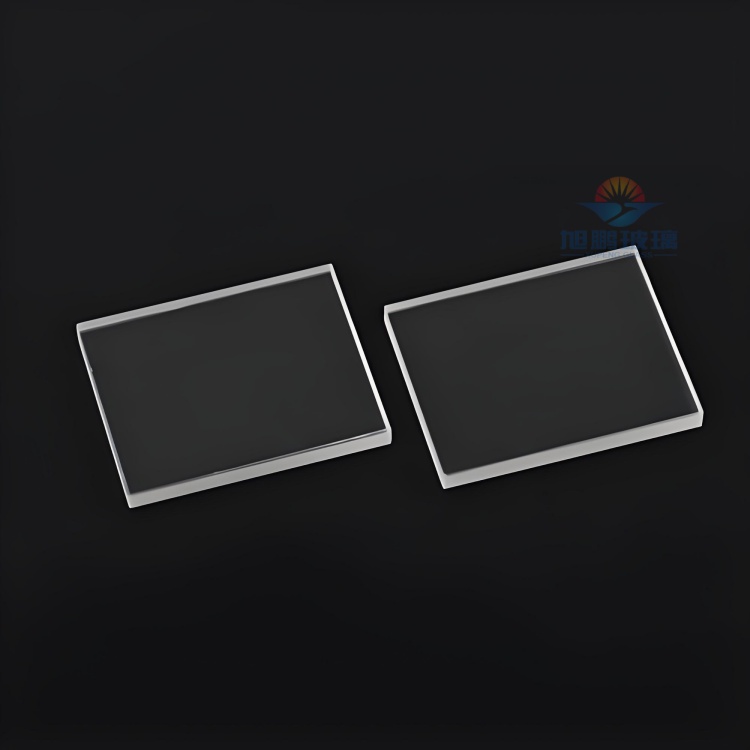
Tempered Glass Customized High Temperature Resistant, High Transparency and High Borosilicate Mirror Window Glass
For equipment viewports, high-heat lighting and industrial observation windows where thermal shock resistance and clear visibility matter.
View technical details →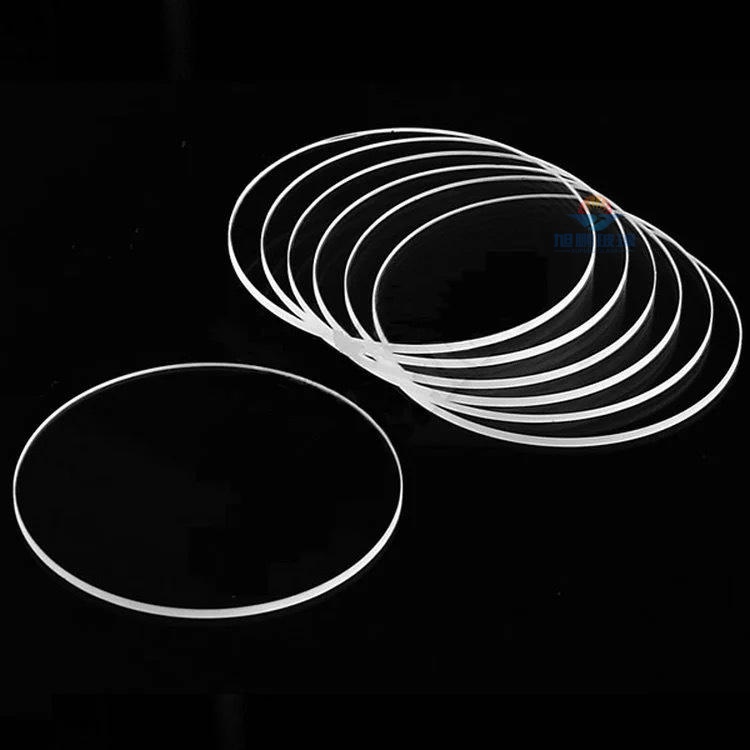
Corning EXG Alkali-Free Glass, UV High-Transmittance Optical Window Substrate
Alkali-free substrate for UV transmission, semiconductor-adjacent tooling, analytical instruments and precision optical windows.
View technical details →
Ultra-white Tempered Glass, AR Anti-Reflection Coatable, High Light Transmittance & Anti-reflective
Color-neutral cover glass for touch displays, medical monitors and all-in-one PCs where reflection control improves perceived contrast.
View technical details →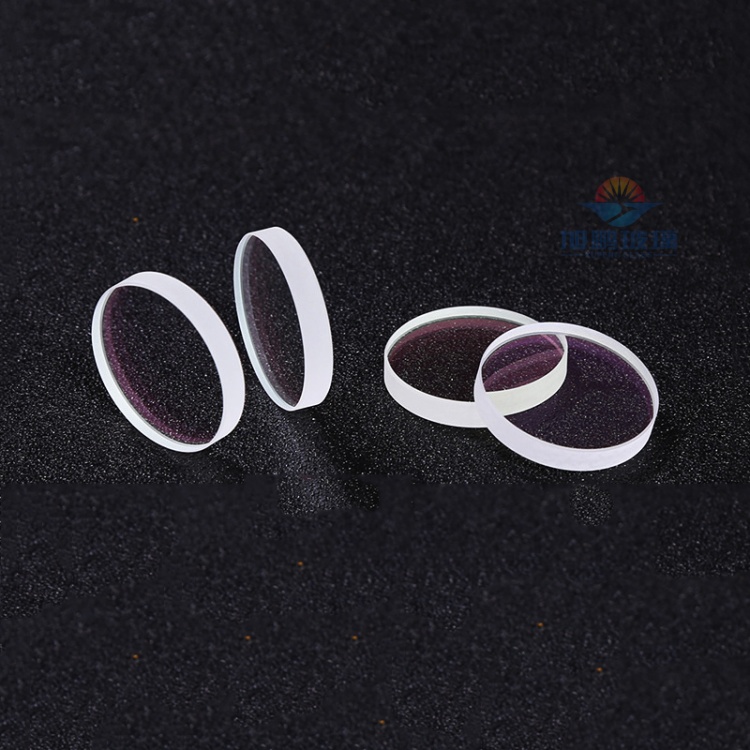
Ultra-clear Tempered Glass, Custom Processing Available: Drilling, Etching, AG Coating Silk Printing, AR Coating
Core screen-printing platform for HMI panels, appliance covers, kiosk fronts and building automation interfaces.
View technical details →
High Transmittance Sapphire Glass, Scratch Resistant & High Temperature Resistant Sapphire Glass Sheets
For sensor covers, high-wear windows and harsh-environment sight glasses where scratch resistance is a lifecycle requirement.
View technical details →
Ultra-thin Optical Glass Sheets Schott B270/D263T Semiconductor Electronic Glass Blank Cutting & Processing
Cutting and processing support for thin B270/D263T blanks used in optical, electronic and micro-manufacturing assemblies.
View technical details →
CNC Carved Low Iron Glass Sheet, High-temperature Screen Printed Tempered Glass, Drilled Glass Panel
An ideal starting point for San Antonio control-panel and equipment-cover projects that combine holes, cutouts, graphics and tempering.
View technical details →
Wafer Glass Thickness Circuit Board Chip Solar Silicon Ingot Substrate
Substrate-related glass for electronics, solar and research supply chains that need controlled thickness and clean processing.
View technical details →Why Printed Glass for San Antonio Needs a Different Conversation
San Antonio sourcing teams rarely buy printed glass as a commodity. The same part may sit in a hospital instrument panel, a maintenance-bay display near Port San Antonio or JBSA, a hospitality wayfinding sign, an HVAC controller, an LED luminaire, an outdoor kiosk or a high-temperature industrial viewport. Those environments share one requirement: the print, coating and glass substrate must perform as one system.
A screen-printed panel is not simply ink on glass. The graphic is normally produced with a ceramic-frit ink system selected for firing and/or thermal cure, cleaning agents and UV exposure. The substrate may be low-iron glass for color neutrality, tempered for impact resistance, or coated with AR/AG layers to improve display readability. In South-Central Texas, intense sun, heat, humidity, dust and occasional hail or freeze events make the specification more demanding than a catalog photo suggests.
This guide is written for engineers, procurement specialists and brand owners who need a factory-direct supplier serving the San Antonio market. It explains what to specify, where printed glass fits local industries, how to compare quotations and how Dongguan AUVE Glass Co., Ltd. controls production from drawing review to export packing. The goal is not to replace a drawing with marketing language; it is to help you ask better questions before a purchase order is issued.
For San Antonio buyers, the practical evaluation is simple: can the supplier read your drawing, identify manufacturability risks, choose a stable print and coating route, protect the glass during export, and provide clear documentation? A low piece price means little if the first shipment arrives with broken corners, registration drift or an ink system that fails after months in a sunlit lobby.
Typical San Antonio RFQ Priorities
An illustrative weighting for early specification discussions, not a market statistic. Use it to structure your own scorecard.
Where Screen-Printed Glass Earns Its Place in San Antonio
The best specification begins with the user environment. These four application clusters reflect common buying patterns in San Antonio and the broader I-35 corridor.
Industrial HMI, HVAC & Building Automation
San Antonio's commercial construction, data-center support, hospitality renovation and facility-management sectors rely on control panels that remain readable under bright ambient light. Printed low-iron or ultra-clear tempered glass can integrate icons, windows, brand color, hidden connector masks and AG treatment in one clean front panel.
Healthcare, Laboratory & Medical Instruments
Around the South Texas Medical Center and bioscience supply chain, display covers and instrument windows must balance optical clarity, cleanability and glare control. AR-coated ultra-white glass improves contrast, while printed borders can hide busbars and adhesive lines without introducing painted plastic edges that may age differently.
Hospitality, Retail & Outdoor Wayfinding
Hotels, restaurants, entertainment venues and retail centers need signage and kiosk fronts that resist fading, fingerprints and cleaning. High-temperature ceramic print, low-iron glass and optional AG etching create a premium surface that can be specified with tempered strength for public-facing installations.
Aerospace, Defense & Energy Instrumentation
The San Antonio region's aerospace, defense maintenance and energy sectors often require robust windows and instrument covers. Borosilicate, sapphire, quartz and precision optical substrates are selected when heat, scratch resistance, UV transmission or dimensional stability outrank ordinary display-glass economics.
Screen-Printed Glass Selection Matrix for South Texas Conditions
Use this matrix to align material, printing and coating choices before you request pricing. Final specifications should always be confirmed against your drawing, assembly method and agreed inspection standard.
| Specification Path | Best Use in San Antonio | Why It Matters Locally | Lock Before RFQ |
|---|---|---|---|
| Low-iron tempered glass + high-temperature ceramic print | HVAC and equipment control panels, appliance covers, LED fixtures, shade structures and exterior signage | Color-neutral substrate preserves brand colors; ceramic print is selected for UV and cleaning exposure; tempering improves impact safety | Thickness, print colors, ink side, edge profile, holes, flatness, tempering standard |
| Ultra-white tempered glass + AR coating | Touch modules, medical displays, all-in-one PCs, lobby information screens | AR coating lowers surface reflection so content remains legible under high interior or window light | Reflectivity target, coating side, print masking, coating durability, color tolerance |
| AG etched or AG-coated display glass | Outdoor kiosks, industrial HMI, drive-through displays, public terminals | Diffuses bright sunlight, reduces glare and can make fingerprints less visible | Gloss or haze range, texture, cleanability, print compatibility, coating hardness |
| Borosilicate high-temperature window glass | Oven and furnace viewports, industrial sensors, high-heat lighting | Borosilicate chemistry offers thermal-shock resistance for equipment exposed to repeated heating | Temperature profile, gasket design, annealed or tempered state, edge finish |
| Sapphire glass sheets | Scratch-critical sensor windows, wear windows and high-temperature sight glasses | High hardness supports long service life where abrasion is more likely than impact | Thickness, crystal orientation if relevant, polish grade, edge chamfer, transmission target |
| Corning EXG, Schott B270/D263T and ultra-thin optical glass | UV optics, analytical instruments, electronics and semiconductor-adjacent test fixtures | Controlled optical and dimensional properties matter more than decorative print in these applications | Thickness, flatness, waviness, dicing method, protective film, cleaning and packing class |
Typical values and application guidance are reference information only. Production specifications are confirmed by drawing, sample approval and the agreed test method.
What Is Changing for Glass Buyers in San Antonio?
Procurement expectations in Texas are moving toward higher documentation, mixed sourcing and designs that combine print, coating and touch integration in a single front panel.
Nearshoring Along the I-35 / Monterrey Corridor
Manufacturing activity between Texas and Mexico continues to reshape supplier networks. Buyers increasingly request smaller pilot builds, frequent releases and clear revision control from overseas glass factories so that production can flex without losing traceability.
Heat, UV and Weather-Aware Specifications
San Antonio's solar load and long cooling season push buyers to ask for UV-stable inks, low-iron substrates and AG surfaces earlier in the design process. Outdoor signage and kiosk projects now commonly require color, coating and cleanability expectations in the RFQ.
Print + Coating + Touch Integration
A single glass front may need printed graphics, an optical window, AG anti-glare treatment, AR anti-reflection and a sensor-friendly surface. Suppliers who can coordinate these steps in one process flow reduce handling risk and make it easier to manage tolerances across the assembly.
Dual-Source and Documentation Discipline
Purchasing teams want more than samples. They want drawing revision records, batch identification, packing lists, commercial invoices and a clear route for technical questions. Strong documentation is now part of supplier qualification, not an afterthought.
Factory-Direct Glass Manufacturing with San Antonio Support
Dongguan AUVE Glass Co., Ltd. is a deep-processing glass manufacturer integrating R&D, design, production and export. We are located in Songshan Lake, Dongguan — a Guangdong electronics and optoelectronics cluster — and serve overseas OEM buyers with drawing-based glass fabrication.
Deep-Processing Factory, Not a Catalog Broker
Established in 2018 with 51–100 employees and a 1,001–2,000 m² facility, AUVE processes flat and curved tempered glass, ultra-clear low-iron glass, laminated and painted glass, display glass, LED lighting glass, instrument glass, AR/AG coated glass and optical materials.
Integrated Cutting, CNC, Printing and Coating
Processes include precision cutting, CNC edging, drilling, beveling, tempering, high-temperature silk-screen printing, AR/AG coating and inspection. Our philosophy — “focusing on high-end glass, pioneering and innovating” — is applied through equipment investment and skilled engineering review.
Fast Technical Answers for Busy Buyers
Our average response time is within 7 hours. Send a CAD, DXF or PDF drawing with thickness, tolerance, edge, hole, printing and coating requirements. Engineers review manufacturability before production, so questions are resolved before glass is cut or printed.
Export Experience and Fragile-Glass Packing
Products are exported to the United States, Canada, Russia, South Korea, Japan, Australia and other markets. We support FOB, CFR, CIF, EXW, DDP, DDU, DAF and express delivery, with protective film, interleaving, foam corners and wooden crates or reinforced cartons as required.
 Production workshop: a controlled environment for cutting, processing and inspection.
 Deep-processing equipment supports repeatable edges, holes and finishing.
 Quality inspection before export packing helps catch dimensional and visual issues early.

From Drawing to Delivery: A Controlled Route for Custom Glass
Good screen printing depends on what happens before the ink touches the glass. Holes, cutouts, edge work and print registration should be reviewed as one manufacturing sequence.
Drawing Review & DFM
We review CAD, DXF or PDF drawings for thickness, tolerance, edge profile, hole spacing, print artwork, coating side and assembly clearance. Potential risks are raised before tooling or production begins.
Cutting, CNC & Edge Work
Glass is cut and machined to shape. Drilling, countersinking, notching and edge grinding are completed before tempering, because post-temper machining can compromise the tempered part.
Printing, Tempering & Coating
Ceramic ink, print sequence and coating order are selected for the application. The process route is confirmed so that graphics, AR/AG treatment and tempering do not conflict with each other.
QC, Protection & Packing
Dimensional, visual and functional checks are performed according to the agreed plan. Parts are then protected for export handling and packed for the selected shipping method.
Shipping, Packing and Documentation for San Antonio Buyers
Factory-direct shipment from Dongguan can move by ocean, air or express. Final routing, customs treatment and delivery timing should be confirmed with your freight forwarder and customs broker.
Commercial Terms
We support FOB, CFR, CIF, EXW, DDP, DDU, DAF and express delivery. The correct term depends on who will act as importer of record and how you want freight, insurance and destination charges handled.
Fragile-Glass Packing
Interleaving film or paper, foam corner protection, batch labeling and fumigation-free wooden crates or reinforced cartons are selected by part size and route. For San Antonio deliveries, packing should account for transfer between ocean, air, rail and LTL trucking.
Typical Freight Routing
Ocean freight often enters through Houston or a West Coast gateway and moves to San Antonio by truck; air and express shipments may route through major Texas hubs. We confirm the shipping plan after the order quantity, packing dimensions and Incoterm are agreed.
Documents and Traceability
Commercial invoice, packing list and agreed inspection records are prepared for shipment. Buyers should confirm tariff classification, import duties and any product-specific compliance requirements with their own broker before ordering.
Frequently Asked Questions from San Antonio Glass Buyers
Direct answers to the questions engineering and procurement teams ask before sending a drawing for quotation.
Are you a local San Antonio glass factory or an overseas manufacturer?
We are Dongguan AUVE Glass Co., Ltd., a factory-direct deep-processing glass manufacturer in Dongguan, China, serving the San Antonio market. We do not claim a San Antonio warehouse or local factory. Production is quoted from our factory, and delivery can be arranged under the agreed Incoterm.
Can you produce screen-printed glass to our own drawing?
Yes. Send a CAD, DXF or PDF drawing with dimensions, thickness, tolerance, edge profile, hole positions, print artwork, colors, coating requirements and target quantity. Our team reviews manufacturability before production and can discuss sample or pilot quantities for new projects.
Which ink system is suitable for San Antonio heat and UV exposure?
For durable graphics, specify a ceramic-frit ink system compatible with the glass and process route. Organic inks may not provide the same UV and cleaning resistance. The artwork, color target, ink side and firing or cure route should be confirmed before quotation.
What is the minimum order quantity?
MOQ depends on material and process. Many coated and optical glass parts start from about 10 to 50 pieces, while standard ultra-clear tempered parts often start from around 100 to 500 pieces. Sample and pilot quantities can be discussed for new projects.
How do you ship glass to San Antonio and which terms do you support?
We support FOB, CFR, CIF, EXW, DDP, DDU, DAF and express delivery with export packing designed for fragile glass parts. For Texas deliveries, buyers should confirm the best port, customs broker and final-mile trucking plan with their forwarder.
How fast do you reply, and what information should we include?
Our average response time is within 7 hours. Include your drawing, glass type, thickness, tolerance, edge and hole requirements, print colors, coating side, quantity, assembly environment and target delivery date. That information allows a faster engineering review and a more useful quotation.
Send Your Drawing for an Engineering Review
Share the application, print artwork and environmental requirements. Our team will review material, process route, coating compatibility and export packing, then confirm the next steps for your San Antonio project.