Hydrophobic Glass Suppliers & Wholesalers in the Dallas Market
Custom hydrophobic-coated tempered, AR/AG, borosilicate, quartz and optical glass for Dallas-Fort Worth OEMs, distributors, architects, display integrators and advanced-manufacturing buyers.
Get a QuoteEight Hydrophobic-Ready Glass Products for Dallas Wholesalers & OEM Buyers
These are practical base-glass products from the AUVE deep-processing portfolio. Where the application allows, hydrophobic anti-fingerprint or water-repellent finishes can be specified together with tempered, AR, AG, printed, CNC-machined or optical processing.

Welding Black Filter Glass, Beveled Edge Grinding, Long Irregular-shaped Welding Filter Glass
Irregular black filter glass with beveled edge grinding for welding masks, goggles and protective equipment. Hydrophobic treatment can help resist fingerprints and moisture during handling.
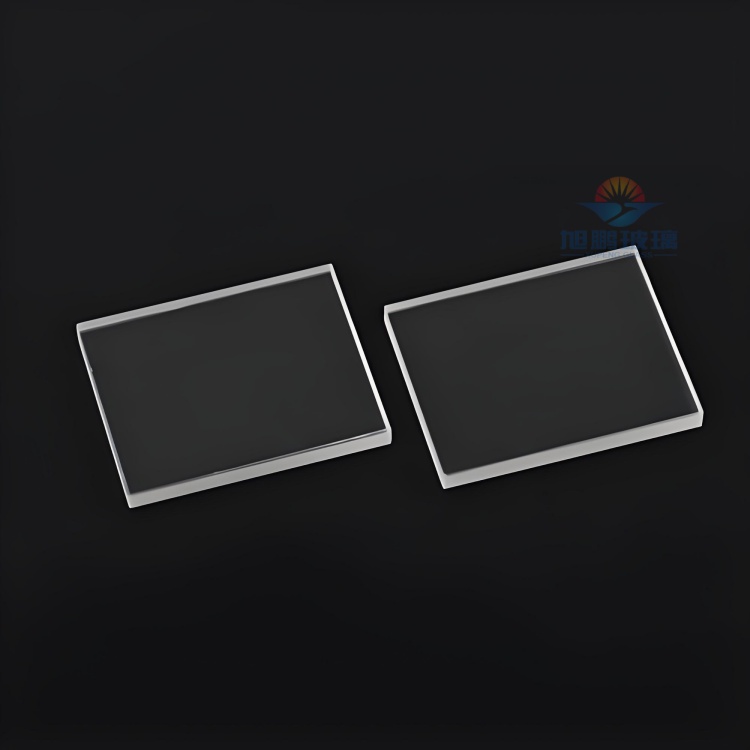
Tempered Glass Customized High Temperature Resistant, High Transparency and High Borosilicate Mirror Window Glass
High-borosilicate tempered window glass for heat-resistant viewports, equipment covers and optical windows. A hydrophobic surface can simplify cleaning in humid or dusty service conditions.

CNC Carved Low Iron Glass Sheet, High-temperature Screen Printed Tempered Glass, Drilled Glass Panel
Low-iron tempered glass with CNC carving, drilling and high-temperature screen printing. Suitable for control panels, appliance fronts and display covers requiring clearer edge color.
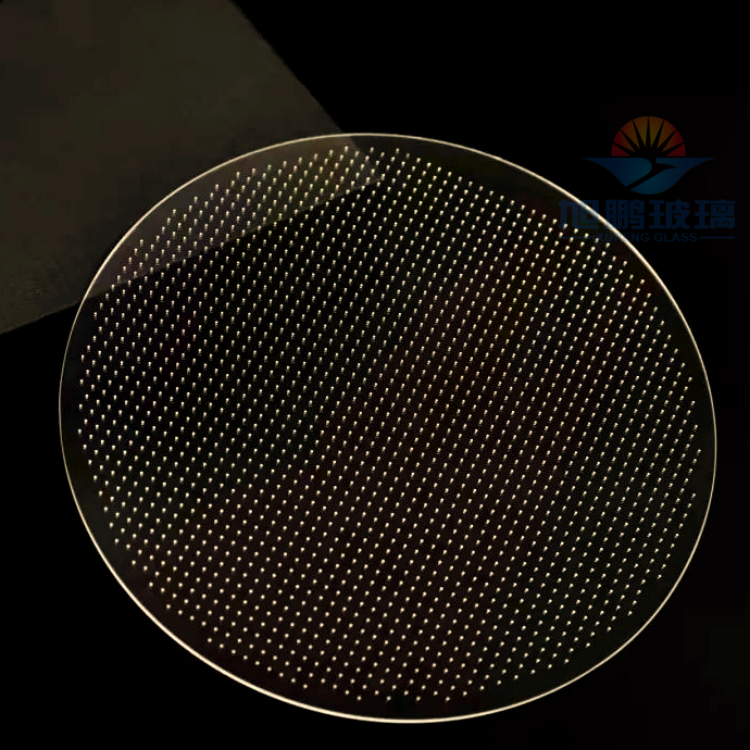
Schott BF33 TGV Microvia Glass Wafer, Packaging Substrate for Sensors & Chips
Schott BF33 TGV microvia glass wafer for sensor and chip packaging. Precision wafer handling and clean packing are critical for Dallas-area semiconductor and electronics programs.

Corning Ultra-Thin Glass Sheet, Optical Grade Glass Wafer Substrate with Chamfered Edge
Ultra-thin optical-grade glass wafer substrate with chamfered edges for compact optical modules, sensors and display-related assemblies. Surface cleanliness and edge quality are essential.
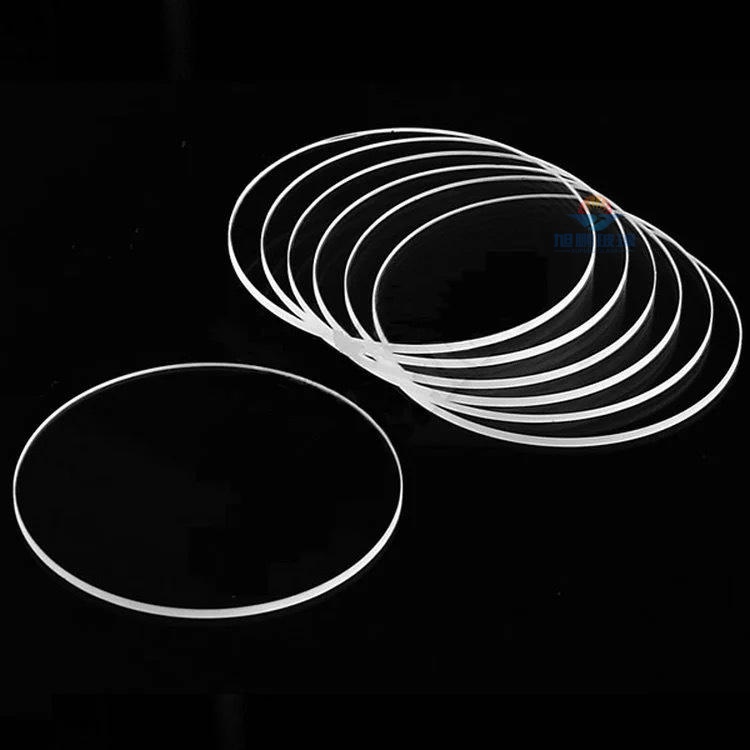
Corning EXG Alkali-Free Glass, UV High-Transmittance Optical Window Substrate
Alkali-free Corning EXG glass for UV high-transmittance optical windows and substrate applications. For sensitive optics, hydrophobic coating compatibility must be confirmed before sampling.
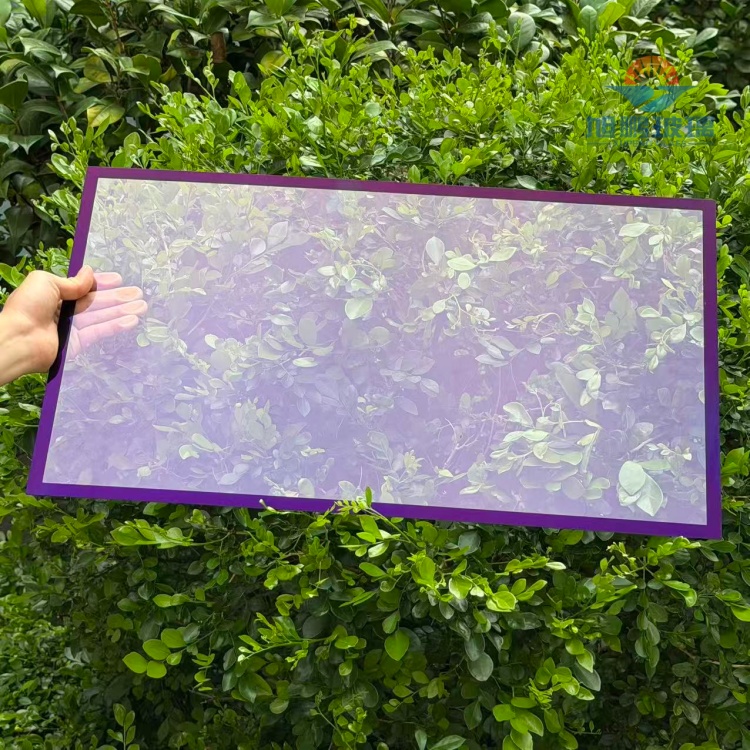
27-inch All-in-One PC AR Coated Glass
Large-format AR-coated glass for all-in-one PCs, interactive displays and commercial terminals. Anti-fingerprint hydrophobic treatment is often requested for touch-facing surfaces.
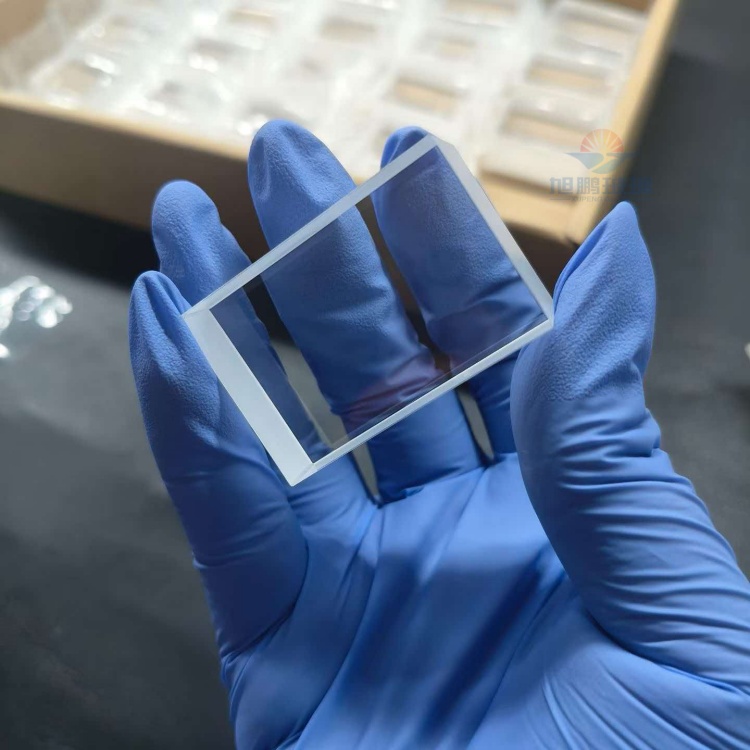
High UV Transmission Thick Gauge Thick Quartz Glass Plate
Thick-gauge fused quartz plate for UV curing, disinfection equipment and high-temperature viewports. Hydrophobic treatment should be evaluated against UV exposure and cleaning chemistry.
Hydrophobic Glass Sourcing in Dallas: A Practical Buyer’s Guide
Hydrophobic glass is not a single catalogue item. It is a substrate-plus-finish specification in which the base glass, edge profile, printed graphics, optical coating and hydrophobic surface treatment must work together. For Dallas buyers, this distinction matters because the same “water-repellent glass” request may mean a self-cleaning architectural pane, an anti-fingerprint touch cover, a moisture-resistant optical window or a coated filter glass for a welding assembly.
Dallas-Fort Worth is a demanding procurement region. Buyers in Dallas, Plano, Richardson, Irving, Frisco, Arlington and Fort Worth operate across commercial construction, electronics manufacturing, semiconductor-related supply chains, automotive and EV infrastructure, healthcare equipment, digital signage and industrial automation. The local climate also brings intense sun, seasonal storms, humidity spikes, dust and pollen. These conditions make cleanability, coating durability, optical clarity and packaging protection more important than a simple price-per-square-meter comparison.
When sourcing from a factory-direct manufacturer such as Dongguan AUVE Glass Co., Ltd., Dallas wholesalers and OEM teams can consolidate tempered, ultra-clear, AR/AG, printed and optical glass processing with one supplier. AUVE was established in 2018 and integrates R&D, design, production and export in Songshan Lake, Dongguan, China. The company processes flat and curved tempered glass, ultra-white, laminated and painted glass, LCD and touch screen glass, smart control panel glass, LED lamp glass, instrument glass, AR high-transmittance glass and AG anti-glare glass. Its optical portfolio includes K9, quartz, sapphire, borosilicate, Schott BF33 TGV wafers and Corning EXG alkali-free glass.
For a Dallas-bound project, the most reliable route is to provide a drawing, target transmission or reflection, surface finish, cleaning method, environmental exposure and packing requirement. Our engineers then review manufacturability before quoting. This avoids the common sourcing failure in which a hydrophobic coating is specified without confirming compatibility with tempering, silk-screen ink, AR/AG layers or cleanroom packaging.
What Dallas Buyers Should Specify First
A well-written hydrophobic glass RFQ reduces sample cycles and protects your project schedule.
- Base glass: low-iron tempered, borosilicate, quartz, Schott BF33, Corning EXG or other optical substrate.
- Surface requirement: hydrophobic, anti-fingerprint, AR, AG, mirror, printed or a combined coating stack.
- Performance check: water contact angle target, abrasion method, chemical resistance or cleaning cycle expectation.
- Mechanical details: thickness, tolerance, edge, holes, chamfer, cut-outs and flatness.
- Commercial details: MOQ, sample quantity, Incoterm, Dallas delivery point and neutral packing needs.
Where Hydrophobic Glass Creates Measurable Value in Dallas-Fort Worth
Hydrophobic treatment is most useful when it solves a real operating problem: cleaning frequency, fingerprint visibility, moisture spotting, dust accumulation or contamination control.
Commercial Facades & High-Rise Glazing
Projects in Downtown Dallas, Uptown, Frisco and Plano often need low-iron tempered glass with easier cleaning and reduced water spotting. Hydrophobic surfaces can support maintenance programs when the coating is matched to sealants and façade cleaning chemicals.
Touch Displays, HMI & Commercial Kiosks
Display integrators in Richardson, Plano and Irving frequently request AR-coated cover glass with anti-fingerprint performance. A hydrophobic surface helps reduce smudge visibility and improve the user experience in retail, healthcare, logistics and industrial control panels.
Outdoor Signage & EV Charging Interfaces
Outdoor digital signage, smart-city kiosks and EV charging displays face rain, dust, heat and public touch. AG plus hydrophobic coating can reduce glare and make the front surface easier to clean without resorting to aggressive polishing.
Precision Optics & Advanced Manufacturing
Richardson, Allen and North Texas advanced-manufacturing teams use optical wafers, quartz windows, sapphire and Corning EXG substrates. In these programs, hydrophobic treatment is evaluated against transmission, cleanroom compatibility and the specified cleaning process.
Localized Trends Shaping Hydrophobic Glass Procurement
Suppliers and wholesalers that can document coating compatibility, packing protection and engineering review are better positioned to serve Dallas buyers than suppliers offering generic water-repellent claims.
Supply-Chain Localization & Dual Sourcing
Dallas distributors increasingly want a factory-direct technical partner plus a resilient logistics plan. Buyers ask for DDP, CIF and FOB options, neutral packing and batch identification so they can support local customers without losing traceability.
Coating Convergence: AR + AG + Hydrophobic
Display and architectural buyers no longer treat coatings as separate purchases. A single specification may combine anti-reflection, anti-glare and hydrophobic performance, which requires the manufacturer to validate layer compatibility before mass production.
Advanced Manufacturing & Clean Packaging
North Texas semiconductor, sensor, photonics and EV-related programs demand tighter incoming inspection. Clean wafer separators, protective film, edge protection and lot-level labeling are becoming part of the total glass specification.
Dallas-Fort Worth Buyer Specification Priorities
Indicative evaluation weighting based on typical custom-glass quote discussions. Use this as a procurement discussion tool, not as a statistical market forecast.
For best results, attach your cleaning chemical list, expected touch frequency, UV exposure profile and incoming-inspection checklist to the RFQ.

Why AUVE Glass Is a Practical Partner for Dallas Wholesalers
Dongguan AUVE Glass Co., Ltd. operates as a deep-processing glass manufacturer rather than a generic trading intermediary. Its capabilities cover cutting, CNC edging, drilling, grooving, tempering, silk-screen printing, AR/AG coating and optical glass processing. For Dallas buyers, this means one engineering conversation can cover the substrate, coating route, edge quality, print durability and export packing.
The company is located in Songshan Lake, Dongguan, Guangdong, China, and serves export markets including the United States, Canada, Russia, South Korea, Japan and Australia. Its team of 51–100 employees supports OEMs, brand owners and distributors with drawing-based production. AUVE’s stated operating philosophy—“focusing on high-end glass, pioneering and innovating”—is reflected in its investment in skilled engineers, advanced equipment and traceable production practices.
Before production, AUVE reviews CAD, DXF or PDF drawings for manufacturability. It supports FOB, CFR, CIF, EXW, DDP, DDU, DAF and express delivery, with fragile-goods export packing designed for glass parts. For Dallas projects, the practical advantage is not simply price—it is the ability to resolve coating compatibility, tolerance and packing issues before the shipment leaves the factory.
Integrated Glass Processing
Cutting, CNC edging, drilling, tempering, silk-screen printing and AR/AG coating can be coordinated under one production route.
Optical Material Breadth
K9, quartz, sapphire, borosilicate, Schott BF33 TGV wafers and Corning EXG glass support advanced Dallas manufacturing programs.
Engineering Review Before Quotation
Drawings are checked for thickness, tolerance, holes, edge, printing, coating and packing feasibility before a firm offer is issued.
Dallas-Ready Trade Terms
FOB, CFR, CIF, EXW, DDP, DDU, DAF and express delivery are available to support distributor and project-specific delivery models.
Verifiable Supplier Credentials
Onsite-checked supplier status, credit index, transaction level, trade capacity and buyer reviews are available for due diligence.
Responsive Technical Communication
Average response time is within 7 hours, helping Dallas buyers close sample, MOQ and packaging questions faster.

Matching Hydrophobic Finish Options to Dallas Applications
Use this matrix to frame the RFQ. Final coating selection must be confirmed against your cleaning chemicals, exposure conditions, optical targets and approval testing.
| Base Glass | Typical Finish Route | Best-Fit Dallas Use Case | Buyer Check Before Ordering |
|---|---|---|---|
| Ultra-Clear Low-Iron Tempered Glass | Tempered + hydrophobic anti-fingerprint or water-repellent surface | Smart control panels, appliance fronts, architectural interior glazing, LED light covers | Edge color, tempering mark location, coating on one or both sides, cleaning chemical compatibility |
| AR-Coated Display Glass | Single- or double-side AR + hydrophobic top layer | Touch modules, all-in-one PCs, medical displays, retail kiosks | Reflection target, transmission, haze, abrasion test, fingerprint visibility requirement |
| AG Anti-Glare Glass | Etched AG + hydrophobic treatment | Outdoor LCDs, EV charging screens, industrial HMIs, airport and transit signage | Gloss level, haze, sparkle, surface texture, compatibility with outdoor cleaning agents |
| High Borosilicate Tempered Glass | Heat-resistant substrate + hydrophobic coating where compatible | High-temperature viewports, equipment windows, lighting and instrument covers | Thermal shock requirement, coating temperature limit, sealing method and gasket contact |
| Fused Quartz Plate | UV-grade quartz + optional hydrophobic surface evaluation | UV curing, UV disinfection, high-temperature industrial windows | UV transmission, thickness tolerance, coating UV stability, cleaning cycle and edge polish |
| Schott BF33 TGV Wafer | Precision wafer processing with cleanroom-compatible handling | Sensor packaging, chip packaging substrates, microvia glass interposers | Wafer size, via specification, flatness, surface particles, cleanroom packing and lot traceability |
| Corning EXG Alkali-Free Glass | Optical-grade polishing + application-specific surface treatment review | UV optical windows, semiconductor-related substrates, precision optical assemblies | Refractive index requirement, alkali-free confirmation, coating transmission effect and cleaning method |
Hydrophobic performance is application-dependent. Always validate contact angle, abrasion resistance, chemical resistance and optical effect with a production-representative sample.
From Dallas RFQ to Packed Glass: Six Controlled Steps
A disciplined process reduces sample loops and protects the coating, edges and printed graphics during international shipping.
Drawing & Use-Case Review
Send CAD, DXF, PDF or a dimensioned sketch with the intended Dallas application, cleaning method and environmental exposure.
Material & Coating Route
AUVE reviews substrate, tempering, printing, AR/AG and hydrophobic compatibility before confirming the process route.
Sample & Approval
Pilot quantities or samples can be discussed. Test the surface against your actual cleaning chemical and touch conditions.
Production & In-Process QC
Dimensional, visual, edge, print and optical checks are performed along the production flow, with batch traceability.
Fragile-Goods Packing
Protective film, interleaving, foam corner protection and wooden crates or reinforced cartons are selected for the route.
Export & Dallas Delivery Support
FOB, CIF, DDP and express options are coordinated with labeling, packing lists and documentation for customs clearance.
Common Questions from Dallas Hydrophobic Glass Buyers
These are the questions procurement, engineering and distribution teams ask most often when evaluating a factory-direct hydrophobic glass supplier.
Can you supply hydrophobic glass to Dallas buyers with DDP or CIF terms?
Yes. AUVE supports FOB, CFR, CIF, EXW, DDP, DDU, DAF and express delivery. For Dallas-bound orders, confirm the delivery address, unloading capability, preferred Incoterm and whether you require neutral packing or AUVE branding before the quotation is finalized.
What does “hydrophobic glass” mean in a quotation?
It should define both the base glass and the surface finish. A complete specification includes substrate type, thickness, edge, holes, printing, AR/AG layers, hydrophobic treatment, performance test and packing. Without these details, two quotations may describe very different products.
Which substrates can be considered for hydrophobic treatment?
Common candidates include low-iron tempered glass, AR-coated display glass, AG anti-glare glass, borosilicate windows, quartz plates and selected optical substrates. Compatibility must be reviewed against tempering, printing, coating stacks, cleaning chemicals and UV exposure. Not every finish is suitable for every optical application.
How do Dallas buyers verify hydrophobic performance?
Agree on a test method before sampling. Typical checks may include water contact angle, water-spotting behavior, abrasion resistance, chemical resistance and appearance after cleaning cycles. For touch displays, fingerprint visibility and haze should also be reviewed under representative lighting.
What is the minimum order quantity for custom coated glass?
MOQ depends on material, size and process. Many coated and optical glass parts start from 10 to 50 pieces, while standard ultra-clear tempered parts often start from 100 to 500 pieces. Sample and pilot quantities can be discussed for new Dallas projects.
Can AUVE support Texas distributors with neutral packing or private-label documents?
Neutral packing and distributor-friendly labeling can be reviewed with the quotation. Share your requirement for carton marks, lot IDs, packing lists, certificate format and after-sales traceability so the export packing plan supports your local Dallas distribution model.
How is glass protected for LTL, air freight or ocean freight to Texas?
Export packing is designed for fragile glass parts using protective film, interleaving material, foam corner protection and wooden crates or reinforced cartons as appropriate. The best packing method depends on panel size, thickness, quantity, coating sensitivity and final delivery method.
What information should I include in my Dallas RFQ?
Include a drawing, glass type, thickness, dimensions, tolerance, edge profile, holes or cut-outs, printing artwork, AR/AG requirement, hydrophobic performance expectation, cleaning chemical list, sample quantity, annual volume, target delivery date and preferred Incoterm. Our average response time is within 7 hours.
Send Your Dallas Hydrophobic Glass Specification
Share your drawing, substrate, coating requirement, expected quantity and delivery target. Our team will review manufacturability, confirm the suitable hydrophobic route and prepare a factory-direct quotation for your Dallas project.