Kitchen Appliance Glass Wholesaler & Wholesalers serving United States
Source tempered, ultra-clear, AR/AG coated, silk-screen printed and precision optical glass for control panels, oven windows, refrigerator displays and smart kitchen devices—engineered to drawings and packed for export.
Eight Precision Glass Products for U.S. Kitchen Appliance Programs
U.S. appliance buyers rarely need a generic sheet of glass. They need a part that fits a door frame, survives cleaning chemicals, reads clearly under kitchen lighting and arrives without edge chips. The eight products below are production-ready options AUVE Glass can adapt for control panels, display windows, high-temperature sight windows and electronic stacks. Where a material is better suited to advanced electronics than food-contact surfaces, we say so clearly—so your RFQ reaches the right process route.

High Transmittance Sapphire Glass, Scratch Resistant & High Temperature Resistant Sapphire Glass Sheets
For premium oven sight windows, high-temperature sensor covers and scratch-critical viewing areas, sapphire offers exceptional hardness and heat resistance. U.S. teams usually reserve sapphire for high-value parts where abrasion or heat failure is costly; for mainstream appliance door glass, ultra-clear tempered glass is often the better cost balance. Available with cut, polish, chamfer and inspection to drawing.
View product details →
Ultra-thin Flexible UTG Glass, bendable and foldable, suitable for commercial aerospace and new energy industries
Ultra-thin flexible UTG supports curved and foldable interface concepts in next-generation smart kitchen devices. It is not a direct replacement for structural oven doors; it is suited to thin display stacks, flexible electronics and specialty sensor windows. Ask engineering to review bend radius, edge quality, lamination and handling before sampling.
View product details →
Corning Ultra-Thin Glass Sheet, Optical Grade Glass Wafer Substrate with Chamfered Edge
Corning ultra-thin glass wafer substrates are used in precision electronics and sensor stacks where flatness and optical consistency matter. For U.S. kitchen appliance R&D teams developing touch modules, camera windows or embedded control electronics, this material can be processed with chamfered edges and inspected to drawing.
View product details →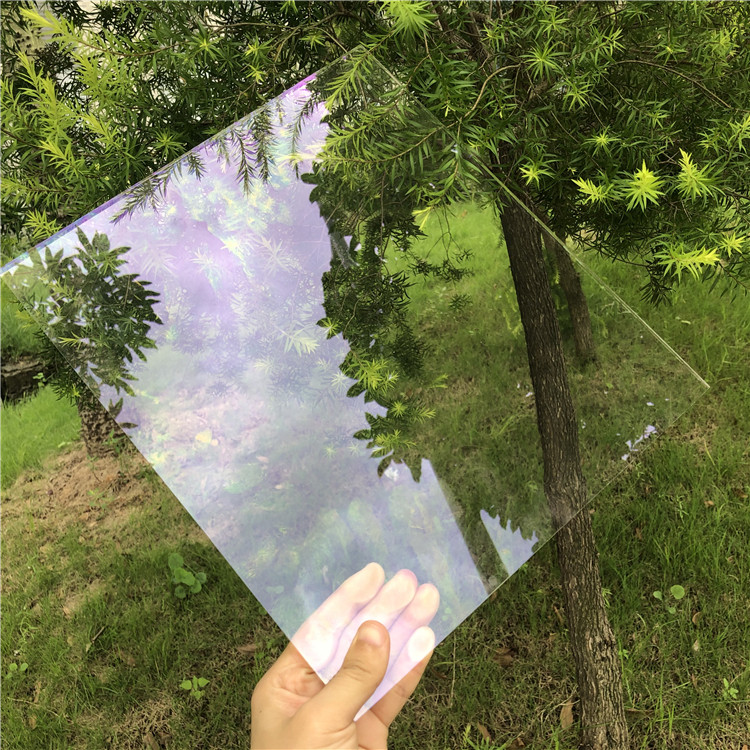
High-transmittance Anti-Reflection (AR) Coated Optical Glass
High-transmittance AR coated optical glass reduces surface reflections so control-panel icons, temperatures and touchscreen menus remain readable under bright kitchen lighting. It suits refrigerator door displays, smart hubs, coffee-machine interfaces and oven control windows; specify single- or double-side AR, transmission target and cleaning method.
View product details →
Wafer Glass Thickness Circuit Board Chip Solar Silicon Ingot Substrate
Wafer glass substrates for circuit-board, chip and sensor applications are not decorative appliance panels. They support the electronics behind smart appliances, including thin-film devices, packaging and specialty semiconductor projects. Buyers should provide thickness, flatness, thermal expansion and cleanliness requirements before sampling.
View product details →
Precision CNC Cut & Holed, High-temperature Silk Screen Tempered Glass, Drilled Ultra-clear Small Round Glass Discs
Precision CNC cut, drilled and silk-screened tempered glass discs are a strong fit for appliance knobs, indicator rings, status windows and small control inserts. High-temperature ceramic ink survives heat and cleaning, while holes and edge profiles can be produced to drawing. This is a practical option for U.S. replacement-part wholesalers and OEM pilots.
View product details →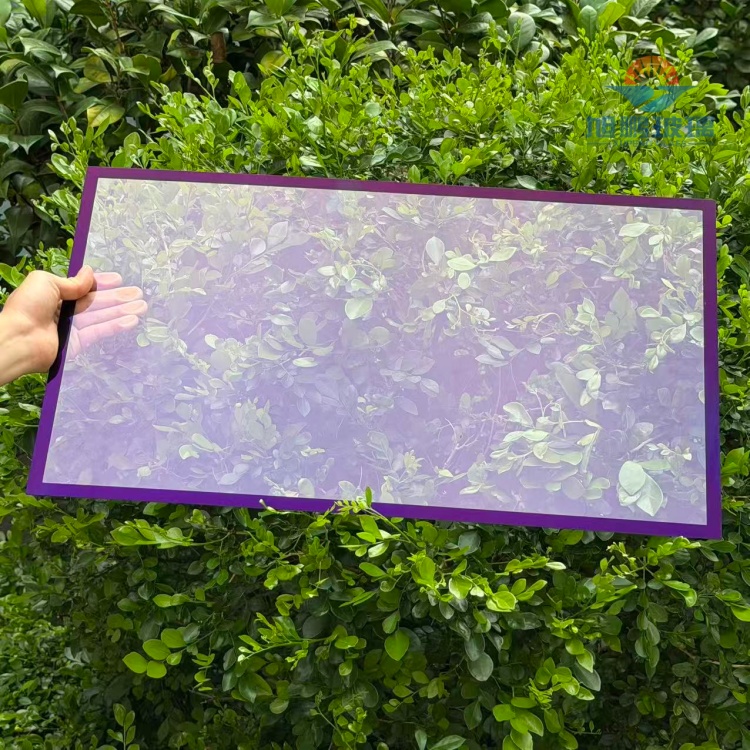
27-inch All-in-One PC AR Coated Glass
27-inch AR coated glass is aimed at large-format all-in-one displays, smart kitchen hubs and refrigerator screens. Anti-reflective coating improves contrast and reduces glare in open-plan kitchens. We can review glass thickness, edge treatment, coating uniformity, packing and optical bonding compatibility.
View product details →
Ultra-thin Optical Glass Sheets Schott B270/D263T Semiconductor Electronic Glass Blank Cutting & Processing
Ultra-thin B270/D263T optical glass blanks support sensor windows, optical measurement, semiconductor and electronic glass R&D. For kitchen appliance programs, they are typically used in advanced sensing or display stacks rather than food-contact surfaces. Specify grade, thickness, cutting tolerance, edge finish and cleaning standard.
View product details →Supplier Signals U.S. Buyers Can Check Before an RFQ
Wholesale sourcing is a risk decision. A supplier may show attractive samples, but U.S. procurement teams still need evidence that the factory can repeat the part, control the finish and keep communication tight. The supplier profile for Dongguan AUVE Glass Co., Ltd. shows a 2018 founding date, 51–100 employees, a 1,001–2,000 m² facility and an average response time within 7 hours. Those facts matter because appliance glass programs combine engineering review, sample approval, repeat production and after-sales replacement demand.
What this means for U.S. wholesale programs
You are not buying glass in isolation. You are buying a repeatable interface between your drawing, your assembly line and your aftermarket spares plan. A factory with in-house cutting, CNC, tempering, printing, coating and packing can catch manufacturability problems before tooling or safety testing begins.
- Drawing review before production reduces surprises around holes, edge chips, ink windows and tolerance stack-up.
- Batch traceability and export packing matter when replacement panels must match an approved sample months later.
- One process route for cutting, printing, tempering and coating shortens communication between your engineer and the production floor.
- Clear Incoterms and fragile-goods packing help keep landed-cost decisions visible to U.S. buyers.
U.S. sourcing priority index
Illustrative buyer-priority index for kitchen appliance glass programs—not a laboratory test result.
U.S. Kitchen Appliance Glass Application Scenarios
Kitchen appliances in the United States are used in open-plan homes, rental properties, commercial kitchens and humid coastal climates. The same glass that looks correct on a spec sheet can fail user expectations if reflection, cleaning, edge quality or thermal shock is ignored. The applications below show how wholesale buyers can map material choice to real use.
Oven, Range & Air Fryer Windows
Heat, grease and rapid temperature change dominate. Low-iron tempered glass can deliver clarity and strength for door windows and inner panels; high-temperature sapphire is reserved for smaller, failure-sensitive sight windows. Specify ink color, viewing area, edge finish and the cleaning agents the end user will use.
Refrigerator & Freezer Display Panels
Large doors and smart screens need low reflection, easy-clean surfaces and robust edge treatment. AR coated glass improves menu and temperature readability; AG treatment can reduce glare in bright kitchens. Consider anti-fingerprint expectations and the cleaning cloths used by U.S. consumers.
Coffee, Espresso & Beverage Equipment
Water-level windows, bean-hopper inserts and interface covers face steam, coffee oils and frequent wiping. Silk-screen inks and coatings must be compatible with cleaning. Where the part touches food or drink, buyers must confirm food-contact compliance with the finished assembly, not just the raw glass.
Dishwasher & Laundry Control Panels
Moisture, detergent and touch interaction are the practical test. Tempered glass with durable ceramic printing can hide unused icons until backlit. Buyers should validate adhesion, printed opacity, switch cut-outs and tolerance stack-up with the membrane or touch sensor supplier.
Smart Kitchen Hubs & All-in-One Displays
U.S. homes increasingly use one screen for recipes, security, calendars and appliance status. Large-format AR coated glass improves contrast, but success depends on optical bonding, coating uniformity and packing for large dimensions. This is where a 27-inch AR coated glass program can shorten development.
Commercial Kitchen & Food Service
Fast replacement cycles and tough cleaning make batch consistency important. CNC drilled discs, small indicator windows, tempered covers and precision optical parts support food-service equipment, vending and commercial beverage systems. Wholesalers can bundle repeat parts with traceable batches and export packing.
U.S. Kitchen Appliance Trends Shaping Glass Demand
Procurement teams should separate fashion from functional demand. Not every trend requires a new material, but several U.S. trends directly affect glass specification, quality inspection and supplier selection.
Larger, brighter displays
Touch panels and all-in-one refrigerator screens are moving into mainstream remodels. Buyers want AR/AG performance, low haze and coating consistency, not just a logo or an icon.
Fingerprint & cleaning expectations
Consumers judge an appliance by how it looks after daily use. Glass must tolerate common cleaners and repeated wiping while keeping printing, coating and edge quality intact.
Design matching across families
A wholesaler may supply panels for ovens, microwaves and coffee machines in the same finish. Batch-to-batch color, gloss and transmission consistency become part of the value proposition.
Documentation, spares & landed cost
U.S. buyers increasingly ask for RoHS/REACH or Proposition 65 documentation when applicable, plus DDP options, protective packing and a spare-parts plan. A low piece price is irrelevant if replacement glass arrives chipped or late.
Inside the Factory: Why AUVE Fits U.S. Wholesale Programs
Dongguan AUVE Glass Co., Ltd. is a deep-processing glass manufacturer integrating R&D, design, production and export in Songshan Lake, Dongguan—an electronics and optoelectronics cluster in Guangdong. The company processes flat and curved tempered glass, ultra-clear low-iron glass, AR/AG coated glass, silk-screen printed glass, touchscreen and LCD cover glass, instrument glass and optical materials such as K9, quartz, sapphire, borosilicate and Corning EXG. Its stated philosophy—“focusing on high-end glass, pioneering and innovating”—is only credible if the process controls support it. That is why the factory model matters: cutting, CNC edging and drilling, tempering, screen printing, coating and QC are handled in one production chain rather than brokered across unknown workshops.


Factory-direct process control for repeat appliance glass orders
U.S. buyers often come to a kitchen appliance glass wholesaler with two different questions. Engineering asks whether the glass can meet an optical, thermal or print requirement. Procurement asks whether the supplier can repeat the approved sample, pack it safely and respond when the schedule changes.
AUVE Glass serves both questions through a drawing-first workflow. CAD, DXF or PDF files are reviewed for thickness, tolerance, edge profile, holes, printing, coating and packing. The factory then plans the route across cutting, CNC edging and drilling, tempering, silk-screen printing, AR/AG coating and final inspection. For U.S. wholesale programs, this means fewer handoffs between vendors and a clearer path from prototype to repeat order.
Export experience covers the United States, Canada, Russia, South Korea, Japan, Australia and other markets. Supported trade terms include FOB, CFR, CIF, EXW, DDP, DDU, DAF and express delivery. Protective film, foam corner protection, batch labeling and fumigation-free wooden crates or reinforced cartons are specified according to part size and route.
Drawing-first engineering
Send CAD, DXF or PDF with thickness, tolerance, edge, hole, print and coating requirements. Engineers review manufacturability before production.
In-house process control
Cutting, CNC shaping, drilling, tempering, silk-screen and AR/AG coating are planned as one route, reducing handoff risk.
Verified supplier profile
Onsite-checked supplier data, credit index, transaction level, trade capacity, trade history and buyer feedback are available for due diligence.
Export experience
Products are exported to the U.S., Canada, Russia, South Korea, Japan, Australia and other markets, with Incoterms including FOB, CFR, CIF, EXW, DDP, DDU and DAF.
Fragile-goods packing
Protective film, foam corner protection, batch labeling and fumigation-free wooden crates or reinforced cartons are specified according to part size and route.
Responsive communication
The average reply time is within 7 hours. For U.S. buyers working across time zones, concise technical answers shorten sample approval.
Glass Selection Matrix for Appliance Engineers
Use this starting point to align design intent with material and finishing. Final choice should be confirmed with drawing review, samples and application testing—especially where heat, food contact, cleaning chemicals or end-product certification are involved.
| Application Need | Recommended Glass / Finish | Why It Fits | Specify Before RFQ |
|---|---|---|---|
| Clear printed control panel | Ultra-clear low-iron tempered glass + high-temperature ceramic ink | Bright icons, crisp graphics and a durable surface for daily touch and cleaning | Ink color, light transmission, holes, edge, tolerance and print side |
| Low-reflection display window | AR coated optical glass, single or double side | Higher contrast and reduced ghost reflections under kitchen lighting | Transmission target, reflection color, coating hardness and environmental test |
| Glare-prone kitchen screen | AG or AG+AR coated glass | Diffuses strong window and ceiling light while keeping the display readable | Haze, gloss, sparkle, pencil hardness and cleaning method |
| Oven or heater sight window | Tempered low-iron, borosilicate, quartz or sapphire depending on heat load | Optical clarity with thermal margin for viewing and safety | Peak temperature, thermal shock, size, mounting, safety factor and test standard |
| Small knob or indicator insert | CNC drilled and silk-screened tempered glass disc | Compact shape with integrated holes, graphics and edge finishing | Diameter, hole position, ink side, chamfer, batch inspection and packing |
| Large smart hub cover | 27-inch AR coated glass | Glare control and touch readability for all-in-one displays and refrigerator screens | Coating uniformity, flatness, edge chip limit, packing and optical bonding |
Reference guidance only; not a substitute for UL/ETL, FDA, Proposition 65, RoHS/REACH or customer-specific qualification. Confirm final material and compliance route with your finished appliance assembly.
From Drawing to Repeat Order: 4 Steps for U.S. Buyers
A clean RFQ shortens sample approval. Include application, target market, drawing, quantity and any compliance or packing requirement in the first message.
Send drawing & quantity
Provide CAD, DXF, PDF or a sample photo with sizes, thickness, tolerance, edge, holes, printing, coating and delivery destination.
Engineering review
We check manufacturability, propose the material and process route, and flag risks around heat, bonding, ink or packing before quoting.
Sample & approval
Review dimensions, edge quality, printing, coating and cleaning performance. Approve the sample and lock the inspection standard.
Production & export packing
Batch traceability, QC records, protective film, foam protection and crates or cartons are planned for the U.S. shipping route.
Frequently Asked Questions from U.S. Kitchen Appliance Glass Buyers
These are the questions procurement, engineering and aftermarket teams ask most often when comparing a kitchen appliance glass wholesaler for the United States.
Are you a kitchen appliance glass wholesaler, a manufacturer, or both?
Dongguan AUVE Glass Co., Ltd. is a manufacturer and trading company. We process glass in our own production chain and support export sales for OEMs, brand owners and distributors. For U.S. buyers, the practical benefit is direct engineering communication plus factory-direct process control.
Can you produce to a U.S. drawing and match an existing glass panel?
Yes. Send CAD, DXF, PDF or a physical sample if available, with thickness, dimensions, tolerance, edge, hole, print, coating and cleaning requirements. We review manufacturability before quoting. For replacement parts, include the appliance model, mounting method and any safety-critical function.
What MOQ should a U.S. wholesaler expect?
MOQ depends on material and process. Coated and optical parts often start from 10–50 pieces; standard ultra-clear tempered parts typically start from 100–500 pieces. Sample and pilot quantities can be discussed. For aftermarket wholesale programs, plan repeat order quantities and packing rather than choosing on unit price alone.
How do you support compliance documentation?
We can discuss material and process documentation relevant to RoHS, REACH, Proposition 65 or customer-specific requirements where applicable. Final compliance responsibility for a finished appliance remains with the brand or assembler. Do not assume a glass part is food-contact safe unless the finished assembly and intended use have been reviewed and tested.
Which shipping terms and packing methods do you support?
Common terms include FOB, CFR, CIF, EXW, DDP, DDU, DAF and express delivery. Export packing uses protective film, foam corner protection, batch labeling and fumigation-free wooden crates or reinforced cartons. For U.S. shipments, tell us whether you need DDP, a specific pallet size or 3PL delivery.
What is the fastest way to get an accurate quotation?
Send a drawing, target quantity, application, finish and delivery destination. Include whether the glass will be bonded to a display, used near heat, printed on one or both sides, or exposed to food/cleaning chemicals. Our average response time is within 7 hours.
Send Your Drawing to an Appliance Glass Engineer
Share thickness, size, tolerance, edge, holes, printing, AR/AG requirements and U.S. delivery ZIP code. We will confirm the recommended material, process route, MOQ and export packing. AUVE Glass supports OEM, wholesale and replacement-part buyers serving the United States from Songshan Lake, Dongguan, Guangdong, China.
Send an Inquiry