Eight Glass Products for Jakarta Lamp Covers and Optical Assemblies
Jakarta buyers rarely need one generic glass. A lamp cover for a humid outdoor luminaire, a decorative hotel fixture, a UV curing chamber and a precision sensor window all require different substrate and finishing decisions. The eight products below are real production references from AUVE Glass. Their links are preserved exactly so engineering and sourcing teams can review specifications, then request a modified drawing, coating, edge profile or packing plan.
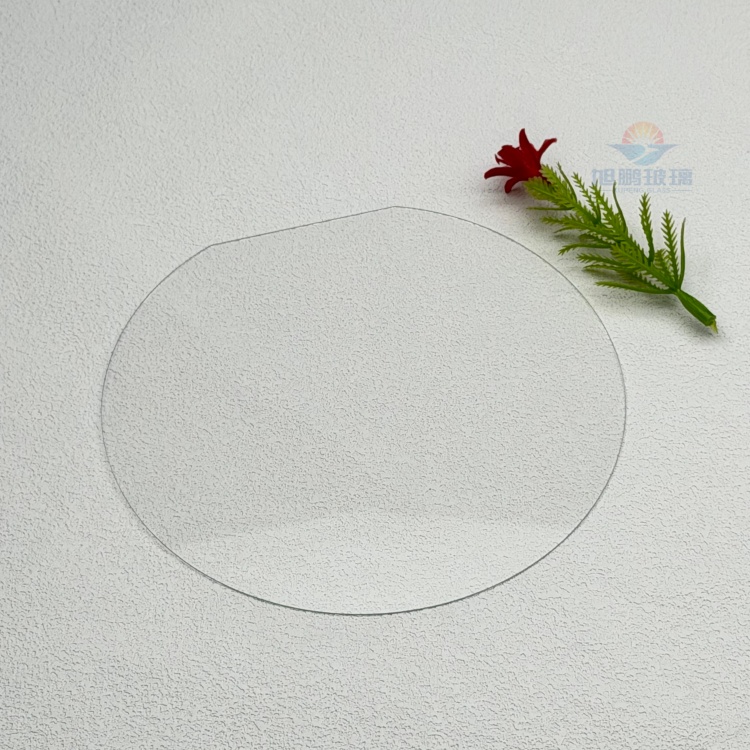
Round Aluminosilicate Glass with Chamfered Ground Edges and Metal Coating
A heat-resistant round cover option for sealed lamp modules, metalized sealing and handling-sensitive production lines. Chamfered edges help reduce chipping during assembly.
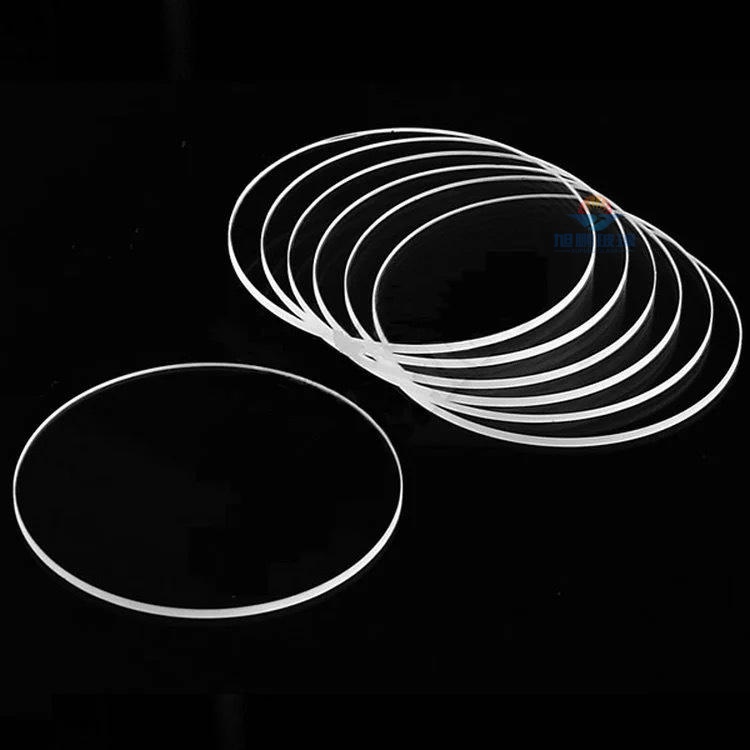
Corning EXG Alkali-Free Glass, UV High-Transmittance Optical Window Substrate
A low-alkali optical substrate for UV inspection, curing and sensor windows where dimensional stability and clean transmission are valued.
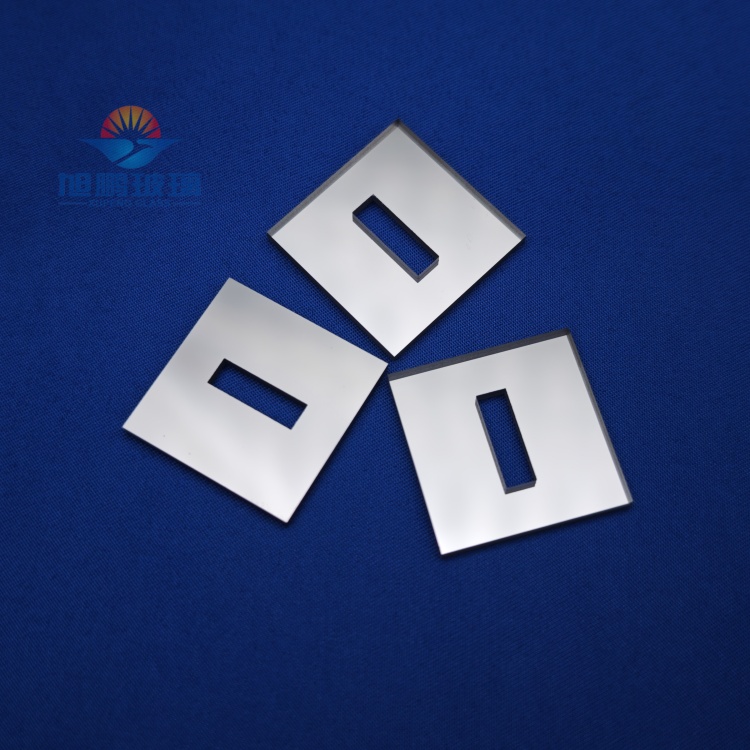
Silver-coated Mirror, Grooved at the Center of Glass
A center-grooved silver mirror for reflector alignment, decorative light fixtures or compact optical assemblies that need controlled reflectance.

Corning Ultra-Thin Glass Sheet, Optical Grade Glass Wafer Substrate with Chamfered Edge
An ultra-thin optical wafer substrate for compact sensors, precision light engines and space-constrained optical stacks requiring careful edge quality.
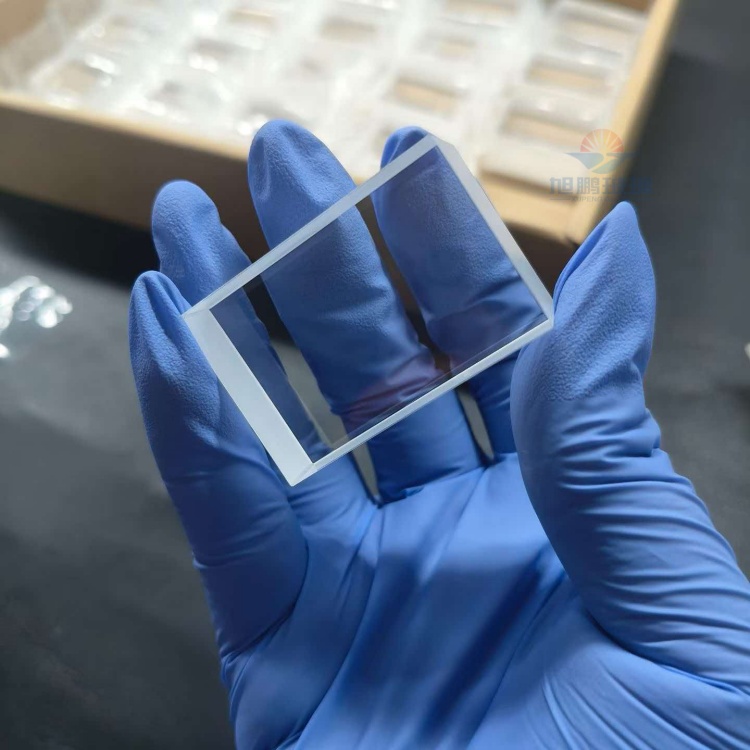
High UV Transmission Thick Gauge Thick Quartz Glass Plate
A thick fused quartz plate for UV curing, disinfection and high-temperature viewports. The material choice supports high UV transmission and thermal shock resistance.

High Transmittance Sapphire Glass, Scratch Resistant & High Temperature Resistant Sapphire Glass Sheets
A premium window material for harsh lamp, sensor and instrument covers where scratch resistance and high-temperature exposure matter more than cost.
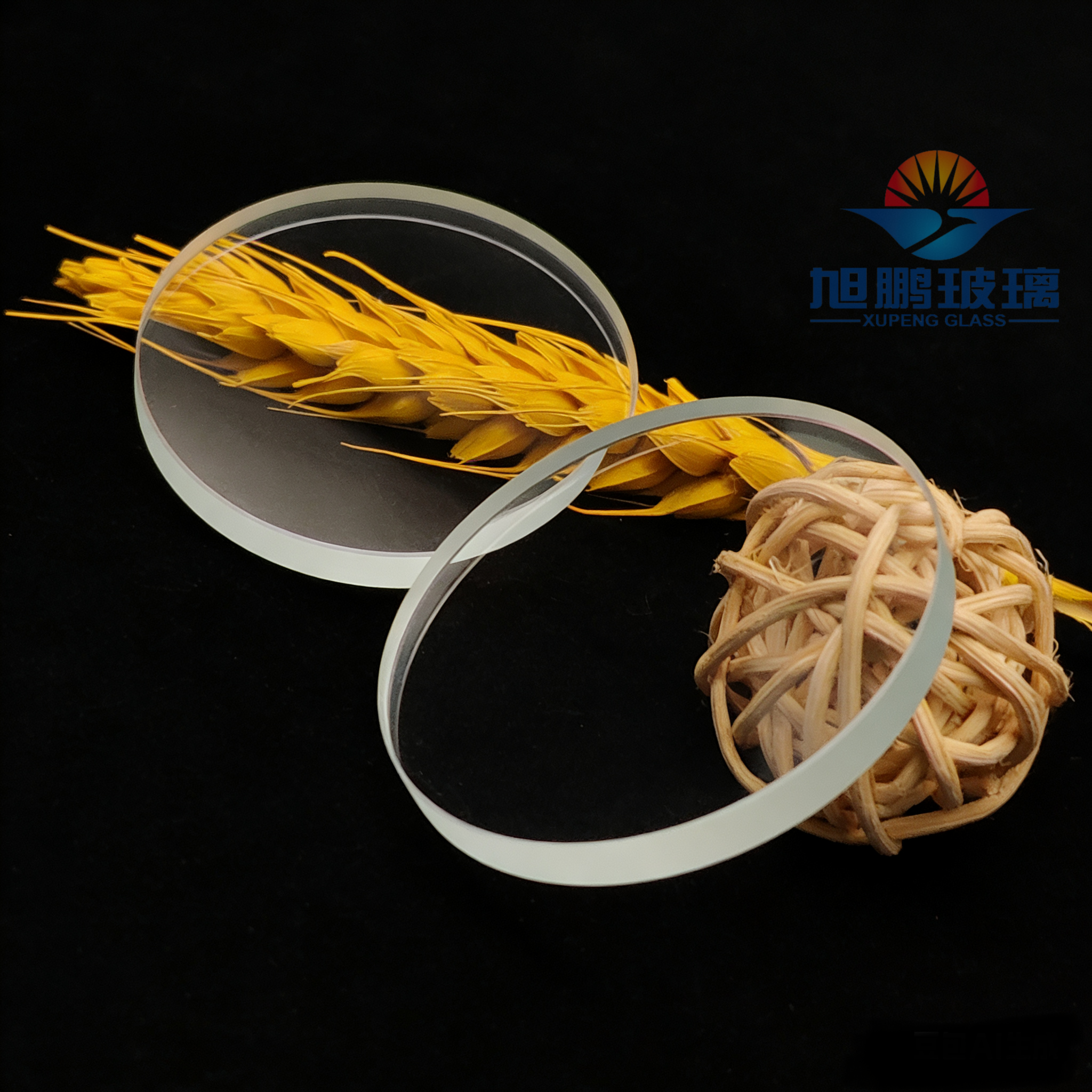
Low Iron Round High Transmittance Tempered Glass Panel with Precision Polished Edges, Flat Clear Glass
A practical lamp cover glass for high-clarity luminaires, control panels and light boxes. Low-iron composition reduces green tint, while tempering improves safety.
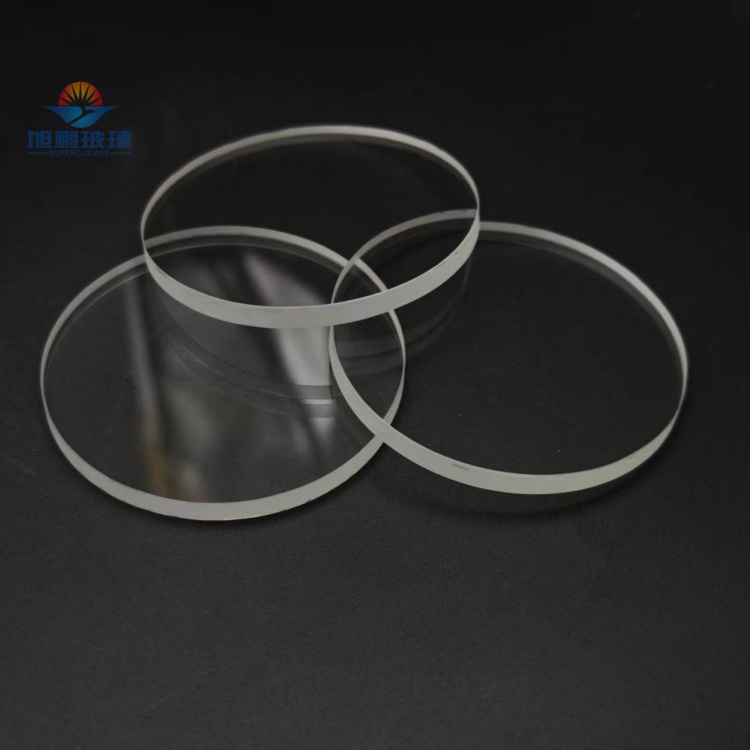
K9 Optical Glass (K9 Crystal Glass) for Optical Instruments
A borosilicate crown optical glass reference for lenses, prisms and instrument windows. Suitable when buyers need controlled refractive properties and polished surfaces.
Why Jakarta Buyers Assess a Lamp Cover Glass Factory Before They Request Samples
For a lamp cover project, the lowest unit price is rarely the lowest total cost. A supplier must control edge quality, tempering, coating adhesion, printing registration and packing before the glass leaves the factory. The figures below are directly relevant to the due-diligence questions raised by Jakarta lighting distributors and OEM buyers.
Dongguan AUVE Glass Co., Ltd. is a deep-processing glass manufacturer integrating R&D, design, production and export in Songshan Lake, Dongguan, Guangdong, China. The company operates with a business type of manufacturer and trading, a facility of approximately 1,001–2,000 m², and production capabilities covering cutting, CNC edging, drilling, tempering, silk-screen printing, AR/AG coating and optical glass processing. For Jakarta buyers, that means a lamp cover can be discussed as an engineered part — not merely a sheet of glass.
What Lamp Cover Glass Must Achieve in Jakarta’s Climate and Built Environment
Jakarta’s tropical humidity, intense solar exposure, dense commercial districts and high-rise construction create a different risk profile from a dry or temperate market. A glass cover may be exposed to daily heat cycling, cleaning chemicals, coastal air movement, rain splash, dust and the vibration of nearby traffic. In hospitality and retail, the same cover must also look flawless under display lighting, because visible tint, scratches, printer marks or coating haze can become a customer complaint.
High-rise and hospitality lighting
Hotel facades, lobbies, restaurants and serviced apartments in Jakarta use large decorative luminaires where clarity and edge finish are visible at close range. Low-iron tempered glass with polished edges, AR coating or custom silk-screen printing helps maintain a premium appearance while improving impact safety.
Outdoor signage and light boxes
Jakarta’s retail corridors, transit areas and commercial buildings depend on light boxes and signage that remain readable under strong ambient light. Tempered low-iron glass, etched diffusion glass or AG anti-glare glass can reduce hot spots and glare while protecting printed graphics from handling damage.
Industrial and warehouse high-bay lighting
Factories, logistics centers and workshops around Greater Jakarta often use high-output fixtures in warm, dusty environments. A cover glass may need thermal shock resistance, precise flatness and secure edge quality to handle cleaning and maintenance without cracking.
Retail display and accent lighting
For premium stores and showrooms, visible glass defects are unacceptable. Buyers should define inspection criteria for scratches, bubbles, edge chips, coating color and print alignment. Clear low-iron glass and optional AR treatment help preserve color rendering and display contrast.
Public infrastructure and transit lighting
Street, tunnel, station and public-realm lighting projects require repeatable dimensions, secure packing and documented inspection. A factory that can maintain a batch-to-batch control plan is more valuable than one that only offers a low sample price.
UV and specialty lighting equipment
UV curing, disinfection and inspection equipment requires different materials from ordinary lamp covers. Fused quartz, high-transmittance optical glass, sapphire and Corning EXG substrates may be more appropriate when UV transmission, thermal stability or scratch resistance is critical.
Recommended Glass Grades for Jakarta Lamp Cover Projects
This reference table is written for sourcing teams that need a practical shortlist before requesting a formal quotation. It is not a substitute for drawing-level engineering review. Final thickness, tolerance, edge profile, coating durability, printing ink and packing method must be confirmed against the intended luminaire, cleaning method and local compliance requirements.
| Lamp cover or lighting scenario | Recommended material direction | Why it can fit Jakarta conditions | Engineering check before mass production |
|---|---|---|---|
| Outdoor LED luminaire cover | Low-iron tempered glass, 4–6 mm, polished edges, optional AR or AG coating | Supports impact safety and high visible transmission in humid, rainy and glare-heavy outdoor environments. | Confirm thermal shock expectation, edge quality, coating durability and drainage path around the gasket. |
| Signage and advertising light box | Low-iron tempered glass, etched diffusion glass or AG anti-glare glass | Helps manage brightness uniformity and reflections in commercial corridors with high ambient light. | Define haze, gloss, light transmission and print color target. Verify whether single-side or double-side treatment is needed. |
| Decorative hospitality lamp | Ultra-clear low-iron glass with silk-screen printing, bevel or polished edge | Preserves a clean visual appearance in lobbies, restaurants and hotel interiors where close-up inspection is common. | Approve ink color, print registration, surface finish and visible-defect standard under the customer’s lighting. |
| Industrial high-bay fixture | Tempered low-iron glass or heat-resistant glass depending on lamp design | Provides mechanical protection in warehouses and factories where cleaning, vibration and heat exposure occur. | Review lamp wattage, airflow, thermal cycling and impact standard. Do not assume a thicker glass automatically performs better. |
| UV curing or disinfection window | High UV transmission fused quartz plate | Offers high UV transmission and strong thermal shock resistance for equipment operating with UV lamps. | Confirm UV wavelength band, transmission target, thickness, surface polish and sealing compatibility. |
| Sensor or harsh-environment window | Sapphire glass or high-transmittance optical glass | Provides scratch resistance and temperature resistance where ordinary glass may wear, haze or fail inspection. | Check flatness, scratch specification, coating option, cost tolerance and whether sapphire’s higher price is justified. |
| Precision optical instrument window | K9 optical glass, polished and optionally coated | Supplies a familiar borosilicate crown glass reference for lenses, prisms and instrument windows. | Confirm refractive index requirement, inclusions, surface quality, chamfer and coating design. |
| Semiconductor or compact optical assembly | Corning EXG alkali-free glass wafer or ultra-thin glass substrate | Supports low-alkali, dimensional-stability requirements in advanced optical and electronic assemblies. | Review cleanliness, flatness, wafer diameter, dicing method, chamfer and packing before quoting. |
Typical values are reference data for initial material selection only. Final specifications are confirmed against your drawing, agreed test standard and the actual cleaning and installation conditions. For regulated luminaires or electrical accessories in Indonesia, the brand owner should confirm certification and marking obligations with its local compliance advisor; AUVE can provide dimensional and inspection records to support the technical file.
Local Development Trends Reshaping Jakarta Lighting Procurement
Jakarta’s lighting market is not simply growing; it is becoming more technical. Buyers now compare suppliers not only on price per piece, but on material traceability, coating reliability, custom printing, packing performance and the ability to consolidate multiple glass grades into one purchase order.
Higher LED power density in smaller fixtures
As LED luminaires become more compact and powerful, lamp covers face more concentrated heat. Buyers are asking for glass thickness, edge quality, gasket design and thermal shock data earlier in the design cycle instead of treating the cover as an afterthought.
Human-centric lighting and glare control
Office, hospitality and retail projects increasingly consider visual comfort. AR coating can improve transmission and contrast, while AG treatment can reduce harsh reflections. The right choice depends on the luminaire, viewing angle and maintenance regime.
Humidity, cleaning and coating durability
Jakarta’s humid climate and frequent cleaning make coating adhesion and edge sealing important. Buyers should specify the cleaning chemical, rub test expectation and whether the coated side faces the lamp chamber or the external environment.
Import consolidation by multi-category distributors
Distributors prefer to qualify fewer suppliers that can cover tempered glass, printed glass, AR/AG coated glass and optical materials. A factory with multiple processing lines can reduce coordination risk across unrelated purchase orders.
Custom shapes, holes and printed branding
Lighting brands want covers that fit their own housing, logo and assembly method. CNC cutting, drilling, slotting, chamfering and silk-screen printing let buyers request a finished part rather than adapting a standard sheet locally.
Stronger documentation and traceability expectations
Professional buyers ask for drawings, inspection records, packing photos and batch labeling. Supplier profiles such as onsite-checked status, credit index, transaction level, trade capacity, trade history and buyer reviews are increasingly used as an initial filter.
Why Dongguan AUVE Glass Is a Practical Factory Partner for Jakarta Buyers
AUVE Glass is based in Dongguan, China, not in Jakarta. The advantage for Jakarta buyers is factory-direct engineering and production support: a drawing can be reviewed against the actual process route, and material, edge, coating, printing and packing decisions can be coordinated before shipment. This is particularly useful for buyers who need repeat production rather than a one-off trading arrangement.
Deep-processing capability under one roof
Production covers precision cutting, CNC edging and drilling, flat and curved tempering, silk-screen printing, AR/AG coating and optical glass processing. Buyers can request a complete lamp cover rather than a raw sheet with multiple handoffs.
Onsite-checked supplier profile
The company provides an onsite-verified supplier profile for buyers reviewing premises and legal status. Jakarta procurement teams can check the report before moving from quotation to sample production. Review the supplier assessment.
Credit index and transaction visibility
Transparent credit information, transaction level and trade history help buyers evaluate trading behavior. These signals should be combined with technical review, not used as a substitute for drawing approval or incoming inspection. Check the credit profile.
Documented quality and export packing
Production follows defined process standards and a documented quality management system for traceability from raw sheet to packed carton. Export packing is designed for fragile glass parts, using protective film, foam corners and fumigation-free wooden crates or reinforced cartons.
Export experience with flexible trade terms
AUVE exports to markets including the United States, Canada, Russia, South Korea, Japan and Australia, and supports FOB, CFR, CIF, EXW, DDP, DDU, DAF and express delivery. For Jakarta, the right Incoterm should be selected with the freight forwarder and customs broker. View trade capacity.
Fast technical response and review culture
Average response time is within 7 hours for technical inquiries. Buyers are encouraged to send a CAD, DXF or PDF drawing with thickness, tolerance, edge, hole, printing and coating requirements. Engineers review manufacturability before production. Read buyer feedback.

Production workshop supporting cutting, edging, drilling, tempering and finishing in Dongguan.

Quality inspection before packing, with dimensional, visual and optical checks agreed per drawing.

Factory capabilities overview: deep-processing glass for lighting, electronics, instruments and optical applications.
Guided by the company philosophy of “focusing on high-end glass, pioneering and innovating,” AUVE continues investing in engineers and equipment to support OEMs, brand owners and distributors. For a Jakarta buyer, the most useful first step is not a generic catalog request; it is a drawing-level discussion covering the lamp housing, gasket, cleaning method, annual quantity and target packing configuration.
Frequently Asked Questions from Jakarta Lamp Cover Glass Buyers
These are the practical questions that procurement, engineering and logistics teams commonly raise when comparing overseas glass factories for Jakarta-bound lighting projects.
Are you a Jakarta stockist or a China-based factory?
Dongguan AUVE Glass Co., Ltd. is a China-based deep-processing glass manufacturer integrating R&D, design, production and export. Jakarta buyers are served through factory-direct production and export packing. If your project requires a specific local warehousing or consolidation arrangement, include that requirement in the inquiry so the quotation and delivery plan can reflect it.
What glass is suitable for humid Jakarta lamp covers?
For many outdoor and general luminaire covers, low-iron tempered glass is a practical starting point because it combines high visible transmission with impact safety. AR coating may improve transmission and contrast; AG treatment may reduce glare. For UV equipment, fused quartz may be more appropriate. The final choice should consider heat, cleaning chemicals, coating durability and gasket design.
Can you produce glass to my own drawing?
Yes. Send a CAD, DXF or PDF drawing with dimensions, thickness, tolerance, edge profile, holes, cut-outs, printing and coating requirements. The engineering team reviews manufacturability before production and can discuss alternatives if a requested combination creates unnecessary cost or breakage risk.
What is the minimum order quantity for lamp cover glass?
MOQ depends on material and process. Many coated and optical glass parts start from 10 to 50 pieces, while standard ultra-clear tempered parts typically start from 100 to 500 pieces. Sample and pilot quantities can be discussed for new Jakarta lighting projects. The final MOQ is confirmed after drawing review.
How do you support shipping to Jakarta?
AUVE supports FOB, CFR, CIF, EXW, DDP, DDU, DAF and express delivery, with export packing designed for fragile glass parts. Jakarta-bound shipments are commonly discussed with the buyer’s freight forwarder for sea freight via Tanjung Priok or air freight through Jakarta airport. The selected Incoterm, packing method and insurance should be agreed before order confirmation.
What documentation and response time can we expect?
Average technical inquiry response time is within 7 hours. Buyers can review the onsite-checked supplier profile, credit index, transaction level, trade capacity, trade history and buyener feedback. For production, dimensional, visual and optical inspection criteria should be defined in the approved drawing or quality plan so both sides work from the same acceptance standard.
Send Your Lamp Cover Drawing for a Jakarta-Focused Engineering Review
Share your size, thickness, glass type, edge profile, coating, printing, annual quantity and destination in Jakarta. The AUVE team will review the manufacturing route and respond with material recommendations, packing considerations and the next quotation step — usually within 7 hours.
info@auveglass.com Inquire Now