8 LED and Optical Glass Products Recommended for Mexican Buyers
These production-ready products cover the most common glass requests from Mexican lighting brands, panel builders, display integrators, importers and industrial buyers. Share your drawing, destination port and annual demand for a specification review.

Corning EXG Glass Wafer Double-Sided Polished for Custom Semiconductor Glass Wafers & Solar Panels
Alkali-free Corning EXG substrate for advanced LED display research, semiconductor carriers and solar R&D. Double-side polishing supports wafer-level inspection and clean downstream processing.
View product
Precision CNC Cut & Holed, High-temperature Silk Screen Tempered Glass, Drilled Ultra-clear Small Round Glass Discs
Ideal for LED downlights, indicator windows and appliance panels. CNC holes, ultra-clear low-iron glass and high-temperature ceramic ink improve assembly fit and long-term appearance.
View product
High Transmittance Sapphire Glass, Scratch Resistant & High Temperature Resistant Sapphire Glass Sheets
For high-power industrial LED, UV curing, sensor protection and harsh-environment windows. Sapphire resists scratching and heat while maintaining optical clarity.
View product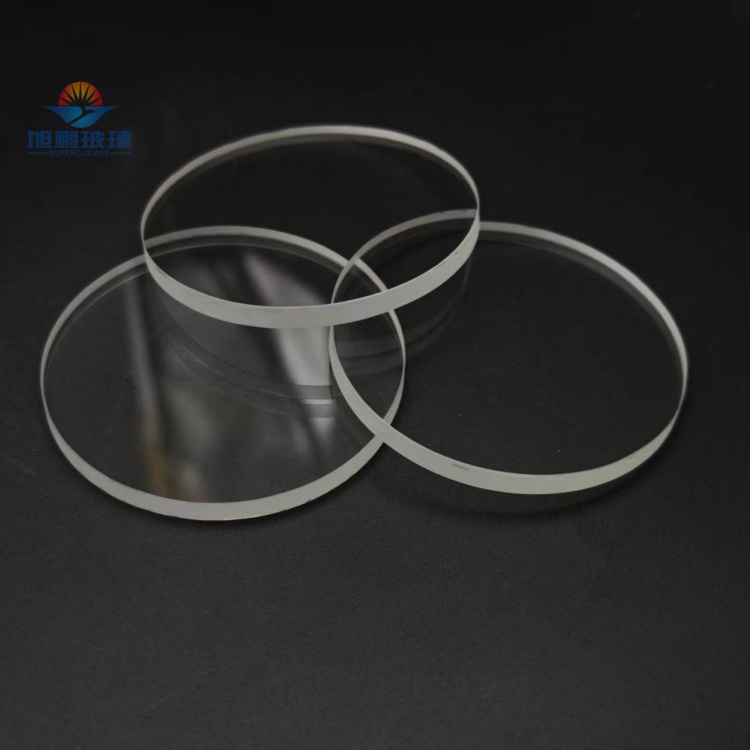
K9 Optical Glass (K9 Crystal Glass) for Optical Instruments
Borosilicate crown glass for lenses, prisms, light-guide windows and instrument optics. Fine polishing and optional coatings help control transmitted light in LED optical assemblies.
View product
Custom Ultra-White Clear Tempered Glass Socket Decorative Cover for Stairways
For architectural LED lighting, stairwell signage and decorative electrical covers. Low-iron clarity and custom cut-outs keep visible surfaces clean and design-matched.
View product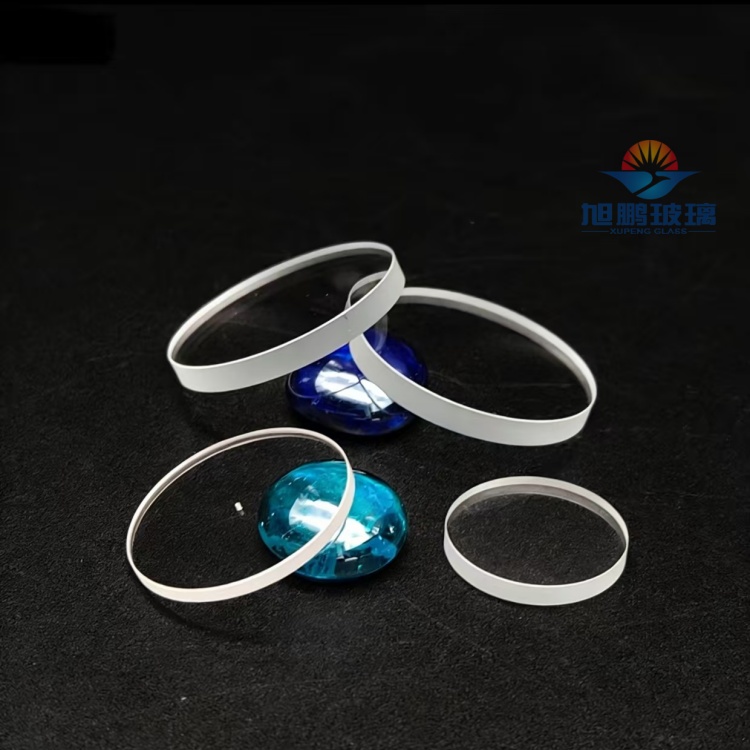
Sapphire Glass Step Window Wafers, High Temperature Resistant & High Light Transmittance Optical Sapphire Lenses
Step-window wafers and lenses for high-temperature LED modules, UV equipment and outdoor optical sensors. Suitable where glass strength, clarity and thermal stability are critical.
View product
Ultra-thin Flexible UTG Glass, bendable and foldable, suitable for commercial aerospace and new energy industries
Ultra-thin bendable glass for next-generation flexible displays, aerospace instrumentation and new-energy devices. A specialist option for Mexican OEMs developing differentiated products.
View product
Ultra-white Tempered Glass, AR Anti-Reflection Coatable, High Light Transmittance & Anti-reflective
For high-transmission LED light covers, display windows and optical filters. Ultra-white tempered glass can be combined with AR coating, AG etching and silk-screen printing.
View productMexico’s LED Glass Sourcing Opportunity: More Than a Low FOB Price
Mexico’s lighting and optoelectronics supply chain is being reshaped by nearshoring, industrial expansion, tourism investment and the steady replacement of conventional lamps with LED systems. For Mexican importers, fixture brands, panel builders and display integrators, LED glass is not a commodity accessory. It is a visible, functional and often safety-related component that affects light output, colour consistency, glare control, touch experience, thermal performance and the final product’s perceived quality.
In this guide, “LED glass” means glass components used in LED luminaires, light boxes, display modules, smart control panels, HMI windows, optical LED systems and high-temperature lighting equipment. A capable LED glass exporter must understand the intersection of lighting, materials, processing and export logistics. A low piece price can quickly disappear if the glass arrives with edge chips, coating defects, inconsistent transmission, incorrect holes, poor printing registration or packaging that is not suitable for long-distance transport.
For buyers in Mexico, the most reliable sourcing path is a specification-first process. Instead of asking only for a catalogue and a price, share the application, dimensions, thickness, visible light transmission target, haze or gloss requirement, coating type, operating temperature, print colour, hole and edge tolerances, annual demand and destination. This allows the exporter to propose a manufacturable glass route before quoting. It also reduces the risk of approving a sample that cannot be reproduced at mass-production volume.
Dongguan AUVE Glass Co., Ltd. is a deep-processing glass manufacturer integrating R&D, design, production and export in Songshan Lake, Dongguan. The company processes flat and curved tempered glass, ultra-clear low-iron glass, AR anti-reflective glass, AG anti-glare glass, silk-screen printed glass, LCD and touch-screen cover glass, LED lamp glass, instrument glass and optical materials such as K9, quartz, sapphire, borosilicate and Corning EXG. For Mexico-bound projects, this breadth matters because one shipment may combine tempered light covers, printed control panels, AR display windows and precision optical windows from a single qualified source.
Have a drawing, a target transmission value or a packaging concern? Send it to our engineering team for a manufacturability and export review.
Where LED Glass Is Used in Mexico: Six Local Application Scenarios
Mexico is not one single market. Coastal humidity, northern heat, high-altitude cities, tourism-driven hospitality projects and industrial corridors each create different glass requirements.
Architectural and Hospitality Lighting in Mexico City & Guadalajara
Hotels, restaurants, museums, retail stores and premium residential projects use LED fixtures where glass is part of the visible design. Ultra-white low-iron glass, high-temperature silk-screen borders and AR-coated windows help maintain colour neutrality, reduce reflections and deliver a clean edge finish. In design-led projects, buyers should confirm glass colour, print registration and surface flatness before mass production.
Outdoor and Industrial Lighting in Monterrey & Northern Mexico
High ambient temperatures, UV exposure and dust make outdoor LED luminaires demanding. Tempered glass with controlled edge quality, high visible transmission and UV-stable printing is often preferred for street, high-bay and floodlight fixtures. For high-power modules, sapphire, quartz or borosilicate options may be evaluated where thermal shock and scratch resistance are critical.
Automotive and Transport Lighting in Querétaro & the Bajío
The Bajío industrial corridor supports automotive, appliance and electronics manufacturing. Glass parts for interior lamps, signal indicators, charging-status windows and transport displays require repeatable holes, precise outlines and stable optical properties. K9 optical glass, borosilicate and thin tempered glass can be reviewed against temperature cycling and assembly tolerances.
Tourism Signage and Light Boxes in Cancún, Los Cabos & Coastal Cities
Coastal tourism corridors need bright, uniform and weather-resistant signage. Ultra-white tempered glass improves light-box clarity and colour fidelity, while AG or AR treatments can reduce glare in bright environments. For coastal installations, buyers should also consider edge protection, salt-air exposure and packaging that prevents surface abrasion during inland transport.
Smart Panels, Appliances and HMI in Mexico City & Estado de México
Control panels for appliances, vending machines, kiosks, industrial equipment and building automation often combine tempered glass with printed icons and AR/AG coatings. The goal is readability under glare, reliable touch performance and durable graphics. Silk-screen printed tempered glass and AR-coated display windows are practical choices for these assemblies.
Border Electronics and Medical Lighting in Tijuana & Mexicali
Border-region manufacturers serving North American supply chains often require documented specifications, repeatable batches and protective packaging. Applications include UV curing equipment, medical examination lighting, cleanroom fixtures and precision sensor windows. Quartz, sapphire, Corning EXG and UTG materials may be specified where standard tempered glass cannot meet the technical requirement.
Mexico-Focused Trends Reshaping LED Glass Specifications
The following priority bars are an illustrative sourcing-priority index based on common RFQ requirements. They are not a statistical forecast; they help buyers compare which specification issues deserve early attention.
Nearshoring Raises Supplier Qualification Pressure
More Mexican manufacturers are sourcing components for North American supply chains, which increases the need for drawing control, batch traceability and consistent packaging. Buyers increasingly ask for material data, inspection records and a clear production route before approving a supplier.
Energy Efficiency Pushes High-Transmission Glass
LED fixture designers want more light through the glass with less diffusion loss. Ultra-white low-iron glass, AR coating and controlled haze are replacing generic clear glass in premium luminaires and display windows.
NOM and Traceability Move Earlier in the Project
Mexican importers and finished-luminaire manufacturers need component information that supports their own compliance work. Glass suppliers should provide consistent drawings, dimensions, packing lists and material descriptions; final NOM certification for a finished luminaire generally remains with the responsible Mexican importer or manufacturer.
UV, Heat and Thermal Shock Become Selection Criteria
Outdoor and industrial projects in northern Mexico must consider heat, sunlight and temperature cycling. Tempering, edge quality, ink selection and material choice should be reviewed together rather than treated as separate line items.
Design-Led Printing and Coating Replace Plain Covers
Brands want glass that communicates quality through subtle borders, icons, light windows and anti-glare surfaces. High-temperature ceramic ink, AR and AG coatings allow one part to combine decoration, protection and optical function.
Landed Cost Shifts Attention to Export Packaging
A low unit price is not useful if breakage or rework erodes margin. Mexican buyers increasingly evaluate interleaving film, foam corner protection, carton strength and wooden-crate packing as part of the total landed cost calculation.
Selection note: for hot, coastal or high-power LED projects, confirm operating temperature, cleaning method, installation torque and expected service life before approving the final glass specification.
Material-to-Application Matrix for Mexican LED Projects
Use this matrix to shortlist a material before sending a drawing. Final specifications should always be confirmed against your drawing, test standard and assembly method.
| Glass Material | Typical LED or Display Use | Why It Fits Mexico | Available Processing |
|---|---|---|---|
| Ultra-clear low-iron tempered glass | LED light covers, luminaire diffusers, light boxes, appliance panels | Reduces green edge tint, preserves LED colour fidelity and offers good impact resistance for commercial installations. | CNC cutting, drilling, edge grinding, silk-screen printing, AR/AG coating |
| AR anti-reflective glass | Display windows, HMI covers, optical filters, high-contrast LED panels | Reduces surface reflections that are difficult to manage in bright retail, office and outdoor environments. | Single-side or double-side AR, tempering, printing, custom sizing |
| AG anti-glare glass | Outdoor LCDs, industrial HMIs, kiosks, high-brightness signage | Diffuses harsh glare for readability while keeping a controlled haze level for LED display integration. | Etched AG, AG plus AR, tempering, printing |
| Silk-screen printed tempered glass | Control panels, LED indicators, appliance covers, decorative luminaire windows | High-temperature ceramic ink provides durable graphics and light windows suitable for long-life fixtures. | Multi-colour printing, IR window ink, holes, CNC shaping |
| K9 optical glass | LED collimation lenses, prisms, instrument windows, optical filters | Consistent optical quality and polishing support precision light control in higher-value LED systems. | Precision polishing, coating, CNC edging, drilling |
| Quartz glass | UV LED curing, disinfection equipment, high-temperature viewports | High UV transmission and thermal shock resistance suit demanding industrial and medical lighting applications. | Thick-gauge cutting, polishing, drilling, custom outline |
| Sapphire glass | High-power LED windows, sensor covers, scratch-critical optical ports | Excellent scratch resistance and high-temperature stability for harsh outdoor and industrial environments. | Cutting, polishing, chamfering, step-window machining |
| Corning EXG and ultra-thin UTG | Advanced display substrates, semiconductor carriers, flexible electronics | Alkali-free or ultra-thin substrates support next-generation display and electronics programs in Mexico’s nearshoring ecosystem. | Double-side polishing, wafer dicing, precision cutting, edge strengthening |
Why Mexican Buyers Work With Dongguan AUVE Glass
The strongest export relationship is built on engineering clarity, verified company information and reliable packing — not only on a price list.


Factory-Direct Deep Processing
Founded in 2018, AUVE integrates R&D, design, production and export in Dongguan. Buyers deal directly with a deep-processing manufacturer rather than an unknown intermediary.
Engineering Review Before Production
Send a CAD, DXF or PDF drawing with thickness, tolerance, edge, hole, printing and coating requirements. The production route is reviewed for manufacturability before mass production begins.
Multiple In-House Process Routes
CNC cutting, edging, drilling, tempering, silk-screen printing, AR/AG coating, polishing and inspection can be coordinated under one roof, reducing communication gaps between suppliers.
Buyer Assurance Information
Review our onsite-checked supplier profile, credit index, transaction level, trade capacity, ratings and reviews, and trade history before placing a sample or bulk order.
Export Packing and Commercial Flexibility
Fragile glass is protected with interleaving film or paper, foam corner protection and fumigation-free wooden crates or reinforced cartons. FOB, CFR, CIF, EXW, DDP, DDU, DAF and express delivery can be discussed.
Fast Technical Communication
Average response time is within 7 hours. Share your destination, annual demand and target schedule so the team can align material choice, sample timing, production and shipping.
From Drawing to Export Carton: A Controlled LED Glass Process
Each step below should be documented in the quotation and approved sample, so the buyer and factory share the same reference standard.
Drawing and Application Review
Confirm the LED application, dimensions, thickness, optical target, holes, print artwork, edge profile and packaging destination.
Material Recommendation
Select ultra-clear, tempered, AR/AG, K9, quartz, sapphire, Corning EXG or UTG based on function, environment and budget.
CNC Cutting and Edging
Shape the glass, drill holes, grind edges and prepare the surface for tempering, printing or coating.
Tempering and Silk-Screen Printing
Apply thermal tempering where specified and fire high-temperature ceramic ink for durable icons, windows and borders.
AR/AG Coating and Inspection
Apply functional coatings, then check dimensions, appearance, surface quality and optical performance against the approved standard.
Export Packing and Documentation
Pack for fragile-goods transport, label batches and prepare commercial documents to support the importer’s customs broker and compliance team.
Frequently Asked Questions From Mexican LED Glass Buyers
These are the practical questions procurement, engineering and logistics teams ask most often when sourcing LED glass from China for Mexico.
What does “LED glass” mean for a Mexican lighting buyer?
In this context, LED glass means glass components used in LED luminaires, light boxes, display modules, HMI windows, sensor covers and optical LED systems. It can include ultra-clear tempered glass, AR anti-reflective glass, AG anti-glare glass, silk-screen printed glass, K9 optical glass, quartz, sapphire, Corning EXG and ultra-thin flexible glass. The correct choice depends on optical target, heat, installation environment and appearance requirements.
Which glass should I choose for an outdoor LED luminaire used in northern Mexico?
For outdoor LED fixtures in hot and dusty regions, start with tempered low-iron glass and confirm edge quality, UV stability of printing and coating durability. If the module produces high heat or requires scratch resistance, evaluate borosilicate, quartz or sapphire options. For glare-sensitive installations, AG etching can be considered; for display contrast, AR coating may be more suitable. Always test the final material with your actual housing and sealing design.
Can you supply glass to my drawing or match an existing luminaire housing?
Yes. Send a CAD, DXF or PDF drawing with thickness, tolerance, edge, hole, printing and coating requirements. Existing samples can also be reviewed, but a dimensioned drawing is preferred because it reduces ambiguity. Our engineers review manufacturability before production and can propose adjustments when a feature is difficult to reproduce consistently at volume.
What is the minimum order quantity for LED lighting glass and optical glass?
MOQ depends on material and process. Many coated and optical glass parts can start from 10 to 50 pieces, while standard ultra-clear tempered parts typically start from 100 to 500 pieces. Sample and pilot quantities can be discussed for new projects, especially when the drawing and annual demand are clear.
How do you support NOM-related documentation and customs clearance in Mexico?
We can provide component drawings, material descriptions, packing lists, commercial invoices and other shipment documents required by your customs broker. For finished luminaires or regulated products, NOM certification and marking responsibility normally sits with the Mexican importer or manufacturer of record. Final tariff treatment, classification and compliance requirements should be confirmed with your broker or regulatory specialist.
Which Mexican ports and trade terms can you quote?
Mexico-bound shipments can be discussed via ports such as Manzanillo, Lázaro Cárdenas, Altamira or Veracruz, or by air cargo depending on material, value, volume and final address. We support FOB, CFR, CIF, EXW, DDP, DDU, DAF and express delivery. The best term depends on whether your team has a customs broker, local insurance and inland transport already arranged.
Can you send samples before mass production?
Yes. Samples help confirm glass colour, transmission, coating appearance, print registration, edge finish and packaging. For custom parts, sample timing depends on the material and process. Please provide the drawing, target quantity and destination so the sample route and freight can be quoted clearly.
How do you protect glass from breakage during export?
Export packing can include interleaving film or paper, foam corner protection, reinforced cartons and fumigation-free wooden crates. The packing method is selected according to part size, thickness, coating sensitivity and shipping mode. Buyers should also review unloading and warehouse handling procedures, because most damage occurs after the shipment leaves the container.
What is your average response time, and how do we communicate?
Our average response time is within 7 hours. English is the working language for technical and commercial communication, and drawings, part numbers and inspection standards are language-neutral. For Spanish-speaking project teams, documents can be prepared in a clear format for coordination with your customs broker or engineering team.
How can I verify the company before placing an order?
Review the onsite-checked supplier profile, credit index, transaction level, trade capacity, ratings and reviews, and trade history on the AUVE Glass website. You can start with the company profile, credit index, trade capacity and buyer feedback pages, then request an engineering review for your drawing.
Build a Mexico-Ready LED Glass Specification
Share your drawing, target quantity, coating or printing requirement, destination city or port, and preferred Incoterm. Our team will review the material route, packaging and documentation needs, then respond with the next practical step.