Light Fixture Glass Factory & Supplier serving the Los Angeles market
Custom tempered, ultra-clear, AR/AG-coated, silk-screen printed and optical glass for hospitality, architectural, exterior, retail and replacement lighting programs — engineered for Southern California OEMs, specifiers and importers.
8 Light Fixture Glass Product Families for Los Angeles Buyers
These are the eight product routes most often reviewed for fixture glass, architectural lighting, UV equipment, optical windows and replacement programs. Every card links to the original product page; if your drawing does not match a catalog item, send dimensions, thickness, edge, hole, print and coating requirements for an engineering review.
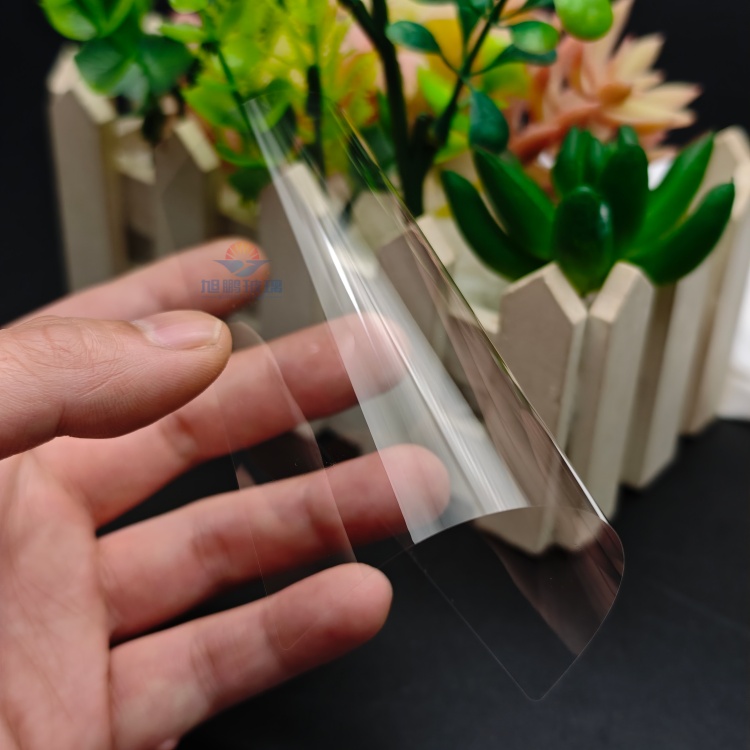
Ultra-thin Flexible UTG Glass, bendable and foldable, suitable for commercial aerospace and new energy industries
A thin, bendable glass option for curved diffusers, flexible light-guide covers and advanced luminaire concepts where weight and conformability matter.
View product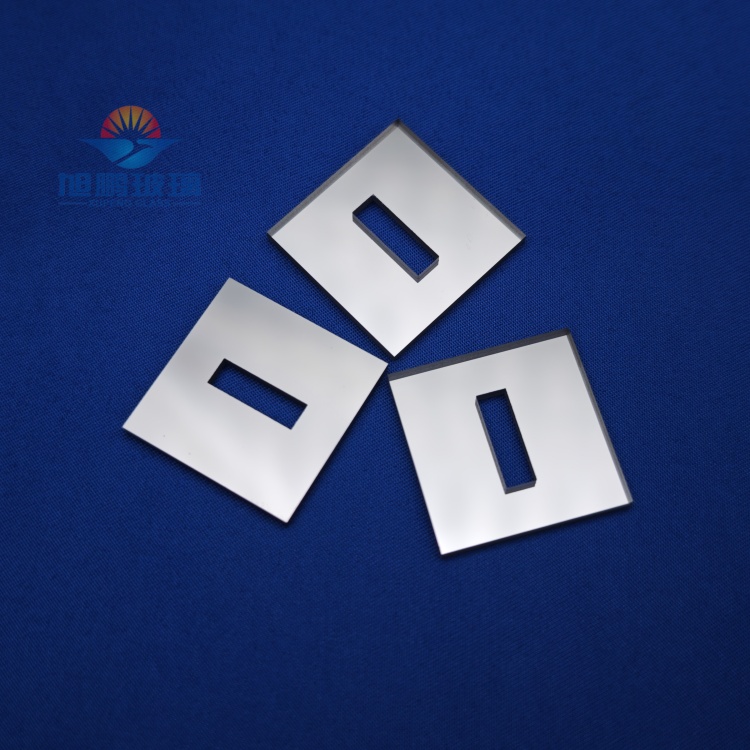
Silver-coated Mirror, Grooved at the Center of Glass
Center-grooved silver mirror for decorative wall sconces, reflective pendant details and architectural fixture lenses that need controlled light play and a clean edge.
View product
Welding Black Filter Glass, Beveled Edge Grinding, Long Irregular-shaped Welding Filter Glass
Beveled black filter glass for shielding, controlled transmission and irregular protective windows in industrial lighting and optical assemblies.
View product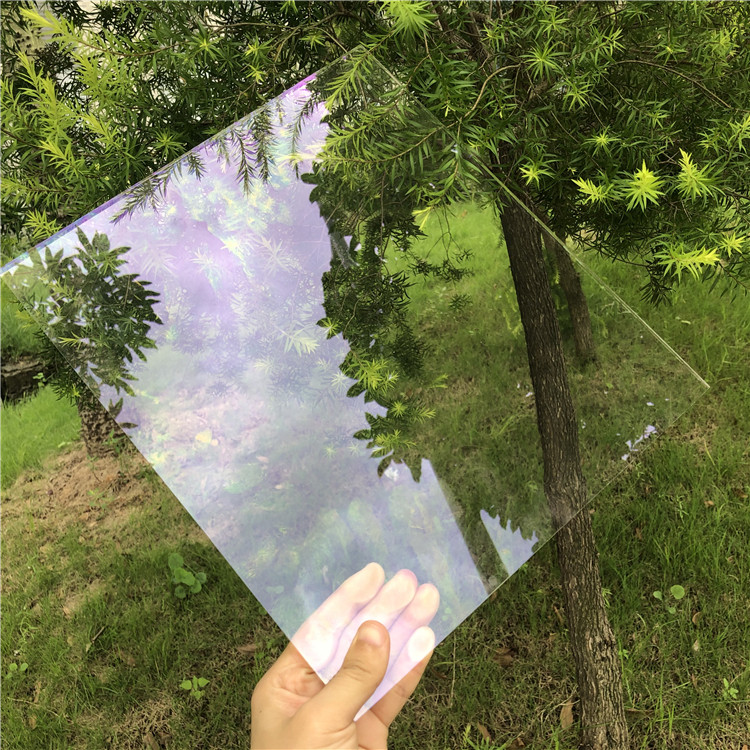
High-transmittance Anti-Reflection (AR) Coated Optical Glass
AR-coated glass reduces surface reflections so fixture apertures, display-integrated lighting and high-end optical windows preserve contrast and color fidelity.
View product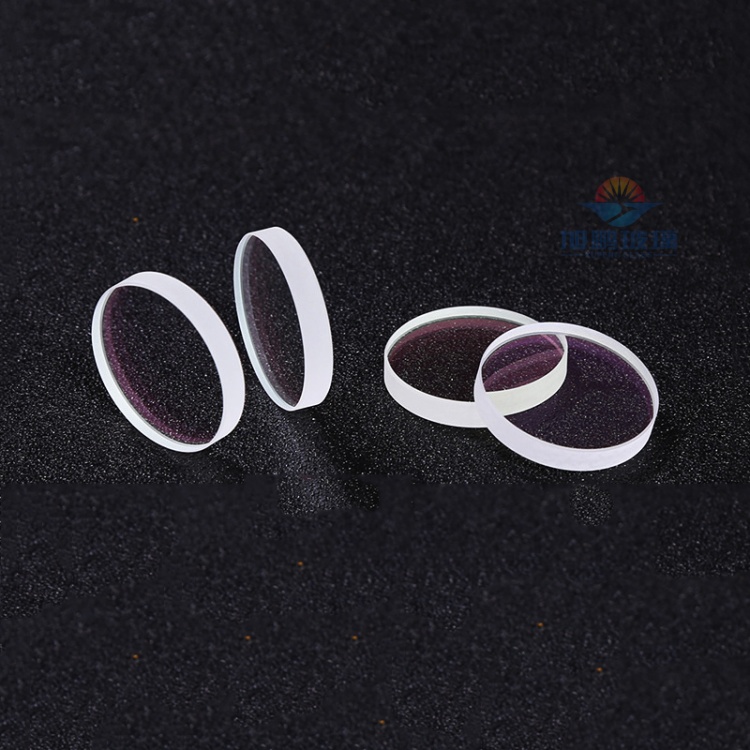
Ultra-clear Tempered Glass, Custom Processing Available: Drilling, Etching, AG Coating Silk Printing, AR Coating
Low-iron tempered glass with drilling, etching, silk printing and AG/AR options for clean architectural lines and durable, easy-clean fixture faces.
View product
Corning Ultra-Thin Glass Sheet, Optical Grade Glass Wafer Substrate with Chamfered Edge
Optical-grade Corning ultra-thin glass wafers with chamfered edges for precision apertures, micro-lighting and compact optical subassemblies.
View product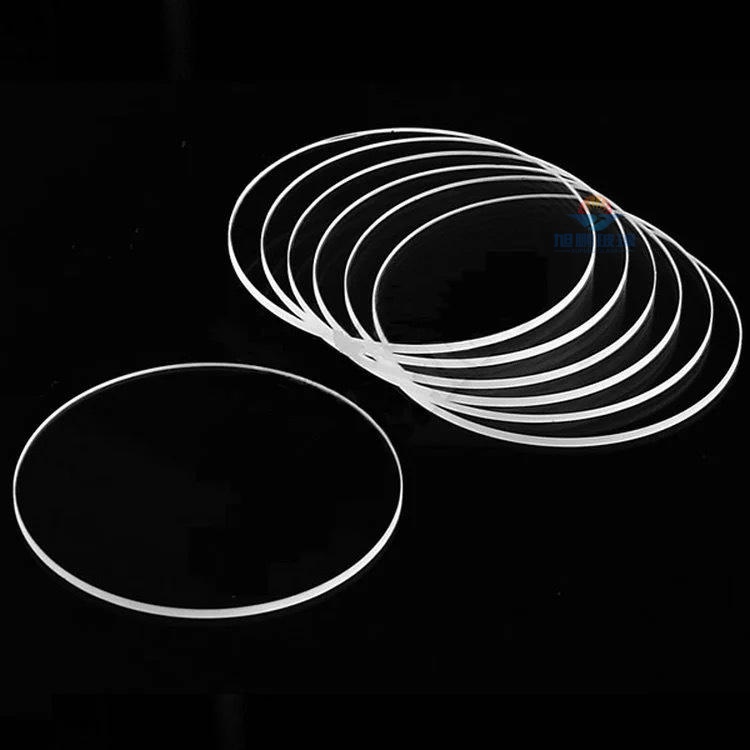
Corning EXG Alkali-Free Glass, UV High-Transmittance Optical Window Substrate
Alkali-free UV window substrate for curing, disinfection and sensing light paths where high UV transmission and dimensional stability are critical.
View product
Precision CNC Cut & Holed, High-temperature Silk Screen Tempered Glass, Drilled Ultra-clear Small Round Glass Discs
Round tempered glass discs with CNC holes and fired ceramic print for downlights, trims, control faces and compact fixture windows.
View productNeed a specification outside the catalog? Send your drawing, target finish and Los Angeles delivery window. Our engineers will review material, process route and tolerances before quotation.
Inquire NowWhy Los Angeles Light Fixture Projects Need a Different Glass Specification
Los Angeles is not one specification market. It combines luxury hospitality, film and entertainment production, high-rise residential, adaptive reuse, retail flagships, public realm lighting and coastal exterior installations. A glass cover that looks correct in a controlled showroom can still fail in a Santa Monica wall light if salt-laden air, UV exposure, cleaning chemicals, thermal cycling, seismic movement and replacement lead times are not discussed at the drawing stage.
Code and procurement pressure adds another layer. Title 24 and CALGreen can push projects toward efficient LED sources and tighter glare control, but the glass supplier does not certify the luminaire. The fixture brand or engineer owns UL/ETL listing, seismic approval and final code compliance. The most useful supplier is the one that provides consistent thickness, edge quality, coating specifications, batch traceability and inspection records so the fixture team can complete submittals without rework.
For Los Angeles buyers, the real cost is not only the square-meter price. It is the risk of a replacement glass that does not fit, a coating that shifts color under gallery lighting, a printed window that misaligns, or a crate that arrives at the Port of Los Angeles or Long Beach with edge chips. The RFQ should therefore state application, light source, mounting condition, cleaning method, target finish, quantity, spare requirement and destination. That information lets a factory quote the correct glass route instead of the cheapest glass that fits the drawing.
- Material: low-iron, standard float, borosilicate, quartz, sapphire or Corning EXG
- Finishing: tempering, beveling, drilling, silk print, AR/AG or mirror coating
- Risk: coastal salt spray, thermal shock, impact, UV and cleaning chemicals
- Supply: samples, spare units, batch labels, crates and Los Angeles delivery terms
What LA fixture briefs emphasize
Relative specification emphasis observed in custom lighting glass project reviews. Illustrative planning profile, not market research.
Use this as a conversation starter with the fixture engineer. Final requirements must follow the approved drawing and project specification.
Localized Applications: Where Light Fixture Glass Is Used in Los Angeles
From West Hollywood hospitality to Long Beach exterior lighting, the same glass category can require different edge work, coating and packaging.
Hospitality, Bars & Restaurants
Backlit bar fronts, chandelier panels, sconces, table lamps and custom pendants in West Hollywood, Downtown, Beverly Hills and Santa Monica. Low-iron tempered glass keeps whites neutral; AR coating helps dark, moody interiors maintain sparkle without a mirror-like sheen.
Exterior, Coastal & Urban Realm
Wall lights, bollards, post tops and façade luminaires near the coast face salt fog, UV, wind-driven rain and thermal cycling. We discuss tempering, edge work, gasket contact, drainage and protective packing. For inland LA projects, glare and light trespass still drive AG and shield choices.
Retail, Gallery & Display Lighting
AR-coated optical glass and ultra-clear low-iron glass support high-CRI retail, museum and gallery lighting where reflections compete with merchandise. Silk-screen printed glass can integrate logos, apertures and light-control zones without added film.
Multifamily, Workplace & Smart Controls
Printed tempered glass for switch plates, control faces and fixture trim; AG-coated glass for touch and display surfaces; high-temperature ink for durable graphics. For adaptive reuse, the goal is often to match existing glass and keep a replacement path open.
Los Angeles Lighting Glass Trends: From Code Pressure to Experience Design
These trends are not abstract. They change the glass drawing, the coating stack, the edge finish and the way a buyer should plan samples, spares and import logistics.
LED Retrofits Demand Tighter Optical Control
Lower heat load does not mean simpler glass. Smaller apertures, color consistency and glare control make the glass a visible optical component rather than a decorative cover. Expect more AR, AG and printed mask requirements in retrofit briefs.
DarkSky & Glare-Sensitive Exteriors
Outdoor lighting briefs increasingly ask for lower glare, shielded sources and controlled diffusion. Etched AG, AR + AG combinations and printed light masks support these goals while preserving the designer’s visual intent.
Adaptive Reuse & the Replacement Economy
Downtown and older commercial stock needs small runs, reverse-engineered parts, edge matching and spare units. A factory that reviews samples and drawings is more valuable than a catalog-only seller when a single historic pendant panel fails.
Port-Aware Import Planning
Los Angeles and Long Beach are major gateways, but drayage, chassis availability, customs and warehouse appointments affect total lead time. Batch labels, spare units and export-safe packaging reduce project risk long before the crate reaches the job site.
A Practical Glass Selection Guide for Los Angeles Fixture OEMs
Use this matrix as an RFQ starting point, not as a substitute for the engineer’s final specification. The correct glass route depends on the light source, mounting, cleaning method, safety class, coating and target cost.


AUVE Glass: Factory Advantages Los Angeles Buyers Can Verify
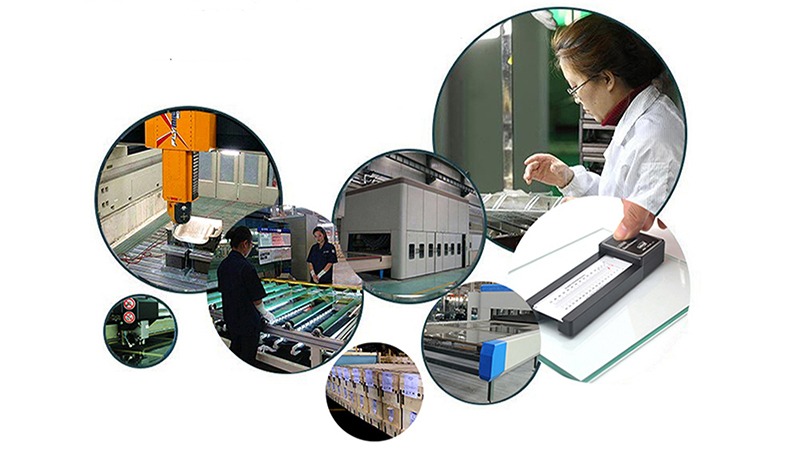
Dongguan AUVE Glass Co., Ltd. is a deep-processing glass manufacturer founded in 2018 and located in Songshan Lake, Dongguan, China. We integrate R&D, design, production and export under one roof, with 51–100 skilled employees and a 1,001–2,000 m² facility. Our processing scope includes flat and curved tempered glass, ultra-clear low-iron glass, laminated and painted glass, AR anti-reflective and AG anti-glare coated glass, silk-screen printed glass, touch screen and LCD cover glass, LED lighting glass, instrument glass, and optical materials such as K9, quartz, sapphire, borosilicate and Corning EXG alkali-free glass.
For a Los Angeles buyer, that breadth matters because fixture glass and optical windows can be consolidated with one supplier instead of being split across multiple vendors. Our process route covers precision cutting, CNC edging and drilling, tempering, high-temperature silk-screen printing, AR/AG coating, quality inspection and export packing. Engineers review manufacturability before production, including thickness, tolerance, edge profile, hole position, print alignment, coating requirement and assembly contact.
We follow a documented quality management system and keep batch traceability from raw sheet to packed carton. Publicly viewable supplier data includes onsite-checked supplier status, credit index, transaction level, trade capacity, trade history and buyer ratings. Our products are exported to the United States, Canada, Russia, South Korea, Japan, Australia and other markets, with an average response time within 7 hours. Guided by our philosophy of “focusing on high-end glass, pioneering and innovating,” we support OEMs, brand owners and distributors with drawing-based production.
We serve the Los Angeles market from our Dongguan factory. Any local warehousing, inventory or delivery arrangement should be confirmed in the quotation, because the most reliable supply plan depends on your order size, coating requirement, target date and whether the project can consolidate with other glass parts.
Drawing-First Review
CAD, DXF or PDF drawings are reviewed for thickness, tolerance, edge, holes, print, coating and assembly fit before production.
In-House Process Chain
Cutting, CNC, tempering, printing, coating and inspection are controlled under one factory roof for repeatable batches.
Verifiable Credentials
Onsite-checked supplier status, credit index, transaction level, trade capacity and buyer feedback are available for review.
LA-Ready Communication
Average response within 7 hours, export packing and flexible shipping terms help keep Los Angeles projects moving.
From Songshan Lake to Los Angeles: Packaging, Terms and Transit Discipline
Glass does not fail only because of material choice. It can fail because a crate was packed for a local truck instead of an ocean container, or because the replacement part was never planned before the fixture went into service.
Port & Transit Planning
Most Los Angeles projects ship by sea to Los Angeles or Long Beach, with air or express for samples, urgent replacements or high-value optical parts. Drayage, customs clearance, chassis availability and warehouse appointments are part of total landed cost; plan them with your freight forwarder before release.
Commercial Terms
We support FOB, CFR, CIF, EXW, DDP, DDU, DAF and express delivery. DDP is sometimes requested, but duties, tax and final delivery address must be confirmed before quotation. The goal is a clear landed-cost discussion, not a hidden freight number inside the glass price.
Fragile-Glass Packing
Protective film or paper interleaving, foam corner protection, fumigation-free wooden crates or reinforced cartons, batch labels and orientation marks are used for fragile glass parts. For coated or printed glass, pack separately and label the coating side to reduce handling errors.
Frequently Asked Questions from Los Angeles Light Fixture Buyers
Direct answers for procurement, engineering and operations teams comparing a factory-direct glass supplier with a local distributor.
Can AUVE supply light fixture glass from China to Los Angeles?
Yes. The United States is one of our listed export markets. We support sea, air and express shipments, with FOB, CFR, CIF, EXW, DDP, DDU, DAF and express terms available. For Los Angeles buyers, the practical question is not only whether we can ship, but which packaging, Incoterm and delivery window best fit the project.
What should I include in an RFQ for an accurate glass quotation?
Send a CAD, DXF or PDF drawing plus dimensions, thickness, tolerance, edge profile, hole positions, printing artwork, coating requirement, quantity, application, cleaning method and target Los Angeles delivery date. If available, include a photo of the fixture, gasket or frame so our engineers can review contact and installation risk.
How do you protect glass during ocean freight to Los Angeles or Long Beach?
We use protective film or paper interleaving, foam corners, fumigation-free wooden crates or reinforced cartons, batch labels and orientation marks. Coated and printed parts are packed to protect the functional surface. The packing plan is confirmed with the quotation because glass size, edge condition and quantity change the crate design.
Can you match an existing light fixture glass part for replacement?
In many cases, yes. Send the old part, a dimensioned drawing or clear photographs with measurements. Our team reviews material, thickness, edge, holes, print, coating and existing tolerances. For older fixtures, expect a conversation about minimum order, spare units and whether the original glass construction is still the safest specification.
Do you provide UL/ETL, Title 24 or seismic certification for the luminaire?
No. Our role is to supply glass to your drawing and agreed inspection standard. Luminaire listing, Title 24 compliance, seismic approval and final code acceptance are the responsibility of the fixture brand, engineer and authority having jurisdiction. We can provide material and dimensional records to support your submittal package, but we do not overstate certification for the finished fixture.
What MOQ and lead time should a Los Angeles buyer expect?
MOQ depends on material and process. Many coated and optical glass parts start from 10 to 50 pieces, while standard ultra-clear tempered parts commonly start from 100 to 500 pieces. Sample and pilot quantities can be discussed for new projects. Lead time is confirmed after drawing, material, coating, printing and quantity review, then adds transit and drayage time to Los Angeles.
Send Your Light Fixture Glass Drawing for an Engineering Review
Share dimensions, thickness, edge, holes, printing, coating, quantity, application and target Los Angeles delivery window. Our team will confirm the material route, manufacturability and quotation basis, usually within 7 hours.
info@auveglass.com