8 Low-Iron and Ultra-Clear Glass Products for Dortmund Buyers
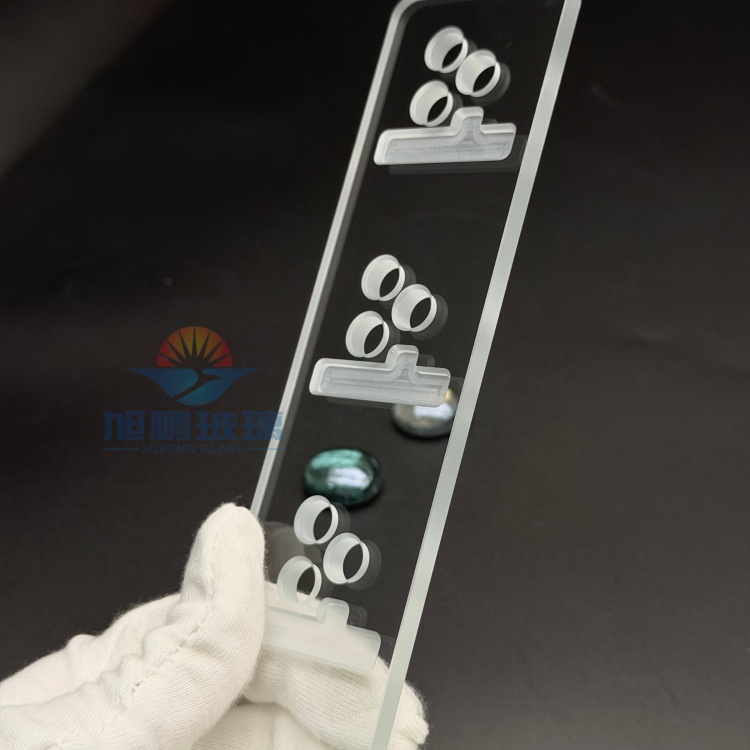
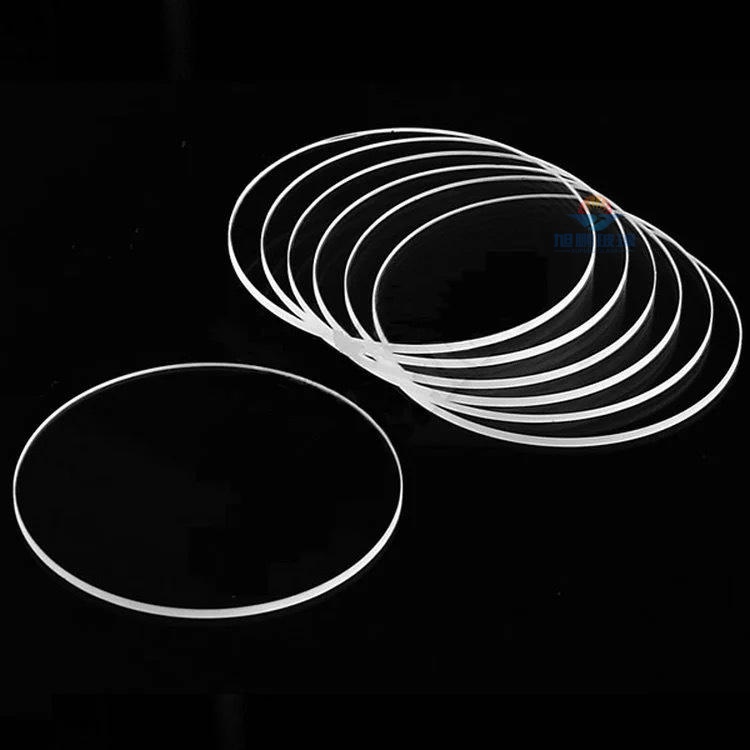
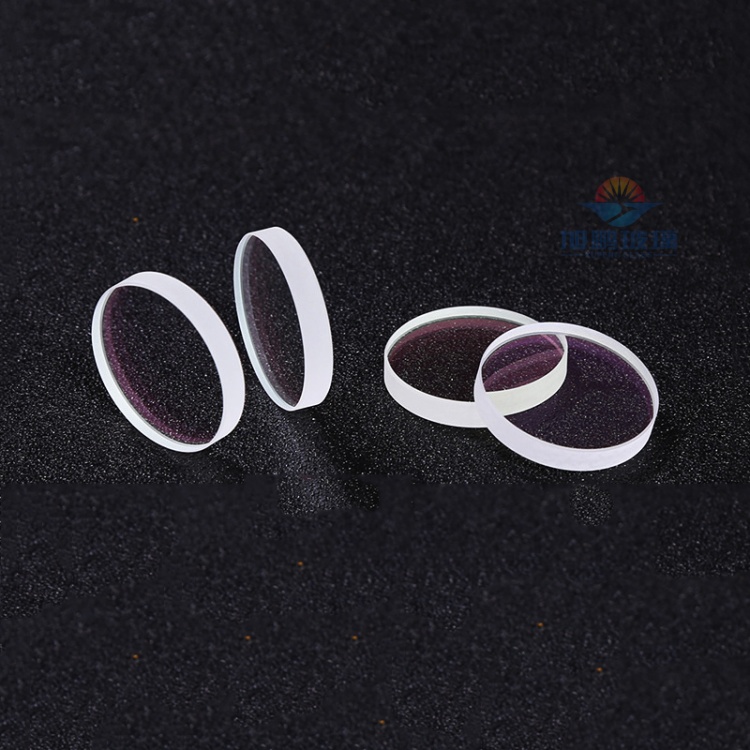
These production-ready products cover the most common sourcing requests from the Dortmund-Ruhr market: high-transmission tempered panels, decorative ultra-white covers, semiconductor and optical substrates, CNC-carved low-iron glass, and AR/AG coatable display glass. Each item can be customized by size, thickness, edge profile, holes, printing and coating.





Factory Capability at a Glance
Why Low-Iron Glass Is a High-Value Material for Dortmund and the Ruhr
Dortmund is not a generic German city for glass specification. It combines a dense industrial heritage, a large programme of adaptive reuse, a growing automation and micro-technology ecosystem, and a design community that cares about daylight, colour neutrality and durable surfaces. In this environment, low-iron glass — often called ultra-clear glass — is selected when ordinary float glass would introduce a green edge tint or reduce the apparent brightness of a display, light fixture, printed panel or architectural glazing. For buyers in Dortmund, the material decision is therefore not only aesthetic. It affects perceived quality, lighting efficiency, coating performance and the total cost of rework.
Low-iron glass reduces iron oxide content to a very low level — typically below 0.02% Fe2O3 — so visible light transmission can reach roughly 91–92% at standard thicknesses. The edge appears clearer, white graphics remain neutral, and AR or AG coatings work from a cleaner optical base. When the glass is tempered, the finished part can combine safety performance with the visual clarity expected in premium retail, medical, laboratory, transportation and smart-building applications. The trade-off is process discipline: cutting, edging, drilling, printing and coating must be planned together, because low-iron glass reveals defects more readily than standard glass.
For a Dortmund buyer, this means the supplier conversation should start with the drawing and the end-use environment, not with a generic sheet price. A façade mock-up, a machine-vision window, a luminaire diffuser and a touch cover may all use low-iron glass, but they need different tempering, coating, printing and inspection criteria. That is the practical difference between buying glass as a commodity and sourcing a qualified component.
Specification Insight for Dortmund Projects
- Fe2O3 target: usually below 0.02% for high-clarity low-iron glass.
- Visible transmission: typically around 91–92%, depending on thickness and coating.
- Edge colour: neutral to pale blue, not the green edge of standard float glass.
- Tempered strength: thermally tempered glass is commonly 4–5× stronger than annealed glass.
- Best-fit uses: lighting, signage, HMI covers, display windows, architectural glazing components and optical filters.
- Confirmation: final transmission, haze, colour and tolerance must be agreed against drawings and test methods.
Where Low-Iron Glass Creates Value in Dortmund and the Wider Ruhr
Dortmund buyers rarely purchase low-iron glass as a generic sheet. They buy a finished component for an assembly, a façade mock-up, a luminaire, a control panel or a laboratory fixture. These application modules reflect the city's industrial and design profile.
Adaptive Reuse and Interior Architecture
Dortmund's converted industrial buildings, creative quarters and public interiors call for clear balustrades, partition glass, display plinths and furniture surfaces that preserve a neutral palette. Low-iron tempered glass keeps edge colour clean and lets lighting design read as intended. For heritage-sensitive projects, we review edge profiles, fixing details and hole positions before production.
Lighting, Signage and Light Boxes
The Ruhr's retail, transport and exhibition networks rely on bright, evenly diffused light boxes and signage. Low-iron glass with high visible transmission supports colour fidelity for printed graphics, LED lighting and illuminated lettering. Optional AG or AR coating can reduce glare in train stations, showrooms and public information areas while maintaining legibility.
HMI, Appliance and Touch Cover Glass
Dortmund and its surrounding region host automation, sensor and appliance businesses that need durable cover glass for control panels, kiosks, vending equipment and smart devices. Ultra-clear tempered glass with CNC holes, silk-printed icons and AR coating delivers a premium surface with scratch resistance and easy cleaning. We check print registration, step edges and coating masks against the assembly drawing.
Solar, Optical and Research Substrates
Energy research, photonics and analytical instrumentation in North Rhine-Westphalia use glass wafers and windows where transmission and surface quality matter. Corning EXG, SCHOTT ultra-thin glass, quartz and low-iron substrates can be supplied with dimensional inspection and protective packing. Material selection should be confirmed against UV range, thermal load and cleanliness requirements.
Machine Vision, Sensor and Inspection Windows
Production lines in the Ruhr's automotive, logistics and machinery sectors use machine vision and sensor windows. Low-iron glass reduces colour shift, while AR coating can increase signal-to-noise ratio in imaging systems. We discuss flatness, parallelism, edge quality and coating placement early so the window supports the optical path rather than becoming a variable.
EV, Automotive and Charging Infrastructure
The shift toward electric mobility and charging infrastructure is creating demand for durable display covers, indicator windows and decorative glass in and around vehicles and charging stations. Low-iron glass provides a premium neutral appearance, and tempering adds mechanical robustness. For outdoor use, buyers should confirm coating durability, sealing method and cleaning chemistry.
Dortmund Market Trends Shaping Low-Iron Glass Demand
Several local trends are moving low-iron glass from a niche architectural choice into a broader industrial purchasing category. The strongest drivers are written into building performance targets, digital production plans and procurement policies across Dortmund and NRW.
Energy-Efficient Building Envelopes and Daylight Quality
Germany's building-energy framework and municipal climate goals continue to push daylighting, solar control and high-performance glazing. Low-iron glass is often used where neutral colour, high transmission or coated surfaces are needed in laminated, insulating or interior glazing assemblies. Dortmund projects that combine retrofit with new build need suppliers who can document dimensions, edge work and coating orientation. Early supplier involvement reduces the risk of mismatched mock-ups and late-stage redesign.
Industrial Digitalisation and Supply-Chain Resilience
Dortmund's logistics position — connected by the Dortmund-Ems Canal, the A1/A2/A44/A45 motorway network and Düsseldorf and Dortmund airports — makes it a practical distribution point for the Ruhr. Buyers increasingly want shorter communication loops, drawing-based engineering review and packing that survives multimodal transport. A factory-direct exporter with in-house CNC, tempering and coating can consolidate several process steps, reducing the number of hand-offs that create tolerance drift and delay.
Sustainable Procurement and Documentation
Procurement teams are asking more questions about material traceability, packaging waste, coating chemistry and compliance documentation. For glass components, the practical answer is to define the applicable standard, test method and declaration route before mass production. Low-iron glass itself does not automatically make a product sustainable, but its clarity can allow thinner, brighter or more efficient assemblies when the whole system is designed together. We support batch labelling and protective packing to reduce breakage and replacement shipments.
Specification Matrix for Dortmund Low-Iron Glass Projects
Use this matrix to align design intent, local compliance and manufacturing capability before requesting a quotation. It is a practical starting point, not a substitute for project-specific engineering review.
| Project requirement | Recommended low-iron route | Dortmund / Ruhr relevance | Confirm before order |
|---|---|---|---|
| Neutral edge and high clarity | Low-iron float or ultra-white glass with a defined visible-transmission target | Retail, lighting, interiors, display windows and architectural mock-ups | Fe2O3, thickness, transmission, colour tolerance and edge finish |
| Safety glazing performance | Thermally tempered low-iron glass; heat-soak treatment where specified | Public buildings, balustrades, doors, railings and interior partitions | Applicable standard, fragmentation, heat-soak, CE/DoP route |
| Anti-reflective display cover | Low-iron tempered glass with single- or double-side AR coating | HMI, kiosks, machine vision, premium displays and instrument windows | Reflectance, transmission, scratch resistance and coating durability |
| Glare control | AG etched glass or AG + AR coated glass | Transit, outdoor kiosks, showrooms, industrial HMI and public screens | Haze, gloss level, surface roughness and cleaning method |
| Printed graphics | Low-iron tempered glass with high-temperature ceramic frit | Appliance panels, signage, switch covers and decorative technical panels | Ink colour, registration, firing temperature and masking |
| Precision cut-outs | CNC cutting, drilling, grooving and edge polishing | Automation, instrument windows, custom fixtures and control panels | Tolerance, hole position, chipping limit and flatness |
Final specifications depend on thickness, geometry, coating and tempering sequence. Send a CAD, DXF or PDF drawing for manufacturability review.
Factory Advantages for Dortmund Procurement Teams
The right supplier is not simply the one with the lowest piece price. For glass components shipped from Asia to Germany, total landed cost is shaped by engineering clarity, breakage rate, communication speed and documentation. Dongguan AUVE Glass Co., Ltd. is structured around those variables.
Factory-Direct Since 2018
Founded in 2018, AUVE operates as a deep-processing glass manufacturer integrating R&D, design, production and export. For Dortmund buyers, this means direct engineering communication rather than a chain of intermediaries.
In-House Process Control
Cutting, CNC edging, drilling, grooving, tempering, silk-screen printing and AR/AG coating are planned as one process route. Consolidating steps helps protect tolerances and reduces the risk of damage between subcontractors.
Drawing-Based Engineering Review
Send a CAD, DXF or PDF drawing with thickness, tolerance, edge, hole, printing and coating requirements. Our engineers review manufacturability before production and flag risks early — especially valuable for first-build Dortmund projects.
Traceability and Inspection
Production follows defined process standards and a documented quality management system. Batch labelling and inspection records help buyers connect finished parts to raw sheet and process parameters.
Export Packing and Trade Terms
Fragile glass needs more than a carton. We use protective film, foam corner protection and fumigation-free wooden crates or reinforced cartons, with FOB, CFR, CIF, EXW, DDP, DDU, DAF and express options.
Fast Response and Verified Profile
Average response time is within 7 hours. Buyers can review our onsite-checked supplier profile, credit index, transaction level, trade capacity, ratings and trade history before committing to a pilot order.
Export, Compliance and Delivery to Dortmund
Shipping glass from Dongguan to Dortmund is a planned logistics sequence, not a single freight quote. The right route depends on quantity, value, coating sensitivity, deadline and the Incoterm that fits your customs setup.
Sea freight normally moves through a major European port such as Hamburg, Rotterdam or Antwerp, then by truck or rail into the Ruhr. Air freight through Düsseldorf or Dortmund is useful for samples and urgent pilot quantities. The correct Incoterm depends on who controls customs clearance, insurance and inland transport; we routinely discuss FOB, CFR, CIF, EXW, DDP, DDU and DAF before booking.
For construction-related glass placed on the EU market, the buyer and supplier should confirm the applicable harmonised standard, CE marking and Declaration of Performance route. Thermally toughened safety glass, heat-soaked glass, coated glass and laminated glass may fall under different standards and project requirements. For industrial and optical glass, the equivalent conversation concerns material certificates, dimensional reports, surface quality and RoHS/REACH documentation where applicable. We do not treat compliance as a label added at the end; it is part of the drawing review.
Routing and Incoterms
Sea, air and express options are available. We confirm packing, loading and document needs before shipment, whether you choose FOB, CFR, CIF, EXW, DDP, DDU or DAF.
Documentation
Commercial invoice, packing list, material and inspection records, and project-specific declarations where agreed. Buyers provide EORI and import instructions for EU clearance.
Fragile-Goods Packing
Protective film, foam corners, batch labels and export-grade crates or reinforced cartons designed for multimodal handling to Dortmund and the wider Ruhr.
Low-Iron Glass Sourcing, Shipping and Compliance Questions
These are the questions we hear most often from German and EU procurement teams evaluating a low-iron glass factory for Dortmund delivery. For project-specific advice, send your drawing and target quantity.
Can you supply low-iron glass to Dortmund from a factory in China?
Yes. We export glass components to North America, Europe and Asia-Pacific and support sea, air and express shipments. For Dortmund, sea freight usually arrives via Hamburg, Rotterdam or Antwerp before inland truck or rail; samples can move by air through Düsseldorf or Dortmund. We confirm Incoterms, packing and documents before booking.
What is the typical MOQ for a Dortmund pilot project?
MOQ depends on material and process. Many coated and optical glass parts start from 10 to 50 pieces, while standard ultra-clear tempered parts typically start from 100 to 500 pieces. Sample and pilot quantities can be discussed for new projects, especially when the design is likely to move into series production.
Do you produce to CAD, DXF or PDF drawings?
Yes. Send a CAD, DXF or PDF drawing with thickness, tolerance, edge, hole, printing and coating requirements. Our engineers review manufacturability before production, covering CNC cutting, edging, drilling, tempering, silk-screen printing and AR/AG coating.
How do you handle CE marking and Declaration of Performance for Germany?
The applicable route depends on the product and its intended use. For construction glass, the buyer and supplier should confirm the harmonised standard, CE marking and DoP requirements before production. We discuss the project specification and documentation package during quotation; final compliance responsibility remains with the economic operator placing the product on the EU market.
Which tolerances are realistic for CNC holes, cut-outs and edge polishing?
Tolerance depends on thickness, geometry, tempering and coating. Tight tolerances should be defined on the drawing and reviewed before production, because tempering and coating can affect final flatness and edge condition. We flag critical features such as hole-to-edge distance, chip limits and print registration during engineering review.
How is glass protected for shipment to Dortmund?
Export packing is designed for fragile glass parts: interleaving film or paper, foam corner protection and fumigation-free wooden crates or reinforced cartons. Batch labelling helps receiving teams inspect and allocate parts quickly. For high-value coated or optical parts, we agree additional protection based on the route.
Can you support AR, AG, silk-screen and tempering in one order?
Yes. We combine ultra-clear tempering, drilling, etching, AG coating, silk printing and AR coating in one process plan where the design allows. Combining steps can reduce handling, but the sequence must be engineered correctly — especially when printing, coating and tempering interact.
How quickly can I receive a technical response?
Our average response time is within 7 hours. Email info@auveglass.com with your drawing, quantity, destination city and target delivery date for an engineering review. For Dortmund buyers, include the preferred Incoterm and any required documentation so the first reply can be commercially useful.
Ready to Qualify a Low-Iron Glass Supplier for Dortmund?
Share your drawing, target quantity, coating or printing requirement, and preferred delivery terms. Our team will review manufacturability, propose a process route and prepare a quotation for shipment to Dortmund or your nominated European warehouse.
Get Catalog