Medical Device Glass Manufacturer & Factory for Nashville
Custom optical, tempered, sapphire, borosilicate, ceramic glass-ceramic and wafer glass for Nashville medical device OEMs, diagnostics laboratories, surgical display systems and precision sensor assemblies — engineered to drawing, inspected for traceability, and export-packed for Middle Tennessee supply chains.
8 Medical Device Glass Products for Nashville OEM Programs
These eight product families cover the practical material choices most often requested by medical device engineers, diagnostics developers and contract manufacturers in Nashville: scratch-resistant sapphire, high-temperature ceramic glass-ceramic, ultra-clear tempered display glass, AR-coated optics, borosilicate windows, semiconductor-grade wafers and ultra-thin flexible glass. Every part can be customized by size, thickness, tolerance, hole pattern, edge profile, printing, coating and packing.

White Ceramic Glass-Ceramic, 4mm & 6mm, High Temperature Resistant Glass-Ceramic
A stable opaque glass-ceramic option for high-temperature equipment windows, thermal barriers, heater covers and sterilizer-related assemblies where dimensional stability and cleanable surfaces matter.

High Transmittance Sapphire Glass, Scratch Resistant & High Temperature Resistant Sapphire Glass Sheets
Sapphire is frequently shortlisted for wear-critical sensor windows, optical viewports and high-temperature inspection points where surface hardness and optical clarity are more important than low material cost.
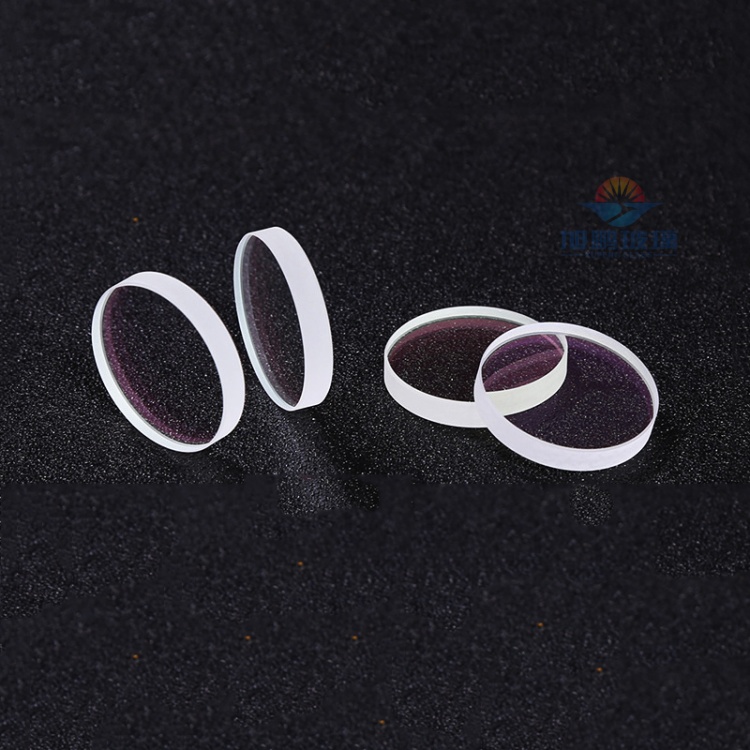
Ultra-clear Tempered Glass, Custom Processing Available: Drilling, Etching, AG Coating, Silk Printing, AR Coating
A versatile substrate for clinical display covers, touch panels, instrument windows and control interfaces where low-iron clarity, mechanical strength and custom finishing are required together.
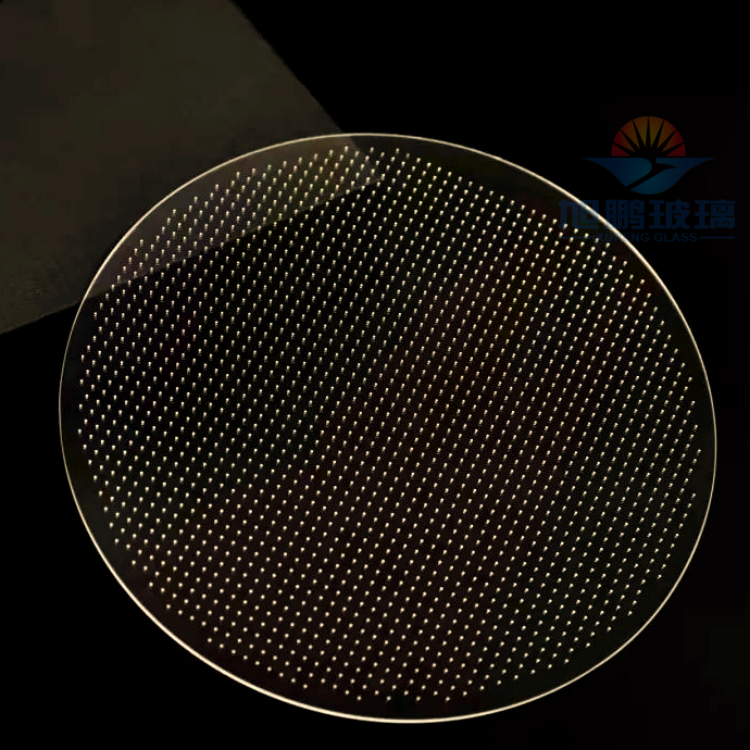
Schott BF33 TGV Microvia Glass Wafer, Packaging Substrate for Sensors & Chips
A borosilicate glass wafer platform for through-glass via, sensor packaging, microfluidic and lab-on-chip concepts where electrical isolation, flatness and wafer-level handling are central.

High-transmittance AR Coated Optical Glass, Ultra-clear Tempered Glass
Anti-reflective coated glass is recommended for Nashville imaging, diagnostic and surgical display projects where glare control can improve contrast, readability and perceived image quality.
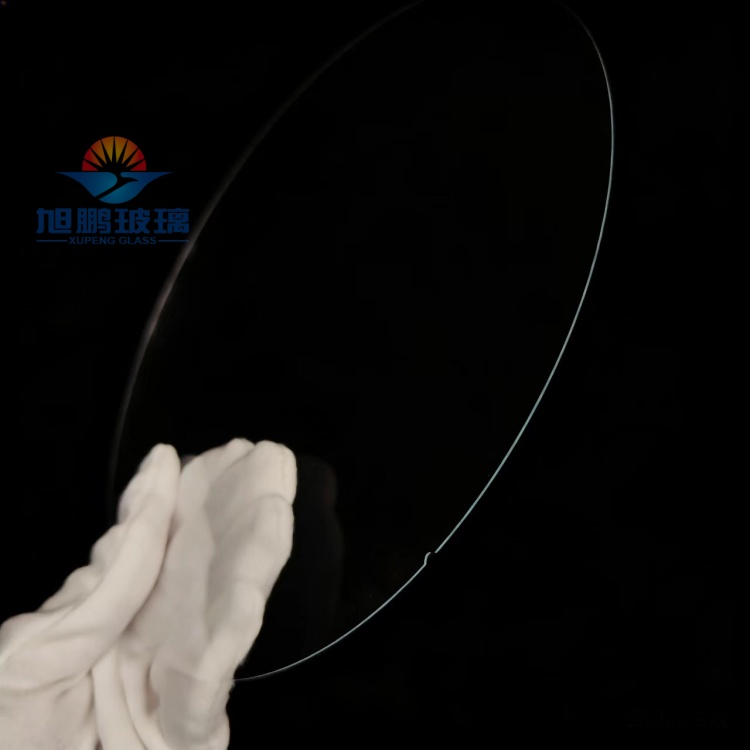
Corning EXG Glass Wafer, Double-Sided Polished Custom Fabrication for Semiconductor Glass Wafers
Alkali-free Corning EXG wafers support MEMS, diagnostic sensor and semiconductor-adjacent packaging work where low CTE, surface quality and dimensional consistency are key.
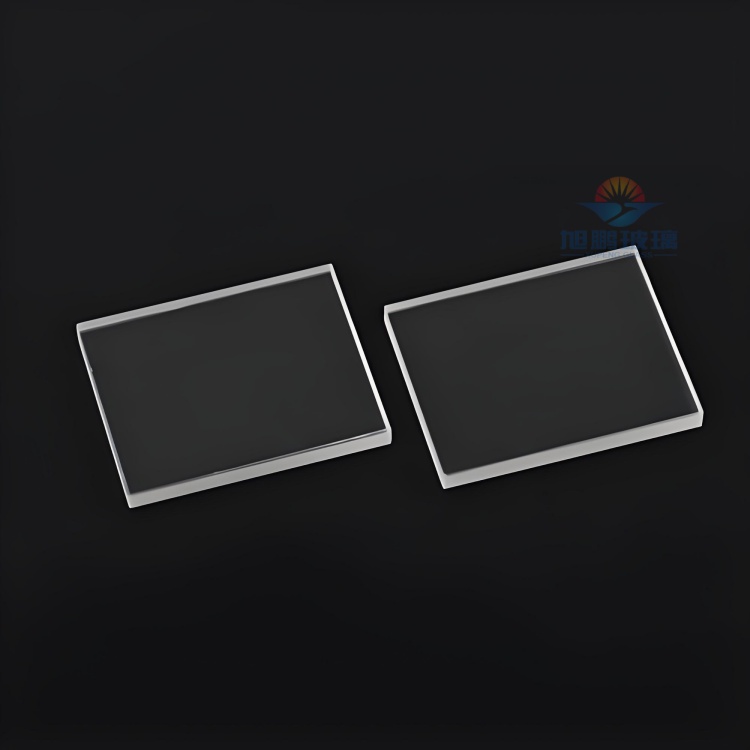
Tempered Glass Customized High Temperature Resistant, High Transparency and High Borosilicate Mirror Window Glass
A practical choice for high-transparency inspection windows, equipment enclosures and thermal viewports where borosilicate material behavior and custom edge finishing are desirable.
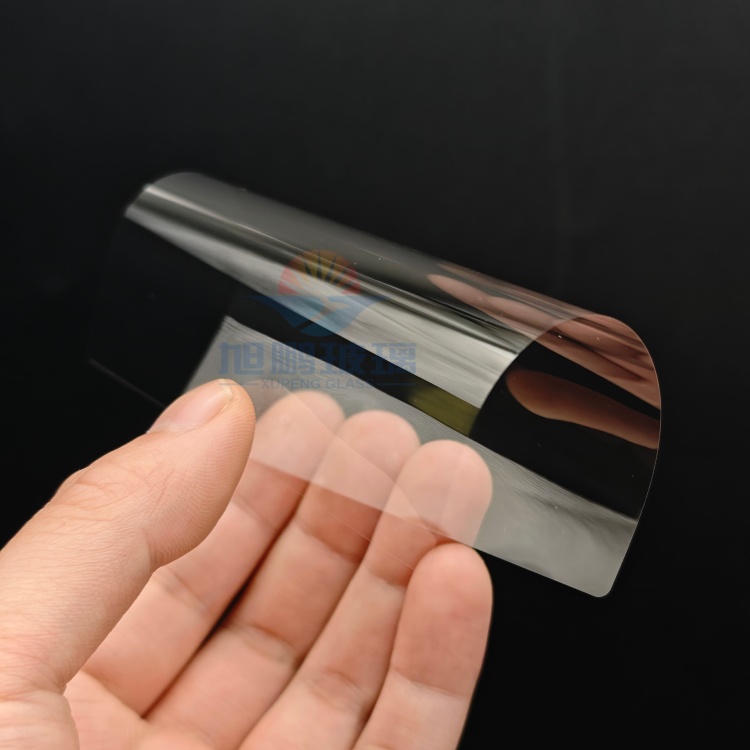
0.03 mm Ultra-thin Flexible Bendable Glass
Ultra-thin glass is relevant to flexible electronics, wearable sensor concepts and compact medical displays where reduced thickness and bendability can support next-generation device design.
Where Medical Device Glass Fits Nashville’s Healthcare and MedTech Economy
Nashville and Middle Tennessee have a dense healthcare, diagnostics, surgical care and medical device supply ecosystem. For local OEMs, contract manufacturers and laboratory teams, glass components are not commodity accessories — they influence optical performance, cleanability, sterilization compatibility, device reliability and total cost of ownership.
Surgical and procedural displays
AR-coated ultra-clear glass can reduce surface reflections on monitor covers, control panels and imaging displays used in operating rooms, procedure rooms and clinical training suites.
- Low-reflection display windows
- Silk-printed icons and borders
- Tempered cover glass options
Diagnostics and laboratory automation
Borosilicate wafers, Corning EXG wafers and precision optical glass support lab-on-chip, microfluidic, sensor packaging and instrument window applications across Nashville’s diagnostics supply chain.
- Wafer-level substrates
- Optical inspection windows
- Custom via and flatness requests
Point-of-care and home health devices
Compact Nashville MedTech teams frequently design portable diagnostic and remote-monitoring devices that need scratch-resistant sensor windows, thin display glass or sealed optical apertures.
- Sapphire sensor covers
- Ultra-thin glass options
- Prototype and pilot quantities
Sterilization and high-temperature equipment
Medical equipment, laboratory sterilizers and thermal processing tools often require borosilicate, ceramic glass-ceramic or other heat-resistant glass selected against the actual sterilization cycle and cleaning chemistry.
- Autoclave-adjacent viewports
- High-temperature inspection windows
- Thermal stability discussion
Medical device contract manufacturing
Nashville-area contract manufacturers and OEM engineering teams can consolidate custom glass cutting, CNC shaping, drilling, tempering, printing and coating with one factory-direct partner.
- Drawing-to-part production
- First article inspection support
- Export-ready packing
Hospital equipment and clinical facilities
From equipment control interfaces to cleaning-resistant display windows, Nashville hospitals and ambulatory surgery centers increasingly ask suppliers to support replacement programs and design upgrades.
- Touch interface covers
- Instrument panel glass
- Small-batch replacement runs
Nashville Medical Glass Trends Shaping 2025–2026 Sourcing Decisions
Procurement teams in Nashville are balancing clinical performance, regulatory documentation and supply-chain resilience. These four trends are especially relevant when specifying custom medical device glass from an overseas factory.
Miniaturization and wafer-level packaging
Diagnostics and sensor companies are packing more function into smaller devices. TGV wafers, EXG wafers and precision polished substrates are increasingly evaluated alongside conventional glass windows.
Shift toward point-of-care diagnostics
Nashville’s outpatient, diagnostics and home-health focus is increasing demand for compact optical windows, scratch-resistant sapphire covers and thin glass that can survive field use.
Optical clarity for clinical displays
AR and AG coated glass are moving from premium option to design expectation in surgical displays, imaging equipment and patient-facing interfaces where glare and reflection affect usability.
Dual sourcing and supply resilience
Medical OEMs in Tennessee are qualifying secondary glass sources while keeping drawings, inspection criteria and packaging requirements consistent across suppliers.
Why Nashville Buyers Work with Dongguan AUVE Glass Co., Ltd.
Dongguan AUVE Glass Co., Ltd. is a deep-processing glass manufacturer integrating R&D, design, production and export in Songshan Lake, Dongguan — one of China’s leading electronics and optoelectronics clusters. Our team supports medical device glass projects with a practical engineering review before production, not after shipment.
Deep processing under one roof
Cutting, CNC edging, drilling, tempering, silk-screen printing, AR/AG coating, polishing and inspection can be coordinated as one production route.
Drawing-driven engineering
Send CAD, DXF or PDF drawings with thickness, tolerance, edge, hole, coating and printing requirements. Engineers review manufacturability before quoting and production.
Optical and dimensional QC
Production follows defined process standards and a documented quality management system, with dimensional, visual and optical checks agreed against the drawing.
Flexible MOQ and pilot support
Coated and optical glass projects often start from 10 to 50 pieces; standard ultra-clear tempered parts may start higher. Sample and pilot quantities can be discussed for new Nashville projects.
Export packing and Incoterms
We support FOB, CFR, CIF, EXW, DDP, DDU, DAF and express delivery, with fragile-glass export packing using protective film, foam corners and wooden crates or reinforced cartons.
Fast response for technical RFQs
Average response time is within 7 hours. Our export experience covers the United States, Canada, Japan, South Korea, Australia and other markets.
Medical Device Glass Material Selection Guide for Nashville Engineers
Use this practical matrix to shortlist a glass material before requesting samples. Final material selection should always be validated against the device’s cleaning agents, sterilization cycle, optical specifications, drop/impact requirements and regulatory plan.
| Application Requirement | Recommended Glass | Why It Matters | Controls to Specify |
|---|---|---|---|
| Sterilizer or autoclave viewport | High borosilicate tempered glass; ceramic glass-ceramic where opacity is acceptable | Thermal cycling and cleaning chemicals can challenge ordinary glass. Material grade and edge quality influence survival. | Thermal shock test, edge finish, tempering condition, CoC and inspection report |
| Scratch-critical sensor window | Sapphire glass sheet | Sapphire offers high surface hardness and optical clarity for wear-prone sensor apertures and inspection points. | Crystal orientation, transmittance, surface polish, chamfer and flatness |
| Clinical display or touch cover | Ultra-clear tempered glass with AR and/or AG coating | Low-iron glass improves clarity; AR reduces reflection; AG controls glare in bright clinical environments. | Haze, gloss, reflection target, printing tolerance, flatness and impact requirement |
| Lab-on-chip / microfluidic substrate | Schott BF33 TGV wafer; Corning EXG wafer | Wafer-level glass supports vias, bonding, electrical isolation, optical inspection and miniaturized packaging. | Wafer diameter, thickness, via diameter, flatness, surface roughness and particle control |
| Flexible or wearable device | 0.03 mm ultra-thin flexible glass | Thin glass can enable bendable display and sensor concepts while maintaining glass-like optical and barrier properties. | Thickness tolerance, bend radius, edge quality, handling method and packing |
| High-temperature inspection window | White ceramic glass-ceramic; borosilicate window | Thermal stability, cleanability and dimensional consistency are often more important than maximum visible transmission. | Operating temperature, thermal gradient, mounting method, surface finish |
| Semiconductor-adjacent packaging | Corning EXG alkali-free glass wafer | Low CTE and alkali-free composition are relevant to MEMS, sensors and precision wafer processing. | Double-side polishing, TT V, bow, warp, wafer map and clean packing |
| Instrument optical window | AR-coated optical glass; sapphire or quartz alternatives | Transmission, reflection control and environmental resistance affect signal quality and calibration stability. | Coating curve, transmission, scratch resistance, mounting edge and cleanliness |
A Practical RFQ Playbook for Nashville Procurement Teams
When sourcing medical device glass from an overseas factory, the fastest path to a reliable quote is a complete drawing package and a clear validation plan. Use these four steps to reduce back-and-forth and avoid costly re-quotes.
Send a complete drawing pack
Include CAD, DXF or PDF, thickness, tolerances, edge profile, holes, chamfers, printing artwork, coating targets and any surface-quality standard.
Define the use environment
State cleaning agents, sterilization cycles, operating temperature, humidity, impact risk and optical performance targets so the factory can recommend the right material route.
Agree inspection and documentation
Clarify first article inspection, dimensional report, visual criteria, coating data, packing validation and any certificate of conformance required for your Nashville quality file.
Plan samples, pilot and logistics
Confirm sample quantity, pilot MOQ, production lead time, Incoterm, fragile packing and door-to-door delivery options to your Nashville warehouse or contract manufacturer.
Common Procurement Questions from Nashville Medical Device Buyers
These are the questions sourcing specialists, mechanical engineers and quality teams ask most often when evaluating a medical device glass manufacturer and factory for Nashville projects.
Do you supply custom medical device glass to Nashville, Tennessee?
Yes. We support Nashville and Middle Tennessee buyers with factory-direct custom glass parts, including ultra-clear tempered glass, AR/AG coated glass, sapphire windows, borosilicate windows, ceramic glass-ceramic, wafers and flexible glass. Send your drawing, quantity and delivery destination for a technical review and quotation.
Can you manufacture to my CAD, DXF or PDF drawing?
Yes. We review drawings covering size, thickness, tolerance, edge profile, holes, countersinks, grooves, printing artwork, coating requirements and packing. The engineering review happens before production so manufacturability issues can be resolved early.
What is the minimum order quantity for a Nashville pilot build?
MOQ depends on material and process. Many coated and optical glass parts start from 10 to 50 pieces, while standard ultra-clear tempered parts typically start from 100 to 500 pieces. Sample and pilot quantities can be discussed for new projects, clinical trial builds or design validation.
Which glass is best for autoclave or sterilization-related equipment?
There is no universal answer. High borosilicate glass, ceramic glass-ceramic and other heat-resistant materials may be considered depending on the cycle temperature, thermal shock profile, cleaning chemistry, mounting method and optical requirement. Share your sterilization parameters so the material can be reviewed against the actual application.
Can you provide samples, inspection reports or a certificate of conformance?
Sample and documentation requirements should be agreed during the RFQ stage. We can discuss first article inspection, dimensional reports, visual criteria, coating data and certificate of conformance requirements applicable to your project. These documents help support OEM quality files, but final device validation remains the responsibility of the medical device manufacturer.
How do you protect fragile glass during shipment to Nashville?
Export packing can include interleaving film or paper, protective foam corners, custom cartons and fumigation-free wooden crates depending on part size and sensitivity. For high-value optical or wafer parts, clean packing and batch labeling can be discussed. We can quote FOB, DDP or other terms so packing and delivery responsibilities are clear.
What Incoterms can you support for Nashville deliveries?
We support FOB, CFR, CIF, EXW, DDP, DDU, DAF and express delivery, subject to destination and cargo details. Many overseas buyers request DDP for door-to-door comparison, while others prefer to use their own freight forwarder. Provide your Nashville ZIP code or delivery address for evaluation.
Are you a medical device manufacturer or a component supplier?
We are a deep-processing glass manufacturer and component supplier. We support medical device OEMs and contract manufacturers with custom glass fabrication, coating, printing and inspection. We do not replace the device manufacturer’s regulatory responsibility, clinical validation, risk management or final product approval.
How quickly do you respond to technical inquiries?
Our average response time is within 7 hours. To speed up the review, send your drawing, material requirement, target quantity, surface or coating specification, sterilization environment and delivery destination in the first message.
How do I start an inquiry for a Nashville medical glass project?
Click the “Inquire Now” button on this page and share your drawing or specification. Include the application, material preference if known, thickness, tolerance, coating, printing, quantity and target delivery date. Our team will review manufacturability and respond with the next engineering questions.
Have a Medical Device Glass Drawing for a Nashville Project?
Send your CAD, DXF or PDF drawing with thickness, tolerance, coating, printing, quantity and delivery destination. Our engineering and export team will review the material, process route, packing and quotation path — usually within 7 hours.