A Drawing-Led AG Coated Glass Supply Chain for Fukuoka OEMs
Fukuoka procurement teams rarely buy “AG glass” as a generic material. They buy a readable display window, a durable HMI cover, a semiconductor wafer substrate, an anti-glare kiosk panel or a printed control panel that must arrive at a Kyushu assembly line without scratches, haze drift or dimensional surprises. Dongguan AUVE Glass Co., Ltd. is a deep-processing manufacturer established in 2018 in Songshan Lake, Dongguan, integrating R&D, design, production and export. The factory states a 51–100 employee team, a 1,001–2,000 m² facility and an average technical response time within 7 hours — practical advantages when an OEM/ODM program needs fast drawing review.
Our production scope covers flat and curved tempered glass, ultra-clear low-iron glass, AR anti-reflective glass, AG anti-glare glass, silk-screen printed glass, LCD and touch-screen cover glass, LED lighting glass, instrument glass and optical materials such as K9, fused quartz, sapphire, borosilicate and Corning EXG alkali-free glass. For Fukuoka buyers, the value is not a longer catalogue; it is a shorter path from drawing to approved sample to repeatable export shipment.
One factory, multiple process steps
Cutting, CNC shaping, edging, drilling, tempering, silk printing and AG/AR coating are coordinated under one documented production flow. This reduces the hand-off risk that appears when a display cover, printed border and coating are sourced from different suppliers.
Japan-facing export experience
Main markets include Japan, South Korea, the United States, Canada, Russia and Australia. Accepted delivery terms include FOB, CFR, CIF, EXW, DDP, DDU, DAF and express, with packing designed for fragile glass parts.
Engineering feedback before quotation locks
Send a CAD, DXF or PDF drawing with thickness, tolerance, edge, hole, printing and coating requirements. The review can cover manufacturability, AG haze/gloss targets, tempering limits, cosmetic zones and export packing.
Eight Custom Glass Products for Fukuoka OEM & ODM Projects
The eight products below are production-relevant starting points, not a wall of stock SKUs. Each URL leads to the current product page. If you need a size, thickness, edge profile, hole pattern, silk print or AG/AR stack that is not listed, send the drawing and we will review manufacturability. MOQ is project-dependent: many coated and optical parts can start from 10–50 pieces, while standard ultra-clear tempered parts often start from 100–500 pieces.
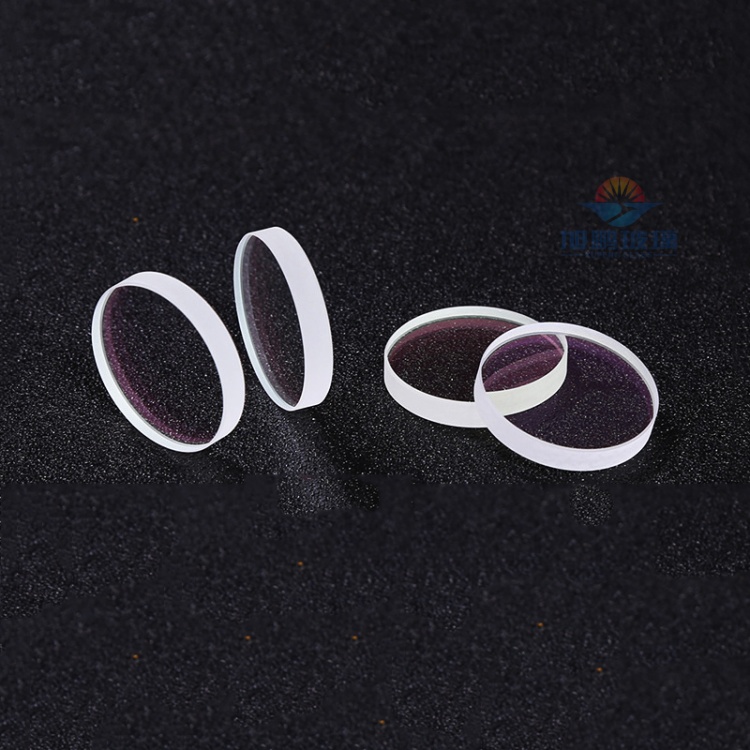 AG / AR
Ultra-clear Tempered Glass, Custom Processing Available: Drilling, Etching, AG Coating Silk Printing, AR Coating
Fukuoka fit: HMI covers, outdoor kiosk windows and control panels that need clear readability with controlled glare.
 Optical
Corning EXG Glass Wafer Double-Sided Polished for Custom Semiconductor Glass Wafers & Solar Panels
Fukuoka fit: Kyushu semiconductor, MEMS and precision electronics programs needing flat, low-alkali substrates.
 CNC
CNC Carved Low Iron Glass Sheet, High-temperature Screen Printed Tempered Glass, Drilled Glass Panel
Fukuoka fit: industrial equipment panels, appliance covers and instrument windows with holes, cut-outs and fired graphics.
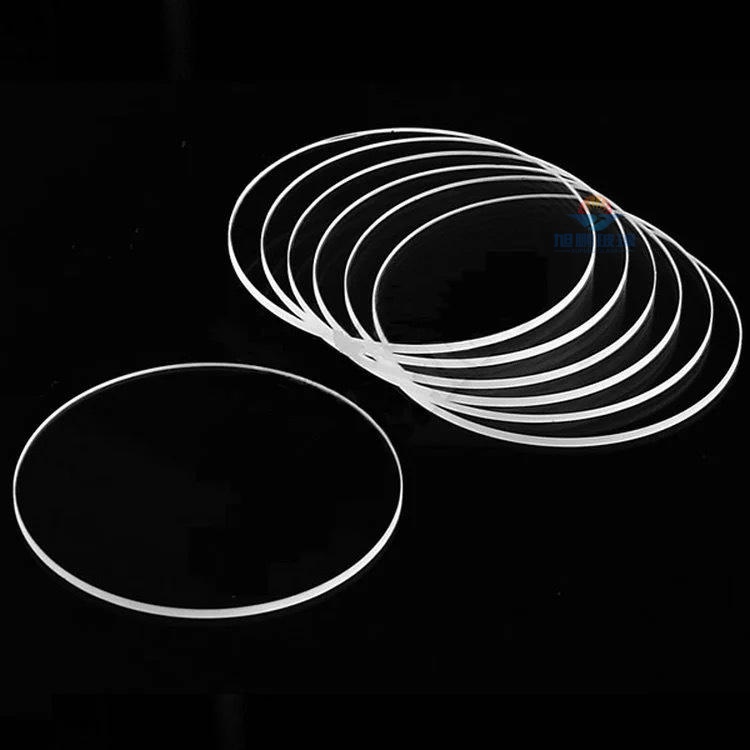 UV
Corning EXG Alkali-Free Glass, UV High-Transmittance Optical Window Substrate
Fukuoka fit: UV inspection, photonics and analytical instrument windows where transmission and material stability matter.
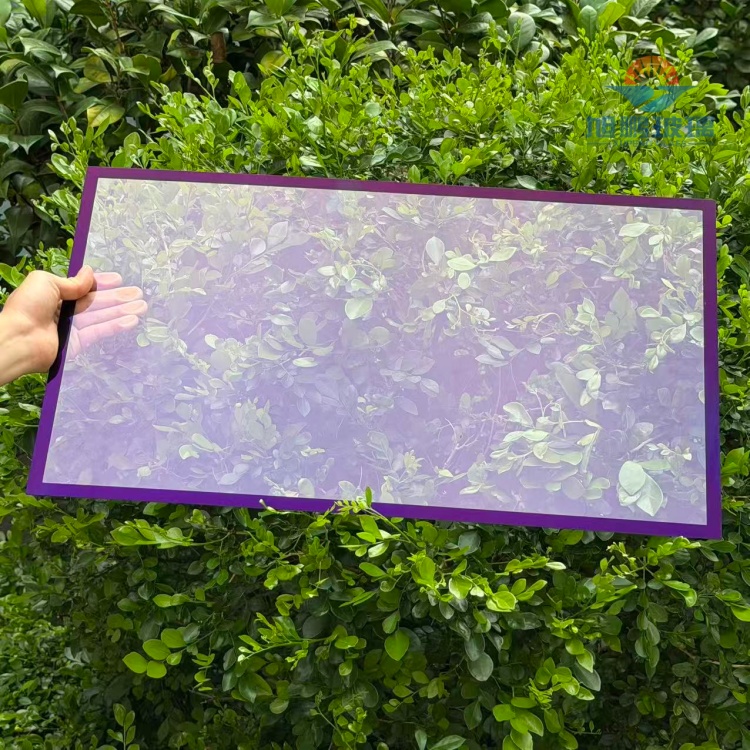 AR
27-inch All-in-One PC AR Coated Glass
Fukuoka fit: AIO PCs, medical review monitors, conference displays and touch modules needing lower surface reflection.
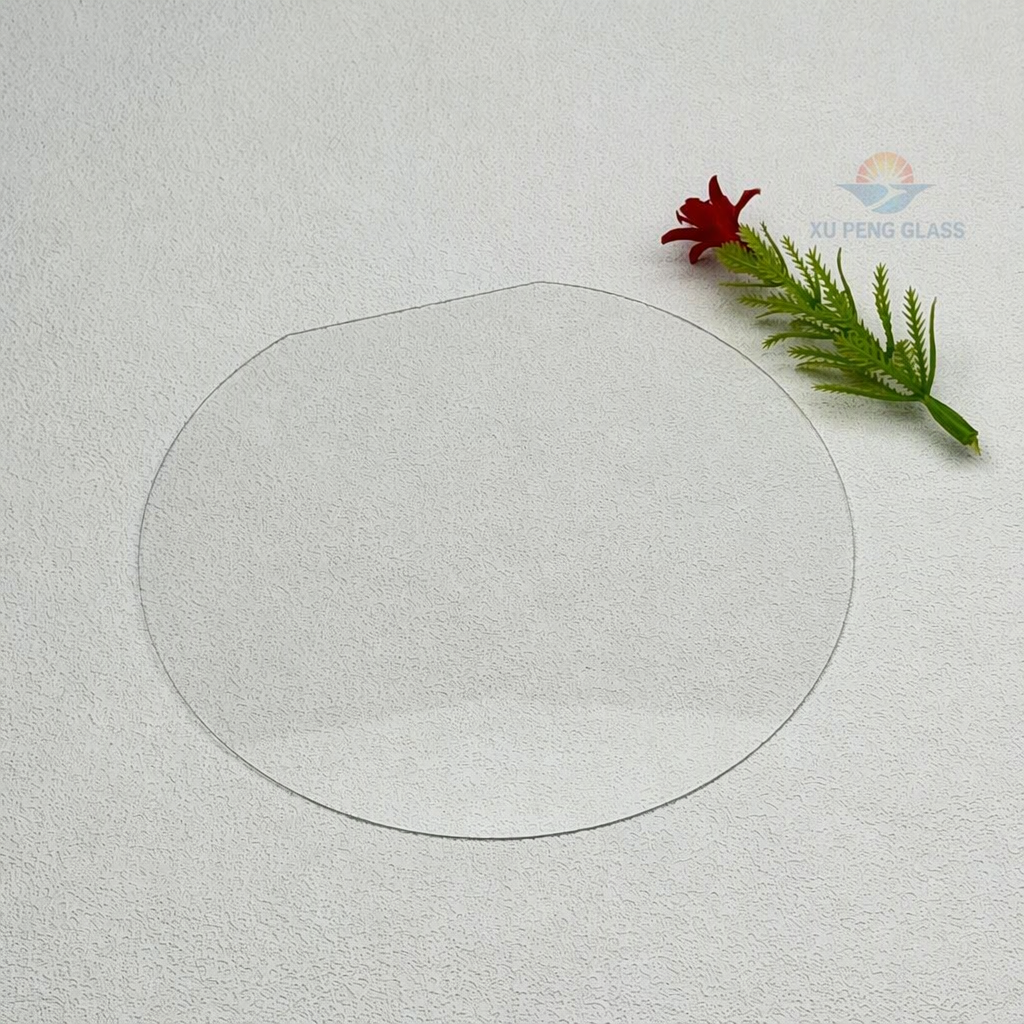 Ultra-thin
 High-precision Optical Glass Wafer, Corning / SCHOTT / Fused Silica
Fukuoka fit: compact sensors, optical instruments, micro-optics and precision devices where thickness control is critical.
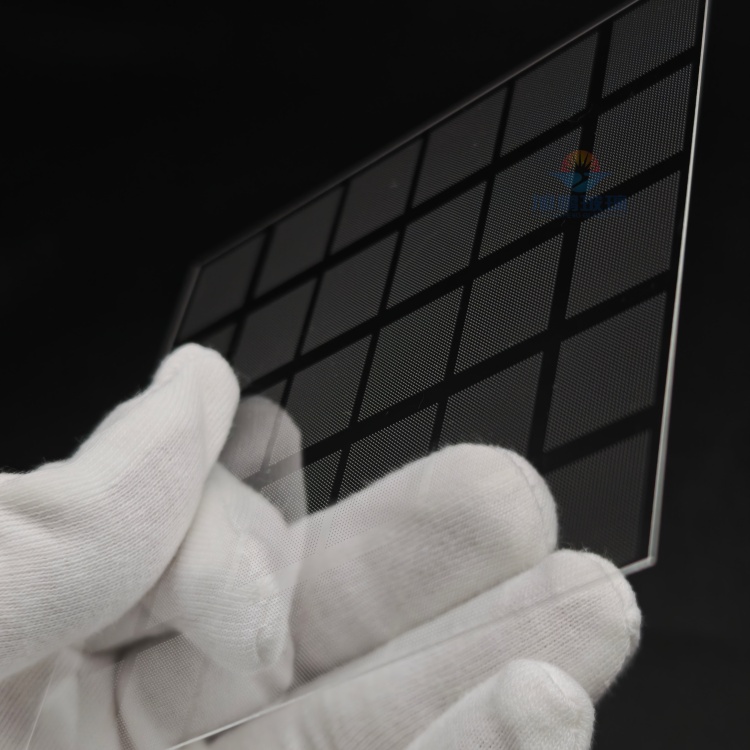 TGV
TGV Drilled Packaging Glass Substrate, Precision Laser Microvia Glass
Fukuoka fit: advanced packaging, RF and sensor modules requiring glass substrates with fine microvias.
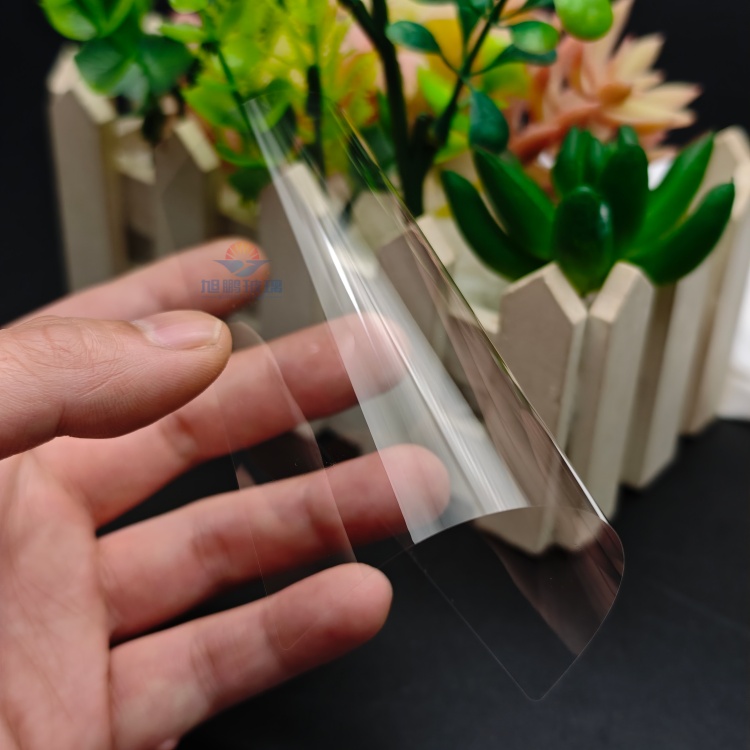 UTG
Ultra-thin Flexible UTG Glass, bendable and foldable, suitable for commercial aerospace and new energy industries
Fukuoka fit: flexible electronics, lightweight sensor covers, aerospace and new-energy prototypes requiring thin glass.
Fukuoka & Kyushu Application Scenarios: Where AG Coated Glass Earns Its Place
Fukuoka is a gateway to Kyushu’s manufacturing base: automotive, semiconductor equipment, electronics, medical devices, robotics, digital signage and new-energy ventures. AG coated glass is selected when ambient light, user comfort, safety and brand perception intersect.
Automotive cockpits & EV displays
Kyushu’s automotive supply chain is moving toward larger center stacks, curved cover glass and mixed AR/AG readability. AG coating controls reflections from windows and overhead lighting; AR can lift contrast and black-level performance when specified together.
Semiconductor & precision electronics
Fukuoka and wider Kyushu host semiconductor, equipment and electronics manufacturing. Corning EXG wafers, TGV glass substrates and polished optical windows require flatness, low particle risk, batch traceability and export packing suitable for clean production environments.
Medical monitors & diagnostics
Fukuoka’s medical and healthcare technology ecosystem needs cleanable, chemically resistant display windows. AG reduces glare for clinicians; tempered or optical substrates are selected according to impact, optical and cleaning requirements.
Outdoor signage & kiosks
Hakata, Tenjin and waterfront public spaces demand sunlight-readable displays. AG glass diffuses veiling glare, ultra-clear low-iron substrate preserves color, and printed black borders can hide bonding areas for a clean industrial design.
Industrial robotics & HMI
Kitakyushu factories use touch HMIs near coolants, oils and bright lighting. AG+AR glass, tempered surfaces and sealed edges improve readability and day-to-day durability in machine control cabinets.
New energy, aerospace & flexible devices
Fukuoka startups and Kyushu manufacturers explore lightweight UTG, high-UV quartz and sapphire windows. Pilot quantities can be discussed before mass production, allowing engineers to validate bending, transmission and environmental durability.
AG vs AR vs AG+AR: A Practical Specification Guide
“AG coated glass” is not a complete specification. A Fukuoka buyer should define the substrate, the anti-glare mechanism, haze and gloss targets, reflection performance, coating durability, printing stack, tolerance and packing. These decisions drive both user experience and total cost.
| Specification Decision | Why It Matters | Practical Selection Note |
|---|---|---|
| Glass substrate | Transmission, color, thermal shock and flatness change the final optical result. | Low-iron ultra-clear glass is common for display covers; Corning EXG is common for alkali-free semiconductor and precision applications; quartz and sapphire are selected for UV, thermal or scratch-critical windows. |
| AG mechanism | Etched AG creates a micro-textured surface; coated AG uses thin-film layers. Cleaning, haze and durability trade-offs differ. | Approve the process route and sample, not just the word “AG.” Confirm whether the surface will be cleaned with alcohol, neutral detergent or other chemicals by the end user. |
| Haze | Haze diffuses light but can reduce sharpness if over-specified. | Do not accept “matte” as a number. Typical project targets may be in the 3–15% range, but the correct value depends on viewing distance, brightness and user population. Define the test method. |
| Gloss | Gloss is often the fastest way to compare surface appearance and glare behaviour. | Gloss unit (GU) must be tied to an angle, such as 60° or 85°. A gloss target without an angle is not a specification. |
| Reflection & contrast | AG scatters specular reflection; AR reduces surface reflection and can raise contrast. | AR-coated surfaces can reach roughly 0.5–1% reflection per side in suitable stacks. AG+AR is chosen when high ambient light and deep blacks both matter. |
| Coating durability | Fukuoka’s humid climate, coastal air near Hakata Bay and daily cleaning can stress a surface. | Agree adhesion, abrasion, humidity and cleaning-chemical test methods before mass production. Tie acceptance to the intended use, not a generic claim. |
| Tempering & printing | Tempered glass provides strength; ceramic ink creates durable borders, windows and icons. | Print and coating order can affect optical performance, edge appearance and adhesion. Confirm the stack sequence on the drawing. |
| Tolerance & inspection | Fit, bonding, sealing and assembly yield depend on edge, hole and flatness control. | Define cut tolerance, edge chip limits, hole position, flatness, coating area, cosmetic zone and packing. A cosmetic zone map prevents disputes. |
| Export packing | Glass is fragile and often high-value; poor packing can erase the benefit of a good unit price. | Use interleaving film or paper, foam corner protection, moisture barrier and fumigation-free wooden crates or reinforced cartons. Label batches for incoming inspection. |
Values are typical reference points for material and process selection. Final specifications must be confirmed against your drawing, sample approval and agreed test standard before mass production.
Localized Trends Reshaping AG Glass Demand in Fukuoka
Fukuoka is not only a regional consumer market; it is a gateway to Kyushu manufacturing and a city with strong digital, medical and service-sector design expectations. The following procurement shifts are visible in RFQs from Japan-facing OEM/ODM programs.
Smaller lots, faster samples
Fukuoka buyers increasingly request 10–50 coated or optical pieces for validation and 100–500 tempered pieces for pilot builds, with faster drawing feedback and packaging that supports incoming inspection.
AG moves from cosmetic to functional
Automotive, medical, kiosk and industrial HMI programs now treat glare control as part of usability and safety. Haze, gloss and reflection targets are moving into the drawing rather than being left as “matte finish.”
Semiconductor precision demand
Expanding semiconductor and electronics investment across Kyushu increases interest in Corning EXG wafers, TGV substrates, optical windows and low-particle packaging for high-value glass components.
Decarbonization and long-life design
Anti-glare glass reduces the need for software brightness compensation and improves passive readability. Durable coatings, lightweight UTG and breakage-reducing export packing support total-cost and sustainability goals.
From Fukuoka Drawing to Export Carton
Every project is reviewed as a manufacturing system: the drawing, the optical target, the mechanical features and the shipping route must agree before mass production begins.
Drawing & DFM review
Send CAD, DXF or PDF with function, size, thickness, tolerance, edge, hole, print and coating requirements. The team checks manufacturability and clarifies missing data before quotation.
Material & coating selection
Choose low-iron, borosilicate, quartz, sapphire or Corning EXG; select AG, AR, AG+AR, tempering and printing according to the Fukuoka end-use environment.
Prototype & sample approval
Approve haze, gloss, transmission, color, edge quality, print position and cosmetic zones under agreed lighting. Samples can be discussed for new projects.
Precision processing
CNC cutting, edging, drilling, hole forming, thermal tempering and high-temperature silk-screen printing are coordinated to the approved drawing.
Coating & quality control
AG/AR coating is applied, then dimensional, visual and optical checks are performed according to the agreed plan. Batch traceability follows the part from raw sheet to packed carton.
Packing & export
Protective film or paper, foam corner protection, moisture barrier and export-grade crates or cartons are prepared for sea, air or express shipment to Fukuoka and Kyushu.


Why Fukuoka Buyers Can Verify This Supplier
Dongguan AUVE Glass Co., Ltd. is a manufacturer and trading company established in 2018, located in Songshan Lake, Dongguan, Guangdong, China. The company integrates R&D, design, production and export of deep-processing glass. Its stated team size is 51–100 employees, with a 1,001–2,000 m² facility and main markets including the United States, Canada, Russia, South Korea, Japan and Australia.
For buyers in Fukuoka, the practical advantage is process consolidation: tempered glass, ultra-clear glass, AG/AR coating, silk printing and optical glass can be discussed within one engineering conversation. The company’s philosophy of “focusing on high-end glass, pioneering and innovating” is supported by in-house processing and a documented quality management approach.
- Business type
- Manufacturer & Trading
- Established
- 2018
- Location
- Dongguan, Guangdong, China
- Team
- 51–100 Employees
- Facility
- 1,001–2,000 m²
- Response
- ≤7 Hours Average
Factory-direct deep processing
Cutting, CNC shaping, edging, drilling, tempering, printing and coating are coordinated under one production flow.
Engineering-led drawing review
CAD, DXF and PDF inputs are checked for manufacturability, optical target, tolerance and packing risk.
Responsive communication
Average response time within 7 hours supports fast sample and quotation cycles for Japan-facing projects.
Optical & dimensional QC
Inspection can cover dimensions, appearance, edge quality, coating appearance and agreed optical parameters.
Export-ready fragile glass packing
Interleaving protection, corner foam, moisture control and wooden crates or reinforced cartons are planned by project.
Verifiable supplier profile
Public supplier pages cover onsite assessment, credit index, transaction level, trade capacity, trade history and buyer reviews.
Exporting to Fukuoka: Ports, Air Freight and Incoterms
For Fukuoka consignees, sea freight commonly moves through Hakata Port or Kitakyushu Port, urgent samples may use Fukuoka Airport, and small coated or optical parts often ship by international express. The right route depends on value, fragility, size and customs arrangements.
Sea, air and express routes
Choose sea freight for larger tempered or printed glass volumes, air freight for urgent samples and express for small optical or coated parts. We can quote according to the consignee’s location in Fukuoka, Kitakyushu, Kurume or the wider Kyushu area.
Incoterms and customs clarity
Accepted delivery terms include FOB, CFR, CIF, EXW, DDP, DDU, DAF and express. For first orders into Japan, confirm the importer of record, consumption tax, customs broker and whether DDP simplifies or complicates your internal accounting.
Packing for fragile glass
Interleaving film or paper, foam corner protection, moisture barrier, batch labels and fumigation-free wooden crates or reinforced cartons are selected by size and route. Packing expectations should be agreed before shipment, especially for large AG-coated panels.
Frequently Asked Questions from Fukuoka OEM & ODM Buyers
These are the questions procurement and engineering teams ask most often when sourcing AG coated glass, AR glass, tempered printed glass and optical substrates from a China-based factory.
Do you export AG coated glass to Fukuoka and Kyushu?
Yes. Japan is one of the stated main export markets, and shipments can be discussed for Fukuoka, Kitakyushu and wider Kyushu. Delivery can be quoted by sea, air or express, with FOB, CFR, CIF, EXW, DDP, DDU, DAF or express terms depending on your import setup.
Can you match a Japanese drawing with AG haze and gloss targets?
Yes. Send the CAD, DXF or PDF drawing with thickness, tolerance, coating area, haze, gloss angle and cosmetic requirements. The factory reviews manufacturability before production, then sample approval should be based on the agreed test method and lighting conditions.
What is the difference between AG and AR coating?
AG anti-glare coating diffuses specular reflection to reduce glare, often using an etched micro-textured surface or a functional coating. AR anti-reflective coating reduces surface reflection and can improve contrast and black-level appearance. AG+AR combines both when high ambient light and low reflection are needed.
What MOQ applies to Fukuoka OEM/ODM projects?
MOQ depends on material and process. Many coated and optical glass parts start from 10–50 pieces, while standard ultra-clear tempered parts typically start from 100–500 pieces. Sample and pilot quantities can be discussed for new Fukuoka projects.
How do you protect glass during shipment to Japan?
Export packing can include interleaving film or paper, foam corner protection, moisture barrier and fumigation-free wooden crates or reinforced cartons. Batch labels help incoming inspection. Packing and handling expectations should be confirmed before shipment, especially for large AG-coated panels.
Can you combine AG coating with tempered glass, silk printing and holes?
Yes. The production scope includes CNC cutting, edging, drilling, tempering, high-temperature silk-screen printing and AG/AR coating. The drawing should show the print stack, coating area, hole positions and cosmetic zones so the process route can be reviewed as one system.
What files are needed for an engineering review?
Send a CAD, DXF or PDF drawing with size, thickness, tolerance, edge, hole, printing, coating and packing requirements. If you have a target display, sample or test standard, include it with the RFQ. Photos of the final assembly are also useful for understanding the actual viewing condition.
How fast can I receive a technical response?
The stated average response time is within 7 hours. For a faster review, include the drawing, quantity, target market, AG/AR requirement and required delivery term in the first message.
Send Your Drawing for an AG Glass Engineering Review
Share your size, thickness, tolerance, AG haze/gloss target, AR requirement, printing and edge details. The team will review material, process route and export packing — usually within 7 hours.
info@auveglass.com · Dongguan AUVE Glass Co., Ltd.