Eight Glass Products for Electric Switch, Socket, Control and Optical Projects
Charlotte buyers sourcing OEM/ODM electric switch glass usually compare four things at once: fit to the electrical device, edge and hole quality, print durability, and the surface finish seen by the end user. The products below cover tempered switch covers, AR display windows, printed control panels, ultra-thin substrates and high-end optical materials so a single supplier can support multiple stages of a project.

CNC Carved Low Iron Glass Sheet, High-temperature Screen Printed Tempered Glass, Drilled Glass Panel
A practical choice for decorative switch plates, appliance control windows and branded wall panels that need CNC carving, drilled holes and fired-in graphics that resist daily cleaning.
View product details →
High-transmittance AR Coated Optical Glass, Ultra-clear Tempered Glass
For smart switch displays, touch-control windows and illuminated control panels where reflections reduce readability; AR coating improves contrast while tempered low-iron glass supports durability.
View product details →
Corning EXG Glass Wafer Double-Sided Polished for Custom Semiconductor Glass Wafers & Solar Panels
A high-end alkali-free substrate for semiconductor, solar and precision electronic projects where flatness, surface quality and repeatable dimensional control matter.
View product details →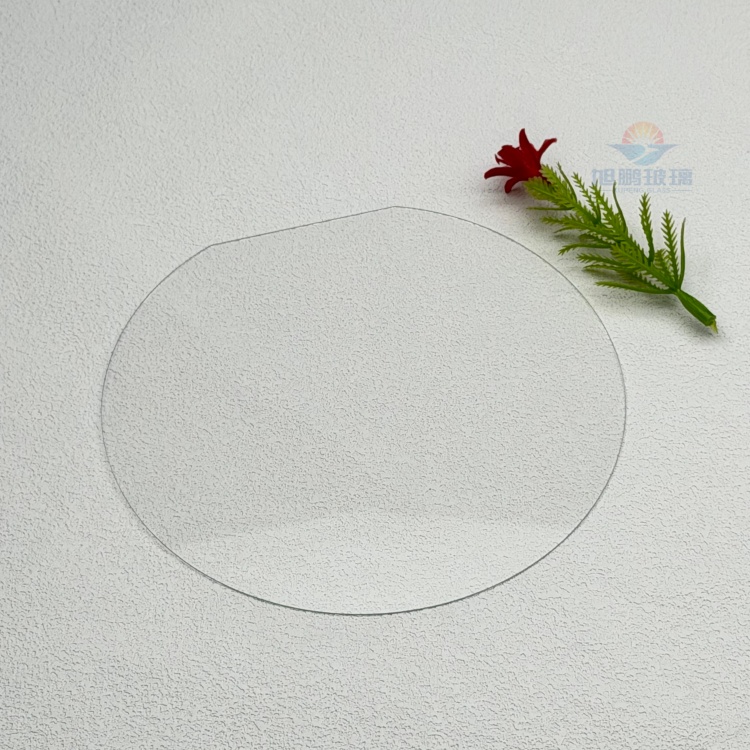
Round Aluminosilicate Glass with Chamfered Ground Edges and Metal Coating
Useful for premium touch points, metal-look decorative switch covers and instrument windows where chamfered edges, circular formats and coating consistency are important.
View product details →
Corning Ultra-Thin Glass Sheet, Optical Grade Glass Wafer Substrate with Chamfered Edge
A thin optical-grade substrate option for compact controls, sensor windows and display stacks where space is limited and edge handling must be carefully controlled.
View product details →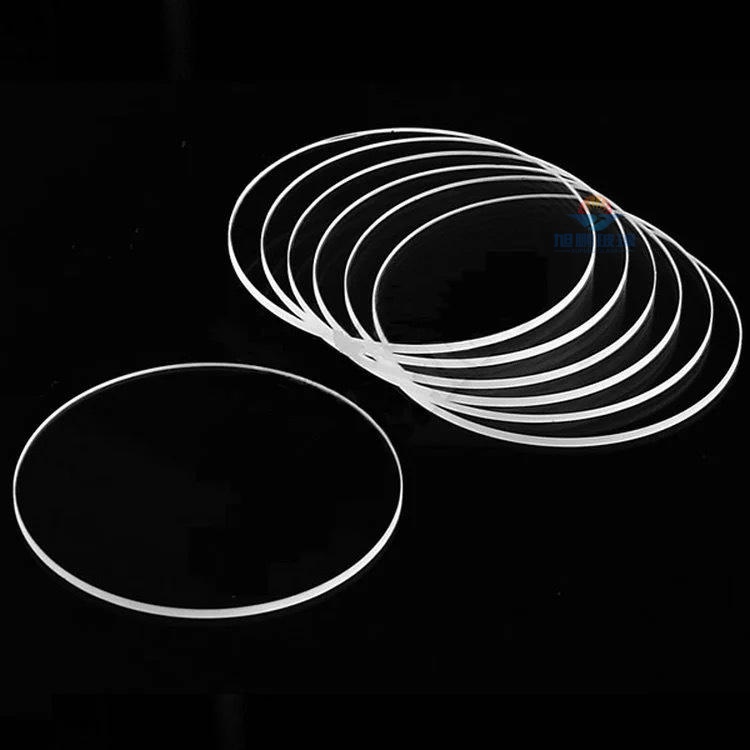
Corning EXG Alkali-Free Glass, UV High-Transmittance Optical Window Substrate
For UV-sensitive equipment, optical windows and technical control surfaces requiring high transmittance and low alkali content; final performance is confirmed against the agreed drawing and test standard.
View product details →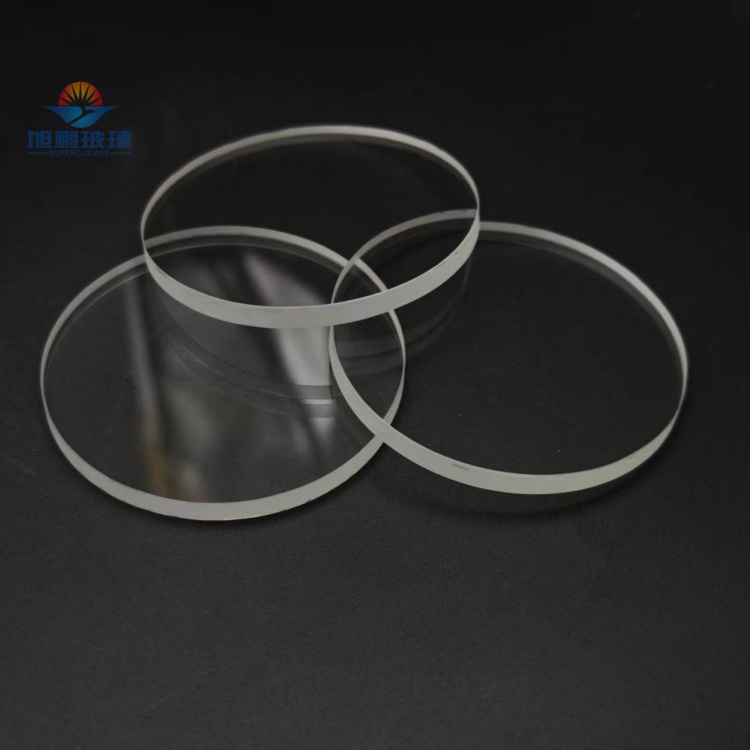
K9 Optical Glass (K9 Crystal Glass) for Optical Instruments
A familiar borosilicate crown material for lenses, prisms, instrument windows and decorative optical glass components; CNC edging and precision polishing can be quoted with print or coating needs.
View product details →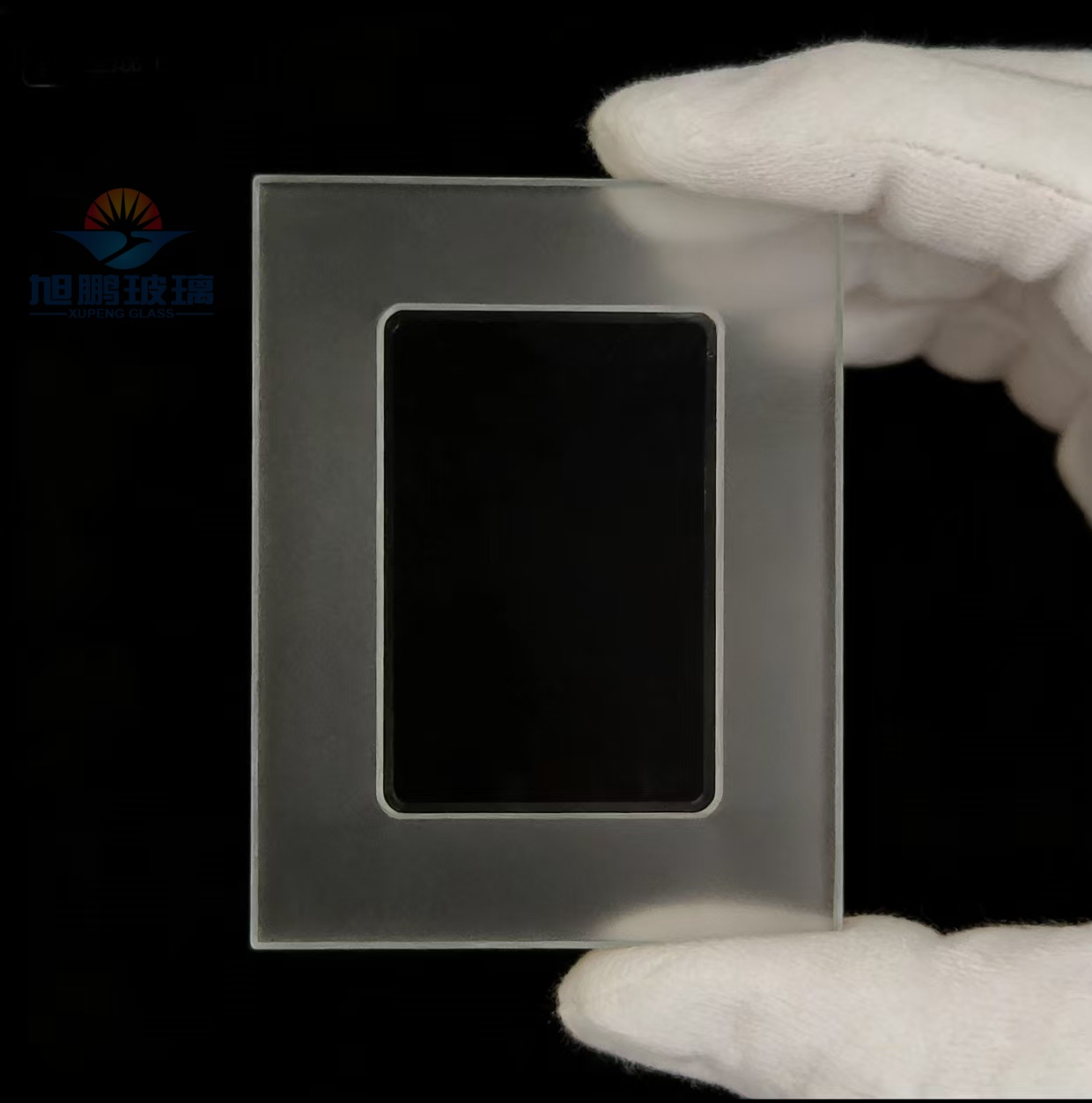
Custom Ultra-White Clear Tempered Glass Socket Decorative Cover for Stairways
A direct fit for wall switch, socket and stairway decorative cover programs; ultra-white tempered glass can be custom cut, drilled, edge-ground and printed to align with interior finishes.
View product details →What Charlotte Electric Switch Glass Projects Usually Get Wrong
In Charlotte’s growing electrical, lighting-control, hospitality, multifamily and advanced-manufacturing supply chain, switch glass is often treated as a cosmetic purchase. That assumption creates avoidable costs later. A switch cover or control-panel lens must fit the device, survive repeated cleaning, maintain print alignment, tolerate edge and hole variances, and present a consistent colour under architectural lighting. For OEM and ODM programs, the glass component also has to remain repeatable across production lots.
Material clarity is not a generic “clear glass” decision
Low-iron tempered glass, ultra-white glass, aluminosilicate glass and optical glass behave differently under lighting. Iron content can create a green edge tint; surface flatness influences reflection; coating changes contrast; thickness affects perceived quality and assembly. For Charlotte interior projects, sample approval under the actual lighting condition is more reliable than choosing from a screen image.
Assembly tolerance matters more than the catalogue photo
Switch glass must align with wall plates, sockets, keypads, housings and gaskets. Tooling and device makers should confirm cut-out sizes, inner corner radii, hole positions, edge profiles, thickness and print registration before mass production. Where compliance is required, final certification responsibility remains with the electrical device manufacturer or assembler; the glass supplier should work to the approved drawing and agreed inspection criteria.
Local project rhythm depends on export discipline
Charlotte buyers often need samples for design review, pilot quantities for field trials, and then repeatable bulk shipments for builders, distributors or OEM lines. That rhythm requires clear drawings, packing protection, batch identification and predictable communication. Supported Incoterms and shipping routes should be discussed early so the purchase team can plan duty, freight and receiving time without surprises.
Where Electric Switch Glass Is Used in Charlotte and the Carolinas
Charlotte is not a single market. Uptown commercial interiors, South End hospitality projects, multifamily developments, advanced-manufacturing plants and electrical distributors all influence the same glass component in different ways.
Residential and multifamily switch plate upgrades
Builders and interior designers around Charlotte, Ballantyne, Lake Norman and surrounding communities use glass switch covers to lift perceived finish quality in kitchens, bathrooms, stairways and feature walls. Low-iron tempered glass with a clean edge and subtle print can match quartz counters, tile and premium hardware. For repeat multifamily work, batch size and colour consistency matter as much as the first sample.
Hospitality and commercial interiors
Hotels, restaurants, retail fit-outs and creative offices often specify printed glass switch plates, room-control surrounds and socket decorative covers. Ceramic-ink printing can carry logos, icons, room numbers or custom graphics. An AR or anti-glare finish may be added where display readability matters. For Charlotte hospitality FF&E teams, protective packing and repeatable replacement parts are essential.
Smart home and lighting-control interfaces
Touch keypads and digital lighting controls need a surface that balances appearance with optical function. Ultra-clear glass with AR coating can improve display contrast; AG anti-glare treatment can soften harsh reflections; printed icon windows must align precisely with internal LEDs and sensors. The glass should be reviewed as part of the full control stack, not as an isolated decorative part.
Electrical OEM and distributor programs
Distributors and private-label brands need predictable MOQs, packaging that protects fragile glass, and repeatable dimensions from shipment to shipment. Glass switch covers can be supplied with printed branding, kitting and batch labeling upon agreement. Clear drawing control is especially important when one OEM serves multiple sales channels or when a distributor stocks replacement parts for contractors.
Advanced manufacturing and industrial HMI
Charlotte’s advanced-manufacturing base includes equipment builders and process-control teams using glass windows, HMI covers and protective panels. These projects often prioritize cleanability, edge quality, chemical resistance of printed graphics, and stable optical transmission. For technical panels, thickness, flatness, coating and hole geometry should be documented before quotation.
Architectural and stairway socket glass covers
Decorative socket and stairway covers can be produced in custom outlines, ultra-white tempered glass and selected print colours. The goal is visual continuity with wall material while preserving access to the electrical device. DFM review should check drill-hole spacing, edge stress points and whether the cover will be cleaned with abrasive or solvent-based products after installation.
Charlotte-Area Demand Trends That Affect Switch Glass Specifications
Specification decisions are shifting from “will it look good?” to “will it integrate, clean, ship and repeat?” These trends are visible across electrical products, smart-building controls, hospitality interiors and advanced-manufacturing supply chains connected to Charlotte.
Electrification and retrofit work
More controls, energy-management devices and upgraded electrical systems mean more interfaces on the wall. In retrofit projects, glass covers must fit existing boxes or adapters and still deliver a clean visual upgrade. Early coordination between the electrical device drawing and the glass drawing reduces field adjustments.
Touch-first and smart-building controls
Charlotte commercial projects increasingly evaluate touch keypads, sensor windows and display-integrated controls. AR coating, AG anti-glare etching, anti-fingerprint surface treatment and thin optical substrates become specification topics rather than afterthoughts. The right combination depends on the light source, viewing angle and display behind the glass.
Premium low-iron and ultra-white aesthetics
Designers continue to reject visible green edges in premium interiors. Ultra-clear or low-iron glass with controlled edge polishing is often preferred for upscale switch plates and decorative socket covers. Colour consistency between batches is especially important for hotels, multifamily towers and repeat retail programs.
Durability and cleanability expectations
Switch glass is touched frequently and cleaned often. High-temperature ceramic ink, properly tempered glass, cleanly ground edges and coatings selected for the cleaning chemical will outperform decorative prints that fade or scratch. Buyer teams should state cleaning expectations and any disinfectant exposure during sample approval.
Documentation and supply resilience
North American buyers increasingly ask for drawing control, batch identification and dimensional inspection records. Depending on the project, AUVE Glass can support incoming inspection with agreed dimensional and visual criteria. This does not replace the customer’s regulatory certification, but it helps reduce ambiguity between engineering, purchasing and receiving teams.
Lower-risk export packing and delivery planning
Glass switch covers are small in value compared with a stalled installation schedule. Protective film, interleaving material, foam corner protection and wooden crates or reinforced cartons are selected by part geometry and route. Charlotte shipments can be discussed with FOB, CFR, CIF, EXW, DDP, DDU, DAF or express options, subject to order and destination.
From Drawing to Packed Carton: The OEM/ODM Switch Glass Route
Dongguan AUVE Glass integrates R&D, design, production and export under one roof in Songshan Lake, Dongguan. This deep-processing structure supports a short feedback loop between the customer drawing, engineering review, sample approval and production, which is useful for Charlotte buyers who need both standard products and custom glass parts.
Drawing and DFM review
Send CAD, DXF, PDF, a physical sample or a clearly dimensioned sketch. Include glass type, thickness, overall size, cut-outs, holes, edge profile, print artwork, coating requirement, tolerance and packaging expectation. The engineering team reviews manufacturability before quotation so risks are visible early.
CNC cutting, edging and drilling
CNC shaping supports switch-plate outlines, drilled holes, chamfers, ground edges and selected grooves. Inner corner radii and hole spacing should be reviewed against glass strength and assembly clearance. Edge quality is critical for both appearance and handling safety.
Tempering and heat treatment
Flat and curved thermal tempering can be applied where the design and safety requirement support it. Tempering is not automatically suitable for every thin or heavily drilled layout, so the process route should be selected after reviewing thickness, hole pattern, edge condition and application.
Silk-screen printing
High-temperature ceramic ink supports logos, icons, borders, IR windows and graphic layers that are fired into the glass. Multi-colour printing, print registration and ink selection should be agreed with the artwork and viewing distance in mind. This is especially relevant for branded switch plates and control panels.
AR, AG and functional coating
AR anti-reflective coating reduces surface reflection for display windows; AG anti-glare treatment diffuses harsh light; metal coating, mirror coating and other functional finishes can be reviewed for decorative or technical parts. Final transmittance, haze and appearance criteria should be confirmed on the approved sample.
Inspection and export packing
Inspection can cover dimensions, appearance, edge condition, print and coating according to the agreed criteria. Finished parts are protected with film or interleaving material, foam corners and wooden crates or reinforced cartons. Batch labeling helps receiving teams separate part numbers and production lots.
Verified Company Facts and Process Coverage
AUVE Glass was established in 2018 and operates with a team of 51–100 skilled employees in a 1,001–2,000 m² facility. Average response time for technical inquiries is within 7 hours. The company profile, credit index, transaction level, trade capacity, trade history and buyer reviews are available for independent review.
Drawing review and DFM
CAD / DXF / PDF review before quotation
CNC cutting and drilling
Custom outlines, holes, chamfers and edging
Tempering
Flat and curved tempered glass options
Silk-screen printing
High-temperature ceramic ink graphics
AR / AG coating
Functional optical surface treatments
Export packing
Protective packaging for fragile glass parts
Process coverage shown as a visual workflow indicator, not as a production-capacity guarantee. Final specifications, tolerances and inspection criteria are confirmed per drawing and order.
A Practical OEM/ODM Partner for Charlotte Switch-Glass Programs
Buyers need a manufacturer that can discuss material, fit, finish and packing without passing the project between multiple unrelated suppliers. AUVE Glass is structured around deep-processing glass, with export experience across the United States, Canada, Russia, South Korea, Japan, Australia and other markets.
Factory-direct deep processing since 2018
Dongguan AUVE Glass Co., Ltd. is a deep-processing glass manufacturer integrating R&D, design, production and export in Songshan Lake, Dongguan. The company processes flat and curved tempered glass, ultra-white glass, LCD and touch screen glass, smart control panel glass, LED lamp glass, instrument glass, AR high-transmittance glass and AG anti-glare glass.
Broad material and finish coverage
Projects can be reviewed across low-iron tempered glass, silk-screen printed glass, AR/AG coated glass, K9 optical glass, quartz glass, sapphire glass, borosilicate, Corning EXG alkali-free glass and ultra-thin flexible glass. This range helps when one product family includes both decorative switch covers and technical display windows.
Engineering support for custom drawings
Send a drawing with thickness, tolerance, edge, hole, printing and coating requirements. The team reviews manufacturability before production, covering CNC cutting, edging, drilling, tempering, silk-screen printing and AR/AG coating. Samples and pilot quantities can be discussed for new OEM or ODM switch-glass projects.
Transparent supplier profile
Buyers can review the onsite-checked supplier profile, credit index, transaction level, trade capacity and buyer reviews. This is useful for procurement teams that need more than a generic supplier statement.
Export packing and flexible terms
Fragile glass parts require more than a standard carton. Export packing is designed around part size, edge exposure and shipping method, with protective film, interleaving, foam protection and wooden crates or reinforced cartons where appropriate. Supported delivery terms include FOB, CFR, CIF, EXW, DDP, DDU, DAF and express delivery.
Responsive communication and documentation
For Charlotte buyers working across time zones, clear written communication reduces errors. AUVE Glass reports an average response time within 7 hours. Technical questions, drawings, quantity and delivery address can be sent to info@auveglass.com for an engineering review and quotation.
Frequently Asked Questions from Charlotte Glass Buyers
These are the questions engineering, sourcing and project teams ask most often when evaluating OEM/ODM electric switch glass suppliers.
Can you manufacture electric switch glass to fit our existing wall plate or OEM enclosure?
Yes. Send a CAD, DXF, PDF, 3D model, clear scan or physical sample with the required thickness, cut-outs, hole positions, edge profile, surface finish, print artwork and coating. The engineering team reviews the drawing for manufacturability and confirms the quotation basis. If a design creates high stress around holes or sharp inner corners, they may recommend a small radius or process adjustment before production.
What glass is best for switch and socket covers in Charlotte homes, hotels and commercial spaces?
For decorative switch and socket covers, ultra-clear low-iron tempered glass or ultra-white glass is usually preferred because it reduces the green edge tint and supports a premium interior finish. For display-integrated controls, AR or AG coated glass may be more appropriate. Where a technical window or high-end material is required, aluminosilicate, K9 or other optical materials can be reviewed. Final choice depends on impact requirement, cleaning method, appearance target and electrical device design.
How do you support compliance for US electrical products?
AUVE Glass manufactures to the approved drawing and agreed inspection criteria. Final certification and compliance responsibility for a finished electrical product remains with the device manufacturer, assembler or brand owner. Where required, material and dimensional documentation can be discussed for the customer’s own qualification process. We do not claim that a glass component independently certifies an electrical assembly.
What MOQ and lead times should a Charlotte buyer expect?
MOQ depends on material and process. Many coated and optical glass parts can start from 10 to 50 pieces, while standard ultra-clear tempered parts typically start from 100 to 500 pieces. Sample and pilot quantities can be discussed for new projects. Lead time depends on drawing approval, sample approval, material availability and production scheduling; it should be confirmed in the quotation rather than assumed from a catalogue page.
How is fragile switch glass packed for export to Charlotte?
Packing is selected according to size, thickness, edge exposure and shipping route. Typical protection includes surface film or interleaving material, foam corner protection and wooden crates or reinforced cartons. Batch labels help receiving teams identify part numbers and production lots. Sea, air and express shipment can be discussed with FOB, CFR, CIF, EXW, DDP, DDU, DAF or other agreed terms.
Can we get samples, and how do we start an OEM/ODM inquiry?
Send the drawing, target quantity, application, delivery city, required finish and any compliance or inspection documents to the engineering team. For Charlotte projects, include whether the glass is for a wall switch cover, socket cover, lighting control, HMI panel, optical window or decorative assembly. The team can then recommend material, process route, sample plan and quotation. Use the quote button or email info@auveglass.com to begin.
Send Your Switch Glass Drawing for a Charlotte-Ready Engineering Review
Share your size, thickness, tolerance, edge, hole, printing, coating and packaging requirements. AUVE Glass will review the drawing, confirm the practical process route and respond with a quotation basis—usually within 7 hours.
Get a Quote