OEM/ODM Electronic Display Glass Factory & Suppliers for San Francisco
Custom tempered, AR/AG coated, ultra-clear, optical, and flexible glass for Bay Area display, semiconductor, medical, AI hardware, and smart-device OEM/ODM programs.
Eight Display & Optical Glass Products for San Francisco OEM/ODM Programs
These eight product families cover the most common Bay Area requests: semiconductor wafers, AR-coated display windows, CNC low-iron glass, AIO PC cover glass, Schott B270/D263T ultra-thin blanks, 0.03 mm flexible glass, precision-polished round tempered panels, and high-transmittance optical glass. Each link preserves the original product path so engineers can evaluate material, finishing, and drawing requirements without a long discovery cycle.

Corning EXG Glass Wafer Double-Sided Polished for Custom Semiconductor Glass Wafers & Solar Panels
Double-side polished alkali-free wafer for semiconductor carriers, photonics, and solar-related substrates. Suitable for South San Francisco labs and San Jose advanced-packaging teams that need flatness, clean surfaces, and drawing-based processing.

Wafer Glass Thickness for Circuit Board, Chip, Solar & Silicon Ingot Substrates
A wafer-glass substrate family for circuit-board, chip, solar, and silicon-ingot related tooling. The value is dimensional control, edge quality, and material traceability for prototype builds and repeat production.

CNC Carved Low-Iron Glass Sheet, High-Temperature Screen Printed Tempered Glass, Drilled Glass Panel
CNC-carved low-iron glass with high-temperature screen printing and drilled features. A strong fit for Bay Area control panels, appliance interfaces, and instrument windows that combine graphics with holes and tight edge work.
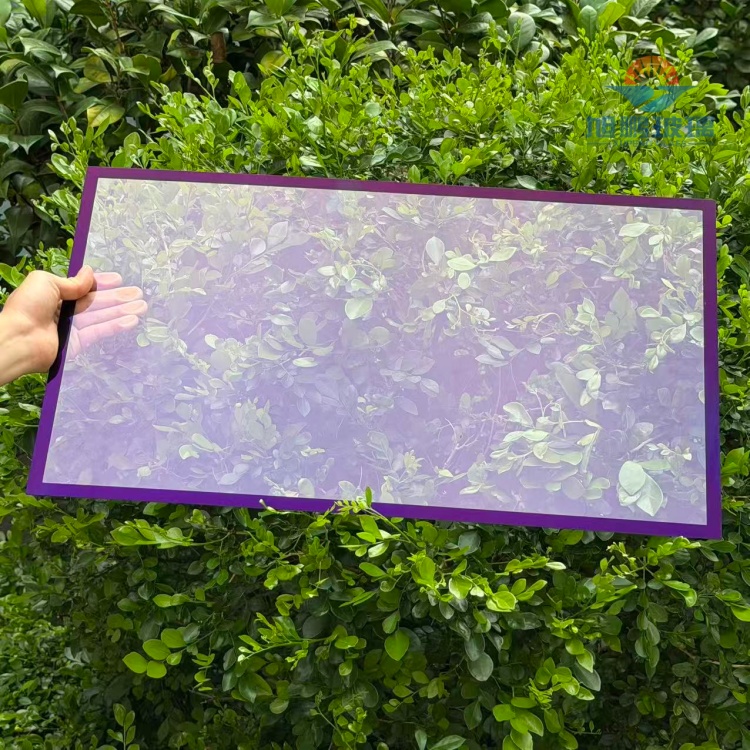
27-inch All-in-One PC AR Coated Glass
Large-format AR-coated cover glass for all-in-one PCs and commercial displays. It reduces surface reflection so UI contrast remains stable in bright offices, labs, showrooms, and collaborative workspaces.
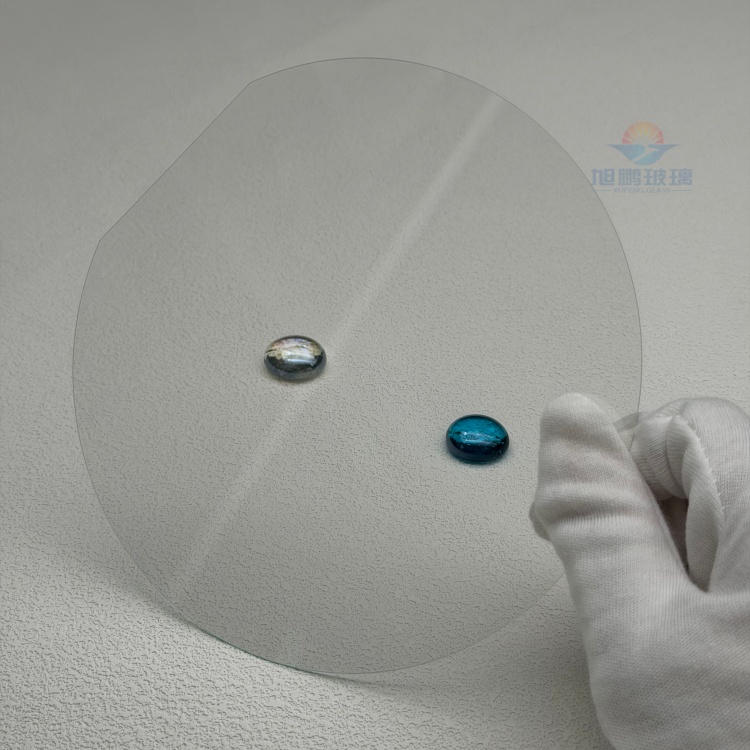
Ultra-thin Optical Glass Sheets Schott B270/D263T Semiconductor Electronic Glass Blank Cutting & Processing
Ultra-thin Schott B270/D263T optical glass blanks with cutting and processing support. Useful for teams developing compact optical modules, sensors, micro-display assemblies, and inspection windows.
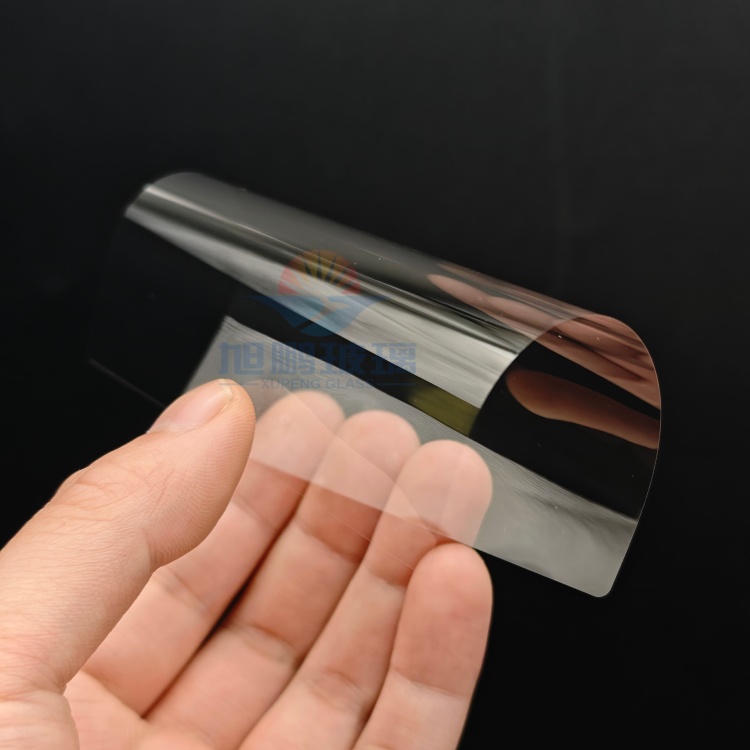
0.03 mm Ultra-thin Flexible Bendable Glass
0.03 mm flexible bendable glass for foldable and flexible electronics. San Francisco wearables, AR/VR, and consumer-hardware teams can evaluate this ultra-thin material for lightweight cover and substrate concepts.
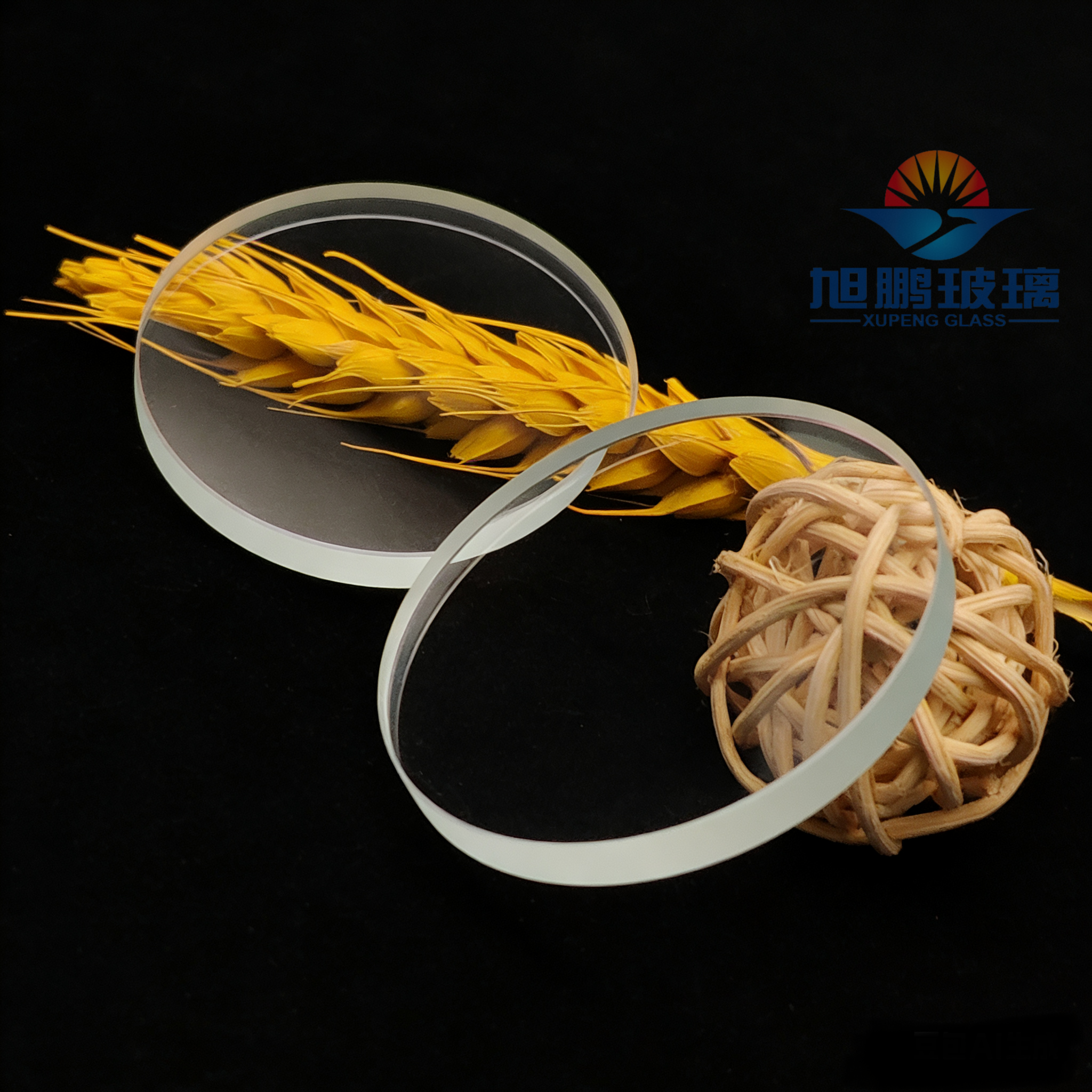
Low Iron Round High Transmittance Tempered Glass Panel with Precision Polished Edges, Flat Clear Glass
Precision-polished low-iron round tempered glass with high transmittance. The format suits lighting, sensor windows, circular interface covers, and design-driven hardware where edge quality and clarity matter.

High-transmittance AR Coated Optical Glass, Ultra-clear Tempered Glass
High-transmittance AR-coated optical glass and ultra-clear tempered glass for display windows, touch modules, and optical instruments. A practical choice when both durability and low surface reflection are required.
Why San Francisco OEM Teams Choose Drawing-Led Electronic Display Glass
San Francisco product teams rarely buy glass as a commodity. They buy a predictable interface between the user and the electronics: an optical window, a touch surface, a sensor cover, a wafer carrier, or a sealed instrument face. That interface must survive real handling, cleaning, glare, temperature, and assembly pressure while still meeting the visual intent of the product.
Drawing-First Engineering
CAD, DXF, and PDF drawings let our engineers review thickness, tolerance stack, edge profile, hole position, printing, and coating before production. For Bay Area hardware teams, this front-end manufacturability review reduces late-stage rework when a display bezel, gasket, or touch module is already fixed.
Material Breadth Without Multiple Vendors
Low-iron tempered glass, AR/AG coating, high-temperature silk-screen printing, K9 optical glass, fused quartz, sapphire, Schott B270/D263T, Corning EXG alkali-free glass, and ultra-thin flexible glass can be sourced through one qualified manufacturer. This simplifies sampling and keeps material language consistent across engineering and procurement.
Process Integration That Protects Yield
Cutting, CNC shaping, edging, drilling, tempering, printing, coating, and inspection are coordinated under one production route. Combined processing matters because the order of holes, printing, tempering, and AR/AG coating can affect flatness, ink adhesion, optical performance, and packing protection.
San Francisco and Bay Area Application Scenarios for Electronic Display Glass
From South San Francisco biotech labs to San Jose semiconductor teams and San Francisco consumer-hardware studios, glass specifications change with the environment. The right choice balances optical clarity, mechanical strength, coating durability, cleaning method, and assembly tolerance.
AI Hardware, Edge Computing & Commercial Displays
Bay Area AI appliance makers and commercial display integrators use AR-coated cover glass, low-iron tempered panels, and optical windows for all-in-one PCs, conference-room interfaces, server HMIs, and edge devices. A 27-inch AR cover glass can improve perceived contrast in bright open offices, while low-iron glass keeps edge color neutral for white or light-colored industrial design.
Life Sciences, Medical & Laboratory Instruments
South San Francisco biotech, Mission Bay research, and Berkeley lab teams often need optical windows, sensor covers, and instrument faces that tolerate repeated cleaning. Low-iron glass, borosilicate, fused quartz, and sapphire options can be evaluated against the cleaning agent, sterilization cycle, and optical band required. Final material validation should always be completed with the device maker.
AR/VR, Wearables & Flexible Electronics
San Francisco consumer-hardware teams use ultra-thin optical glass, AR wafers, and 0.03 mm flexible bendable glass to prototype lighter optical stacks, curved cover concepts, and foldable display envelopes. Thin glass is not only a thickness decision; edge treatment, handling, lamination, and particle control strongly influence yield during pilot builds.
Outdoor Kiosks, EV Charging & Smart City Interfaces
Fog, low sun angles, touch traffic, and coastal salt air make outdoor readability a system problem. AG anti-glare glass can diffuse harsh reflections, AR coating can raise contrast, and tempered low-iron glass can provide mechanical durability. Printed icons, hidden windows, and anti-fingerprint treatments should be specified together with the display brightness and enclosure seal.
Semiconductor, Photonics & Advanced Packaging
Corning EXG alkali-free glass, Schott B270/D263T, fused quartz, sapphire, and double-side polished wafers support semiconductor equipment, photonics, and advanced-packaging development in the Bay Area. Flatness, surface quality, edge chips, cleaning, and cleanroom-compatible packing can matter as much as the raw glass grade, especially for pilot lines.
Marine, Environmental & Industrial Instruments
San Francisco Bay operators and environmental-instrument builders need viewports and sensor windows that resist moisture, salt exposure, and temperature swings. Tempered glass, fused quartz, and sapphire can be specified with polished edges and protective coatings. Glass alone is not a seal; gasket design, frame flatness, torque control, and coating compatibility must be validated together.
San Francisco Sourcing Trends Reshaping Electronic Display Glass Specifications
Procurement behavior in the Bay Area is moving toward faster engineering cycles, verifiable suppliers, and better field performance. These trends change how OEM buyers should write RFQs and how suppliers should present evidence.
Faster NPI and Low-Volume High-Mix Builds
San Francisco hardware teams often move from concept to pilot in weeks. RFQs increasingly ask for 10–50 piece samples, mixed sizes, and rapid drawing feedback before a larger PO. A factory that can review manufacturability early and keep process notes tied to the drawing is more valuable than a catalog supplier that only quotes standard sheets.
Supply Chain Resilience and Verified Suppliers
Buyers now check onsite verification, credit index, transaction level, trade history, and buyer reviews before adding a glass supplier to an approved vendor list. For display glass, resilience also means understanding which processes are in-house, how batch traceability works, and how fragile parts are packed for air, ocean, or DDP delivery.
Optical Comfort in Real Environments
Display specifications are shifting from “clear glass” to measurable user experience. San Francisco fog, low-angle sun, bright labs, and touch-heavy interfaces push buyers to compare AR reflection, AG haze, low-iron transmission, anti-fingerprint performance, and printed black borders. Testing with the actual display brightness and viewing angle is more useful than comparing coating names alone.
Sustainable Packaging and Damage Reduction
Broken glass creates material waste, schedule delay, and unnecessary air freight. Bay Area buyers increasingly ask for interleaving film or paper, foam corner protection, reinforced cartons or fumigation-free wooden crates, batch labels, and packing photos. Right-sized protective packing is a practical sustainability measure because it protects yield and reduces replacement shipments.
Glass Selection Guide for Bay Area Display, Optical, and Semiconductor Teams
Use this quick-reference table to shortlist a material before sending a drawing. Final specifications should always be confirmed against your drawing, cleaning process, coating target, tolerance, and agreed test method.
| Material / Format | Best-Fit San Francisco Use | Engineering Note | Available Finishing |
|---|---|---|---|
| Low-iron tempered glass | Control panels, AIO PC covers, appliance interfaces, light boxes | Neutral edge color and high visible clarity; tempering grade and edge quality affect strength. | CNC cutting, drilling, edge polishing, silk-screen, AR/AG |
| AR-coated display glass | Touch modules, commercial displays, instrument windows, showroom screens | Reflection targets must be matched to wavelength range and viewing conditions. | Single- or double-side AR, tempering, printing, laser-shaped holes |
| AG anti-glare glass | Outdoor kiosks, EV chargers, industrial HMIs, bright public interfaces | Haze and gloss are trade-offs; validate readability with actual display brightness. | Etched AG, AG+AR, tempered, printed black border |
| Silk-screen printed tempered glass | Instrument panels, appliance covers, switch plates, branded interfaces | High-temperature ceramic ink fuses into glass; color and registration need drawing review. | Multi-color printing, IR windows, holes, edge grinding |
| Corning EXG alkali-free glass | Semiconductor wafers, MEMS, photonics, advanced packaging | Low alkali content and thermal stability are critical for clean processes. | Double-side polishing, wafer dicing, edge shaping, clean packing |
| Schott B270 / D263T | Thin optical windows, sensors, micro-display assemblies, lab instruments | Thin-glass handling, edge chipping, and lamination method influence yield. | Precision cutting, polishing, coating, CNC edging |
| Fused quartz | UV curing, disinfection equipment, high-temperature viewports | High UV transmission and thermal shock resistance depend on grade and surface quality. | Thick-gauge cutting, polishing, drilling, annealing |
| Sapphire glass | Scratch-critical sensor covers, high-temperature windows, rugged instruments | Hardness is high, but cost and finishing route should be reviewed early. | Cutting, polishing, chamfering, coating |
| 0.03 mm flexible glass | Foldable displays, wearables, curved optical stacks | Handling, static control, and edge treatment are central to pilot-line success. | Precision cutting, edge strengthening, thin-film lamination support |
Typical reference values and application notes are for material shortlisting only. Production specifications are confirmed against the approved drawing, sample, coating target, and inspection standard before mass production.
AUVE Glass Factory Advantages for OEM/ODM Electronic Display Glass Programs
Dongguan AUVE Glass Co., Ltd. is a deep-processing glass manufacturer integrating R&D, design, production, and export. Founded in 2018, the company serves OEMs, brand owners, and distributors with flat and curved tempered glass, ultra-clear low-iron glass, AR anti-reflective glass, AG anti-glare glass, silk-screen printed glass, and precision optical materials.
Drawing Review and DFM Support
Send a CAD, DXF, or PDF drawing with thickness, tolerance, edge, hole, printing, coating, quantity, and target date. The engineering team reviews manufacturability before production and helps identify process conflicts before tooling or samples are released.
In-House Cutting, CNC, and Edging
Automatic and CNC cutting, edge grinding, beveling, grooving, drilling, and shape processing support glass parts that must fit real enclosures. Clean edges and controlled hole positions matter for display gaskets, touch modules, and instrument assemblies.
Tempering and Thermal Processing
Flat and curved thermal tempering can improve impact and thermal resistance for display covers, lighting glass, appliance panels, and industrial windows. Thickness, edge quality, hole spacing, and print coverage are reviewed together because they influence tempering behavior.
AR/AG Coating and Silk-Screen Printing
AR anti-reflective, AG anti-glare, mirror, and functional coatings can be combined with high-temperature ceramic ink for logos, black borders, IR windows, and icons. Coating and printing requirements should be defined together because order of processing affects final appearance and durability.
QC, Batch Traceability, and Packing
Dimensional, visual, and optical checks are aligned to the approved drawing and sample. Batch labeling and protective packing help San Francisco buyers trace incoming parts, reduce handling damage, and keep pilot builds organized across multiple glass types.
Export Logistics and Flexible Terms
AUVE supports FOB, CFR, CIF, EXW, DDP, DDU, DAF, and express delivery, with export packing designed for fragile glass parts. Products are exported to the United States, Canada, Russia, South Korea, Japan, Australia, and other markets, so Bay Area buyers can align freight, customs, and delivery terms with their supply chain.
Credentials San Francisco Buyers Can Verify Before a Purchase Order
For B2B glass sourcing, trust should be checkable. These supplier links support due diligence before sampling or placing a production order, alongside drawing review, sample approval, and your own incoming inspection plan.
Onsite-Checked Supplier
Premises and legal status confirmed through third-party onsite verification.
View report →Credit Index
Transparent credit profile built on real trading behavior and supplier records.
Check index →Transaction Level
Verified online transaction records with overseas buyers and repeat order signals.
See level →Ratings & Reviews
Buyer feedback on quality, delivery, and service can be reviewed before a PO.
Read reviews →FAQ from San Francisco Procurement and Engineering Teams
These are the questions Bay Area buyers ask most often when comparing OEM/ODM electronic display glass factories and suppliers.
Can AUVE supply OEM/ODM electronic display glass to companies in San Francisco and the Bay Area?
Yes. AUVE supports OEM and ODM programs for San Francisco and Bay Area companies that need custom display glass, optical glass, tempered glass, AR/AG coated glass, or semiconductor-related glass parts. Send your drawing, target quantity, application, and delivery city. The team can review manufacturability, recommend a material and process route, and quote against the agreed specification. For Bay Area projects, mention whether you need express delivery, air freight, ocean freight, or DDP terms to a local warehouse.
How do we move from a CAD drawing to a production-ready glass part?
A typical drawing review needs a CAD, DXF, or PDF file with thickness, overall size, tolerance, edge profile, hole positions, printing colors, coating requirements, quantity, and target date. If the design is still open, share the display size, enclosure interface, cleaning method, target transmittance or reflection, and expected environment. The engineering team then reviews cutting, CNC, drilling, tempering, silk-screen printing, and coating sequence before sampling. Production should not start until the drawing, sample, and inspection standard are aligned.
Which glass is best for outdoor displays exposed to San Francisco fog, glare, and salt air?
For outdoor kiosks, EV chargers, and public interfaces, AG anti-glare glass can diffuse harsh reflections while AR coating can raise display contrast. Tempered low-iron glass can provide clarity and mechanical durability. Salt air affects frames, gaskets, and coating durability as much as the glass itself, so the enclosure design and cleaning chemistry should be reviewed together. AG and AR involve trade-offs in haze, transmission, and cost. Validate the final stack under real display brightness, viewing angles, and cleaning conditions rather than selecting a coating by name alone.
What are typical MOQ, sample, and lead-time expectations for San Francisco buyers?
MOQ depends on material and process. Many coated and optical glass parts can start from 10 to 50 pieces, while standard ultra-clear tempered parts often start from 100 to 500 pieces. Sample and pilot quantities can be discussed for new projects. Lead time depends on the drawing, coating, printing, tooling, and inspection requirements. Technical inquiry response averages within 7 hours, but production lead time is confirmed only after engineering review and sample approval. For urgent Bay Area pilot builds, ask for a schedule that separates sample approval from mass production.
How do you pack and ship fragile glass to California?
Export packing is designed for fragile glass parts and can include interleaving film or paper, foam corner protection, reinforced cartons, fumigation-free wooden crates, batch labels, and packing photos. AUVE supports FOB, CFR, CIF, EXW, DDP, DDU, DAF, and express delivery. For California shipments, DDP can simplify customs for some buyers, but the importer should confirm terms with its broker. Clear labeling by part number, batch, and quantity helps receiving teams inspect incoming glass without mixing pilot and production lots.
Can you combine AR/AG coating, tempering, printing, and CNC processing in one order?
Yes. Processes can include CNC cutting, edging, drilling, tempering, high-temperature silk-screen printing, AR/AG coating, and inspection. Combining steps reduces handling and vendor coordination, but the process order matters. Holes, printing, tempering, and coating can affect flatness, edge strength, ink adhesion, and optical performance. Include all requirements in the RFQ and ask for a process-sequence review before tooling or samples are released.
What quality documents and inspection criteria can procurement teams request?
Procurement teams can request drawing review notes, dimensional inspection plans, visual inspection criteria, coating transmission or reflection targets, edge quality requirements, packing photos, and batch labels. Final inspection standards should be agreed before mass production. For medical, semiconductor, or other regulated applications, the buyer remains responsible for final device-level validation; the glass supplier should support material and process traceability but should not replace the OEM’s regulatory validation work.
How fast will a San Francisco inquiry receive a technical response?
Send your drawing, quantity, application, and delivery city to start an engineering review. AUVE’s average response time for technical inquiries is within 7 hours. To speed up the review, include the display size, glass type if known, surface finish, AR/AG requirement, printing colors, edge and hole details, target sample date, and whether you prefer express, air, ocean, or DDP delivery. A complete RFQ usually shortens the path from first inquiry to a reliable quotation.
Send Your San Francisco Display Glass Drawing for an Engineering Review
Share your size, thickness, tolerance, edge, hole, printing, coating, quantity, and delivery target. AUVE will confirm material, process route, packing, and lead time so your Bay Area team can move from design review to sample approval with fewer unknowns.
info@auveglass.com