Eight Reference Products for Glass Socket Plate & Precision Glass Programs
These eight production references show the material, wafer, thin-glass, tempering, drilling and printed-glass envelope behind custom OEM/ODM glass socket plate projects. Product URLs are retained exactly as supplied; use the live chat CTA for socket-plate-specific drawings, module matching and Taguig delivery review.
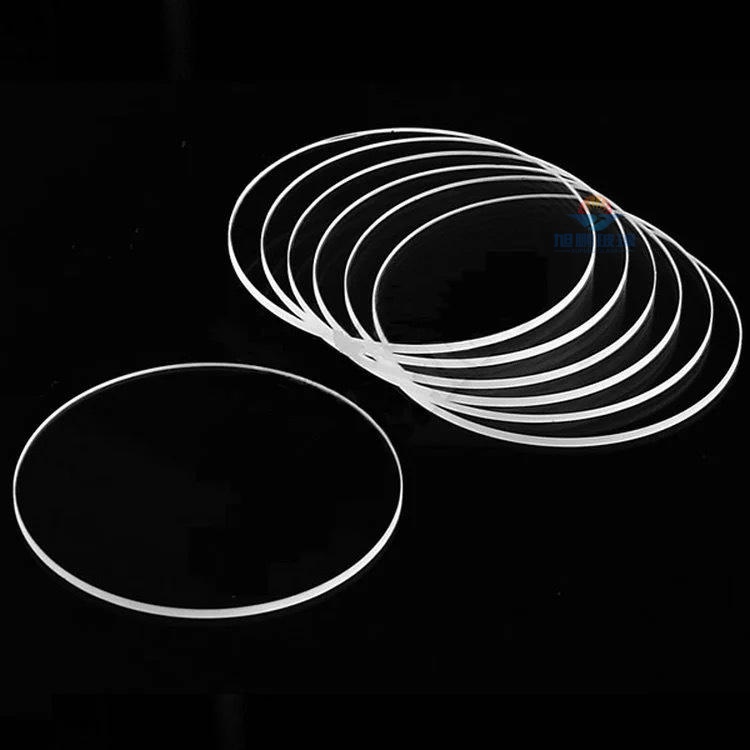
Corning EXG Alkali-Free Glass, UV High-Transmittance Optical Window Substrate
Alkali-free glass reference for high-transmission windows, sensor covers and premium optical faceplate concepts.
View product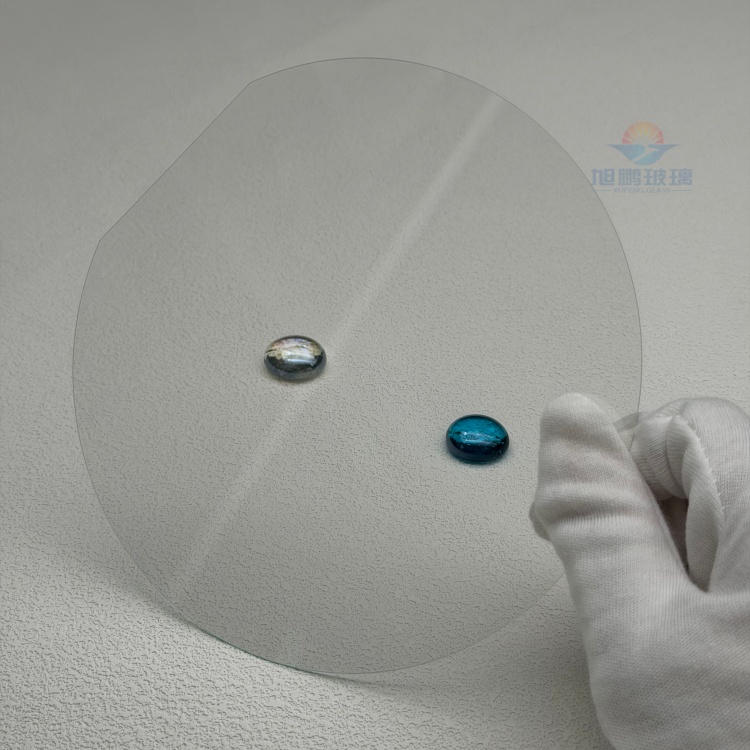
Ultra-thin Optical Glass Sheets Schott B270/D263T Semiconductor Electronic Glass Blank Cutting & Processing
Thin glass blanks for precision cutting, edge treatment and display-cover evaluation.
View product
Precision CNC Cut & Holed, High-temperature Silk Screen Tempered Glass, Drilled Ultra-clear Small Round Glass Discs
Directly relevant to socket plate cut-outs, drilled apertures and high-temperature ceramic ink graphics.
View product
Wafer Glass Thickness Circuit Board Chip Solar Silicon Ingot Substrate
Reference for flatness, thickness control and substrate handling in high-precision industrial glass.
View product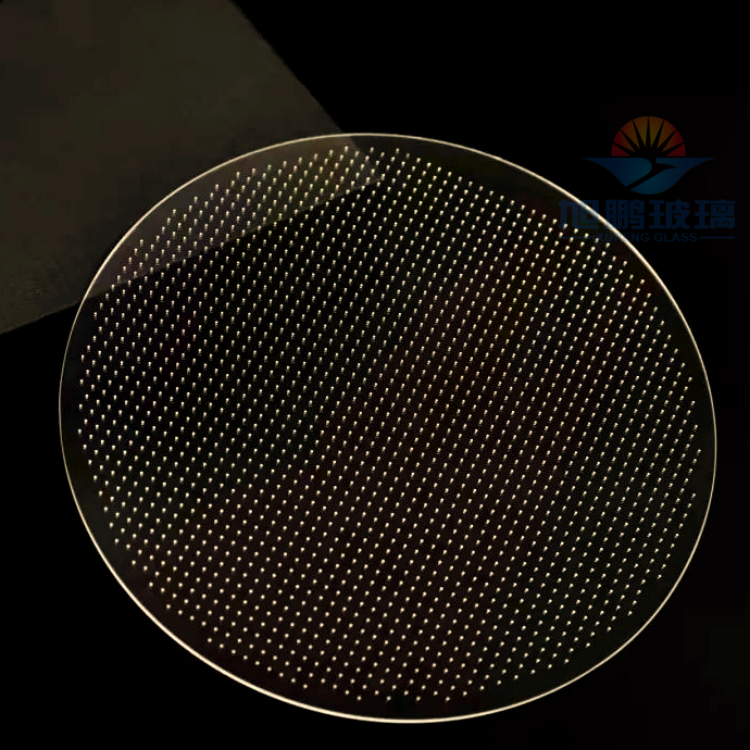
Schott BF33 TGV Microvia Glass Wafer, Packaging Substrate for Sensors & Chips
Borosilicate wafer reference for advanced electronics packaging, microvia concepts and sensor windows.
View product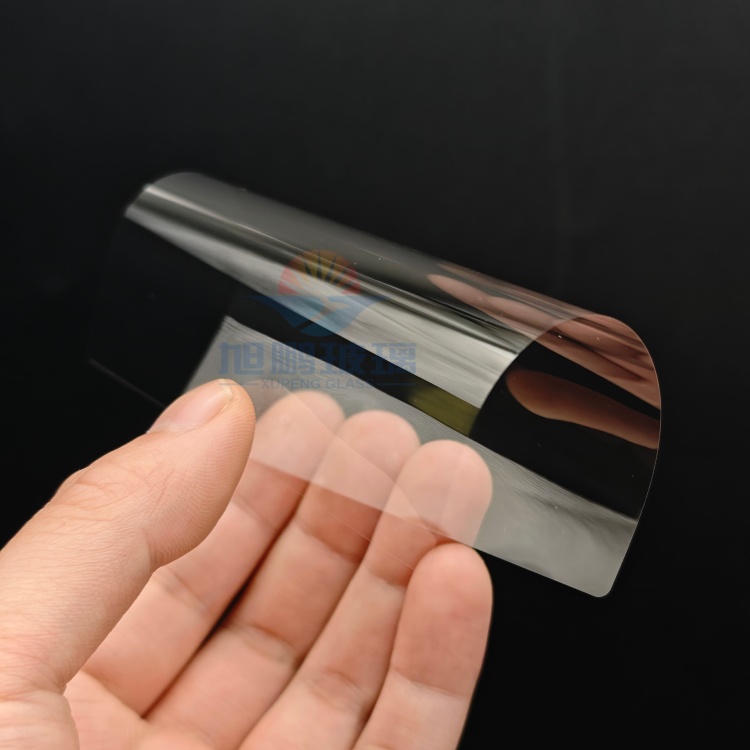
0.03 mm Ultra-thin Flexible Bendable Glass
Ultra-thin glass reference for slim laminates, curved controls and flexible interface research.
View product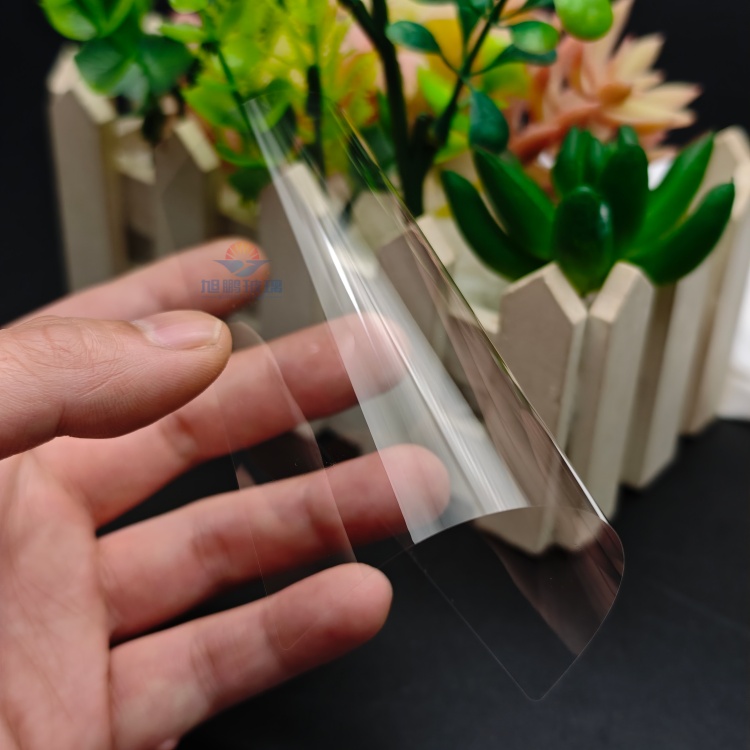
Ultra-thin Flexible UTG Glass, Bendable and Foldable, Suitable for Commercial Aerospace and New Energy Industries
Lightweight flexible glass reference for curved, impact-sensitive or space-constrained assemblies.
View product
Welding Black Filter Glass, Beveled Edge Grinding, Long Irregular-shaped Welding Filter Glass
Dark glass reference for high-contrast viewing windows, beveled edges and irregular shapes.
View productNote: the shortlist above preserves every supplied product URL. For a dedicated glass socket plate RFQ, send the switch/socket module drawing, plate outline, hole positions, print artwork, surface finish and target order quantity through the inquiry CTA.
Glass Socket Plates for Taguig: A Specification-Led, Not Commodity, Purchase
A glass socket plate is the visible, touchable faceplate that frames an electrical switch or socket module. The glass itself does not carry current; the certified electrical insert behind it does. That distinction matters in Taguig because premium developments in BGC, McKinley Hill, Arca South and the wider Metro Manila market often combine imported interior modules, local electrical practice, mock-up approvals and high visual standards.
From a Drawing to a Fit-Out-Ready Glass Faceplate
For OEM/ODM buyers, the scope is not simply “a piece of glass.” It is a system of module fit, cut-out placement, edge safety, print registration, coating durability, flatness, packaging and replacement-part consistency. A 0.3 mm error at a screw boss, a print that shifts under tropical humidity, or a carton that fails at Manila offloading can erase the perceived value of the glass.
Taguig buyers usually evaluate three layers at once: the design layer seen by the client, the engineering layer checked by the contractor, and the supply layer managed by procurement. A factory-direct partner should be able to discuss all three. That is why AUVE’s quotation process begins with a manufacturability review rather than a simple price per square meter. We check thickness, edge profile, drill spacing, ink coverage, coating side, packing method and shipping terms before production.
Illustrative Taguig project weighting
Qualitative planning model used to compare glass socket plate suppliers. Final weights should be agreed with the project team.
Where Glass Socket Plates Create Value in Taguig Interiors
Taguig is not a single market. It includes premium residential towers, corporate offices, hospitality projects, retail environments, mixed-use estates and technology-driven workspaces. Each setting creates a different brief for glass socket plates.
BGC premium residences
Kitchen islands, vanity walls, home offices and entryways benefit from scratch-resistant, easy-clean glass faceplates that match imported cabinetry, stone and metal trims.
Hospitality and serviced apartments
Hotel rooms, lobbies and serviced residences use bedside switch plates, lighting controls and socket covers as part of a coordinated interior language.
Corporate offices & PEZA IT parks
Meeting rooms, reception counters and executive floors need repeatable glass plates with precise logos, room numbering and module compatibility across floors.
Smart-home control points
Touch panels, scene controllers and socket plates can be unified with dark or ultra-clear glass, selective print windows and anti-fingerprint surface treatments.
Retail, F&B and showrooms
High-traffic interiors value glass surfaces that resist cleaning agents, fingerprints and visual wear while supporting brand colors and printed wayfinding.
Property management & replacement stock
Developers and facility teams need consistent replacement plates months after handover. Batch labeling, retained artwork and stable material sourcing reduce maintenance friction.
Local Development Trends Shaping Glass Socket Plate Demand
Buyers serving Taguig are responding to a more demanding built environment. The opportunity is not just to sell a glass plate; it is to supply a repeatable, documented and design-ready component that performs in Metro Manila conditions.
Premium mixed-use fit-outs
High-rise offices, residences and hospitality projects continue to compete on finish quality. Glass socket plates are specified as a visible upgrade rather than a hidden commodity.
Smart controls & touch interfaces
Lighting, HVAC and access control are converging into wall-mounted interfaces. Buyers need print windows, AR/AG options and flat glass that integrates with electronic modules.
Import-led supply chains
Many Taguig projects combine international design, regional modules and China-based custom manufacturing. Factory-direct coordination reduces re-quoting and sample drift.
Humidity, cleaning & durability
Tropical humidity and frequent cleaning make edge quality, ink adhesion, coating choice and export packing part of the product requirement, not an afterthought.
Metal and plastic plates still have a role in cost-sensitive work. Glass earns its place where the client values depth of finish, color stability, scratch resistance, cleanability and a premium tactile experience. The decision should be made from the module, installation method and maintenance plan—not from appearance alone.
Selection and Specification Guide for Taguig OEM/ODM Glass Socket Plates
Use this guide to prepare a clearer RFQ. Final specifications must be confirmed against the electrical module, installation method, artwork, cleaning chemicals and applicable project requirements.
| Parameter | Recommended starting point | Why it matters in Taguig projects |
|---|---|---|
| Substrate | Low-iron ultra-clear tempered glass for most decorative faceplates; optical or borosilicate glass where clarity, heat or chemical resistance is critical. | Low-iron glass avoids green edge tint, which is more noticeable in premium lobbies, bright residences and retail lighting. |
| Thickness | Typically 3–6 mm for decorative socket plates; thinner specialty glass only after handling and breakage review. | Thickness affects weight, edge feel, flatness, screw depth and the safe clearance around the electrical insert. |
| Module compatibility | Confirm the exact switch/socket brand, insert size and fixing centers: 86 × 86 mm, 118 mm, custom or mixed formats. | A visually perfect plate that does not fit the available module creates site delays and costly rework during fit-out. |
| Cut-outs and holes | CNC cutting and drilling; agree tolerance, hole diameter, countersink, edge clearance and minimum glass-to-hole distance. | Hole and boss positions must match installation tolerances; glass cannot be adjusted on site like a soft plastic plate. |
| Edge profile | Flat polished, small bevel or rounded edge according to design and handling requirements. | Edges are the first contact point during installation and cleaning. A safe, consistent edge improves perceived quality and reduces chipping risk. |
| Printing | High-temperature ceramic silk-screen ink for durable graphics, logos, icons and light windows. | Premium interiors require color consistency across floors and batches; print registration also affects perceived alignment. |
| Surface finish | AR anti-reflective, AG anti-glare, anti-fingerprint or etched finishes can be quoted after a sample review. | AR improves display contrast; AG reduces glare in glass-heavy interiors. The right finish depends on lighting and cleaning practice. |
| Tempering | Flat or curved tempering where the design allows and safety expectations justify it. | Tempered glass offers greater strength than annealed glass, but it must be designed and processed correctly; not every geometry or hole pattern is suitable. |
| Quality checks | Dimensional inspection, visual inspection, print check, edge check, flatness check and packing audit; project-specific tests by agreement. | Taguig buyers often need approval documentation before shipment and replacement consistency after handover. |
| Export packing | Protective film, interleaving paper or foam, corner protection, moisture barrier, labeled inner packs and export-grade outer packing. | Long-haul handling to Manila and onward site delivery requires packing designed for fragile glass, not general cargo. |
Technical values are starting references, not a substitute for project approval. Send the module drawing, plate drawing, artwork, surface requirement, quantity, destination and target installation date for a manufacturability review.
Dongguan AUVE Glass: Factory-Direct Control from Drawing to Export Carton
Dongguan AUVE Glass Co., Ltd. is a deep-processing glass manufacturer integrating R&D, design, production and export. The company is based in Songshan Lake, Dongguan, Guangdong—one of China’s electronics and optoelectronics clusters—and serves OEMs, brand owners and distributors with custom glass made to buyer drawings.
Established manufacturing base
Founded in 2018, with a 1,001–2,000 m² facility and 51–100 skilled employees. Production is organized around custom deep-processing rather than one fixed catalog part.
In-house process depth
CNC cutting, edging, drilling, tempering, silk-screen printing, AR/AG coating, cleaning, inspection and export packing can be coordinated under one quality plan.
Engineering review before quoting
Drawings are checked for manufacturability, tolerance stack-up, edge safety, hole clearance, print feasibility and packing risk before the commercial offer is finalized.
Verification signals buyers can check
Onsite-checked supplier status, credit index, transaction level, trade capacity, trade history and buyer ratings are available through the company profile pages.
Export experience
Products are exported to markets including the United States, Canada, Russia, South Korea, Japan and Australia, with FOB, CFR, CIF, EXW, DDP, DDU, DAF and express options.
Fast technical response
Average response time is within 7 hours. For faster review, include the module drawing, plate outline, print file, quantity and delivery destination in the first message.
Drawing & module review
Receive CAD, DXF, PDF, artwork and electrical module details; identify missing dimensions and process risks.
Material & finish selection
Recommend low-iron tempered, optical, borosilicate or specialty glass, then confirm print, AR/AG and edge requirements.
CNC cutting, drilling & edging
Control outline, holes, cut-outs, edge profile and handling plan before tempering or coating.
Tempering & silk-screen
Process heat-treated glass and high-temperature printed graphics with attention to registration and batch color control.
AR / AG coating & inspection
Apply functional finishes where approved, then check dimensions, appearance, edges, print and surface quality.
Taguig-ready export packing
Protect glass against humidity, handling and transit; label cartons for site distribution and future replacement stock.
Check the Credentials Before You Approve the Sample
For overseas procurement, trust should be verifiable. These company pages provide supplier assessment, transaction and feedback signals that support an informed sourcing decision.
Onsite-Checked Supplier
Premises and legal status confirmed through third-party onsite verification—useful when qualifying a new factory-direct source.
View assessmentCredit Index
A transparent credit profile based on trading behavior, helping buyers compare supplier reliability alongside price and lead time.
Check indexTransaction Level
Verified online transaction records with overseas buyers provide an additional signal for first-order confidence.
See levelTrade Capacity
Review export experience, main markets and production capability before aligning a Taguig delivery schedule.
View capacityTrade History
Documented shipment history across global markets supports realistic planning for samples, production and freight.
View historyRatings & Reviews
Buyer feedback on quality, delivery and service can be reviewed before a project sample is released.
Read reviewsA Practical Path for Taguig Architects, Contractors and Importers
Glass socket plates are usually part of a larger interior package. A disciplined sample and approval sequence prevents costly mismatches between the electrical module, the wall finish and the design intent.
1. Brief and sample module
Provide the module brand, insert drawing, plate outline, hole positions, print file, finish requirement, quantity and target site date. A physical module sample is valuable for first projects.
2. DFM and material proposal
Engineers flag tight clearances, fragile bridge widths, print over holes, coating conflicts and packing risks. A quotation follows the review, not the other way around.
3. Sample / mock-up approval
Approve color, gloss, print position, edge profile, fit and surface feel. For Taguig interiors, review the sample under actual or similar lighting.
4. Production and in-process QC
Cutting, drilling, tempering, printing, coating and packing are checked against the approved sample and drawing. Batch traceability helps future replacement orders.
5. Export and delivery planning
Choose FOB, CFR, CIF, EXW, DDP, DDU, DAF or express based on freight control and customs arrangements. Label cartons by floor, unit or plate type where required.
6. After-sales and reorder
Retain approved drawings, ink codes, coating specifications and packing records. This is essential for phased handovers and property management stock.
Common Questions from Taguig Glass Socket Plate Buyers
These answers address the practical questions asked by architects, electrical contractors, developers, importers and interior fit-out teams.
Are you a factory or a trading company?
Dongguan AUVE Glass Co., Ltd. is a deep-processing glass manufacturer and trading operation. Core processes such as cutting, CNC machining, drilling, edging, tempering, silk-screen printing, coating, inspection and export packing are coordinated under one production and quality system.
Can you produce glass socket plates to our own Taguig project drawings?
Yes, subject to engineering review. Send the plate outline, thickness, hole positions, module drawing, edge requirement, print artwork, surface finish, quantity and destination. We will check manufacturability and confirm the process route before quoting.
What is the typical minimum order quantity?
MOQ depends on material and process. Many coated and optical glass parts can start from 10–50 pieces, while standard ultra-clear tempered parts may start from 100–500 pieces. Sample and pilot quantities can be discussed for new Taguig projects.
How do you match the glass plate to Philippine switch and socket modules?
The safest method is to supply the exact module brand, model, insert drawing and a physical sample if available. We then confirm cut-out size, fixing centers, screw clearance and edge-to-hole distance. Do not rely on a generic “86 type” label alone if the project uses mixed or imported modules.
Which substrate should we choose for a premium residential or hotel project?
Low-iron ultra-clear tempered glass is often the starting point for decorative socket plates because it reduces green edge tint and offers good clarity. Optical, borosilicate or specialty glass may be considered where the brief demands specific transmission, thermal or chemical performance. Final choice depends on design, handling and budget.
Can you print logos, icons, room numbers and light windows?
Yes. High-temperature ceramic silk-screen printing is used for durable graphics, logos, icons and selected light windows. Please supply vector artwork, Pantone references where relevant, print position and coverage. We will review registration, ink layering and any conflict with drilled holes or coatings.
Do you offer AR anti-reflective or AG anti-glare glass?
AR and AG options can be evaluated. AR coating is typically used to improve display contrast and reduce reflections; AG finish helps diffuse glare in bright or glass-heavy interiors. The correct finish depends on lighting, cleaning method and the appearance you want. Approval of a sample is recommended.
How are glass socket plates packed for shipment to Taguig or Metro Manila?
Export packing typically uses protective film or interleaving material, foam or corner protection, moisture-conscious inner packing and labeled export cartons or crates. For high-rise site delivery, carton labeling by floor, unit or plate type can reduce handling errors. Final packing is agreed with the order.
Which shipping terms and methods can you support?
We support FOB, CFR, CIF, EXW, DDP, DDU, DAF and express delivery. For Taguig projects, the practical route depends on Incoterm, freight forwarder, customs setup and whether the buyer wants to control import clearance. We can quote against your preferred terms and packing requirement.
How long does sampling and production take?
Timing depends on drawing completeness, material availability, tooling or print setup, coating requirements and order quantity. A technical review is usually returned within 7 hours on average, but sample and mass-production schedules are confirmed after the drawing, finish and quantity are clear. Plan buffer time for Taguig site sequencing and freight.
Can you support phased deliveries and replacement stock?
Yes, this can be discussed for project-based orders. Retaining approved drawings, print files, material records and packing labels helps make later reorders consistent. For property management, agree a replacement-stock plan before final handover.
What should we include in the first inquiry?
Send the module brand/model, plate drawing in CAD/DXF/PDF, thickness, tolerance, edge profile, hole and cut-out positions, print artwork, surface finish, estimated quantity, destination in Taguig or Metro Manila, target date and preferred Incoterm. If available, include photos of the existing switch/socket and wall condition.
Send Your Glass Socket Plate Drawing for a Taguig-Ready Quote
Share your module detail, plate outline, thickness, hole positions, artwork, surface finish and target quantity. Our engineering team will review manufacturability, material options and export packing before confirming the commercial offer. For projects in BGC, McKinley Hill, Arca South and wider Metro Manila, early review reduces sample iterations and site-fit surprises.