Eight Glass Products for Sapporo OEM, ODM and Wholesale Programs
The product range below reflects the practical mix Sapporo buyers source for display, appliance, architectural, electronic and precision-glass projects. Every item can be reviewed against your drawing, thickness, edge, hole, printing and coating requirements before quotation.

Ultra-thin Optical Glass Sheets Schott B270/D263T Semiconductor Electronic Glass Blank Cutting & Processing
Precision B270/D263T optical blanks for sensor windows, display carriers and electronic glass components, with CNC cutting and edge processing reviewed against your drawing.
View product details
CNC Carved Low Iron Glass Sheet, High-temperature Screen Printed Tempered Glass, Drilled Glass Panel
Low-iron tempered glass with CNC carving, drilled holes and fired ceramic printing for control panels, retail fixtures, LED covers and Sapporo-fit interior assemblies.
View product details
Schott BF33 TGV Microvia Glass Wafer, Packaging Substrate for Sensors & Chips
Borosilicate TGV wafer formats for sensors and chip packaging. Microvia layout, thickness, flatness and inspection criteria can be discussed during the engineering review.
View product details
Corning EXG Glass Wafer Double-Sided Polished for Custom Semiconductor Glass Wafers & Solar Panels
Alkali-free Corning EXG glass wafers with double-side polishing for semiconductor research, MEMS, sensor and solar projects requiring controlled flatness and surface quality.
View product details
Corning Ultra-Thin Glass Sheet, Optical Grade Glass Wafer Substrate with Chamfered Edge
Thin optical-grade glass with chamfer options for compact imaging, display modules and precision instrument assemblies where thickness and edge quality matter.
View product details
Ultra-thin Flexible UTG Glass, Bendable and Foldable, Suitable for Commercial Aerospace and New Energy Industries
Flexible UTG for foldable-display R&D, aerospace prototypes and new-energy devices. Bending radius, edge quality and handling requirements are reviewed before sampling.
View product details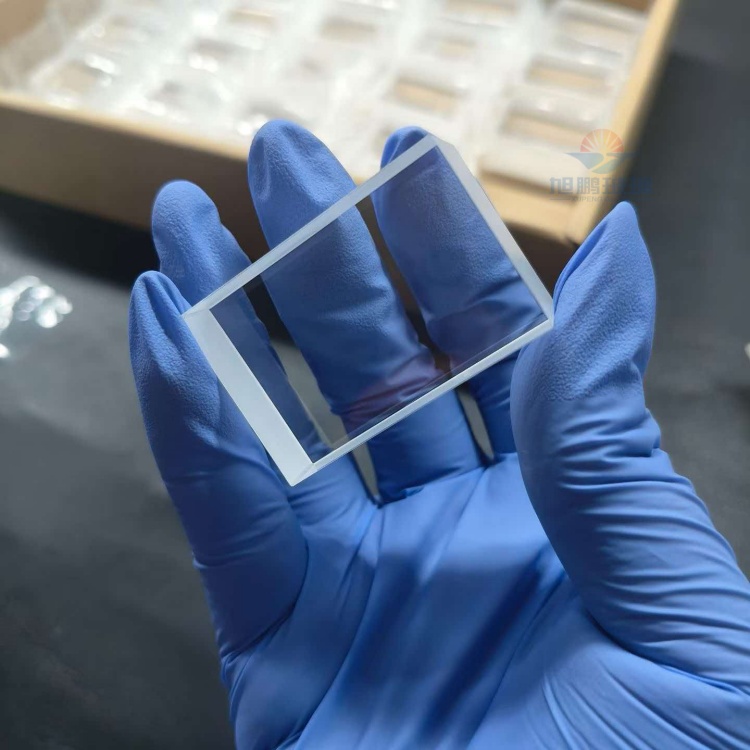
High UV Transmission Thick Gauge Thick Quartz Glass Plate
Fused quartz plates for UV curing, UV disinfection and cold-climate laboratory equipment where UV transmission, thermal shock resistance and flatness are important.
View product details
Precision CNC Cut & Holed, High-temperature Silk Screen Tempered Glass, Drilled Ultra-clear Small Round Glass Discs
Small round ultra-clear discs with CNC holes and high-temperature printing for appliance, sensor and instrument windows that need clean edges and consistent visual clarity.
View product detailsFactory-Direct Clarity for Sapporo's Low-Iron Glass Buyers
Low-iron glass is specified when color neutrality matters: appliance controls, retail display cases, illuminated signage, hotel interiors, instrument windows and architectural partitions. In Sapporo, the visual standard is demanding because winter daylight is scarce and snow reflects light into storefronts and lobbies; a standard clear-glass edge can read green exactly where the design expects clean, icy transparency. Low-iron glass reduces the green cast caused by iron oxide, supports higher visible light transmission and gives designers more control over LED color, white balance and finish consistency.
Low-iron glass alone does not insulate a building. For exterior windows in Sapporo or wider Hokkaido, thermal performance comes from the full glazing assembly—insulated glass unit, low-E coating, warm-edge spacer, framing, ventilation and condensation management. AUVE's role is to fabricate the low-iron glass component to your drawing, with edge work, holes, printing, tempering and coating specified and inspected. The guidance in this page is written for sourcing and engineering teams comparing suppliers for Sapporo projects. Final material, tolerances, inspection methods and compliance requirements should always be confirmed in writing before production.
Where Low-Iron Glass Performs in Sapporo
Sapporo's mix of tourism, retail, hospitality, medical services, precision manufacturing and winter public events creates a broad but specific list of low-iron glass applications. The same material can appear in a hotel lobby, a Susukino display case, a snow-country appliance panel or a laboratory inspection window—each with different tolerances and finishing priorities.
Retail and hospitality display glazing
For Odori, Susukino and hotel-lobby fit-outs, low-iron glass keeps merchandise, food displays and interior finishes visually neutral. Designers use it for display cases, shelves, partitions and decorative panels where the edge should not introduce a green tint under warm or LED lighting.
Illuminated signage and light boxes
Sapporo's long winter evenings place a premium on bright, color-accurate signage. Low-iron glass transmits more visible light and helps reduce unwanted color shift in backlit signs, menu boxes, retail light boxes and wayfinding displays. AR or AG finishes can be added when reflection or glare becomes a problem.
Appliance and control-panel covers
Snow-country homes and commercial kitchens need control panels that resist cleaning, temperature cycling and daily use. Low-iron tempered glass with ceramic printing, drilled holes and anti-glare etching is a practical cover material for smart appliances, vending equipment and building-control interfaces.
Medical, laboratory and inspection windows
Clinics, laboratories and inspection equipment in Hokkaido benefit from clean color reproduction and dependable surface quality. For UV-heavy or high-temperature processes, the same precision-glass line can move from low-iron glass into quartz, sapphire or borosilicate options after an application review.
Electronics and semiconductor support
Beyond flat low-iron panels, AUVE processes Schott B270, BF33 TGV wafers, Corning EXG wafers, ultra-thin glass and quartz for sensors, MEMS, display carriers and research projects. Sapporo-area engineering teams can consolidate prototyping and production glass inquiries with one supplier.
Architectural daylighting and interior partitions
In low winter light, every percentage of daylight matters. Low-iron tempered glass can be used in interior partitions, balustrades, feature walls and glazed screens; exterior assemblies should be engineered with appropriate lamination, insulation, framing and snow-load considerations.
Trends Reshaping Sapporo Glass Procurement
Buyers in Sapporo and Hokkaido are not only asking for clearer glass; they are asking for clearer specifications, documented quality and fewer supply-chain surprises. These three trends are visible in quotes, drawings and supplier audits.
Cold-climate performance moves into the drawing
Sapporo's snow, freeze-thaw cycles and indoor heating demand attention to edge quality, thermal movement, condensation risk and packing. Procurement teams now ask suppliers to state assumptions for interior or exterior use, installation orientation and the full glazing assembly rather than only glass thickness.
Experience-led retail and tourism raise the optical bar
Hotel renovations, retail flagship spaces, winter illuminations and social-media-ready interiors make color fidelity more visible. In display glazing, the difference between standard clear glass and low-iron glass can be obvious at the edge and under LED lighting, especially when white finishes and branded colors are involved.
Supplier consolidation and traceability
Buyers want one partner for low-iron tempered glass, CNC holes, screen printing, AR/AG coating and adjacent precision glass. They also want batch labels, packing lists, inspection records and responsive communication. Verified supplier data, transaction history and buyer feedback are becoming part of the sourcing decision, not an afterthought.
Low-Iron Glass Selection Matrix for Sapporo Projects
Use this matrix to shortlist the right finish before requesting a quote. The most common failures occur when one material is expected to solve an optical, structural and thermal problem at the same time. Low-iron glass improves clarity; tempering, lamination, insulation, coating and the frame system solve different jobs.
| Glass / Finish | Sapporo Use Case | Key Specification Focus | Available Processing |
|---|---|---|---|
| Low-iron tempered glass | Interior partitions, appliance covers, retail fixtures, LED covers and safety glazing where clarity and strength both matter. | Thickness, edge profile, temper mark, hole spacing, flatness, visible light transmission and edge tint. | CNC cutting, edging, drilling, tempering, cleaning and batch labeling. |
| Low-iron + AR coating | Touch modules, museum-style cases, high-end displays, instrument windows and showroom glazing near bright windows. | Reflectance target, coating side, coating durability, color shift and transmission tolerance. | Single- or double-side AR, tempering, printing, CNC shaping and inspection. |
| Low-iron + AG etching | Outdoor-facing kiosks, industrial HMIs, bright retail signage and display windows where glare hurts readability. | Haze/gloss level, surface cleanability, visual sparkle, coating compatibility and scratch expectations. | Etched AG, AG + AR, tempering, printing and edge processing. |
| Low-iron + ceramic silk print | Control panels, switch covers, appliance windows, logo panels and heated display equipment. | Ink color, fired durability, printed window tolerance, light-blocking zones and hole-to-print registration. | Multi-color printing, IR/window ink, CNC holes, tempering and edge grinding. |
| Low-iron laminated or insulated assembly | Exterior windows, cold-climate partitions, entrance systems and noise-sensitive interiors in Sapporo. | U-value, low-E coating, spacer type, condensation risk, snow load, safety classification and framing. | Cutting, tempering, lamination or IGU coordination as project scope; final system performance to be validated. |
| Precision optical, quartz and wafer glass | Sensor windows, UV equipment, semiconductor carriers, MEMS and laboratory inspection devices. | Transmission range, CTE, flatness, surface quality, microvia layout, edge chips and cleaning standard. | Polishing, wafer dicing, CNC edging, quartz processing, sapphire and Corning/Schott material handling. |
Typical reference values are for preliminary material selection only. Final values, tolerances, test methods and compliance requirements must be agreed against your drawing, application environment and inspection plan before mass production.
From Drawing to Hokkaido Delivery
Our workflow is built around early manufacturability review, because most schedule problems begin before cutting. Sapporo buyers can move from concept sample to repeat wholesale order with a documented process route.
Drawing and specification review
Send CAD, DXF or PDF drawings with size, thickness, tolerance, edge, hole, printing and coating requirements. Our engineers flag unclear features before quotation.
Material and finish selection
We align low-iron glass, tempered glass, AR, AG, ceramic print or optical material with the real application—interior, exterior, display, industrial or precision electronics.
CNC cutting, edging and drilling
CNC shaping, edge grinding, beveling, grooving, holes and cut-outs are controlled before tempering or coating. Hole-to-edge distance and edge quality are reviewed for breakage risk.
Tempering, printing and coating
Flat or curved tempering, high-temperature ceramic printing, AR/AG coating and other finishing steps are scheduled according to the approved process route.
QC and documentation
Dimensional, visual and application-specific checks are performed against the agreed plan. Batch labels, packing lists and inspection records help keep Sapporo receiving teams aligned.
Export packing and shipping
Protective film, foam, reinforced cartons or wooden crates and moisture control are selected for fragile glass. We support FOB, CFR, CIF, EXW, DDP, DDU, DAF and express options.
Why AUVE Glass Is a Practical Partner for Sapporo Buyers
Dongguan AUVE Glass Co., Ltd. is a deep-processing glass manufacturer integrating R&D, design, production and export in Songshan Lake, Dongguan—one of China's leading electronics and optoelectronics clusters. We process flat and curved tempered glass, ultra-white and low-iron glass, laminated and painted glass, LCD and touch-screen glass, smart control-panel glass, LED lighting glass, instrument glass, AR high-transmittance glass and AG anti-glare glass.

Factory-direct glass, documented quality and export experience
Our glass products are exported to the United States, Canada, Russia, South Korea, Japan, Australia and other markets. The company profile, onsite-checked supplier status, credit index, transaction level, trade capacity, trade history and buyer reviews can be reviewed as part of your supplier due diligence.
Guided by our philosophy of "focusing on high-end glass, pioneering and innovating," we keep investing in skilled engineers and advanced equipment to deliver complete glass solutions for OEMs, brand owners and distributors. Our average response time is within 7 hours, which matters when a Sapporo project team needs a fast engineering answer across time zones.
Drawing-first engineering review
We review manufacturability before quoting: edge quality, hole spacing, print registration, coating direction and packing risk. This reduces late-stage changes and helps protect your assembly schedule.
Multiple processes under one roof
Tempering, CNC edging, drilling, silk-screen printing, AR/AG coating and optical-glass processing can be coordinated as one production route instead of multiple disconnected vendors.
Verified, checkable credentials
Our supplier profile includes onsite-checked status, credit index, transaction level, trade capacity, trade history and ratings. Buyers can review the data rather than rely on a brochure claim.
Low-iron clarity with optical discipline
We understand that low-iron glass is more than a color name. Edge tint, transmission, coating reflectance, print opacity and surface haze all interact in the finished part, especially under Sapporo's low-angle winter light.
Fragile-goods export packing
Protective film, interleaving paper, foam corners, reinforced cartons or wooden crates and batch labels are selected according to size, finish and shipping method. We support flexible Incoterms for Hokkaido delivery.
Japan-facing communication
Japan is already one of our export markets. We quote clearly, confirm assumptions in writing and keep communication focused on drawings, quantities, inspection and delivery rather than vague promises.
Sapporo Buyer Procurement Checklist
Before you request a low-iron glass quotation, prepare the items below. A complete RFQ shortens engineering review and reduces the chance of a sample mismatch.
- Send a CAD, DXF or PDF drawing—not only a photo.
- Name the environment: interior, exterior, snow exposure or condensation risk.
- State glass type, thickness, tolerance, edge, holes and print/coating requirements.
- Define the delivery term and destination: Sapporo consignee, Hokkaido port or airport.
- Agree on inspection documentation, batch labels and approval-sample criteria.
- Plan pilot quantities and spare parts before committing to a wholesale release.
Frequently Asked Questions from Sapporo Glass Buyers
These are the questions procurement and engineering teams ask most often when sourcing low-iron glass, tempered glass and precision glass parts for Hokkaido projects.
Can you supply low-iron glass to Sapporo and Hokkaido?
Yes. Japan is one of our established export markets. We support FOB, CFR, CIF, EXW, DDP, DDU, DAF and express delivery options depending on shipment size and destination. For Sapporo consignees, we confirm packing, inland delivery or port/airport handover before the order is released.
What is the MOQ for an OEM/ODM low-iron glass order?
MOQ depends on material and process. Many coated and optical glass parts start from 10 to 50 pieces, while standard ultra-clear tempered parts typically start from 100 to 500 pieces. Sample and pilot quantities can be discussed for new Sapporo projects before a wholesale release.
Can you manufacture to Japanese drawings and inspection requirements?
Yes. Send CAD, DXF or PDF drawings with dimensions, tolerances, edge, holes, printing and coating requirements. If your project calls for a specific Japanese standard or inspection method, state it in the RFQ. Final compliance must be agreed in the drawing and inspection plan; our quotation does not replace your regulatory or installer sign-off.
Is low-iron glass enough for cold Sapporo exterior windows?
No. Low-iron glass improves clarity and light transmission, but it does not provide thermal insulation by itself. For exterior windows in Sapporo, the full assembly must address low-E coating, spacer type, frame thermal breaks, snow load, ventilation and condensation risk. We can fabricate the low-iron glass component; the assembly designer should validate system performance.
How do you pack glass for long-distance delivery to Hokkaido?
We use protective film or paper, foam edge and corner protection, reinforced cartons or wooden crates, desiccant and moisture barriers where needed, plus batch labels and packing lists. Glass remains fragile, so buyers should store cartons in dry, ventilated conditions and follow the agreed unpacking sequence.
What should we send for a technical review and quote?
Send the drawing, material, thickness, size, quantity, edge and hole requirements, temper/coating/printing details, intended use, delivery term, destination and target date. Our average response time is within 7 hours. Use the Inquire Now button to start a drawing-based review.
Request a Sapporo-Ready Low-Iron Glass Quote
Share your drawing, quantity and delivery requirements. Our team will review material, processing route, packing and export terms for your Sapporo or Hokkaido project—usually within 7 hours.
Technical inquiries: info@auveglass.com