Optical Coated Glass Products for León OEM & Wholesale Programs
Start with these production-ready substrates and coating families, then adapt size, thickness, edge profile, holes, printing and coating to your assembly. Every card below keeps the original product URL and uses the original product image.

Wafer Glass Thickness Circuit Board Chip Solar Silicon Ingot Substrate
For wafer-adjacent fixtures, solar R&D and chip-related substrate projects. Specify thickness window, flatness, edge finish and cleaning requirements.

Welding Black Filter Glass, Beveled Edge Grinding, Long Irregular-shaped Welding Filter Glass
Beveled edge grinding supports handling on irregular protective windows for welding helmets, goggles and industrial face shields.
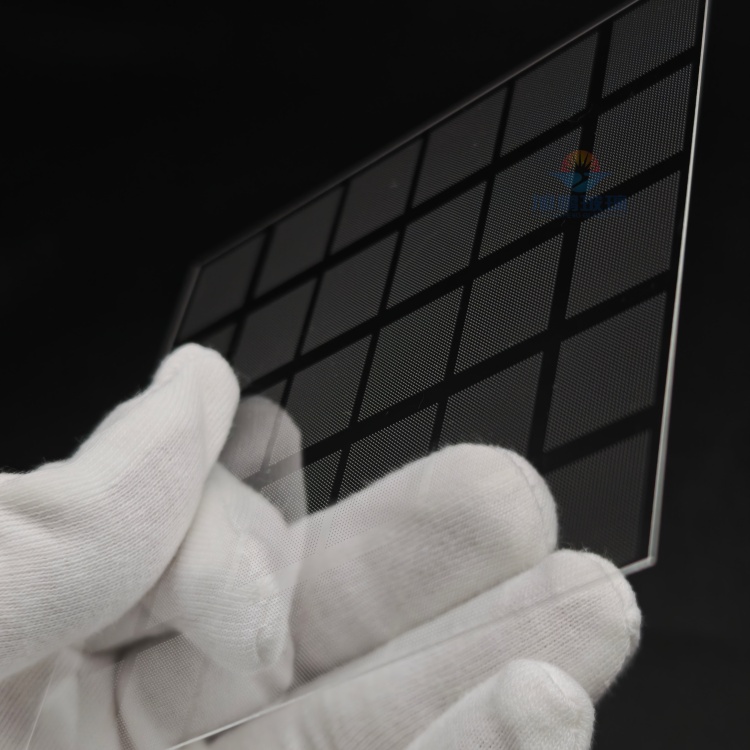
TGV Drilled Packaging Glass Substrate, Precision Laser Microvia Glass
Laser-drilled microvias for packaging and interposer development. Confirm via diameter, pitch, taper, surface finish and inspection method.
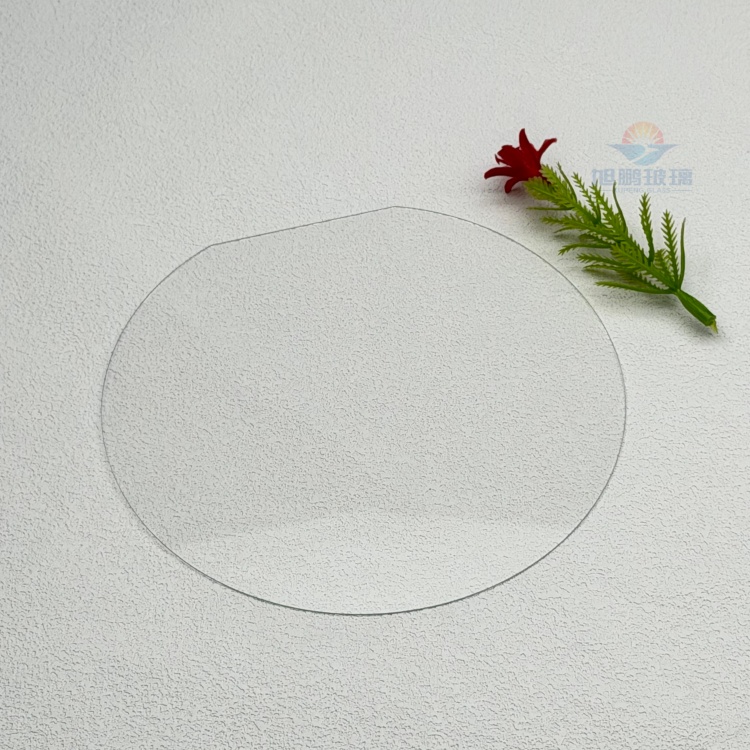
Round Aluminosilicate Glass with Chamfered Ground Edges and Metal Coating
Chamfered round glass with metal coating for sensor housings, optical barriers and industrial assemblies that require a durable edge finish.
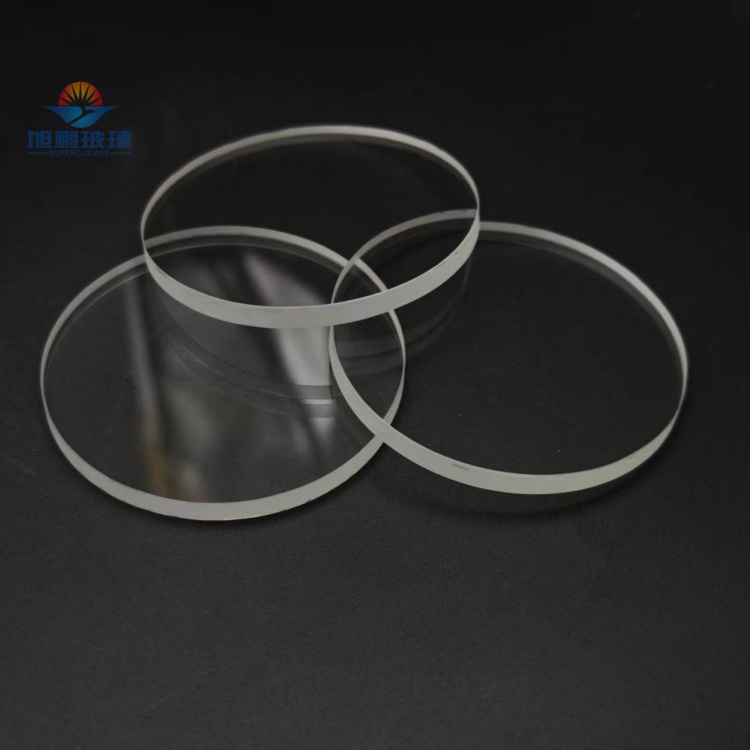
K9 Optical Glass (K9 Crystal Glass) for Optical Instruments
Borosilicate crown glass for lenses, prisms, viewports and instrument windows; polished and coated to your optical drawing.

Schott Ultra-thin Optical Glass Sheets, 0.1mm, 0.5mm, 0.7mm, 1.1mm, Raw Semiconductor Electronic Glass Substrates
Thin glass options for semiconductor and electronic substrate programs. Discuss flatness, bow, surface quality and handling strategy.

High-transmittance AR Coated Optical Glass, Ultra-clear Tempered Glass
AR-coated ultra-clear tempered glass for display windows, AIO PCs and touch modules where reflection and transmission targets matter.
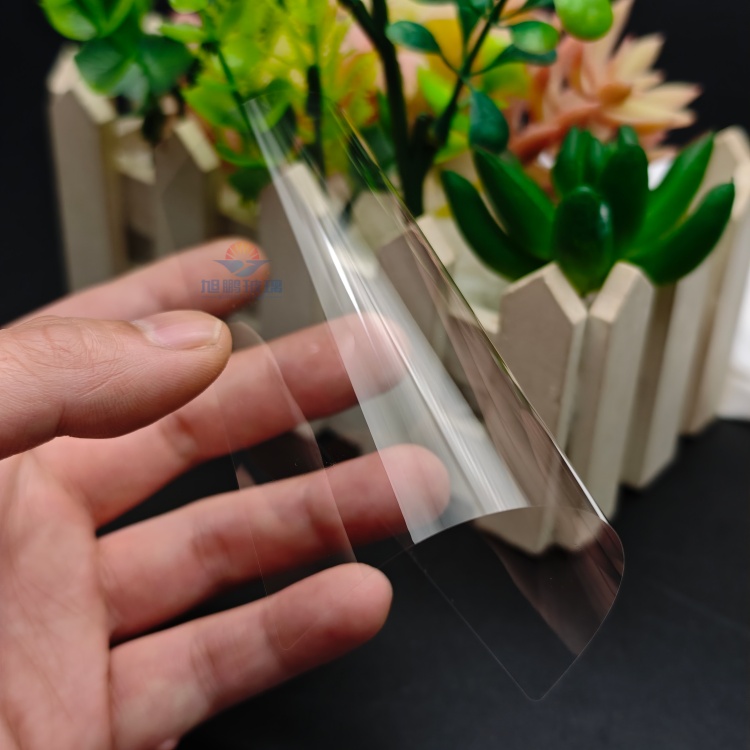
Ultra-thin Flexible UTG Glass, bendable and foldable, suitable for commercial aerospace and new energy industries
Bendable UTG for foldable display and flexible-device concepts. Edge quality, bend radius and yield must be engineered together.
All product links are preserved exactly as supplied. For a custom item without a catalogue URL, use the Send an Inquiry button and our engineers will quote from your drawing.
What León Buyers Need to Know Before Sourcing Coated Optical Glass
León, Guanajuato, sits inside one of Mexico’s most active manufacturing corridors. Buyers here are not simply looking for a glass sheet with a coating label. They are qualifying suppliers for automotive HMI, appliance controls, medical instruments, industrial displays, LED lighting and precision optical subassemblies that will be assembled, tested and shipped from the Bajío region. That means the glass specification must connect optical performance with drawing tolerance, edge quality, printing, tempering, packing and total landed cost.
For an OEM or wholesale distributor in León, the most reliable starting point is a factory-direct partner that controls the full process route. Dongguan AUVE Glass Co., Ltd. is a deep-processing glass manufacturer integrating R&D, design, production and export in Songshan Lake, Dongguan. Since 2018, the company has supported buyers with flat and curved tempered glass, ultra-clear low-iron glass, laminated and painted glass, AR anti-reflective glass, AG anti-glare glass, silk-screen printed glass, touch screen and LCD cover glass, LED lighting glass, instrument glass and optical materials such as K9, quartz, sapphire, borosilicate and Corning EXG alkali-free glass.
The information-gain advantage for León sourcing teams is to treat coated glass as a system specification, not a commodity line item. A clear RFQ should define substrate, coating stack, target reflection or transmission, haze or gloss, edge profile, hole and chamfer tolerances, tempering requirement, ink colour and firing method, inspection standard, packaging and Incoterm. When those variables are reviewed before production, buyers reduce sample loops, avoid assembly-line rejects and protect their own delivery commitments to local customers.
Buyer Specification Checklist
- Substrate family, thickness and tolerance window
- AR, AG, mirror or metal coating target
- Edge, hole, chamfer and CNC contour requirements
- Tempering, silk-screen printing and ink durability
- Optical test method, AQL and sampling plan
- Protective packing, labels and delivery term
Where Coated and Optical Glass Fits León Manufacturing
These are the practical use cases most often discussed by OEMs, integrators and wholesale distributors serving León, Guanajuato and the wider Bajío supply chain.
Automotive & EV Human-Machine Interfaces
León and the Bajío automotive belt need display covers, sensor windows and lighting glass that survive heat, vibration and cleaning. AR-coated ultra-clear glass improves contrast, while AG anti-glare glass diffuses reflections from sunlight, factory lighting and vehicle screens. Specify coating side, transmission target and edge quality for the assembly method.
Appliance & Smart Control Panels
For home appliances, HVAC controls and smart switches, ultra-clear tempered glass combines visual clarity with mechanical strength. Silk-screen printing can integrate icons, windows and brand graphics, while AR or AG coatings improve readability. Buyers should confirm ink colour, firing process, hole placement and flatness before mass production.
Medical & Analytical Instrument Windows
Instrument windows, optical viewports and sensor covers require stable optical materials. K9 optical glass, fused quartz, sapphire and borosilicate options can be discussed for the required wavelength range, chemical exposure and cleaning cycle. The drawing should define surface quality, chamfer, coating and inspection method.
Industrial HMI & Outdoor Kiosks
Industrial controllers, kiosks and outdoor terminals need readable displays under strong light. AR coating reduces surface reflection, while AG anti-glare glass scatters glare with a controlled haze and gloss. For León’s dusty and sun-exposed environments, buyers should also define cleaning resistance, edge sealing and protective packing.
LED Lighting, Light Boxes & Architectural Glass
Ultra-clear low-iron tempered glass supports LED fixtures, advertising light boxes, appliance lighting and decorative architectural panels. Low-iron composition reduces the green edge tint that can distort colour consistency. Buyers can combine drilling, etching, AG/AR coating and high-temperature printing in one process route.
Aerospace, New Energy & Flexible Electronics
Ultra-thin flexible UTG, Schott ultra-thin sheets and TGV laser-drilled substrates serve advanced R&D and pilot production. For commercial aerospace, new energy and foldable-device programs, the glass must be co-engineered with handling, lamination, edge strengthening and yield targets rather than purchased as a catalogue sheet.
Localized Trends Reshaping Optical Glass Procurement in León
These shifts are changing how León OEMs and wholesalers evaluate factory partners, sample plans and landed cost.
Nearshoring and Dual Qualification
As more assembly moves into the Bajío, León buyers are building dual-source strategies: local inventory and assembly in Mexico, with specialty coated glass qualified from an experienced factory in Asia. The winning supplier is the one that can document repeatability, hold a specification and support a second production wave without changing the process route.
AR/AG Specifications Rise with EV and Smart Appliances
Display quality is becoming a visible product feature. AR anti-reflective glass, AG anti-glare glass and hybrid AG+AR coatings are increasingly specified for automotive clusters, appliance panels and outdoor HMIs. Buyers are asking for target reflectance, haze, gloss and transmission data instead of accepting generic “AR glass” or “AG glass” labels.
Precision Optics Moves Toward Production Scale
K9 optical glass, quartz, sapphire, borosilicate, Corning EXG and Schott ultra-thin substrates are moving from lab samples into structured pilot programs. León instrument builders and industrial integrators need a partner that can discuss crystal grade, polishing, chamfering, laser drilling and wafer-level handling before the design is frozen.
Traceability, Packing and Total Landed Cost
Glass is fragile, and a low unit price can disappear after damage, rework or line stoppage. Procurement teams are adding packing review, batch labeling, AQL sampling and Incoterm comparison to the supplier scorecard. For León wholesale programs, the best value is the supplier that can ship intact, repeat the same quality and answer technical questions quickly.
Material & Coating Fit for León Projects
Use this quick reference to shortlist a material family before sending a CAD, DXF or PDF drawing. Final specifications are confirmed against the drawing and agreed test standard.
| Material / Product Family | Best-Fit Application | Why León Buyers Consider It | Process Notes |
|---|---|---|---|
| AR Coated Ultra-Clear Glass | Display windows, AIO PCs, touch modules, instrument covers | Reduces surface reflection and improves display contrast | Single/double-side AR, tempering, printing and CNC shaping |
| AG Anti-Glare Glass | Outdoor HMIs, kiosks, industrial controllers | Diffuses glare under strong lighting; gloss and haze selectable | Etched AG, AG+AR, tempering and edge finishing |
| Ultra-Clear Low-Iron Tempered Glass | Appliance panels, LED lighting, light boxes, switch covers | Clear edge appearance plus mechanical strength | Cutting, drilling, silk-screen, AR/AG and tempering |
| K9 Optical Glass | Lenses, prisms, instrument windows | Stable optical performance for precision instruments | Precision polishing, CNC edging and optical coating |
| Schott Ultra-Thin Glass | Semiconductor and electronic glass substrates | Thinness plus handling flexibility for advanced devices | Double-side polishing, cutting and wafer-level inspection |
| TGV Laser-Drilled Glass | Packaging, interposer and microvia R&D | Enables glass packaging concepts with laser-drilled vias | Laser drilling, surface quality control and cleaning |
| Metal-Coated Aluminosilicate Glass | Sensor housings, optical barriers, industrial assemblies | Round chamfered edges plus metal coating functionality | CNC shaping, chamfering, coating and inspection |
| Ultra-Thin Flexible UTG | Foldable displays, flexible electronics, new energy concepts | Bendability for next-generation form factors | Precision cutting, edge strengthening and handling review |
| Black Welding Filter Glass | Welding helmets, goggles and protective windows | Optical filtration with beveled edges for irregular shapes | Beveled edge grinding, shape cutting and batch inspection |
Typical material guidance only. Coatings, transmission, haze, gloss, tolerances and test methods must be agreed in writing before production.



Factory-Direct Glass Engineering for León OEMs & Wholesalers
Dongguan AUVE Glass Co., Ltd. is a deep-processing glass manufacturer and trading company based in Songshan Lake, Dongguan, Guangdong, China. Founded in 2018, the company integrates R&D, design, production and export under one roof, with 51–100 skilled employees and a 1,001–2,000 m² facility. The production philosophy is clear: “focusing on high-end glass, pioneering and innovating.”
For León buyers, this matters because the supplier is not only selling a material. AUVE processes flat and curved tempered glass, ultra-white, laminated and painted glass, LCD and touch screen glass, smart control panel glass, LED lamp glass, instrument glass, AR high-transmittance glass and AG anti-glare glass, plus optical materials such as K9, quartz, sapphire, borosilicate and Corning EXG alkali-free glass. The company exports to the United States, Canada, Russia, South Korea, Japan, Australia and other markets, with an average response time within 7 hours.
Credibility should be verifiable before a trial order. Buyers can review the supplier’s onsite-checked profile, credit index, transaction level, trade capacity, trade history and buyer feedback. That evidence is useful in a León sourcing file because it supports internal supplier approval, risk review and comparison against local distributors.
Factory-Direct Deep Processing
Cutting, CNC edging, drilling, tempering, silk-screen printing, AR/AG coating, QC and export packing are handled as an integrated process route rather than disconnected subcontract steps.
Coating & Optical Know-How
AR anti-reflective, AG anti-glare, mirror, metal coating, ultra-clear, K9, quartz, sapphire, borosilicate and Corning EXG options can be matched to the application instead of forced into a single catalogue material.
Drawing-Led Engineering Review
Send CAD, DXF or PDF drawings with thickness, tolerance, edge, hole, printing and coating requirements. Engineers review manufacturability before production and flag risks early.
Verified Buyer Assurance
Onsite-checked status, credit index, transaction level, trade capacity, trade history and buyer reviews give León sourcing teams checkable evidence for supplier onboarding.
Fragile-Goods Export Packing
Protective film, interleaving, foam corner protection, fumigation-free wooden crates or reinforced cartons, and batch labels are planned around the chosen shipping method and Incoterm.
Responsive Technical Support
Average response time is within 7 hours. The team supports OEM/ODM customization, sample and pilot discussions, repeat-order consistency and export documentation for overseas buyers.
From Your Drawing to Packed Glass for León
A practical six-stage process for custom coated, tempered and optical glass programs.
Drawing & Specification Review
Share CAD, DXF or PDF with size, thickness, tolerance, edge, hole, printing, coating and quantity. The team reviews manufacturability before quoting.
Material & Coating Selection
Choose ultra-clear, K9, quartz, sapphire, borosilicate, Corning EXG, Schott ultra-thin or other substrate families based on the optical and mechanical target.
CNC Cutting, Edging & Drilling
CNC shaping, edge grinding, beveling, grooving, holes and laser processing define the physical fit and handling safety of the finished part.
Tempering & Silk-Screen Printing
Flat or curved thermal tempering improves strength, while high-temperature ceramic inks add windows, icons, logos and durable graphics.
AR / AG Coating & Optical QC
Anti-reflective, anti-glare, mirror and functional coatings are applied to the agreed target, followed by dimensional, visual and optical checks.
Export Packing & Global Shipping
Fragile-goods packing and batch labeling protect the order for FOB, CFR, CIF, EXW, DDP, DDU, DAF or express delivery.
Built for León Wholesalers, Integrators and Brand Owners
Wholesale success depends on repeatability, not only first-order pricing. These support areas help distributors serve local customers with fewer surprises.
Sample & Pilot Runs
Many coated and optical parts can be discussed from 10–50 pieces, while standard ultra-clear tempered parts often start from 100–500 pieces. Sample and pilot quantities can be reviewed for new León projects.
Private-Label Packing & Labels
For wholesale programs, confirm product codes, batch labels, artwork and packing marks during inquiry. Clear identification helps distributors receive, store and resell without mixing specifications.
Repeat-Order Consistency
Share forecasts and repeat-order quantities so material, coating and printing parameters remain aligned. A stable process route protects colour, transmission, edge quality and fit across replenishment cycles.
Export Terms for Mexico
FOB, CFR, CIF, EXW, DDP, DDU, DAF and express delivery are supported. León buyers can compare a freight-forwarder-controlled route against a door-to-door option before confirming the order.
Frequently Asked Questions from León Glass Buyers
Direct answers for engineering, sourcing and wholesale teams comparing AR, AG, tempered, K9 and ultra-thin glass suppliers.
Can AUVE supply OEM/ODM optical coated glass to buyers in León, Guanajuato?
Yes. The factory supports OEM and ODM projects from drawings, including size, thickness, tolerance, edge, hole, printing, tempering and AR/AG coating requirements. León buyers can start with a sample or pilot discussion, then move to repeat production once the specification and inspection method are agreed.
What is the difference between AR and AG coated glass for outdoor industrial displays?
AR anti-reflective glass reduces surface reflection so more light from the display reaches the viewer, which improves contrast and clarity. AG anti-glare glass creates a micro-textured surface that diffuses reflected light and reduces harsh glare. For outdoor kiosks, industrial HMIs or bright factory environments, buyers may choose AG, AR or a combined AG+AR specification depending on readability, haze and cleaning requirements.
What MOQ and lead time should a León distributor expect?
MOQ depends on material and process. Many coated and optical glass parts start from 10–50 pieces, while standard ultra-clear tempered parts typically start from 100–500 pieces. Lead time is confirmed after drawing review, material availability and process route are clear. For new projects, sample and pilot quantities can be discussed before a wholesale order.
Which optical materials are available for instrument and photonics programs?
Options include K9 optical glass, fused quartz, sapphire, borosilicate, Corning EXG alkali-free glass, Schott ultra-thin glass sheets and laser-drilled TGV substrates. The selection should be based on wavelength range, thermal load, scratch resistance, flatness, surface quality, coating and assembly method.
How do you pack fragile glass for shipment to León?
Export packing can include protective film, interleaving paper or film, foam corner protection, fumigation-free wooden crates or reinforced cartons, and batch labels. The packing method should match the glass size, edge condition, quantity and shipping mode. Incoterms supported include FOB, CFR, CIF, EXW, DDP, DDU, DAF and express delivery.
What technical information should a León buyer send with the inquiry?
Send a CAD, DXF or PDF drawing with dimensions, thickness, tolerance, edge profile, hole positions, chamfer, printing artwork, coating target, quantity and any inspection standard. If the application involves AR/AG performance, include the target reflection, transmission, haze or gloss requirement so the engineering review can be precise.
Can you support samples before a wholesale or OEM production order?
Sample and pilot quantities can be discussed for new projects. The purpose is to confirm material, coating, printing, edge quality, fit and packing before scaling. Buyers should provide the final application, assembly method and test criteria so the sample is evaluated against the same standard as mass production.
How are quality and traceability managed?
Production follows defined process standards and a documented quality management approach, with dimensional, visual and optical checks before packing. Each batch can be identified from raw sheet to packed carton through batch labeling. Final acceptance criteria should be agreed in writing before production, especially for coating colour, transmission, haze, print position and edge quality.
Have an Optical Coated Glass Drawing for León?
Send your size, thickness, tolerance, edge, hole, printing, coating and quantity requirements. AUVE’s engineering team will review manufacturability, confirm the process route and respond with the next step — usually within 7 hours.
Send an Inquiry