Oleophobic & Display-Grade Glass Products for Davao City Buyers
Every card below preserves its original product specification URL. Images are shown in full proportion, not cropped or stretched.
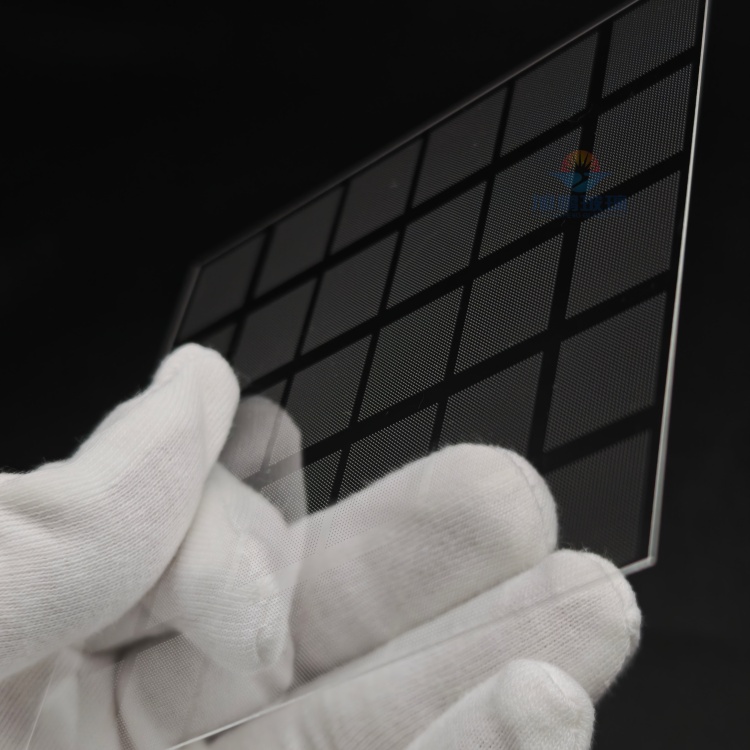

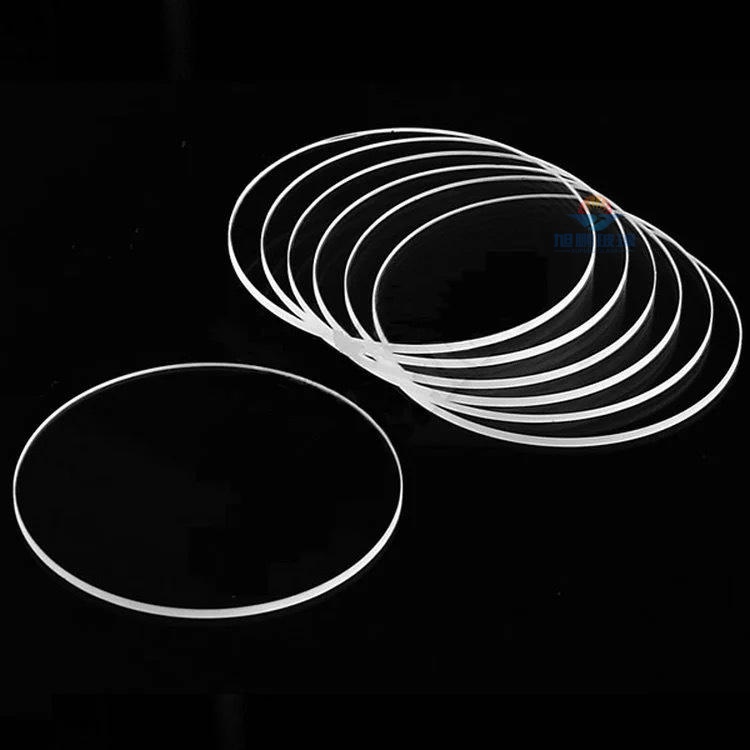


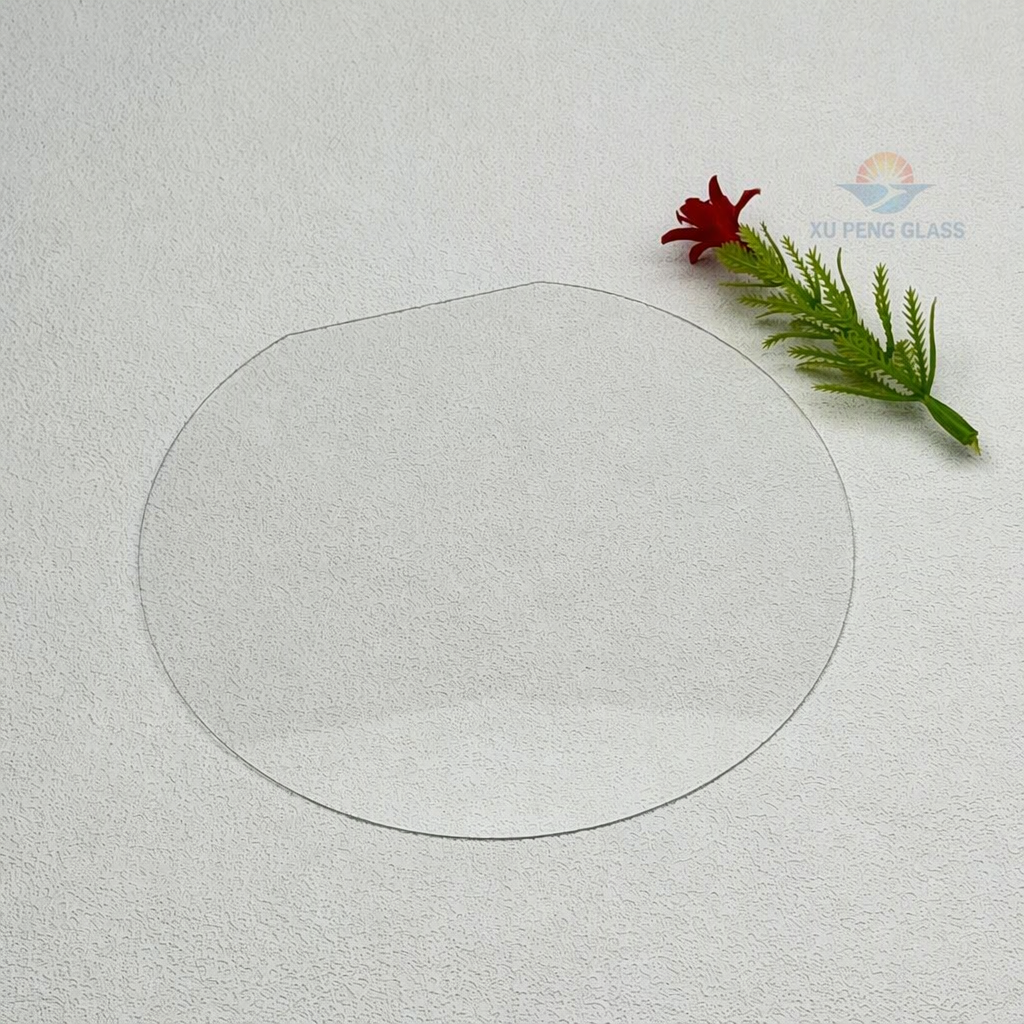

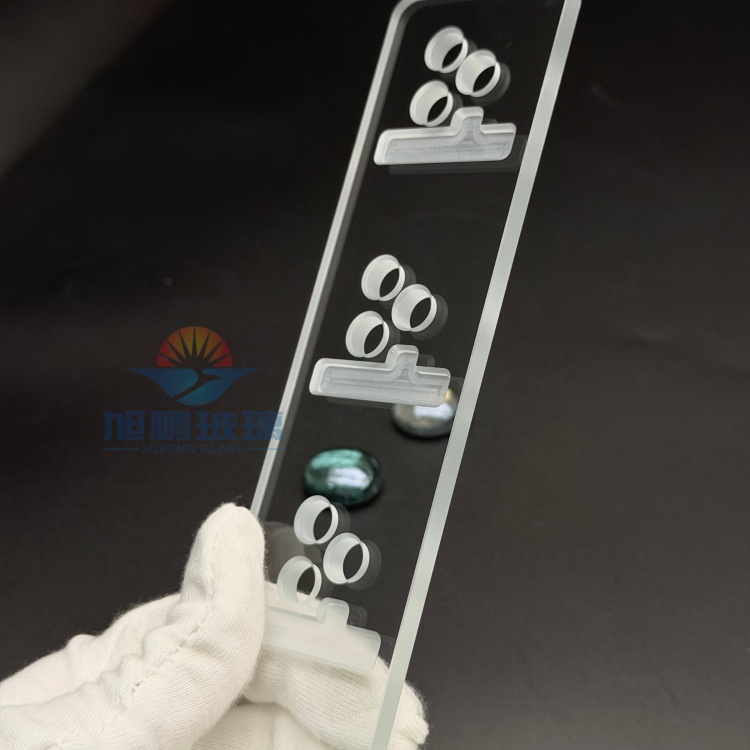
What “Oleophobic Glass” Really Means for a Davao City Buyer
Oleophobic glass is not a separate glass material. It is a glass substrate—typically ultra-clear tempered glass, AR-coated display glass, AG anti-glare glass or a precision optical wafer—finished with a low-surface-energy coating that repels oils and fingerprints. The glass supplies strength, flatness and optical clarity; the coating supplies the easy-clean, anti-smudge behaviour. That distinction matters in procurement because two suppliers can quote the same “oleophobic glass” while delivering very different substrate quality and coating durability.
For Davao City, this distinction is practical. The city’s humid tropical air, road dust and frequent hand-contact in retail, BPO, logistics and food-service environments make a fingerprint-resistant surface valuable—but only if the coating survives daily wiping, sanitizers and abrasion. A serious factory quote should therefore define the substrate, coating side, initial water contact angle, oil repellency, abrasion test, optical haze limit and packing method. Without those details, “oleophobic” is just a marketing word.
This page is written for Davao City buyers who need a factory rather than a catalogue: device repair chains, POS and kiosk integrators, display assemblers, industrial panel builders, hotel and retail operators, and distributors serving the wider Mindanao market. The goal is to help you specify, compare and verify oleophobic-grade glass before you place a sample or bulk order.
Substrate First
Tempered, ultra-clear, AR, AG or optical glass sets the strength, clarity and flatness. Choose it before discussing the coating.
Coating Second
Contact angle, oil repellency, abrasion cycles and haze must be written into the RFQ. A label alone is not a specification.
Davao Context
Humidity, dust, salt air and frequent cleaning make adhesion, moisture resistance and packing as important as initial feel.
Where Oleophobic Glass Creates Value in Davao City
Davao City is a commercial and logistics hub for Mindanao. The most convincing opportunities are touch surfaces that are handled daily, cleaned often and judged by clarity.
Device Repair & Retail
Davao City has an active smartphone, tablet and accessory market. Oleophobic cover glass helps screens feel smoother and resist smudges; small mixed-SKU orders matter for repair chains.
POS, Kiosk & BPO
Food service, retail, transport and BPO check-in screens are touched constantly. AR/AG plus oleophobic finishing can reduce glare and cleaning downtime.
Industrial HMI
Agri-processing, packaging, logistics and utilities use control panels. Tempered glass with an easy-clean finish supports wipe-down in humid, dusty areas.
Hospitality & Outdoor Displays
Hotels, tourism counters, security monitors and outdoor information displays face sunlight, dust and fingerprints. AG/AR and easy-clean glass improve readability.
Davao City Trends Driving Fingerprint-Resistant Glass Demand
Procurement is shifting from “cheapest cover glass” to measurable surface performance. The reasons are local and commercial.
Digital payments, self-service kiosks, BPO counters and modern retail are increasing the number of touch surfaces in Davao City. At the same time, buyers are more sensitive to maintenance cost: a screen that looks clear on day one but shows smudges, glare and coating wear after weeks of cleaning creates complaints. For distributors, the opportunity is to sell a specification—not just a sheet of glass.
Touch-First Commerce
POS terminals, self-order kiosks, check-in screens and payment devices need surfaces that are easy to wipe and remain legible under bright retail lighting.
Repair & Aftermarket Growth
Davao City serves a wider Mindanao repair ecosystem. Mixed containers of tempered, AR-coated and optical parts can reduce freight cost per SKU.
Climate-Aware Procurement
Humidity, salt air, dust and UV exposure make moisture-barrier packing, adhesion testing and batch traceability part of the buying decision.
Oleophobic Coating Specification Matrix for Procurement Teams
Use this matrix to challenge suppliers and align engineering, quality and purchasing before a purchase order is issued.
| Requirement | Why Davao City Buyers Should Care | Target to Discuss | Verification |
|---|---|---|---|
| Substrate grade | Ultra-clear, AR, AG and optical glass behave differently under sunlight, cleaning and assembly pressure. | Low-iron ultra-clear, AR-coated, AG-coated or optical grade matched to the application. | Transmission and haze report; sample comparison under daylight. |
| Initial water contact angle | A higher angle indicates a more repellent surface, but only if it survives cleaning. | Typical display target: ≥110° initial water contact angle. | Sessile-drop contact-angle measurement on approved sample. |
| Oil repellency | Fingerprints are oil-based. Water repellency alone does not prove anti-smudge performance. | Define an oil-repellency test and minimum contact angle for the agreed test liquid. | Oil or test-liquid contact angle before and after abrasion. |
| Abrasion durability | Davao retail and food-service environments involve frequent wiping and sanitizer use. | Define steel-wool, eraser or crockmeter cycles and contact-angle retention after test. | Agreed abrasion method; pass/fail limit written into the drawing. |
| Optical haze and clarity | Haze can make a display look grey; glare can hide content under bright light. | Display-grade haze limit and transmission range agreed per glass grade. | Haze/transmission measurement using an agreed standard. |
| Humidity and salt exposure | Davao’s tropical climate and coastal air challenge coating adhesion and edge protection. | Damp-heat or salt-spray exposure agreed with the coating supplier. | Adhesion check and visual inspection after exposure. |
| Coating side and pattern | Over-coating printed windows or bonding areas can cause delamination or assembly failure. | Single-side or double-side coating, masked zones and logo/window areas defined on drawing. | First-article approval with coating map and photos. |
| Packing and traceability | Glass travelling to Davao Port or Davao International Airport must survive humidity and handling. | Protective film, foam corners, moisture barrier, wooden crate or reinforced carton, batch labels. | Pre-shipment packing photos and batch record. |
Targets are typical discussion points for RFQs, not universal guarantees. Final values must be confirmed against your drawing, cleaning process and agreed test standard before mass production.
Why Dongguan AUVE Glass Co., Ltd. Is a Qualified Factory for Davao City Projects
Dongguan AUVE Glass Co., Ltd. is a deep-processing glass manufacturer integrating R&D, design, production and export. Founded in 2018 and located in Songshan Lake, Dongguan, the company operates with 51–100 skilled employees in a 1,001–2,000 m² facility. Production covers flat and curved tempered glass, ultra-clear low-iron glass, laminated and painted glass, touch screen and LCD cover glass, LED lighting glass, instrument glass, AR anti-reflective glass, AG anti-glare glass, silk-screen printed glass, and optical materials such as K9, quartz, sapphire, borosilicate and Corning EXG alkali-free glass.
For Davao City buyers, the advantage is not just product breadth. It is process control under one roof: drawing review, CNC cutting, edging, drilling, tempering, silk-screen printing, AR/AG coating, QC and export packing. This reduces hand-offs between suppliers and makes it easier to trace a batch from raw sheet to packed carton. The company exports to the United States, Canada, Russia, South Korea, Japan and Australia, supports FOB, CFR, CIF, EXW, DDP, DDU, DAF and express delivery, and maintains an average response time within 7 hours.
Oleophobic performance is treated as a project-specific coating requirement. After reviewing the substrate, touch surface, cleaning chemical and target durability, the factory can confirm the suitable glass route and the tests needed before sample approval.
- CAD, DXF or PDF drawing review
- In-house CNC, drilling and edging
- Flat and curved tempering
- Silk-screen and AR/AG coating
- Verified supplier profile and reviews
- Fragile-goods export packing

Drawing & Coating Review
Size, thickness, coating side, masked zones and test targets are checked before quotation.
Precision Cutting
Float, low-iron, AR-grade and optical stock are cut to the approved shape.
CNC Edging & Drilling
Holes, grooves, bevels and polished edges are formed to drawing.
Tempering & Printing
Thermal tempering and high-temperature ceramic ink are applied where required.
AR / AG & Easy-Clean Finish
Functional coating is matched to the display, touch or optical application.
QC & Export Packing
Dimensional, visual and optical checks precede protective packing for Davao shipment.
FAQ: Oleophobic Glass Factory Procurement in Davao City
Straight answers for engineering, sourcing and distributor teams comparing factory-direct options.
What is oleophobic glass, and is it the same as anti-fingerprint glass?
Oleophobic describes a low-surface-energy coating that repels oil; anti-fingerprint is a broader marketing term. The glass substrate can be tempered, ultra-clear, AR-coated, AG-coated or optical. Ask for contact angle, oil repellency, abrasion test and haze limits—not just the label.
Can Dongguan AUVE Glass supply the substrate and oleophobic finish together?
AUVE deep-processes tempered, ultra-clear, AR/AG coated, silk-screen printed and optical glass. For a Davao City project, send your drawing and target coating performance. The engineering team will confirm whether the finish should be applied on one or both sides and how it fits the chosen glass route. Final coating availability and durability targets are confirmed in the quotation and sample approval.
What is the MOQ for a Davao City trial order?
MOQ depends on material and process. Coated and optical glass parts often start from 10 to 50 pieces, while standard ultra-clear tempered parts typically start from 100 to 500 pieces. Sample and pilot quantities can be discussed for new projects.
How do you ship glass to Davao City?
The factory supports FOB, CFR, CIF, EXW, DDP, DDU, DAF and express delivery. For Davao City, shipments commonly move by sea freight to Davao Port or by air freight through Davao International Airport, depending on size, urgency and Incoterm. Export packing uses protective film, foam corners, moisture barrier and wooden crates or reinforced cartons.
How should we test coating durability before mass production?
Approve a sample using your actual cleaning chemical, wipe cloth and abrasion cycle. Typical checks include initial water contact angle, oil repellency, steel-wool or eraser abrasion with contact-angle retention, haze and transmission, damp-heat or salt-spray exposure, and adhesion after cleaning. Define pass/fail before the purchase order.
Can you support mixed-SKU orders for Davao distributors and repair chains?
Yes. Mixed glass parts can be reviewed as one project. Provide a SKU list with sizes, thicknesses, coating requirements, quantities and target use. The factory will group parts by material and process to reduce handling and freight while keeping batch traceability and individual labeling.
Request a Davao City Oleophobic Glass Quotation
Send your drawing, size, thickness, coating target, quantity and delivery destination in Davao City. The engineering team will return a manufacturability review and quotation, usually within 7 hours.
Inquire NowOr email info@auveglass.com with the subject “Davao Oleophobic Glass RFQ”.