8 Optical Filter Glass Products Recommended for Thailand Projects
These are practical starting points for Thai display, sensor, semiconductor, medical, industrial and high-temperature applications. Product URLs and images are kept from AUVE's original catalogue so your engineering team can review the exact item before requesting a sample or quotation.
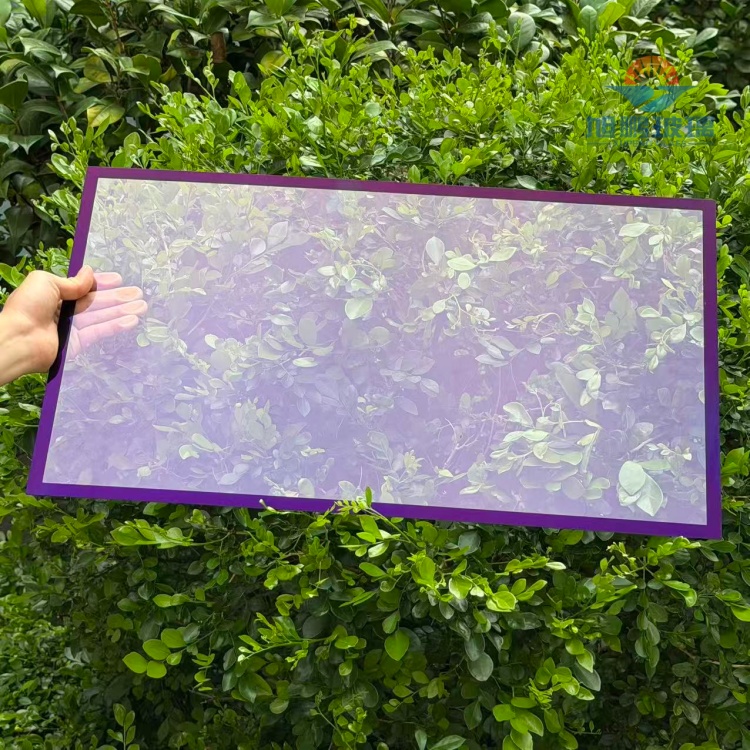
27-inch All-in-One PC AR Coated Glass
Suited to AIO PCs, kiosk displays and control-room monitors assembled or specified in Thailand. AR coating reduces surface reflection so users see stronger contrast under office lighting, retail lighting and tropical daylight.
- AIO PC
- Kiosk
- Low reflection

High-transmittance Anti-Reflection Coated Glass
A practical choice for touch modules, HMI panels, instrument windows and camera viewing ports. Thai buyers can specify transmittance, reflectance, haze, coating side and environmental test requirements against the final assembly.
- Touch module
- HMI
- Instrument window
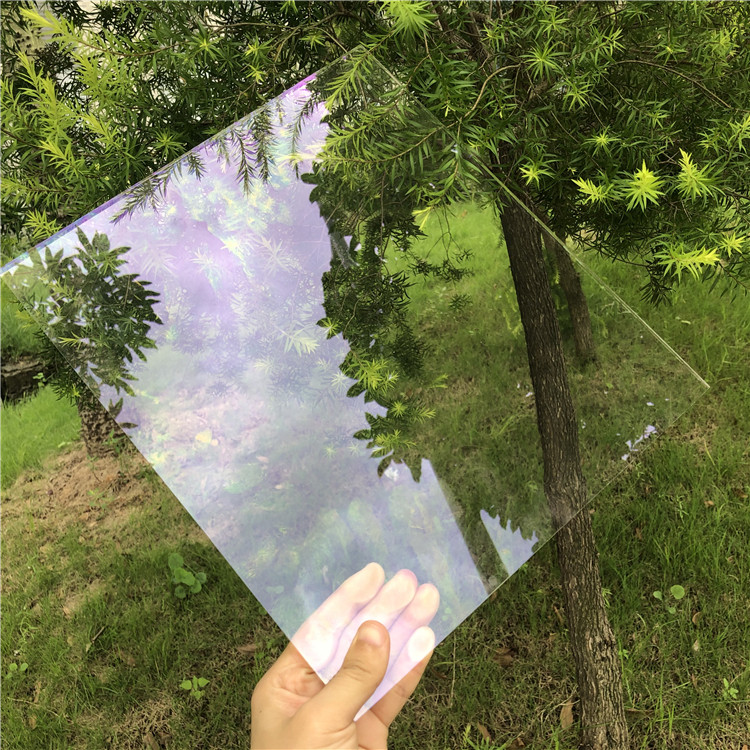
High-transmittance Anti-Reflection (AR) Coated Optical Glass
For machine vision, security cameras, optical instruments and sensor windows where low reflectance and stable transmission matter. The RFQ should define wavelength range, angle of incidence, coating durability and dimensional tolerance.
- Machine vision
- Camera window
- Optical instrument
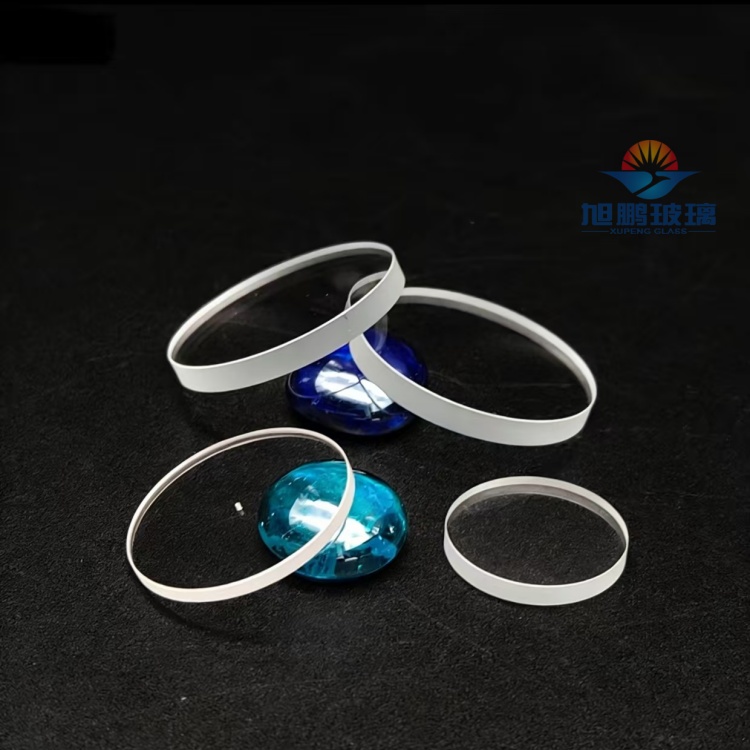
Sapphire Glass Step Window Wafers, High Temperature Resistant & High Light Transmittance Optical Sapphire Lenses
Selected when scratch resistance, high-temperature resistance and optical clarity are critical. Useful for sensor protection, harsh industrial viewports and demanding camera windows in Thailand's automotive, security and instrumentation supply chains.
- Scratch resistant
- High temperature
- Sensor cover
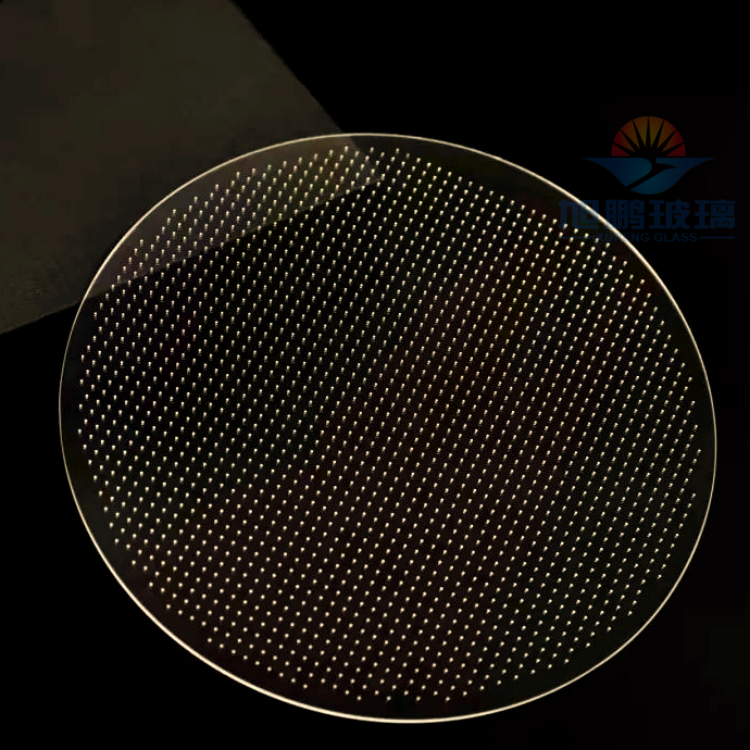
Schott BF33 TGV Microvia Glass Wafer, Packaging Substrate for Sensors & Chips
Alkali-free glass wafer option for sensor and chip packaging, MEMS-related work and advanced electronics development. Thai electronics teams should confirm via diameter, wafer thickness, surface quality, flatness and inspection criteria.
- TGV wafer
- Sensor packaging
- BF33
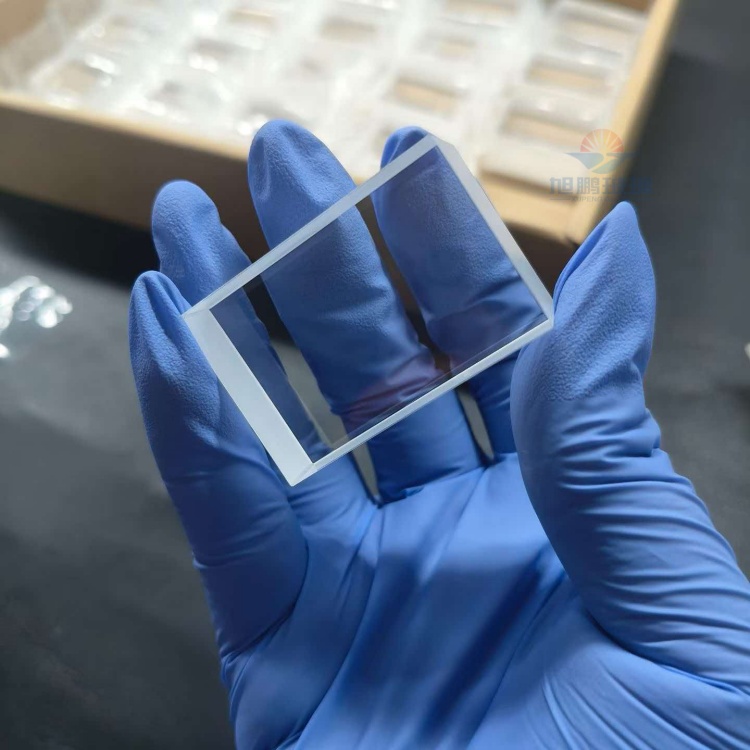
High UV Transmission Thick Gauge Thick Quartz Glass Plate
Used in UV curing, UV disinfection, inspection and high-purity optical equipment. Thai buyers should specify UV cutoff, transmission target, thickness, bubbles/inclusions and edge finish before production.
- UV curing
- UV disinfection
- High transmission

High-transmittance AR Coated Optical Glass, Ultra-clear Tempered Glass
Combines clarity, mechanical protection and low reflection for control panels, appliance covers and industrial displays. This is a strong option when the finished part must survive daily cleaning, touch interaction and long-term indoor use.
- Tempered
- Low-iron
- Display cover

White Ceramic Glass-Ceramic, 4mm & 6mm, High Temperature Resistant Glass-Ceramic
For appliance panels, high-temperature viewports and industrial equipment where dimensional stability and thermal resistance matter. Thai buyers should match thickness, cut-outs, printing and thermal shock requirements to the actual housing.
- 4mm / 6mm
- Heat resistant
- Appliance panel
Product links and images above are retained from the original AUVE product catalogue. Final specifications are confirmed against your drawing, application conditions and agreed test standard.
Factory Facts Thai Buyers Can Review Before Ordering
For imported optical components, trust should be based on traceable evidence rather than a generic catalogue claim. These facts reflect AUVE's published company profile and can be checked through the supplier verification pages referenced in the original website.
Why Thailand Is a Distinctive Market for Optical Filter Glass Sourcing
Thailand is not simply an import destination. It is an assembly, integration and engineering market with its own environmental conditions, qualification habits and landed-cost logic.
An optical filter is rarely a standalone commodity. It is part of a stack that may include a glass substrate, AR or functional coating, adhesive, gasket, housing and display module. In Thailand, this stack must work in a tropical climate with high humidity, frequent thermal cycling, strong UV exposure in outdoor installations and, in coastal industrial zones such as Rayong and Chonburi, potential salt-mist exposure. That is why a serious optical filter glass supplier serving the Thailand market should support drawings, test criteria, packing decisions and import documentation, not only quote a glass size.
Specify the assembly, not only the glass
Thai engineers usually care about the finished window or filter module: how it seats, seals, cleans and survives the housing. A supplier that asks about the housing, light source, angle of incidence and cleaning process reduces rework risk.
Ask for optical and durability data
Single-number transmission claims are not enough. Request transmittance curves, reflectance targets, haze data, coating adhesion information and relevant environmental test reports for the intended Thai operating environment.
Compare terms before choosing price
FOB, CFR, CIF and DDP produce very different landed costs. Thai buyers should compare shipping to Bangkok or Laem Chabang, insurance, clearance, duty, documentation and packing protection in one calculation.
Where Optical Filter Glass Creates Value in Thailand's Local Supply Chain
Thailand's manufacturing base includes electronics, automotive, medical devices, industrial automation and appliance production. The right glass substrate depends on the light path, environmental exposure and mechanical assembly.
Smart displays, AIO PCs and kiosks
Bangkok offices, retail chains and industrial control rooms use large-format displays where reflection control affects readability. AR-coated 27-inch cover glass and ultra-clear tempered glass help improve contrast while protecting the display module.
EV, ADAS and sensor modules
Thailand's automotive and EV supply chain increasingly involves cameras, LiDAR, radar-adjacent sensor windows and optical inspection modules. Sapphire, AR-coated glass and dimensionally stable optical windows support harsh-environment product designs.
Machine vision and security cameras
Factory automation, food inspection, security cameras and laser sensing systems need windows with controlled transmission and low haze. The AR coating must be matched to the sensor wavelength and the actual angle of incident light.
Medical diagnostics and UV processes
Diagnostic instruments, UV curing equipment and disinfection systems require reliable UV-transmitting quartz or sapphire windows. Thai medical-device and laboratory teams should define UV cutoff, sterilisation exposure and cleaning resistance early.
Semiconductor, PCB and sensor packaging
Thailand's electronics clusters increasingly support advanced packaging, sensors and semiconductor-related processes. BF33 TGV glass wafers and optical wafers are relevant when CTE, flatness, via geometry and surface quality are critical.
High-temperature appliances and equipment
Appliance panels, industrial viewports and equipment covers can require white ceramic glass-ceramic, quartz or sapphire. For these projects, the quotation should be based on thermal cycling, mechanical fixing and printing requirements.
Thailand Optical Filter Glass Trends: What to Design Into Your Next RFQ
Thai buyers are not only comparing unit price. They are managing technology transitions, humidity, supply continuity and customs documentation at the same time.
EV and ADAS programmes raise the bar for sensor windows
As Thailand expands its EV and automotive electronics ecosystem, camera and sensor windows must combine optical clarity, scratch resistance and environmental durability. RFQs increasingly ask for coating adhesion, thermal cycling and cleaning resistance data.
Advanced electronics packaging increases interest in TGV wafers
Thailand's electronics and semiconductor supply chain continues to move up the value chain. Glass wafers such as BF33 TGV substrates are being evaluated for sensor packaging, MEMS-related work and advanced device development.
Tropical durability becomes an engineering requirement
High humidity, condensation, coastal air and strong UV mean that an optical coating must be qualified for the real environment. Thai buyers should specify damp-heat exposure, salt-mist evaluation where relevant and cleaning-chemical compatibility.
Larger and thinner display windows need better reflection control
Large-format AIO PCs, kiosks and industrial HMIs are moving toward slimmer bezels and higher visual performance. AR coating, ultra-clear low-iron glass and tempered cover glass are being combined in one part to simplify assembly.
Medical, UV and inspection applications demand traceable specifications
Quartz plates and sapphire windows used in UV or medical equipment require clear material and inspection criteria. Buyers should request transmission curves, inclusion limits, edge quality requirements and batch traceability.
Commercial terms matter as much as technical fit
Thai procurement teams increasingly compare FOB, CFR, CIF and DDP options to Laem Chabang or Bangkok. Certificate of origin and Form E eligibility, where applicable, should be discussed with a customs broker before the order is placed.
Engineering Selection Guide: Matching Glass Substrate to Thai Operating Conditions
Use this reference to shortlist a substrate before sending a drawing. Final specifications must be confirmed against your drawing, assembly method and test standard.
| Substrate / Process | Why Thai engineers select it | Typical Thailand applications | RFQ checks |
|---|---|---|---|
| AR-coated optical glass | Reduces surface reflection and improves contrast for displays, cameras and instrument windows. | AIO PC cover glass, HMI windows, machine vision ports, security camera windows. | Wavelength range, angle of incidence, reflectance target, adhesion, haze, coating side. |
| Ultra-clear tempered AR glass | Combines low-iron clarity, mechanical strength and low reflection in one finished cover part. | Control panels, appliance covers, kiosk displays, industrial touch interfaces. | Tempering standard, flatness, edge profile, printing, hole positions, impact requirement. |
| Sapphire glass | Excellent scratch resistance and high-temperature capability for harsh sensor and window applications. | Sensor protection, high-temperature viewports, harsh industrial cameras, premium wear surfaces. | Crystal orientation, surface finish, thickness tolerance, chamfer, flatness, transmission. |
| Fused quartz plate | High UV transmission and strong thermal shock resistance for UV and high-purity processes. | UV curing, UV disinfection, inspection equipment, laboratory windows. | UV cutoff, transmission target, OH content, bubbles/inclusions, thickness, edge finish. |
| Schott BF33 TGV wafer | Alkali-free glass wafer option with stable dimensional behaviour for packaging and sensor development. | Sensor and chip packaging, MEMS-related work, advanced electronics prototypes. | Wafer diameter, thickness, via diameter, flatness, surface quality, inspection criteria. |
| White ceramic glass-ceramic | High-temperature resistance and dimensional stability for appliance and equipment panels. | High-temperature appliance panels, industrial covers, equipment viewports. | 4mm or 6mm thickness, thermal shock, cut-outs, printing, colour matching, fixing method. |
| K9 optical glass | Borosilicate crown glass with good optical homogeneity for lenses, prisms and instrument windows. | Optical instruments, laboratory equipment, imaging prototypes, precision windows. | Refractive index, polish grade, tolerance, coating, clear aperture, edge quality. |
| Ultra-thin flexible glass | Supports bendable and lightweight designs where conventional glass thickness is not suitable. | Flexible display research, thin optical stacks, advanced device development. | Thickness, bend radius, edge quality, handling method, lamination and yield target. |
Material selection should be based on the complete optical stack and the actual assembly environment. For Thailand, humidity, thermal cycling and cleaning processes should be included in the qualification plan.
A Practical Supplier Evaluation Framework for Thai Procurement Teams
Price is only one variable. A transparent scorecard helps compare local stockists, importers and factory-direct manufacturers on the items that affect production yield.
Example RFQ weighting for optical filter glass
Example weighting only, not a market statistic. Adjust the percentages to match your product risk, volume and regulatory exposure.
Supplier qualification checklist
Ask every candidate supplier to provide evidence against the same list so your team can compare fairly.
- Request a transmittance curve at the actual angle of incidence, not only a single transmission value.
- Ask for coating adhesion, abrasion and environmental test reports relevant to Thai humidity or coastal use.
- Validate export packing: interleaving film or paper, foam corner protection, wooden crate or reinforced carton, batch labelling.
- Compare FOB, CFR, CIF and DDP to Bangkok or Laem Chabang, including duty, clearance, insurance and last-mile delivery.
- Confirm commercial invoice, packing list, bill of lading or air waybill, certificate of origin and Form E eligibility where applicable.
- Review supplier verification pages: onsite-checked status, credit index, transaction level, trade capacity, trade history and buyer feedback.
How Dongguan AUVE Glass Supports Thailand-Bound Projects
Dongguan AUVE Glass Co., Ltd. is a deep-processing glass manufacturer integrating R&D, design, production and export. Established in 2018, the company is based in Songshan Lake, Dongguan, Guangdong, China — an electronics and optoelectronics cluster with access to experienced engineering talent and supporting supply chains.
The published company profile lists 51–100 employees and a 1,001–2,000 m² facility. Production covers flat and curved tempered glass, ultra-clear low-iron glass, laminated and painted glass, AR anti-reflective and AG anti-glare coated glass, silk-screen printed glass, touch screen and LCD cover glass, LED lighting glass, instrument glass, and optical materials such as K9, quartz, sapphire, borosilicate, Corning EXG and ultra-thin flexible glass.
For Thai buyers, the advantage is not simply a price list. It is the ability to consolidate a display cover, an AR window, a quartz UV plate and a sapphire sensor window with one engineering contact; then review drawings, samples, packing and export terms before mass production. AUVE is a factory-direct manufacturer rather than a Thai local stockist, so buyers should plan shipping and clearance as part of the project timeline.

Drawing-to-production review
Send CAD, DXF or PDF drawings with thickness, tolerance, edge, hole, printing and coating requirements. Engineers review manufacturability before production.
In-house deep processing
CNC cutting, edging, drilling, flat or curved tempering, silk-screen printing, AR/AG coating and final inspection are coordinated under one production route.
Broad optical material choice
AR-coated glass, ultra-clear tempered glass, K9, quartz, sapphire, BF33 TGV wafers and ceramic glass-ceramic help Thai teams source different parts from one supplier.
Export packing and trade terms
Fragile-goods packing, FOB/CFR/CIF/EXW/DDP/DDU/DAF options and documented export experience support Thailand-bound shipments.
Frequently Asked Questions from Thai Optical Glass Buyers
Direct answers to the questions procurement, engineering and import teams most often ask before requesting a quotation.
Are you a manufacturer or a trading company?
Dongguan AUVE Glass Co., Ltd. is a factory-based deep-processing glass manufacturer and export supplier. The published business type is manufacturer and trading. We process glass in-house and support export documentation, packing and commercial terms for overseas buyers.
Can you supply optical filter glass to Thailand?
Yes. We support Thailand-bound projects from our Dongguan factory, including AR-coated glass, tempered cover glass, sapphire windows, quartz plates, TGV wafers and high-temperature glass-ceramic. Please share the drawing, application, quantity and target port so the quotation can reflect the correct material and packing route.
Which Incoterms and Thai ports do you support?
We support FOB, CFR, CIF, EXW, DDP, DDU, DAF and express delivery. Common Thailand destinations include Bangkok and Laem Chabang. For DDP inquiries, confirm the HS classification, duty treatment and customs clearance arrangement with your broker before the order is finalised.
What is the minimum order quantity?
MOQ depends on material and process. Many coated and optical glass parts start from 10 to 50 pieces, while standard ultra-clear tempered parts typically start from 100 to 500 pieces. Sample and pilot quantities can be discussed for new projects, especially when the part requires new tooling, printing or coating setup.
Can you produce glass to my CAD, DXF or PDF drawing?
Yes. Send a drawing with dimensions, thickness, tolerance, edge profile, holes, cut-outs, printing, coating and any assembly requirements. Our engineering team reviews manufacturability before production and can point out specification gaps that may affect yield, fit or coating performance.
How should Thai buyers specify AR coating performance?
Define the wavelength range, angle of incidence, target reflectance, required transmission, haze limit, coating side, adhesion requirement and environmental tests. If the window is used with a camera or sensor, include the sensor wavelength and light-source characteristics so the coating can be matched to the real optical path.
Can you provide samples before mass production?
Sample and pilot quantities can be discussed for most projects. Sample cost and lead time depend on material, size, coating, printing and whether new tooling is required. A sample approval step is recommended before mass production, especially for AR-coated, printed or tempered parts.
How are glass parts packed for Thailand's humidity and sea freight?
Export packing is designed for fragile glass parts using interleaving film or paper, foam corner protection and fumigation-free wooden crates or reinforced cartons. Batch labels and protective film can be included. Desiccant or additional moisture protection can be discussed where the application or transit route requires it.
Which documents are available for customs and Form E?
Typical export documents include commercial invoice, packing list, bill of lading or air waybill, and certificate of origin where applicable. Form E may be relevant under the ASEAN-China Free Trade Area, but eligibility depends on the product and current rules of origin. Please verify the latest tariff treatment with your customs broker.
How quickly can I receive a technical response and quotation?
Our average response time is published as within 7 hours. To speed up the review, include the drawing, material preference, dimensions, thickness, tolerance, coating or printing requirement, estimated quantity, target port and any test standards. That information allows the quotation to reflect the real production route rather than a generic estimate.
Send Your Drawing for a Thailand-Focused Engineering Review
Share the material, size, thickness, tolerance, coating, printing, quantity and target port. For Thai projects, please also tell us whether the part will be used in a display, sensor, UV, medical, semiconductor or high-temperature application so the specification review can focus on the right risks.