Oven Glass Manufacturers & Factory Serving the Cologne Market
Engineering-led tempered, borosilicate, AR/AG coated and precision glass for Cologne appliance OEMs, commercial kitchens, laboratory ovens, bakery equipment and industrial heat-window projects.
Eight Glass Products Relevant to Oven, Appliance and Heat-Window Projects in Cologne
These are real production items from the AUVE Glass portfolio. For Cologne buyers, each product can be reviewed against oven-door geometry, control-panel styling, thermal load, cleaning cycles and import logistics.
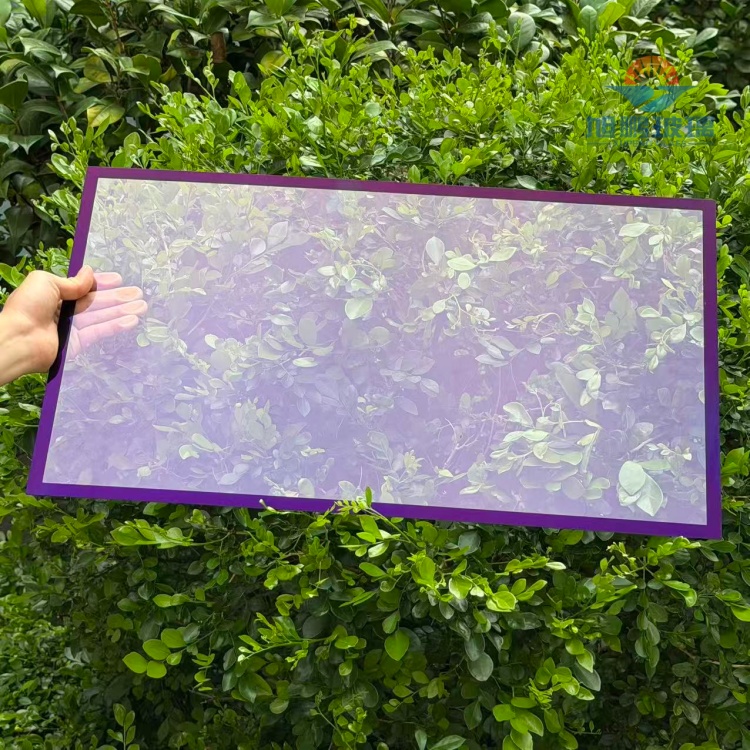
27-inch All-in-One PC AR Coated Glass
Large-format AR-coated cover glass for display integration. The same low-reflection coating logic can support oven control panels, touch interfaces and viewing windows where glare reduction matters.
View product →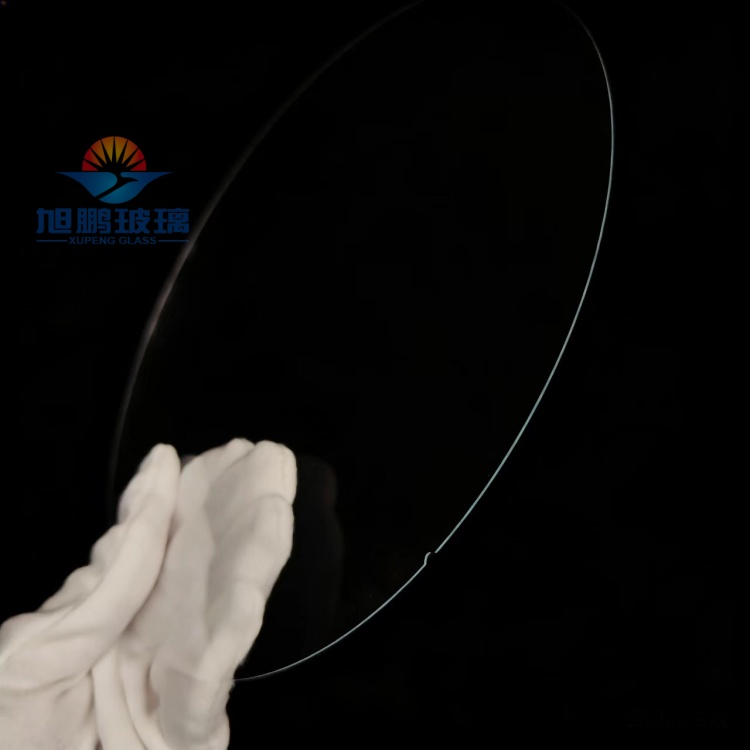
Corning EXG Glass Wafer, Double-Sided Polished Custom Fabrication for Semiconductor Glass Wafers
Alkali-free, double-side polished substrate with tight flatness and cleanliness expectations. Suitable for precision sensor windows, optical inspection and advanced components around laboratory furnace systems.
View product →
Round Aluminosilicate Glass with Chamfered Ground Edges and Metal Coating
Round geometry, chamfered ground edges and metal coating make this format relevant to sealed viewing ports, oven inspection windows and equipment where edge quality influences breakage risk.
View product →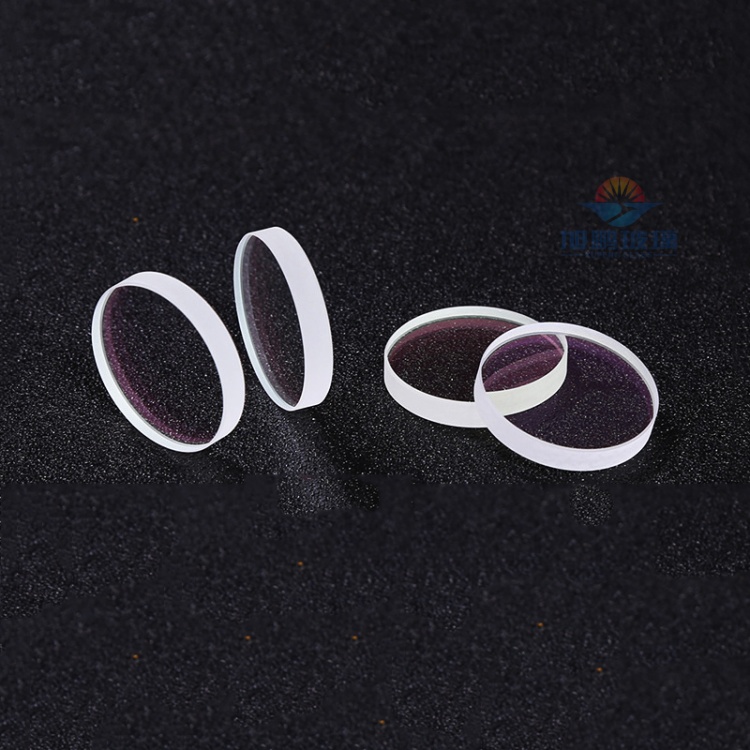
Ultra-clear Tempered Glass, Custom Processing Available: Drilling, Etching, AG Coating Silk Printing, AR Coating
A versatile platform for oven doors, steam-oven trims, control glass and branded appliance panels. Drilling, etching, AG/AR coating and silk printing can be reviewed as one process route.
View product →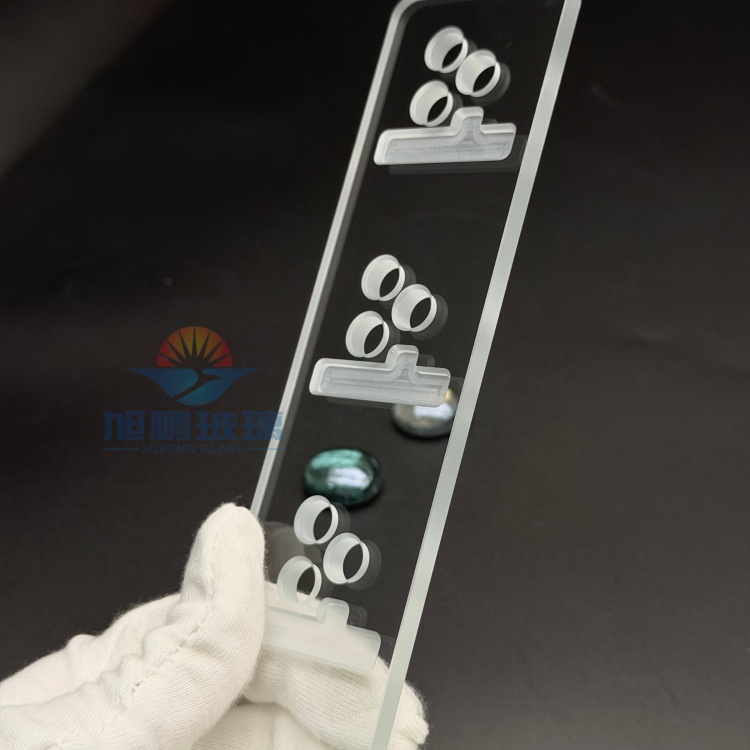
Ultra Clear High Light Transmission Tempered Glass Panel, CNC Arc Polishing, Drilling & Grooving
High-clarity tempered glass with CNC polishing, drilling and grooving. Cologne equipment builders can use this format for appliance fronts, commercial kitchen windows and heat-resistant display covers.
View product →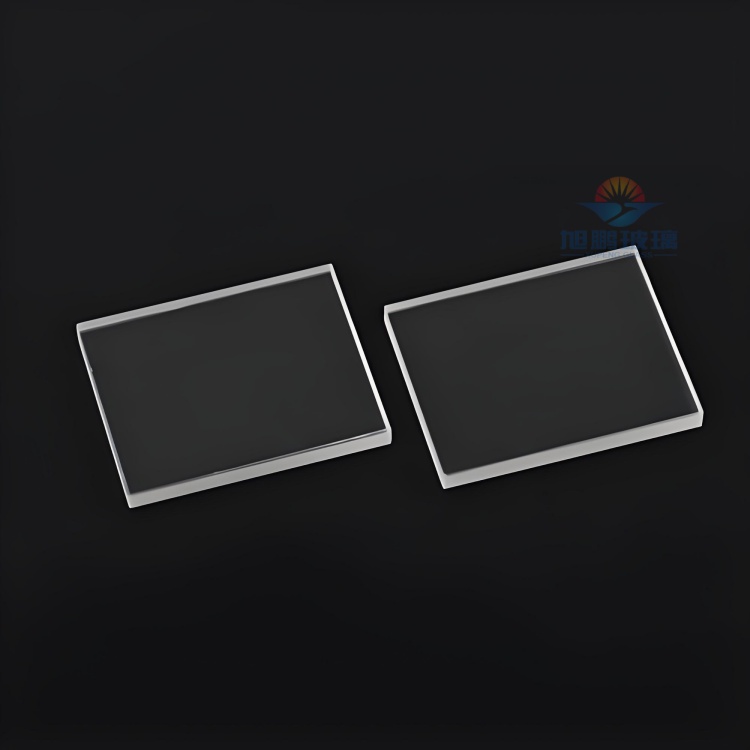
Tempered Glass Customized High Temperature Resistant, High Transparency and High Borosilicate Mirror Window Glass
Directly aligned with oven windows, furnace inspection ports and high-temperature mirror windows. The key buying decision is not only material grade, but edge finish, thermal cycling and mounting stress.
View product →
Ultra-thin Flexible UTG Glass, bendable and foldable, suitable for commercial aerospace and new energy industries
Bendable and foldable UTG for advanced display and new-energy applications. It is a future-facing material for compact appliance interfaces and should be specified separately from thick oven-door glass.
View product →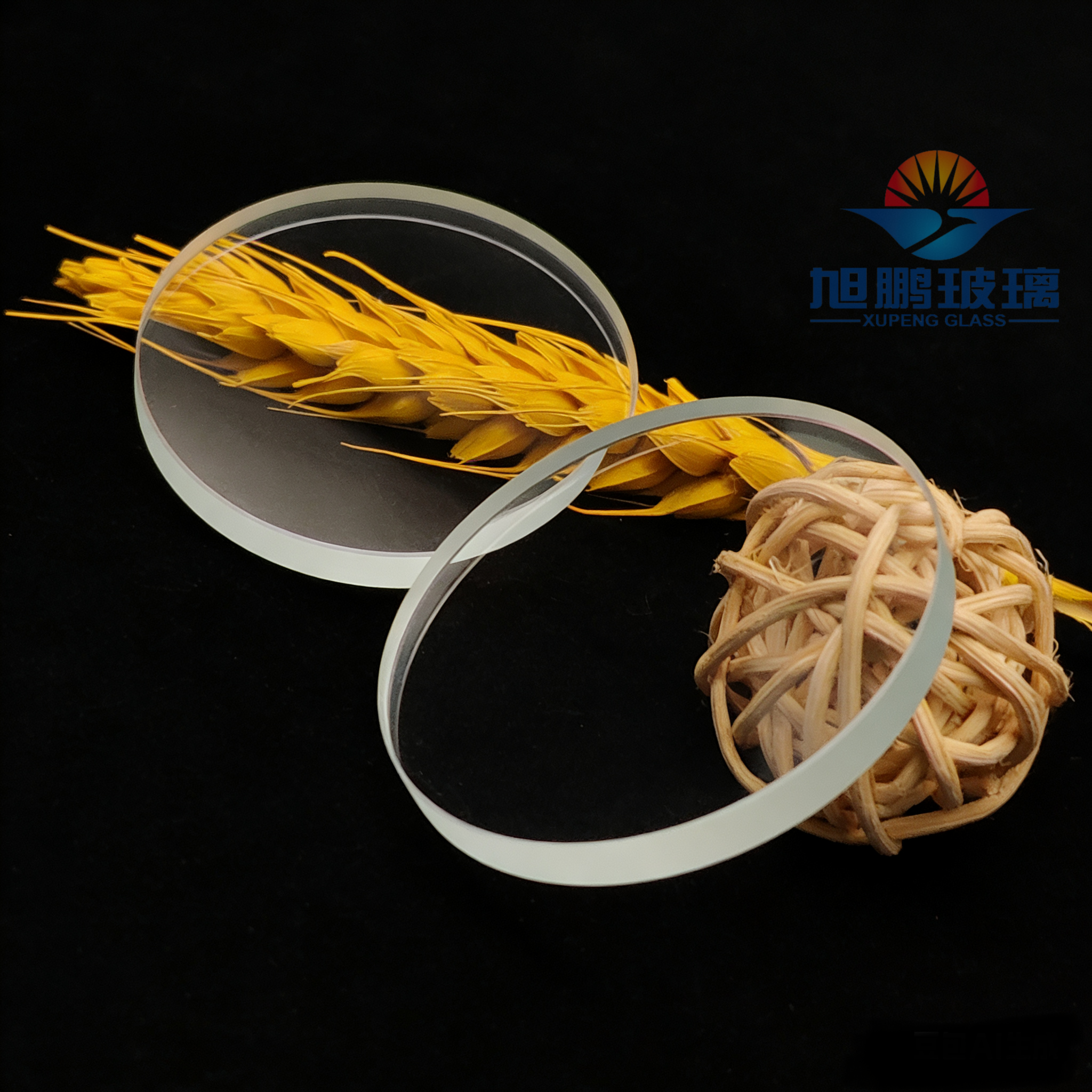
Low Iron Round High Transmittance Tempered Glass Panel with Precision Polished Edges, Flat Clear Glass
Low-iron float glass with high visible transmission and polished edges. A good reference format for clear view windows, lighting covers, appliance control surfaces and circular oven inspection glass.
View product →Cologne Oven Glass Sourcing: From Search Query to Production Drawing
If you are sourcing oven door glass, pyrolytic oven windows, steam-oven display covers, bakery equipment viewing panels, laboratory furnace windows or high-temperature inspection glass for a Cologne-based appliance brand, kitchen equipment integrator, importer or maintenance provider, this guide is written for you.
Engineering Review Before Price
Oven glass is not a generic flat-glass purchase. The most useful first step is a manufacturability review of thickness, edge profile, holes, printing, coating, thermal load and installation stress.
Local Use Case, Not Local Guesswork
Cologne buyers often compare search results that mix replacement glass, material brands and factory-direct custom production. Separating the use case protects project timeline and compliance files.
Documentation That Supports Procurement
For professional buyers in Germany, a clear quotation should connect the drawing, material, process route, inspection criteria, packaging method and delivery term. Vague material names create avoidable risk.
What Cologne Buyers Actually Search For — and What They Need to Specify
The following intent map is designed for appliance OEM purchasing teams, commercial kitchen service companies, laboratory equipment distributors and importers in Cologne and across North Rhine-Westphalia.
| Typical search query | Likely engineering or procurement need | Recommended next action |
|---|---|---|
| oven glass manufacturer Cologne | A factory that can manufacture to drawing, not merely stock generic sheets. | Send a 2D drawing with thickness, tolerance, edge, hole and coating notes; ask for a process route and sample plan. |
| oven door glass replacement Cologne | Fit, safety, edge finish and hinge or cut-out compatibility for an existing appliance or commercial oven. | Provide the appliance model, measured dimensions, photos and original glass marking if available. |
| borosilicate oven glass supplier Germany | High-temperature window material for repeated heating and cooling, often with visual clarity. | Define maximum working temperature, thermal cycle, mounting method, cleaning chemicals and required documentation. |
| custom printed oven glass factory | Brand graphics, display windows, sensor openings, touch zones and durable ceramic ink. | Approve ink color, gloss level, fired printing position, tolerance and scratch or chemical resistance requirements. |
| heat resistant glass wholesale NRW | Repeatable supply, protective packing, batch traceability and import terms into Germany. | Request packaging validation, inspection plan, sample lead time and Incoterms suitable for fragile glass. |
Where Oven Glass and Heat-Resistant Glass Matter in Cologne
Cologne combines a dense residential appliance market, a strong hospitality and bakery sector, food-processing businesses, university and research facilities, and commercial kitchen service companies. Each environment creates a different glass specification.
Built-in Ovens in Cologne Apartments
Many Cologne kitchens, from Altbau renovations to new-build apartments, use 60 cm built-in ovens with glass doors, inner windows and control panels. Replacement projects need exact dimensions and edge details, not just an approximate visual match.
Pyrolytic, Steam and Combi Ovens
Self-cleaning and steam functions increase thermal cycling, moisture exposure and cleaning-chemical contact. Borosilicate, tempered low-iron glass, printed glass and coated glass must be matched to the real operating profile of the appliance.
Bakeries and Commercial Kitchens
Cologne bakeries, hotel kitchens, restaurant groups and catering companies rely on visible inspection windows, robust door glass and resistant control surfaces. Impact resistance, edge quality and easy cleaning are practical purchasing criteria.
Laboratory and Industrial Furnaces
Research and industrial equipment around Cologne may require borosilicate, quartz, aluminosilicate or sapphire windows for inspection, UV exposure or high-temperature isolation. These projects should be validated with thermal and mechanical data.
Control Panels and Display Covers
Modern ovens integrate touch controls, displays, indicators and sensors behind glass. AR and AG coatings, silk-screen printing, selective windows and precise cut-outs can improve readability and design consistency.
Importers and Maintenance Providers
Cologne-based appliance importers and service companies need replacement-part discipline: model identification, batch consistency, protective packing and a factory contact who can answer technical questions quickly.
Six Trends Shaping Oven Glass Demand in Cologne and North Rhine-Westphalia
Search demand follows product change. These trends help sourcing teams anticipate the glass features that will be quoted, tested and stocked next.
Electrification and Efficiency
Higher-efficiency ovens often place greater attention on insulation, door sealing, multilayer glass, coating and visual clarity. Glass is part of the thermal and user-experience system, not only a decorative panel.
Steam and Pyrolytic Cleaning
Steam and pyrolytic cycles demand resistance to thermal shock, moisture and cleaning agents. Buyers increasingly ask for material evidence, edge quality control and process traceability to reduce field failures.
Edge-to-Edge Black Glass Design
Cologne appliance buyers often expect dark, uniform, seamless glass fronts with selective printing and hidden displays. Achieving this consistently requires control of ink, glass tint, coating and dimensional tolerance.
Hidden Sensors and Touch Zones
Capacitive controls, indicators and sensors behind glass require careful window design, coating compatibility and printing registration. AR/AG coatings can improve readability while preserving the premium surface.
EU Documentation and Traceability
Procurement teams need material certificates, dimensional reports, coating data, packing records and batch traceability. Final compliance belongs to the appliance or equipment manufacturer, but a transparent glass supply chain makes the file easier to defend.
Urban Logistics and Smaller Batches
Cologne’s urban supply chains reward suppliers who can handle smaller replenishment batches, protective packaging and predictable export communications. Fragile-glass packing standards can matter as much as unit price.
Oven Glass Material Selection: A Practical Comparison for Cologne Buyers
Use this table as a starting point for engineering discussion. Final material selection should be confirmed against the oven chamber temperature, door design, thermal cycling, mechanical impact risk, cleaning regime and applicable final-product standard.
| Glass option | Typical value in oven projects | Best-fit applications | What to verify before order |
|---|---|---|---|
| Low-iron tempered glass | High visible clarity, low green tint, good mechanical strength after toughening. | Oven door outer glass, control panels, light windows and appliance fronts. | Tempering mark, fragmentation test, flatness, edge quality, printing and coating adhesion. |
| Borosilicate glass | Low thermal expansion and strong resistance to thermal shock; widely used in heat-resistant windows. | Pyrolytic oven windows, furnace viewports, laboratory ovens and high-temperature inspection glass. | Working temperature, annealing state, mounting stress, edge finishing and available thickness. |
| AR coated glass | Reduces surface reflection; improves display contrast and viewing clarity. | Control displays, touch panels, instrument windows and premium appliance interfaces. | Single or double-side coating, reflectance target, coating durability, cleaning resistance and haze. |
| AG coated or etched glass | Diffuses glare and creates a softer visual finish. | Commercial kitchen displays, bright environments, touch interfaces and outdoor-adjacent equipment. | Gloss level, haze, etch depth, fingerprint appearance and compatibility with printing. |
| Silk-screen printed tempered glass | Durable ceramic-ink graphics fired into the glass surface. | Oven control zones, logos, masking windows, appliance panels and indicator areas. | Ink color, registration, firing temperature, opacity, scratch resistance and graphic file format. |
| Quartz and aluminosilicate | High-temperature capability, UV transparency or enhanced thermal performance depending on grade. | UV curing equipment, laboratory furnaces, industrial viewing windows and special heat barriers. | Optical transmission, thermal expansion, purity, surface quality and sealing method. |
| Ultra-thin flexible glass | Thin, bendable substrate for advanced display and sensor integration. | Compact appliance interfaces, flexible electronics and next-generation control surfaces. | Bend radius, thickness, edge strength, lamination method and handling requirements. |
Relative Fit for Oven-Related Projects
Indicative, project-specific comparison. A 90% score does not replace thermal or mechanical testing.
Cologne Buyer Qualification Checklist
The fastest route to a reliable quotation is a complete technical packet.
Send these details together and the factory can respond with a process route, sample plan, packaging recommendation and realistic lead time rather than a generic price list.
How to Qualify Oven Glass Before Mass Production
A low unit price can disappear quickly if a glass batch fails at assembly or after thermal cycling. For Cologne buyers, the qualification plan should combine drawing review, samples, packaging validation and documented inspection.
Drawing and DFM Review
Check edge distance, hole spacing, glass thickness, coating zones, printing registration and tempering limitations before tooling or samples.
Material and Process Evidence
Confirm glass type, tempering state, coating type, ink system and traceability. The purchase order should state the standard used for inspection.
Sample Validation
Review dimensions, appearance, light transmission, haze, color, edge finish and fit. If relevant, run pre-agreed thermal cycling or impact tests on the final assembly.
Packing and Logistics
Validate interleaving film, foam corners, wooden crate or reinforced carton, labeling and humidity protection for the Cologne route.
Why AUVE Glass Is a Practical Factory Partner for Cologne Buyers
Dongguan AUVE Glass Co., Ltd. is a deep-processing glass manufacturer integrating R&D, design, production and export. The company was established in 2018 and operates from Songshan Lake, Dongguan — one of China’s key electronics and optoelectronics clusters.
Broad Deep-Processing Range
Flat and curved tempered glass, ultra-clear low-iron glass, laminated and painted glass, AR anti-reflective glass, AG anti-glare glass, silk-screen printed glass, LCD and touch cover glass, LED lighting glass, instrument glass and optical materials such as K9, quartz, sapphire, borosilicate and Corning EXG.
In-House Process Control
CNC cutting, edging, drilling, grooving, tempering, silk-screen printing, AR/AG coating, polishing and inspection can be coordinated as one production route. This helps protect tolerances and shortens the loop between sample feedback and production adjustment.
Documented Quality Discipline
Production follows defined process standards and a documented quality management approach, so every batch can be traced from raw sheet to packed carton. Third-party supplier verification, credit index, transaction level and buyer feedback are publicly checkable.
Responsive Technical Communication
The average response time for technical inquiries is within 7 hours. For a Cologne buyer, that means faster clarification of drawings, tolerances, coating questions, sample status and export documents.
Export Experience
Glass products are exported to the United States, Canada, Russia, South Korea, Japan, Australia and other markets. Supported delivery terms include FOB, CFR, CIF, EXW, DDP, DDU, DAF and express delivery, with packing designed for fragile glass parts.
Custom-First Philosophy
Guided by the philosophy of “focusing on high-end glass, pioneering and innovating,” the team supports OEMs, brand owners, distributors and equipment builders who need glass made to drawing rather than a single stock specification.
Frequently Asked Questions from Cologne Oven Glass Buyers
These are the questions most often raised by appliance OEMs, kitchen equipment distributors, maintenance providers and importers when evaluating a factory-direct glass supplier.
Can you supply oven glass to Cologne from China?
Yes. AUVE Glass supplies custom glass parts to overseas buyers and supports export packing for fragile glass. For Cologne, the practical quotation should confirm Incoterms, transit method, packaging, batch size and documentation. Air/express is often used for samples and urgent replacement batches, while sea freight is more economical for larger production orders.
What is the minimum order quantity for oven glass or heat-resistant glass?
MOQ depends on material and process. Many coated and optical glass parts can start from 10 to 50 pieces, while standard ultra-clear tempered parts typically start from 100 to 500 pieces. New Cologne projects can discuss sample and pilot quantities before committing to mass production, but the final MOQ must reflect the selected glass, printing, coating and packing method.
Can you make a replacement oven door glass from a sample or photo?
A physical sample or detailed drawing is strongly preferred. Photos are useful for context, but they cannot reliably define thickness, edge profile, hole position, coating zone or tolerance. Send the appliance model, overall dimensions, glass thickness, edge details, cut-outs, hinge or bracket areas and any original marking. Our engineers can then review manufacturability before sampling.
Which glass should be used for a pyrolytic or high-temperature oven?
Material choice depends on the actual thermal profile, door construction, mounting method and final appliance standard. Borosilicate glass is often considered for high-temperature and thermal-shock-sensitive windows, while tempered low-iron glass is widely used for appliance doors and control panels. For a Cologne project, define maximum temperature, heating and cooling rate, cleaning chemicals and mechanical loads, then validate the final assembly rather than relying on a generic “heat resistant” label.
What documents can support our German or EU compliance file?
Depending on the agreed scope, the factory can provide drawing confirmation, material information, dimensional inspection records, coating or printing data, packing records and batch traceability. Final compliance for the appliance or commercial oven remains with the equipment manufacturer. Buyers should confirm which standards and test reports are required for their CE file before production.
How are glass panels packed for shipment to Cologne?
Export packing for fragile glass typically uses interleaving film or paper, foam corner protection, reinforced cartons or fumigation-free wooden crates, batch labels and moisture protection. The correct packing depends on panel size, thickness, edge exposure, quantity and transport mode. For high-value printed or coated glass, packaging validation before mass shipment is recommended.
Can you print logos, display windows and sensor zones on oven glass?
Yes. Silk-screen printing can apply logos, masking, indicator windows, touch zones and decorative borders using ceramic ink systems. The buyer should provide vector artwork, color reference, gloss level, print position, tolerance and any chemical or scratch-resistance requirement. Coating and printing should be reviewed together because layer order can affect appearance, adhesion and sensor performance.
How quickly can we receive a technical response and quotation?
The average response time for technical inquiries is within 7 hours. A faster and more accurate quotation is possible when you provide a drawing, thickness, tolerance, edge profile, hole positions, coating or printing requirements, annual quantity, target delivery term and any required inspection documentation. For Cologne buyers, include the intended application and operating temperature so the factory can recommend a suitable process route.
Send Your Oven Glass Drawing for a Cologne-Focused Engineering Review
Share your dimensions, thickness, thermal requirements, edge profile, printing artwork, coating target and estimated order quantity. The AUVE Glass team will review the process route and respond with the next practical step for sampling or production.