Range Hood Glass Manufacturers & Wholesaler for the Mérida Market
Custom tempered, silk-screen printed and easy-clean glass for cooker hoods, engineered for Mérida’s humidity, coastal air and high-use kitchens.
8 Glass Products & Process Platforms Behind Our Range Hood Glass Supply
The eight items below are real AUVE glass products and production platforms. They show the cutting, polishing, tempering, printing, coating and inspection disciplines we apply when building range hood glass for appliance brands, kitchen fabricators and wholesalers serving Mérida and the wider Yucatán market.

Schott Ultra-thin Optical Glass Sheets, 0.1mm, 0.5mm, 0.7mm, 1.1mm, Raw Semiconductor Electronic Glass Substrates
Ultra-thin raw glass for precision windows and sensor covers; a useful reference for thin display windows in hood control panels.
View product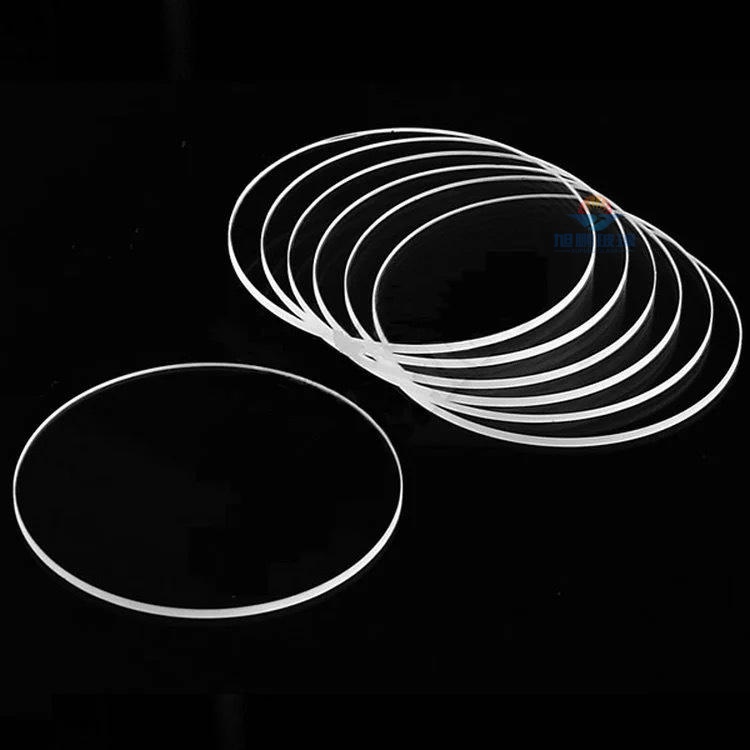
Corning EXG Alkali-Free Glass, UV High-Transmittance Optical Window Substrate
Alkali-free optical window substrate for high-transmission UV and display applications, demonstrating our handling of specialty glass.
View product
Wafer Glass Thickness Circuit Board Chip Solar Silicon Ingot Substrate
Thickness-controlled wafer glass for circuit-board, chip and solar tooling, reflecting our capability in tight dimensional control.
View product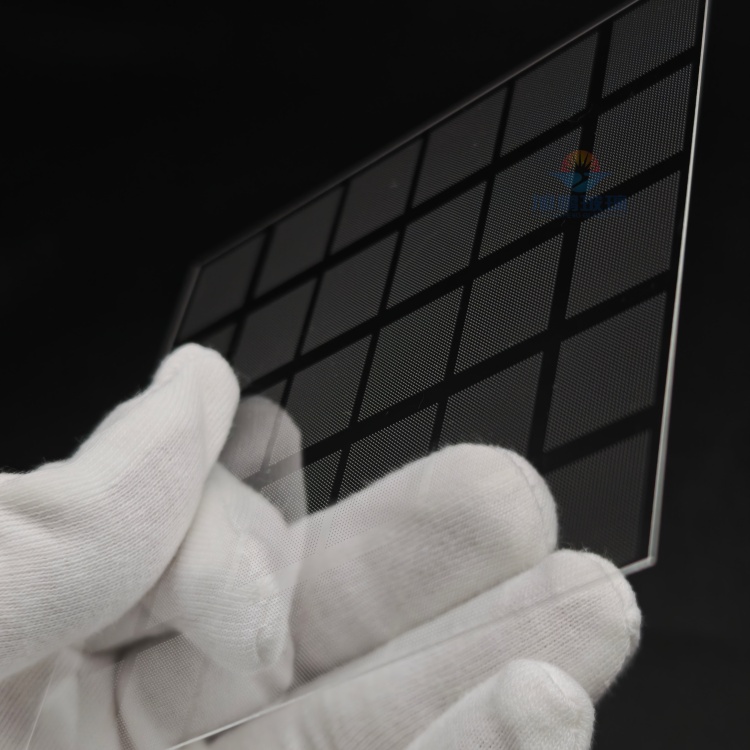
TGV Drilled Packaging Glass Substrate, Precision Laser Microvia Glass
Laser-drilled microvia glass for packaging and sensor assemblies, supporting precision hole layouts and fine feature control.
View product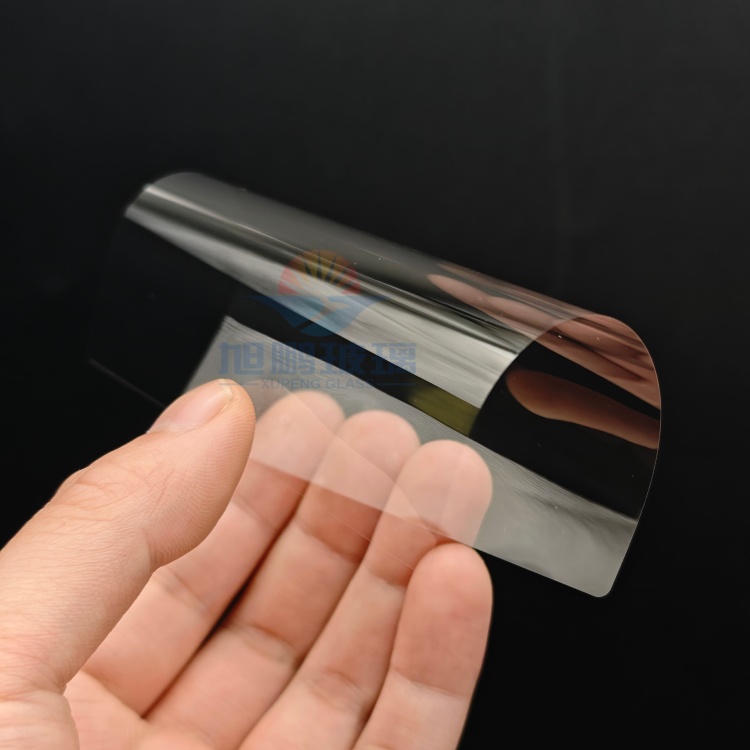
0.03 mm Ultra-thin Flexible Bendable Glass
Bendable ultra-thin glass for flexible devices, relevant to lightweight display windows and high-clarity control interfaces.
View product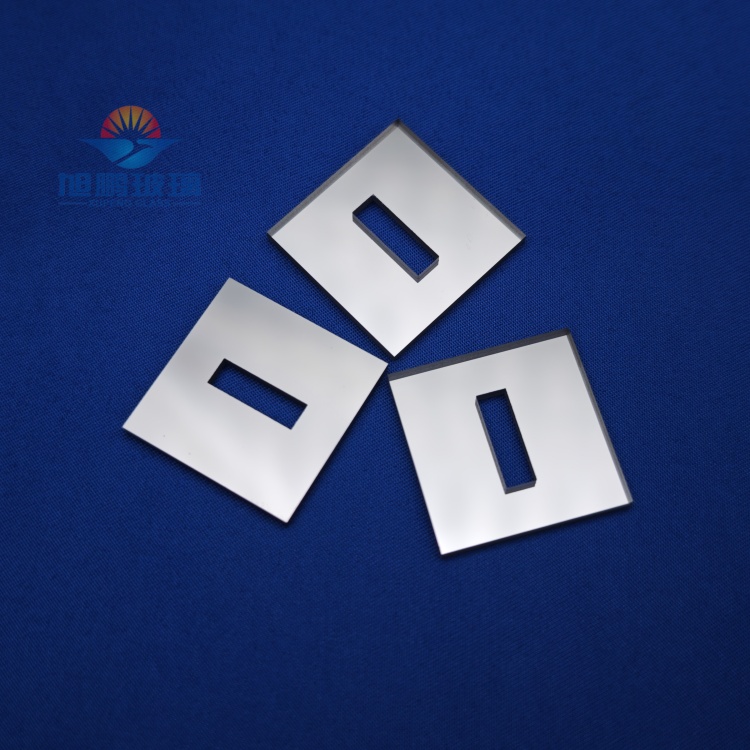
Silver-coated Mirror, Grooved at the Center of Glass
Center-grooved silver mirror for decorative and optical reflectors, illustrating our grooving and coating control.
View product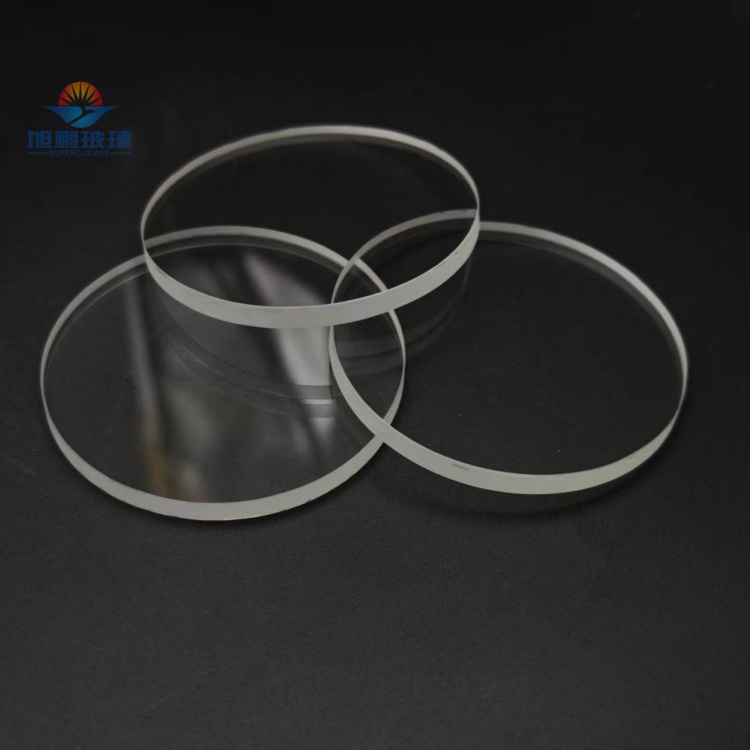
K9 Optical Glass (K9 Crystal Glass) for Optical Instruments
Polished K9 crystal glass for lenses, prisms and instrument windows, used as a benchmark for optical clarity and low inclusion levels.
View product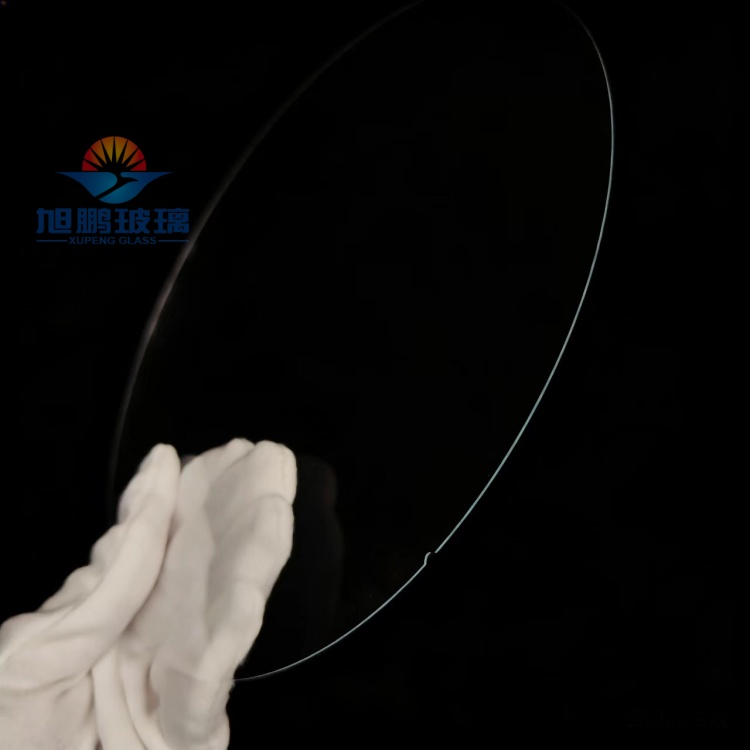
Corning EXG Glass Wafer, Double-Sided Polished Custom Fabrication for Semiconductor Glass Wafers
Double-side polished alkali-free wafer for semiconductor and display substrates, custom fabricated to drawing and agreed inspection criteria.
View productRange Hood Glass for Mérida: A Performance Specification, Not a Decorative Panel
A range hood glass panel is exposed to more than cooking vapour. In Mérida, high humidity, salt-laden air near Progreso and Chicxulub, frequent wipe-downs and strong kitchen lighting all stress the surface, printing, edges and fixing points. For hotels, restaurants and high-use residential kitchens, the glass should be specified as a safety and appearance component, not a commodity sheet.
The most reliable specification usually starts with tempered low-iron glass, a controlled edge finish, high-temperature ceramic ink and a print layout that leaves clear windows for LED lighting or touch controls. For coastal properties, the edge seal, fixing hardware and packing method matter as much as the glass itself. This is where a factory-direct range hood glass manufacturer and wholesaler support partner can reduce rework, breakage and colour-batch drift.
For the Mérida market, AUVE supports appliance brands, kitchen fabricators, hotel contractors and distributors with drawing review, pilot quantities, export packing and repeatable batch control.
Mérida kitchen stress profile
Typical performance pressures used when reviewing a range hood glass specification.
Recommended Range Hood Glass Configurations for Mérida Projects
Use these five starting points to shortlist a specification before an engineering review. Final thickness, tempering parameters, print colour, bend radius and tolerances should be confirmed against the hood design.
Ultra-clear tempered canopy glass
5–6 mm low-iron glass with polished edges for island hoods and transparent canopies. Best where the kitchen designer wants an open, bright look without a green edge tint.
- Low-iron
- Tempered
- Polished edge
Black or white printed fascia
4–6 mm tempered glass with high-temperature ceramic ink. Ideal for chimney hoods and control fascias because the print hides fingerprints and leaves clean LED windows.
- Ceramic ink
- LED window
- Custom logo
Curved tempered glass for chimney hoods
6–8 mm curved tempered glass, jig-checked for radius and fit. A premium option for hotel kitchens and residential projects where the hood is a visible design feature.
- Controlled bend
- 6–8 mm
- Jig check
AR/AG control-window glass
2–4 mm glass with anti-reflective or anti-glare treatment for display windows and touch panels. Useful when the hood has a dark fascia and the display must remain legible.
- AR
- AG
- Touch display
Laminated easy-clean safety glass
For commercial kitchens and hospitality projects, laminated or safety-film glass can improve containment and cleaning. Pair with a coating review for aggressive degreasers.
- Safety film
- Easy clean
- Commercial use
Where Range Hood Glass Is Used in Mérida & Yucatán
Mérida is not a single market. A kitchen in a gated community in the north, a restored property near the Centro, a restaurant with heavy daily use and a coastal rental near Progreso can require different glass specifications and packaging priorities.
North Mérida open-plan residences
Large island hoods and statement canopies are often visible from living areas. Use low-iron tempered glass with consistent print colour and clean edge polishing so the hood matches premium cabinetry and lighting.
Centro renovation & boutique projects
Historic renovations often need small custom batches and careful dimensions. We support CAD/DXF/PDF drawing review, sample approval and repeat orders so replacement panels match earlier batches.
Restaurants & commercial kitchens
High grease, strong cleaning chemicals and daily use make surface durability critical. Ceramic-printed tempered glass with easy-clean options and safe edge treatment is a practical starting point.
Hotels, vacation rentals & maintenance teams
Hospitality operators need replacement glass and consistent spare-part specifications. Batch labels, protective packing and stable print colours help maintenance teams stock the right parts.
Coastal homes near Progreso & Chicxulub
Salt air and humidity make edge sealing, fixing hardware and packaging important. Specify corrosion-resistant fixings and review the edge finish with your installer before ordering.
Appliance distributors & kitchen fabricators
Wholesale buyers need predictable tolerances, export cartons and documentation. AUVE supports mixed specifications, pilot lots and production quantities for distributors serving the Yucatán Peninsula.
Localised Trends Shaping Range Hood Glass Demand in Mérida
Design preferences are changing, but the strongest purchasing trend is technical: buyers now ask for climate-aware specifications and clearer documentation before placing a repeat order.
Climate-first buying
Humidity, salt air and cleaning chemistry are now part of the specification discussion. Buyers ask about edge sealing, print durability and hardware compatibility, not only price per square metre.
Dark minimalism & custom print
Matte black, white and bronze-toned printed glass continues to suit contemporary kitchens. Precise ceramic printing and controlled colour matching help brands maintain a consistent look across models.
Smaller pilot runs
Distributors and appliance brands want to validate a model before committing to large inventory. Flexible pilot quantities for printed and coated parts help reduce launch risk.
Nearshoring & documentation
Mexican buyers increasingly expect English/Spanish commercial communication, clear Incoterms, batch labels and export packing suited to fragile glass travelling to Progreso or another Mexican port.
Range Hood Glass Selection Matrix
This matrix is an engineering starting point. For a real order, the hood structure, lamp heat, control layout, cleaning agents and installation method must be reviewed together.
| Hood application | Recommended glass | Typical thickness | Key finish | Why it suits Mérida projects |
|---|---|---|---|---|
| Standard chimney hood fascia | Tempered low-iron glass | 4–6 mm | Black or white silk-screen print | Hides grease marks, allows LED windows and maintains colour consistency across batches. |
| Curved canopy or island hood | Curved tempered glass | 6–8 mm | Polished edge and controlled radius | Creates a strong visual feature while remaining easier to clean than open metal seams in humid kitchens. |
| Touch control or display window | AR or AG coated glass | 2–4 mm | Anti-reflective or anti-glare | Improves legibility when the kitchen has bright daylight or strong downlights. |
| Commercial restaurant hood | Tempered or laminated safety glass | 6 mm+ | Easy-clean surface and safe edge | Supports frequent degreasing cycles and reduces risk in high-traffic kitchens. |
| Coastal property near Progreso | Tempered glass with sealed edges | 6 mm | Corrosion-resistant fixing review | Addresses salt-air exposure and humidity-driven maintenance issues at fixing points. |
| Hotel or vacation-rental refurbishment | Printed tempered glass with batch labelling | 4–6 mm | Colour-matched print and protective packing | Helps maintenance teams reorder matching panels after renovation phases or damage. |
Why AUVE Glass Is a Practical Manufacturing Partner for Mérida Buyers
Dongguan AUVE Glass Co., Ltd. was established in 2018 and operates with 51–100 skilled employees in a 1,001–2,000 m² deep-processing facility in Songshan Lake, Dongguan. We integrate R&D, design, production and export for tempered, ultra-clear, AR/AG coated, silk-screen printed and optical glass.
Our products are exported to the United States, Canada, Russia, South Korea, Japan, Australia and other markets. For Mérida buyers, the practical advantage is a single engineering and production channel for cutting, CNC shaping, edging, drilling, tempering, ceramic printing, coating, inspection and export packing.

Factory-direct deep processing
Production steps are controlled in-house rather than passed through multiple subcontractors, which shortens lead-time risk and improves tolerance accountability.
Drawing review before production
Send CAD, DXF or PDF drawings with thickness, tolerance, edge, hole, printing and coating requirements. Engineers review manufacturability before a quote is finalised.
In-house finishing capabilities
CNC cutting, edging, drilling, tempering, silk-screen printing, AR/AG coating and optical polishing support both appliance glass and specialty glass projects.
Traceable quality checks
Dimensional, visual and optical checks are aligned with the agreed drawing and batch record so repeat orders are easier to compare and approve.
Export packing & Incoterms
Protective film, foam corner protection and wooden crates or reinforced cartons are combined with FOB, CFR, CIF, EXW, DDP, DDU, DAF or express options.
Fast technical response
Average response time is within 7 hours. For Mérida projects, include the hood model, target thickness, print colours, control-window layout and expected volume.
Procurement Checklist Before You Order Range Hood Glass for Mérida
A cleaner enquiry produces a faster quote. The checklist below helps appliance brands, fabricators and distributors prepare one complete drawing package instead of a long thread of messages.
- Confirm the hood model, glass function, panel dimensions and allowable tolerance.
- State thickness, bend radius, edge profile, holes, cut-outs and fixing method.
- Provide print layout, Pantone/RAL colour reference and LED-window transparency.
- Define tempering standard, fragmentation test requirement and safety-film needs.
- Review cleaning chemicals and specify easy-clean, AR, AG or other surface treatment.
- Check control integration so the glass does not interfere with touch sensors or displays.
- Agree export packing, batch labels, spare ratio and shipping Incoterm.
- Approve a sample or pilot lot before mass production, especially for printed and curved parts.
Mérida Range Hood Glass Buyers’ FAQ
Straight answers to the purchasing and engineering questions we hear from appliance distributors, kitchen fabricators and hospitality contractors in Yucatán.
Do you manufacture glass specifically for range hoods and cooker hoods?
Yes. We process tempered, ultra-clear, silk-screen printed, curved, laminated and coated glass for appliance and kitchen applications. For range hood projects, we review the hood structure, print layout, control windows, fixing method and target quantity before recommending a production route. The eight product platforms shown above demonstrate the underlying cutting, tempering, printing and coating capabilities.
What glass thickness is suitable for range hood glass?
Many printed fascia panels use 4–6 mm tempered glass, while curved canopy designs may require 6–8 mm depending on span, radius, fixing and safety requirements. Thin AR/AG display windows are often 2–4 mm. These are starting ranges only; final thickness must be validated against the hood design and applicable safety requirements for the finished appliance.
Can you match black, white or custom print colours?
Yes. Ceramic silk-screen printing can be matched to an approved sample or colour reference. Please send the print artwork, Pantone/RAL reference, logo file, clear-window dimensions and tolerance expectations. For repeat orders, retain the approved sample and batch record so future production can be compared consistently.
How do you ship range hood glass to Mérida?
Samples can move by express. Bulk orders usually ship by sea to a Mexican port, commonly Progreso for Yucatán, then move by truck to Mérida. We can quote FOB, CFR, CIF, EXW, DDP, DDU, DAF or express delivery depending on your broker and Incoterm preference. Final customs classification and finished-appliance compliance remain with the importer or brand owner.
How do you reduce humidity and salt-air risk for coastal properties?
Start with tempered glass, controlled edge finishing and suitable packaging. Review the fixing hardware for corrosion resistance, avoid trapped moisture around edges and confirm that the chosen cleaning chemicals are compatible with the printed and coated surfaces. For coastal homes near Progreso or Chicxulub, include the installation environment in your enquiry so we can review edge and packing requirements.
What is the minimum order quantity for range hood glass?
MOQ depends on material and process. Many coated and optical glass parts start from 10–50 pieces, while standard ultra-clear tempered parts typically start from 100–500 pieces. Sample and pilot quantities can be discussed for new appliance models, printed layouts, curved glass and hotel refurbishment projects.
Can you supply samples before mass production?
Yes. For new projects, a sample or pre-production pilot lot is strongly recommended, especially for curved glass, custom colours, LED windows and touch-control layouts. Approving a physical sample helps confirm appearance, fit, print density and packing before a larger wholesale order is released.
How quickly can your team review a range hood glass drawing?
Average technical response time is within 7 hours. For the fastest review, send a CAD, DXF or PDF drawing with thickness, tolerance, edge, hole, print, coating and quantity details. Include the target hood model, installation location in Mérida or Yucatán, and any cleaning or safety requirements.
Send a Drawing, Get a Manufacturability Review
Share your hood model, target thickness, print colours, bend radius, control-window layout and expected annual volume. Our team will recommend a material and process route, then confirm quotation direction—typically within 7 hours.