Eight Specialty Glass Products for Custom Range Hood and Appliance Programs
Use these production references as a starting point, then adapt thickness, edge profile, holes, printing, tempering and coating to your drawing. The original product URLs and images are preserved below.
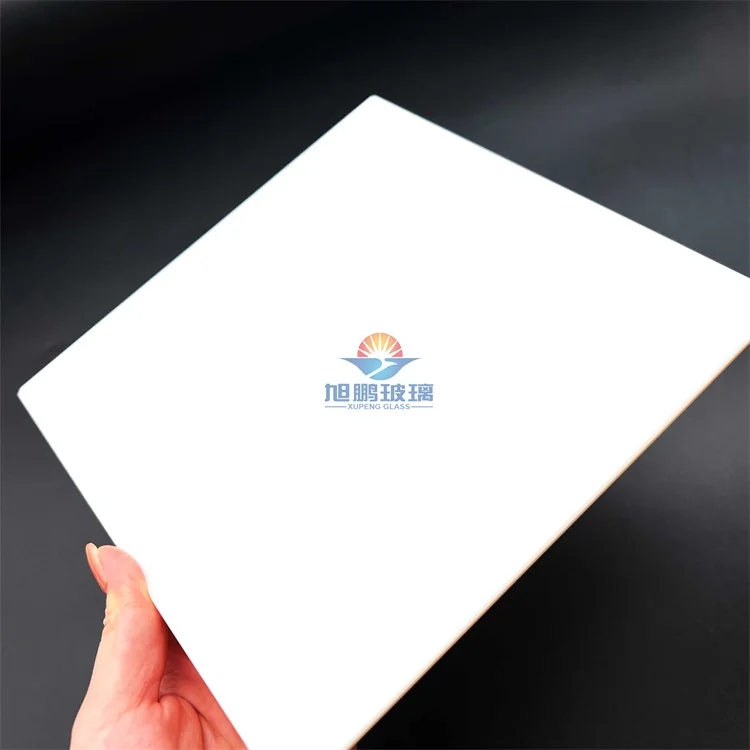
White Ceramic Glass-Ceramic, 4mm & 6mm, High Temperature Resistant Glass-Ceramic
Heat-resistant white glass-ceramic suited to high-temperature appliance windows, lamp covers and heat-adjacent kitchen components.
View product details
Corning Ultra-Thin Glass Sheet, Optical Grade Glass Wafer Substrate with Chamfered Edge
Optical-grade reference for buyers who need low-defect finishing, precise flatness and chamfered-edge control.
View product details
Schott BF33 TGV Microvia Glass Wafer, Packaging Substrate for Sensors & Chips
Advanced glass wafer reference demonstrating microvia capability for sensor, chip and precision electronic packaging.
View product details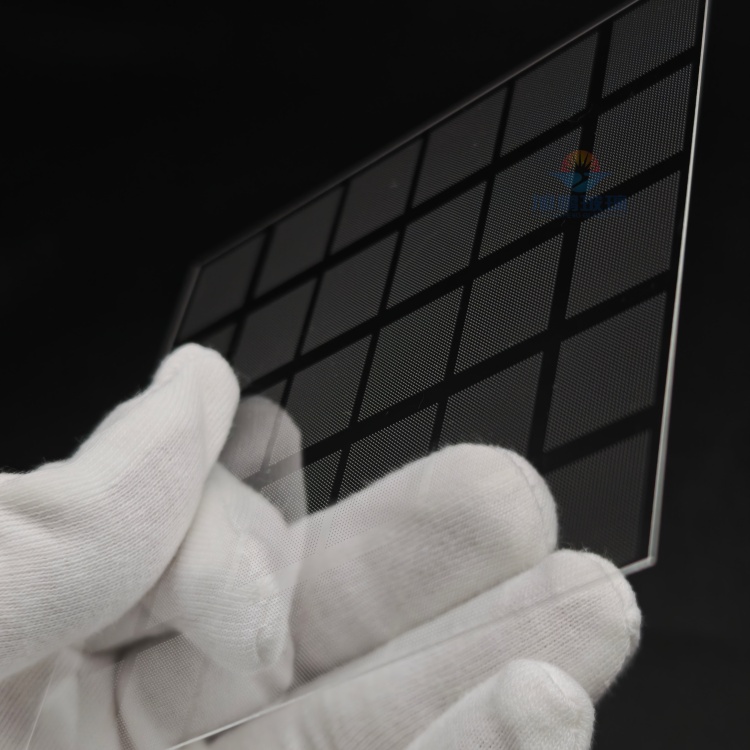
TGV Drilled Packaging Glass Substrate, Precision Laser Microvia Glass
Laser-drilled transparent substrate for miniaturised designs where hole position and edge quality influence assembly yield.
View product details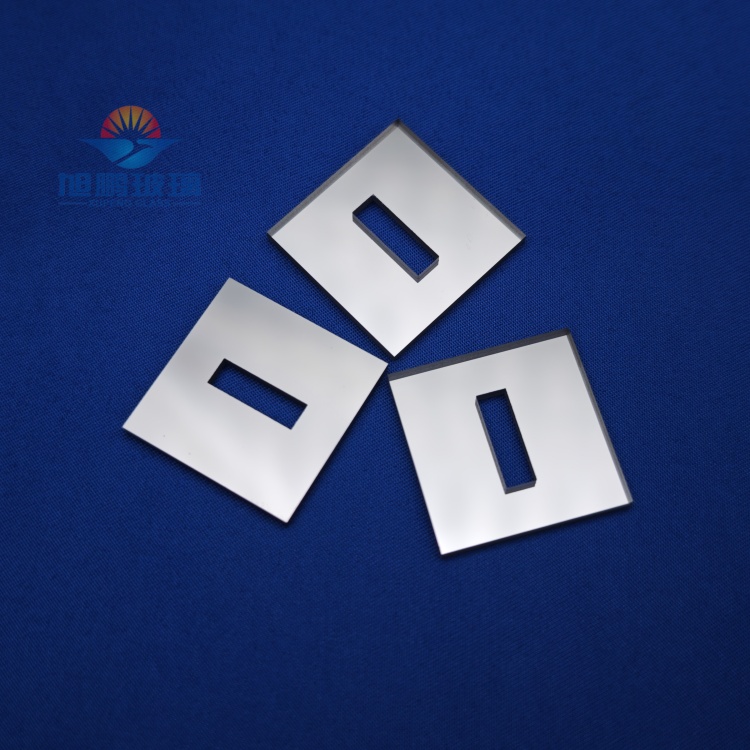
Silver-coated Mirror, Grooved at the Center of Glass
Decorative mirror glass with center grooving, useful for reflective panel concepts and visual accent design.
View product details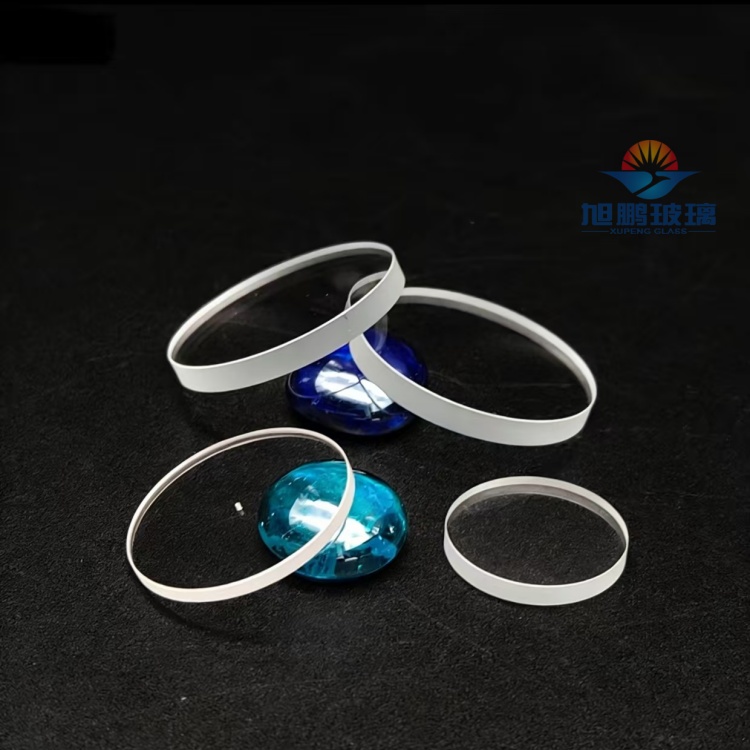
Sapphire Glass Step Window Wafers, High Temperature Resistant & High Light Transmittance Optical Sapphire Lenses
High-transmittance sapphire windows for demanding heat and scratch-resistance requirements in optical and sensor systems.
View product details
Custom Ultra-White Clear Tempered Glass Socket Decorative Cover for Stairways
Custom ultra-white tempered glass with cut-outs and decorative finishing, directly transferable to appliance control panel glazing.
View product details
Ultra-white Tempered Glass, AR Anti-Reflection Coatable, High Light Transmittance & Anti-reflective
High-clarity ultra-white glass with optional AR treatment, relevant to range hood displays and premium kitchen control panels.
View product detailsFor range hood front panels, common specifications combine 4 mm or 6 mm ultra-white tempered glass, ceramic black or white silk-screen printing, touch-icon windows and optional AR or AG treatment. Final selection must be confirmed against your drawing, heat exposure, control module and safety requirements.
Why Range Hood Glass in Hai Phong Rewards a Specification-Led Supplier
Hai Phong is both a port city and a growing industrial and residential market. Kitchen appliance brands, distributors, modular-kitchen fabricators and renovation contractors need glass panels that look consistent, tolerate kitchen heat and survive transport through a humid coastal environment. A range hood front panel is not a commodity sheet: it is a visible touch surface, a printed control interface and a safety-related component in one assembly.
Buyers in Hai Phong increasingly compare more than unit price. They ask whether the supplier can review a drawing, control edge quality, match black or white printing, protect coated surfaces, pack fragile parts for sea freight and support repeat orders for distributed showrooms. That is the difference between a glass trader and a factory-direct supply partner.
AUVE Glass approaches the Hai Phong market as a custom deep-processing manufacturer: tempered glass, ultra-clear glass, silk-screen printed glass, AR anti-reflective glass and AG anti-glare glass can be engineered around the appliance design rather than forced into a fixed catalogue size.
Capability Fit for Range Hood Glass Buyers
The production route is selected according to application, appearance and risk — not simply the lowest glass cost.
What Range Hood Glass Buyers in Hai Phong Usually Need
Hai Phong projects combine humid coastal air, urban apartment kitchens, hospitality kitchens and industrial supply chains. The glass specification should reflect all four.
Heat and Grease Proximity
Range hood glass sits near cooking vapour, lamp heat and cleaning chemicals. Tempered glass, printed ink durability and edge quality should be specified for the actual heat zone.
Coastal Humidity Awareness
Glass itself does not rust, but printed and coated surfaces need sound adhesion, protected edges and export packing suitable for humid coastal storage and installation sites.
Touch Control and Display Clarity
Backlit icons, hidden displays and touch buttons require precise printing registration, high light transmission and optional AR treatment to reduce reflection.
Safety and Edge Control
Assemblers need consistent dimensions, smooth edges and controlled hole positions. A poorly finished edge can become the weakest point in an appliance front panel.
Colour Consistency
Black, white and ultra-white glass finishes must match across batches and showroom samples. Ceramic silk-screen ink and low-iron glass selection help protect brand appearance.
Hai Phong Logistics
Port access through Lach Huyen and Dinh Vu, plus industrial zones such as Trang Due, Nam Dinh Vu and VSIP Hai Phong, make sea freight and consolidated delivery practical.
Where Range Hood Glass Is Used Across the Hai Phong Market
Different buyer types need different priorities: brand appearance, drop-in assembly, wholesale margin, replacement part availability or project delivery timing.
Kitchen Appliance OEMs
Factories and assembly partners need drawing repeatability, controlled print registration and documented inspection for repeated production batches.
Appliance Distributors and Showrooms
Distributors can consolidate range hood glass, control panel glass and decorative glass from one qualified supplier with export packing and batch labels.
Apartment and Villa Projects
Projects in urban Hai Phong districts increasingly specify black glass, white glass and minimal touch panels that coordinate with modular kitchens.
Hospitality and Restaurant Kitchens
Commercial kitchens prioritise easy cleaning, heat resistance, robust touch areas and replacement part consistency across equipment fleets.
Modular Kitchen Fabricators
Cabinet makers and kitchen system integrators need glass panels that fit appliance modules, align with cabinet finishes and accept custom icons.
Replacement and After-Sales
Service partners need small-batch availability for discontinued models, control panel replacements and sample-to-production continuity.
Range Hood Glass Product Recommendations for Hai Phong Buyers
Use this practical matrix to shortlist materials before requesting samples or a quotation.
| Range Hood Component | Recommended Glass | Key Specification | Why It Matters in Hai Phong |
|---|---|---|---|
| Touch control front panel | Ultra-white tempered glass with ceramic silk-screen | 4 mm or 6 mm; custom holes; backlit icon windows; AR optional | Produces a premium black or white fascia with crisp symbols and reliable touch-window appearance. |
| Display and indicator window | AR-coated ultra-clear glass | High light transmittance; low reflection; single- or double-side AR | Improves LED readability in bright kitchens and reduces distracting reflections from windows and lighting. |
| Heat-adjacent lamp cover | High-temperature resistant glass-ceramic or sapphire option | 4 mm / 6 mm ceramic glass-ceramic; sapphire where scratch and heat resistance are critical | Supports higher thermal loads near lamps and cooking zones where ordinary coated glass may be unsuitable. |
| Decorative black front | Tempered low-iron glass with black ceramic ink | Edge polishing; flatness control; batch colour matching | Matches modern kitchen appliances and keeps showroom samples consistent across repeat orders. |
| Anti-glare kitchen interface | AG or AG + AR treated glass | Controlled haze and gloss; tempered substrate; cleanable surface | Reduces glare in open kitchens and coastal apartments with large windows and strong daylight. |
| Wholesale replacement panels | Custom tempered glass to drawing | Stable dimensions; protective packing; batch labels; drawing archive | Helps distributors and service partners reorder without restarting tooling and sample approval. |
Hai Phong Kitchen Appliance Glass Trends to Watch in 2024–2026
These trends are visible in appliance design, kitchen retail and project procurement patterns. They are practical inputs for product planning rather than generic predictions.
Black Glass Continues to Lead
Black front panels remain a strong design language for range hoods and built-in appliances. Buyers need consistent ink coverage, controlled gloss and scratch-resistant packing.
Touch Interfaces Replace Mechanical Controls
Flat glass panels with hidden icons and backlit displays create demand for precise printing windows and reliable tempered substrates.
AR and AG Become Practical Options
Once reserved for high-end displays, anti-reflective and anti-glare glass are moving into premium kitchen appliances and smart control panels.
Localised Wholesale Programs
Hai Phong distributors want fewer suppliers, clearer MOQs and repeatable quality across different appliance models and replacement parts.
Port-Ready Packaging and Terms
Buyers are asking for CFR, CIF or DDP delivery to Hai Phong with packing that reduces breakage during sea freight and inland handling.
Traceability and Sample Control
Engineering teams now expect archived drawings, batch labels and sample references so that Hai Phong installations match the approved panel long after first order.

Inside AUVE Glass: A Factory-Direct Supply Base for Hai Phong Buyers
Dongguan AUVE Glass Co., Ltd. is a deep-processing glass manufacturer established in 2018 in Songshan Lake, Dongguan, China. The company integrates R&D, design, production and export, with 51–100 skilled employees and a production facility in the 1,001–2,000 m² range.
For Hai Phong appliance buyers, the advantage is not simply glass capacity. It is the ability to translate a drawing into a repeatable production route: cutting, CNC shaping, edging, drilling, tempering, high-temperature silk-screen printing, AR/AG coating, inspection and export packing. The company exports to the United States, Canada, Russia, South Korea, Japan, Australia and other markets, and supports FOB, CFR, CIF, EXW, DDP, DDU, DAF and express delivery.
Factory-Direct Manufacturing
Processes are controlled in-house instead of being outsourced across multiple traders, which supports tolerance control and faster issue resolution.
Drawing-to-Production Review
Send CAD, DXF or PDF drawings with thickness, tolerance, edge, hole, printing and coating requirements for manufacturability review.
Integrated Glass Processes
CNC cutting, edging, drilling, tempering, silk-screen printing, AR and AG coating can be coordinated under one production plan.
Fragile-Goods Export Packing
Protective film, foam corner protection and wooden crates or reinforced cartons are selected according to panel size, coating and shipping route.
Fast Technical Response
Average response time is within 7 hours, helping Hai Phong buyers move from initial drawing to sample discussion without long communication gaps.
Verified Supplier Information
Onsite verification, credit index, transaction level, trade capacity, trade history and buyer reviews are available for independent review before ordering.
From Drawing to Delivery: How a Hai Phong Range Hood Glass Order Runs
A controlled sequence reduces sample cycles, last-minute engineering changes and breakage risk.
Drawing and Use-Case Review
Share the panel drawing, heat zone, control layout and target finish. Engineers check feasibility before quoting.
Material and Process Selection
Confirm ultra-white or low-iron glass, thickness, edge profile, printing colours, AR/AG treatment and packing method.
Sample and Approval
Produce a pre-production sample or pilot batch for fit, colour, icon clarity and surface appearance review.
Production and In-Process Control
Cutting, CNC shaping, drilling, tempering, printing and coating are checked against the approved specification.
Final Inspection
Dimension, appearance, coating, print adhesion, edge condition and packing are reviewed before shipment.
Export to Hai Phong
Delivery can be arranged under FOB, CFR, CIF, EXW, DDP, DDU, DAF or express terms according to the buyer’s customs setup.
Quality Checks That Matter for Range Hood Glass Panels
For appliance glass, visual quality and assembly fit are equally important. A panel that looks good but does not seat correctly will still stop a production line.
| Control Point | What Is Checked | Why Hai Phong Buyers Should Care |
|---|---|---|
| Dimensions and flatness | Length, width, thickness, hole positions, edge profile and flatness against the approved drawing. | Supports drop-in assembly with control modules, brackets and appliance housings. |
| Tempering condition | Process parameters and visual checks appropriate to the specified tempered glass route. | Reduces risk in a visible, touch-critical appliance component. |
| Print registration | Icon alignment, window clarity, ink coverage and colour consistency against the approved sample. | Protects brand appearance and helps retail showroom samples match mass production. |
| Coating appearance | AR/AG surface uniformity, reflection target, haze or gloss where applicable. | Improves display readability and visual comfort in bright kitchens and coastal apartments. |
| Edge and surface condition | Chips, scratches, edge roughness, pinholes and protected areas after handling. | Reduces reject rates during appliance assembly and after-sales replacement. |
| Packing validation | Interleaving, corner protection, carton or crate strength, labels and batch traceability. | Helps protect glass during sea freight to Hai Phong and inland delivery to factories or showrooms. |
Range Hood Glass FAQ for Hai Phong Buyers
Practical answers for appliance brands, importers, distributors and project buyers comparing suppliers.
Are you a range hood glass supplier or wholesaler for the Hai Phong market?
We are a factory-direct custom glass manufacturer supporting OEMs, wholesalers, distributors and project buyers. For Hai Phong, we can quote range hood glass panels, control panel glass and related tempered or coated glass to your drawings.
Can you customize size, holes, icons, logo and edge profile?
Yes. Send a CAD, DXF or PDF drawing with thickness, tolerance, edge, hole, printing and coating requirements. Our engineers review manufacturability before production and confirm the approved sample before mass production.
Which glass is best for a range hood control panel?
Many designs use 4 mm or 6 mm ultra-white tempered glass with ceramic silk-screen printing. AR coating can improve display clarity, while AG treatment can reduce glare. The final choice depends on heat exposure, control module design, appearance target and safety requirements.
Is tempered glass safe for kitchen appliance panels?
Tempered glass is widely used in appliance panels when the material, thickness, edge quality and installation method are correctly specified. The buyer should confirm the final panel against its appliance safety and project requirements.
Will Hai Phong coastal humidity affect the glass?
Glass itself is stable in humid air, but printed, coated and cut edges need sound process control. Specify suitable ink adhesion, coating protection, edge finishing and export packing for humid storage or installation conditions.
What is the minimum order quantity for range hood glass?
MOQ depends on material and process. Many coated and optical glass parts start from 10 to 50 pieces, while standard ultra-clear tempered parts often start from 100 to 500 pieces. Sample and pilot quantities can be discussed for new projects.
Which delivery terms can you support for Hai Phong?
We support FOB, CFR, CIF, EXW, DDP, DDU, DAF and express delivery. For fragile glass panels, export packing is selected according to size, coating, printing and shipping route.
How do I get an accurate quotation?
Send your drawing, target thickness, glass type, print artwork, coating requirement, order quantity and preferred delivery term. Include whether the panel is for a new appliance model, a wholesale replacement part or a project installation.
How to Get a Precise Range Hood Glass Quote
Clear input shortens the engineering review and helps avoid repeated sample rounds.
Send the Drawing
Provide CAD, DXF or PDF files with dimensions, tolerances, holes, cut-outs, edge profile and surface treatment zones.
Specify the Finish
Confirm ultra-white or low-iron glass, black or white printing, AR/AG coating, gloss target and whether the rear side needs protection.
Confirm the Route to Hai Phong
State whether you need factory pickup, sea freight to Hai Phong, DDP delivery or express samples for approval.
Ready to Specify Range Hood Glass for Hai Phong?
Share your drawing, target finish and order quantity. AUVE Glass will review material, process route, packing and delivery to Hai Phong — with no obligation.
Get a Quote